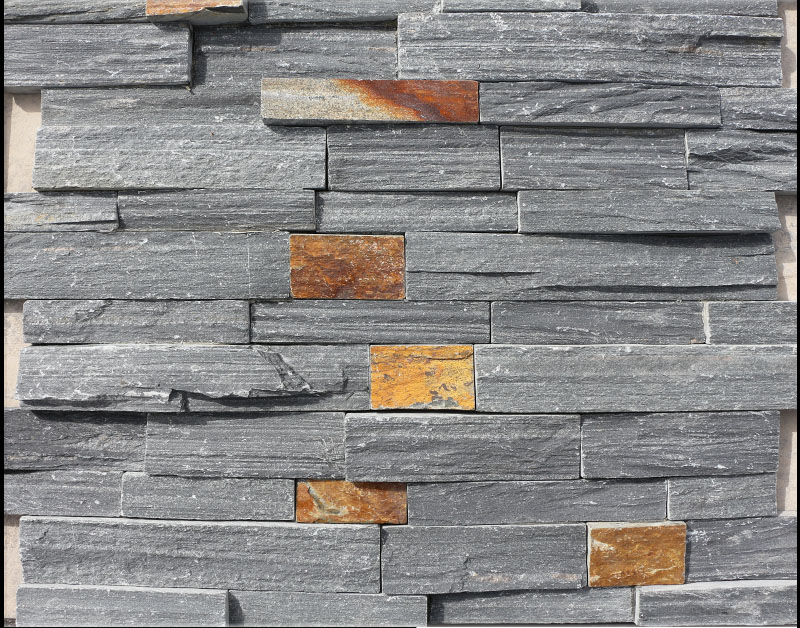
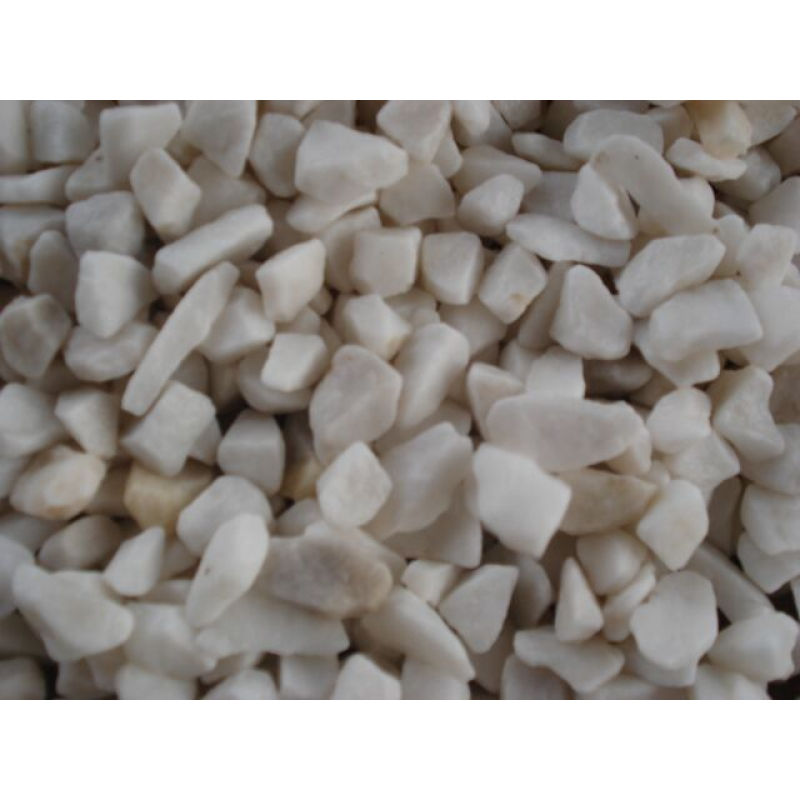
Choosing the right stone or paver for your new hardscaping element is dependent on a number of factors. Homeowners must consider their personal taste, the selection available, and more to create a functional and aesthetically pleasing space.
In order to make your decision a little easier when it comes time to discuss your requirements to a hardscaping professional, like the ones at Three Seasons, knowing the pros and cons of natural stone and pavers can go a long ways towards helping the decision making process.
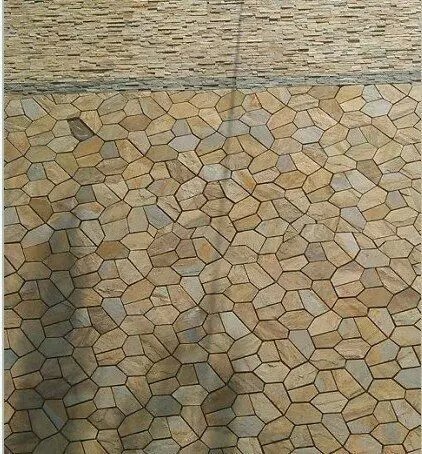
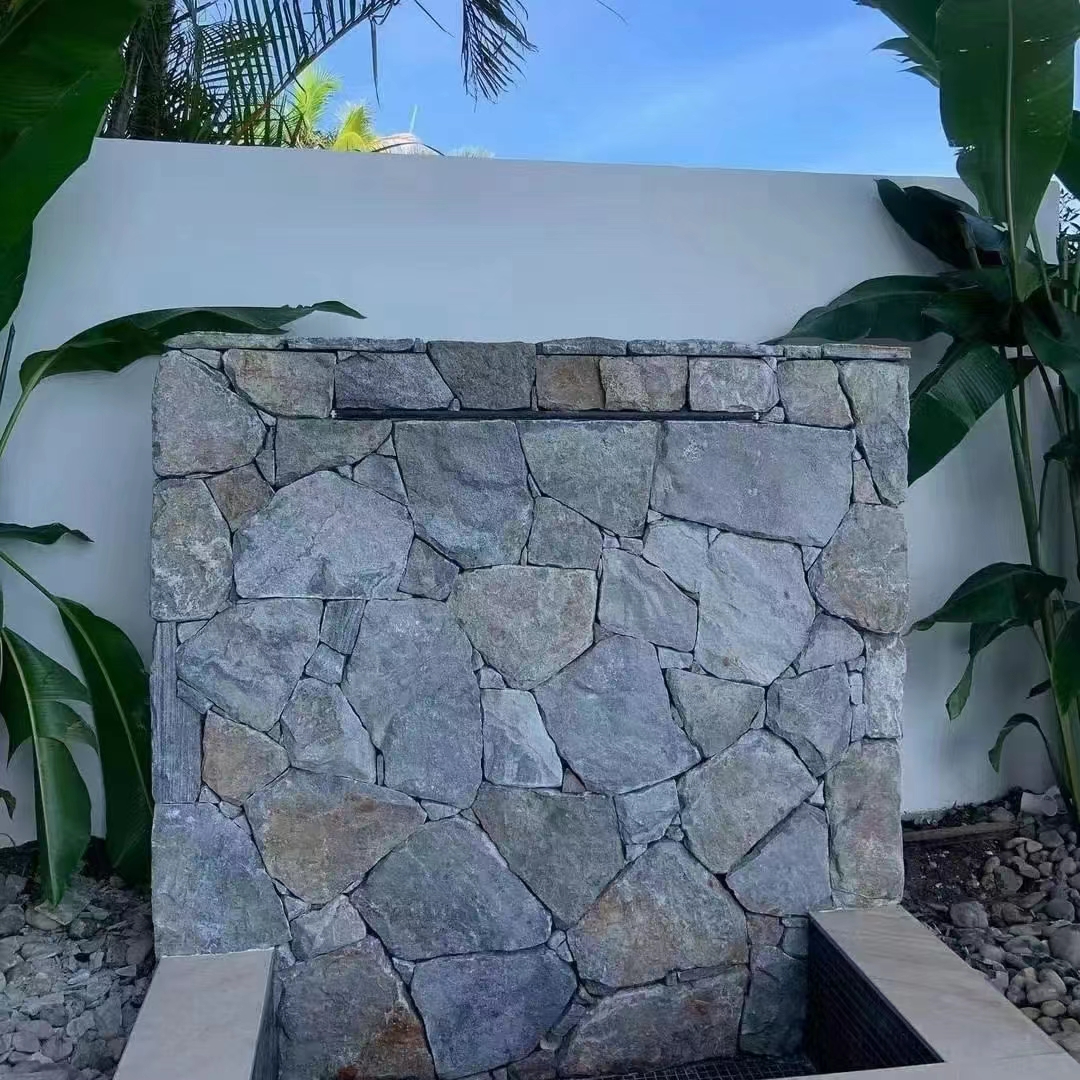
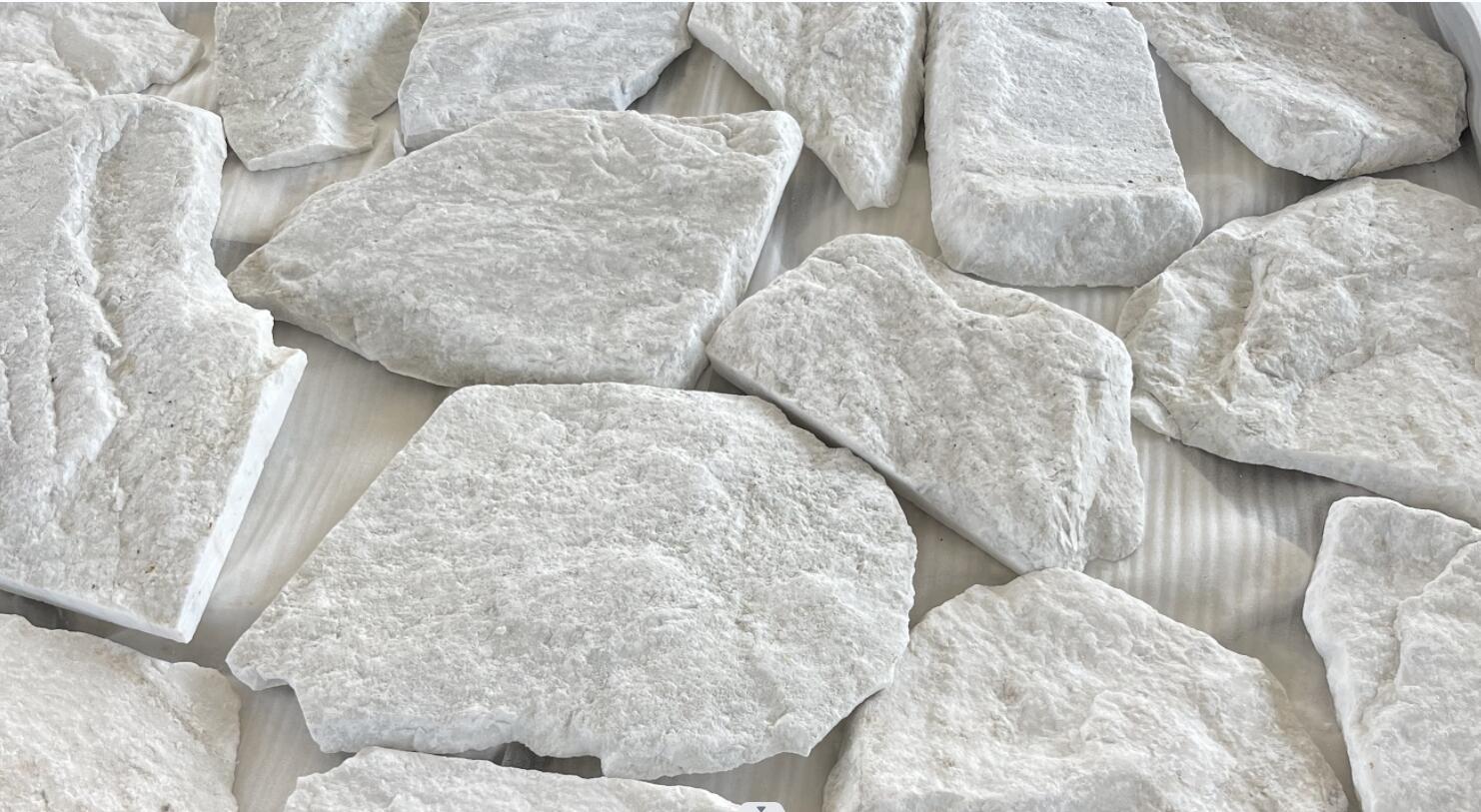
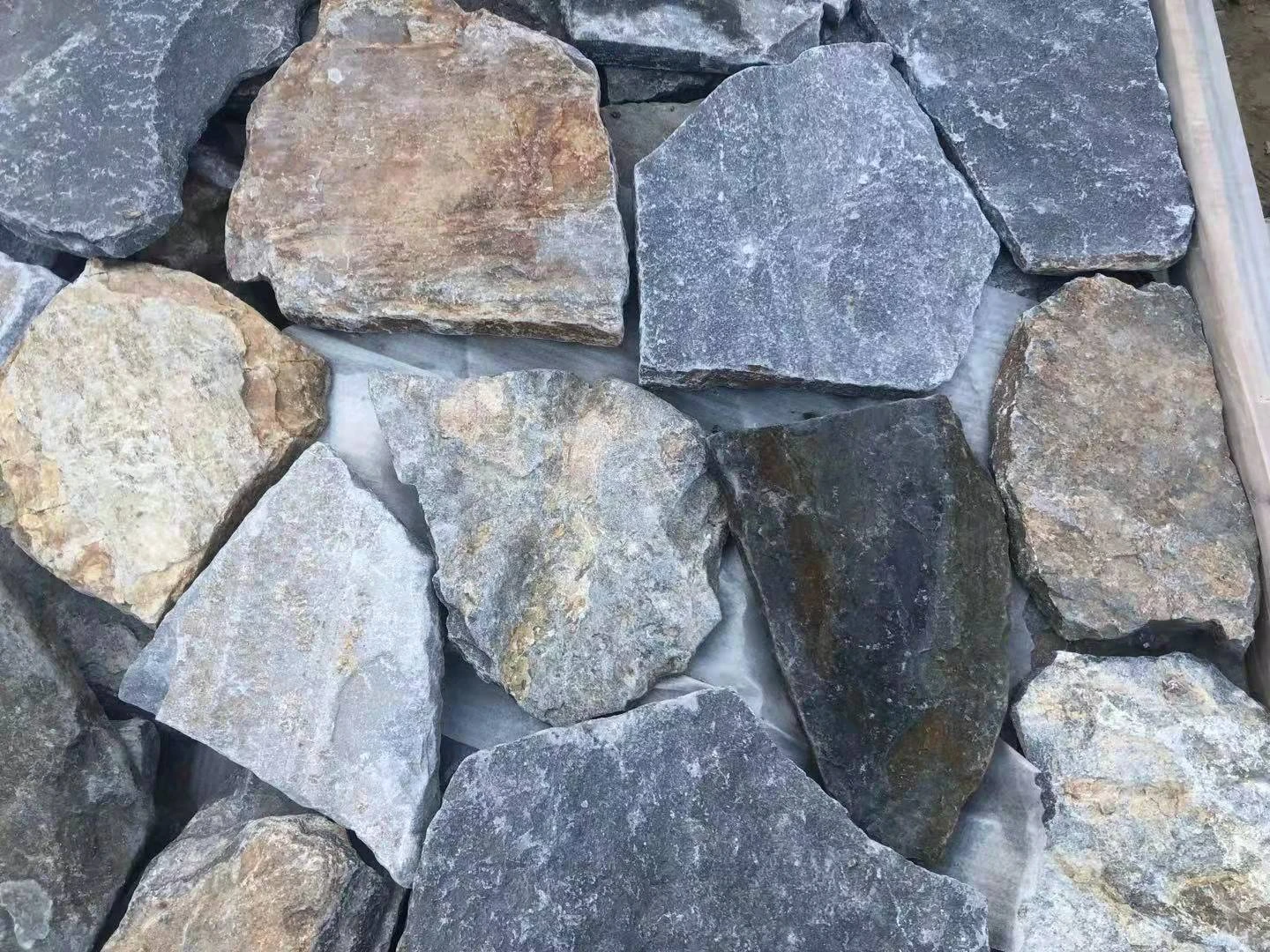
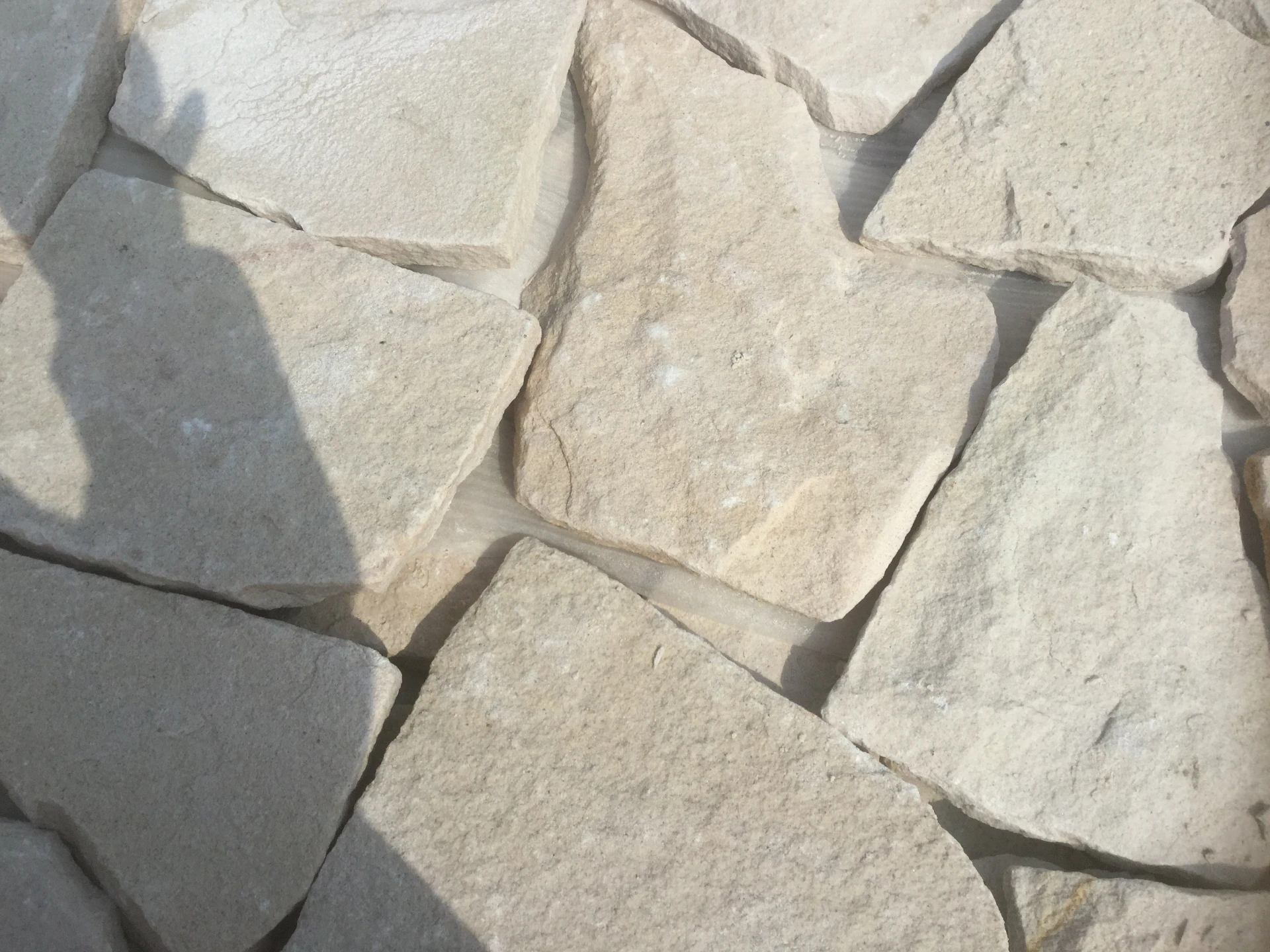
Among the positive aspects of natural stone is that it comes in a wide variety of materials including slate, limestone, travertine, bluestone, and flagstone. Also, natural stone is generally a go-to product for homeowners who want an earthy, all-natural look for their hardscape.
One other positive item is that natural stone can come in both regular and irregular shapes. However, the more irregular the stones are, the further apart they will have to be placed, as they will not naturally fit together. This can help give the hardscaping element a more organic appearance.
Natural stone is more expensive to purchase and install. This is because natural stone has to be quarried and transported from their quarry site. In addition, it is more difficult for installers to work with natural stone, due to it being uneven in thickness. This creates higher labor costs than you would see with installing uniform pavers.
Stones that are set in concrete can crack and repairs may be needed in the future.
Pavers are less labor-intensive and usually less expensive to install. Since they are the same size and thickness from one paver to the next, they are easy to lay and can be set using either gravel or sand. No mortar is required when pavers are used.
Pavers also come in a variety of colors and appearances, some of which can actually mimic the look of natural stone. Additionally, pavers have more durability than their natural stone counterparts. Because pavers are manufactured in a wide range of sizes and patterns, it is easier to create patterns, edging, and intricate, colorful designs.
Homeowners with busy brick patterns on their homes may want to stray away from pavers, because the resulting overall look could be one that seems “cluttered” from a standpoint of aesthetics.
One important thing to consider is that maintaining paver hardscaping elements can be more work than ones built using natural stone. Another example of consideration is that over time, pavers can separate and cause an uneven surface. Furthermore, grass and weeds can grow in the areas between the pavers, causing additional weeding to be needed to maintain a neat appearance.
Hardscaping elements built from natural stone or pavers may make all the difference to the look of your property and can add value to your home as well. By taking some of the information provided within this article, you will be able to make a more informed decision when deciding between a paver or natural stone element for your hardscape.
 아프리카 사람
  알바니아
알바니아  암하라어
암하라어  아라비아 말
  아르메니아 사람
  아제르바이잔
  바스크 사람
  벨로루시어
벨로루시어  벵골 사람
벵골 사람  보스니아어
보스니아어  불가리아 사람
  카탈로니아 사람
  세부아노어
세부아노어  중국
중국  중국(대만)
  코르시카어
코르시카어  크로아티아어
  체코 사람
체코 사람  덴마크 말
덴마크 말  네덜란드 사람
  영어
영어  에스페란토 말
  에스토니아 사람
  핀란드어
핀란드어  프랑스 국민
  프리지아어
프리지아어  갈리시아어
갈리시아어  그루지야 사람
  독일 사람
독일 사람  그리스 어
그리스 어  구자라트어
구자라트어  아이티 크리올어
  하우사
하우사  하와이 사람
  헤브라이 사람
  아니요
아니요  먀오족
먀오족  헝가리 인
헝가리 인  아이슬란드어
  이보
이보  인도네시아 인
  아일랜드의
아일랜드의  이탈리아 사람
  일본어
일본어  자바어
자바어  칸나다어
칸나다어  카자흐어
카자흐어  크메르어
크메르어  르완다
르완다  한국인
한국인  쿠르드어
쿠르드어  키르기스어
키르기스어  결핵
결핵  라틴어
라틴어  라트비아 사람
  리투아니아 사람
  룩셈부르크어
  마케도니아 어
  말가시
말가시  말레이 사람
  말라얄람어
말라얄람어  몰티즈
몰티즈  마오리족
마오리족  마라티어
마라티어  몽고 어
몽고 어  미얀마
미얀마  네팔어
네팔어  노르웨이 인
  노르웨이 인
  옥시탄
옥시탄  파슈토어
파슈토어  페르시아 인
  광택
광택  포르투갈 인
  펀자브어
펀자브어  루마니아 사람
  러시아인
러시아인  사모아어
사모아어  스코틀랜드 게일어
  세르비아 사람
  영어
영어  쇼나
쇼나  신디어
신디어  신할라어
신할라어  슬로바키아 사람
  슬로베니아
슬로베니아  소말리아어
소말리아어  스페인의
스페인의  순다어
순다어  스와힐리어
스와힐리어  스웨덴어
스웨덴어  타갈로그어
타갈로그어  타직어
타직어  타밀 사람
타밀 사람  타타르어
타타르어  텔루구어
텔루구어  태국어
태국어  터키어
터키어  투르크멘 말
  우크라이나 인
  우르두어
우르두어  위구르어
위구르어  우즈벡어
우즈벡어  베트남어
베트남어  웨일스 말
웨일스 말