Choosing the right stone or paver for your new hardscaping element is dependent on a number of factors. Homeowners must consider their personal taste, the selection available, and more to create a functional and aesthetically pleasing space.
In order to make your decision a little easier when it comes time to discuss your requirements to a hardscaping professional, like the ones at Three Seasons, knowing the pros and cons of natural stone and pavers can go a long ways towards helping the decision making process.
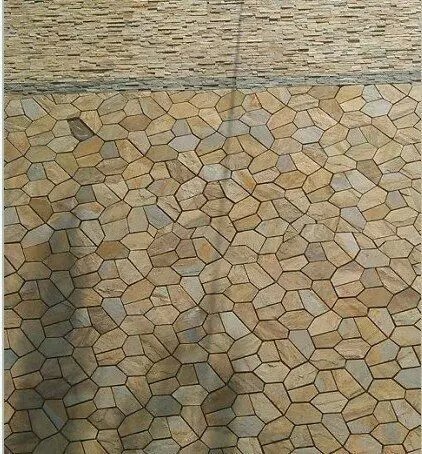
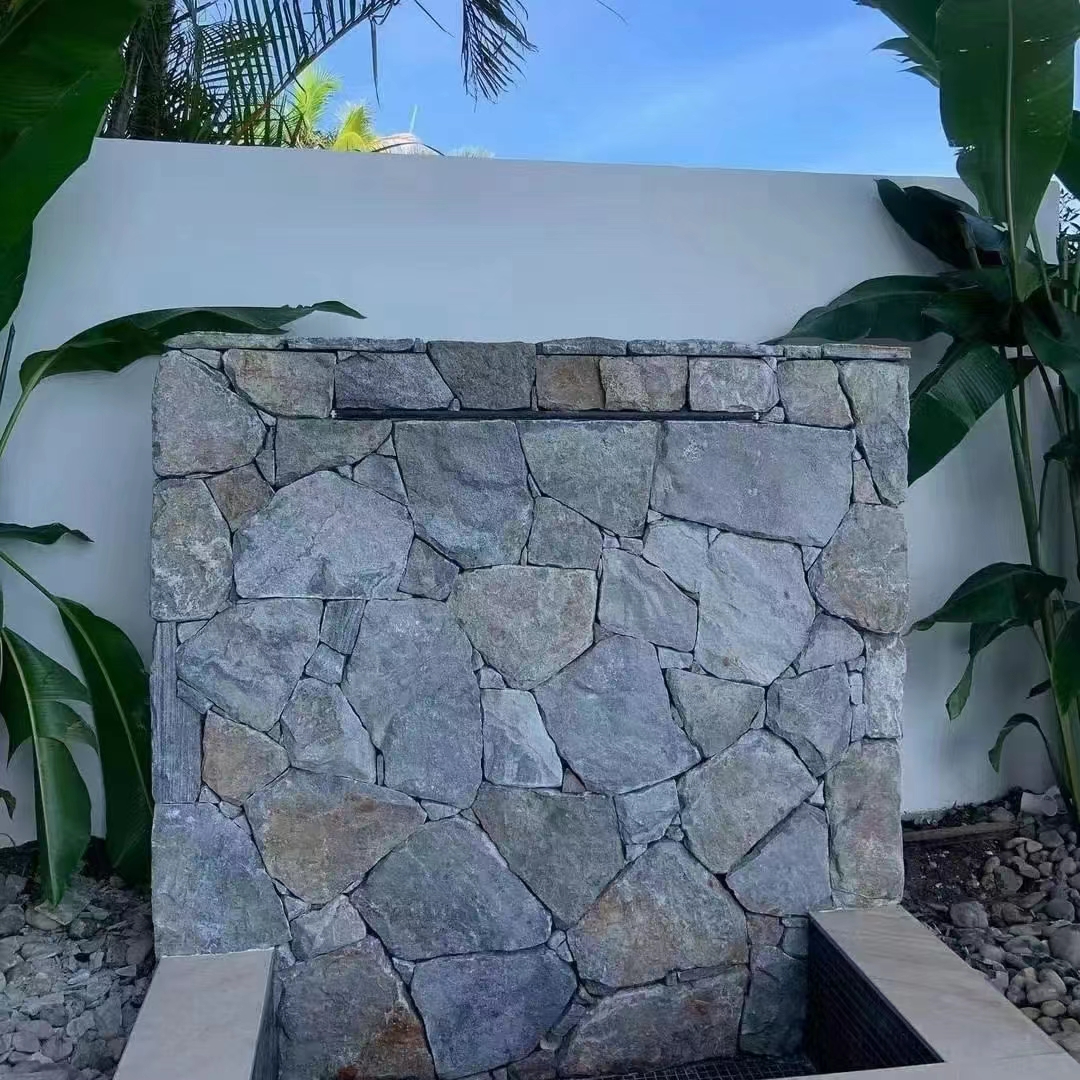
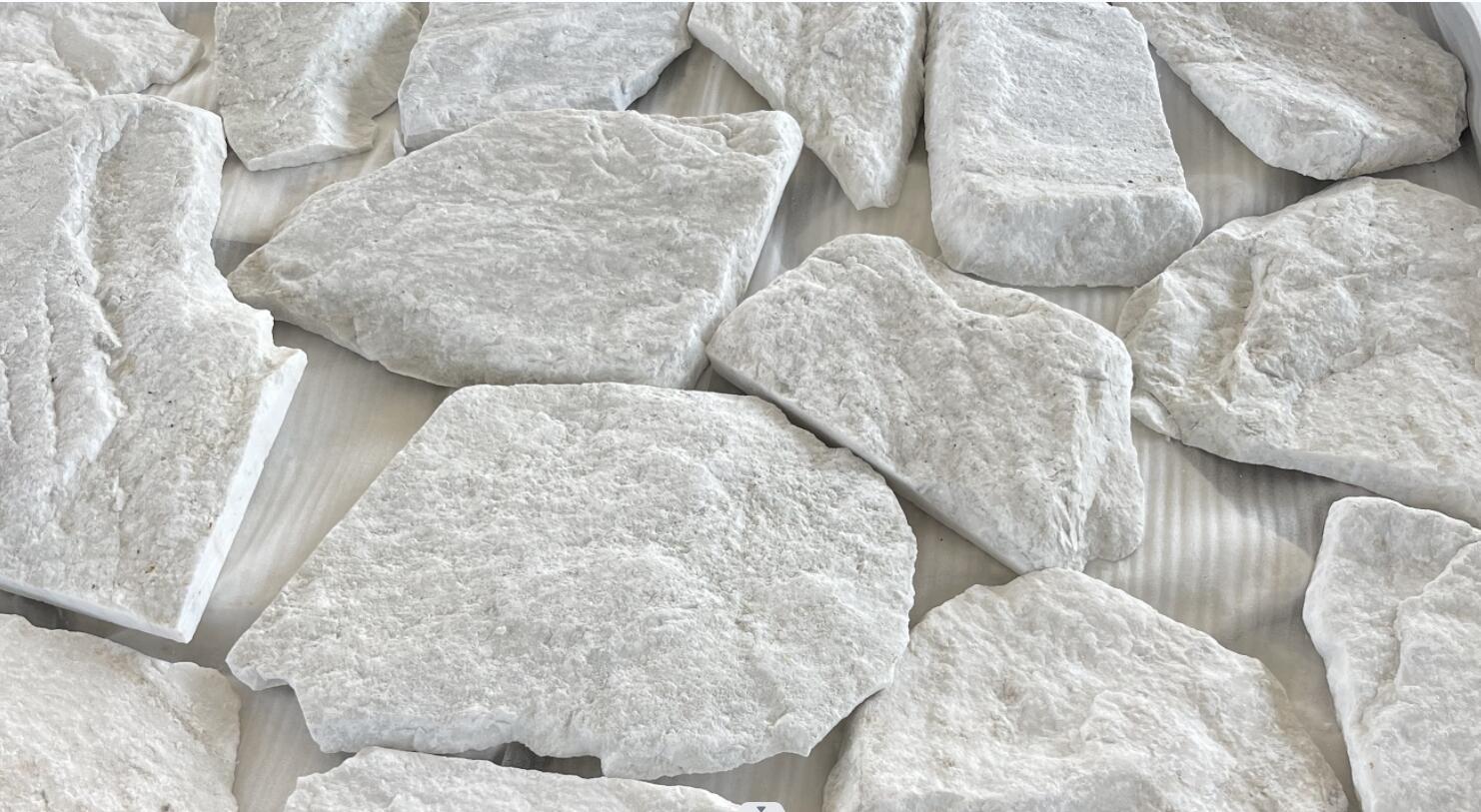
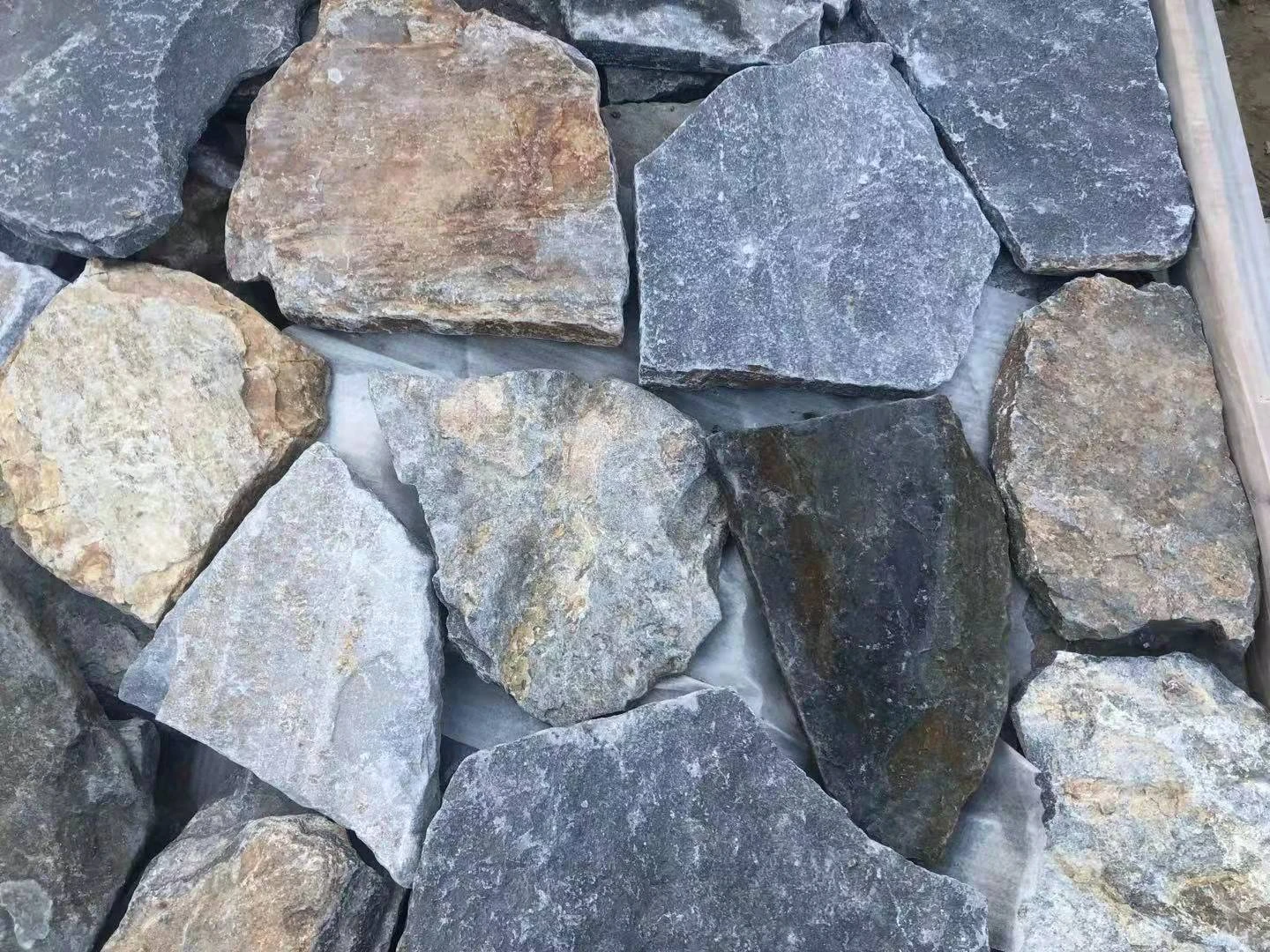
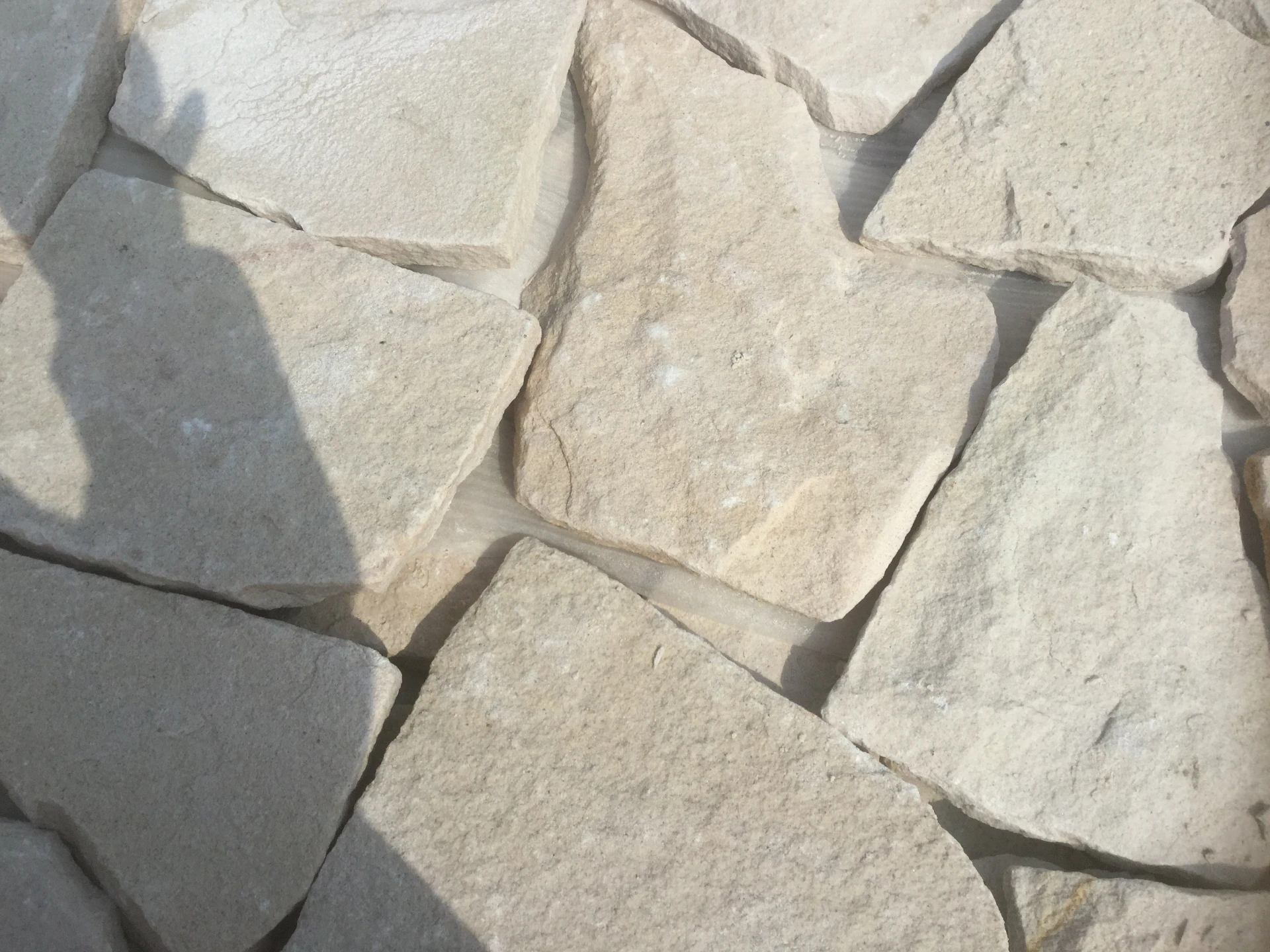
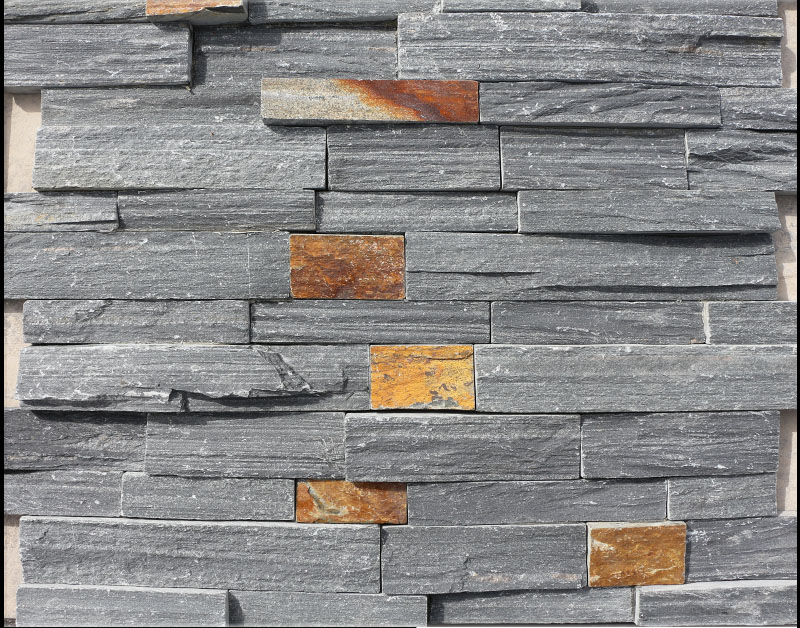
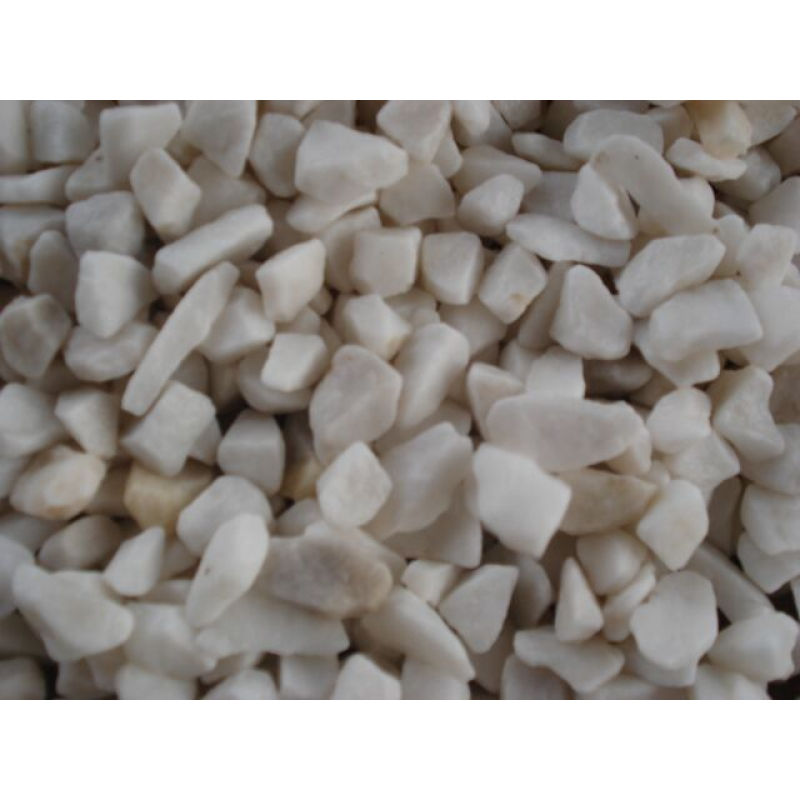
Among the positive aspects of natural stone is that it comes in a wide variety of materials including slate, limestone, travertine, bluestone, and flagstone. Also, natural stone is generally a go-to product for homeowners who want an earthy, all-natural look for their hardscape.
One other positive item is that natural stone can come in both regular and irregular shapes. However, the more irregular the stones are, the further apart they will have to be placed, as they will not naturally fit together. This can help give the hardscaping element a more organic appearance.
Natural stone is more expensive to purchase and install. This is because natural stone has to be quarried and transported from their quarry site. In addition, it is more difficult for installers to work with natural stone, due to it being uneven in thickness. This creates higher labor costs than you would see with installing uniform pavers.
Stones that are set in concrete can crack and repairs may be needed in the future.
Pavers are less labor-intensive and usually less expensive to install. Since they are the same size and thickness from one paver to the next, they are easy to lay and can be set using either gravel or sand. No mortar is required when pavers are used.
Pavers also come in a variety of colors and appearances, some of which can actually mimic the look of natural stone. Additionally, pavers have more durability than their natural stone counterparts. Because pavers are manufactured in a wide range of sizes and patterns, it is easier to create patterns, edging, and intricate, colorful designs.
Homeowners with busy brick patterns on their homes may want to stray away from pavers, because the resulting overall look could be one that seems “cluttered” from a standpoint of aesthetics.
One important thing to consider is that maintaining paver hardscaping elements can be more work than ones built using natural stone. Another example of consideration is that over time, pavers can separate and cause an uneven surface. Furthermore, grass and weeds can grow in the areas between the pavers, causing additional weeding to be needed to maintain a neat appearance.
Hardscaping elements built from natural stone or pavers may make all the difference to the look of your property and can add value to your home as well. By taking some of the information provided within this article, you will be able to make a more informed decision when deciding between a paver or natural stone element for your hardscape.
 африкалық
  албан
албан  амхар
амхар  араб
араб  армян
армян  әзірбайжан
  баск
баск  белорус
  бенгал
  босниялық
  болгар
  каталон
  Себуано
  Қытай
Қытай  Қытай (Тайвань)
  корсика
  хорват
  чех
чех  дат
дат  голланд
  Ағылшын
  эсперанто
  эстон
эстон  фин
фин  француз
  фриз
фриз  галисиан
  грузин
  неміс
неміс  грек
грек  гуджарати
  Гаити креол
  хауса
хауса  гавай
гавай  иврит
иврит  Жоқ
Жоқ  Миао
Миао  венгр
венгр  исланд
  игбо
игбо  индонезиялық
  ирланд
  итальян
  жапон
жапон  Яван
Яван  Каннада
  қазақ
қазақ  кхмер
кхмер  Руанда
  корей
корей  күрд
күрд  қырғыз
  туберкулез
  латын
латын  латыш
латыш  литва
литва  Люксембург
  македон
  Малгаши
  малай
малай  малаялам
  мальталық
  маори
маори  Марати
  моңғол
  Мьянма
  Непал
Непал  норвег
  норвег
  Окситан
  пушту
пушту  парсы
парсы  поляк
поляк  португал тілі
  Пенджаби
  румын
румын  орыс
орыс  самоа
самоа  Шотландтық гал
  серб
серб  Ағылшын
  Шона
Шона  Синди
Синди  Сингал
  словак
  словен
  Сомали
  испан
испан  сундан
  суахили
  швед
швед  Тагалог
  тәжік
тәжік  Тамил
Тамил  татар
татар  телугу
  тай
тай  түрік
түрік  түрікмен
  украин
  урду
урду  ұйғыр
ұйғыр  өзбек
өзбек  вьетнамдық
  Уэльс
Уэльс