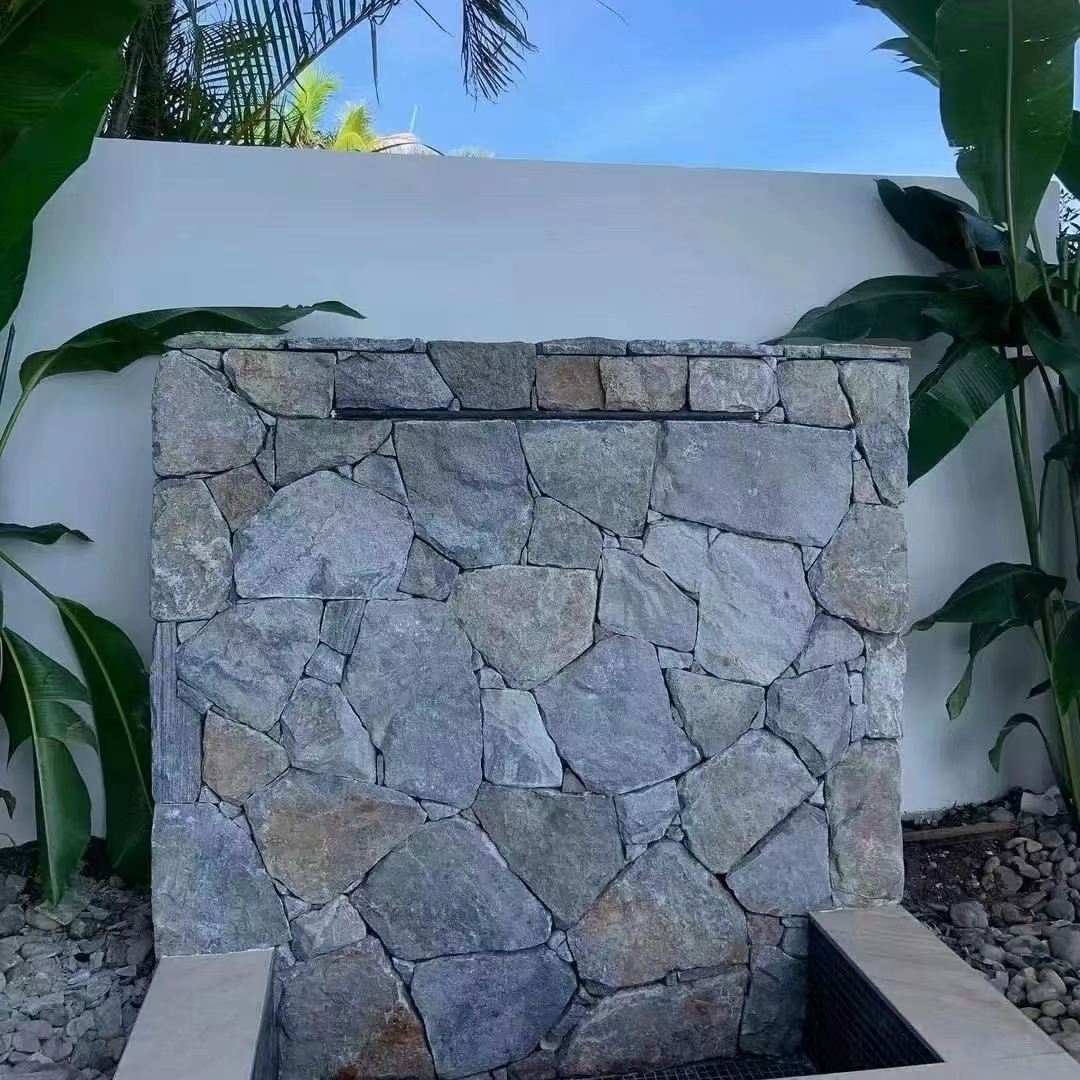
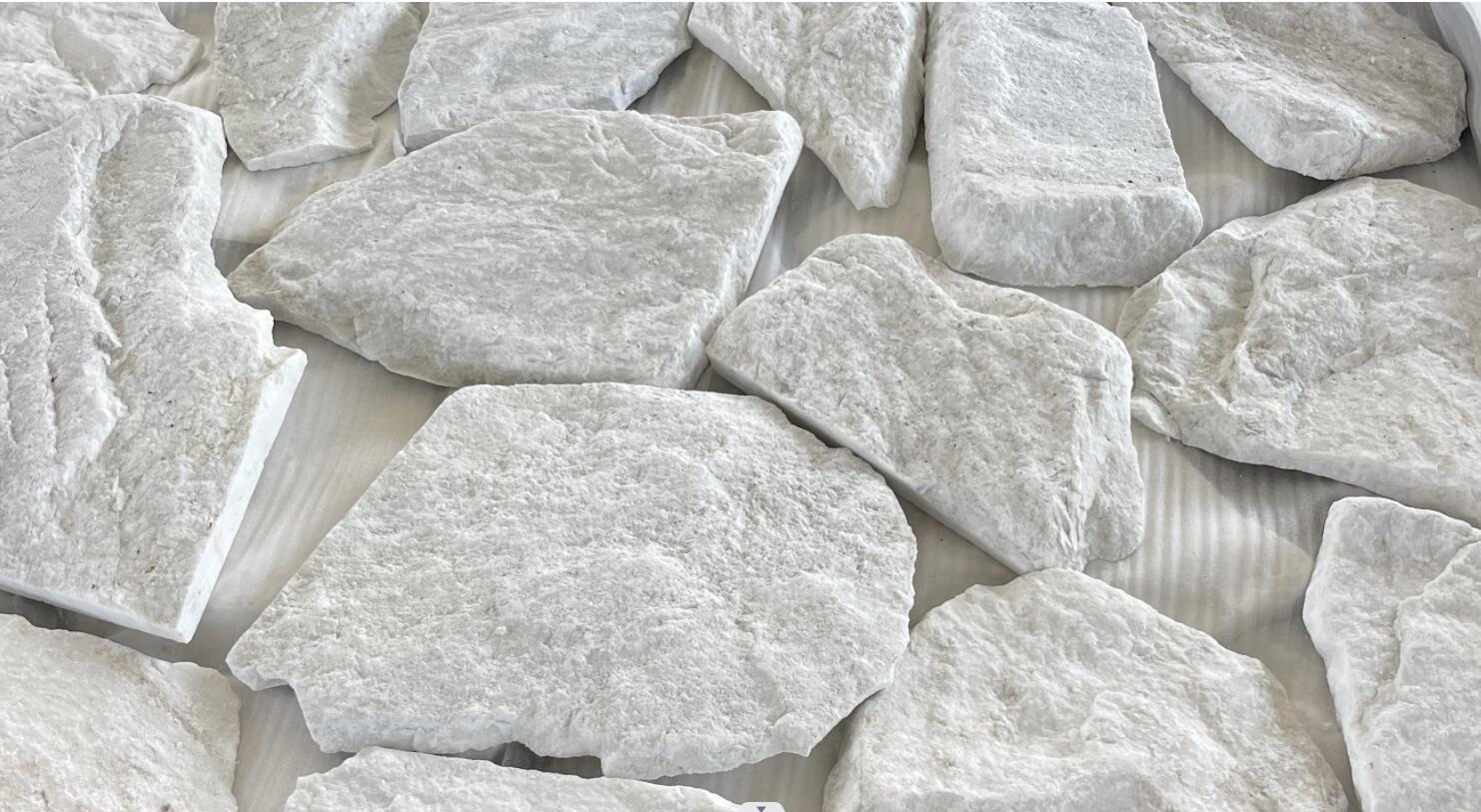
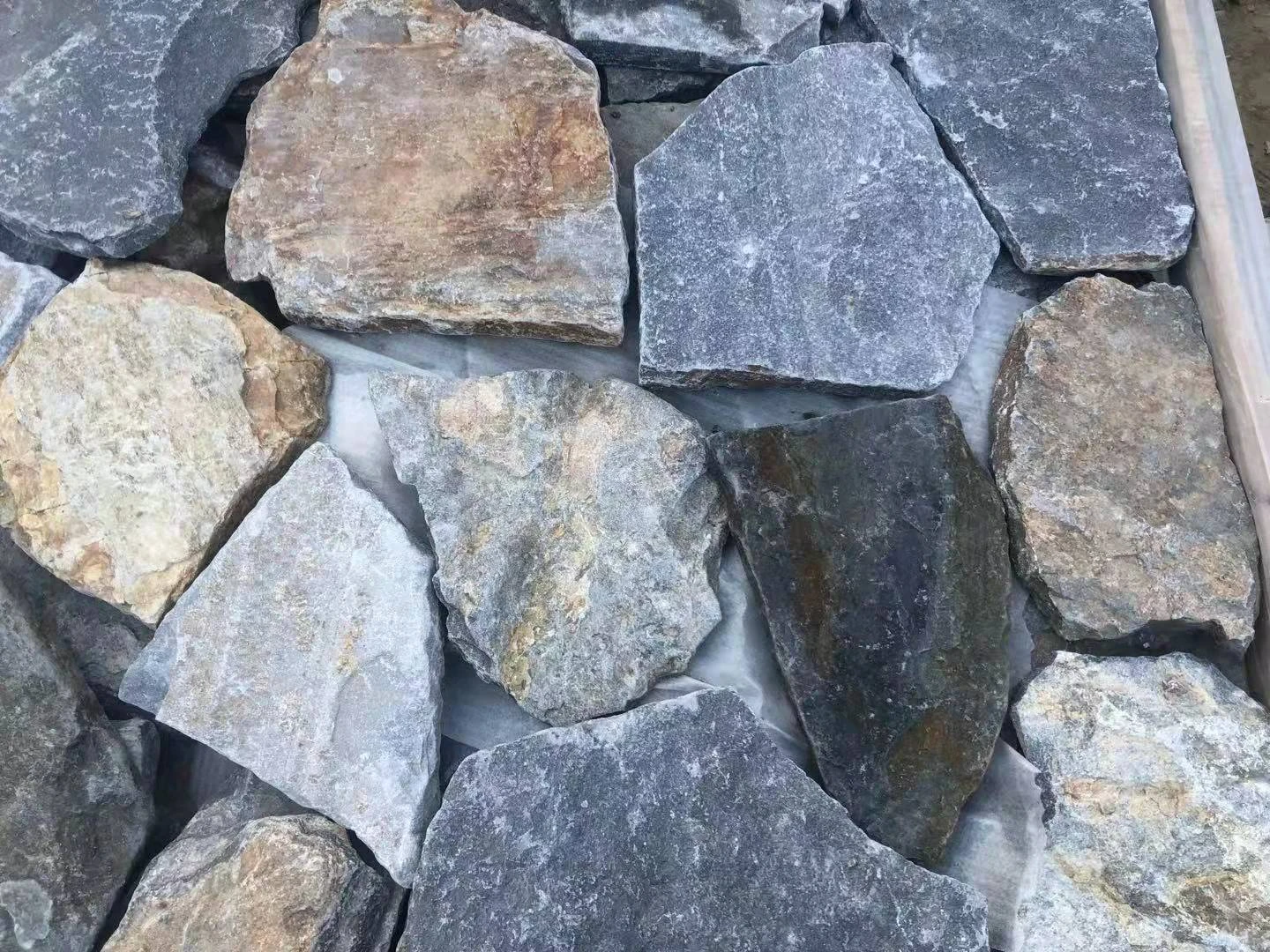
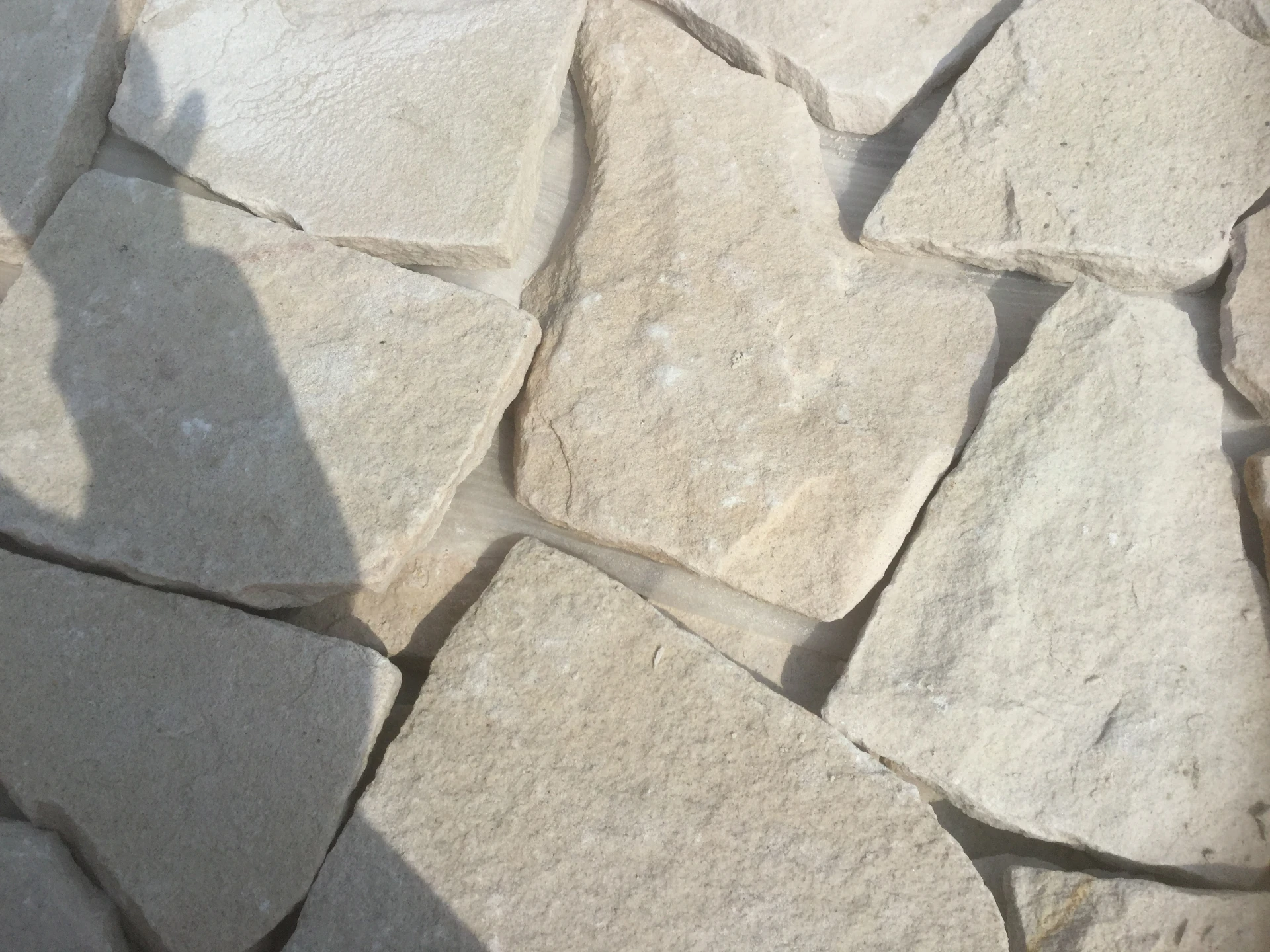
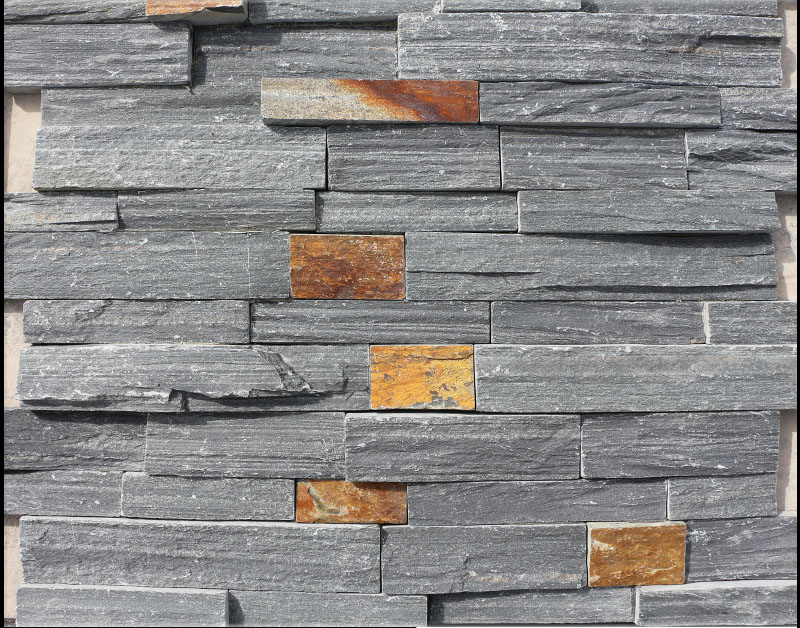
Thin stone is an increasingly popular choice for homeowners and designers looking to enhance their spaces with the natural beauty of stone without the bulk and weight of traditional options. Whether you're considering thin stone veneer for an accent wall, fireplace, or exterior facade, this versatile material can transform your environment. In this article, we'll explore the benefits of using thin stone for walls, discuss different veneer options, and provide tips on where to find these products.
Thin stone refers to natural stone that has been cut to a thinner profile, typically less than 2 inches thick. This reduction in thickness makes it lighter and easier to work with, allowing for more flexible installation options. 薄い石のベニヤ can be made from a variety of stones, including slate, granite, limestone, and sandstone, each offering unique colors and textures.
美的魅力: The natural beauty of thin stone adds elegance and warmth to any space. Its rich textures and colors can enhance both modern and traditional designs, making it a versatile choice for various applications.
Lightweight and Easy to Install: The reduced weight of thin stone veneer makes it easier to handle and install compared to traditional stone. This characteristic can simplify the installation process, reducing labor costs and time.
耐久性: Despite its lightweight nature, thin stone maintains the durability and longevity of natural stone. It is resistant to weathering, moisture, and temperature fluctuations, making it suitable for both interior and exterior applications.
Versatile Applications: Thin stone for walls can be used in various settings, including accent walls, fireplaces, outdoor patios, and building facades. Its flexibility allows for creative design possibilities in both residential and commercial projects.
低メンテナンス: Once installed, thin stone requires minimal upkeep. Regular cleaning with water and mild soap can help maintain its appearance, and its resistance to stains makes it a practical choice for high-traffic areas.
Natural Thin Stone Veneer: This option is made from real stone that has been cut into thin slices. It retains the natural beauty and texture of the stone, making it ideal for high-end applications.
人工石: Made from concrete and aggregates, cultured stone mimics the appearance of natural stone. It is often more affordable and lighter than natural thin stone, making it a popular choice for budget-conscious projects.
Dry Stack Veneer: This style features stones that fit together without mortar, creating a clean, contemporary look. Dry stack veneer is ideal for accent walls and can be used both indoors and outdoors.
Mortar Joint Veneer: This option involves using mortar to bond the stones together, creating a more traditional appearance. It works well for building facades and larger installations.
In summary, thin stone is an excellent choice for enhancing the beauty and functionality of various spaces. With its natural appeal, lightweight nature, and versatility, it suits a wide range of applications. Understanding the benefits of thin stone veneer and exploring various purchasing options will help you make informed decisions for your project.
Whether you’re creating a stunning accent wall, a cozy fireplace, or an elegant exterior facade, thin stone can add a touch of sophistication and charm. Take the time to explore local suppliers, online options, and potential bulk purchases to find the perfect stone that fits your design vision and budget. Embrace the beauty of thin stone and transform your space into a captivating retreat!
 アフリカ人
 アルバニア人
 アムハラ語
 アラビア語
 アルメニア語
 アゼルバイジャン語
 バスク語
 ベラルーシ語
 ベンガル語
 ボスニア語
 ブルガリア語
 カタルーニャ語
 セブアノ語
 中国
 中国(台湾)
 コルシカ島
 クロアチア語
 チェコ語
 デンマーク語
 オランダの
 英語
 エスペラント
 エストニア語
 フィンランド語
 フランス語
 フリジア語
 ガリシア語
 ジョージア語
 ドイツ人
 ギリシャ語
 グジャラート語
 ハイチ クレオール
 ハウサ語
 ハワイアン
 ヘブライ語
 いいえ
 ミャオ族
 ハンガリー語
 アイスランド語
 イボ語
 インドネシア語
 アイルランド人
 イタリアの
 日本語
 ジャワ語
 カンナダ語
 カザフ語
 クメール語
 ルワンダ語
 韓国語
 クルド
 キルギス
 結核
 ラテン
 ラトビア語
 リトアニア語
 ルクセンブルク語
 マケドニアの
 マルガシ
 マレー語
 マラヤーラム語
 マルタ語
 マオリ語
 マラーティー語
 モンゴル語
 ミャンマー
 ネパール語
 ノルウェー語
 ノルウェー語
 オック語
 パシュトゥー語
 ペルシア語
 研磨
 ポルトガル語
 パンジャブ語
 ルーマニア語
 ロシア
 サモア語
 スコットランド・ゲール語
 セルビア語
 英語
 ショナ
 シンド語
 シンハラ語
 スロバキア語
 スロベニア語
 ソマリ語
 スペイン語
 スンダ人
 スワヒリ語
 スウェーデンの
 タガログ語
 タジク語
 タミル語
 タタール語
 テルグ語
 タイ語
 トルコ語
 トルクメン語
 ウクライナ語
 ウルドゥー語
 ウイグル語
 ウズベク語
 ベトナム語
 ウェールズ語