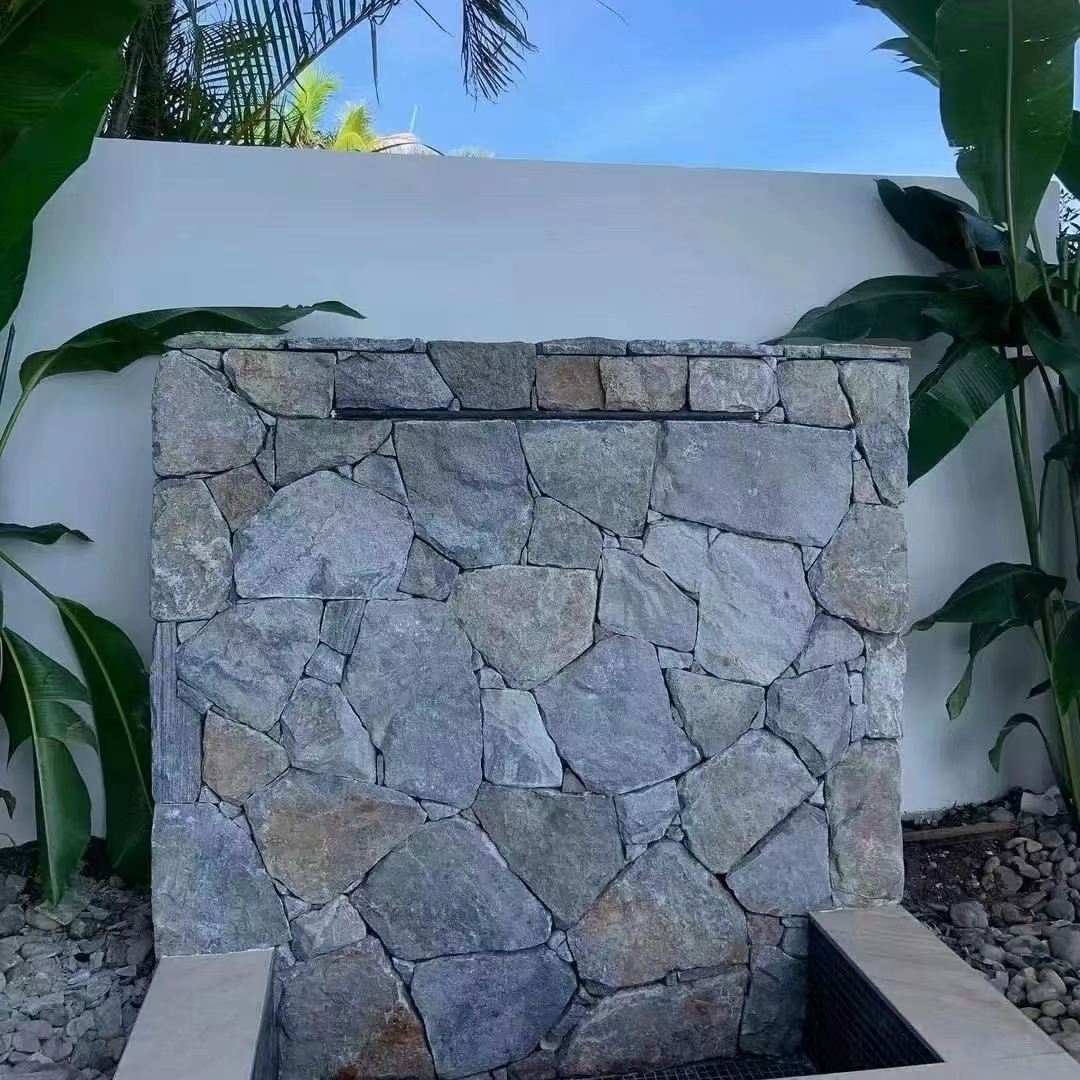
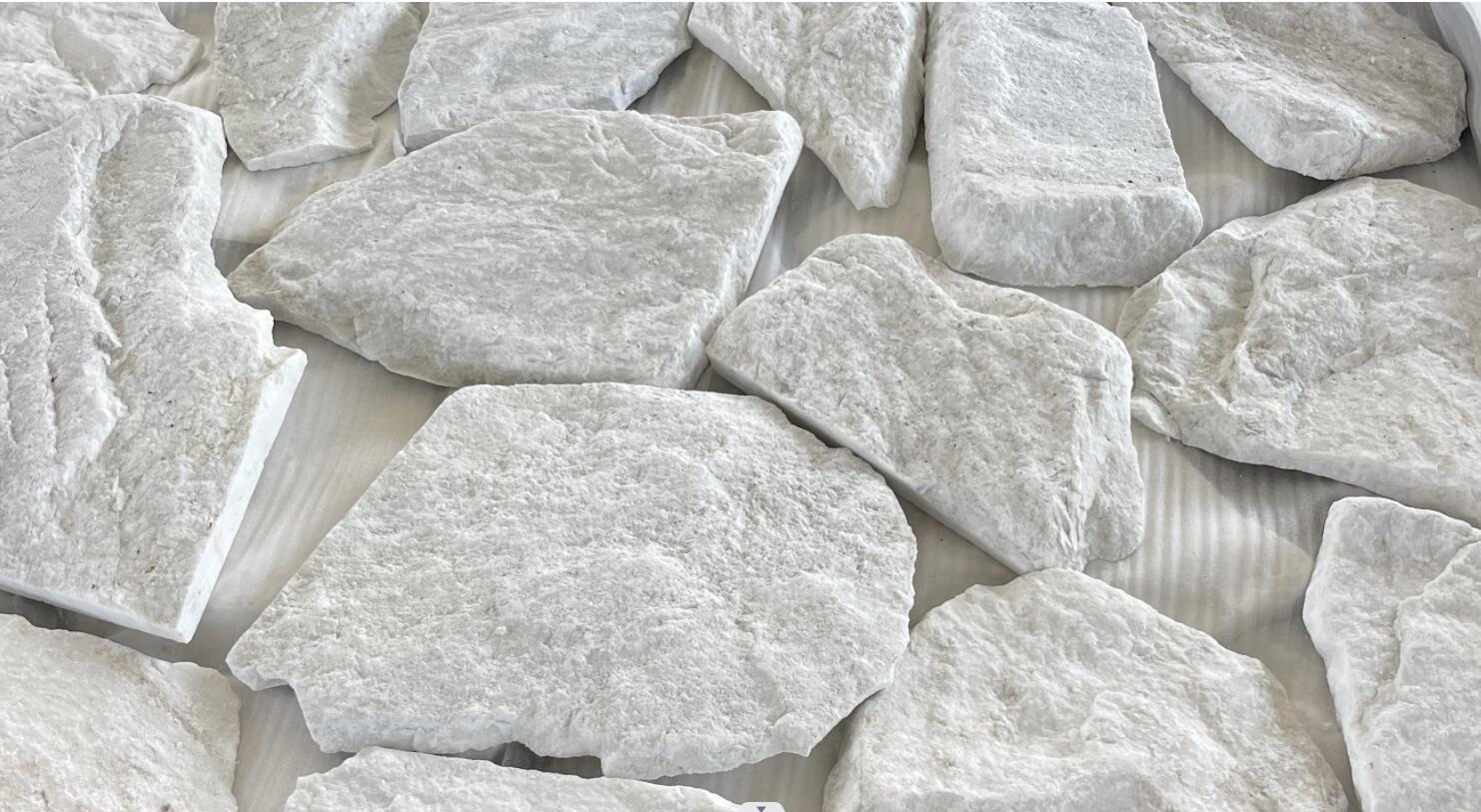
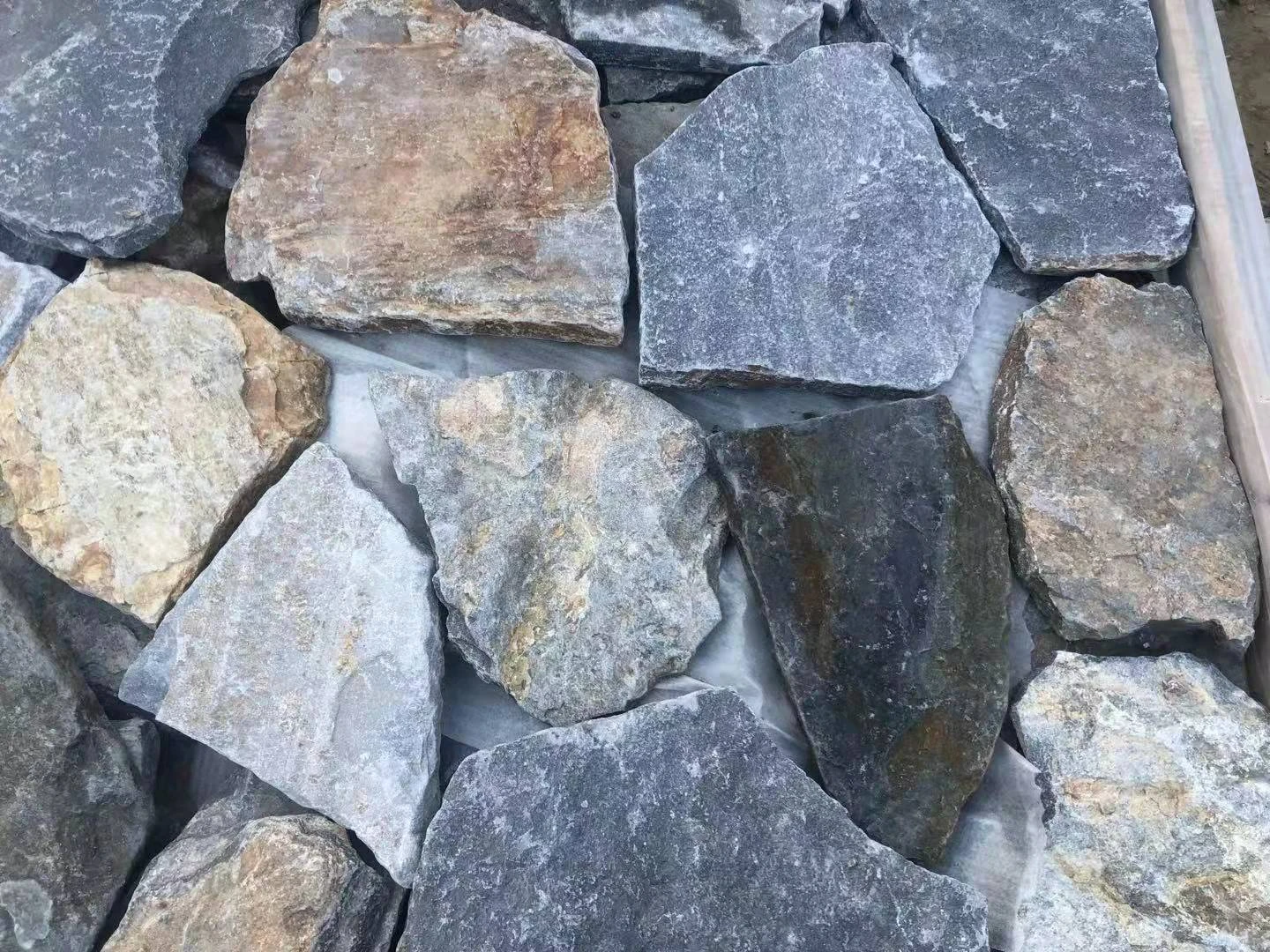
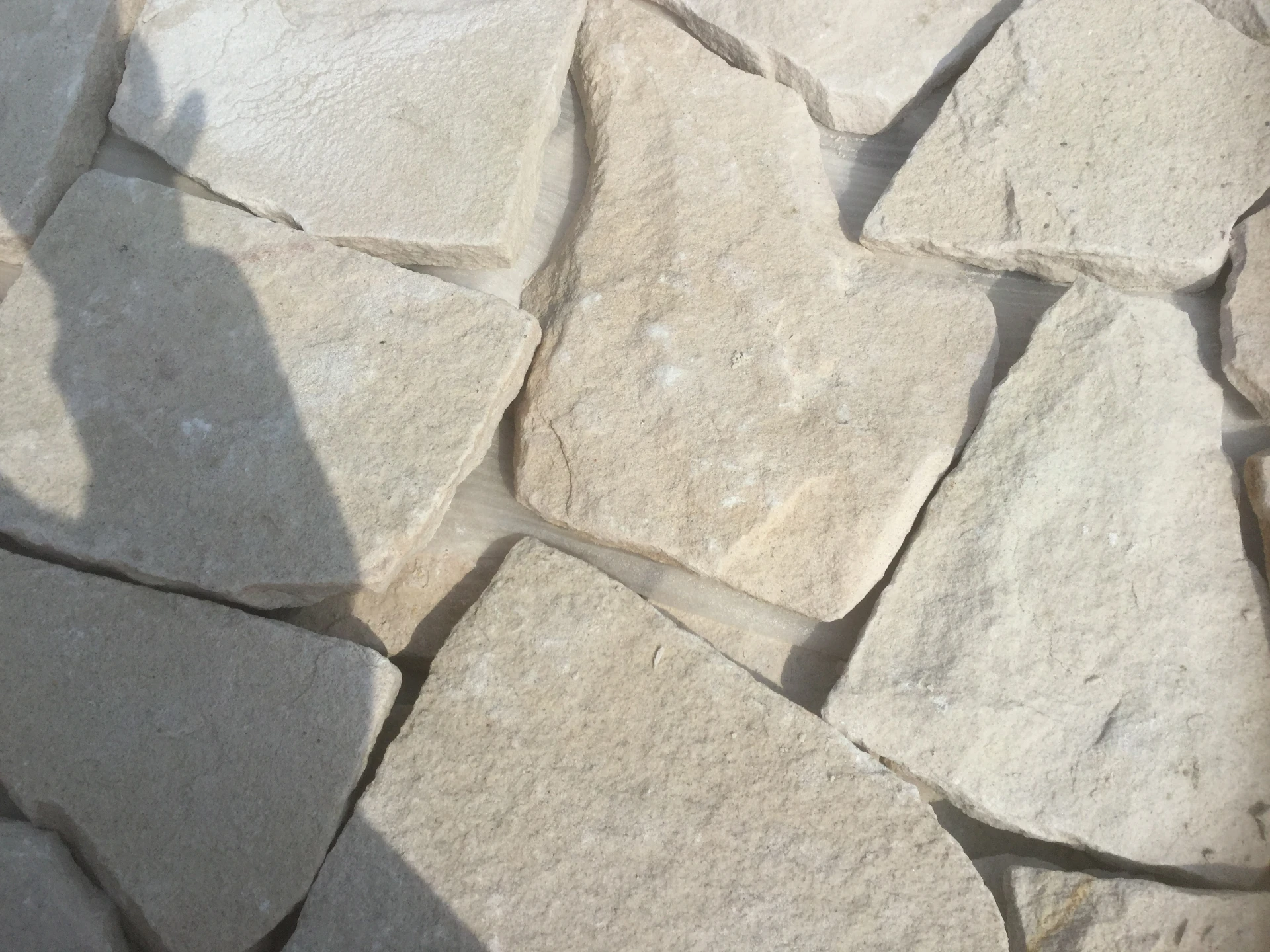
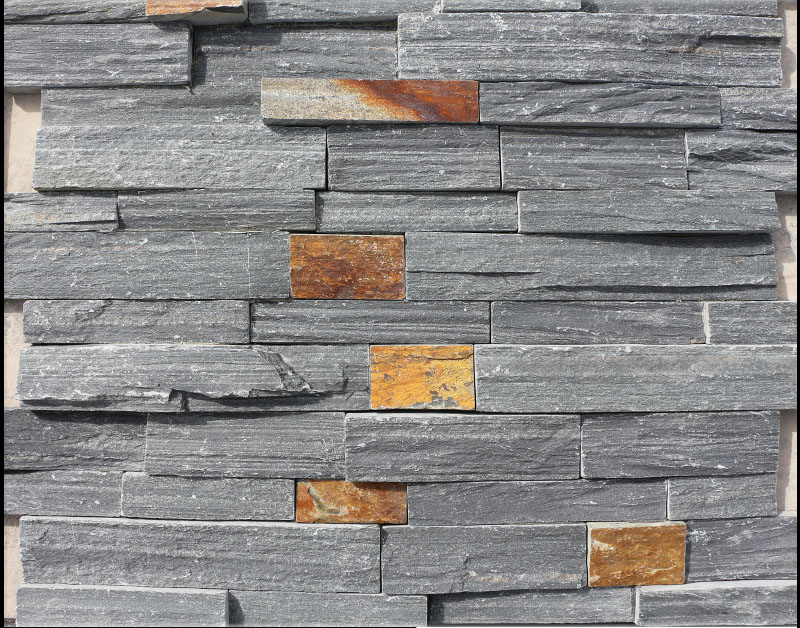
Thin stone is an increasingly popular choice for homeowners and designers looking to enhance their spaces with the natural beauty of stone without the bulk and weight of traditional options. Whether you're considering thin stone veneer for an accent wall, fireplace, or exterior facade, this versatile material can transform your environment. In this article, we'll explore the benefits of using thin stone for walls, discuss different veneer options, and provide tips on where to find these products.
Thin stone refers to natural stone that has been cut to a thinner profile, typically less than 2 inches thick. This reduction in thickness makes it lighter and easier to work with, allowing for more flexible installation options. 薄石饰面 can be made from a variety of stones, including slate, granite, limestone, and sandstone, each offering unique colors and textures.
美学的感染力: The natural beauty of thin stone adds elegance and warmth to any space. Its rich textures and colors can enhance both modern and traditional designs, making it a versatile choice for various applications.
Lightweight and Easy to Install: The reduced weight of thin stone veneer makes it easier to handle and install compared to traditional stone. This characteristic can simplify the installation process, reducing labor costs and time.
耐用性: Despite its lightweight nature, thin stone maintains the durability and longevity of natural stone. It is resistant to weathering, moisture, and temperature fluctuations, making it suitable for both interior and exterior applications.
Versatile Applications: Thin stone for walls can be used in various settings, including accent walls, fireplaces, outdoor patios, and building facades. Its flexibility allows for creative design possibilities in both residential and commercial projects.
低维护: Once installed, thin stone requires minimal upkeep. Regular cleaning with water and mild soap can help maintain its appearance, and its resistance to stains makes it a practical choice for high-traffic areas.
Natural Thin Stone Veneer: This option is made from real stone that has been cut into thin slices. It retains the natural beauty and texture of the stone, making it ideal for high-end applications.
文化石: Made from concrete and aggregates, cultured stone mimics the appearance of natural stone. It is often more affordable and lighter than natural thin stone, making it a popular choice for budget-conscious projects.
Dry Stack Veneer: This style features stones that fit together without mortar, creating a clean, contemporary look. Dry stack veneer is ideal for accent walls and can be used both indoors and outdoors.
Mortar Joint Veneer: This option involves using mortar to bond the stones together, creating a more traditional appearance. It works well for building facades and larger installations.
In summary, thin stone is an excellent choice for enhancing the beauty and functionality of various spaces. With its natural appeal, lightweight nature, and versatility, it suits a wide range of applications. Understanding the benefits of thin stone veneer and exploring various purchasing options will help you make informed decisions for your project.
Whether you’re creating a stunning accent wall, a cozy fireplace, or an elegant exterior facade, thin stone can add a touch of sophistication and charm. Take the time to explore local suppliers, online options, and potential bulk purchases to find the perfect stone that fits your design vision and budget. Embrace the beauty of thin stone and transform your space into a captivating retreat!
 非洲人
 阿尔巴尼亚语
 阿姆哈拉语
 阿拉伯
 亚美尼亚语
 阿塞拜疆语
 巴斯克
 白俄罗斯语
 孟加拉
 波斯尼亚语
 保加利亚语
 加泰罗尼亚语
 宿务语
 中国
 中国(台湾)
 科西嘉岛
 克罗地亚语
 捷克语
 丹麦语
 荷兰语
 英语
 世界语
 爱沙尼亚语
 芬兰
 法语
 弗里斯兰语
 加利西亚语
 格鲁吉亚语
 德语
 希腊语
 古吉拉特语
 海地克里奥尔语
 豪萨
 夏威夷人
 希伯来语
 没有
 苗族
 匈牙利
 冰岛的
 伊博语
 印度尼西亚
 爱尔兰语的
 意大利语
 日本人
 爪哇语
 卡纳达语
 哈萨克语
 高棉语
 卢旺达
 韩国人
 库尔德
 吉尔吉斯斯坦
 结核病
 拉丁
 拉脱维亚语
 立陶宛语
 卢森堡语
 马其顿语
 马尔加什
 马来语
 马拉雅拉姆语
 马耳他语
 毛利人
 马拉地语
 蒙
 缅甸
 尼泊尔语
 挪威
 挪威
 奥克语
 普什图语
 波斯语
 抛光
 葡萄牙语
 旁遮普语
 罗马尼亚语
 俄语
 萨摩亚人
 苏格兰盖尔语
 塞尔维亚
 英语
 绍纳语
 信德语
 僧伽罗语
 斯洛伐克语
 斯洛文尼亚语
 索马里
 西班牙语
 巽他语
 斯瓦希里语
 瑞典
 他加禄语
 塔吉克
 泰米尔语
 鞑靼人
 泰卢固语
 泰国
 土耳其
 土库曼语
 乌克兰
 乌尔都语
 维吾尔
 乌兹别克语
 越南语
 威尔士语