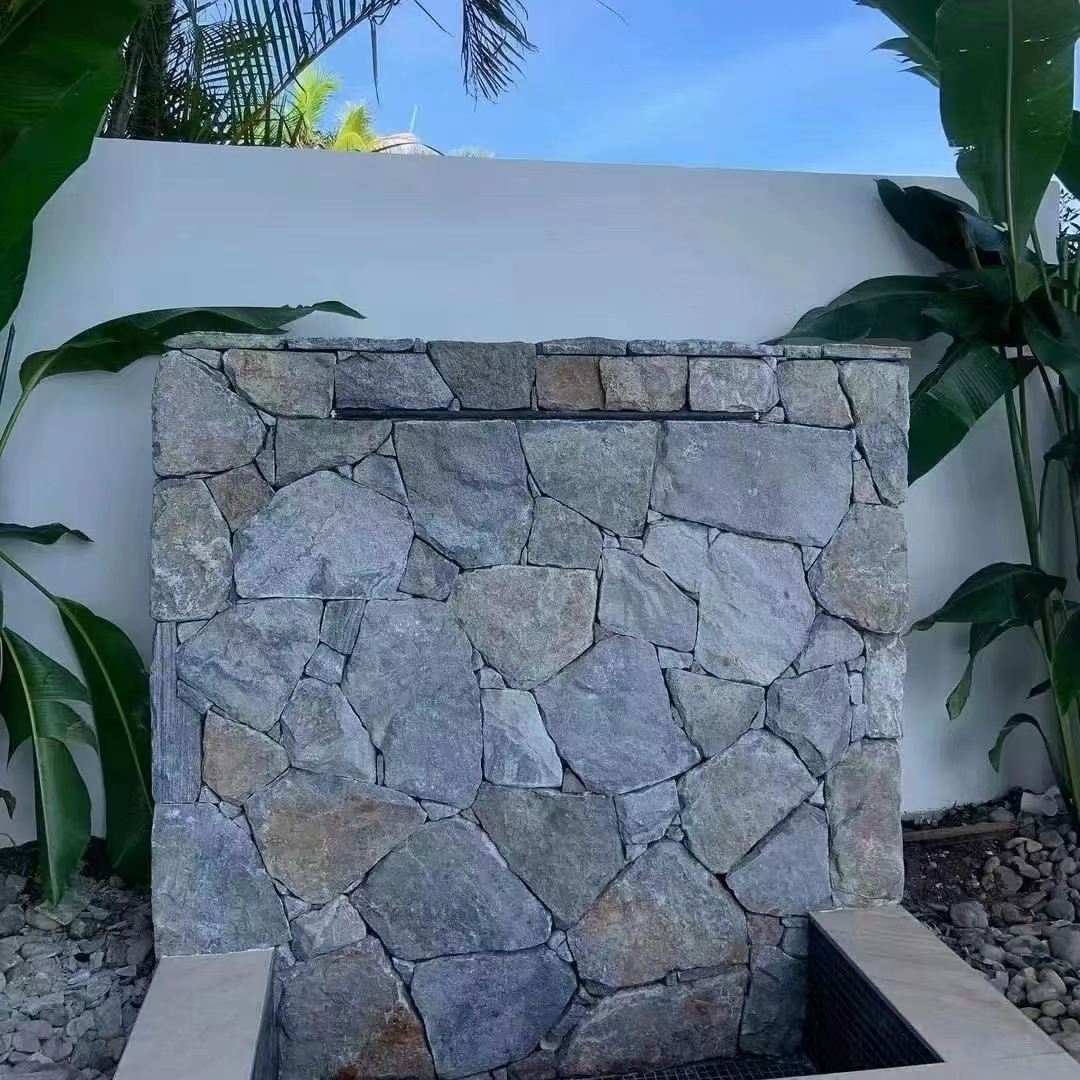
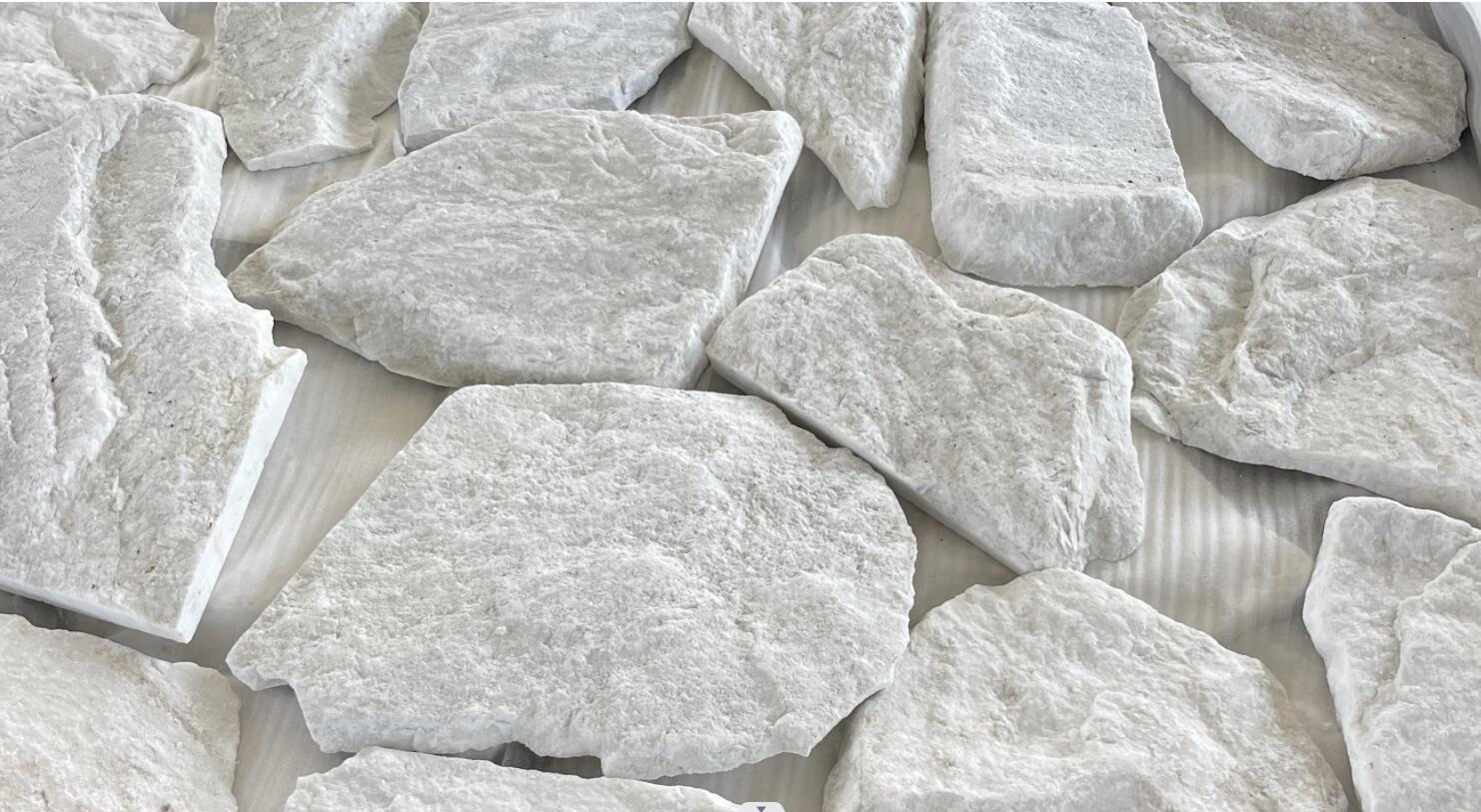
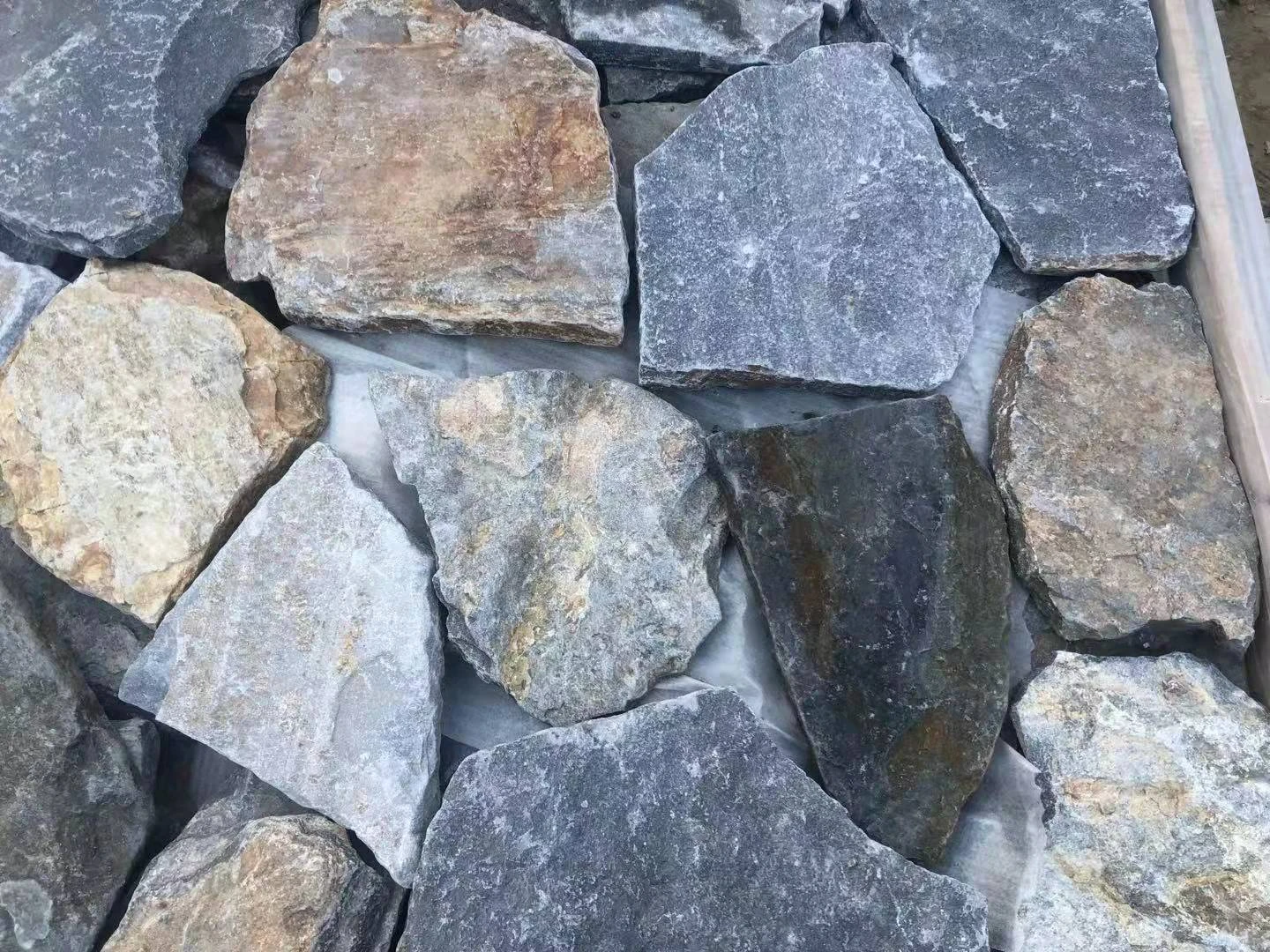
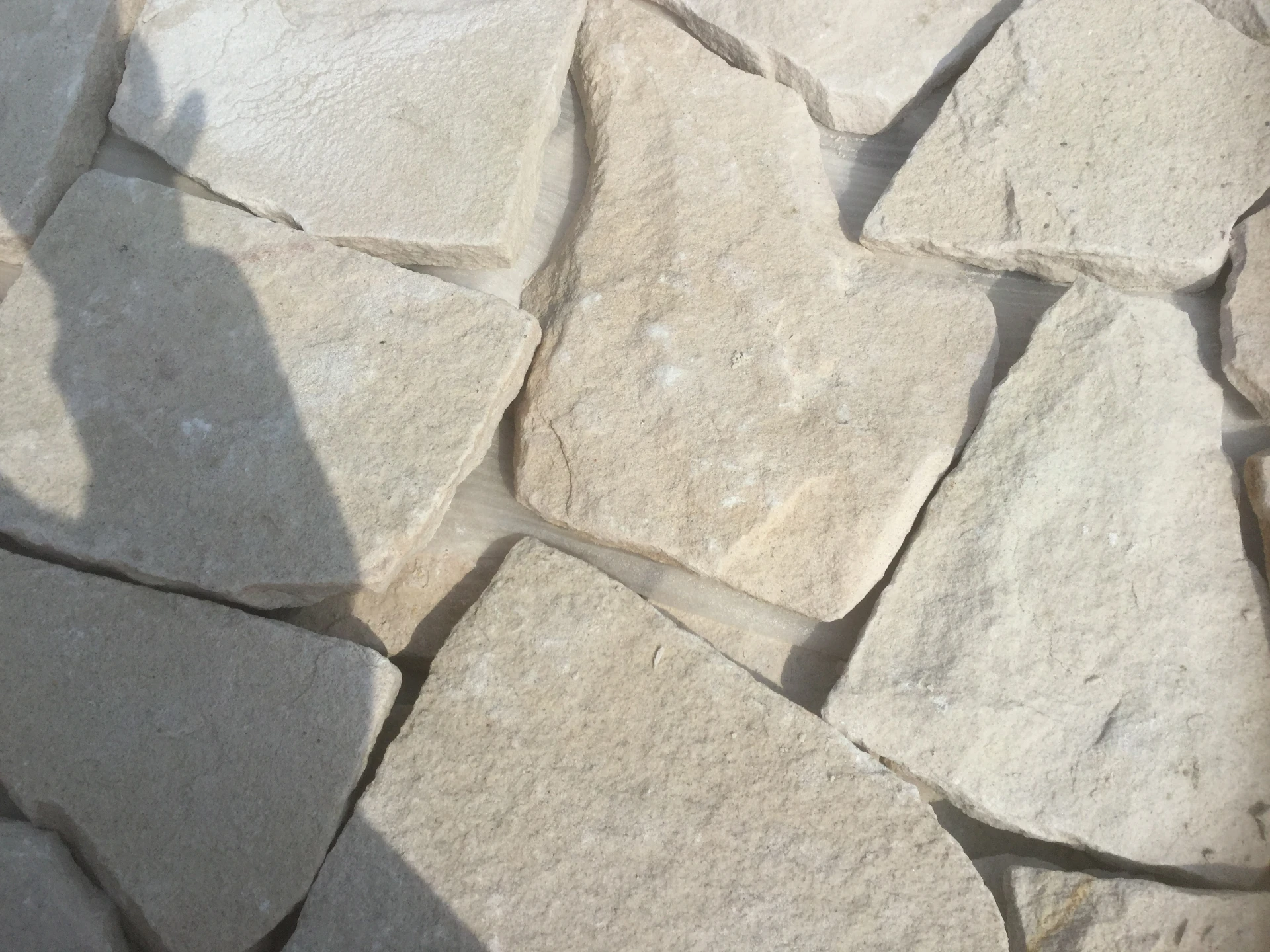
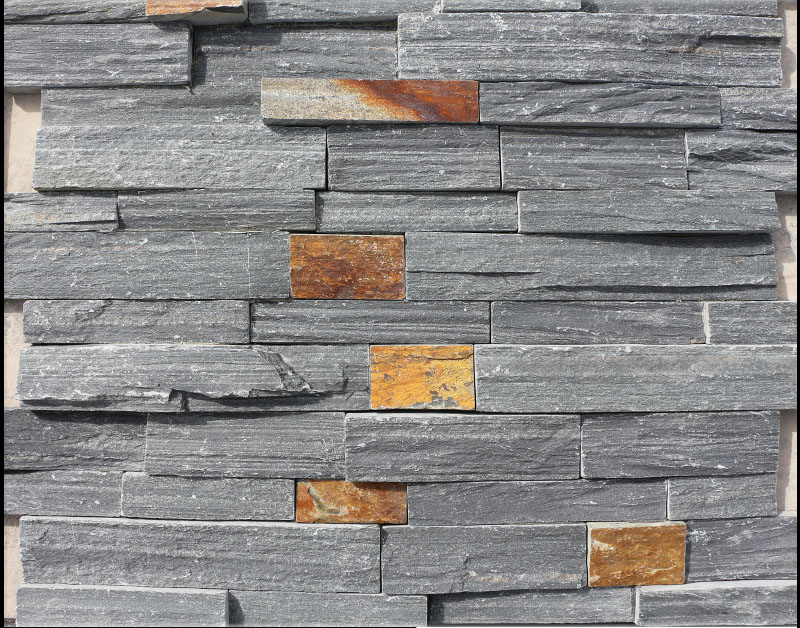
Thin stone is an increasingly popular choice for homeowners and designers looking to enhance their spaces with the natural beauty of stone without the bulk and weight of traditional options. Whether you're considering thin stone veneer for an accent wall, fireplace, or exterior facade, this versatile material can transform your environment. In this article, we'll explore the benefits of using thin stone for walls, discuss different veneer options, and provide tips on where to find these products.
Thin stone refers to natural stone that has been cut to a thinner profile, typically less than 2 inches thick. This reduction in thickness makes it lighter and easier to work with, allowing for more flexible installation options. 얇은 석재 베니어 can be made from a variety of stones, including slate, granite, limestone, and sandstone, each offering unique colors and textures.
미적 매력: The natural beauty of thin stone adds elegance and warmth to any space. Its rich textures and colors can enhance both modern and traditional designs, making it a versatile choice for various applications.
Lightweight and Easy to Install: The reduced weight of thin stone veneer makes it easier to handle and install compared to traditional stone. This characteristic can simplify the installation process, reducing labor costs and time.
내구성: Despite its lightweight nature, thin stone maintains the durability and longevity of natural stone. It is resistant to weathering, moisture, and temperature fluctuations, making it suitable for both interior and exterior applications.
Versatile Applications: Thin stone for walls can be used in various settings, including accent walls, fireplaces, outdoor patios, and building facades. Its flexibility allows for creative design possibilities in both residential and commercial projects.
낮은 유지 관리: Once installed, thin stone requires minimal upkeep. Regular cleaning with water and mild soap can help maintain its appearance, and its resistance to stains makes it a practical choice for high-traffic areas.
Natural Thin Stone Veneer: This option is made from real stone that has been cut into thin slices. It retains the natural beauty and texture of the stone, making it ideal for high-end applications.
교양석: Made from concrete and aggregates, cultured stone mimics the appearance of natural stone. It is often more affordable and lighter than natural thin stone, making it a popular choice for budget-conscious projects.
Dry Stack Veneer: This style features stones that fit together without mortar, creating a clean, contemporary look. Dry stack veneer is ideal for accent walls and can be used both indoors and outdoors.
Mortar Joint Veneer: This option involves using mortar to bond the stones together, creating a more traditional appearance. It works well for building facades and larger installations.
In summary, thin stone is an excellent choice for enhancing the beauty and functionality of various spaces. With its natural appeal, lightweight nature, and versatility, it suits a wide range of applications. Understanding the benefits of thin stone veneer and exploring various purchasing options will help you make informed decisions for your project.
Whether you’re creating a stunning accent wall, a cozy fireplace, or an elegant exterior facade, thin stone can add a touch of sophistication and charm. Take the time to explore local suppliers, online options, and potential bulk purchases to find the perfect stone that fits your design vision and budget. Embrace the beauty of thin stone and transform your space into a captivating retreat!
 아프리카 사람
 알바니아
 암하라어
 아라비아 말
 아르메니아 사람
 아제르바이잔
 바스크 사람
 벨로루시어
 벵골 사람
 보스니아어
 불가리아 사람
 카탈로니아 사람
 세부아노어
 중국
 중국(대만)
 코르시카어
 크로아티아어
 체코 사람
 덴마크 말
 네덜란드 사람
 영어
 에스페란토 말
 에스토니아 사람
 핀란드어
 프랑스 국민
 프리지아어
 갈리시아어
 그루지야 사람
 독일 사람
 그리스 어
 구자라트어
 아이티 크리올어
 하우사
 하와이 사람
 헤브라이 사람
 아니요
 먀오족
 헝가리 인
 아이슬란드어
 이보
 인도네시아 인
 아일랜드의
 이탈리아 사람
 일본어
 자바어
 칸나다어
 카자흐어
 크메르어
 르완다
 한국인
 쿠르드어
 키르기스어
 결핵
 라틴어
 라트비아 사람
 리투아니아 사람
 룩셈부르크어
 마케도니아 어
 말가시
 말레이 사람
 말라얄람어
 몰티즈
 마오리족
 마라티어
 몽고 어
 미얀마
 네팔어
 노르웨이 인
 노르웨이 인
 옥시탄
 파슈토어
 페르시아 인
 광택
 포르투갈 인
 펀자브어
 루마니아 사람
 러시아인
 사모아어
 스코틀랜드 게일어
 세르비아 사람
 영어
 쇼나
 신디어
 신할라어
 슬로바키아 사람
 슬로베니아
 소말리아어
 스페인의
 순다어
 스와힐리어
 스웨덴어
 타갈로그어
 타직어
 타밀 사람
 타타르어
 텔루구어
 태국어
 터키어
 투르크멘 말
 우크라이나 인
 우르두어
 위구르어
 우즈벡어
 베트남어
 웨일스 말