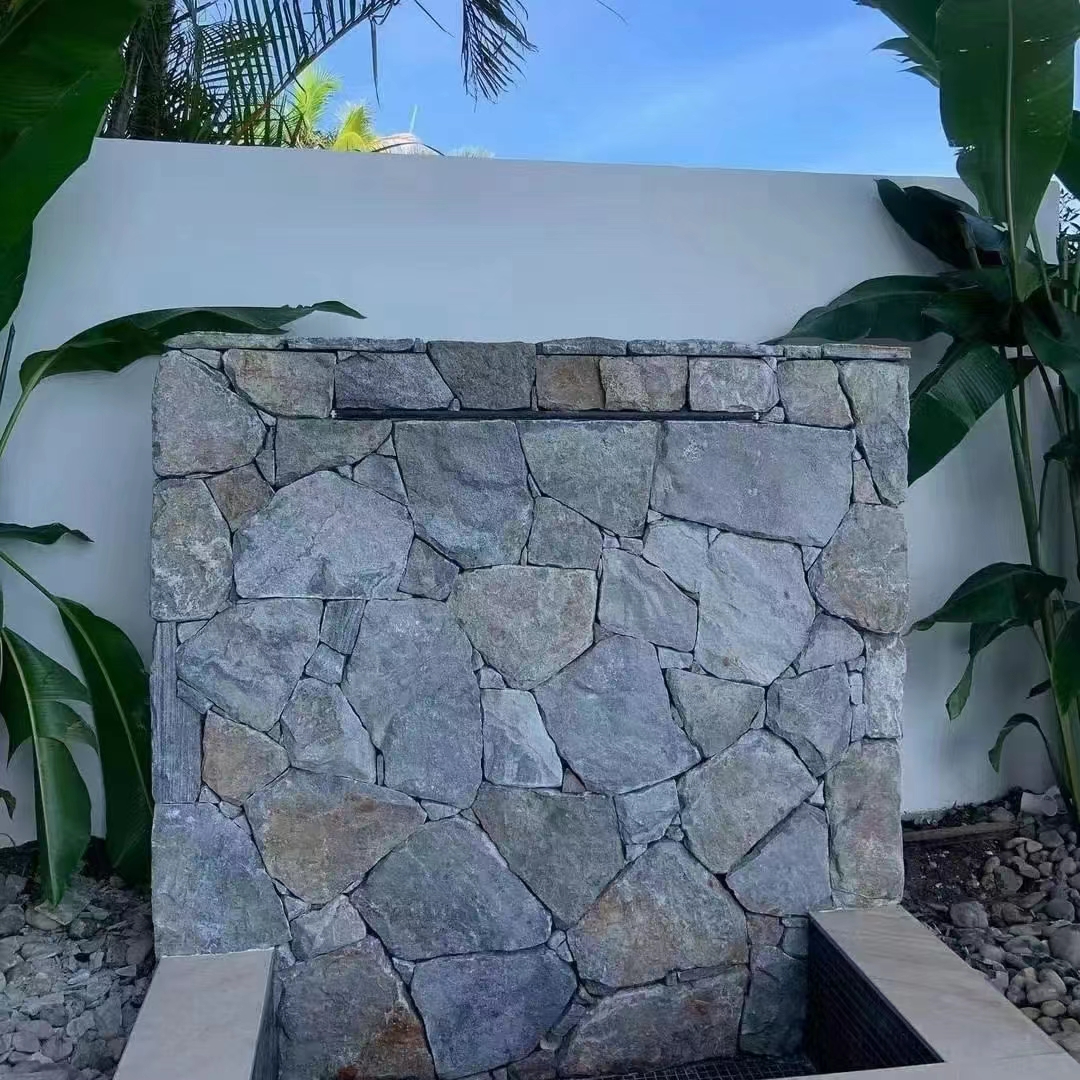
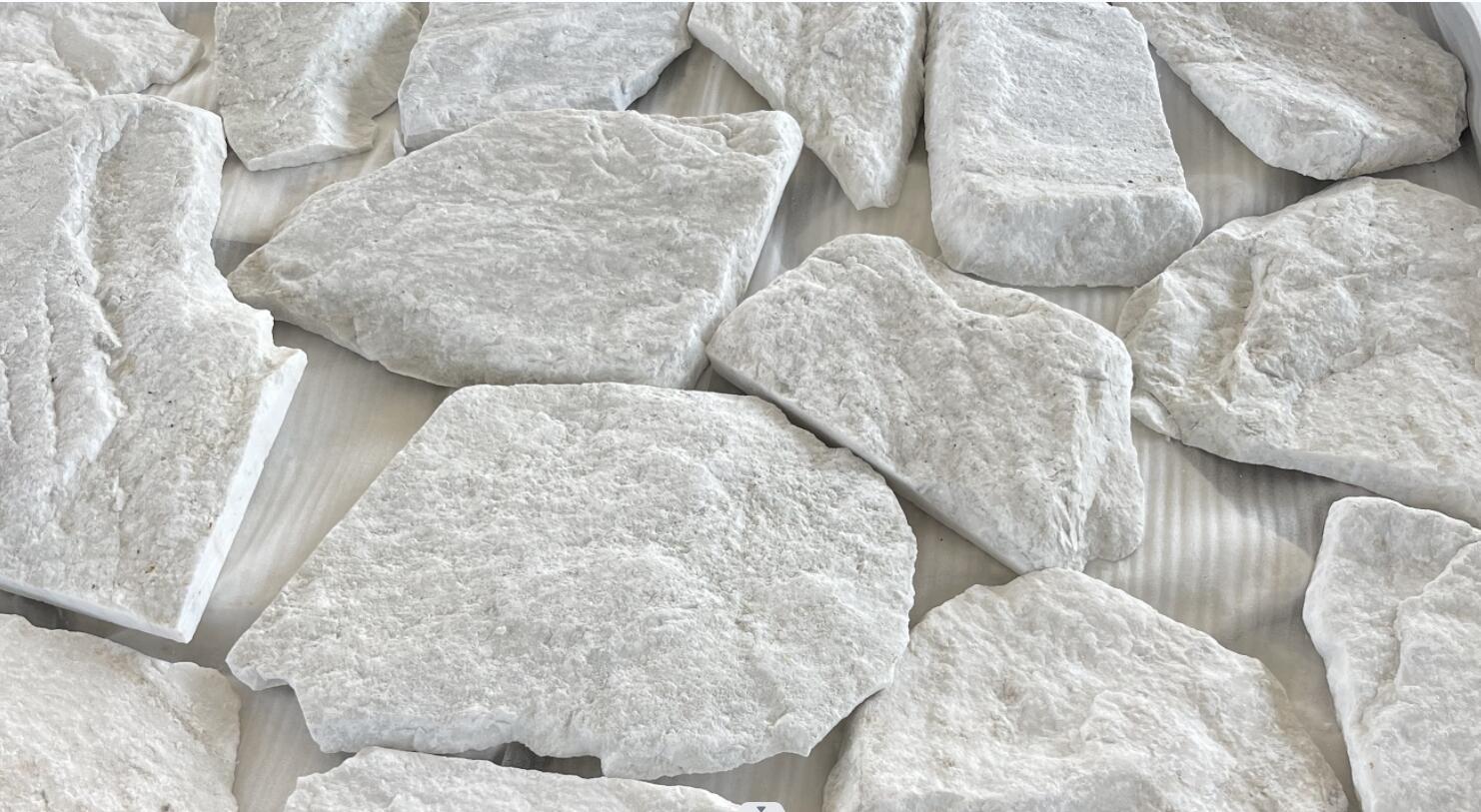
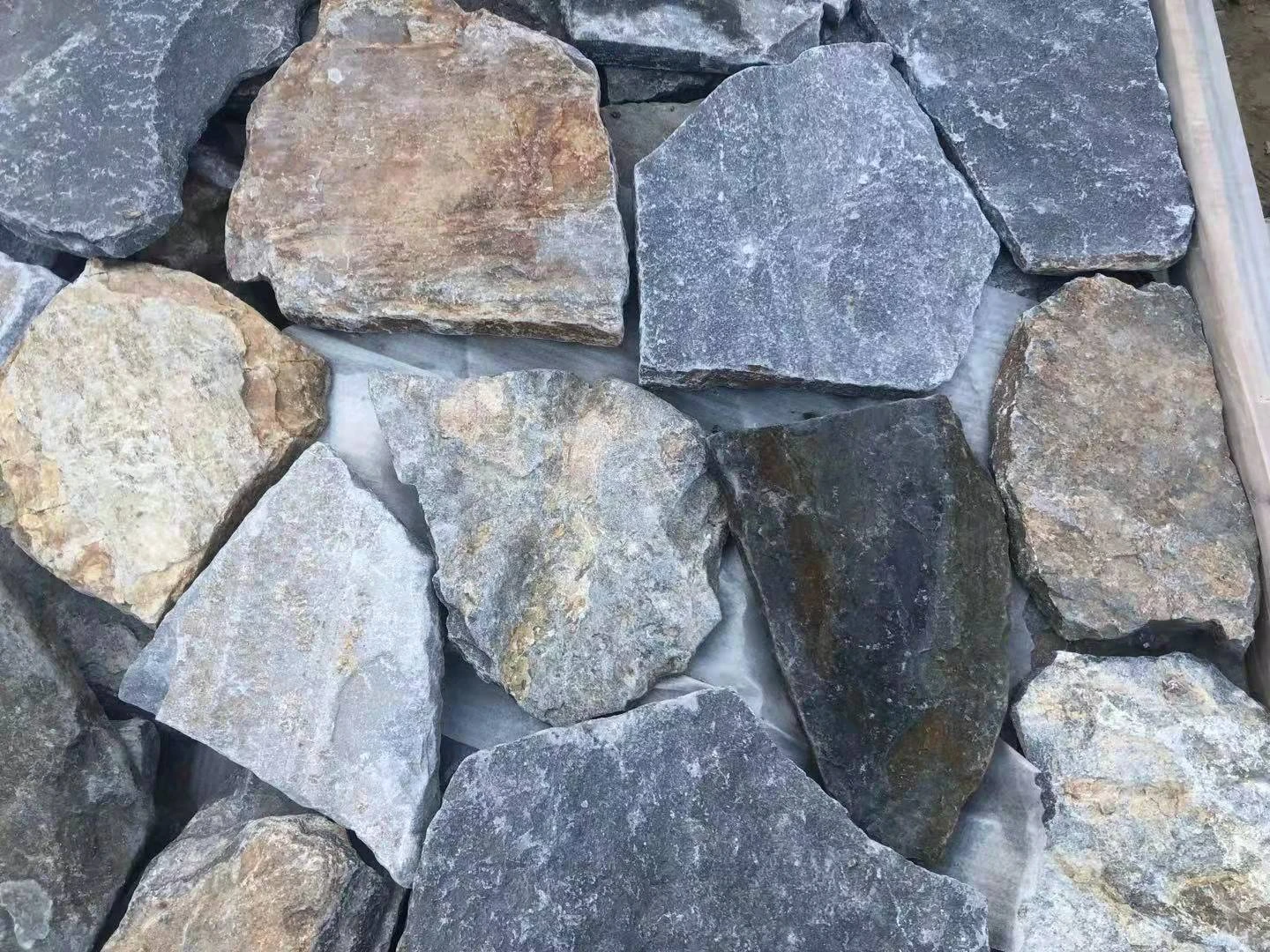
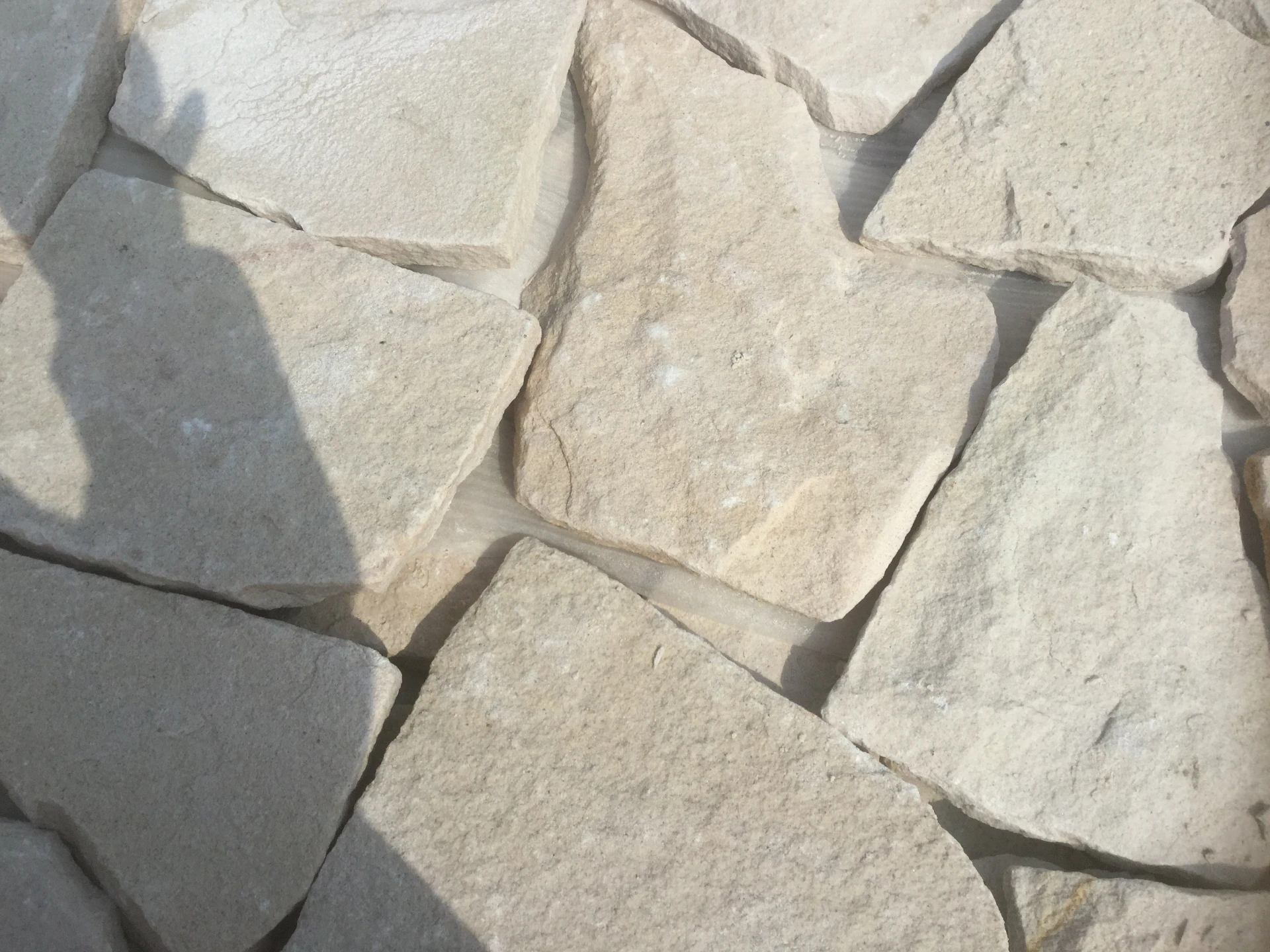
The longevity of stone puts any human concept of old age to shame. Stone creates a sense of permanence and solidity, even when worn and weathered. It’s been used throughout history as the structure and facade of buildings- buildings that have literally stood the test of time.
While natural stone has been the material of choice for millennia, glass has dominated commercial construction—especially large scale projects like skyscrapers—in recent years. But architects are increasingly reacting to this glut of glass by returning to stone for their projects. For many developers and architects, glass had become the default, a sterile, too obvious choice which resulted in a flat, texture-less and uninspired design.
Perėjimas nuo stiklo prie akmens taip pat yra aplinkosaugos problemų rezultatas. Niujorko meras Billas De Blasio neseniai persikėlė gyventi į uždrausti naujus stiklinius dangoraižius in the city, making New York the first city to mandate energy efficiency. But it won’t be the last: According to the United Nations, 40% of the world’s energy consumption can be attributed to buildings. Pressure to construct buildings in a sustainably responsible manner is being felt by developers and architects around the world.
INDIANA LIMESTONE – FULL COLOR BLEND™ fasadas ant surenkamojo betono | Yankee stadionas | Architektas: Populiarus
“It’s pretty well known in the industry that those glass facade buildings are not energy efficient,” said Hugo Vega, vice president of Architectural Sales at Polycor. “Meaning that in the summer it becomes super hot and you need to have an extensive system of air conditioning and in the winter you need a lot of heating as compared to a traditional building with more stone.”
The design community has been embracing stone for facade design instead, and just in time, as changes in building codes and regulations are set to further tighten architects’ design choices. Natural stone plays an important role in the future of sustainable architecture thanks to its life-cycle, durability, ease of care, low maintenance, and energy efficiency— the list goes on. The minimal environmental impact that innovative cladding wall systems provide is another reason the building industry is moving back to natural materials.
Polycor natūralūs akmenys tinka įvairioms fasadų tvirtinimo ir atramos sistemoms. Pažiūrėkite, kaip.
“Energy inefficient glass facades concerns are a good driver for the growing popularity of stone cladding,” said Vega.
Vega understands this continued demand for stone cladding better than just about anyone: he’s been the driving force behind the development of the cladding division of Polycor and he has an in-depth understanding of what architects and builders are looking for in their products.
BETHEL WHITE® ir CAMBRIAN BLACK® granitinės 3 cm plokštės ant Eclad sistemos, sumontuotos ant esamos konstrukcijos | TD pastatas | Architektas: WZMH
“The type of stone will dictate possible finishes, thickness, and more,” said Vega. “For example, it’s inadvisable to use polished 3cm marble and expose it to the elements for cladding. Direct communication with selected quarries will help validate the block sizes and thus the maximum finished panel sizes, what natural features can be expected in the stone, and the availability of the material according to job size and phases.” Specification challenges can present themselves throughout a project, such as alternate stones being introduced by other parties and detracting from the initial design intent. Maintaining a close contact with the quarry teams helps ensure this is preserved. As Hugo points out, “Make sure to specify the true, branded names of the materials to avoid being supplied with undesired alternates.” The old days of calling out Itališkas marmuras doesn’t cut it anymore.
Stone cladding isn’t just the smart alternative to energy efficient glass, it’s also the simple choice, thanks to new cladding attachment systems.
“These new attachment systems allow stone to be used for lighter applications, when the structure has not been designed for a heavy full bed,” said Vega. “They also allow for a faster installation compared to traditional methods.“
Inovatyvūs apdailos sprendimai suteikia daugiau projektavimo galimybių | Nuotraukoje: Litecore plono pjovimo Indianos kalkakmenis prilipęs prie aliuminio korio pagrindo
Apdailos naujovės gali pasiūlyti elegantišką ir ekonomišką sprendimą, skirtą natūralaus akmens spalvoms ir tekstūroms sujungti be brangaus transportavimo ir ilgo montavimo komplikacijų. Kai kurios iš šių sistemų, įkūnijančios autentišką natūralaus akmens charakterį, išlieka lengvos, kad jas būtų patogu naudoti, todėl tai yra protingas pasirinkimas siekiant laikytis griežtų reikalavimų, kuriuos architektai turi atitikti šiuolaikiniuose statybos kodeksuose.
Polycor natūralūs akmenys tinka įvairioms fasadų tvirtinimo ir atramos sistemoms. Kilęs iš Polikoro karjerai and all through production, the stones are manufactured to each of our partner system’s specifications from ultra-thin profiles up to full thickness dimensional elements complimenting a wide range of facade structures.
Rinkdamiesi akmenį dailylentėms, architektai turi pasverti daugybę veiksnių: išvaizdą, paskirtį, projekto dydį, stiprumą, ilgaamžiškumą ir eksploatacines savybes. Pasirinkę „Polycor“ akmenis fasadams, architektai gauna naudos iš mūsų visiškos tiekimo grandinės nuosavybės – nuo pagrindo uolienos iki montavimo vietos. Darbo su tokia įmone kaip „Polycor“ vertė yra ta, kad kadangi mums priklauso karjerai, galime tiesiogiai atsakyti į visus architekto klausimus ar rūpesčius kuriant fasado specifikaciją, o ne turėdami 2–3 tarpinius vyrus.
Polycor Bethel White® granite quarry | Bethel, VT
“We have a wide array of our own limestone, granite and marble, so architects can discuss with the source and get accurate and reliable information,” said Vega. “We fabricate ourselves and sell blocks to other fabricators, ensuring competitiveness of the offers, while preserving the design intent. We work with industry leaders like Ekladas, Hofmano akmuo and others to offer a complete cladding solution for the project.“
Vega domėjosi novatoriškomis dangų technologijomis ir dirbo su tyrimų ir plėtros ekspertais mūsų gamyklose, kad pagamintų įvairaus storio natūralaus akmens dangą, kurią būtų galima naudoti tiek pastato viduje, tiek išorėje. Paprastai jis tvirtinamas per nepriklausomą bėgelį ir spaustukų sistemą.
Polycor’s stone veneer can be installed over solid facing, which eliminates the challenge of removing the original substructure in some cases. Some stone panels are cut thin, while still maintaining the authentic look and feel of a thicker stone without the heavy weight of a 3-6 inch deep stone veneer, making installation fast and simple. Polycor’s thin stones are compatible in many cladding configurations and are manufactured for systems like „Litecore“ – sprendimas, siūlantis nedidelį svorį akmenį ir dvigubai greitesnį montavimą.
Vaizdas: Litecore
Šiose universaliose kompozicinėse sienų plokštėse naudojamas „Polycor“ akmuo, supjaustytas į itin ploną fanerą. Priklijuotos prie daugiasluoksnio korio, įterptos tarp aliuminio lakštų ir stiklo pluošto tinklelio, plokštės suteikia mažo tankio, didelio stiprumo ir lengvą fasado sistemą.
KODIAK BROWN™ ultra thin 1cm granite with carbon fiber backing on Eclad system | Architect: Régis Côtés
„Polycor“ 1 cm anglies pluošto pagrindo plokštės yra itin ploni, lengvi ir patvarūs natūralaus akmens gaminiai, kurių pagrindas yra priklijuotas patentuotas pagrindas, naudojamas vietoje aliuminio. Gautos akmens plokštės pritaikytos integruoti tiek į Eclad, tiek į Elemex apkalų sistemas.
GEORGIA MARBLE – WHITE CHEROKEE™and Indiana Limestone facade on precast concrete | 900 16th St. Washington, D.C. | Architect: Robert AM Stern
3cm stone mechanically anchored to thin, precast concrete panels provides additional installation advantages. Companies such as Hoffman Stone systems are compatible with Polycor’s stones.
„Polycor“ turi patirties sukurti bet kokį projektą nuo paprastos sienos iki suoliukų, išskirtinių architektūrinių projektų ir aukštų vestibiulių interjerus. Kiekvienas sprendimas leidžia architektams sukurti novatorišką, tvarų ir estetišką pastatų išorę su akmens paviršiais.
“These solutions can also be used interchangeably to blend with more traditional architectural elements and stone masonry construction such as full bed trim, cornices, lintels and things of that nature,” said Vega. “And again, once the material is specified, it can be used on any cladding system, traditional masonry and fabricated by pretty much all the fabricators operating on the market today. This way architects can lock in their design intent, and let engineers and builders establish means and methods to realize the design within budget.”
 Afrikos
  albanų
  amharų
  arabiškas
  armėnų
  Azerbaidžaniečių
  baskų
baskų  baltarusių
  bengalų
  bosnių
  bulgarų
  katalonų
  Cebuano
  Kinija
  Kinija (Taivanas)
  Korsikos
  kroatų
  čekų
čekų  danų
danų  olandų
  Anglų
Anglų  Esperanto
  Estų
Estų  suomių
  Prancūzų kalba
  fryzų
fryzų  Galisų
  gruzinų
  vokiečių
  graikų
  gudžaratų
  Haičio kreolų
  hausa
hausa  havajietis
  hebrajų
  Ne
Ne  Miao
Miao  vengrų
  islandų
  igbo
igbo  Indoneziečių
  airių
airių  italų
italų  japonų
  javiečių
  kanada
  kazachų
  khmerų
  Ruandos
  korėjiečių
  kurdų
kurdų  Kirgizų
  TB
TB  lotynų kalba
  latvių
  lietuvių
  liuksemburgiečių
  Makedonietis
  Malgashi
  malajiečių
  malajalių
  maltiečių
  maorių
  marati
  mongolų
  Mianmaras
  Nepaliečių
  norvegų
  norvegų
  oksitanų
  puštūnų
  persų
persų  lenkas
  portugalų
  Pandžabų
  rumunų
  rusų
rusų  samoiečių
  škotų gėlų
  serbų
serbų  Anglų
Anglų  Šona
Šona  Sindų
Sindų  Sinhala
  slovakų
  slovėnų
  Somalis
  ispanų
  Sundanai
  suahilių
  Švedijos
  tagalogų
  tadžikų
  tamilų
  totorių
  telugų
  tajų
tajų  turkų
turkų  turkmėnų
  ukrainiečių
  urdu
urdu  Uigūras
  uzbekas
  vietnamiečių
  valų
valų