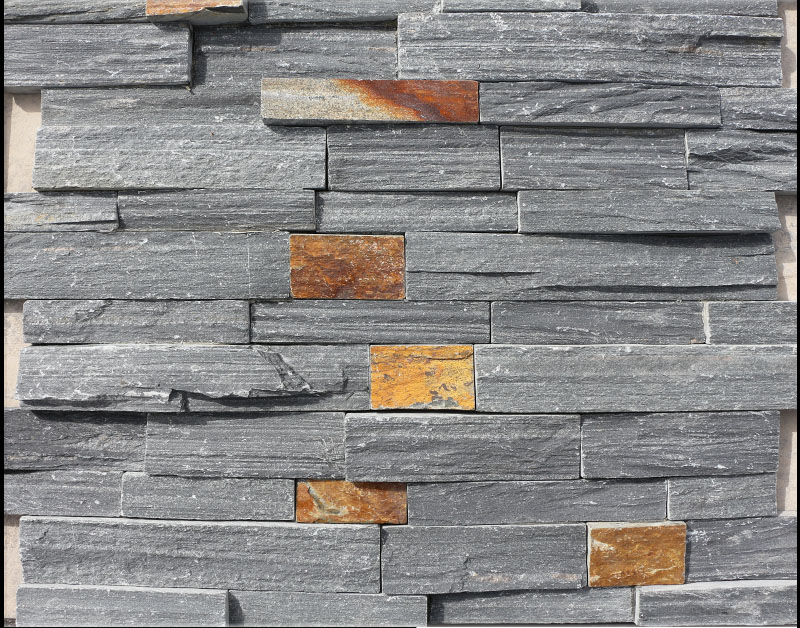
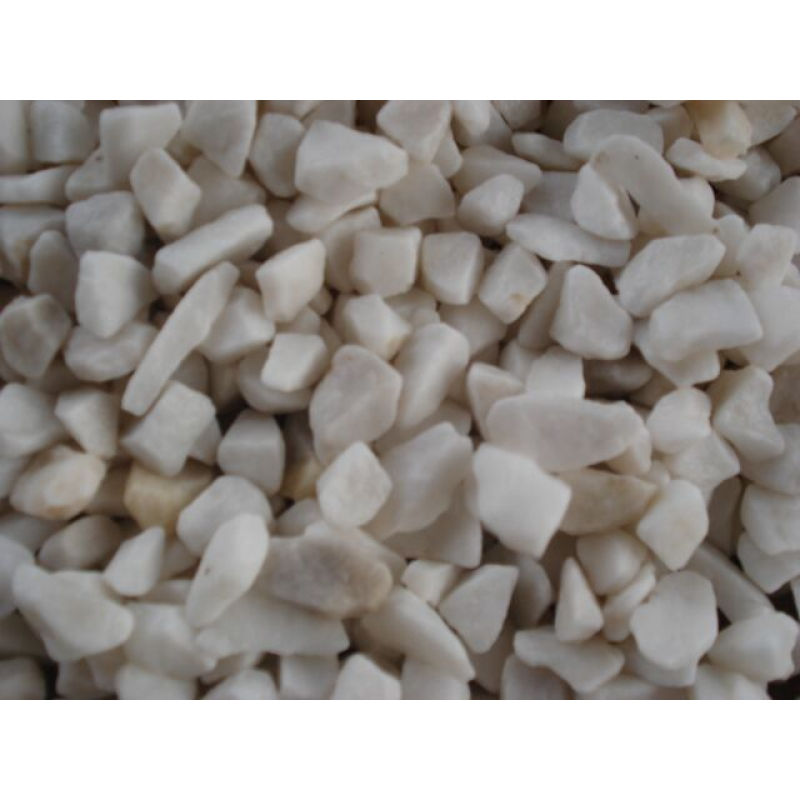
If you’re considering having a new patio installed, you may be wondering whether to choose pavers or flagstone. Both materials have their pros and cons, so it can be difficult to decide which one is the best option for your needs. In this blog post, we will compare and contrast pavers vs flagstone, so that you can make an informed decision about which material is right for you!
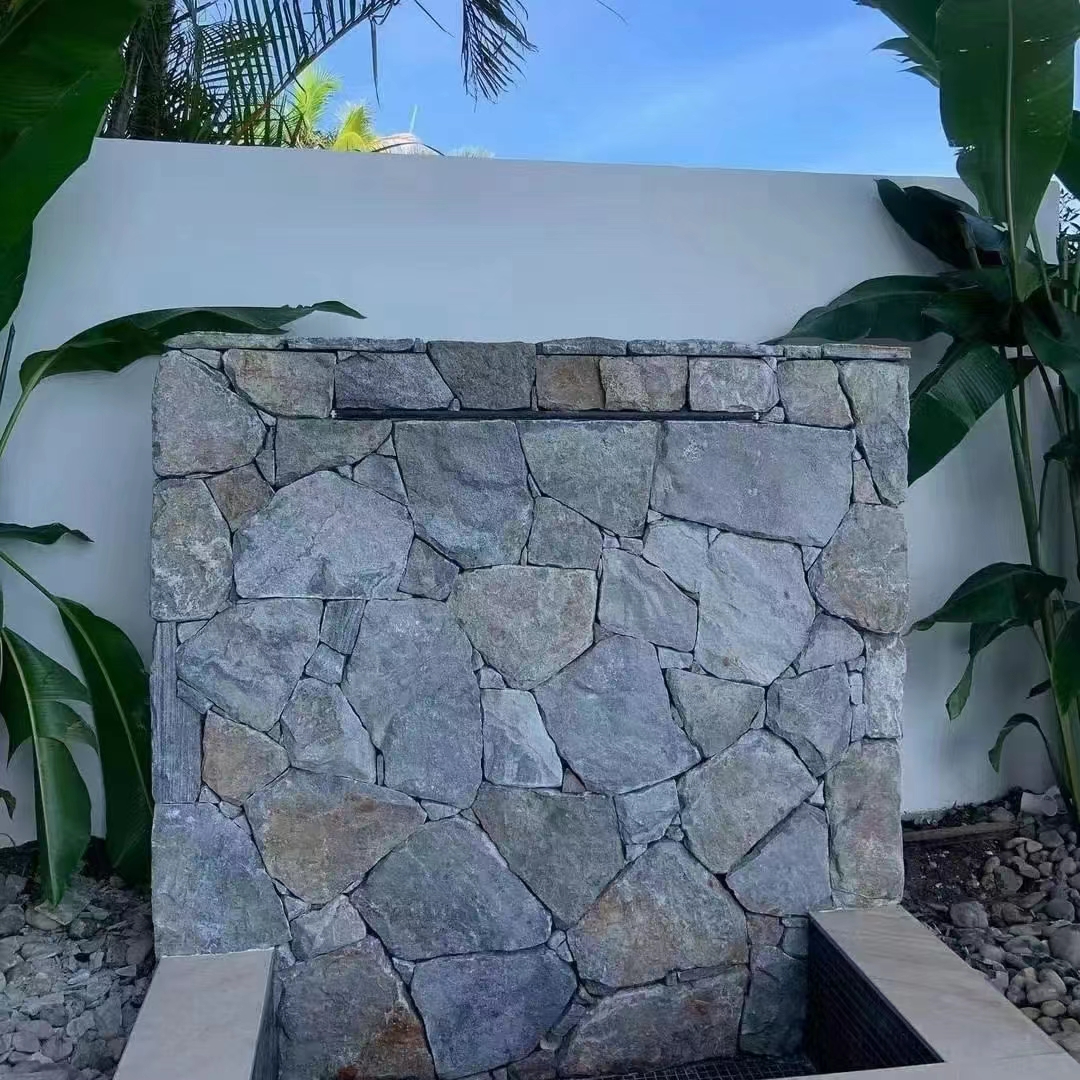
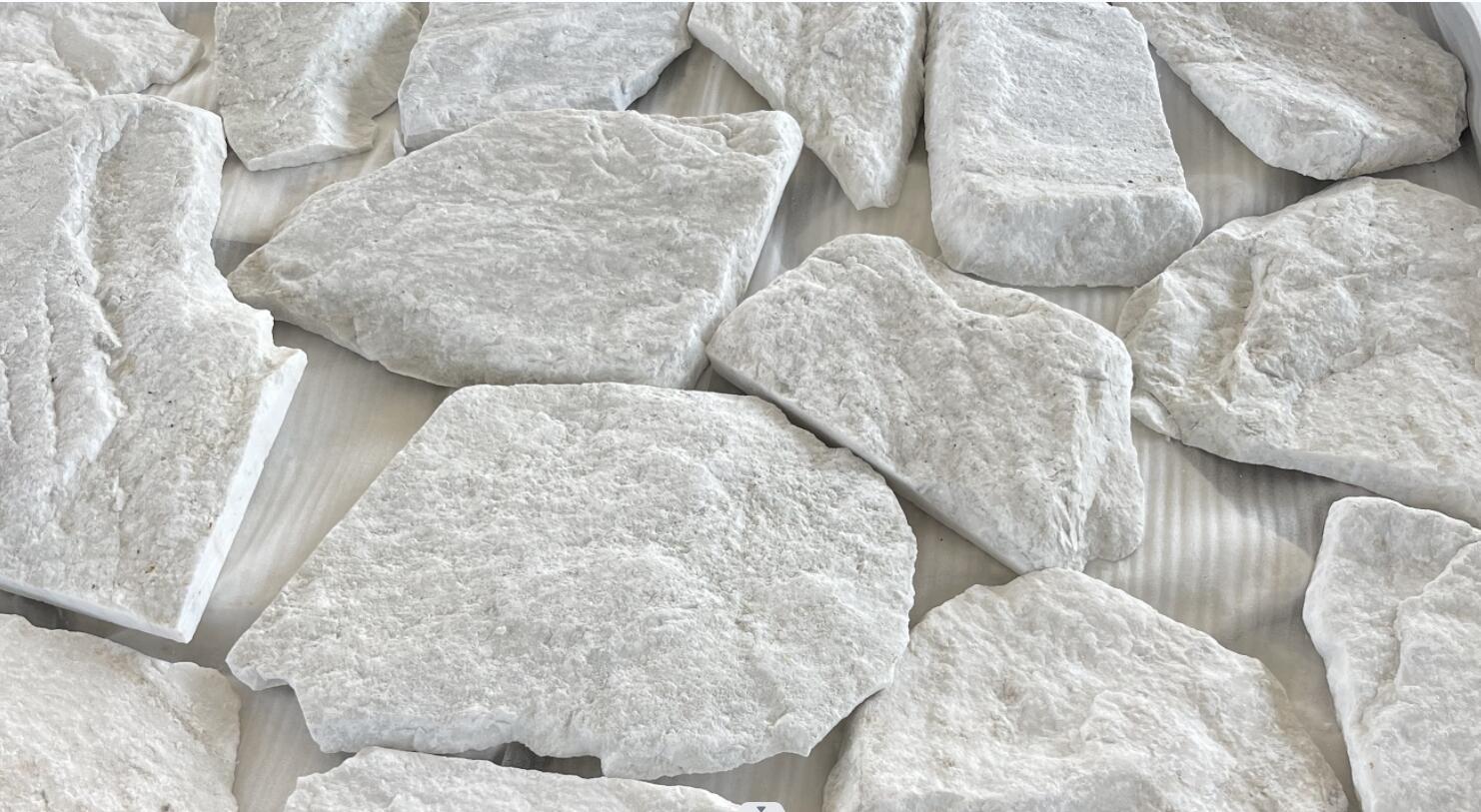
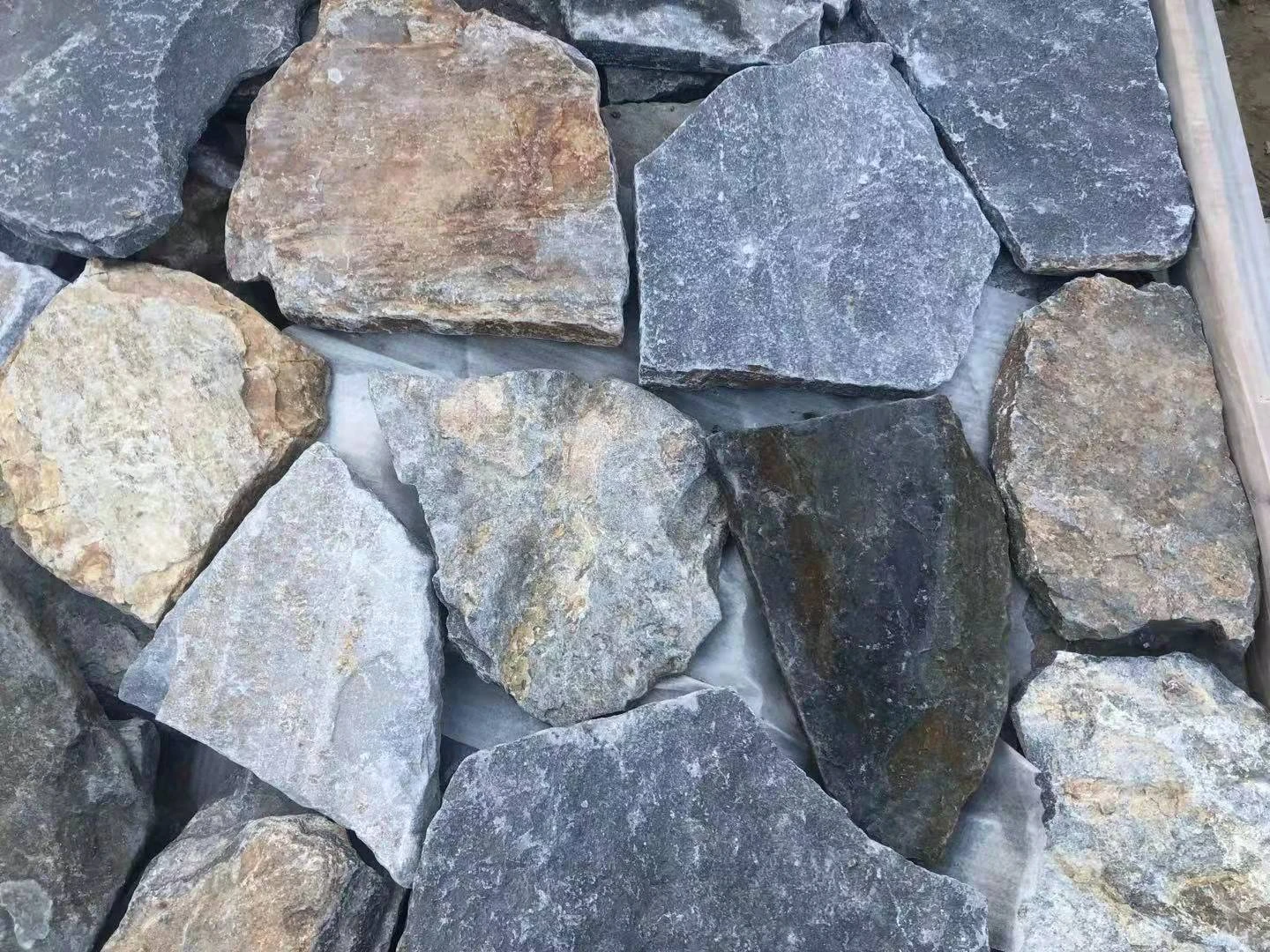
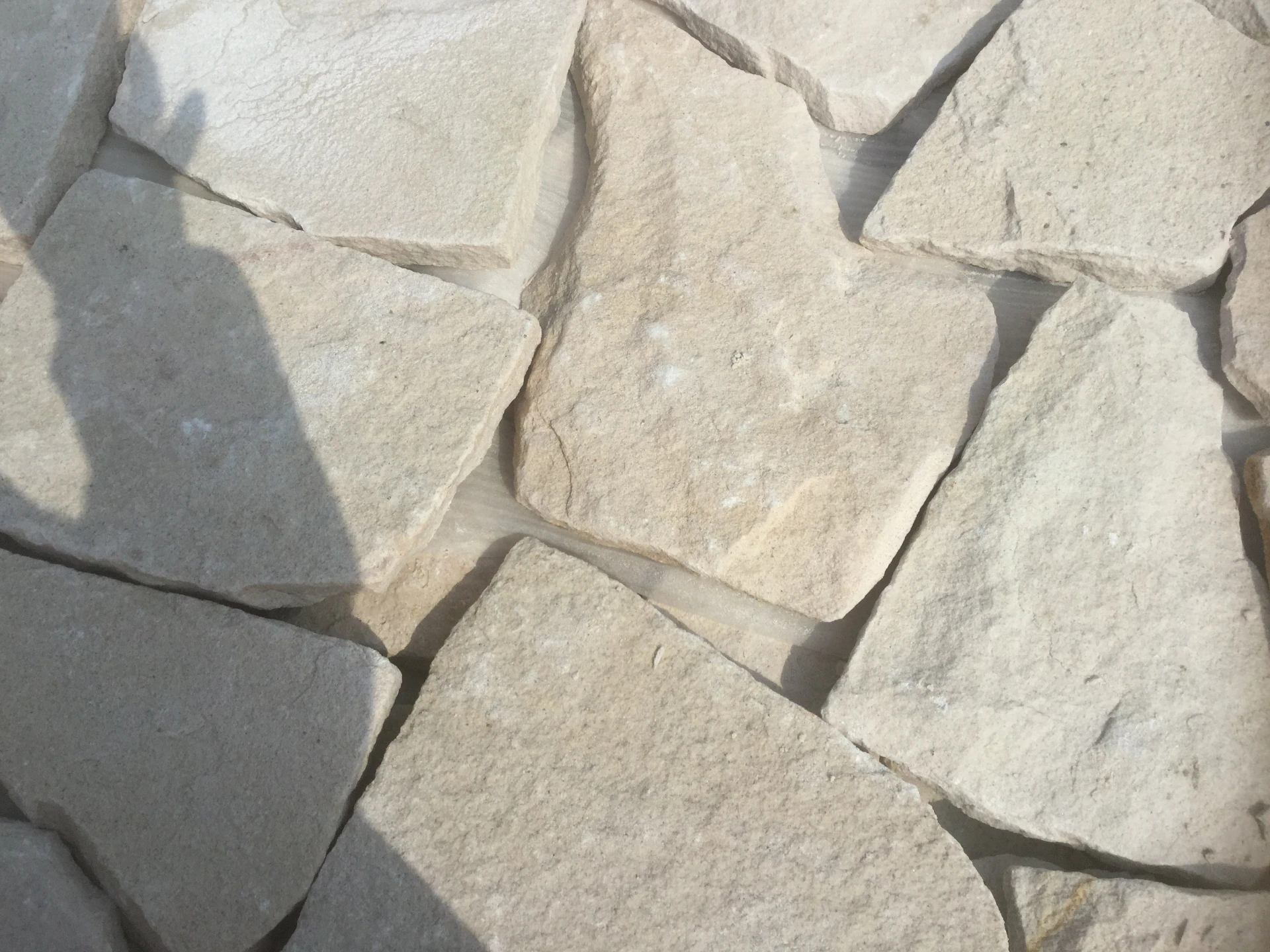
When it comes to looks, both types have their advantages. Flagstone has a rustic, natural aesthetic that many people find appealing. Pavers offer a more refined look that come in a wide array of color schemes and installation patterns. Regardless of the style you choose, it’s best to hire a professional to build out your patio, walkway or driveway to ensure the space is built to last.
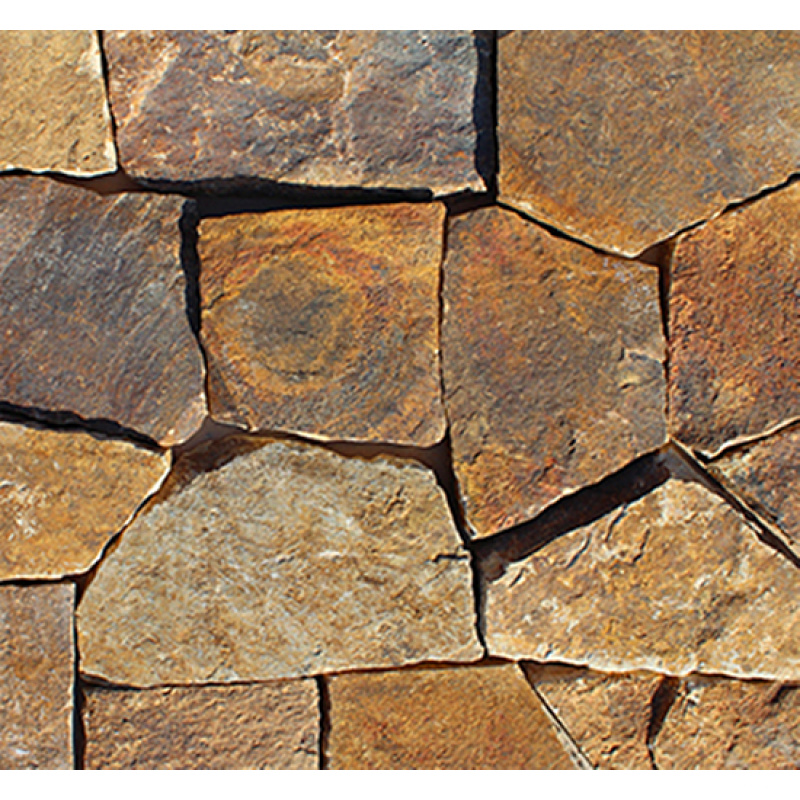
In contrast, pavers are usually more cost-effective to have installed compared to flagstone. This is mostly due to the amount of labor that goes into constructing natural stone patios or walkways.
Pavers are generally easier to maintain than flagstone. Concrete pavers are less porous so they don’t absorb dirt, water and debris quite as easily. This makes your patio or walkway easier to keep looking fresh and prevents weeds from growing in between the stones. Pavers may not have the same individualized charm as flagstone but they are still an attractive option that is low-maintenance.
Ultimately, when considering pavers vs flagstone for your patio project, you should weigh the pros and cons of each material. If you’re located in the northwest or west metro of the Twin Cities, contact the experts at Northwood Outdoor Services for top-rated paver installation.
 afrikalı
  alban
alban  amhar
amhar  ərəb
ərəb  erməni
  Azərbaycan
  bask dili
  belarus
  benqal dili
  bosniyalı
  bolqar
  katalan dili
  Cebuano
  Çin
Çin  Çin (Tayvan)
  korsika
  xorvat
  çex
çex  danimarka
  holland
  İngilis dili
  esperanto
  eston
eston  fin
fin  Fransız dili
  friz dili
  qalisian
  gürcü
gürcü  alman
alman  yunan
yunan  qucarat dili
  Haiti Kreol
  hausa
hausa  havaylı
  ivrit
ivrit  Xeyr
Xeyr  Miao
Miao  macar
macar  island
  iqbo
iqbo  indoneziya dili
  irland
  italyan
  yapon
yapon  yava dili
  Kannada
  qazax
qazax  kxmer
kxmer  Ruanda
  koreyalı
  kürd
kürd  qırğız
  Vərəm
Vərəm  latın
latın  latış
latış  litva
litva  Lüksemburq
  makedon
  Malqaşi
  malay
malay  malayalam
  maltalı
  maori
maori  marati dili
  monqol
  Myanma
  nepal dili
  norveçli
  norveçli
  oksitan
  puştu
puştu  fars
fars  polyak
  portuqal
  Pəncabi
  rumın
rumın  rus
rus  samoa
samoa  Şotlandiya Qael dili
  serb
serb  İngilis dili
  Şona
Şona  sindhi
  Sinhala
  slovak
  sloven
  Somali
  ispan dili
  sundan
  suahili
  isveçli
  taqaloq
  tacik
tacik  tamil
tamil  tatar
tatar  teluqu dili
  Tay
Tay  türk
türk  türkmən
  ukraynalı
  Urdu
Urdu  uyğur
uyğur  özbək
özbək  vyetnamlı
  uels
uels