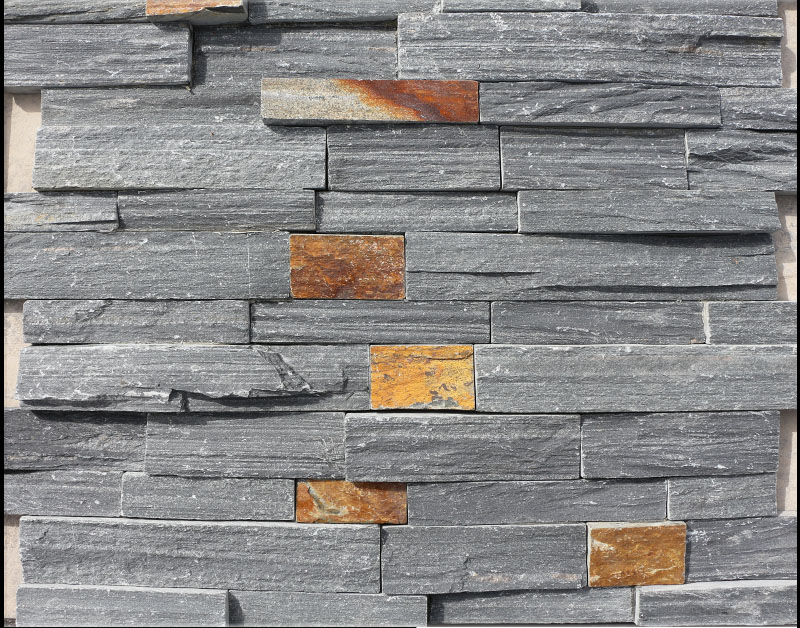
If you’re considering having a new patio installed, you may be wondering whether to choose pavers or flagstone. Both materials have their pros and cons, so it can be difficult to decide which one is the best option for your needs. In this blog post, we will compare and contrast pavers vs flagstone, so that you can make an informed decision about which material is right for you!
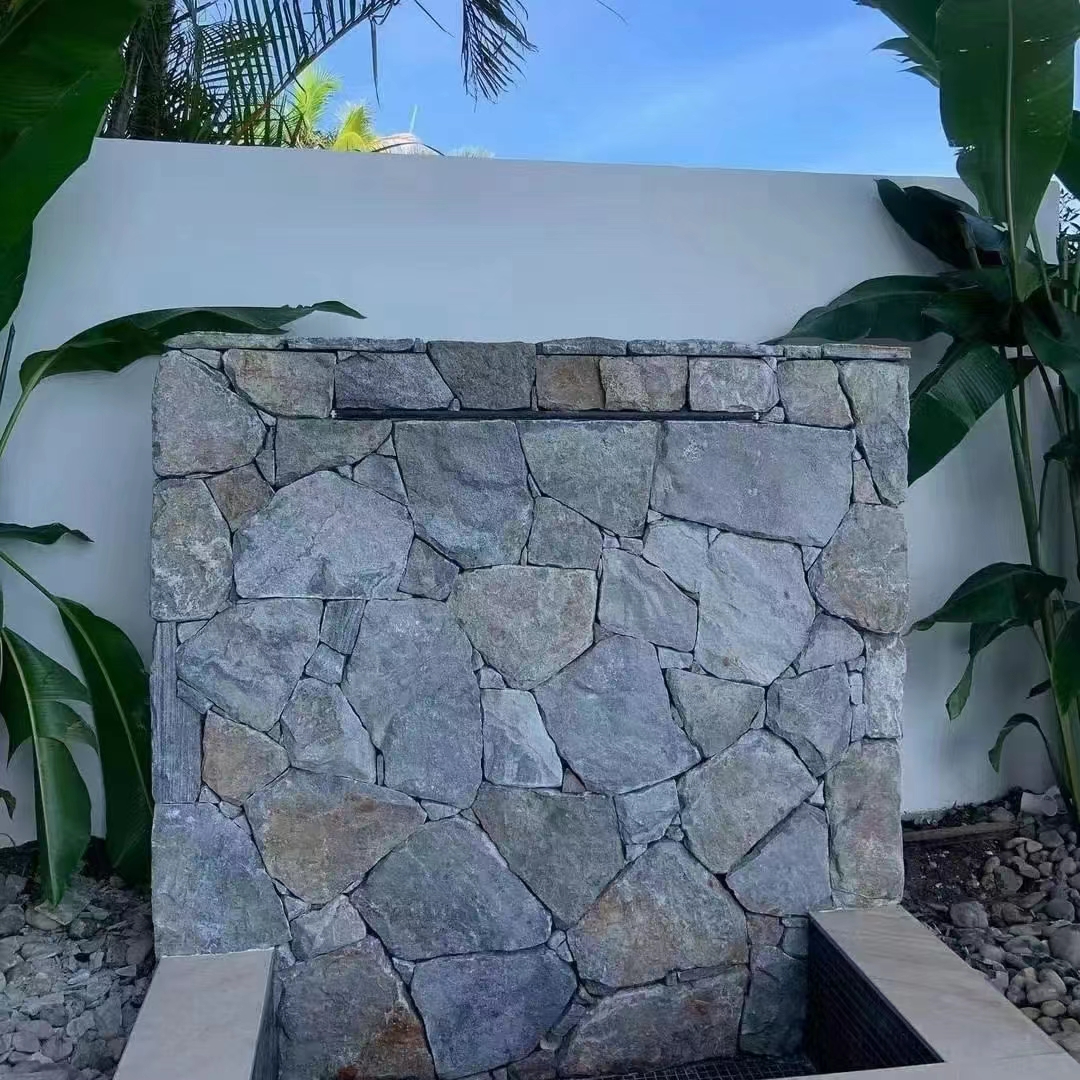
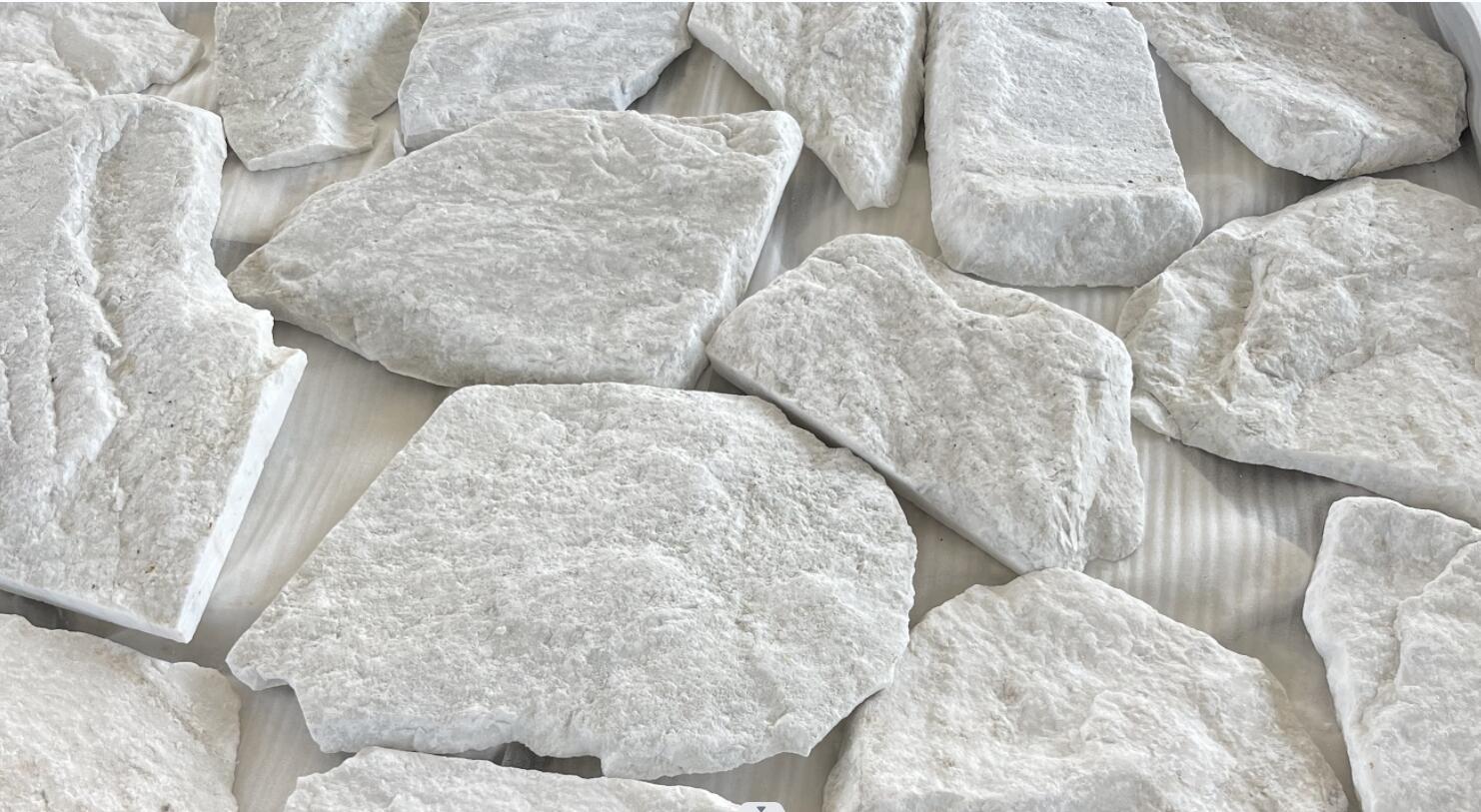
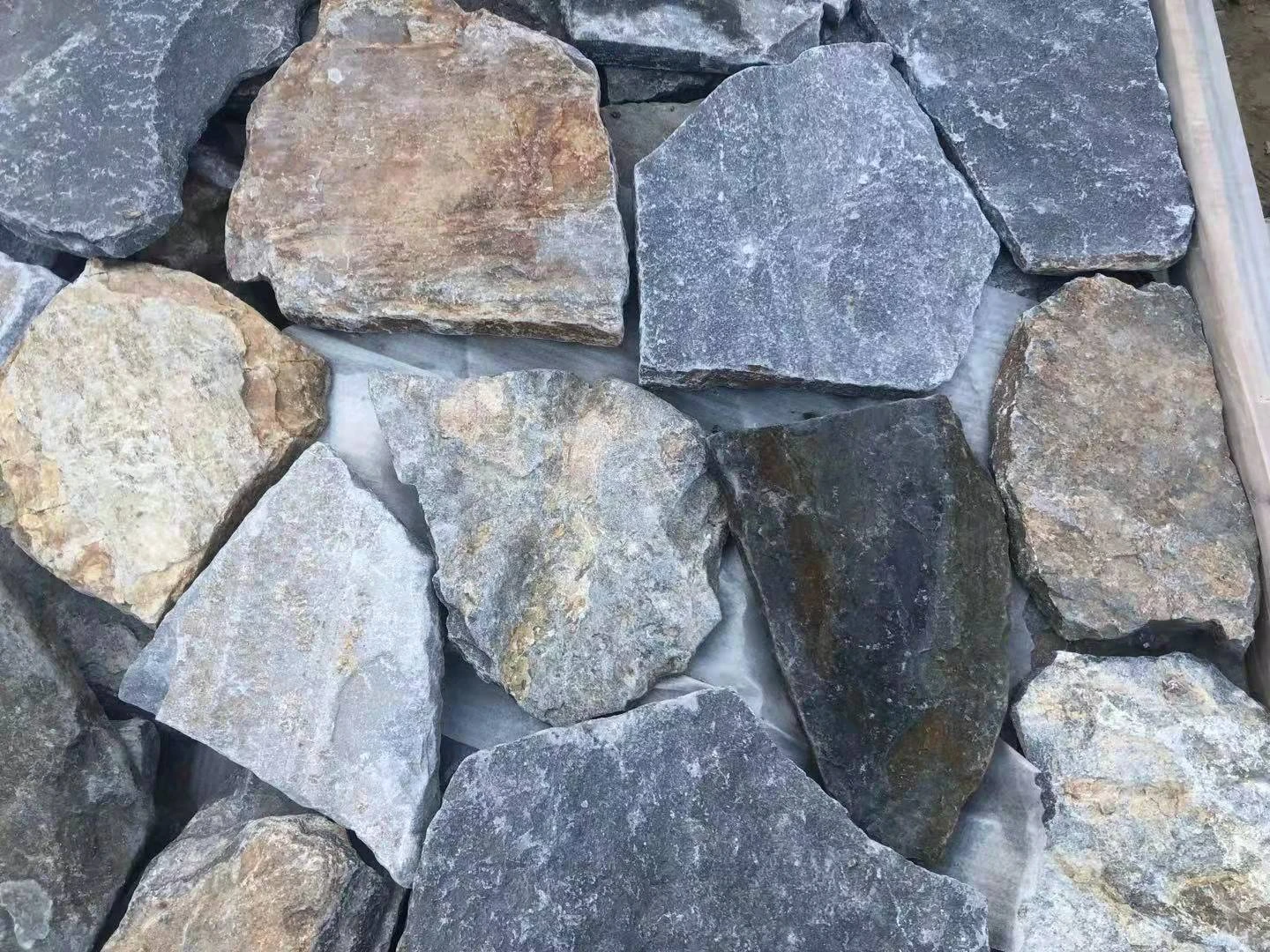
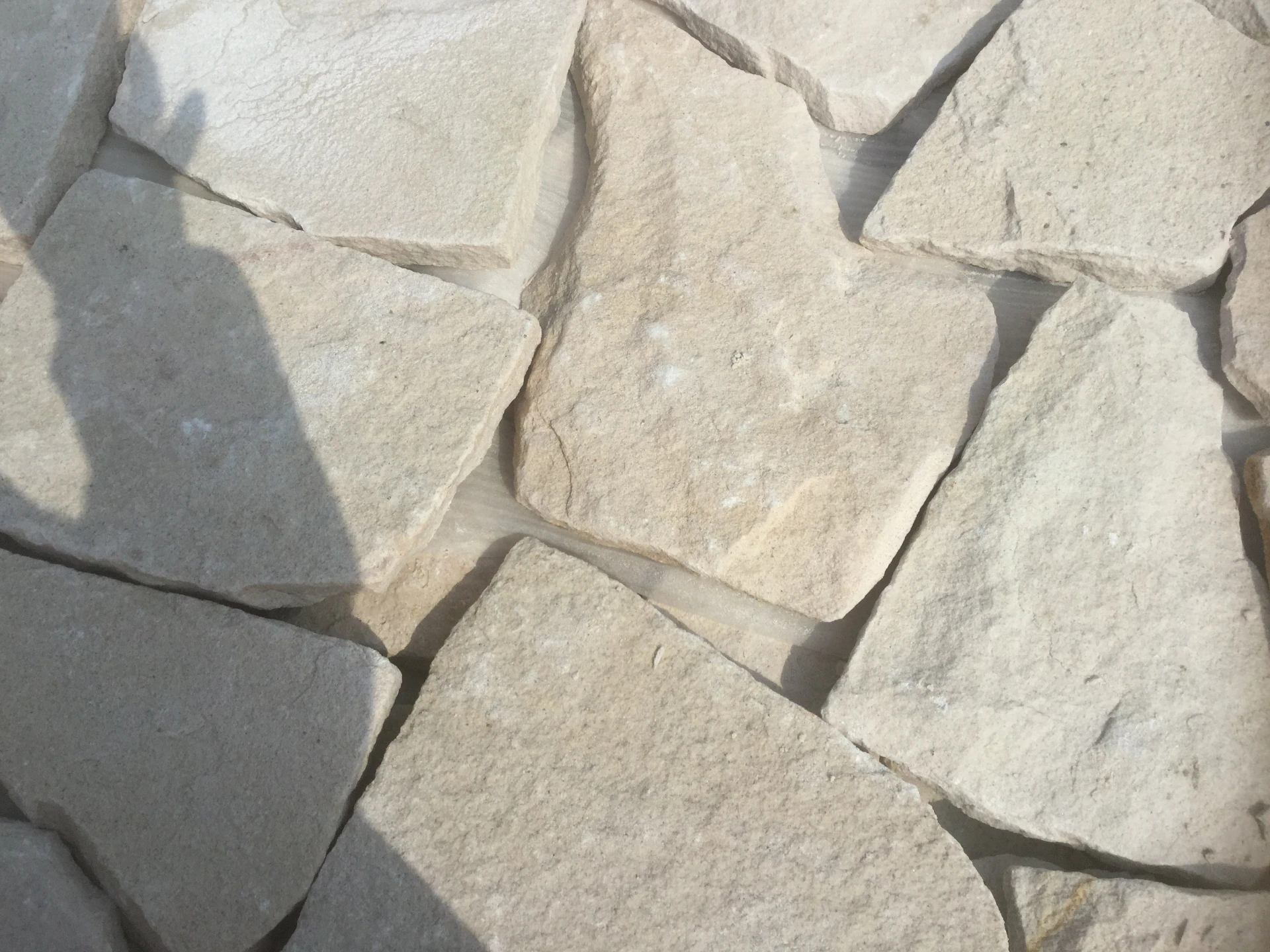
When it comes to looks, both types have their advantages. Flagstone has a rustic, natural aesthetic that many people find appealing. Pavers offer a more refined look that come in a wide array of color schemes and installation patterns. Regardless of the style you choose, it’s best to hire a professional to build out your patio, walkway or driveway to ensure the space is built to last.
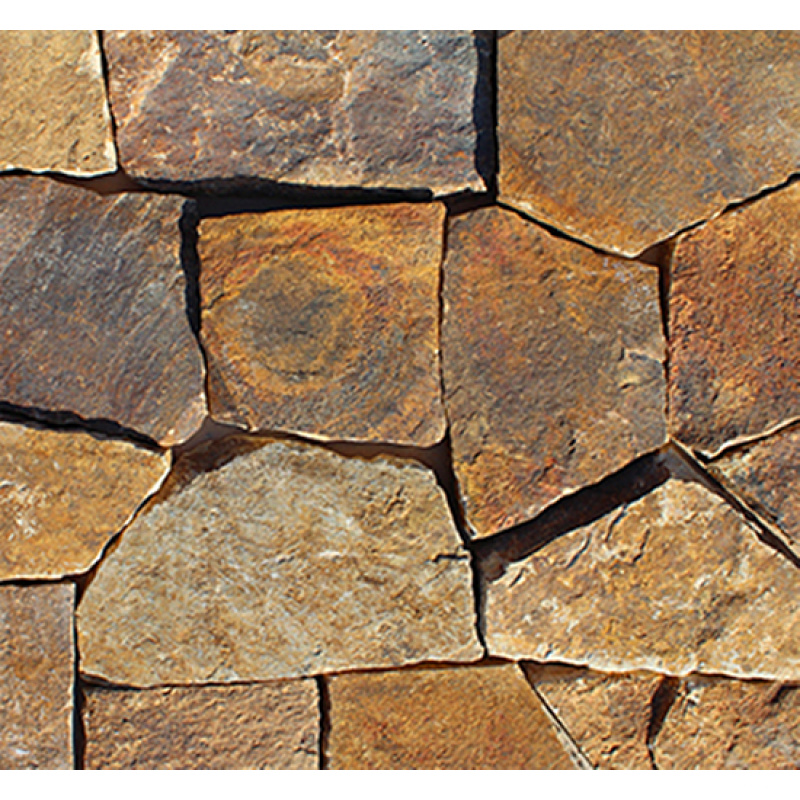
In contrast, pavers are usually more cost-effective to have installed compared to flagstone. This is mostly due to the amount of labor that goes into constructing natural stone patios or walkways.
Pavers are generally easier to maintain than flagstone. Concrete pavers are less porous so they don’t absorb dirt, water and debris quite as easily. This makes your patio or walkway easier to keep looking fresh and prevents weeds from growing in between the stones. Pavers may not have the same individualized charm as flagstone but they are still an attractive option that is low-maintenance.
Ultimately, when considering pavers vs flagstone for your patio project, you should weigh the pros and cons of each material. If you’re located in the northwest or west metro of the Twin Cities, contact the experts at Northwood Outdoor Services for top-rated paver installation.
 efrîkanî
  Albanî
  Amharîkî
  Erebî
Erebî  Ermenî
  Azerî
Azerî  Baskî
Baskî  Belarûsî
  Bengalî
  Bosnayî
  Bûlgarî
  Katalanî
  Cebuano
  çîn
çîn  Çîn (Taywan)
  Korsîkayî
  Xirwatî
  Çekî
Çekî  Danîmarkî
  Holandî
  Îngilîzî
  Esperanto
  Estonî
  Fînlandî
  Fransî
  frîzî
frîzî  Galîsyayî
  Gurcî
Gurcî  Almanî
  Yewnanî
  Gujaratî
  Kreoliya Haîtiyî
  Hausa
Hausa  Hawaiyî
  Îbranî
  Nexêr
Nexêr  Miao
Miao  Macarî
  Îzlandî
  igbo
igbo  Îndonezî
  Irlandî
  Îtalî
Îtalî  Japonî
  Javanesî
  Kanadayî
  Qazakî
  Khmer
Khmer  Rwandan
  Koreyî
  Kurdî
Kurdî  Qirgizî
  TB
TB  Latînî
  Letonî
  Lîtvanyayî
  Luksembûrgî
  Makedonî
  Malgashi
  Malayî
  Malayalamî
  Maltezî
  Maorîyî
  Maratî
  Moxolî
  Mîyanmar
  Nepalî
  Norwêcî
  Norwêcî
  Occitan
  Peştûyî
  Farsî
Farsî  Polandî
  Portekizî
  Pencabî
  Romanyayî
  Rûsî
Rûsî  Samoan
  Scottish Gaelic
  Sirbî
Sirbî  Îngilîzî
  Shona
Shona  Sindî
Sindî  Sinhala
  Slovakî
  Slovenî
  Somalîkî
  Îspanyolî
  Sundanese
  Swahîlîyî
  Swêdî
Swêdî  Tagalogî
  Tajik
Tajik  Tamîlî
  Tatar
Tatar  Teluguyî
  Thayîkî
  Tirkî
Tirkî  Tirkmenî
  Ûkraynî
  Ûrdûyî
  Uyghur
  Ozbekî
  Vîetnamî
  Galerkî