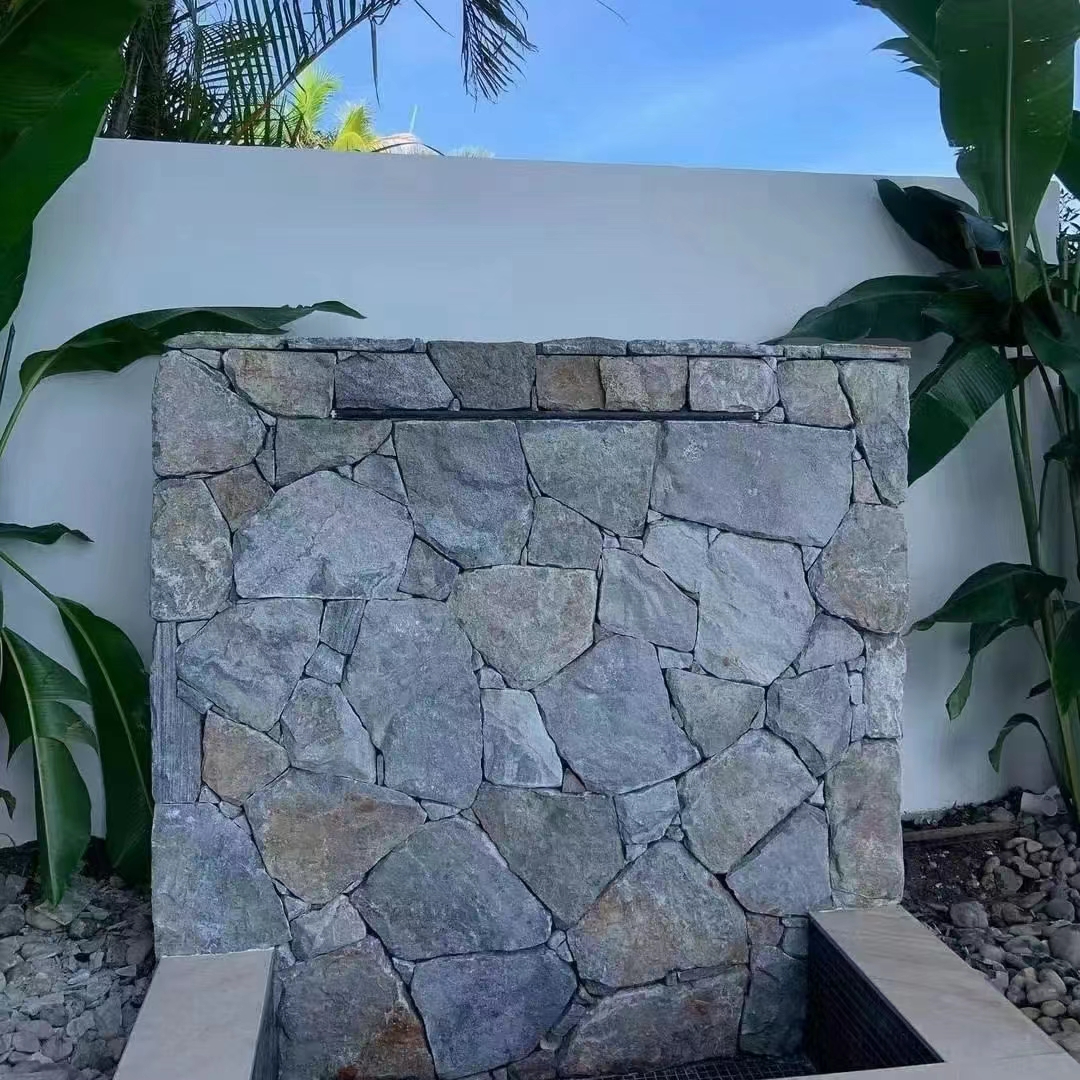
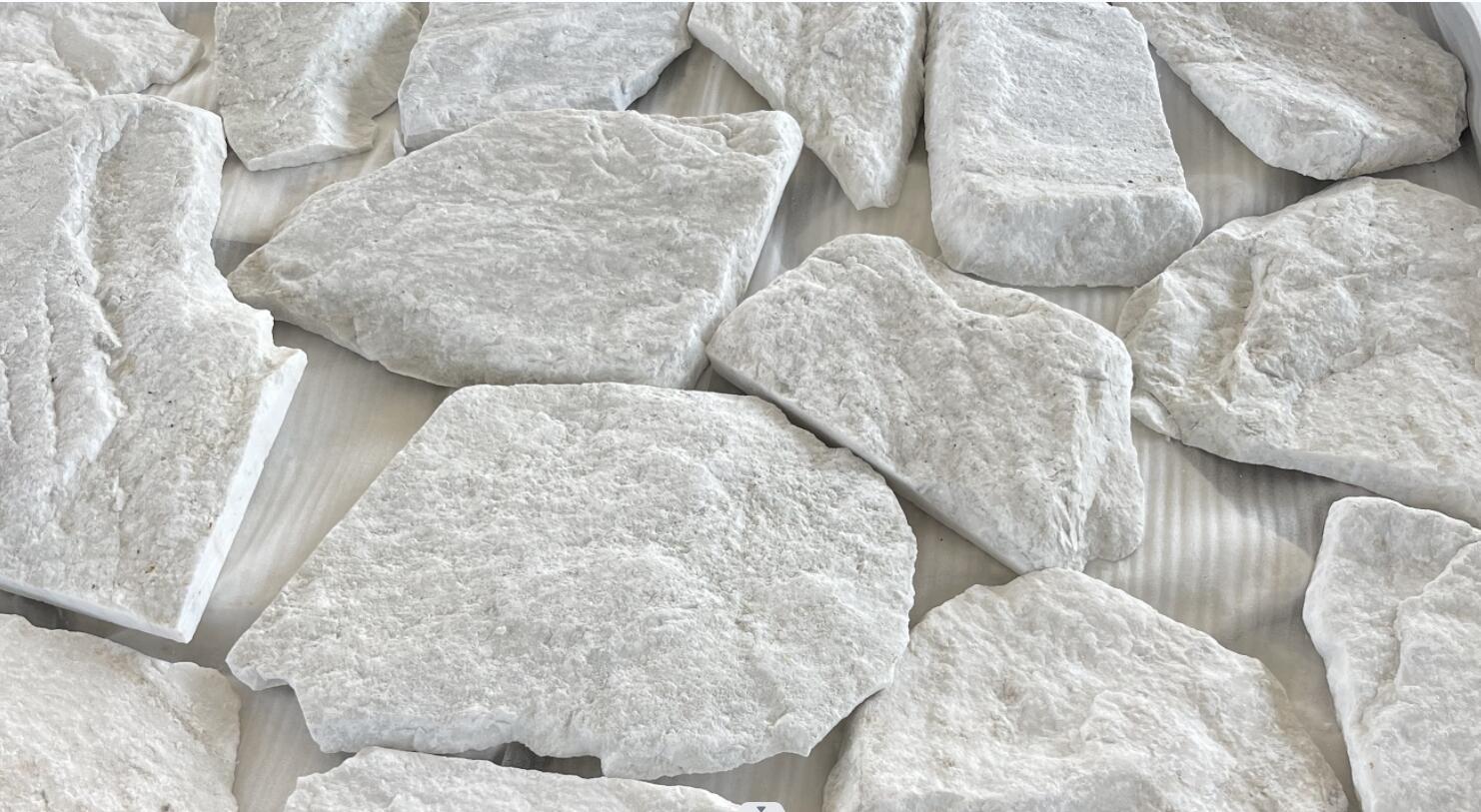
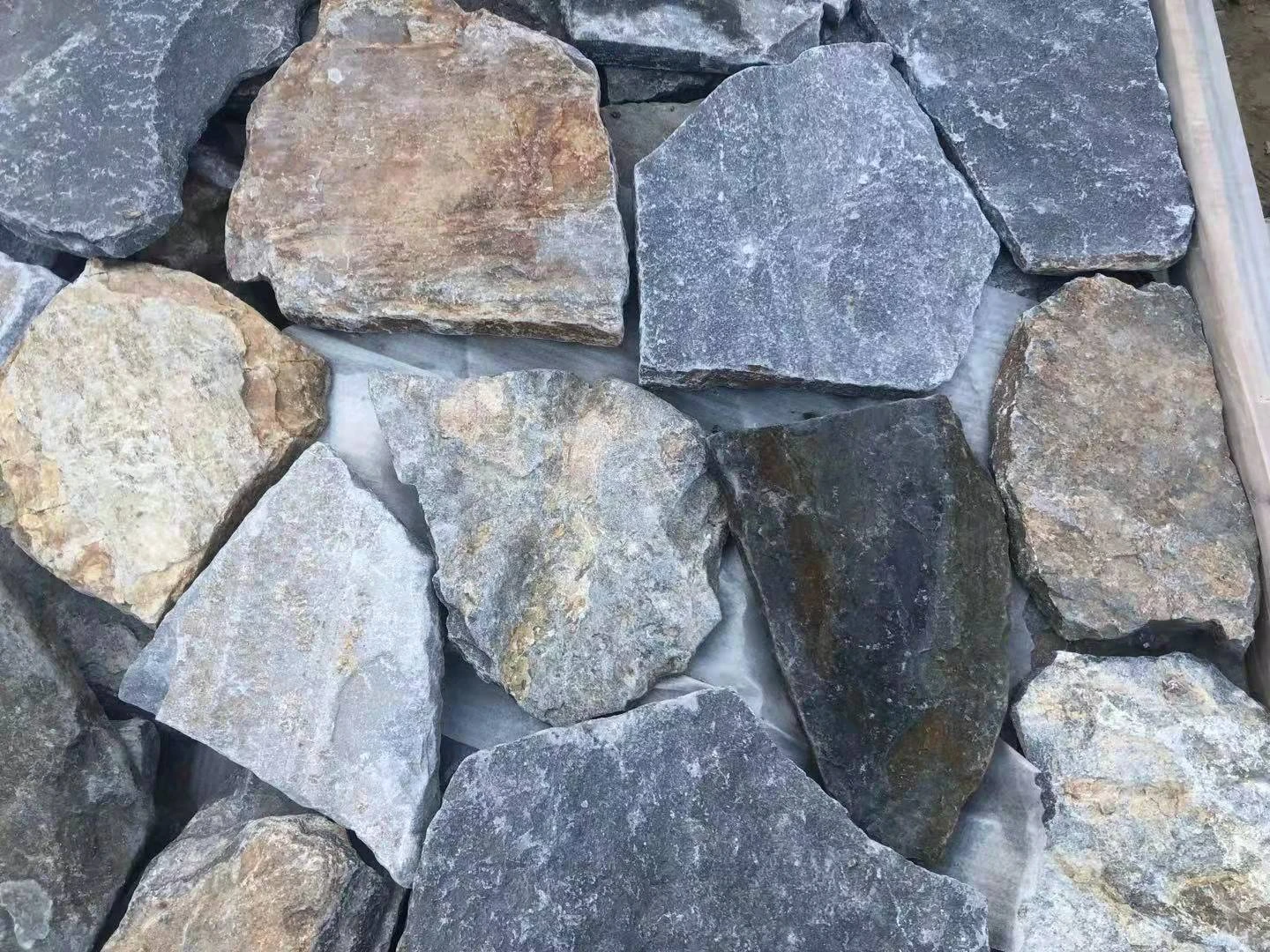
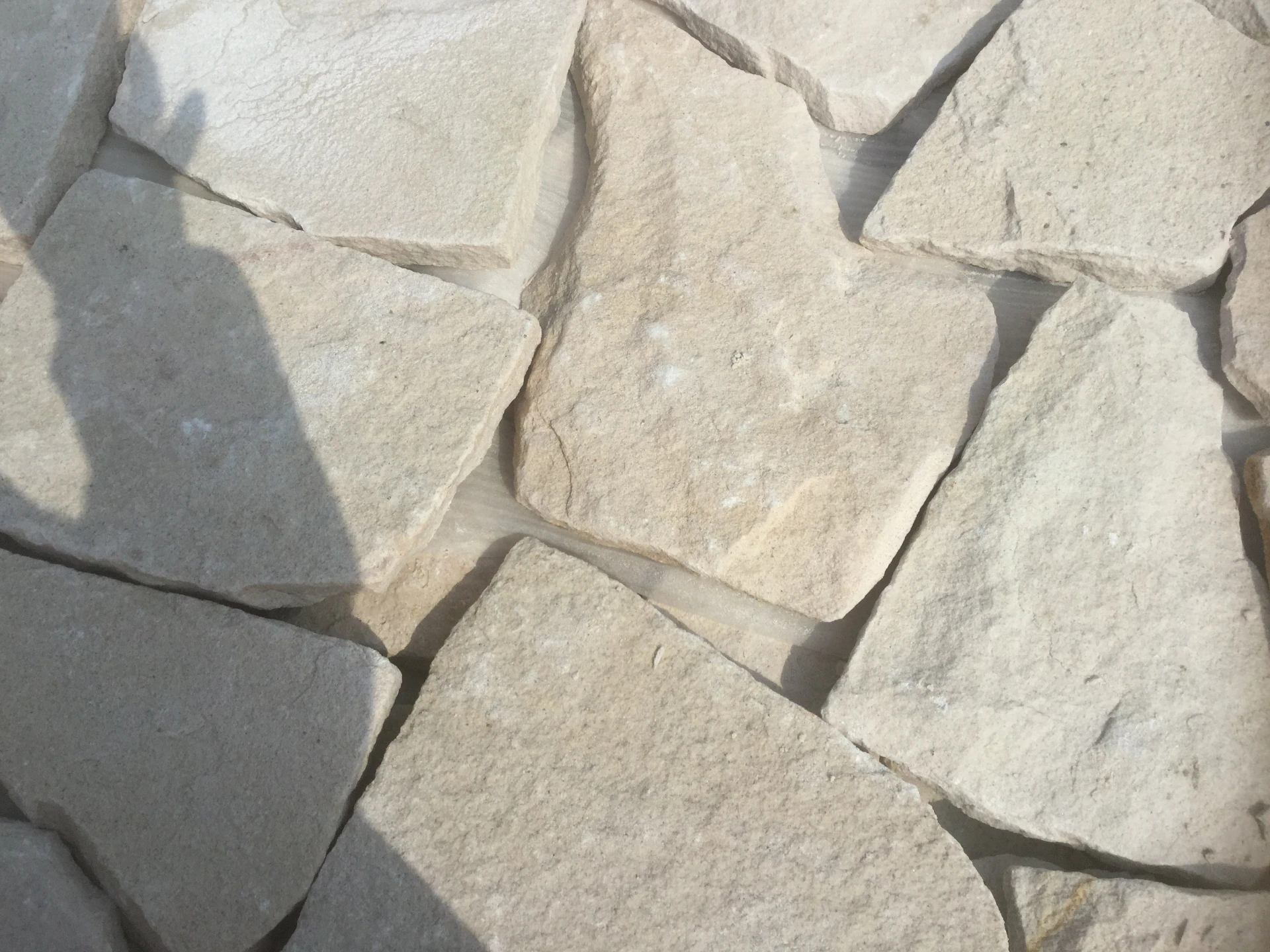
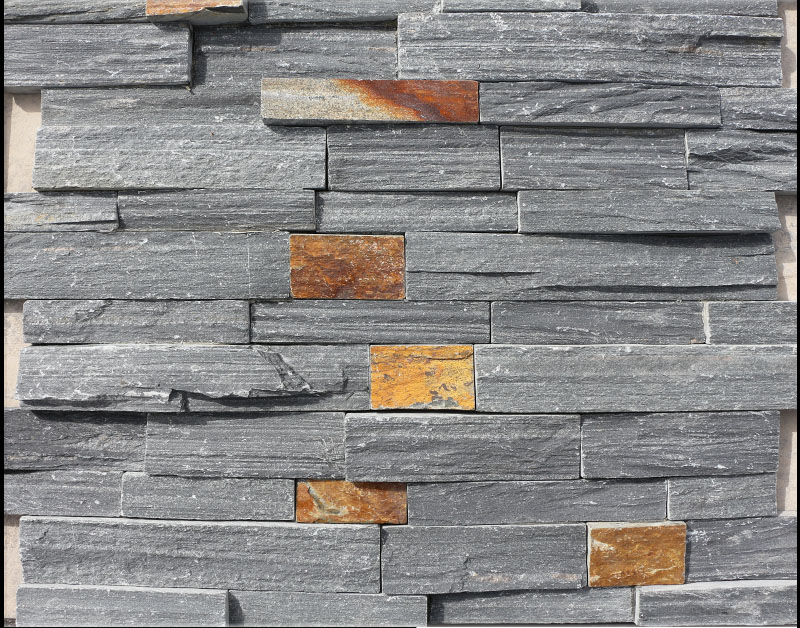
If you’re considering having a new patio installed, you may be wondering whether to choose pavers or flagstone. Both materials have their pros and cons, so it can be difficult to decide which one is the best option for your needs. In this blog post, we will compare and contrast pavers vs flagstone, so that you can make an informed decision about which material is right for you!
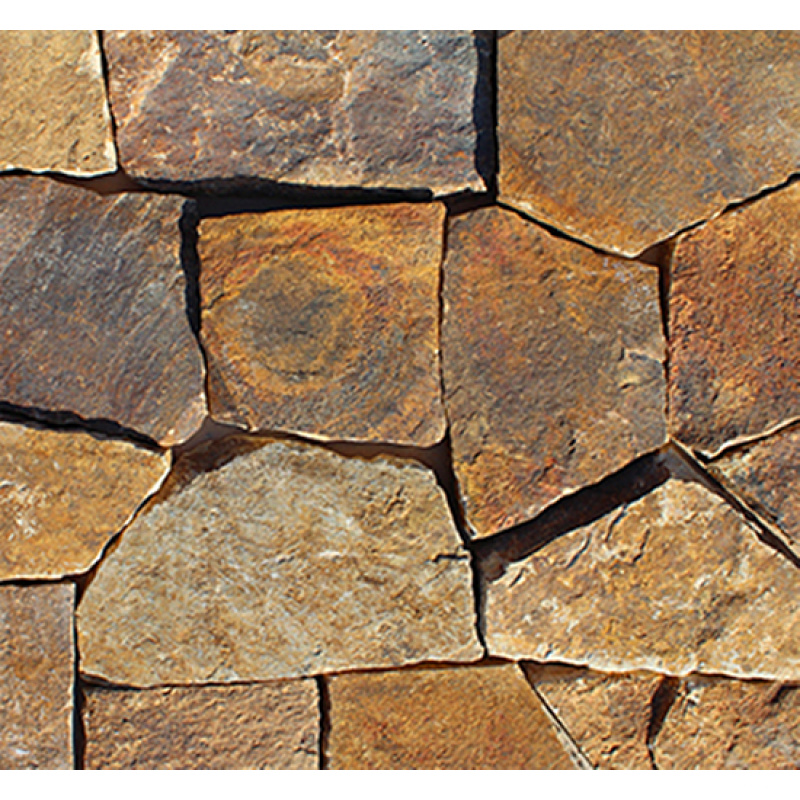
When it comes to looks, both types have their advantages. Flagstone has a rustic, natural aesthetic that many people find appealing. Pavers offer a more refined look that come in a wide array of color schemes and installation patterns. Regardless of the style you choose, it’s best to hire a professional to build out your patio, walkway or driveway to ensure the space is built to last.
In contrast, pavers are usually more cost-effective to have installed compared to flagstone. This is mostly due to the amount of labor that goes into constructing natural stone patios or walkways.
Pavers are generally easier to maintain than flagstone. Concrete pavers are less porous so they don’t absorb dirt, water and debris quite as easily. This makes your patio or walkway easier to keep looking fresh and prevents weeds from growing in between the stones. Pavers may not have the same individualized charm as flagstone but they are still an attractive option that is low-maintenance.
Ultimately, when considering pavers vs flagstone for your patio project, you should weigh the pros and cons of each material. If you’re located in the northwest or west metro of the Twin Cities, contact the experts at Northwood Outdoor Services for top-rated paver installation.
 Afrikos
  albanų
  amharų
  arabiškas
  armėnų
  Azerbaidžaniečių
  baskų
baskų  baltarusių
  bengalų
  bosnių
  bulgarų
  katalonų
  Cebuano
  Kinija
  Kinija (Taivanas)
  Korsikos
  kroatų
  čekų
čekų  danų
danų  olandų
  Anglų
Anglų  Esperanto
  Estų
Estų  suomių
  Prancūzų kalba
  fryzų
fryzų  Galisų
  gruzinų
  vokiečių
  graikų
  gudžaratų
  Haičio kreolų
  hausa
hausa  havajietis
  hebrajų
  Ne
Ne  Miao
Miao  vengrų
  islandų
  igbo
igbo  Indoneziečių
  airių
airių  italų
italų  japonų
  javiečių
  kanada
  kazachų
  khmerų
  Ruandos
  korėjiečių
  kurdų
kurdų  Kirgizų
  TB
TB  lotynų kalba
  latvių
  lietuvių
  liuksemburgiečių
  Makedonietis
  Malgashi
  malajiečių
  malajalių
  maltiečių
  maorių
  marati
  mongolų
  Mianmaras
  Nepaliečių
  norvegų
  norvegų
  oksitanų
  puštūnų
  persų
persų  lenkas
  portugalų
  Pandžabų
  rumunų
  rusų
rusų  samoiečių
  škotų gėlų
  serbų
serbų  Anglų
Anglų  Šona
Šona  Sindų
Sindų  Sinhala
  slovakų
  slovėnų
  Somalis
  ispanų
  Sundanai
  suahilių
  Švedijos
  tagalogų
  tadžikų
  tamilų
  totorių
  telugų
  tajų
tajų  turkų
turkų  turkmėnų
  ukrainiečių
  urdu
urdu  Uigūras
  uzbekas
  vietnamiečių
  valų
valų