

If you’re considering having a new patio installed, you may be wondering whether to choose pavers or flagstone. Both materials have their pros and cons, so it can be difficult to decide which one is the best option for your needs. In this blog post, we will compare and contrast pavers vs flagstone, so that you can make an informed decision about which material is right for you!
When it comes to looks, both types have their advantages. Flagstone has a rustic, natural aesthetic that many people find appealing. Pavers offer a more refined look that come in a wide array of color schemes and installation patterns. Regardless of the style you choose, it’s best to hire a professional to build out your patio, walkway or driveway to ensure the space is built to last.
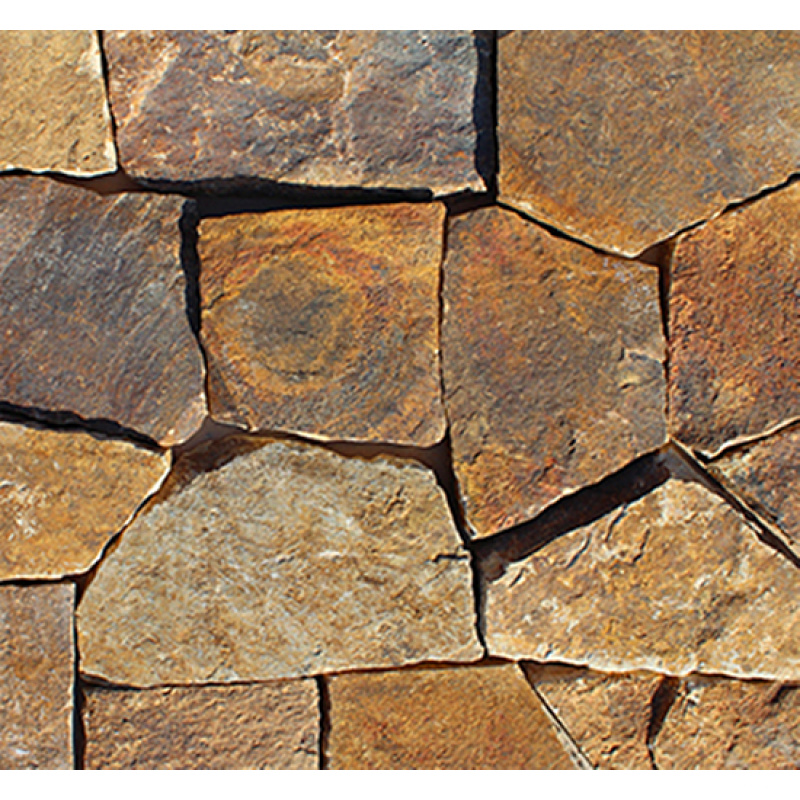
In contrast, pavers are usually more cost-effective to have installed compared to flagstone. This is mostly due to the amount of labor that goes into constructing natural stone patios or walkways.
Pavers are generally easier to maintain than flagstone. Concrete pavers are less porous so they don’t absorb dirt, water and debris quite as easily. This makes your patio or walkway easier to keep looking fresh and prevents weeds from growing in between the stones. Pavers may not have the same individualized charm as flagstone but they are still an attractive option that is low-maintenance.
Ultimately, when considering pavers vs flagstone for your patio project, you should weigh the pros and cons of each material. If you’re located in the northwest or west metro of the Twin Cities, contact the experts at Northwood Outdoor Services for top-rated paver installation.
 Affricanaidd
  Albaneg
  Amhareg
  Arabeg
  Armenaidd
  Azerbaijani
  Basgeg
  Belarwseg
  Bengali
  Bosnieg
  Bwlgareg
  Catalaneg
  Cebuano
  Tsieina
  Tsieina (Taiwan)
  Corseg
  Croateg
  Tsiec
Tsiec  Daneg
Daneg  Iseldireg
  Saesneg
  Esperanto
  Estoneg
  Ffinneg
  Ffrangeg
  Ffriseg
  Galiseg
  Sioraidd
  Almaeneg
  Groeg
Groeg  Gwjarati
  Creol Haitaidd
  hausa
hausa  hawaiian
  Hebraeg
  Naddo
Naddo  Miao
Miao  Hwngareg
  Islandeg
  igbo
igbo  Indoneseg
  gwyddelig
  Eidaleg
  Japaneaidd
  Jafaneg
  Kannada
  kazakh
  Khmer
Khmer  Rwanda
  Corëeg
  Cwrdaidd
  Kyrgyz
  TB
TB  Lladin
  Latfieg
  Lithwaneg
  Lwcsembwrgaidd
  Macedoneg
  Malgashi
  Maleieg
  Malayalam
  Malteg
  Maori
Maori  Marathi
  Mongoleg
  Myanmar
  Nepali
  Norwyaidd
  Norwyaidd
  Ocsitaneg
  Pashto
  Perseg
  Pwyleg
  Portiwgaleg
  Pwnjabi
  Rwmania
  Rwsieg
  Samoaidd
  Gaeleg yr Alban
  Serbeg
  Saesneg
  Shona
Shona  Sindhi
  Sinhala
  Slofaceg
  Slofeneg
  Somalïaidd
  Sbaeneg
  Sundanaidd
  Swahili
  Swedeg
  Tagalog
  Tajiceg
  Tamil
Tamil  Tatar
Tatar  Telugu
  Thai
Thai  Twrceg
  Tyrcmeniaid
  Wcrain
  Wrdw
Wrdw  Uighur
  Wsbeceg
  Fietnameg
  Cymraeg




