

Blog

-
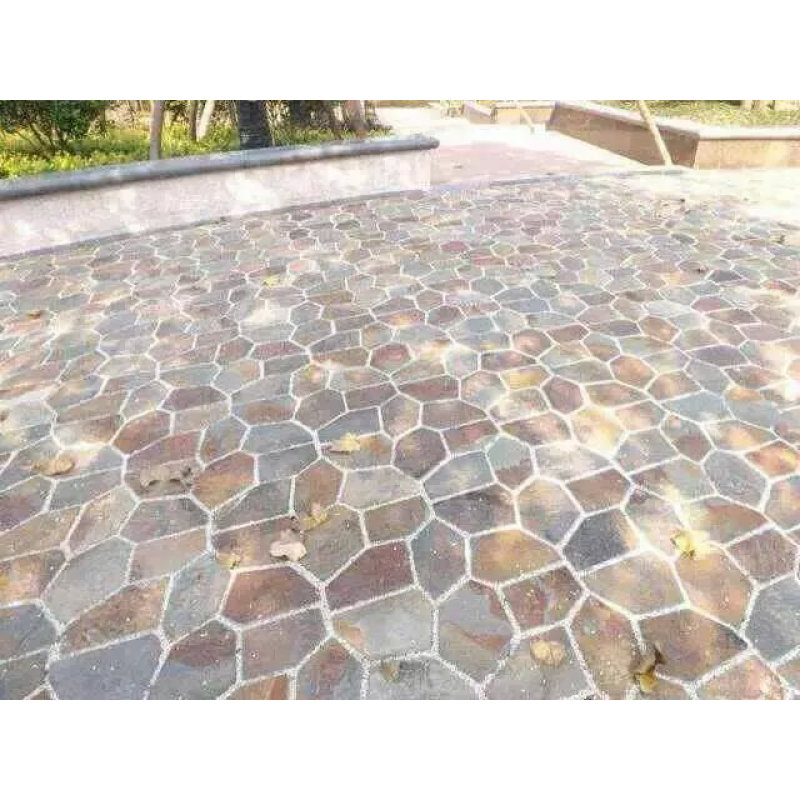 Let’s start with what flagstone is made of. Flagstone is a generic term used to encompass all sedimentary and metamorphic rock that’s split into layers. These rocks are naturally split along the lineation planes of the stones. Encompassing a range of different sedimentary rocks, this term is used to describe the different types of a stone laid as “flags” in patterns.Darllen mwy
-
 Mae patios a rhodfeydd fflagfaen yn rhoi chwilfrydedd gwladaidd i'ch cartref. Maent yn gerrig mawr, gwastad a ddefnyddir yn aml ar gyfer patios, llwybrau cerdded, a deciau pwll. Maent yn boblogaidd oherwydd eu gwydnwch, eu golwg naturiol, eu lliwiau cyfoethog, a'u hyblygrwydd wrth osod; naill ai eu gosod mewn tywod neu forter. Gall cerrig fflag roi hwb i'ch iard trwy ddarparu golwg fwy diddorol na choncrit wedi'i stampio neu ei dywallt a phafinau.Darllen mwy
-
 Slate flagstone is a remarkable choice for those seeking both beauty and functionality in their home. Its natural texture and rich color variations bring an earthy yet sophisticated look to any space. Whether it's part of a rustic setting or a component of modern design, slate flagstone integrates seamlessly with various decor styles. Its robust nature ensures it stands up to the demands of high-traffic areas, making it a smart choice for busy homes. The unique character of each stone piece ensures that no two areas will look exactly the same, offering a bespoke feel to your home. Ideal for both indoor and outdoor settings, slate flagstone is a versatile option that adapts to various architectural styles, enhancing the overall appeal of your living space.Darllen mwy
-
 Flagstone is a flat, randomly shaped stone commonly used for paving patios, walkways, driveways, or as garden step stones. Irregular shapes and sizes make for a rustic, natural appearance. Flagstones are generally available in two thicknesses: the thicker (1½” to 2”) is suitable for sand-set applications and the thinner (¾” to 1”) is usually set in mortar over a concrete pad.Darllen mwy
-
 Among the myriad of landscape rock materials available, flagstone stands out as a timeless and versatile choice that brings natural beauty to any landscape. With the huge variety of modern and rustic cut flagstones, we have everything you need to showcase your individual taste and style. In this blog post, we dig into the world of flagstone and explore how it can elevate your outdoor areas, from pathways to patios and beyond.Darllen mwy
-
 Yes, natural stone like flagstone is more expensive than other pavers. It’s also usually more expensive to install, whether you use a pro or do it yourself.Darllen mwy
-
 Yn union fel plu eira, does dim dwy garreg yr un fath. Fel gwir gynnyrch natur, daw'r garreg mewn miliwn o wahanol siapiau, meintiau a lliwiau yn dibynnu ar o ble y daw. Mae'r amrywiaeth anhygoel hon yn helpu perchnogion tai fel chi i greu tirweddau caled sy'n wirioneddol unigryw.Darllen mwy
-
 Flagstone (flag) is a generic flat stone, sometimes cut in regular rectangular or square shape and usually used for paving slabs or walkways, patios, flooring, fences and roofing. It may be used for memorials, headstones, facades and other construction. The name derives from Middle English flagge meaning turf, perhaps from Old Norse flaga meaning slab or chip.[1]Darllen mwy
-
 Darllen mwy
-
 Gweithgaredd Cwmni DFLDarllen mwy
-
 Darllen mwy
-
 Darllen mwy
 Affricanaidd
 Albaneg
 Amhareg
 Arabeg
 Armenaidd
 Azerbaijani
 Basgeg
 Belarwseg
 Bengali
 Bosnieg
 Bwlgareg
 Catalaneg
 Cebuano
 Tsieina
 Tsieina (Taiwan)
 Corseg
 Croateg
 Tsiec
 Daneg
 Iseldireg
 Saesneg
 Esperanto
 Estoneg
 Ffinneg
 Ffrangeg
 Ffriseg
 Galiseg
 Sioraidd
 Almaeneg
 Groeg
 Gwjarati
 Creol Haitaidd
 hausa
 hawaiian
 Hebraeg
 Naddo
 Miao
 Hwngareg
 Islandeg
 igbo
 Indoneseg
 gwyddelig
 Eidaleg
 Japaneaidd
 Jafaneg
 Kannada
 kazakh
 Khmer
 Rwanda
 Corëeg
 Cwrdaidd
 Kyrgyz
 TB
 Lladin
 Latfieg
 Lithwaneg
 Lwcsembwrgaidd
 Macedoneg
 Malgashi
 Maleieg
 Malayalam
 Malteg
 Maori
 Marathi
 Mongoleg
 Myanmar
 Nepali
 Norwyaidd
 Norwyaidd
 Ocsitaneg
 Pashto
 Perseg
 Pwyleg
 Portiwgaleg
 Pwnjabi
 Rwmania
 Rwsieg
 Samoaidd
 Gaeleg yr Alban
 Serbeg
 Saesneg
 Shona
 Sindhi
 Sinhala
 Slofaceg
 Slofeneg
 Somalïaidd
 Sbaeneg
 Sundanaidd
 Swahili
 Swedeg
 Tagalog
 Tajiceg
 Tamil
 Tatar
 Telugu
 Thai
 Twrceg
 Tyrcmeniaid
 Wcrain
 Wrdw
 Uighur
 Wsbeceg
 Fietnameg
 Cymraeg