

Blogo

-
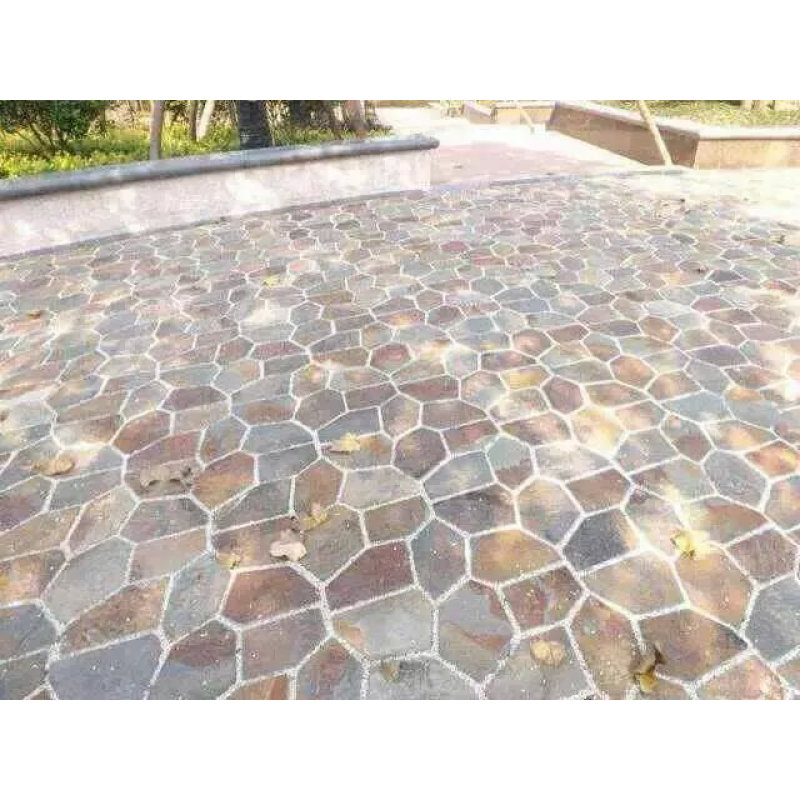 Let’s start with what flagstone is made of. Flagstone is a generic term used to encompass all sedimentary and metamorphic rock that’s split into layers. These rocks are naturally split along the lineation planes of the stones. Encompassing a range of different sedimentary rocks, this term is used to describe the different types of a stone laid as “flags” in patterns.Legu pli
-
 Lastraj kortoj kaj vojetoj provizas rustikan intrigon al via hejmo. Ili estas grandaj, plataj ŝtonoj ofte uzataj por kortoj, piedvojoj kaj naĝejferdekoj. Ili estas popularaj pro sia fortikeco, natura aspekto, riĉaj koloroj kaj sia versatileco en instalado; aŭ metante ilin en sablon aŭ pistujon. Ŝtonoj povas plifortigi vian korton per pli interesa aspekto ol stampita aŭ verŝita betono kaj pavimoj.Legu pli
-
 Slate flagstone is a remarkable choice for those seeking both beauty and functionality in their home. Its natural texture and rich color variations bring an earthy yet sophisticated look to any space. Whether it's part of a rustic setting or a component of modern design, slate flagstone integrates seamlessly with various decor styles. Its robust nature ensures it stands up to the demands of high-traffic areas, making it a smart choice for busy homes. The unique character of each stone piece ensures that no two areas will look exactly the same, offering a bespoke feel to your home. Ideal for both indoor and outdoor settings, slate flagstone is a versatile option that adapts to various architectural styles, enhancing the overall appeal of your living space.Legu pli
-
 Flagstone is a flat, randomly shaped stone commonly used for paving patios, walkways, driveways, or as garden step stones. Irregular shapes and sizes make for a rustic, natural appearance. Flagstones are generally available in two thicknesses: the thicker (1½” to 2”) is suitable for sand-set applications and the thinner (¾” to 1”) is usually set in mortar over a concrete pad.Legu pli
-
 Among the myriad of landscape rock materials available, flagstone stands out as a timeless and versatile choice that brings natural beauty to any landscape. With the huge variety of modern and rustic cut flagstones, we have everything you need to showcase your individual taste and style. In this blog post, we dig into the world of flagstone and explore how it can elevate your outdoor areas, from pathways to patios and beyond.Legu pli
-
 Yes, natural stone like flagstone is more expensive than other pavers. It’s also usually more expensive to install, whether you use a pro or do it yourself.Legu pli
-
 Same kiel neĝeroj, neniuj du ŝtonoj estas samaj. Kiel vera produkto de la naturo, ŝtono venas en miliono da malsamaj formoj, grandecoj kaj koloroj depende de kie ĝi venas. Ĉi tiu nekredebla diverseco helpas domposedantojn kiel vi krei malmolajn pejzaĝojn, kiuj estas vere unikaj.Legu pli
-
 Flagstone (flag) is a generic flat stone, sometimes cut in regular rectangular or square shape and usually used for paving slabs or walkways, patios, flooring, fences and roofing. It may be used for memorials, headstones, facades and other construction. The name derives from Middle English flagge meaning turf, perhaps from Old Norse flaga meaning slab or chip.[1]Legu pli
-
 Legu pli
-
 DFL Firmaa AgadoLegu pli
-
 Legu pli
-
 Legu pli
 afrikano
 albana
 Amhara
 la araba
 la armena
 Azerbajĝana
 eŭska
 Belarusian
 bengala
 bosnia
 bulgaro
 kataluna
 Cebuano
 Ĉinio
 Ĉinio (Tajvano)
 korsika
 kroata
 ĉeĥa
 dana
 nederlanda
 la angla
 Esperanto
 estona
 finna
 franca
 frisa
 galego
 kartvela
 germana
 greka
 Gujaratio
 Haitian Creole
 hausa
 havajano
 la hebrea
 Ne
 Miao
 hungara
 islanda
 igbo
 indonezia
 irlandano
 itala
 Japanoj
 la javano
 Kannada
 kazaĥo
 ĥmeroj
 Ruando
 korea
 kurda
 Kirgizoj
 TB
 la latina
 latva
 litova
 luksemburga
 makedona
 Malgashi
 malaja
 la malajala
 malta
 maoria
 Maratio
 mongola
 Mjanmao
 nepala
 norvega
 norvega
 okcitana
 Paŝto
 la persa
 pola
 portugala
 panĝaba
 rumana
 rusa
 samoano
 Skotgaela
 serba
 la angla
 Ŝona
 Sinda
 Sinhala
 la slovaka
 sloveno
 Somalo
 hispana
 Sundanese
 Svahila
 sveda
 la tagaloga
 taĝiko
 la tamila
 tataro
 la telugua
 tajlanda
 Turka
 turkmenoj
 ukraina
 Urdu
 ujgura
 uzbeko
 vjetnama
 kimra lingvo