

Blog

-
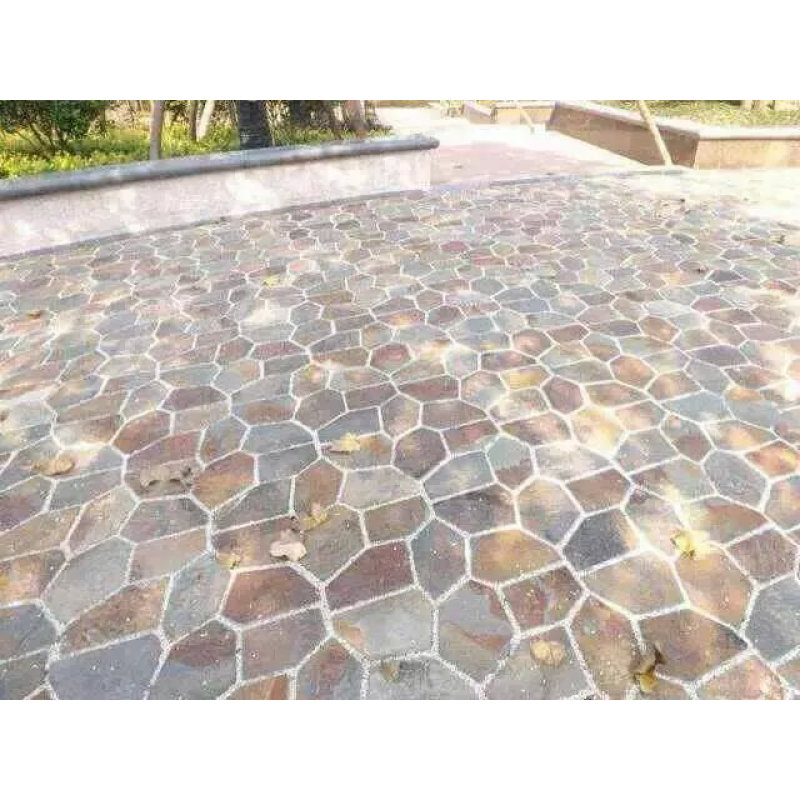 Let’s start with what flagstone is made of. Flagstone is a generic term used to encompass all sedimentary and metamorphic rock that’s split into layers. These rocks are naturally split along the lineation planes of the stones. Encompassing a range of different sedimentary rocks, this term is used to describe the different types of a stone laid as “flags” in patterns.Pānuitia atu
-
 Ko nga patio kara me nga ara hikoi he mea whakamiharo ki to kaainga. He kohatu nunui, papatahi e whakamahia ana mo nga patio, ara hikoi, me nga papa kaukau. He rongonui ratou na to ratou mauroa, te ahua o te taiao, nga tae whai kiko, me o raatau pukenga ki te whakaurunga; me whakanoho ki te onepu, ki te kumete ranei. Ka taea e nga kowhatu haki te whakanui i to iari ma te whakaatu i te ahua pai ake i te raima me te raima me te raima.Pānuitia atu
-
 Slate flagstone is a remarkable choice for those seeking both beauty and functionality in their home. Its natural texture and rich color variations bring an earthy yet sophisticated look to any space. Whether it's part of a rustic setting or a component of modern design, slate flagstone integrates seamlessly with various decor styles. Its robust nature ensures it stands up to the demands of high-traffic areas, making it a smart choice for busy homes. The unique character of each stone piece ensures that no two areas will look exactly the same, offering a bespoke feel to your home. Ideal for both indoor and outdoor settings, slate flagstone is a versatile option that adapts to various architectural styles, enhancing the overall appeal of your living space.Pānuitia atu
-
 Flagstone is a flat, randomly shaped stone commonly used for paving patios, walkways, driveways, or as garden step stones. Irregular shapes and sizes make for a rustic, natural appearance. Flagstones are generally available in two thicknesses: the thicker (1½” to 2”) is suitable for sand-set applications and the thinner (¾” to 1”) is usually set in mortar over a concrete pad.Pānuitia atu
-
 Among the myriad of landscape rock materials available, flagstone stands out as a timeless and versatile choice that brings natural beauty to any landscape. With the huge variety of modern and rustic cut flagstones, we have everything you need to showcase your individual taste and style. In this blog post, we dig into the world of flagstone and explore how it can elevate your outdoor areas, from pathways to patios and beyond.Pānuitia atu
-
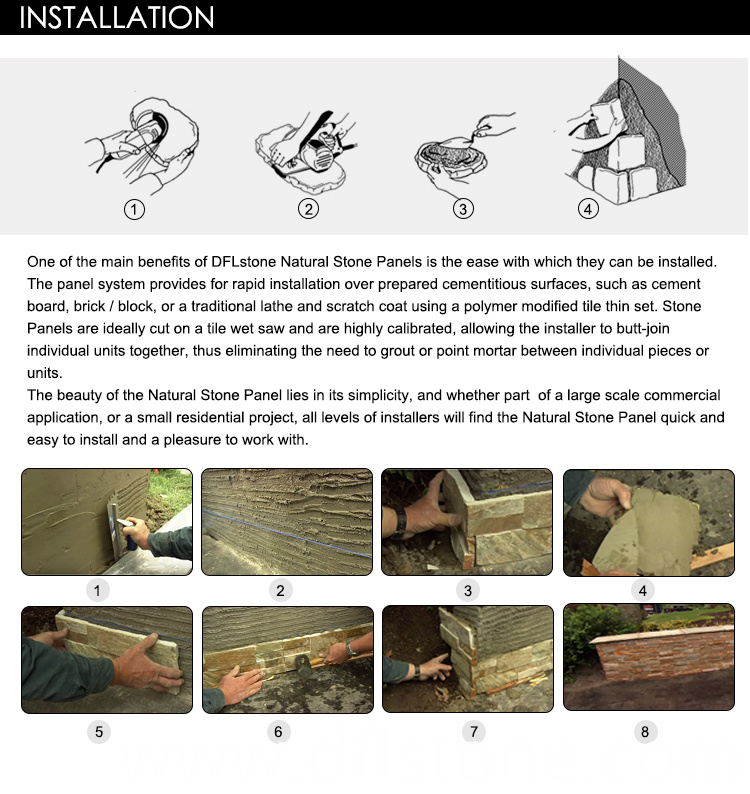 Yes, natural stone like flagstone is more expensive than other pavers. It’s also usually more expensive to install, whether you use a pro or do it yourself.Pānuitia atu
-
 He rite tonu ki te hukarere, karekau he kohatu haki e rua he rite. Hei hua pono o te taiao, ka tae mai te kowhatu kara i roto i te miriona momo rereke, te rahi, me nga tae i runga i te take i ahu mai ai. Ko tenei kanorau whakamiharo ka awhina i nga rangatira o te kaainga penei i a koe ki te hanga i nga papanga maamaa he tino ahurei.Pānuitia atu
-
 Flagstone (flag) is a generic flat stone, sometimes cut in regular rectangular or square shape and usually used for paving slabs or walkways, patios, flooring, fences and roofing. It may be used for memorials, headstones, facades and other construction. The name derives from Middle English flagge meaning turf, perhaps from Old Norse flaga meaning slab or chip.[1]Pānuitia atu
-
 Pānuitia atu
-
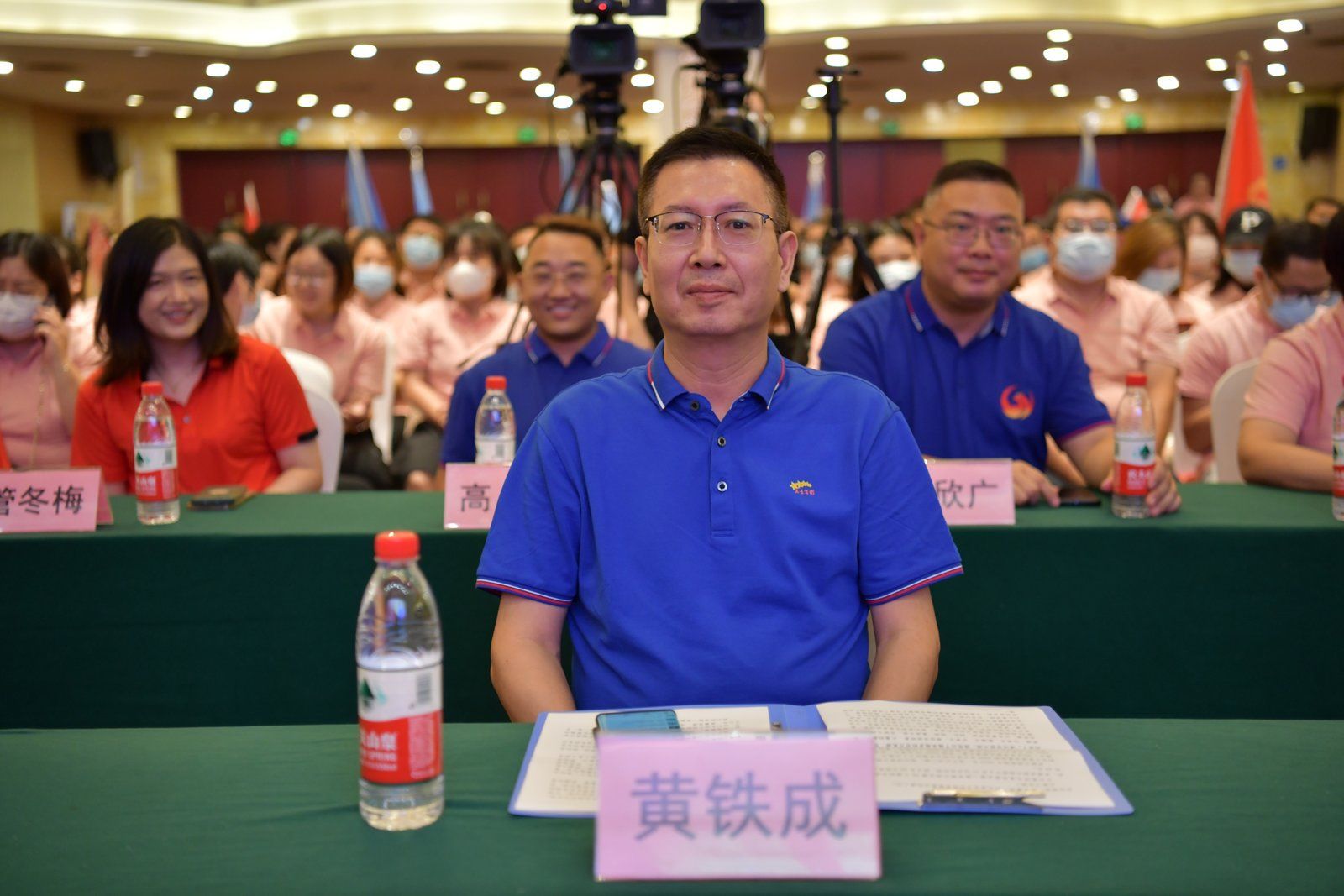 Te Mahi a te Kamupene DFLPānuitia atu
-
 Pānuitia atu
-
 Pānuitia atu
 Awherika
 Albanian
 Amharic
 Arapi
 Arameina
 Azerbaijani
 Basque
 Belarusian
 Bengali
 Bosniana
 Bulgarian
 Katarana
 Cebuano
 Haina
 Haina (Taiwan)
 Korihika
 Koroatiana
 Czech
 Teniana
 Tatimana
 Ingarihi
 Esperanto
 Estonian
 Finnish
 Wīwī
 Frisian
 Kariri
 Georgian
 Tiamana
 Kariki
 Gujarati
 Haiti Creole
 hausa
 hawaii
 Hiperu
 Kao
 Miao
 Hungarian
 Tiorangi
 igbo
 Initonia
 Irish
 Itariana
 Hapanihi
 Hawaana
 Kannada
 Kazakh
 Khmer
 Rwandan
 Koreana
 Kurdish
 Kyrgyz
 TB
 Latina
 Latvian
 Lithuania
 Luxembourgish
 Makeronia
 Malgashi
 Malay
 Malayalam
 Marite
 Maori
 Mareti
 Mongolian
 Myanmar
 Nepali
 Norewai
 Norewai
 Occitan
 Pashto
 Pahia
 Porohia
 Potiti
 Punjabi
 Romanian
 Ruhia
 Hamoa
 Scottish Gaelic
 Serbian
 Ingarihi
 Shona
 Sindhi
 Sinhala
 Slovak
 Slovenian
 Somali
 Paniora
 Hatana
 Swahili
 Huitene
 Tagalog
 Tajik
 Tamil
 Tatara
 Telugu
 Thai
 Turiki
 Turkmen
 Iukereiniana
 Urdu
 Uighur
 Uzbek
 Vietnamese
 Welsh