

Blog

-
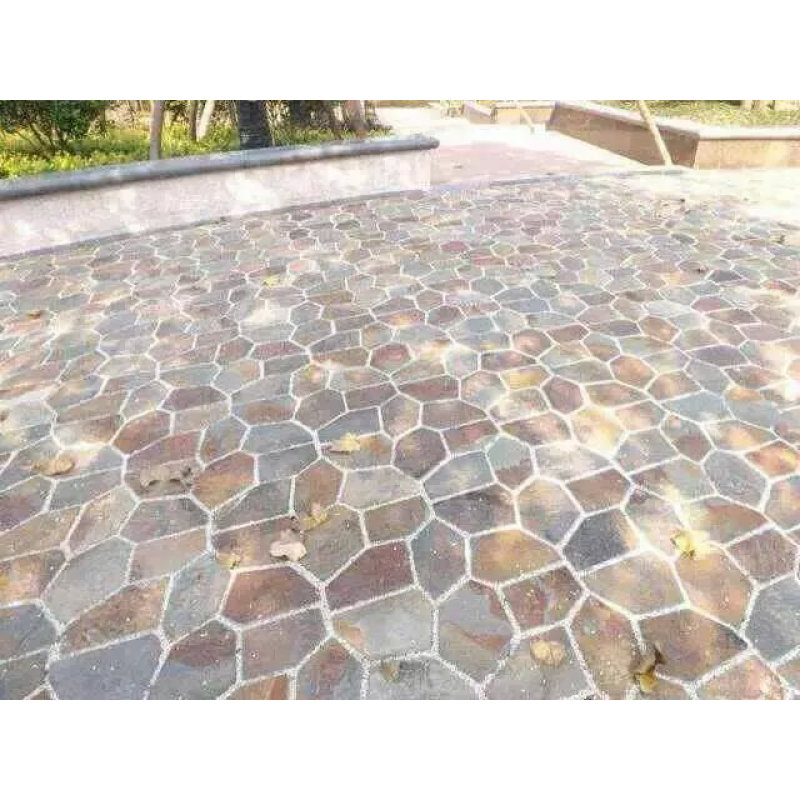 Let’s start with what flagstone is made of. Flagstone is a generic term used to encompass all sedimentary and metamorphic rock that’s split into layers. These rocks are naturally split along the lineation planes of the stones. Encompassing a range of different sedimentary rocks, this term is used to describe the different types of a stone laid as “flags” in patterns.Read more
-
 Eywan û rêçikên Flagstone intriga rustîk ji mala we re peyda dikin. Ew kevirên mezin û davî ne ku pir caran ji bo hewş, rêwiyan, û deqên hewzê têne bikar anîn. Ew ji ber domdariya xwe, xuyangê xwezayî, rengên dewlemend, û pirrengiya wan di sazkirinê de populer in; wan di qûmê de an jî di nav xweliyê de dixin. Kevirên flagstone bi peydakirina dîmenek balkêştir ji betonên bi morkirin an rijandin û kelûpelan dikarin hewşê bidin hewşa we.Read more
-
 Slate flagstone is a remarkable choice for those seeking both beauty and functionality in their home. Its natural texture and rich color variations bring an earthy yet sophisticated look to any space. Whether it's part of a rustic setting or a component of modern design, slate flagstone integrates seamlessly with various decor styles. Its robust nature ensures it stands up to the demands of high-traffic areas, making it a smart choice for busy homes. The unique character of each stone piece ensures that no two areas will look exactly the same, offering a bespoke feel to your home. Ideal for both indoor and outdoor settings, slate flagstone is a versatile option that adapts to various architectural styles, enhancing the overall appeal of your living space.Read more
-
 Flagstone is a flat, randomly shaped stone commonly used for paving patios, walkways, driveways, or as garden step stones. Irregular shapes and sizes make for a rustic, natural appearance. Flagstones are generally available in two thicknesses: the thicker (1½” to 2”) is suitable for sand-set applications and the thinner (¾” to 1”) is usually set in mortar over a concrete pad.Read more
-
 Among the myriad of landscape rock materials available, flagstone stands out as a timeless and versatile choice that brings natural beauty to any landscape. With the huge variety of modern and rustic cut flagstones, we have everything you need to showcase your individual taste and style. In this blog post, we dig into the world of flagstone and explore how it can elevate your outdoor areas, from pathways to patios and beyond.Read more
-
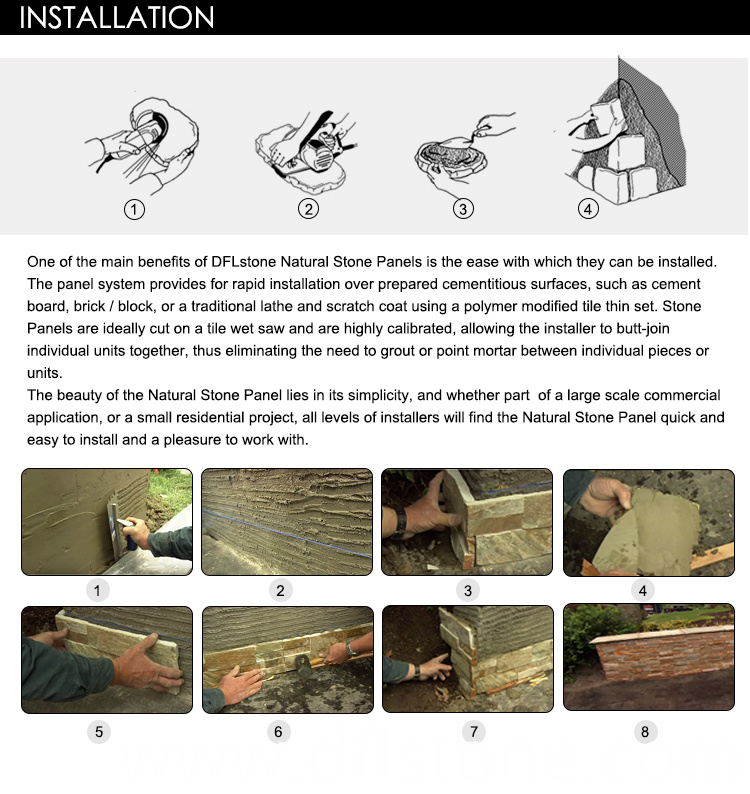 Yes, natural stone like flagstone is more expensive than other pavers. It’s also usually more expensive to install, whether you use a pro or do it yourself.Read more
-
 Mîna kulîlkên berfê, du kevirên alayê ne wek hev in. Wekî hilberek rastîn a xwezayê, flagstone li gorî cihê ku jê tê, bi mîlyon şekil, mezinahî û rengên cûda tê. Ev cihêrengiya bêhempa ji xwediyên xaniyan re dibe alîkar ku hûn dîmenên hişk ên ku bi rastî bêhempa ne biafirînin.Read more
-
 Flagstone (flag) is a generic flat stone, sometimes cut in regular rectangular or square shape and usually used for paving slabs or walkways, patios, flooring, fences and roofing. It may be used for memorials, headstones, facades and other construction. The name derives from Middle English flagge meaning turf, perhaps from Old Norse flaga meaning slab or chip.[1]Read more
-
 Read more
-
 Activity Company DFLRead more
-
 Read more
-
 Read more
 efrîkanî
 Albanî
 Amharîkî
 Erebî
 Ermenî
 Azerî
 Baskî
 Belarûsî
 Bengalî
 Bosnayî
 Bûlgarî
 Katalanî
 Cebuano
 çîn
 Çîn (Taywan)
 Korsîkayî
 Xirwatî
 Çekî
 Danîmarkî
 Holandî
 Îngilîzî
 Esperanto
 Estonî
 Fînlandî
 Fransî
 frîzî
 Galîsyayî
 Gurcî
 Almanî
 Yewnanî
 Gujaratî
 Kreoliya Haîtiyî
 Hausa
 Hawaiyî
 Îbranî
 Nexêr
 Miao
 Macarî
 Îzlandî
 igbo
 Îndonezî
 Irlandî
 Îtalî
 Japonî
 Javanesî
 Kanadayî
 Qazakî
 Khmer
 Rwandan
 Koreyî
 Kurdî
 Qirgizî
 TB
 Latînî
 Letonî
 Lîtvanyayî
 Luksembûrgî
 Makedonî
 Malgashi
 Malayî
 Malayalamî
 Maltezî
 Maorîyî
 Maratî
 Moxolî
 Mîyanmar
 Nepalî
 Norwêcî
 Norwêcî
 Occitan
 Peştûyî
 Farsî
 Polandî
 Portekizî
 Pencabî
 Romanyayî
 Rûsî
 Samoan
 Scottish Gaelic
 Sirbî
 Îngilîzî
 Shona
 Sindî
 Sinhala
 Slovakî
 Slovenî
 Somalîkî
 Îspanyolî
 Sundanese
 Swahîlîyî
 Swêdî
 Tagalogî
 Tajik
 Tamîlî
 Tatar
 Teluguyî
 Thayîkî
 Tirkî
 Tirkmenî
 Ûkraynî
 Ûrdûyî
 Uyghur
 Ozbekî
 Vîetnamî
 Galerkî