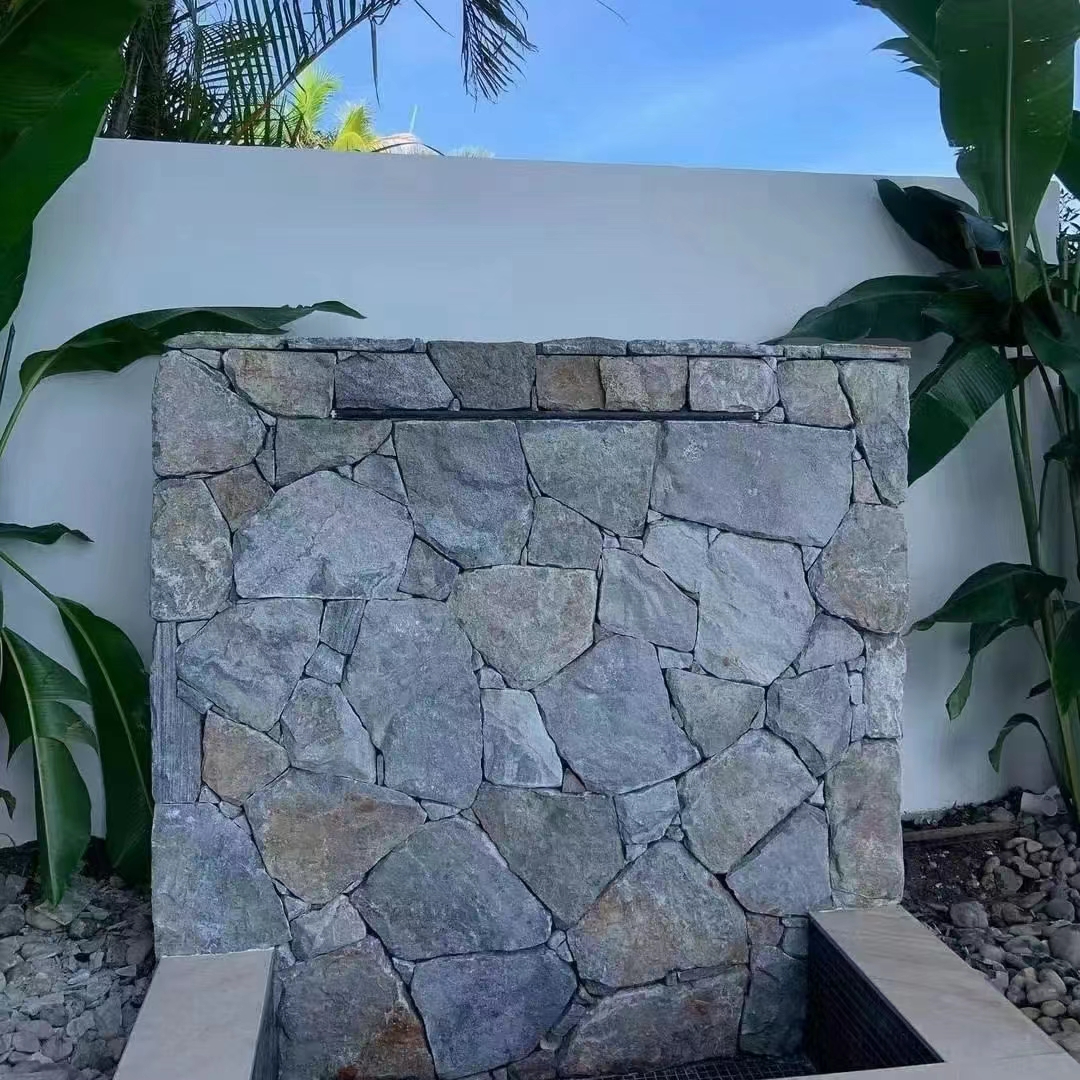
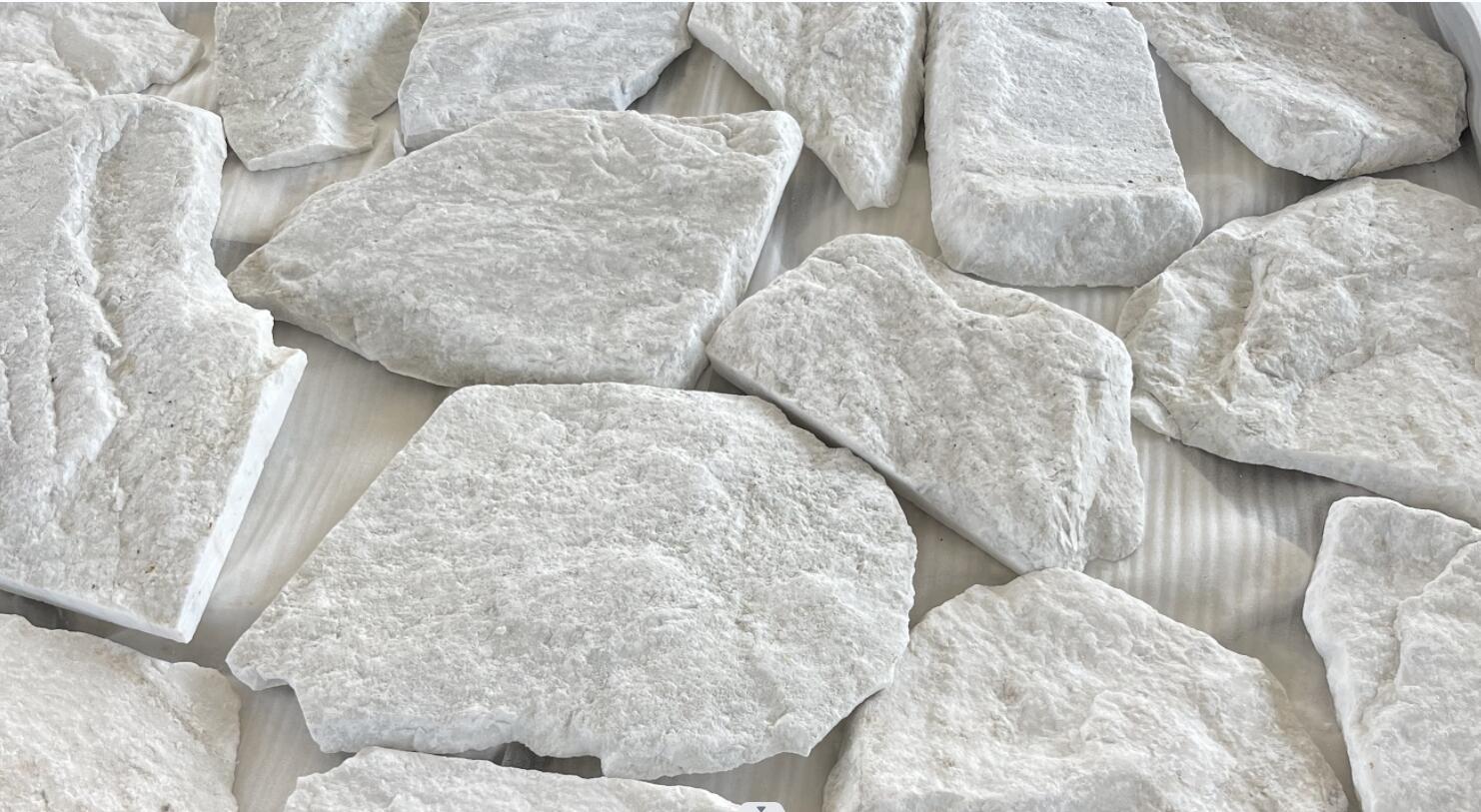
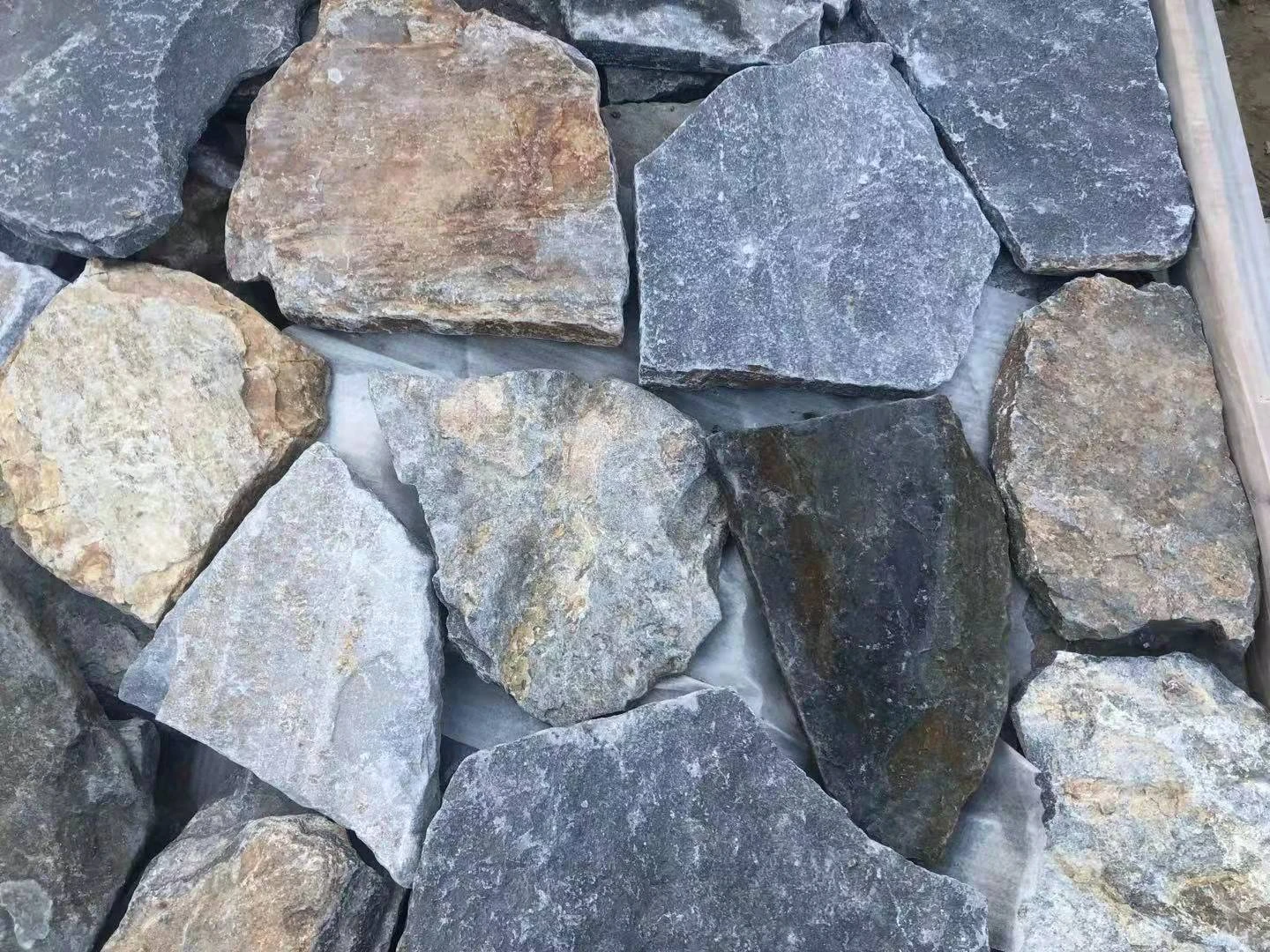
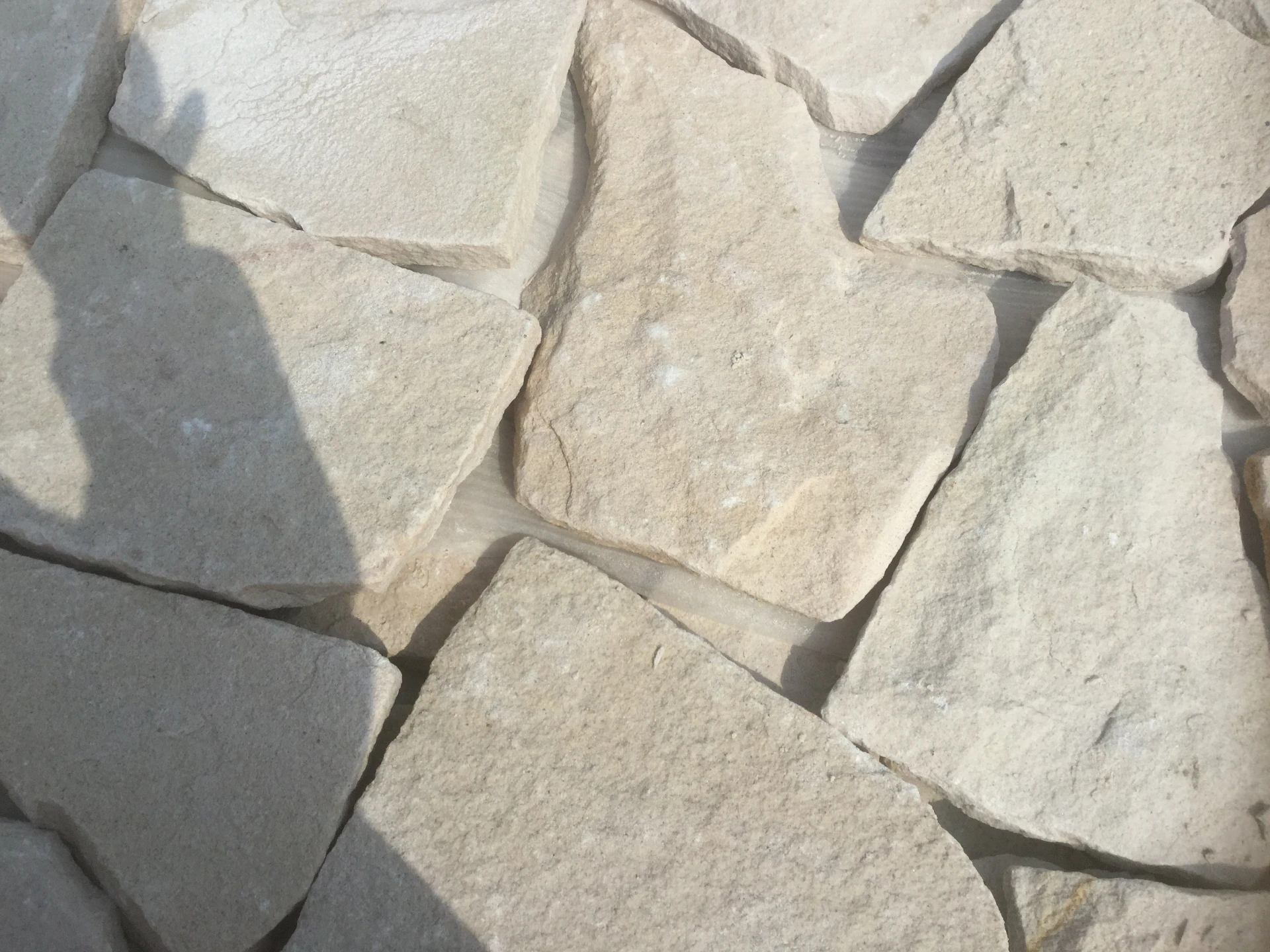
Outdoor design has evolved far beyond grass and pavers—modern landscapes now rely heavily on decorative stone materials to create visual interest, reduce maintenance, and enhance functionality. One of the standout materials in recent years is the yellow pebble stone, a natural product that adds vibrant color, texture, and elegance to outdoor areas. Whether used for paths, gardens, or water features, these warm-toned stones bring harmony and sophistication to any environment.
The visual impact of yellow decorative stones in landscaping is undeniable. Their golden hues reflect sunlight beautifully, creating a welcoming and cheerful atmosphere. Whether you use them in plant beds, courtyards, or around garden sculptures, these stones add a subtle but impactful accent to your design.
What makes yellow decorative stones so versatile is their ability to blend with other materials like wood, brick, and metal. They serve as natural borders, mulch alternatives, or filler between stepping stones. For homeowners and landscape architects alike, the use of decorative stones simplifies design while elevating its aesthetic appeal.
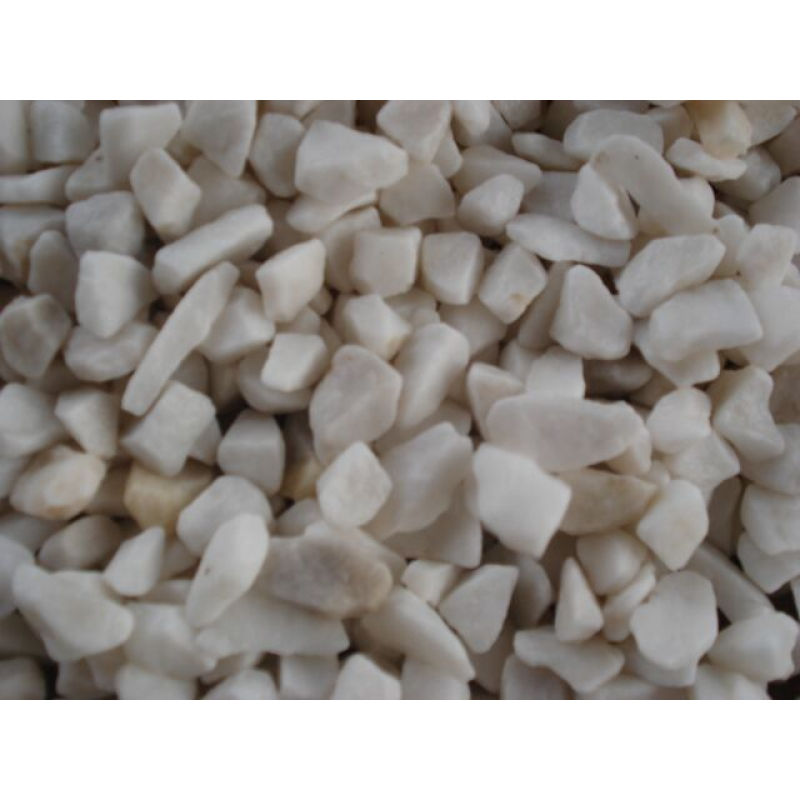
For areas that need more texture and structure, yellow gravel is the perfect choice. Commonly used for driveways, walking paths, and even rooftop gardens, this material provides a solid, stable surface while enhancing the look of your property. Its angular form locks into place, making it ideal for high-traffic areas.
In addition to its functional properties, yellow gravel stone brightens outdoor environments. Its golden tone contrasts beautifully with greenery and makes even small spaces feel more expansive. The use of yellow stone gravel can also reduce weed growth and aid in water conservation by minimizing evaporation.
One of the most popular uses of yellow pebble stone is in garden decoration. Yellow garden pebbles are smooth, rounded, and soft underfoot—perfect for placing around trees, fountains, or patio edges. Their polished or matte textures make them suitable for both modern and traditional gardens.
Besides aesthetic value, yellow garden pebbles provide important practical benefits. They help regulate soil temperature, reduce erosion, and deter pests. Additionally, these pebbles require minimal upkeep, making them an excellent solution for those who want a beautiful yet low-maintenance garden.
When looking for an elegant touch, yellow polished pebbles stand out. These stones undergo a polishing process that enhances their color and gives them a glossy finish, ideal for use in interior decor, aquariums, or upscale outdoor features.
In indoor settings, yellow polished pebbles can be arranged in planters, vases, or fountains. Outdoors, they are commonly used in zen gardens, mosaic pathways, and modern patios. Their uniform shape and sheen offer a clean, professional look that complements both natural and manmade elements.
A Sustainable and Stylish Choice
Käyttämällä yellow stone gravel, yellow pebbles for garden, or yellow decorative stones isn’t just about beauty—it’s also a sustainable choice. These materials are natural, long-lasting, and recyclable. They reduce the need for chemical treatments and maintenance, making them eco-friendly options for environmentally conscious homeowners.
Whether you're enhancing a backyard, commercial property, or public space, the warmth and charm of yellow gravel ja yellow pebble stone can transform any area into a vibrant and peaceful sanctuary.
 afrikkalainen
  albanialainen
  amhara
  arabialainen
  armenialainen
  Azerbaidžani
  baski
baski  valkovenäläinen
  bengali
  bosnialainen
  bulgarialainen
  katalaani
  Cebuano
  Kiina
Kiina  Kiina (Taiwan)
  Korsikalainen
  kroatialainen
  Tšekki
  Tanskan kieli
  Hollannin kieli
  Englanti
  esperanto
  Virolainen
  Suomalainen
  Ranskan kieli
  friisi
  Galicialainen
  Georgian
  Saksan kieli
  kreikkalainen
  gudžarati
  Haitin kreoli
  hausa
hausa  havaijilainen
  heprealainen
  Ei
Ei  Miao
Miao  Unkarin kieli
  islantilainen
  igbo
igbo  Indonesialainen
  irlantilainen
  italialainen
  japanilainen
  jaavalainen
  kannada
  kazakki
  khmerit
  Ruanda
  Korealainen
  kurdi
kurdi  Kirgisia
  TB
TB  Latina
  Latvialainen
  liettualainen
  luxemburgilainen
  makedonialainen
  Malgashi
  malaiji
  malajalami
  maltalainen
  maori
maori  marathi
  mongolialainen
  Myanmar
  Nepali
  Norjan kieli
  Norjan kieli
  Oksitaani
  pashto
  persialainen
  Kiillottaa
  Portugalin kieli
  Punjabi
  romanialainen
  Venäjän kieli
  samoalainen
  Skotlannin gaeli
  serbia
  Englanti
  Shona
Shona  Sindhi
  sinhala
  Slovakian
  slovenialainen
  somali
  Espanja
  sundalainen
  swahili
  Ruotsin kieli
  Tagalog
  tadžiki
  tamili
  tatari
  telugu
  thaimaalainen
  turkkilainen
  Turkmenistan
  ukrainalainen
  urdu
urdu  uiguuri
  uzbekki
  vietnam
  Walesin