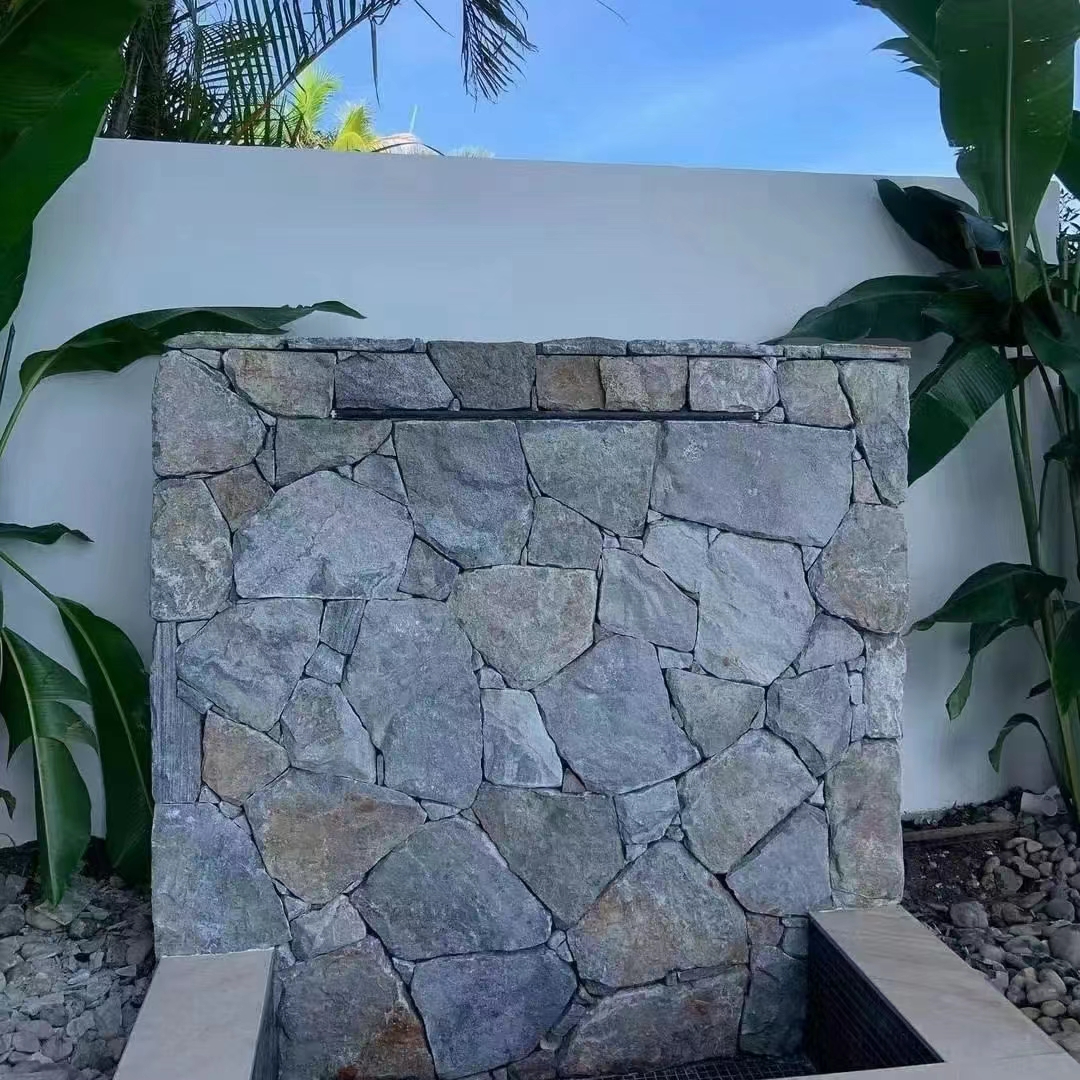
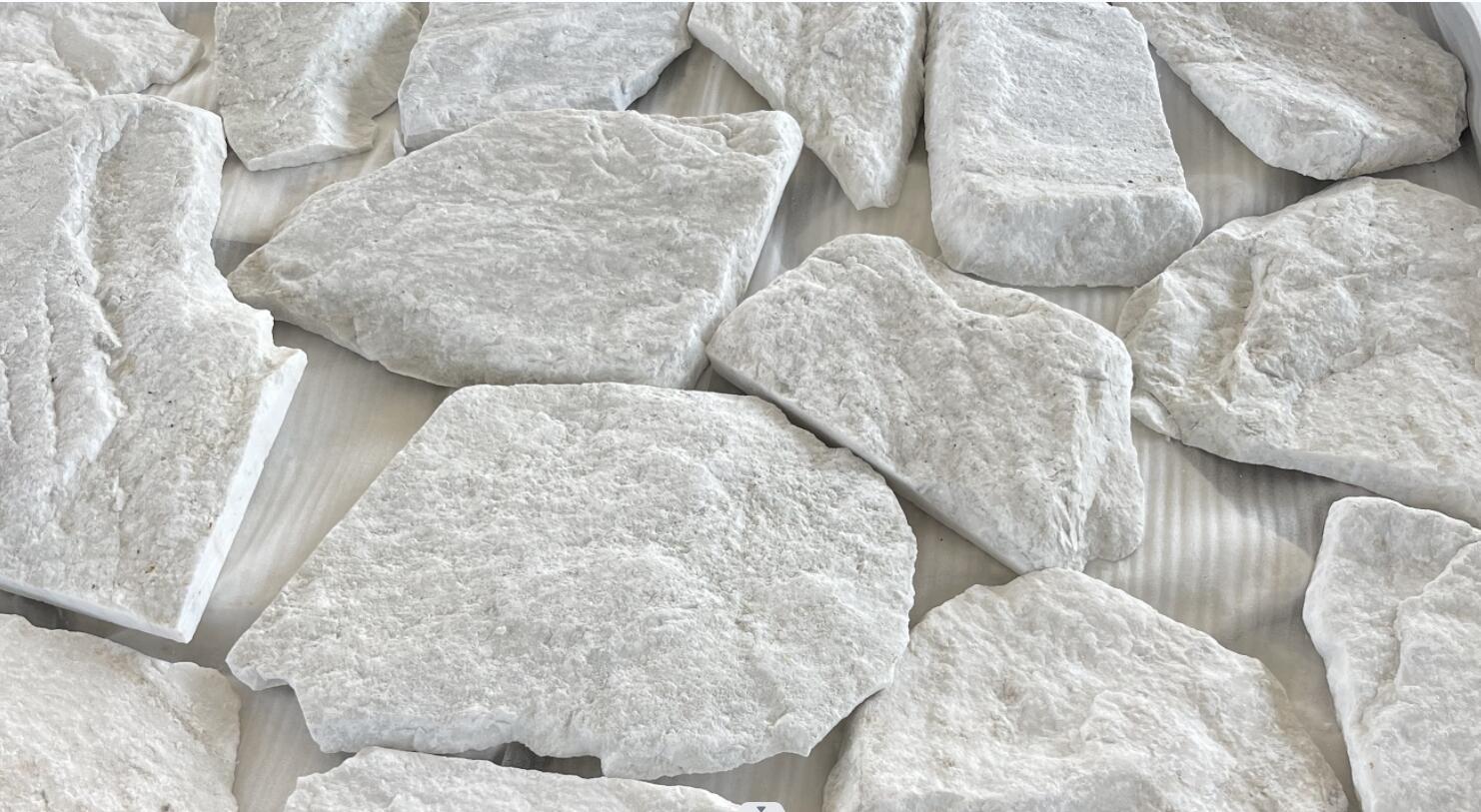
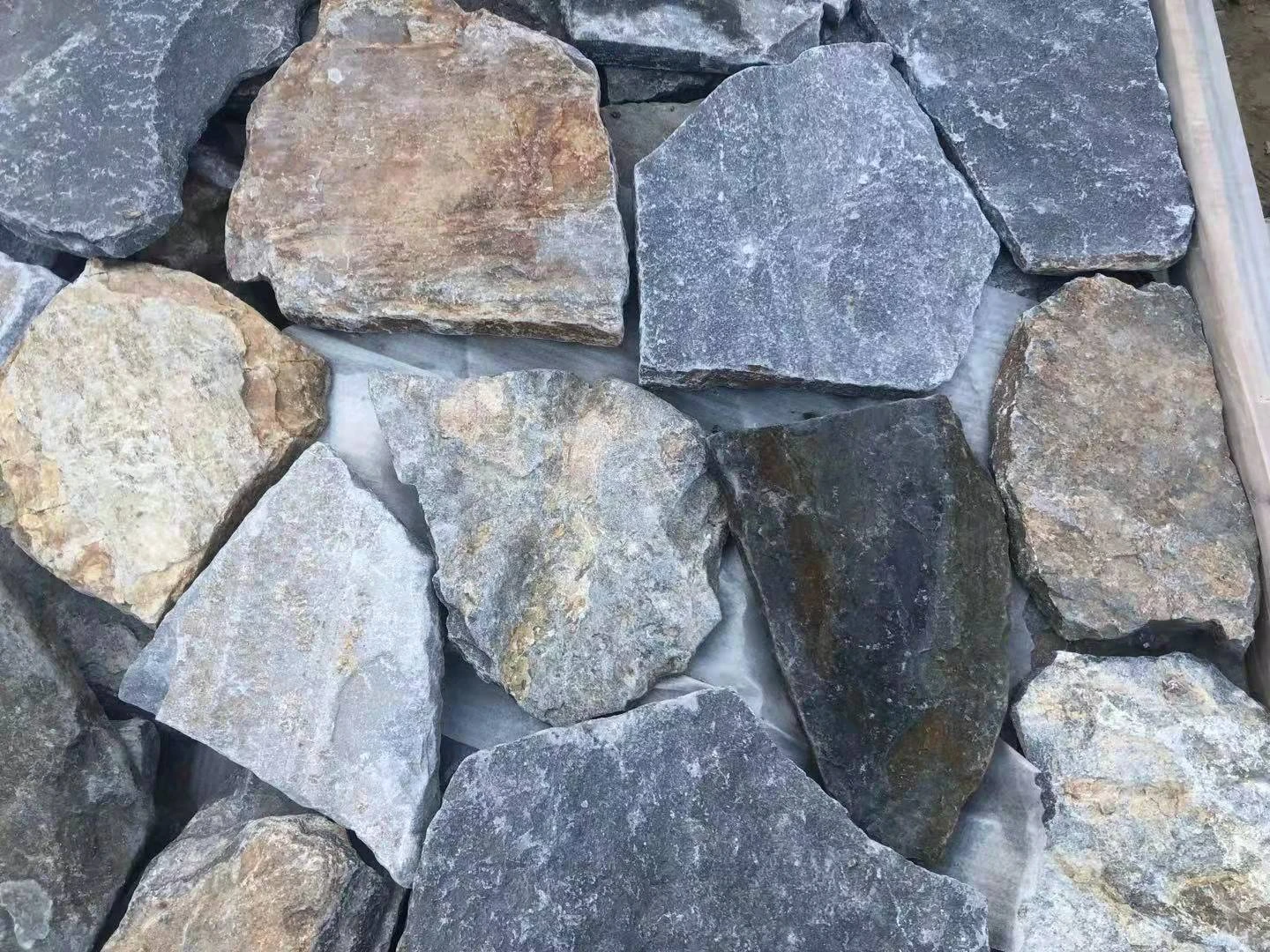
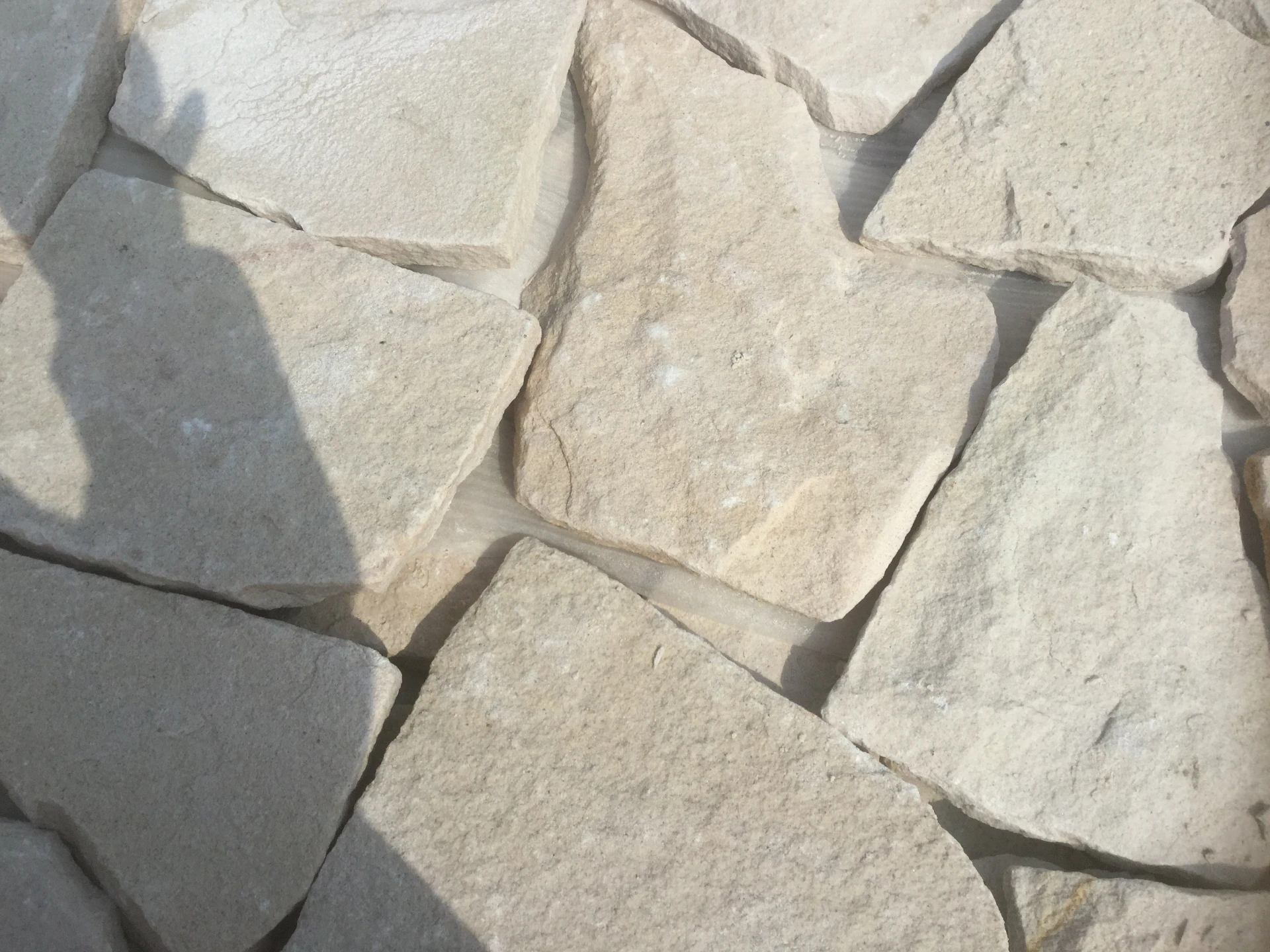
Outdoor design has evolved far beyond grass and pavers—modern landscapes now rely heavily on decorative stone materials to create visual interest, reduce maintenance, and enhance functionality. One of the standout materials in recent years is the yellow pebble stone, a natural product that adds vibrant color, texture, and elegance to outdoor areas. Whether used for paths, gardens, or water features, these warm-toned stones bring harmony and sophistication to any environment.
The visual impact of yellow decorative stones in landscaping is undeniable. Their golden hues reflect sunlight beautifully, creating a welcoming and cheerful atmosphere. Whether you use them in plant beds, courtyards, or around garden sculptures, these stones add a subtle but impactful accent to your design.
What makes yellow decorative stones so versatile is their ability to blend with other materials like wood, brick, and metal. They serve as natural borders, mulch alternatives, or filler between stepping stones. For homeowners and landscape architects alike, the use of decorative stones simplifies design while elevating its aesthetic appeal.
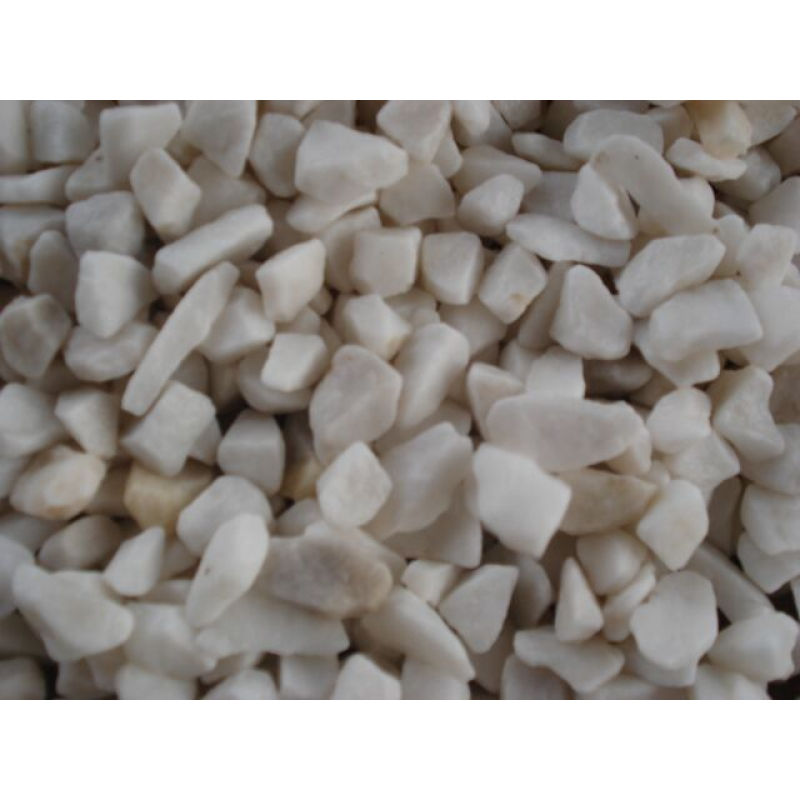
For areas that need more texture and structure, yellow gravel is the perfect choice. Commonly used for driveways, walking paths, and even rooftop gardens, this material provides a solid, stable surface while enhancing the look of your property. Its angular form locks into place, making it ideal for high-traffic areas.
In addition to its functional properties, yellow gravel stone brightens outdoor environments. Its golden tone contrasts beautifully with greenery and makes even small spaces feel more expansive. The use of yellow stone gravel can also reduce weed growth and aid in water conservation by minimizing evaporation.
One of the most popular uses of yellow pebble stone is in garden decoration. Yellow garden pebbles are smooth, rounded, and soft underfoot—perfect for placing around trees, fountains, or patio edges. Their polished or matte textures make them suitable for both modern and traditional gardens.
Besides aesthetic value, yellow garden pebbles provide important practical benefits. They help regulate soil temperature, reduce erosion, and deter pests. Additionally, these pebbles require minimal upkeep, making them an excellent solution for those who want a beautiful yet low-maintenance garden.
When looking for an elegant touch, yellow polished pebbles stand out. These stones undergo a polishing process that enhances their color and gives them a glossy finish, ideal for use in interior decor, aquariums, or upscale outdoor features.
In indoor settings, yellow polished pebbles can be arranged in planters, vases, or fountains. Outdoors, they are commonly used in zen gardens, mosaic pathways, and modern patios. Their uniform shape and sheen offer a clean, professional look that complements both natural and manmade elements.
A Sustainable and Stylish Choice
sử dụng yellow stone gravel, yellow pebbles for garden, or yellow decorative stones isn’t just about beauty—it’s also a sustainable choice. These materials are natural, long-lasting, and recyclable. They reduce the need for chemical treatments and maintenance, making them eco-friendly options for environmentally conscious homeowners.
Whether you're enhancing a backyard, commercial property, or public space, the warmth and charm of yellow gravel Và yellow pebble stone can transform any area into a vibrant and peaceful sanctuary.
 Người châu Phi
  tiếng Albania
  tiếng Amharic
  tiếng Ả Rập
  tiếng Armenia
  Tiếng Azerbaijan
  Tiếng Basque
  Người Belarus
  tiếng Bengali
  tiếng Bosnia
  tiếng Bungari
  tiếng Catalan
  Cebuano
  Trung Quốc
  Trung Quốc (Đài Loan)
  Corsican
  tiếng Croatia
  tiếng Séc
  người Đan Mạch
  tiếng Hà Lan
  Tiếng Anh
  Quốc tế ngữ
  tiếng Estonia
  tiếng Phần Lan
  người Pháp
  tiếng Frisia
  tiếng Galicia
  tiếng Gruzia
  tiếng Đức
  người Hy Lạp
  Gujarati
  Tiếng Creole Haiti
  hausa
hausa  người Hawaii
  tiếng Do Thái
  Không
Không  Miêu
Miêu  người Hungary
  tiếng Iceland
  igbo
igbo  tiếng Indonesia
  người Ailen
  người Ý
  tiếng Nhật
  tiếng Java
  tiếng Kannada
  tiếng Kazakhstan
  tiếng Khmer
  người Rwanda
  Hàn Quốc
  người Kurd
  Tiếng Kyrgyzstan
  Lao
Lao  Latin
Latin  tiếng Latvia
  tiếng Litva
  Tiếng Luxembourg
  Tiếng Macedonia
  Malgashi
  Mã Lai
  Mã Lai
  cây nho
  người Maori
  Tiếng Marathi
  tiếng Mông Cổ
  Myanmar
  tiếng Nepal
  người Na Uy
  người Na Uy
  tiếng Occitan
  Tiếng Pa-tô
  tiếng Ba Tư
  Đánh bóng
  tiếng Bồ Đào Nha
  Tiếng Punjab
  người Rumani
  tiếng Nga
  Tiếng Samoa
  Tiếng Gaelic của Scotland
  tiếng Serbia
  Tiếng Anh
  Shona
Shona  tiếng Sindhi
  Sinhala
  Tiếng Slovak
  tiếng Slovenia
  tiếng Somali
  người Tây Ban Nha
  Tiếng Sundan
  tiếng Swahili
  tiếng Thụy Điển
  Tagalog
  Tiếng Tajik
  Tiếng Tamil
  Tatar
Tatar  tiếng Telugu
  tiếng Thái
  tiếng Thổ Nhĩ Kỳ
  người Thổ Nhĩ Kỳ
  tiếng Ukraina
  tiếng Urdu
  người Duy Ngô Nhĩ
  tiếng Uzbek
  Tiếng Việt
  người xứ Wales