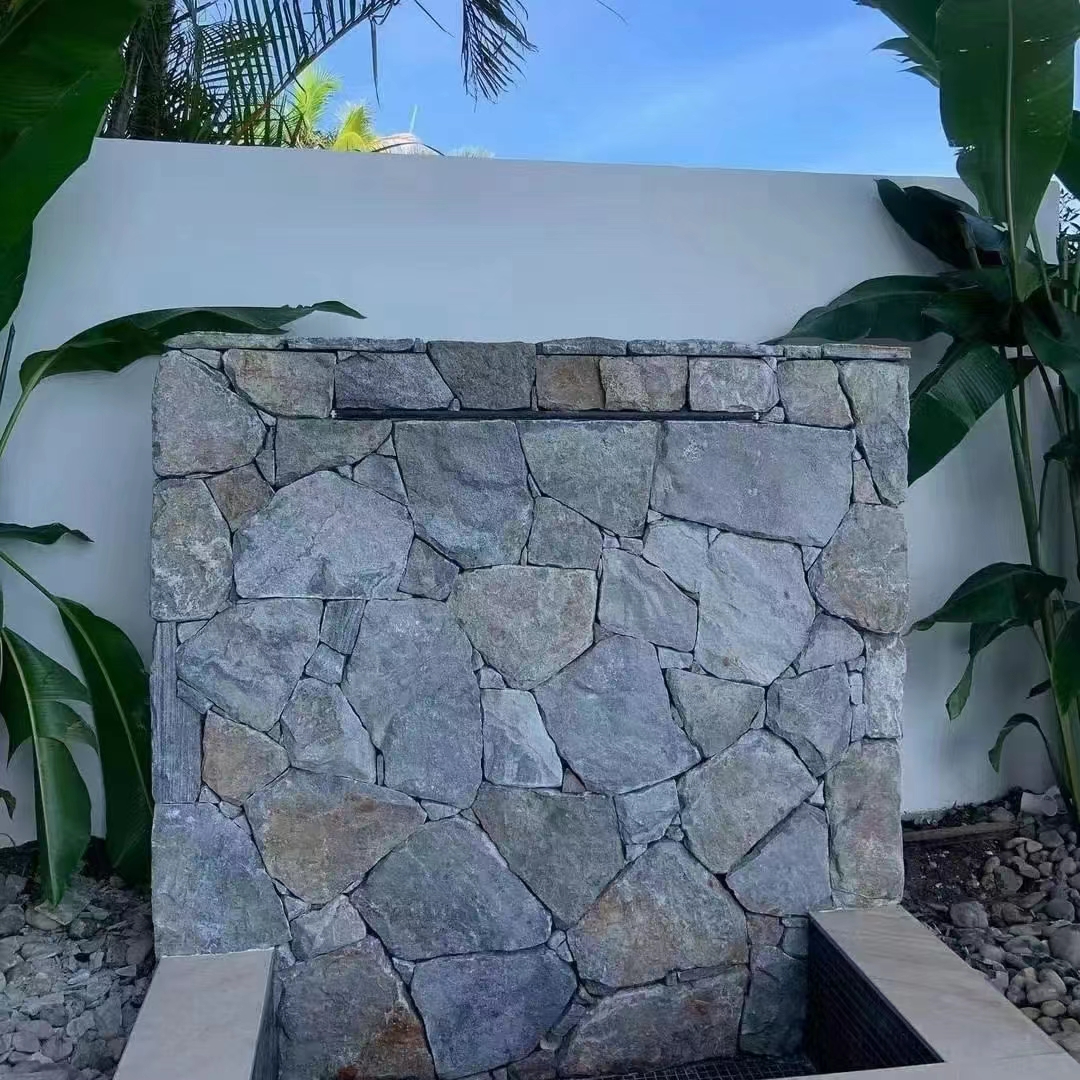
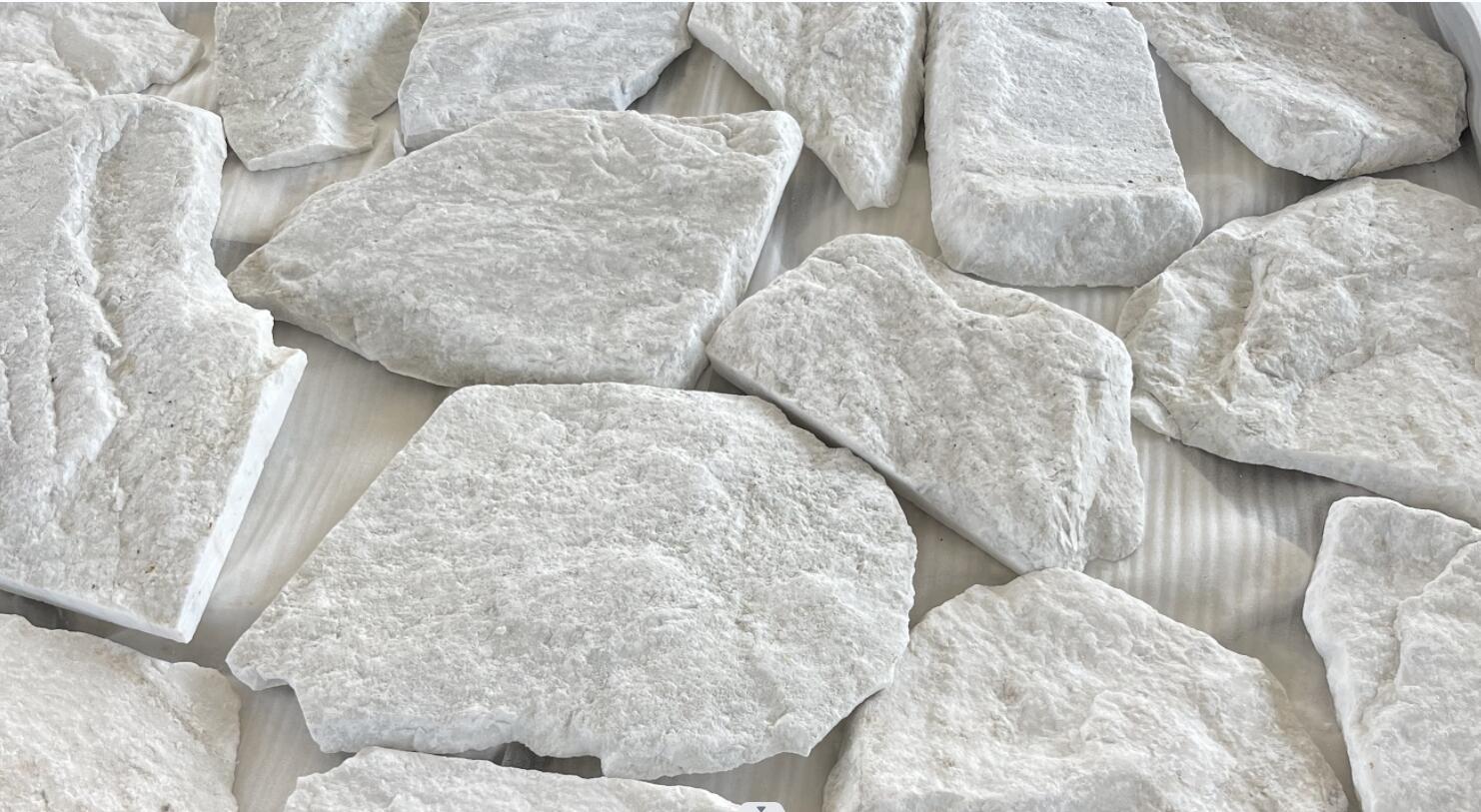
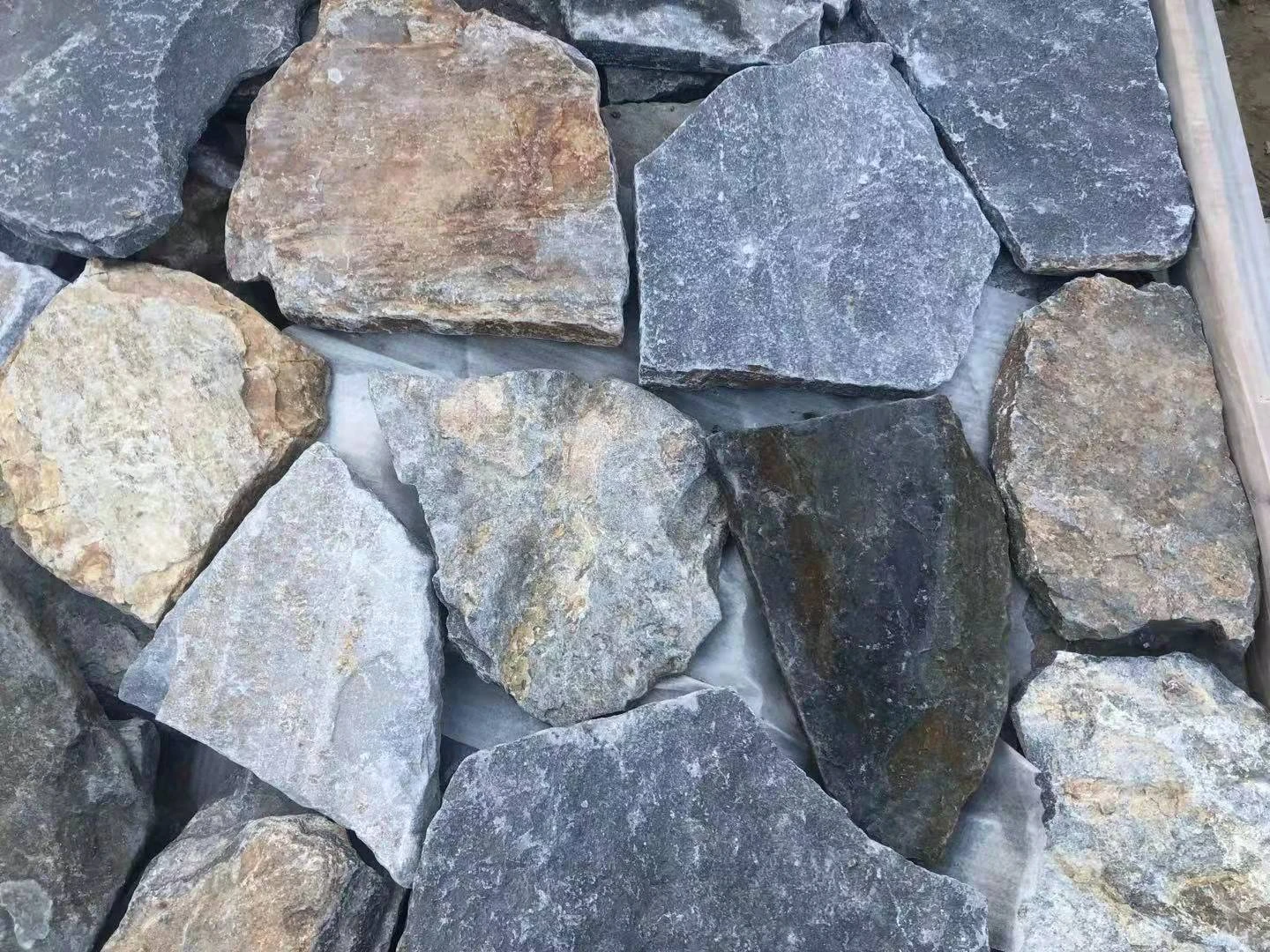
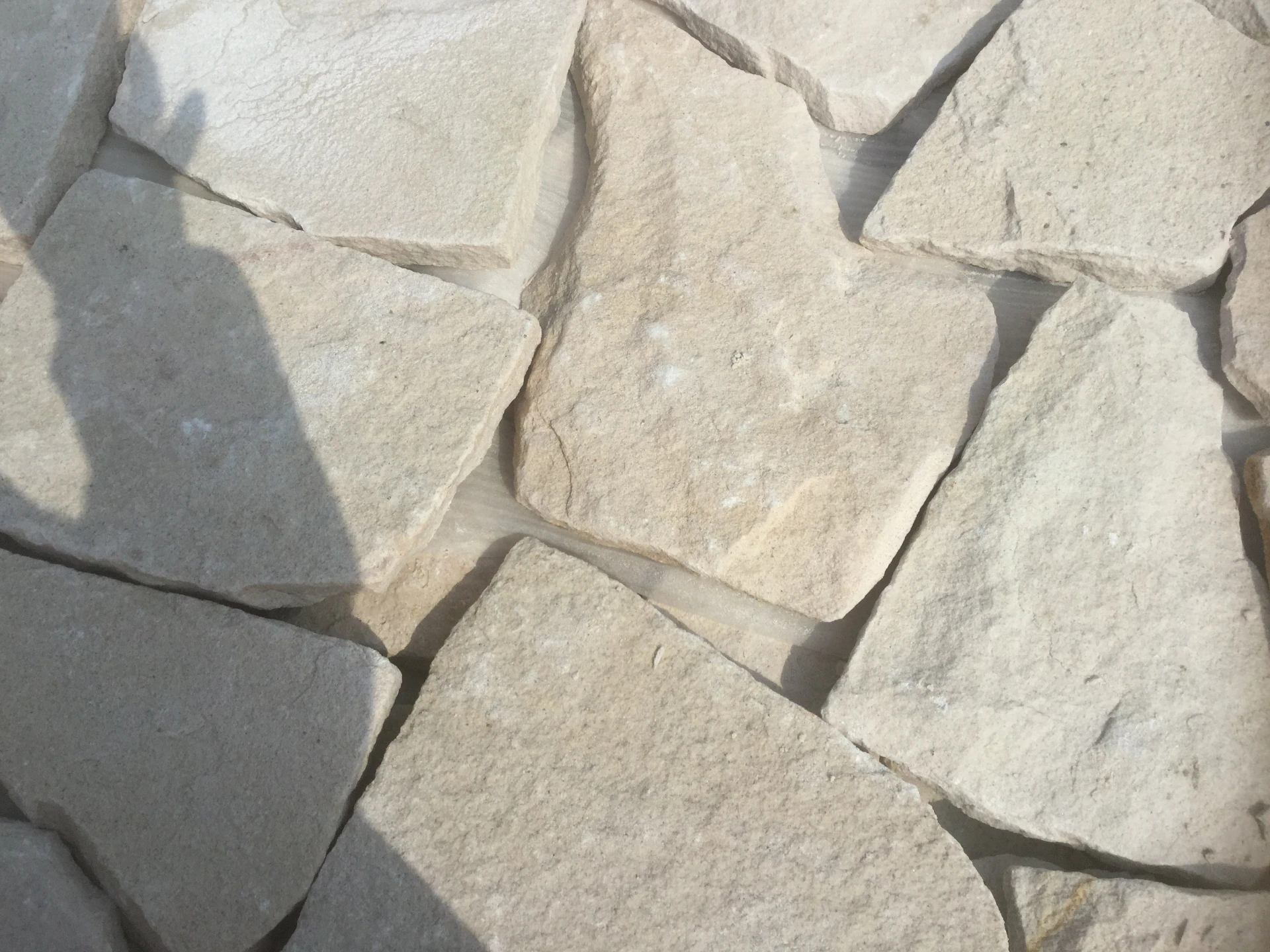
Outdoor design has evolved far beyond grass and pavers—modern landscapes now rely heavily on decorative stone materials to create visual interest, reduce maintenance, and enhance functionality. One of the standout materials in recent years is the yellow pebble stone, a natural product that adds vibrant color, texture, and elegance to outdoor areas. Whether used for paths, gardens, or water features, these warm-toned stones bring harmony and sophistication to any environment.
The visual impact of yellow decorative stones in landscaping is undeniable. Their golden hues reflect sunlight beautifully, creating a welcoming and cheerful atmosphere. Whether you use them in plant beds, courtyards, or around garden sculptures, these stones add a subtle but impactful accent to your design.
What makes yellow decorative stones so versatile is their ability to blend with other materials like wood, brick, and metal. They serve as natural borders, mulch alternatives, or filler between stepping stones. For homeowners and landscape architects alike, the use of decorative stones simplifies design while elevating its aesthetic appeal.
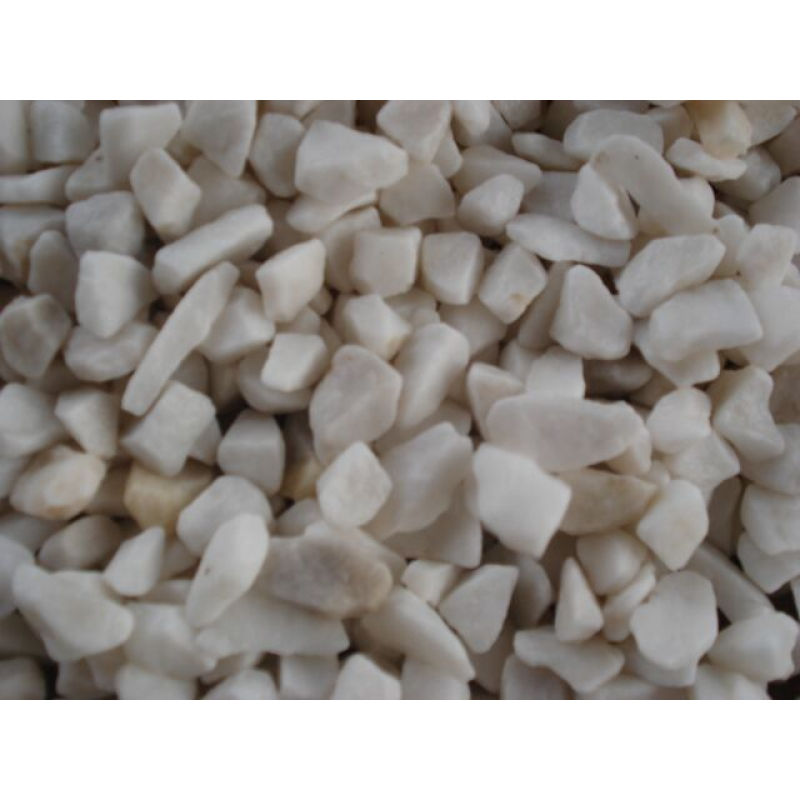
For areas that need more texture and structure, yellow gravel is the perfect choice. Commonly used for driveways, walking paths, and even rooftop gardens, this material provides a solid, stable surface while enhancing the look of your property. Its angular form locks into place, making it ideal for high-traffic areas.
In addition to its functional properties, yellow gravel stone brightens outdoor environments. Its golden tone contrasts beautifully with greenery and makes even small spaces feel more expansive. The use of yellow stone gravel can also reduce weed growth and aid in water conservation by minimizing evaporation.
One of the most popular uses of yellow pebble stone is in garden decoration. Yellow garden pebbles are smooth, rounded, and soft underfoot—perfect for placing around trees, fountains, or patio edges. Their polished or matte textures make them suitable for both modern and traditional gardens.
Besides aesthetic value, yellow garden pebbles provide important practical benefits. They help regulate soil temperature, reduce erosion, and deter pests. Additionally, these pebbles require minimal upkeep, making them an excellent solution for those who want a beautiful yet low-maintenance garden.
When looking for an elegant touch, yellow polished pebbles stand out. These stones undergo a polishing process that enhances their color and gives them a glossy finish, ideal for use in interior decor, aquariums, or upscale outdoor features.
In indoor settings, yellow polished pebbles can be arranged in planters, vases, or fountains. Outdoors, they are commonly used in zen gardens, mosaic pathways, and modern patios. Their uniform shape and sheen offer a clean, professional look that complements both natural and manmade elements.
A Sustainable and Stylish Choice
사용 yellow stone gravel, yellow pebbles for garden, or yellow decorative stones isn’t just about beauty—it’s also a sustainable choice. These materials are natural, long-lasting, and recyclable. They reduce the need for chemical treatments and maintenance, making them eco-friendly options for environmentally conscious homeowners.
Whether you're enhancing a backyard, commercial property, or public space, the warmth and charm of yellow gravel 그리고 yellow pebble stone can transform any area into a vibrant and peaceful sanctuary.
 아프리카 사람
  알바니아
알바니아  암하라어
암하라어  아라비아 말
  아르메니아 사람
  아제르바이잔
  바스크 사람
  벨로루시어
벨로루시어  벵골 사람
벵골 사람  보스니아어
보스니아어  불가리아 사람
  카탈로니아 사람
  세부아노어
세부아노어  중국
중국  중국(대만)
  코르시카어
코르시카어  크로아티아어
  체코 사람
체코 사람  덴마크 말
덴마크 말  네덜란드 사람
  영어
영어  에스페란토 말
  에스토니아 사람
  핀란드어
핀란드어  프랑스 국민
  프리지아어
프리지아어  갈리시아어
갈리시아어  그루지야 사람
  독일 사람
독일 사람  그리스 어
그리스 어  구자라트어
구자라트어  아이티 크리올어
  하우사
하우사  하와이 사람
  헤브라이 사람
  아니요
아니요  먀오족
먀오족  헝가리 인
헝가리 인  아이슬란드어
  이보
이보  인도네시아 인
  아일랜드의
아일랜드의  이탈리아 사람
  일본어
일본어  자바어
자바어  칸나다어
칸나다어  카자흐어
카자흐어  크메르어
크메르어  르완다
르완다  한국인
한국인  쿠르드어
쿠르드어  키르기스어
키르기스어  결핵
결핵  라틴어
라틴어  라트비아 사람
  리투아니아 사람
  룩셈부르크어
  마케도니아 어
  말가시
말가시  말레이 사람
  말라얄람어
말라얄람어  몰티즈
몰티즈  마오리족
마오리족  마라티어
마라티어  몽고 어
몽고 어  미얀마
미얀마  네팔어
네팔어  노르웨이 인
  노르웨이 인
  옥시탄
옥시탄  파슈토어
파슈토어  페르시아 인
  광택
광택  포르투갈 인
  펀자브어
펀자브어  루마니아 사람
  러시아인
러시아인  사모아어
사모아어  스코틀랜드 게일어
  세르비아 사람
  영어
영어  쇼나
쇼나  신디어
신디어  신할라어
신할라어  슬로바키아 사람
  슬로베니아
슬로베니아  소말리아어
소말리아어  스페인의
스페인의  순다어
순다어  스와힐리어
스와힐리어  스웨덴어
스웨덴어  타갈로그어
타갈로그어  타직어
타직어  타밀 사람
타밀 사람  타타르어
타타르어  텔루구어
텔루구어  태국어
태국어  터키어
터키어  투르크멘 말
  우크라이나 인
  우르두어
우르두어  위구르어
위구르어  우즈벡어
우즈벡어  베트남어
베트남어  웨일스 말
웨일스 말