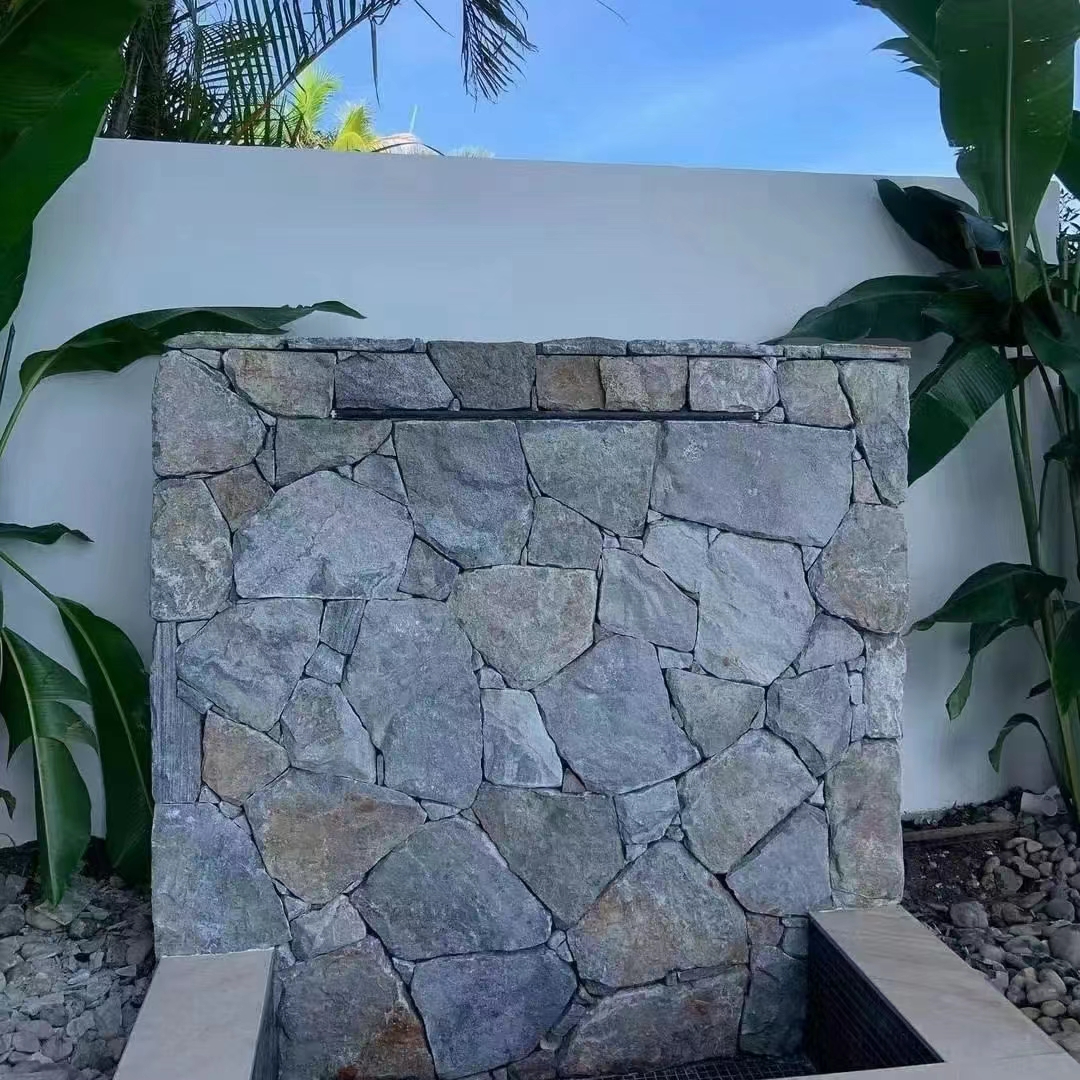
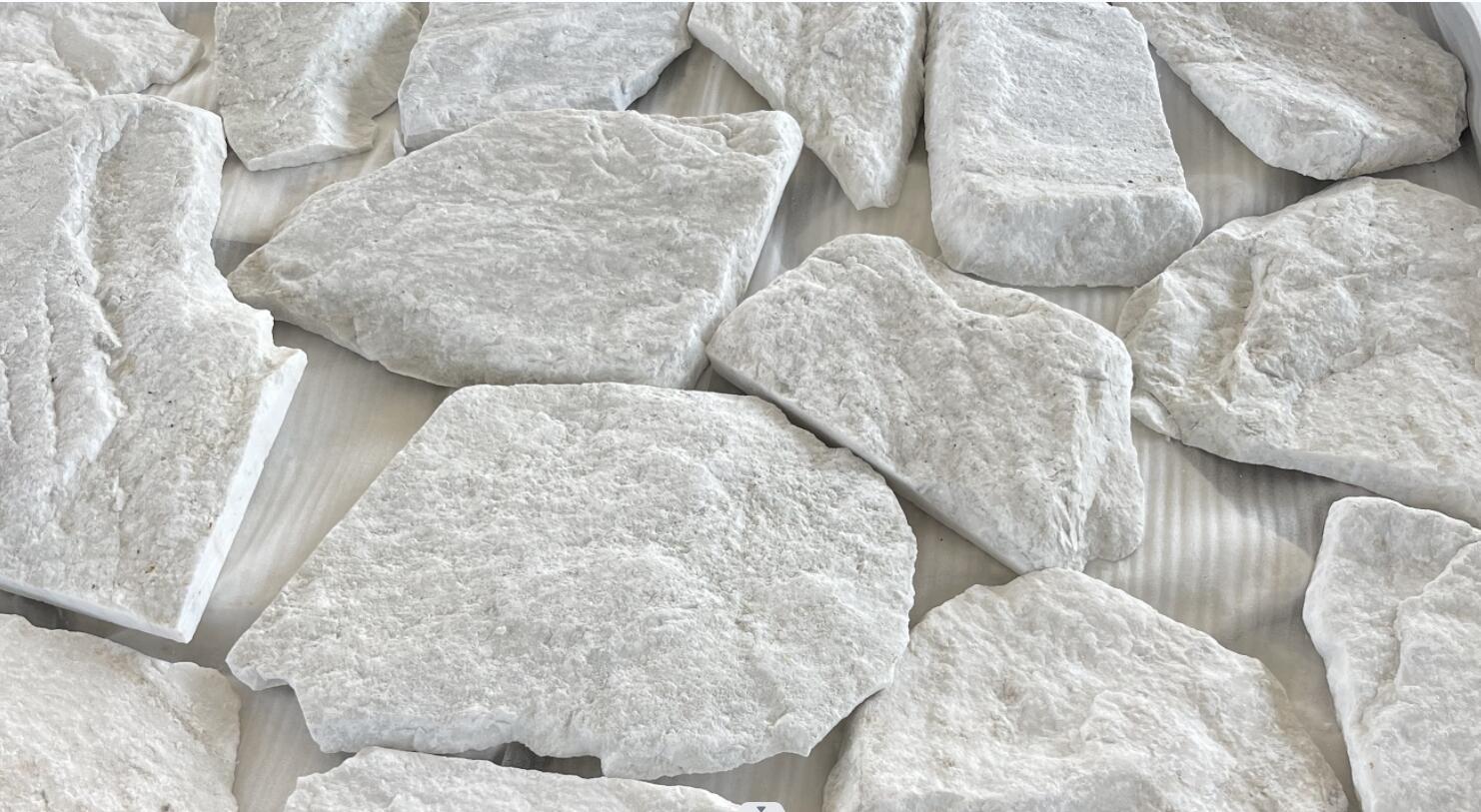
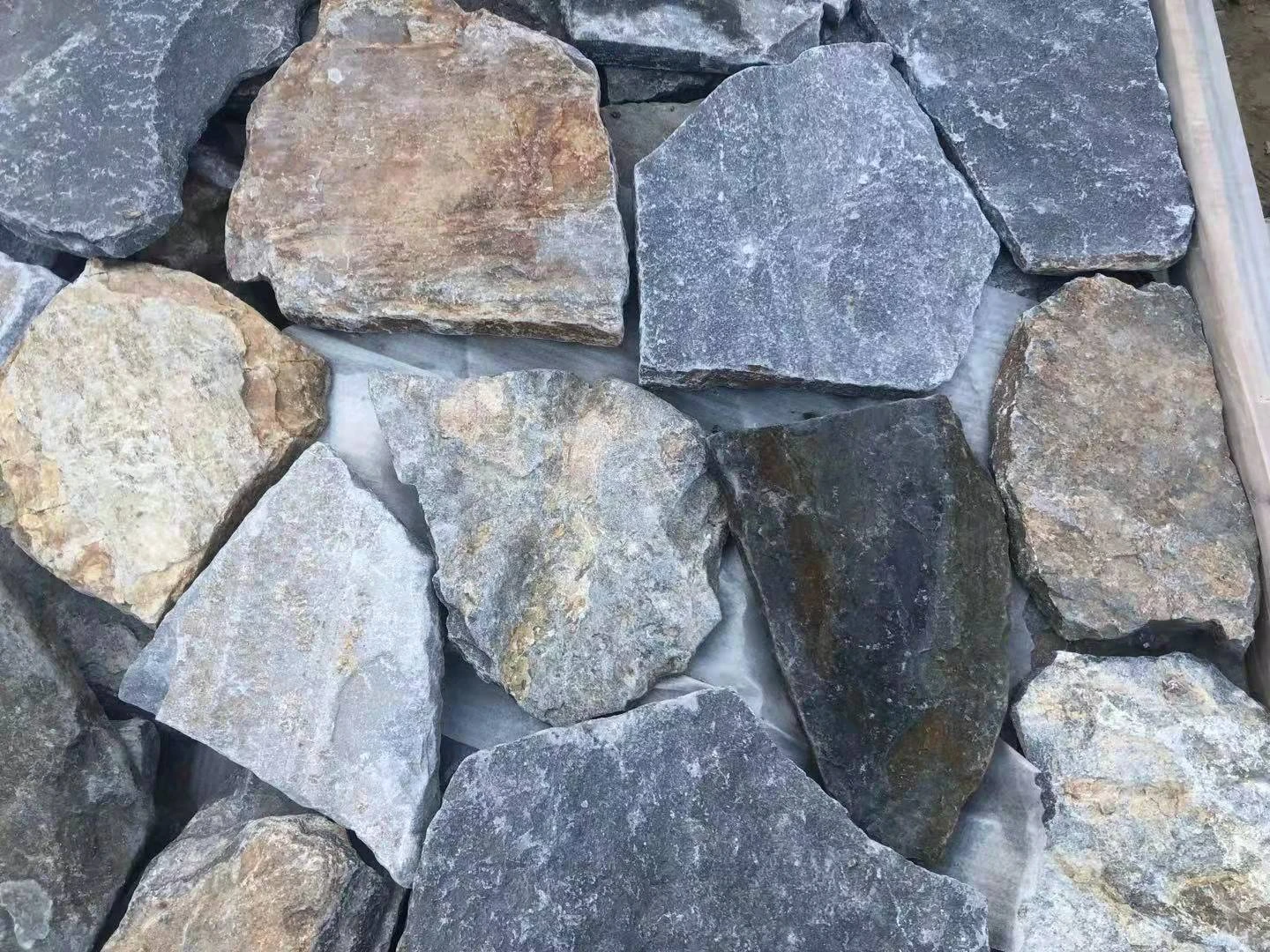
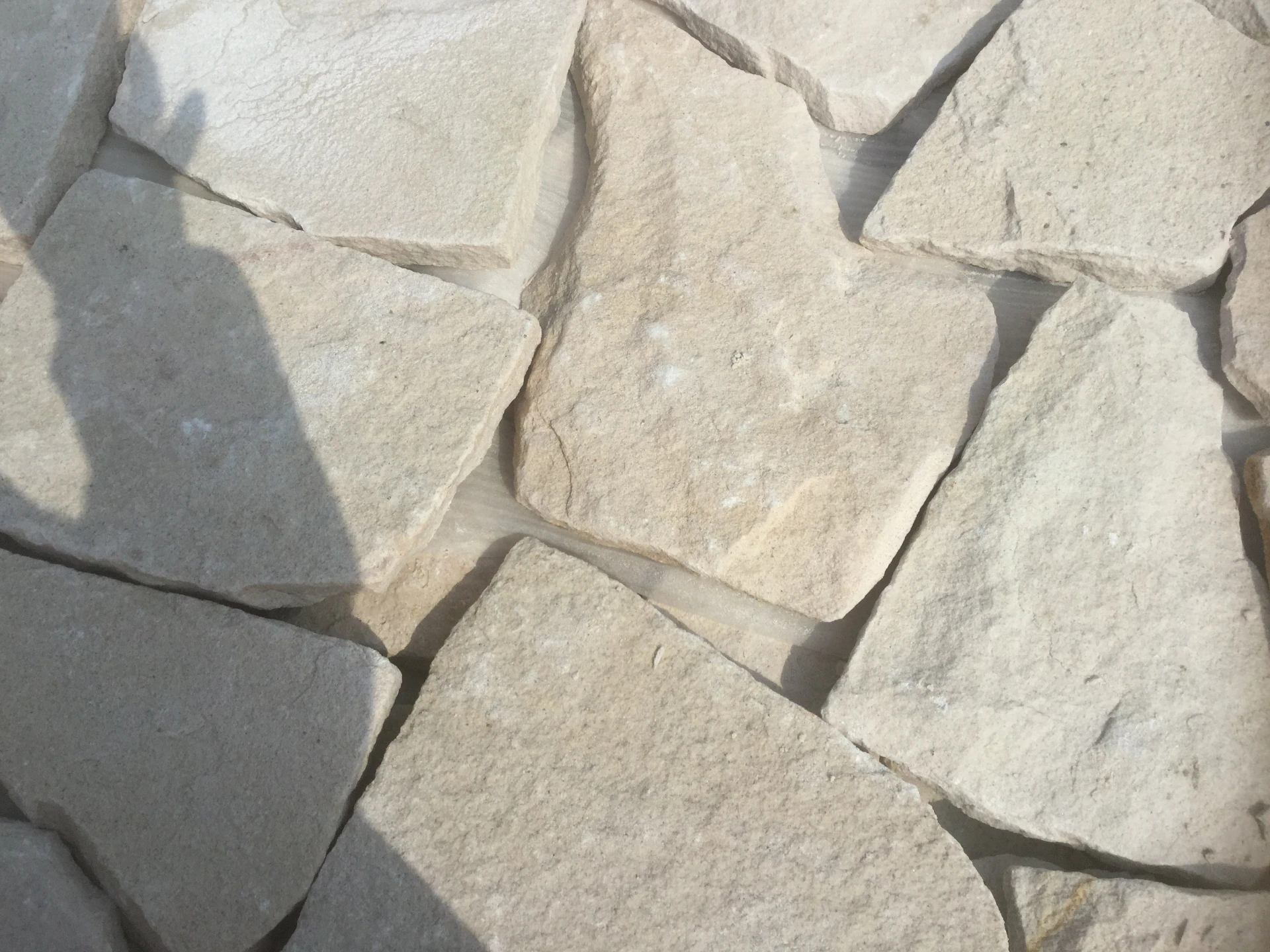
Outdoor design has evolved far beyond grass and pavers—modern landscapes now rely heavily on decorative stone materials to create visual interest, reduce maintenance, and enhance functionality. One of the standout materials in recent years is the yellow pebble stone, a natural product that adds vibrant color, texture, and elegance to outdoor areas. Whether used for paths, gardens, or water features, these warm-toned stones bring harmony and sophistication to any environment.
The visual impact of yellow decorative stones in landscaping is undeniable. Their golden hues reflect sunlight beautifully, creating a welcoming and cheerful atmosphere. Whether you use them in plant beds, courtyards, or around garden sculptures, these stones add a subtle but impactful accent to your design.
What makes yellow decorative stones so versatile is their ability to blend with other materials like wood, brick, and metal. They serve as natural borders, mulch alternatives, or filler between stepping stones. For homeowners and landscape architects alike, the use of decorative stones simplifies design while elevating its aesthetic appeal.
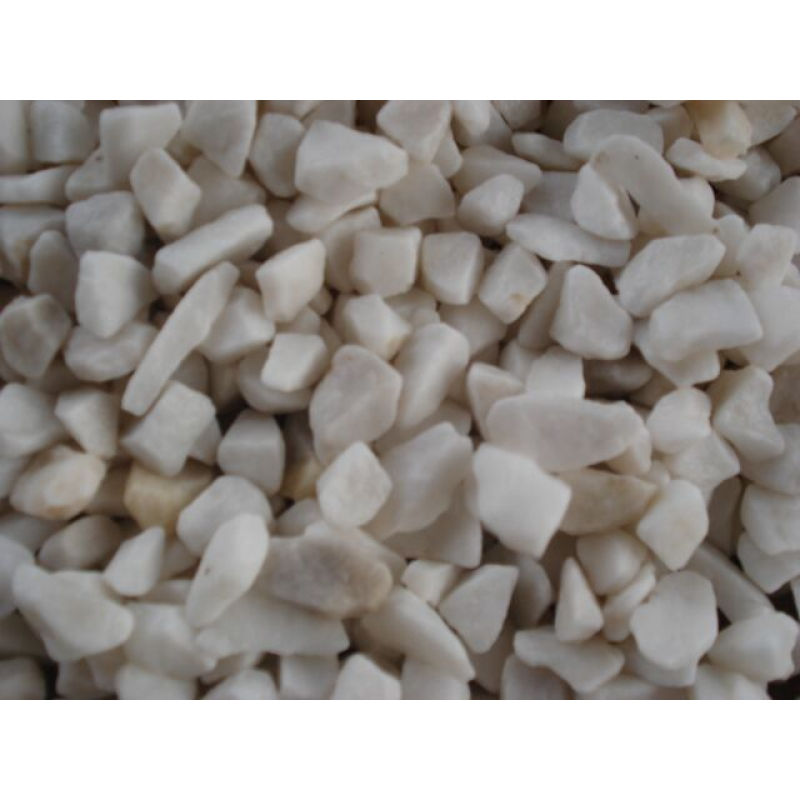
For areas that need more texture and structure, yellow gravel is the perfect choice. Commonly used for driveways, walking paths, and even rooftop gardens, this material provides a solid, stable surface while enhancing the look of your property. Its angular form locks into place, making it ideal for high-traffic areas.
In addition to its functional properties, yellow gravel stone brightens outdoor environments. Its golden tone contrasts beautifully with greenery and makes even small spaces feel more expansive. The use of yellow stone gravel can also reduce weed growth and aid in water conservation by minimizing evaporation.
One of the most popular uses of yellow pebble stone is in garden decoration. Yellow garden pebbles are smooth, rounded, and soft underfoot—perfect for placing around trees, fountains, or patio edges. Their polished or matte textures make them suitable for both modern and traditional gardens.
Besides aesthetic value, yellow garden pebbles provide important practical benefits. They help regulate soil temperature, reduce erosion, and deter pests. Additionally, these pebbles require minimal upkeep, making them an excellent solution for those who want a beautiful yet low-maintenance garden.
When looking for an elegant touch, yellow polished pebbles stand out. These stones undergo a polishing process that enhances their color and gives them a glossy finish, ideal for use in interior decor, aquariums, or upscale outdoor features.
In indoor settings, yellow polished pebbles can be arranged in planters, vases, or fountains. Outdoors, they are commonly used in zen gardens, mosaic pathways, and modern patios. Their uniform shape and sheen offer a clean, professional look that complements both natural and manmade elements.
A Sustainable and Stylish Choice
使用 yellow stone gravel, yellow pebbles for garden, or yellow decorative stones isn’t just about beauty—it’s also a sustainable choice. These materials are natural, long-lasting, and recyclable. They reduce the need for chemical treatments and maintenance, making them eco-friendly options for environmentally conscious homeowners.
Whether you're enhancing a backyard, commercial property, or public space, the warmth and charm of yellow gravel そして yellow pebble stone can transform any area into a vibrant and peaceful sanctuary.
 アフリカ人
アフリカ人  アルバニア人
  アムハラ語
アムハラ語  アラビア語
アラビア語  アルメニア語
  アゼルバイジャン語
  バスク語
バスク語  ベラルーシ語
  ベンガル語
ベンガル語  ボスニア語
ボスニア語  ブルガリア語
  カタルーニャ語
  セブアノ語
セブアノ語  中国
中国  中国(台湾)
  コルシカ島
コルシカ島  クロアチア語
  チェコ語
チェコ語  デンマーク語
  オランダの
オランダの  英語
英語  エスペラント
  エストニア語
  フィンランド語
  フランス語
フランス語  フリジア語
フリジア語  ガリシア語
ガリシア語  ジョージア語
  ドイツ人
ドイツ人  ギリシャ語
ギリシャ語  グジャラート語
  ハイチ クレオール
  ハウサ語
ハウサ語  ハワイアン
ハワイアン  ヘブライ語
ヘブライ語  いいえ
いいえ  ミャオ族
ミャオ族  ハンガリー語
  アイスランド語
  イボ語
イボ語  インドネシア語
  アイルランド人
  イタリアの
イタリアの  日本語
日本語  ジャワ語
ジャワ語  カンナダ語
カンナダ語  カザフ語
カザフ語  クメール語
クメール語  ルワンダ語
ルワンダ語  韓国語
韓国語  クルド
クルド  キルギス
キルギス  結核
結核  ラテン
ラテン  ラトビア語
ラトビア語  リトアニア語
  ルクセンブルク語
  マケドニアの
  マルガシ
マルガシ  マレー語
マレー語  マラヤーラム語
  マルタ語
マルタ語  マオリ語
マオリ語  マラーティー語
  モンゴル語
モンゴル語  ミャンマー
ミャンマー  ネパール語
ネパール語  ノルウェー語
  ノルウェー語
  オック語
オック語  パシュトゥー語
  ペルシア語
ペルシア語  研磨
研磨  ポルトガル語
  パンジャブ語
  ルーマニア語
  ロシア
ロシア  サモア語
サモア語  スコットランド・ゲール語
  セルビア語
セルビア語  英語
英語  ショナ
ショナ  シンド語
シンド語  シンハラ語
シンハラ語  スロバキア語
  スロベニア語
  ソマリ語
ソマリ語  スペイン語
スペイン語  スンダ人
スンダ人  スワヒリ語
スワヒリ語  スウェーデンの
  タガログ語
タガログ語  タジク語
タジク語  タミル語
タミル語  タタール語
タタール語  テルグ語
テルグ語  タイ語
タイ語  トルコ語
トルコ語  トルクメン語
  ウクライナ語
  ウルドゥー語
  ウイグル語
ウイグル語  ウズベク語
ウズベク語  ベトナム語
ベトナム語  ウェールズ語