Ma kēia ʻatikala, e nānā mākou i kekahi mau wahi koʻikoʻi o ka hoʻokumu ʻana i kou pā kūpono a me nā mea e hui pū ʻia e hāʻawi iā ʻoe i nā hoʻopau āu e ʻike nei i kēia lā ma kekahi o nā hale kupanaha loa ma ka ʻāina.
We’ll take a look at what natural stone cladding is, what types are available to you, which would work best for you and ultimately a guideline on how to install your cladding.
“Cladding” is made to dress your wall with stone without the costs of building walls with blocks and labour costs associated with them. You can easily clad your wall with your preferred material and blend it in to suit your environment in a more efficient and cost-effective way.
ʻO ka Pākuʻi Pōhaku he papa pōhaku lahilahi i hoʻopili ʻia i ka hale a i ʻole nā hale ʻē aʻe i hana ʻia me kahi mea ʻē aʻe ma waho o ka pōhaku. Hoʻopili ʻia ka pā pōhaku i ka pā pōhaku, ka hana pōhaku a me nā hale ma ke ʻano o kā lākou hoʻolālā hoʻolālā kumu. ʻO ke kua o kēlā me kēia ʻāpana pōhaku i ʻoki ʻia i kahi pālahalaha, e hiki ai ke hoʻopaʻa ʻia nā pōhaku i nā substrate kūpono.
Me nā wahi i hoʻopuehu ʻia a puni ka honua, ʻo ka hapa nui o nā ʻāina he ʻano pōhaku maoli i loaʻa ma lalo o lākou.
Natural stone “cladding” is thin slices of quarried natural stones. They are taken out of the land and accordingly sliced into blocks and boulders – from these blocks/boulders, the products you see today are manufactured and made.
Me nā ʻano pōhaku maoli like ʻole, mai ka granite a i ka quartzite mai ka travertine a hiki i ke kinikini, aia nā ʻano ʻano pale e kūpono i kēlā me kēia kanaka.
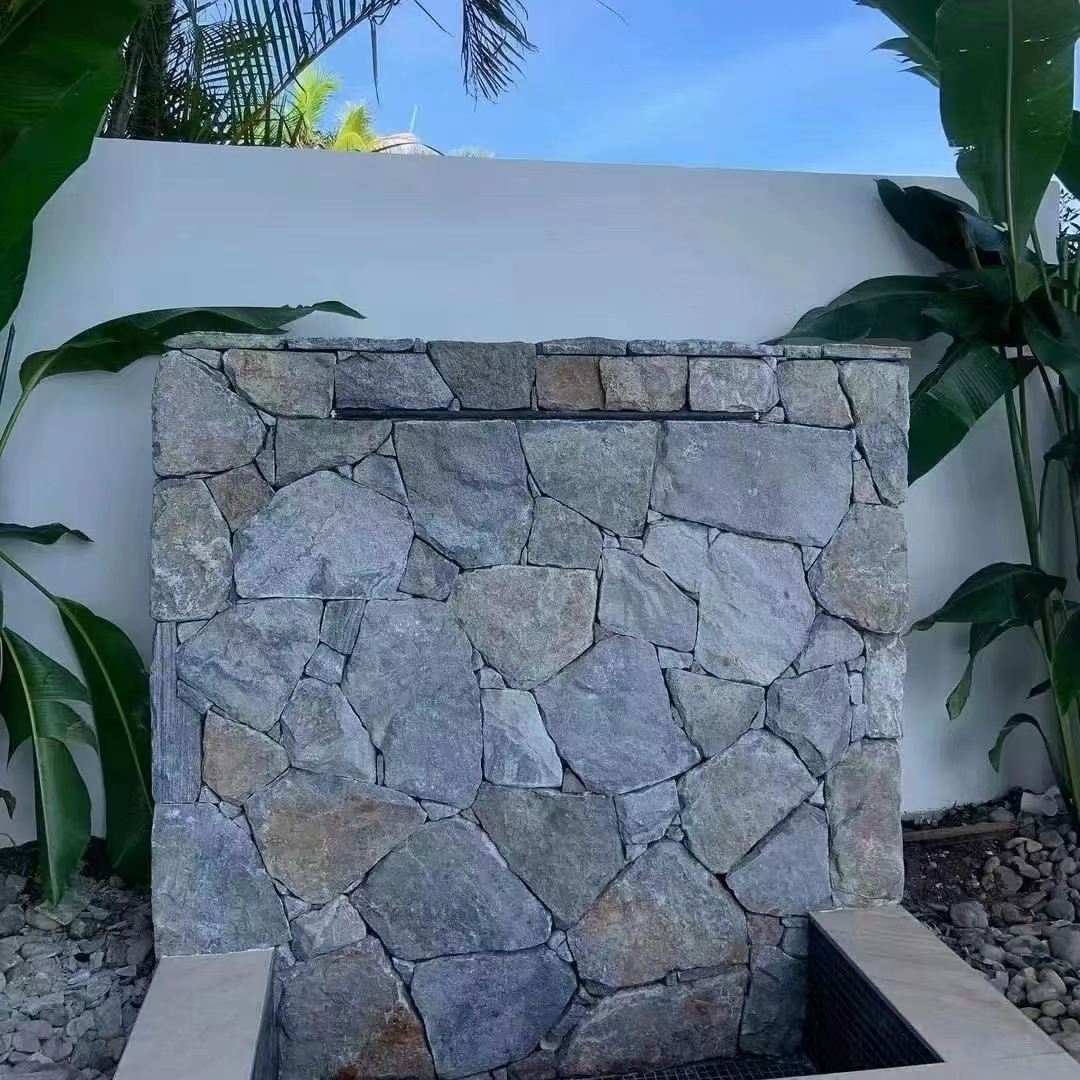
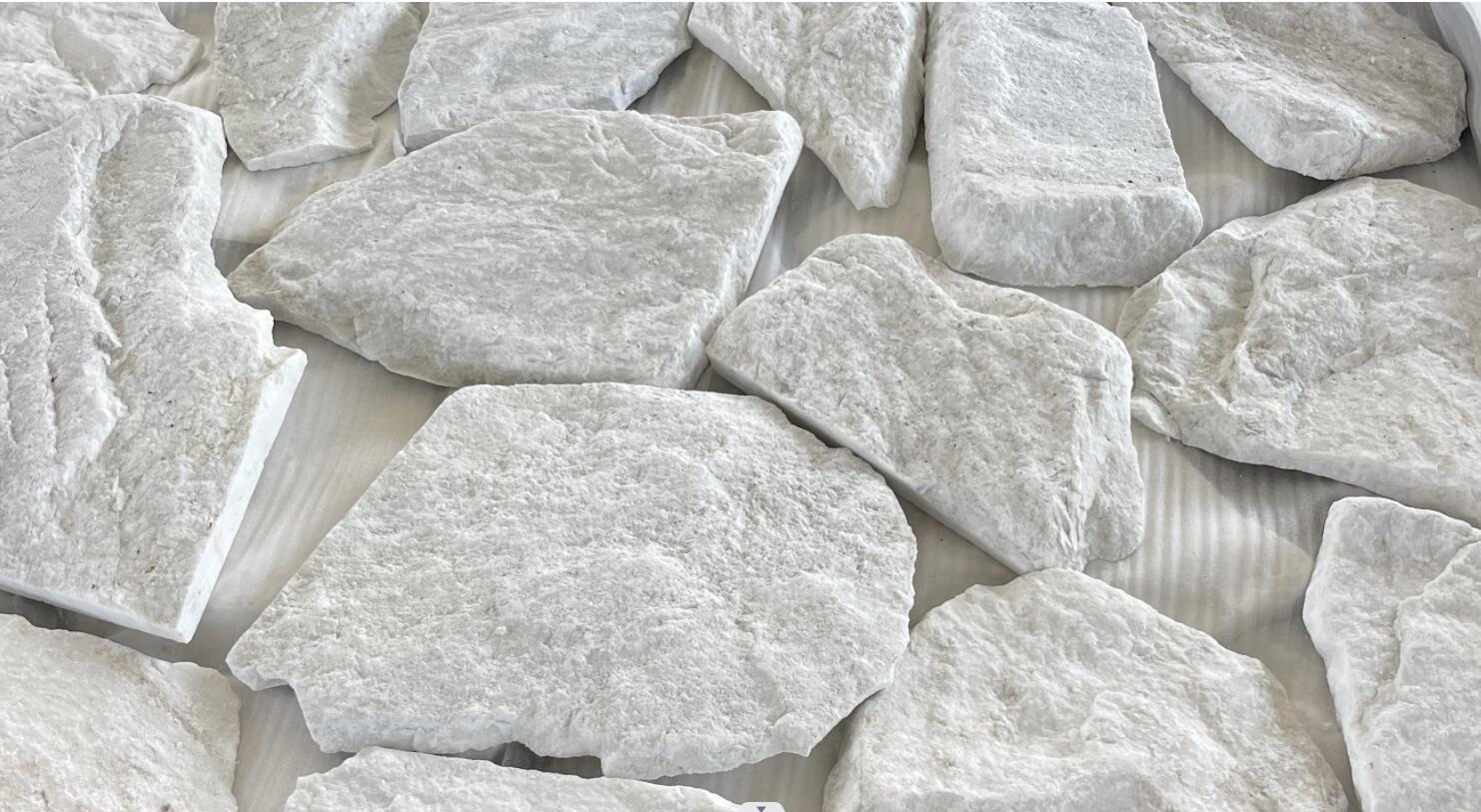
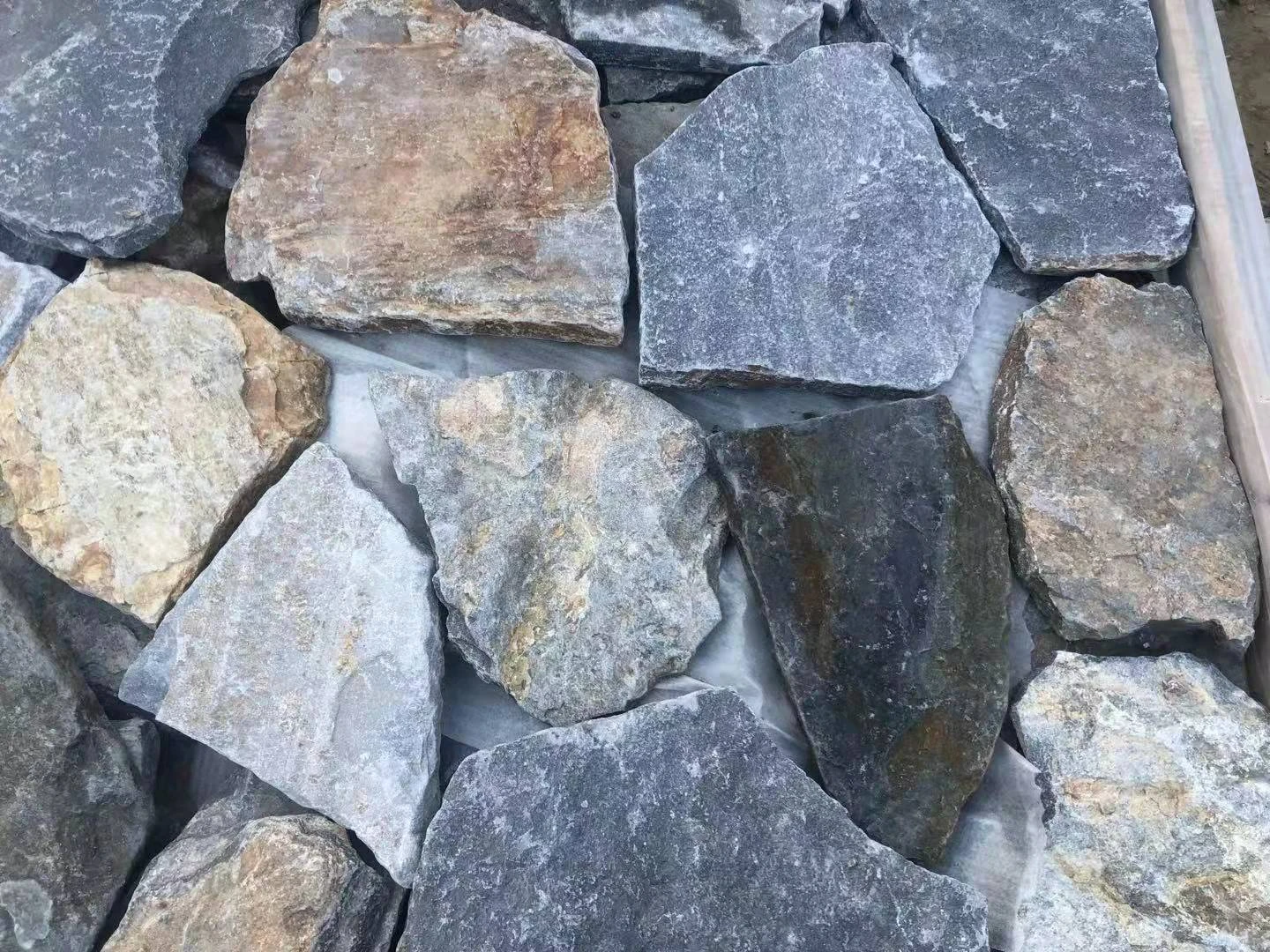
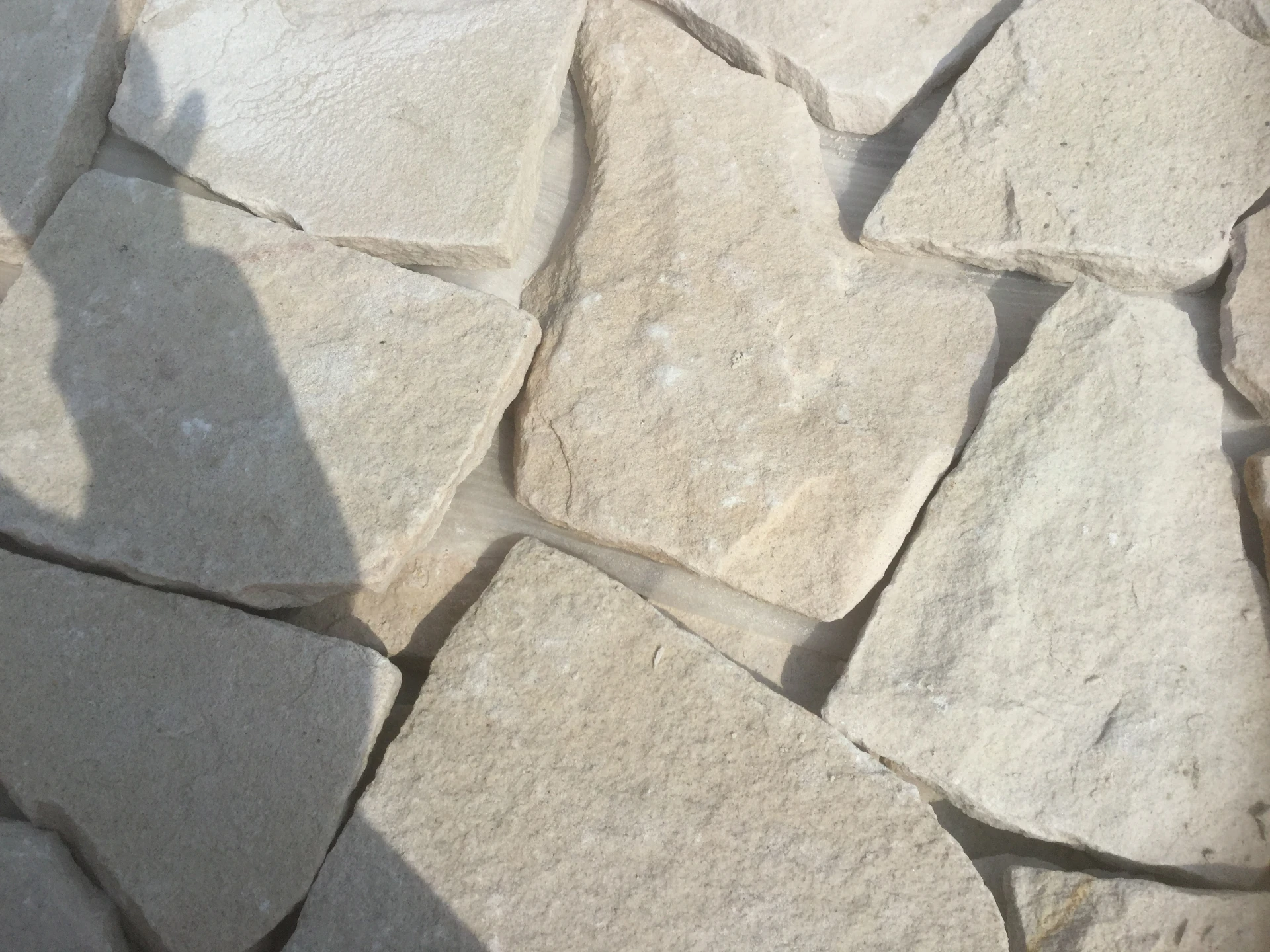
Free form – These are small, medium and large pieces of loose natural stone with sawn flat back pieces that come together to create an organic wall that appears like it has been built for centuries. The definition of “free-form” is individual pieces.
Me ke kua i ʻeli ʻia no ka maʻalahi o ka hoʻokomo ʻana, ua hoʻopili ʻia kā mākou mau pōhaku paʻa paʻa i ka paia e kū nei, e hana ana i kahi hiʻohiʻona kūlohelohe a mau loa.
Hoʻonoho ʻia e ka mea kālai pōhaku akamai, e like me ka mea nui i ka maikaʻi o ka pōhaku i hoʻohana ʻia a me ke ʻano a me ka hoʻopau ʻana o ka pōhaku, ʻo ia ka maikaʻi o ka hana hana mai kāu mea hoʻonoho.

Freeform organic stonework is an art form, and the artist is critical in completing the ‘picture’ that becomes your wall.
ʻAʻole ia he kumu hoʻohālike e pono ai lākou e hahai, aia nā ala kikoʻī e pono ai ʻoe e kau i kēlā me kēia ʻano o ka pale kūlohelohe e kiʻi i ka nānā kūpono. ʻO ka mea a mākou e hoʻāʻo nei e hoʻokō ma aneʻi, ʻo ia ke ʻano o kou hale i kūkulu lima ʻia mai nā poloka maoli, i nā kenekulia i hala.
Inā ʻoe e hoʻomoe i ka pale me he mea lā he kiʻi kiʻi kiʻi a i ʻole kekahi ʻano kumu hoʻohālike e hoʻohuli ʻoe i ka pā i ʻoi aku o ka pā pōhaku i hoʻohālikelike ʻia. (ʻo ia ka maikaʻi inā ʻoe ma hope o kēlā nānā) ma mua o ka hoʻokō ʻana i ka nānā ʻana o kahi pā i kūkulu ʻia i kūkulu ʻia / hoʻopaʻa ʻia e kahi poloka pōhaku ma kēlā me kēia poloka. Ma kēia ʻano, kūpono kēlā me kēia ʻāpana i kona ʻano, ke ʻano a me ke kala.

For example, If your stonemason were going to build a wall say 10m long and 5 meters high from blocks, the wall should be structurally stable, it needs to be stacked one on top of another so it doesn’t ever fall or collapse.
I ka wā e hoʻopaʻa ai i ka pōhaku maoli ma luna o ka pā e kū nei, pono ia e like me ka mea i kūkulu ʻia mai nā poloka maoli, pono mau lākou e ʻike i ka paʻa. ʻOiai ʻo ia ka substrate ma ke kua e pono e paʻa!
Inā ʻaʻole ʻoe e ʻike i ka ʻokoʻa i ka nānā ʻana i ka pā poloka a me ka pā i hoʻopaʻa ʻia, a laila ua hoʻokō ʻoe i ka pā manawaleʻa i makemake ʻole ʻia e kānalua ai kekahi e noʻonoʻo inā ua uhi ʻia ka pā a i ʻole ka hana poloka.
Armstone offers corners pieces of all the stone claddings which are available in pre-cut 90-degree pieces to give you that full stone, block look. The benefit here is that you don’t have to get your stonemason to mitre the corners, its best to avoid seeing any cut joints anywhere on the wall.

To achieve the true organic look your installer shouldn’t have any sawn cuts on your stonework. They should make cuts from the back of the stone and split each individual piece of the stone to prevent having a sawn cut on the face or side of the piece.
Inā loaʻa iā ʻoe nā ʻaoʻao sawn, hiki iā ʻoe ke ʻoki i ka lihi o kēlā me kēia ʻāpana e hāʻawi i ka pōhaku i kahi lihi maoli. ʻO kēia kahi e hōʻike maoli ai ke akamai o kāu mea hana pōhaku.

Ke hana maikaʻi ʻia, hiki i kahi pā kūlohelohe manuahi ke hana i kahi hiʻohiʻona mau loa i kou hale a i waho paha. Eia naʻe e like me kekahi mea i ke ola, inā ʻoki ʻia nā kihi, ʻaʻohe kumu e hele ai i ke kaʻina hana. ʻOi aku ka maikaʻi o kekahi me nā koho ʻē aʻe.
In the Free Form individual stone cladding range, you can either do “Dry Stack” aka “Dry Stone Cladding” which means that the stone cladding is Not Grouted (no any cement filled into the gaps) or Grouted.
Some stones look good in “dry stack” and some “grouted”. E pili ana i kou makemake pilikino.
Some Natural Stone Claddings looks really organic when you lay them in “Crazy” pattern. This is where the pieces don’t have any even sizes or shapes.

If you are planning to do a dry stack you must plan ahead to have the grout joints tight or you if you’d like to grout you should use packers to get consistent grout joints for each individual piece of stone.
Inā ʻaʻole ʻoe maopopo i ka mea e kūpono i kou home a i ʻole papahana e kelepona mai iā mākou a kamaʻilio me mākou, maopopo mākou e hoʻoponopono mākou iā ʻoe i ka hopena kūpono.
Besides the “Crazy” format stone cladding nowadays more architects and landscape designers are specifying the “Random Ashlar” pattern which is suited for more modern designs.
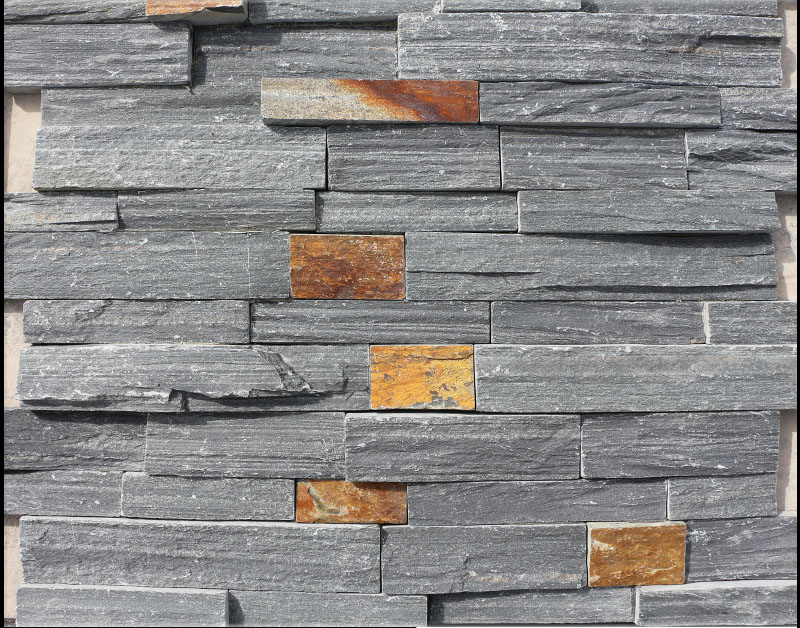
“Random Ashlar” is a random Geometric pattern – lehu lehuʻO nā ʻāpana he mau ʻāpana like ʻole a me nā ʻāpana ʻehā.
 ʻApelika
 Alapania
 Amahapika
 Apapika
 Ameniana
 Azerbaijani
 Pōkē
 ʻŌlelo Belarusa
 Penekali
 Ponia
 Pukalia
 ʻŌlelo Katalonia
 Cebuano
 Kina
 Kina (Taiwan)
 ʻŌlelo Kokia
 Koalia
 Keka
 Kenemaka
 Hōlani
 Pelekania
 ʻŌlelo Esperanto
 Ekekonia
 Pinilana
 Palani
 Frisian
 Kalikia
 Keokia
 Alemania
 Helene
 Kuhalaki
 ʻŌlelo Haiki
 Hauka
 ʻŌlelo Hawaiʻi
 Hepela
 ʻAʻole
 Miao
 Hunakalia
 ʻĀinahau
 igbo
 ʻInikonia
 Ipelana
 Ikalia
 Kepanī
 Kawanī
 Kanākā
 ʻŌlelo Kazaka
 Khmer
 Rwandan
 Kolea
 ʻŌlelo Kurdish
 ʻŌlelo Kyrgyz
 TB
 ʻŌlelo Lākni
 Lakiwiana
 ʻŌlelo Lituania
 ʻŌlelo Lukemapuka
 Makekoni
 Malgashi
 Mālei
 Mālealama
 Malkī
 ʻŌlelo Māori
 Malapi
 ʻŌlelo Monokolia
 Maianamara
 Nepali
 Nolewai
 Nolewai
 ʻOkitana
 ʻŌlelo Pashto
 Pelekia
 Pōlani
 Pukikī
 ʻŌlelo Punajabi
 Lomānia
 Lukia
 Sāmoa
 Gaelika Sekotia
 ʻŌlelo Serbia
 Pelekania
 Shona
 Kiniki
 Sinhala
 Kolowakia
 Kolewenia
 ʻŌlelo Somalia
 Kepania
 Sundana
 Kawahili
 Kuekene
 Kakalo
 Tajika
 Kamili
 Tatar
 Keluku
 Kailani
 Tureke
 ʻŌlelo Kuleke
 Ukrainian
 Urdu
 Uighur
 ʻUzbek
 Vietnamese
 Welsh