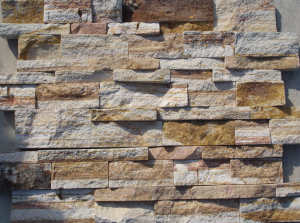
The absorption rating refers to how porous a given material is. The more absorbent it is, the more susceptible the stone will be to stain. Absorbent stone can also be prone to cracking damage if it is subjected to freezing conditions. Natural stones vary greatly in their absorption rates, with sandstone being the most porous and granite the most impervious to water absorption. Absorption rates are classified according to the following terms:
In general, sandstone is the most porous natural stone material. Travertine, limestone, and batu tulis have medium absorbency, while granite is relatively waterproof. Polished materials also absorb less water than honed or cleft surfaces.
Some retailers use a grading system to rate the quality of materials. This can refer to the size, shape, and thickness of the tile, as well as the condition of its surface. Most grading systems have three levels of quality:
This measures how slippery various materials are. The higher the coefficient, the more traction a tile will have. This number is especially important in moist environments such as bathrooms and kitchens, as well as high-traffic commercial areas. The Americans with Disabilities Act requires that flooring material has a minimum of a .6 dryness coefficient.
Some natural stone flooring materials are more suited to outdoor applications than others. Many of the factors above will determine whether a material should be used in an open-air environment.
Natural stone materials are formed beneath the earth over millions of years, and often contain a variety of disparate elements. Sometimes iron is present in these materials, which can manifest as bright red and amber hues in the surface of the stone. The problem in an outdoor environment is that those traces of iron can oxidize, a process more commonly known as rusting. This can cause the entire tile to degenerate over time.
There are many aesthetic and practical reasons why natural stone flooring can be a good choice:
There are also some drawbacks to the use of natural stone:
When purchasing natural stone flooring materials it is important to do your research and understand the characteristics of the material you are purchasing. Find out whether it is appropriate for your specific application and how much maintenance it will require. Ask your retailer questions, and thoroughly research the stone before you make a purchase.
 Afrika
  bahasa Albania
  Amharik
  Arab
Arab  orang Armenia
  Azerbaijan
  Basque
  Belarusia
  Benggala
  Bosnia
  Bulgaria
  Katalan
  Cebuano
  Cina
Cina  Tiongkok (Taiwan)
  Korsika
  Kroasia
  Ceko
Ceko  Orang Denmark
  Belanda
  Bahasa inggris
  Esperanto
  Estonia
  Finlandia
  Perancis
  Frisian
  Galisia
  orang Georgia
  Jerman
  Orang yunani
  Gujarati
  Kreol Haiti
  hausa
hausa  Hawaii
  Ibrani
  Tidak
Tidak  Miao
Miao  Hongaria
  Islandia
  igbo
igbo  bahasa Indonesia
  orang Irlandia
  Italia
  Jepang
  Jawa
Jawa  Kannada
  kazakh
  Khmer
Khmer  Rwanda
  Korea
Korea  Kurdi
Kurdi  Kirgistan
  TBC
TBC  Latin
Latin  Latvia
  Lithuania
  Luksemburg
  Makedonia
  Malgashi
  Melayu
  Malayalam
  Malta
Malta  Maori
Maori  Marathi
  Mongolia
  Myanmar
  Nepal
Nepal  Norwegia
  Norwegia
  orang oksitan
  Pashto
  Orang Persia
  Polandia
  Portugis
  Punjabi
  Rumania
  Rusia
Rusia  Samoa
Samoa  Gaelik Skotlandia
  Orang Serbia
  Bahasa inggris
  Shona
Shona  Sindhi
  Sinhala
  Orang Slovakia
  Slovenia
  Somalia
  Orang Spanyol
  Sunda
Sunda  Swahili
  Orang Swedia
  Tagalog
  Tajik
Tajik  Tamil
Tamil  Tatar
Tatar  Telugu
  Thai
Thai  Turki
Turki  orang Turkmenistan
  Orang Ukraina
  Urdu
Urdu  Uighur
  Uzbekistan
  Orang Vietnam
  Welsh
Welsh