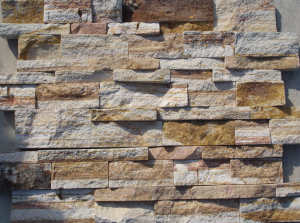
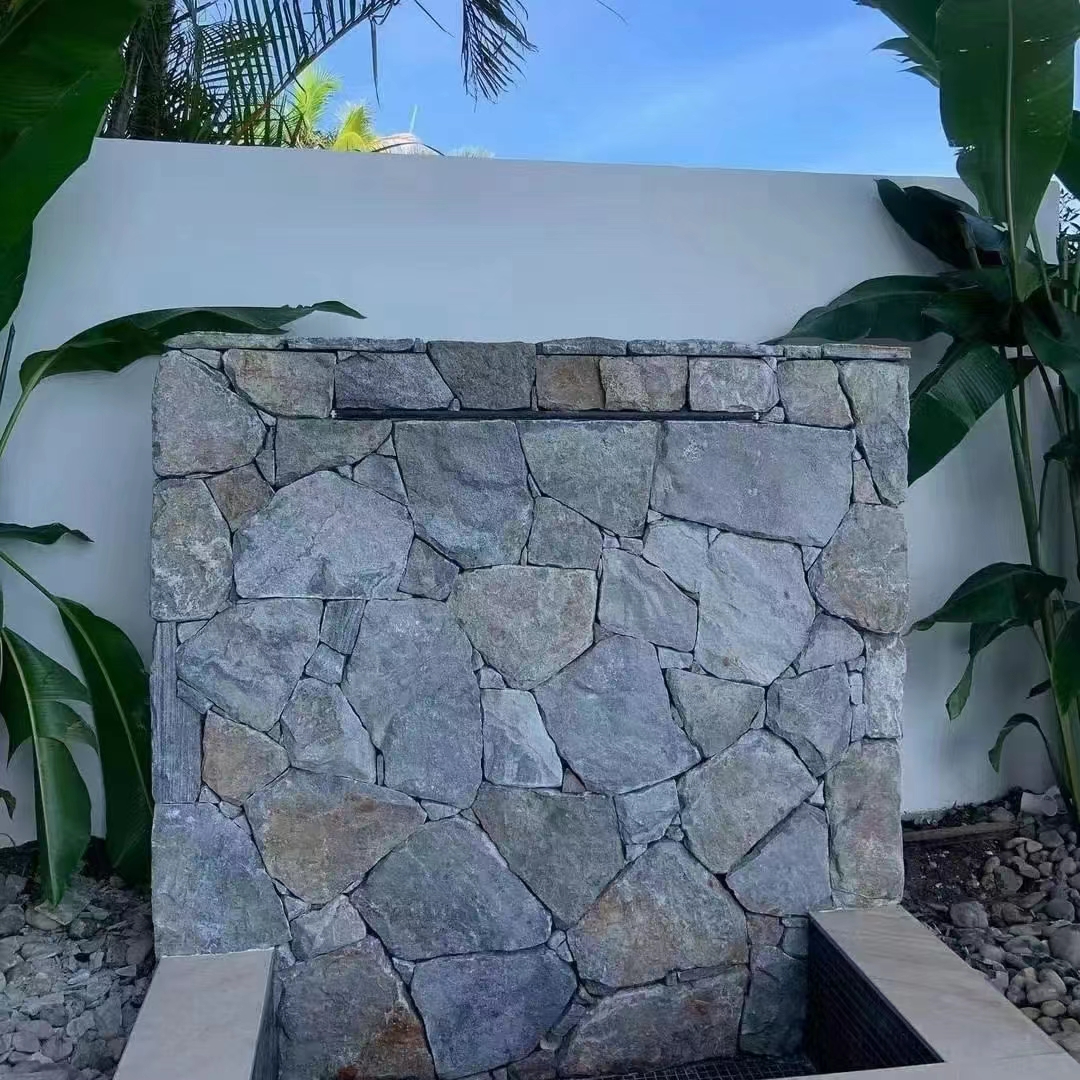
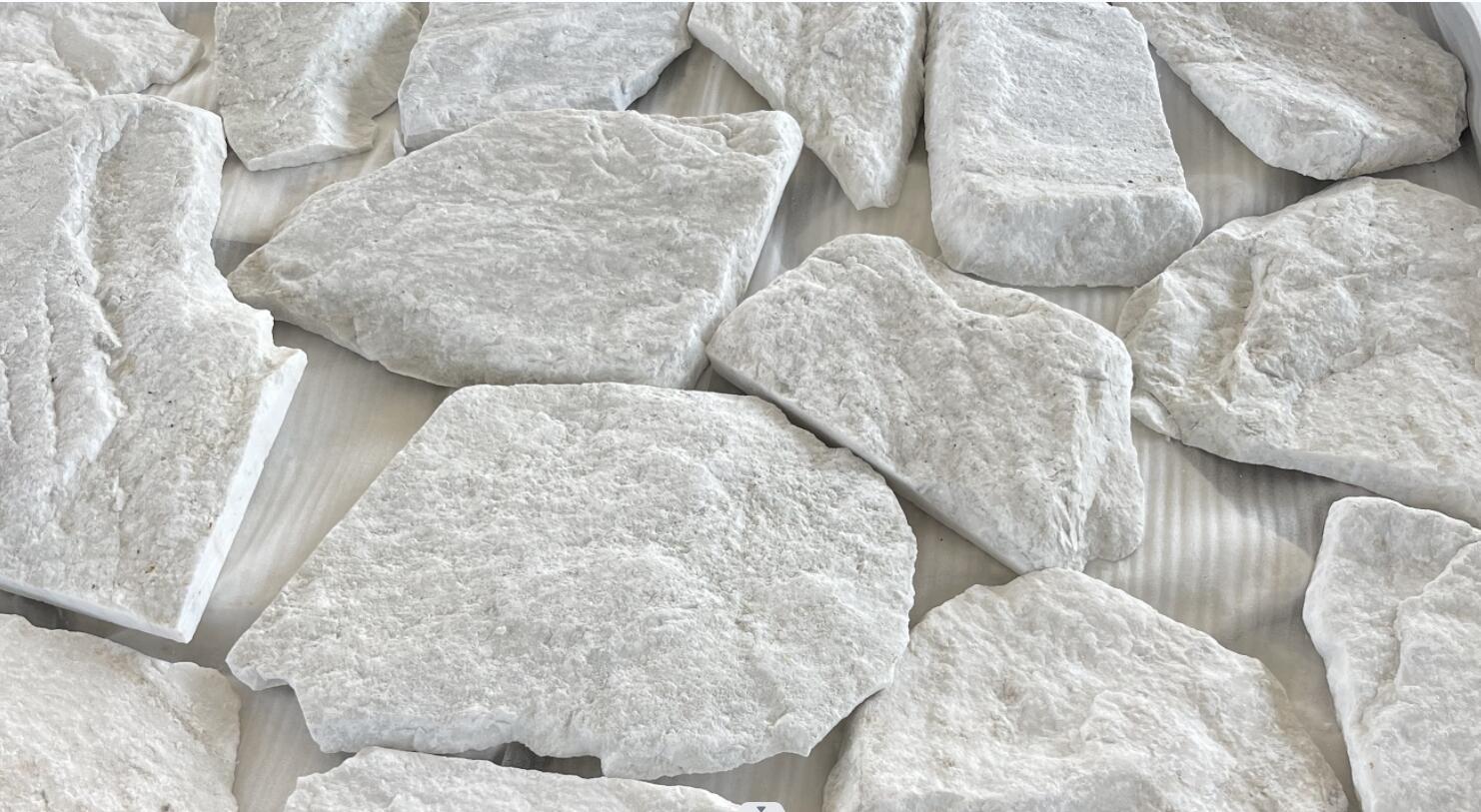
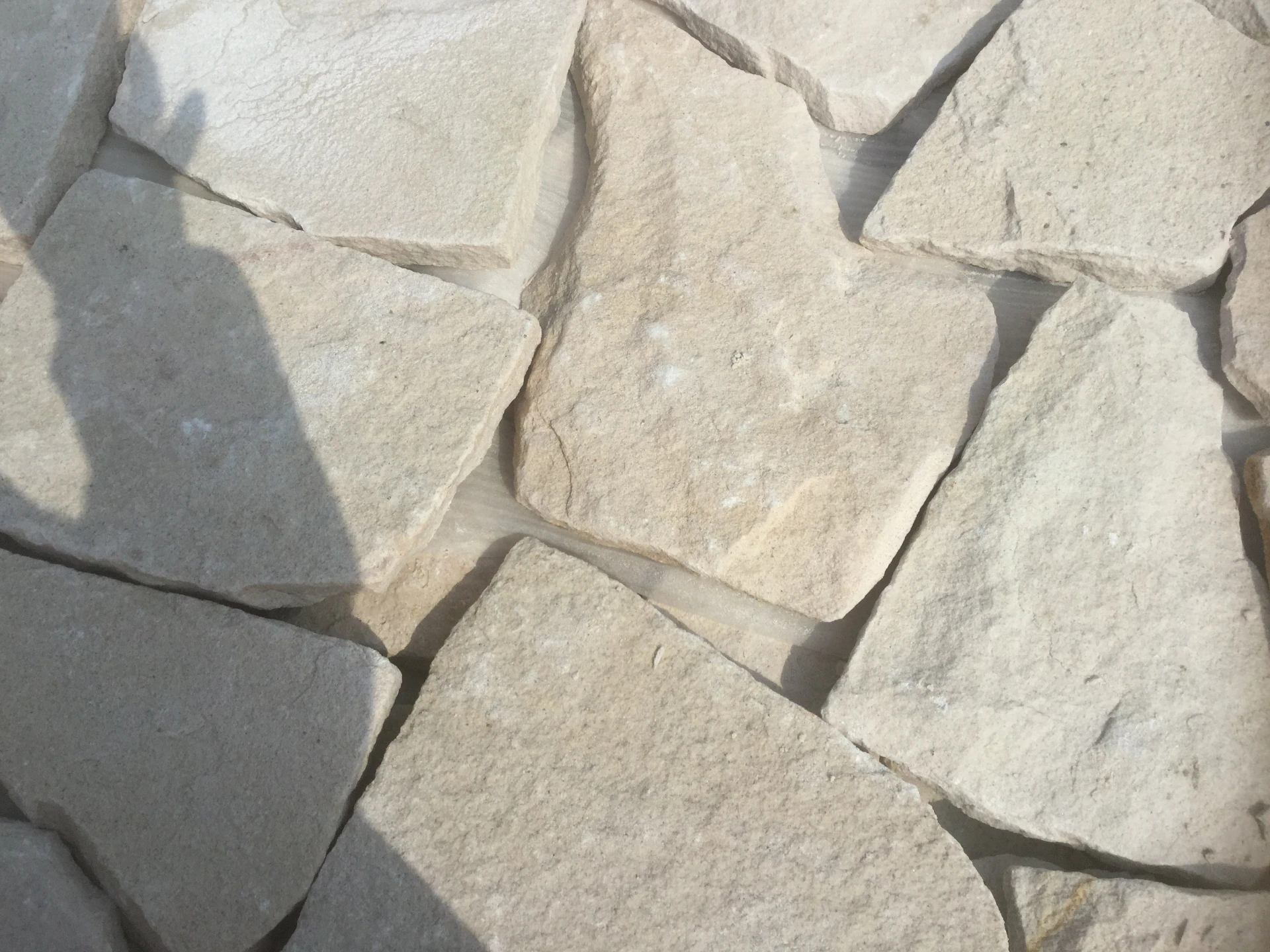
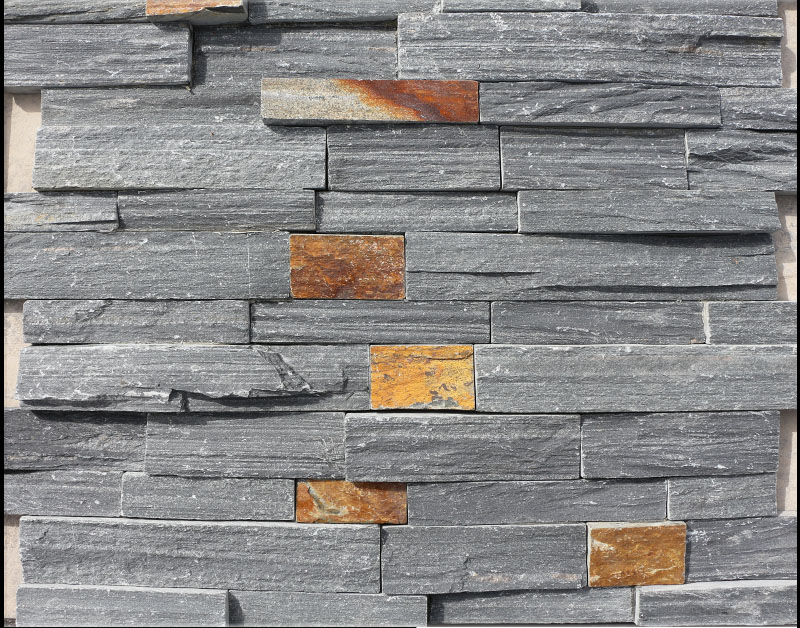
The absorption rating refers to how porous a given material is. The more absorbent it is, the more susceptible the stone will be to stain. Absorbent stone can also be prone to cracking damage if it is subjected to freezing conditions. Natural stones vary greatly in their absorption rates, with sandstone being the most porous and granite the most impervious to water absorption. Absorption rates are classified according to the following terms:
In general, sandstone is the most porous natural stone material. Travertine, limestone, and 슬레이트 have medium absorbency, while granite is relatively waterproof. Polished materials also absorb less water than honed or cleft surfaces.
Some retailers use a grading system to rate the quality of materials. This can refer to the size, shape, and thickness of the tile, as well as the condition of its surface. Most grading systems have three levels of quality:
This measures how slippery various materials are. The higher the coefficient, the more traction a tile will have. This number is especially important in moist environments such as bathrooms and kitchens, as well as high-traffic commercial areas. The Americans with Disabilities Act requires that flooring material has a minimum of a .6 dryness coefficient.
Some natural stone flooring materials are more suited to outdoor applications than others. Many of the factors above will determine whether a material should be used in an open-air environment.
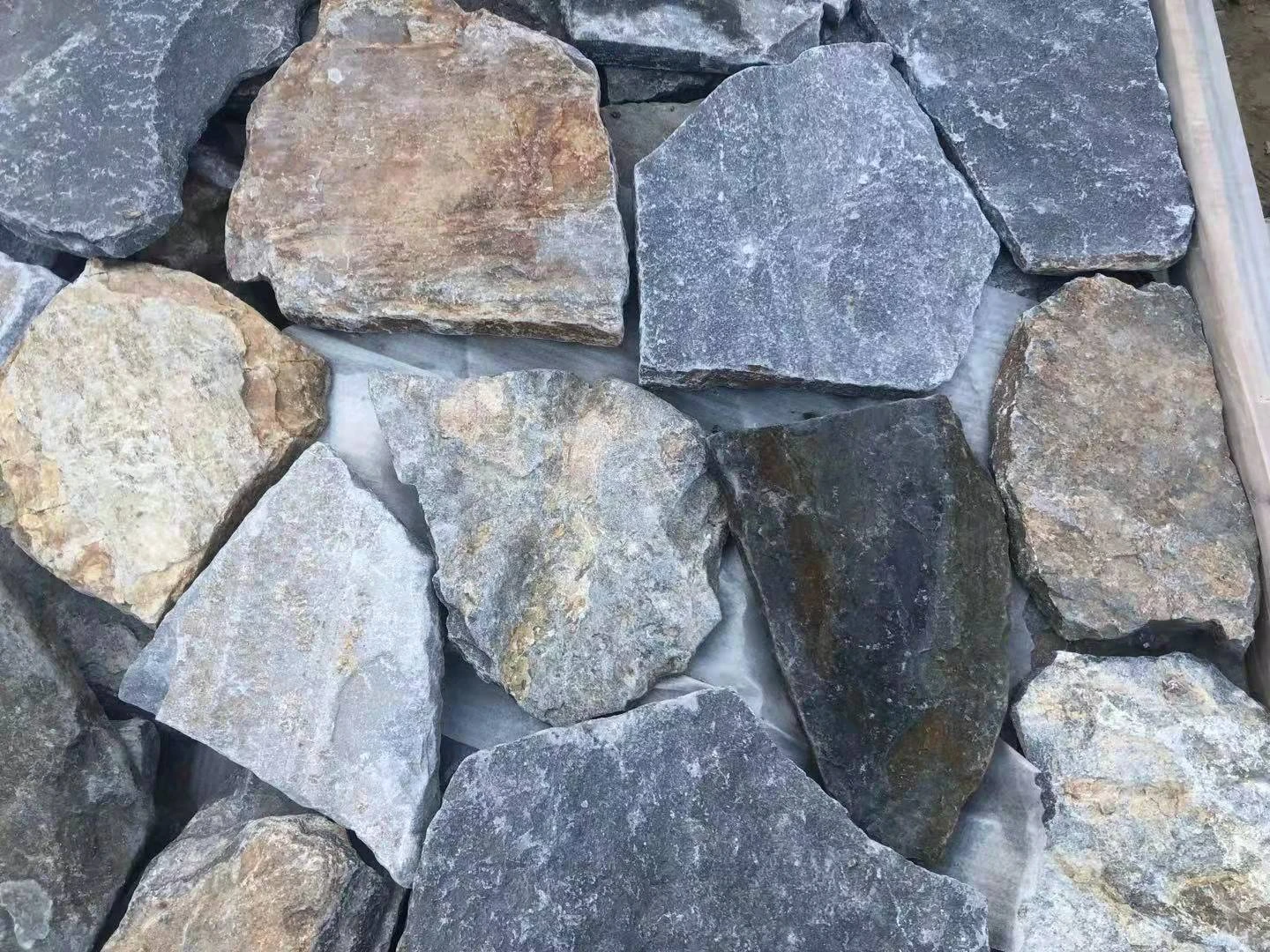
Natural stone materials are formed beneath the earth over millions of years, and often contain a variety of disparate elements. Sometimes iron is present in these materials, which can manifest as bright red and amber hues in the surface of the stone. The problem in an outdoor environment is that those traces of iron can oxidize, a process more commonly known as rusting. This can cause the entire tile to degenerate over time.
There are many aesthetic and practical reasons why natural stone flooring can be a good choice:
There are also some drawbacks to the use of natural stone:
When purchasing natural stone flooring materials it is important to do your research and understand the characteristics of the material you are purchasing. Find out whether it is appropriate for your specific application and how much maintenance it will require. Ask your retailer questions, and thoroughly research the stone before you make a purchase.
 아프리카 사람
  알바니아
알바니아  암하라어
암하라어  아라비아 말
  아르메니아 사람
  아제르바이잔
  바스크 사람
  벨로루시어
벨로루시어  벵골 사람
벵골 사람  보스니아어
보스니아어  불가리아 사람
  카탈로니아 사람
  세부아노어
세부아노어  중국
중국  중국(대만)
  코르시카어
코르시카어  크로아티아어
  체코 사람
체코 사람  덴마크 말
덴마크 말  네덜란드 사람
  영어
영어  에스페란토 말
  에스토니아 사람
  핀란드어
핀란드어  프랑스 국민
  프리지아어
프리지아어  갈리시아어
갈리시아어  그루지야 사람
  독일 사람
독일 사람  그리스 어
그리스 어  구자라트어
구자라트어  아이티 크리올어
  하우사
하우사  하와이 사람
  헤브라이 사람
  아니요
아니요  먀오족
먀오족  헝가리 인
헝가리 인  아이슬란드어
  이보
이보  인도네시아 인
  아일랜드의
아일랜드의  이탈리아 사람
  일본어
일본어  자바어
자바어  칸나다어
칸나다어  카자흐어
카자흐어  크메르어
크메르어  르완다
르완다  한국인
한국인  쿠르드어
쿠르드어  키르기스어
키르기스어  결핵
결핵  라틴어
라틴어  라트비아 사람
  리투아니아 사람
  룩셈부르크어
  마케도니아 어
  말가시
말가시  말레이 사람
  말라얄람어
말라얄람어  몰티즈
몰티즈  마오리족
마오리족  마라티어
마라티어  몽고 어
몽고 어  미얀마
미얀마  네팔어
네팔어  노르웨이 인
  노르웨이 인
  옥시탄
옥시탄  파슈토어
파슈토어  페르시아 인
  광택
광택  포르투갈 인
  펀자브어
펀자브어  루마니아 사람
  러시아인
러시아인  사모아어
사모아어  스코틀랜드 게일어
  세르비아 사람
  영어
영어  쇼나
쇼나  신디어
신디어  신할라어
신할라어  슬로바키아 사람
  슬로베니아
슬로베니아  소말리아어
소말리아어  스페인의
스페인의  순다어
순다어  스와힐리어
스와힐리어  스웨덴어
스웨덴어  타갈로그어
타갈로그어  타직어
타직어  타밀 사람
타밀 사람  타타르어
타타르어  텔루구어
텔루구어  태국어
태국어  터키어
터키어  투르크멘 말
  우크라이나 인
  우르두어
우르두어  위구르어
위구르어  우즈벡어
우즈벡어  베트남어
베트남어  웨일스 말
웨일스 말