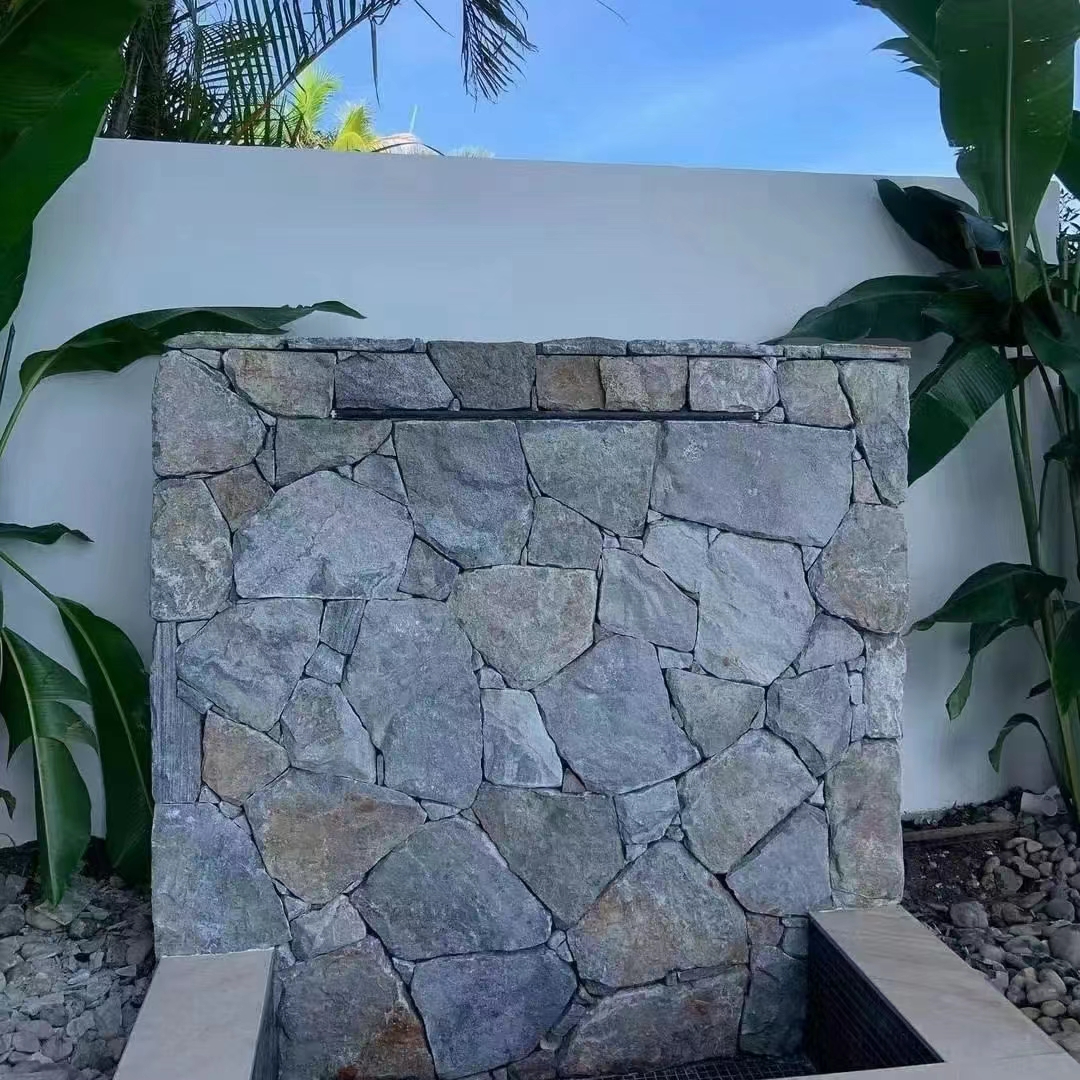
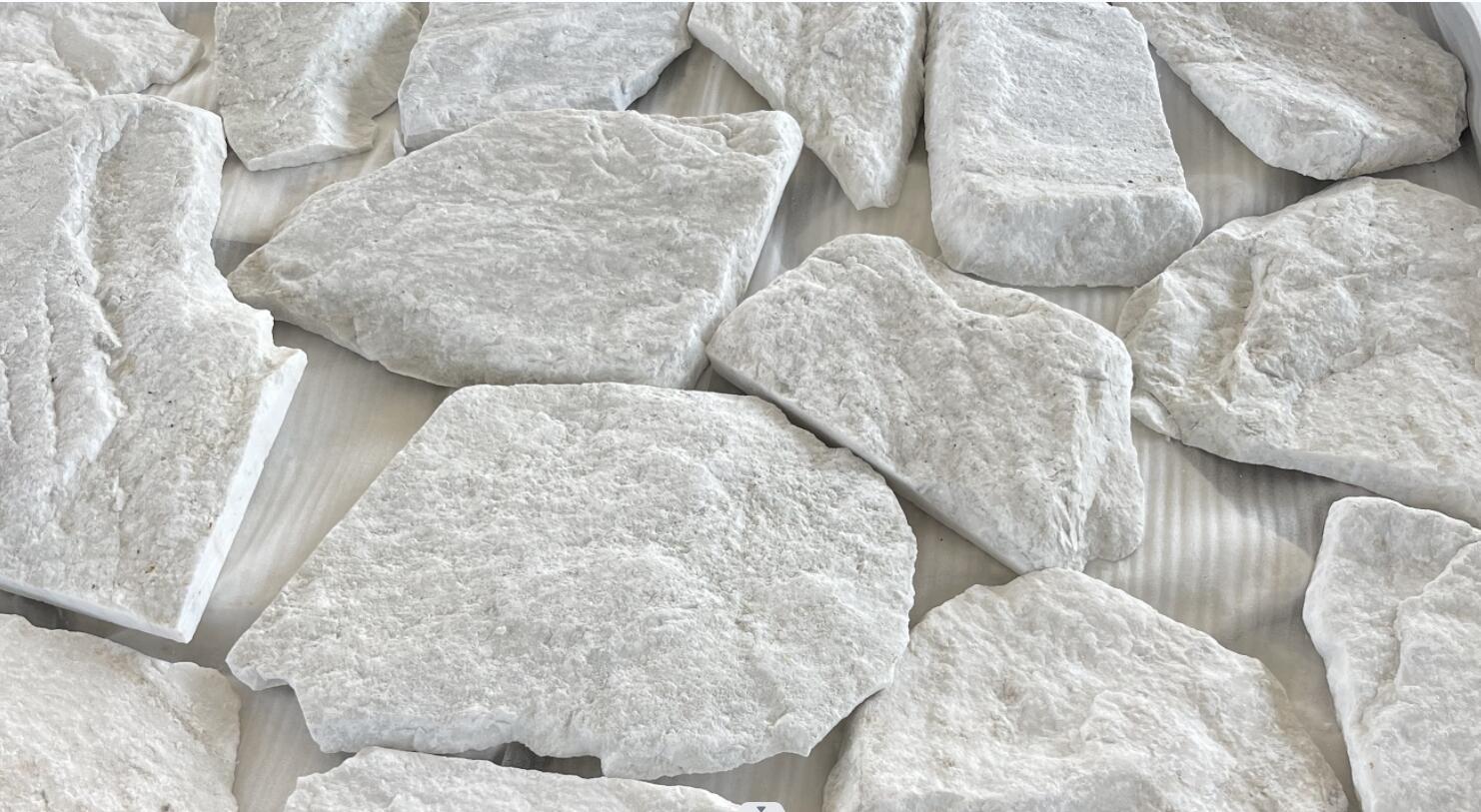
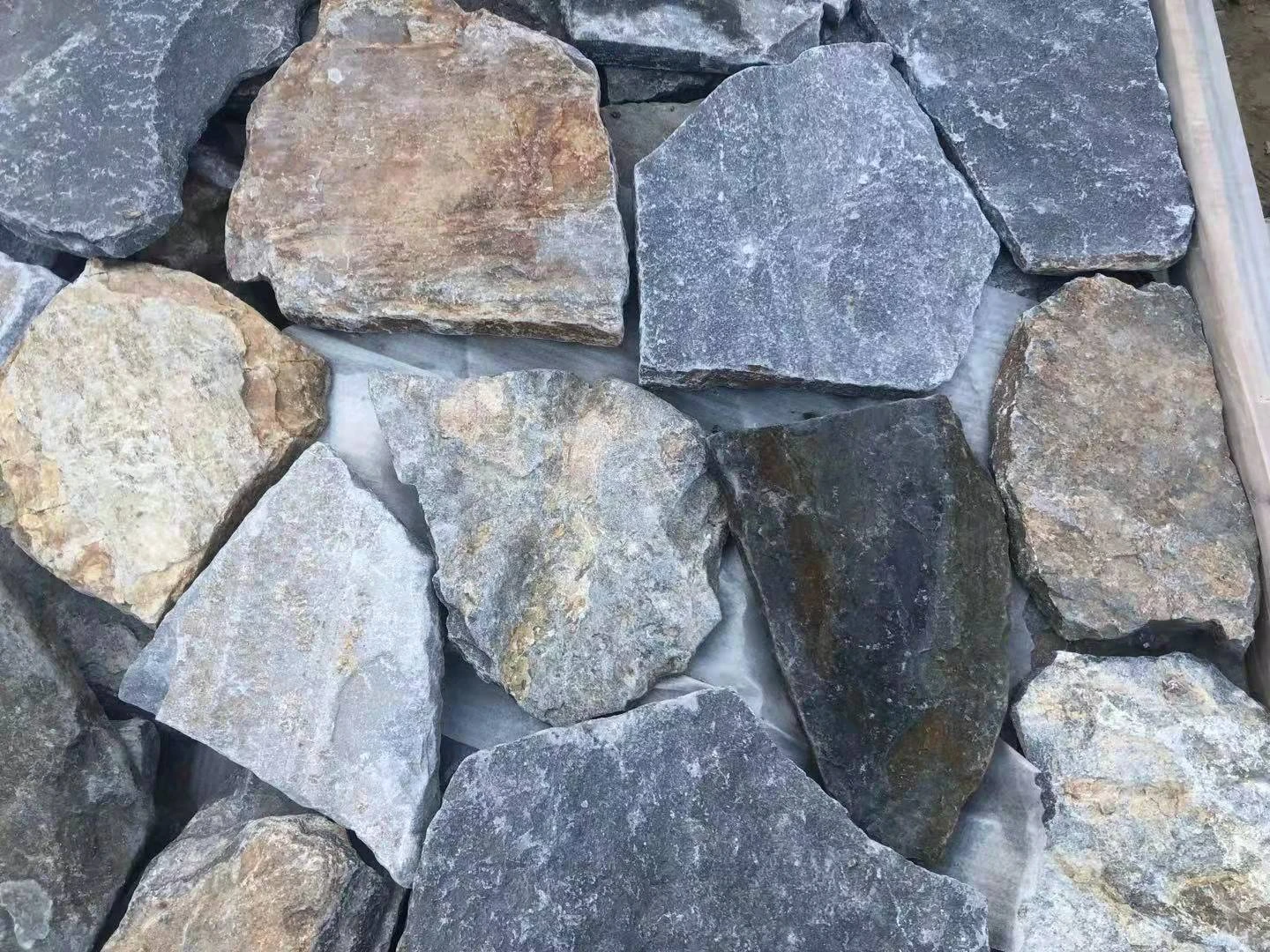
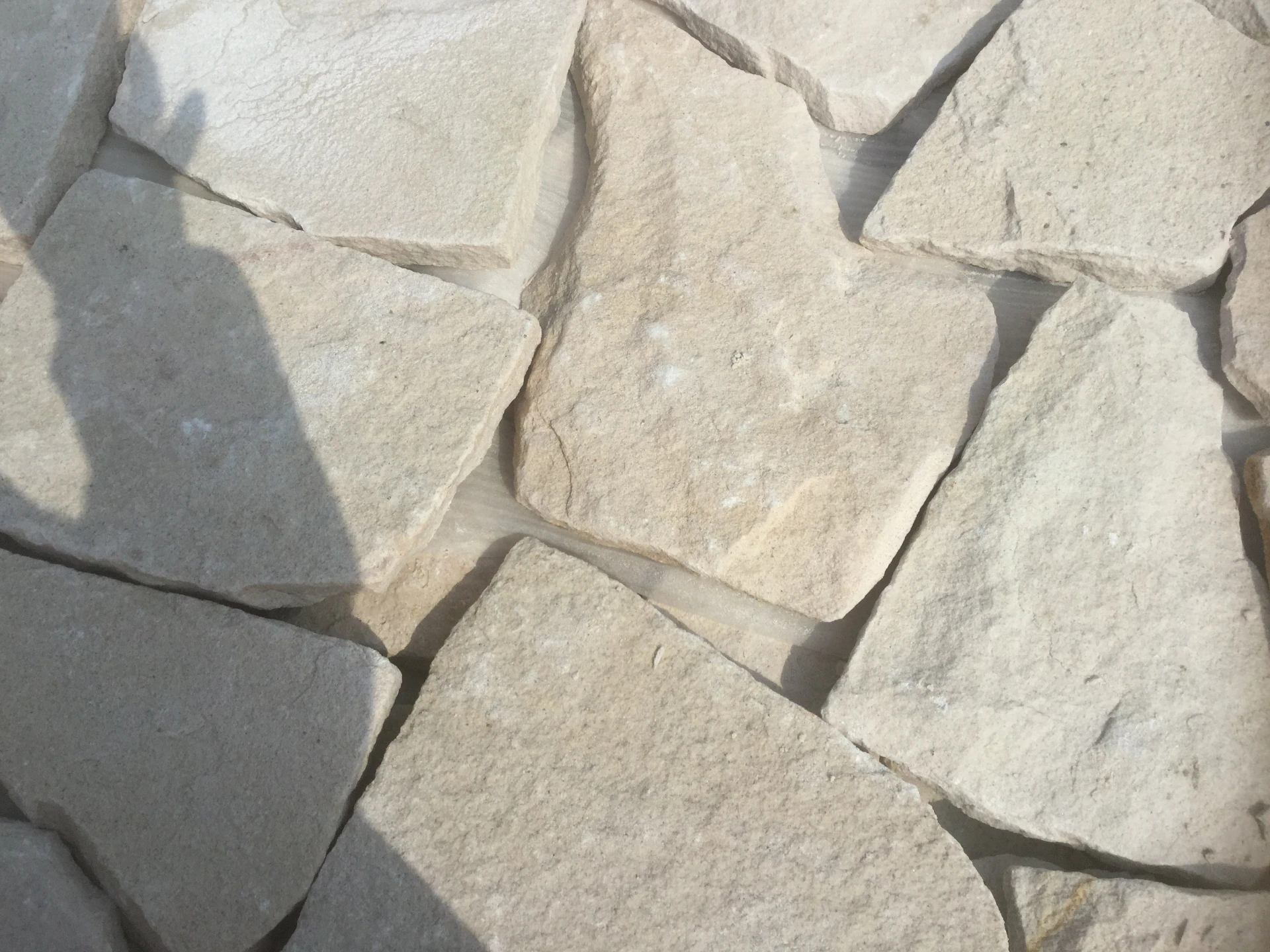
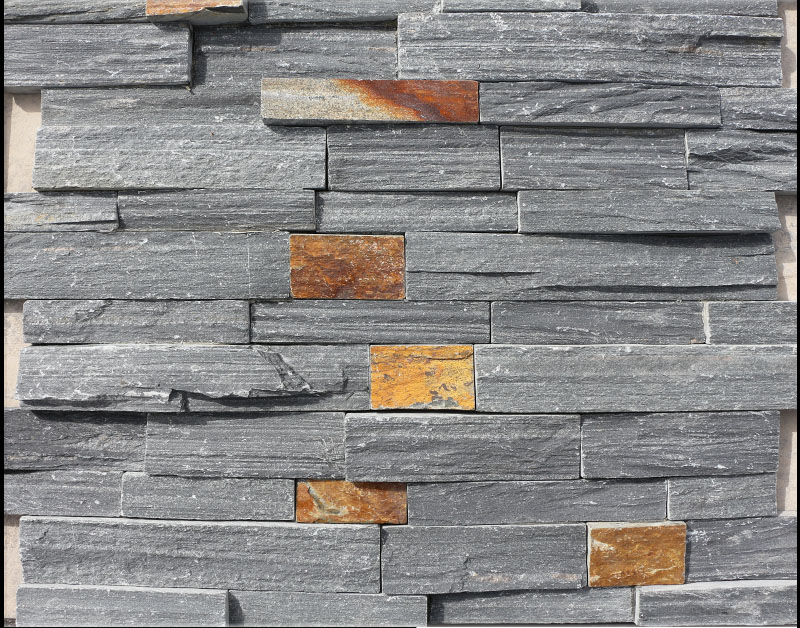
Industry sales of stacked stone panels have been rising steadily each year for the last five years. While we cut and split individual natural thin stone from New England – all day every day – we see customers from every region of the country choosing stacked stone panels. Here are the pros and cons of these panels.
PRO: Stones are cut, fit, and glued together into an interlocking panel with no mesh backing. This significantly reduces onsite cutting and allows for a much quicker install.
CON: The panels still have to be handled carefully during installation to avoid breakage.

PRO: The panels fit together without modification. The seams are offset and disappear when you stagger the panels by 1/3 of their length.
CON: If you don’t stagger the panels, you will see a stepped stairway seam.
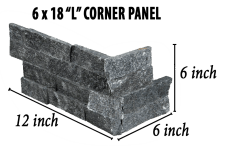
PRO: Panels have matching corners that interlock perfectly with one short, and one long side. This allows for weaving back and forth to stagger the joints.
CON: to shorten a corner, you’ll need to make stepped cuts using a wet saw. The same applies to flat panels.
PRO: Panels install much faster than individual stones. A stonemason can install 100 square feet a day.
CON: For larger vertical walls it is best to install three vertical feet, then let the mortar adhere for 24 hours prior to installing the next section above it.
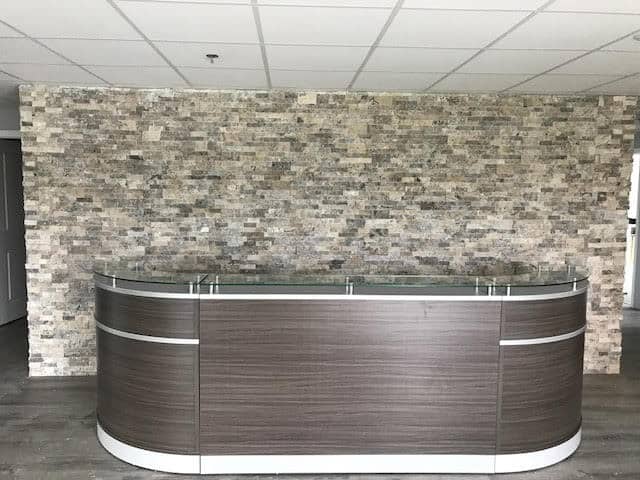
PRO: You don’t have to worry about selecting individual stones.
CON: You can’t create a custom mix of stones or colors but there are plenty of beautiful colors to choose.
 Afrika
  bahasa Albania
  Amharic
  bahasa arab
  bahasa Armenia
  Azerbaijan
  Basque
  Belarusia
  Benggali
  Bosnia
  bahasa Bulgaria
  Catalan
  Cebuano
  China
China  China (Taiwan)
  Korsika
  bahasa Croatia
  bahasa Czech
  Danish
  Belanda
  Inggeris
  Esperanto
  bahasa Estonia
  bahasa Finland
  Perancis
  Frisian
  Galicia
  Georgian
  Jerman
  bahasa Yunani
  Gujerat
  Kreol Haiti
  hausa
hausa  hawaii
  bahasa Ibrani
  Tidak
Tidak  Miao
Miao  bahasa Hungary
  bahasa Iceland
  igbo
igbo  Indonesia
  irish
irish  Itali
Itali  Jepun
Jepun  bahasa jawa
  Kannada
  kazakh
  Khmer
Khmer  Rwanda
  Korea
Korea  Kurdish
  Kyrgyz
  TB
TB  bahasa Latin
  bahasa Latvia
  bahasa Lithuania
  Luxembourgish
  Macedonia
  Malgashi
  Melayu
  Malayalam
  bahasa Malta
  Maori
Maori  Marathi
  Mongolia
  Myanmar
  Nepal
Nepal  bahasa Norway
  bahasa Norway
  Occitan
  Pashto
  Parsi
Parsi  Poland
  Portugis
  Punjabi
  bahasa Romania
  bahasa Rusia
  bahasa Samoa
  Gaelik Scotland
  bahasa Serbia
  Inggeris
  Shona
Shona  Sindhi
  Sinhala
  Bahasa Slovak
  Bahasa Slovenia
  Somalia
  bahasa Sepanyol
  bahasa sunda
  bahasa Swahili
  bahasa Sweden
  bahasa Tagalog
  bahasa Tajik
  bahasa Tamil
  Tatar
Tatar  Telugu
  Thai
Thai  bahasa Turki
  orang Turkmen
  Ukraine
  bahasa Urdu
  Uighur
  Uzbek
Uzbek  bahasa Vietnam
  bahasa Wales