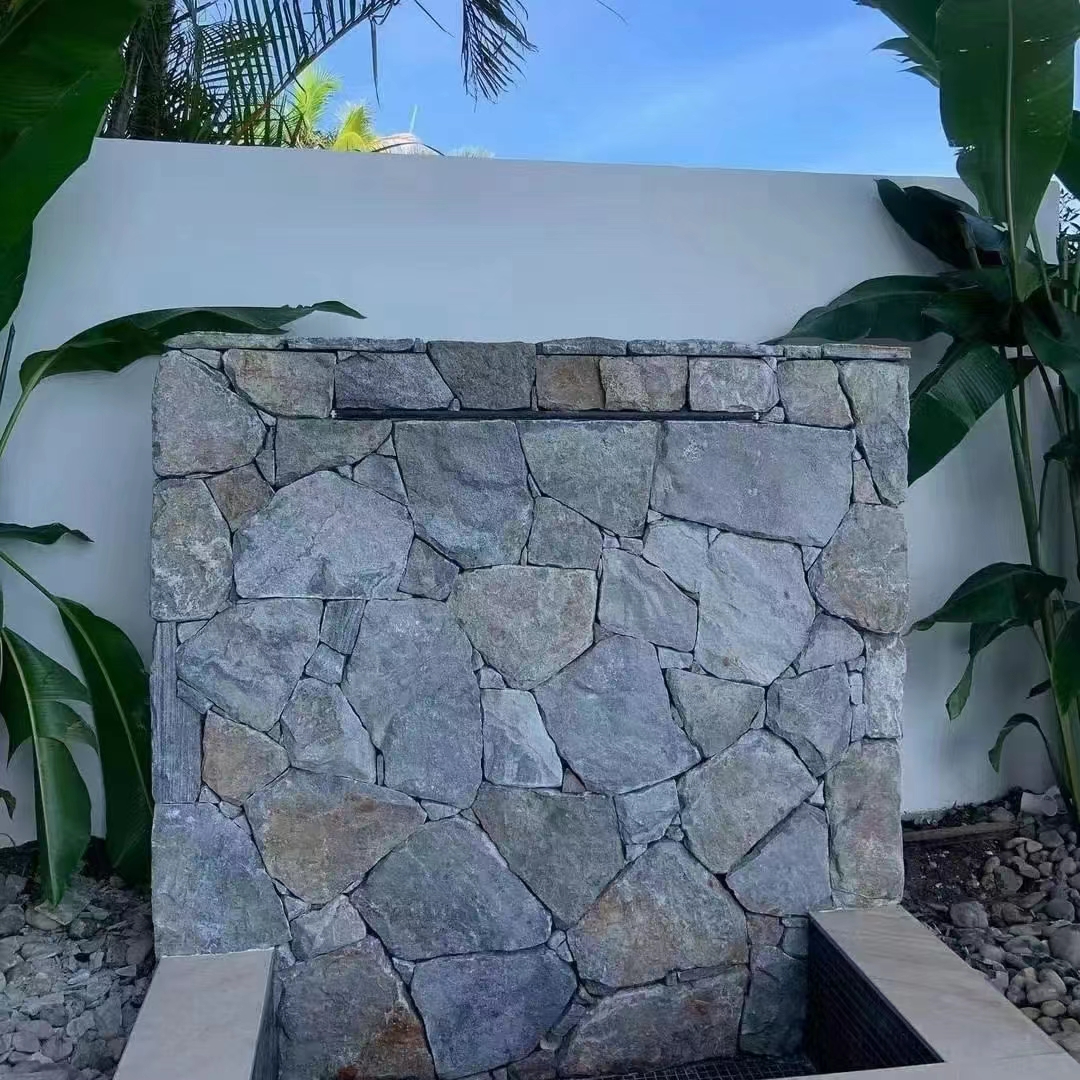
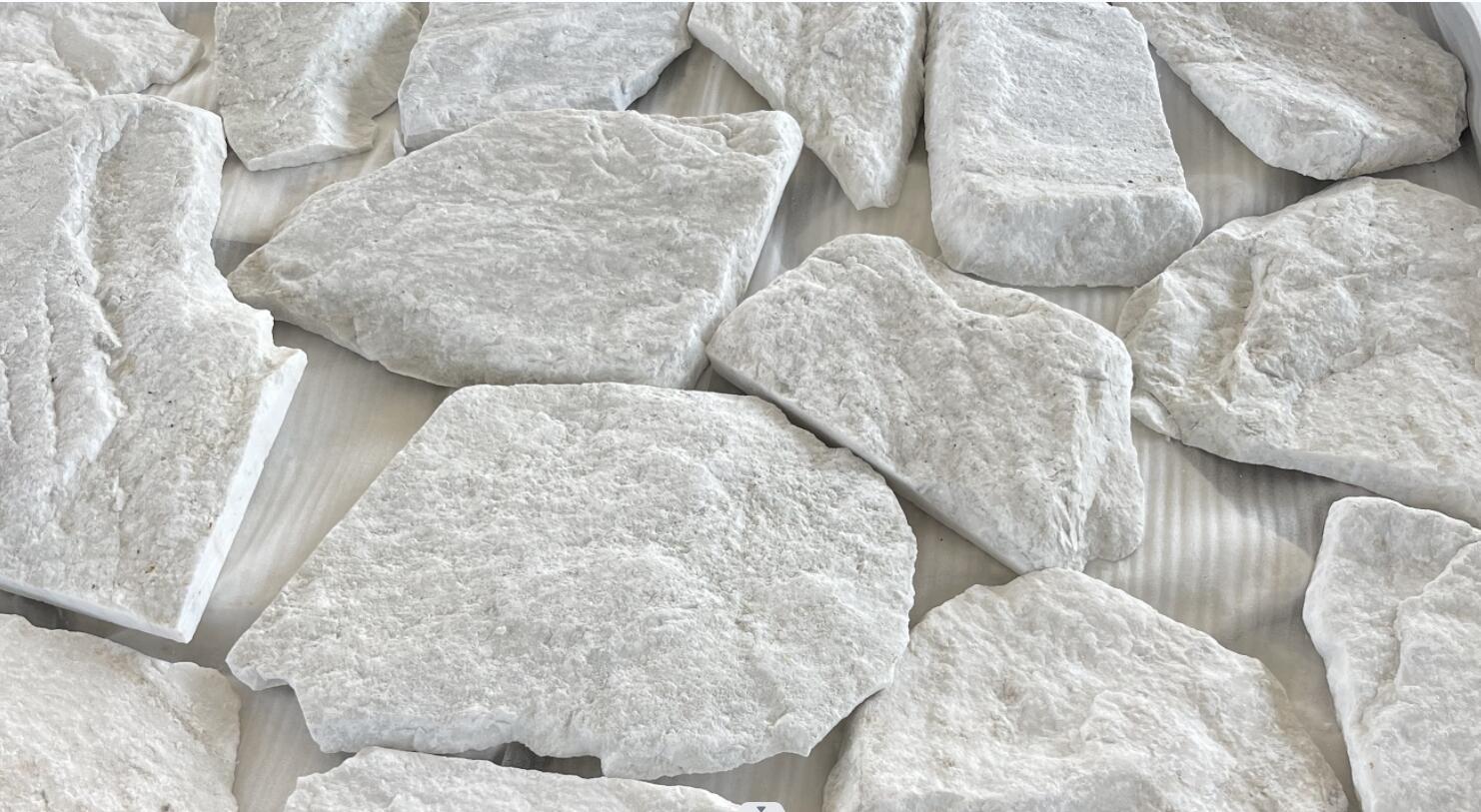
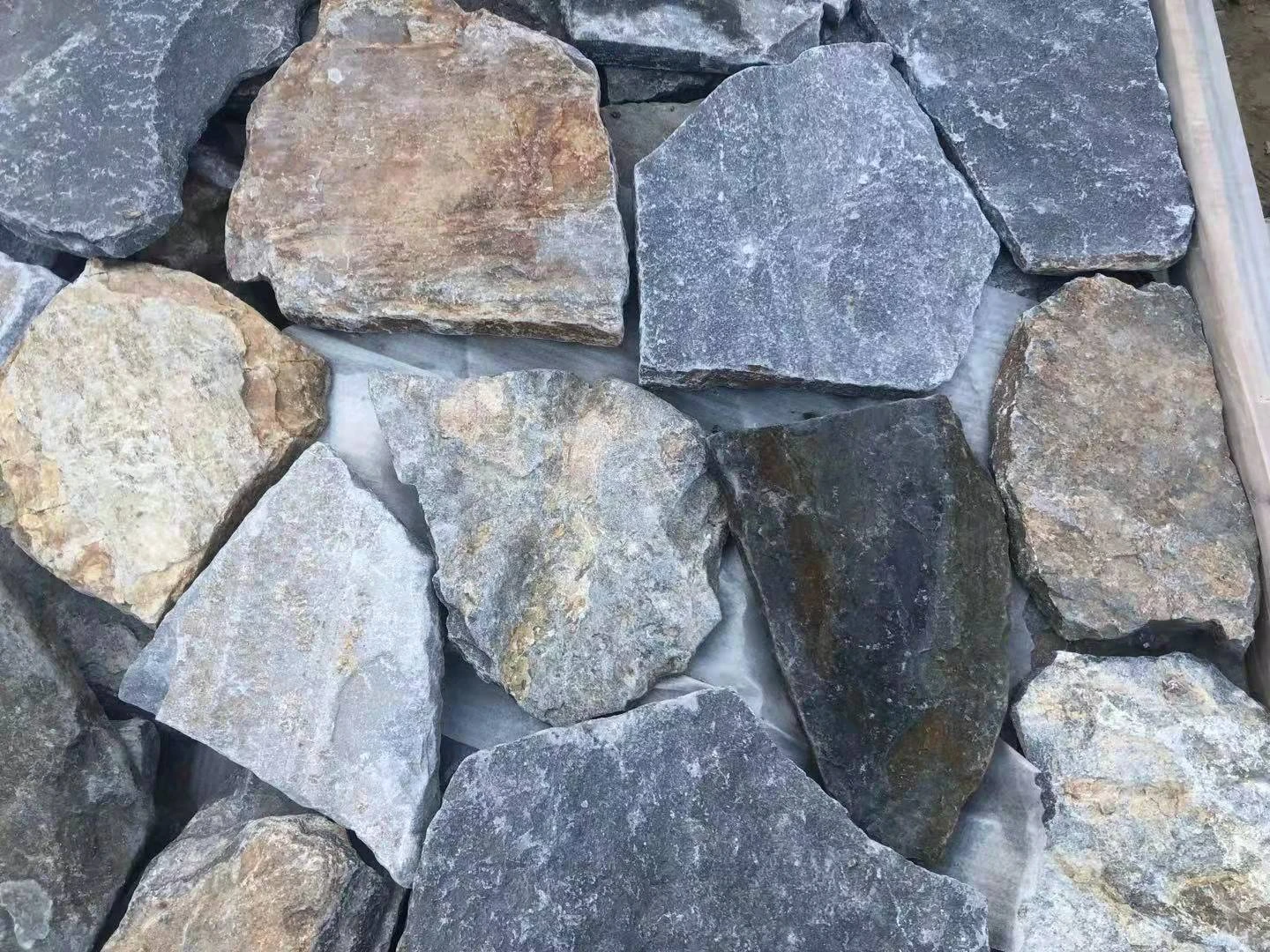
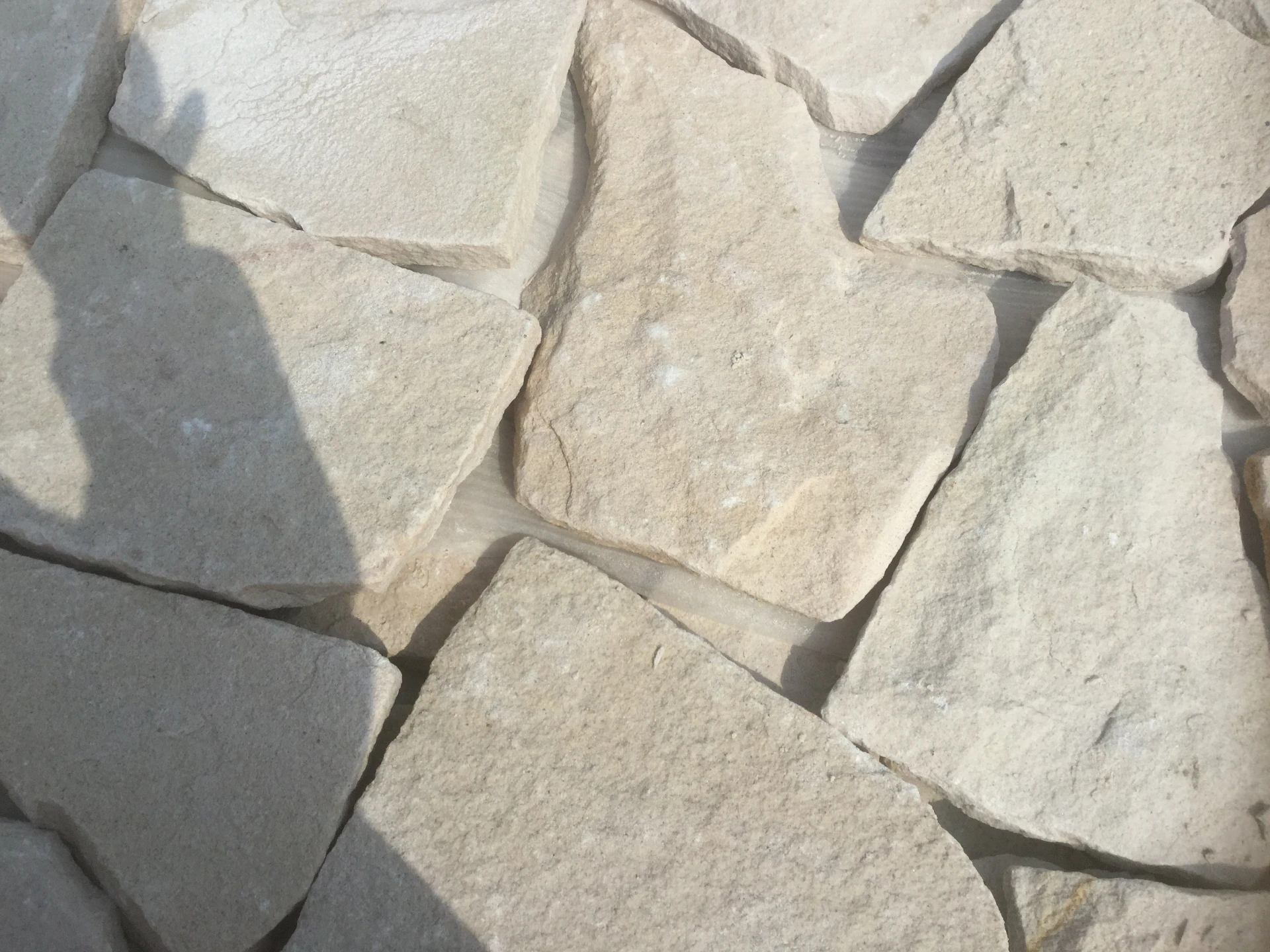
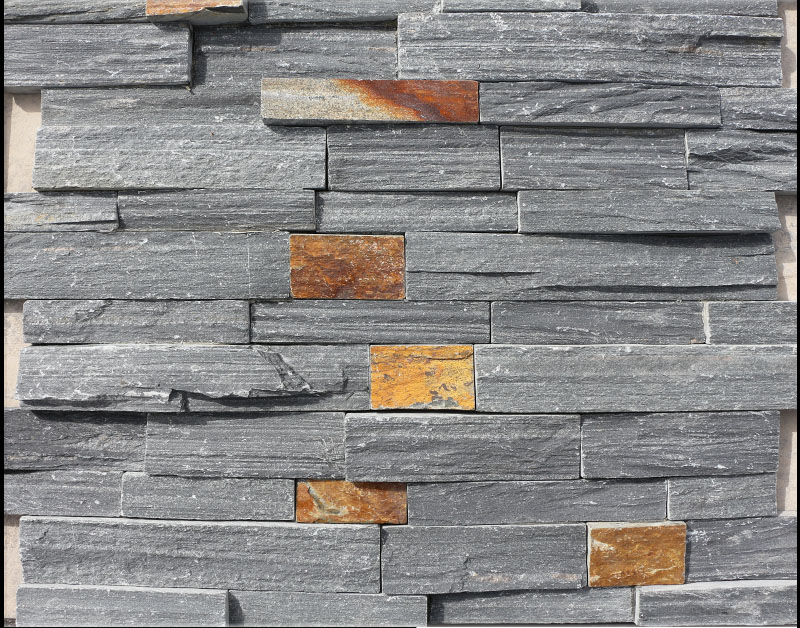
Industry sales of stacked stone panels have been rising steadily each year for the last five years. While we cut and split individual natural thin stone from New England – all day every day – we see customers from every region of the country choosing stacked stone panels. Here are the pros and cons of these panels.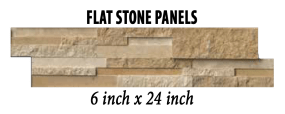
PRO: Stones are cut, fit, and glued together into an interlocking panel with no mesh backing. This significantly reduces onsite cutting and allows for a much quicker install.
CON: The panels still have to be handled carefully during installation to avoid breakage.

PRO: The panels fit together without modification. The seams are offset and disappear when you stagger the panels by 1/3 of their length.
CON: If you don’t stagger the panels, you will see a stepped stairway seam.
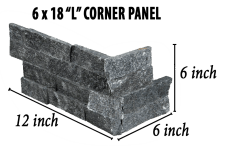
PRO: Panels have matching corners that interlock perfectly with one short, and one long side. This allows for weaving back and forth to stagger the joints.
CON: to shorten a corner, you’ll need to make stepped cuts using a wet saw. The same applies to flat panels.
PRO: Panels install much faster than individual stones. A stonemason can install 100 square feet a day.
CON: For larger vertical walls it is best to install three vertical feet, then let the mortar adhere for 24 hours prior to installing the next section above it.
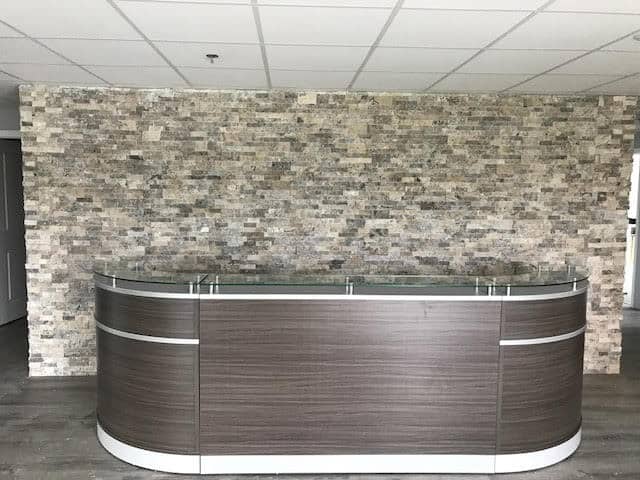
PRO: You don’t have to worry about selecting individual stones.
CON: You can’t create a custom mix of stones or colors but there are plenty of beautiful colors to choose.
 آفريڪي
  الباني
  امهاري
  عربي
عربي  آرمينيائي
  آذربائيجاني
  بسڪاني
  بيلاروسي
  بنگالي
  بوسنيائي
  بلغاريائي
  قيطلوني
  سيبوانو
  چين
چين  چين (تائيوان)
  ڪارسيڪائي
  ڪروشيائي
  چيڪ ٻولي
  ڊينش ٻولي
  ڊچ ٻولي
  انگريزي
  ايسپرانتو
  ايستونائي
  فني
فني  فرانسي
  فريسين
  گاليشين ٻولي
  جيارجي
  جرمني
جرمني  يوناني
  گجراتي
  هيٽي ڪرولي
  هوسا ٻولي
  هوائين
  عبراني
  نه
نه  مائو
مائو  هنگري
هنگري  آئس لينڊي
  igbo
igbo  انڊونيشي
  آئرستاني
  اطالوي
  جاپاني
  جاواني
  ڪنادي
ڪنادي  قازق
قازق  خمير
خمير  روانڊان
  ڪورين
ڪورين  ڪردي
ڪردي  ڪرغيز
ڪرغيز  ٽي بي
ٽي بي  لاطيني
  لاتوين ٻولي
  ليٿونيائي
  لڪسمبرگي
  مقدوني
  ملگاشي
  مالائي
  مالايالم
  مالٽي
مالٽي  مائوري
  مراٺي
مراٺي  منگولي
  میانمار
  نيپالي
  نارويجي
  نارويجي
  آڪسيٽن
  پشتو
پشتو  فارسي
فارسي  پالش
پالش  پرتگالي
  پنجابي
  رومانوي
  روسي
روسي  سامونڊي
  اسڪاٽش گيلڪ
  سربيائي
  انگريزي
  شونا
شونا  سنڌي
سنڌي  سنڌي
سنڌي  سلوويڪي
  سلوويني
  صومالي
  اندلسي
  سنڊاني
  سواهلي
  سويڊني
  تگلگ ٻولي
  تاجڪ
تاجڪ  تاملي
تاملي  تاتاري
  تيلوگو ٻولي
  ٿائي ٻولي
  ترڪي
ترڪي  ترڪماني
  يوڪريني
  اردو
اردو  اويغور
  ازبڪ
ازبڪ  ويٽنامي
  ويلش
ويلش