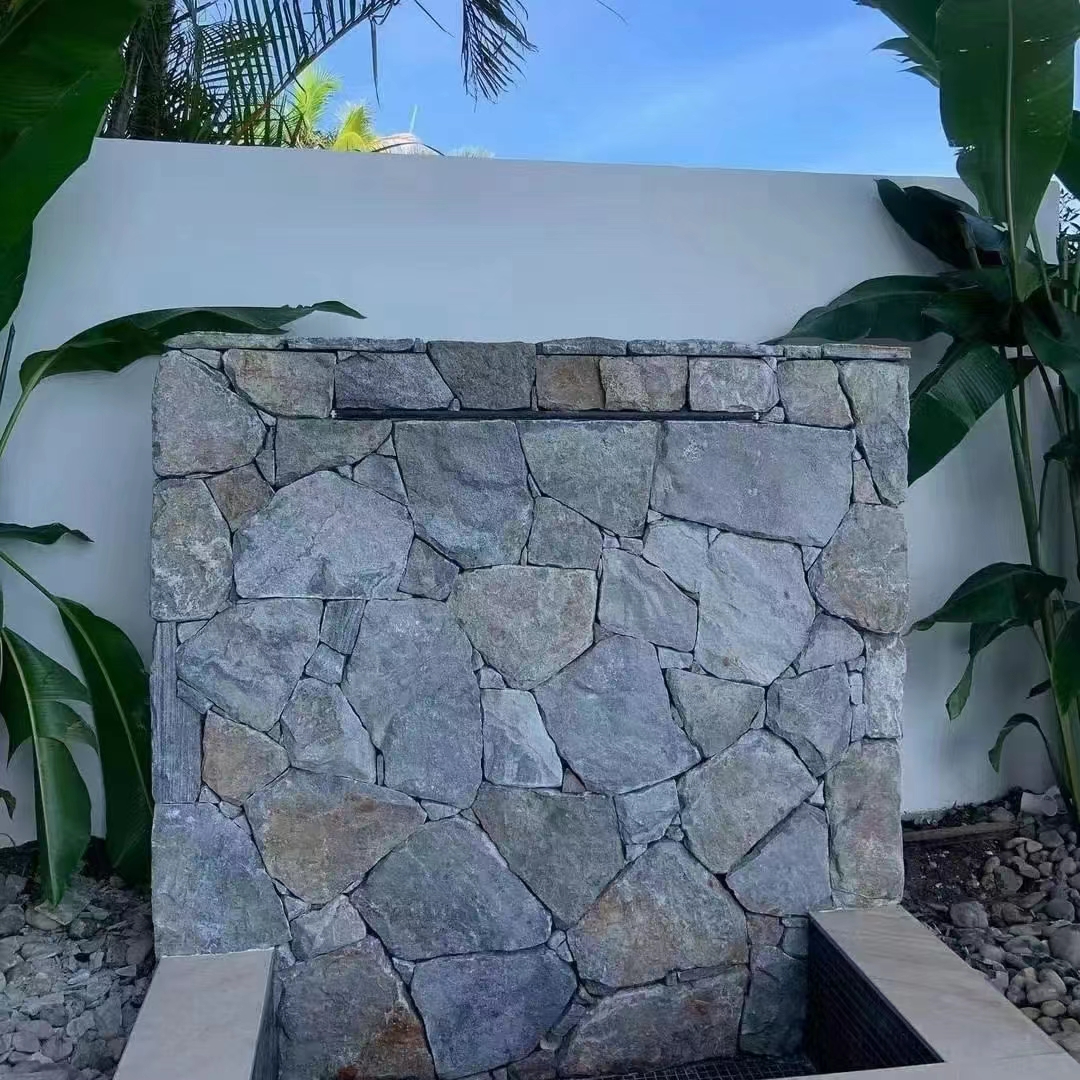
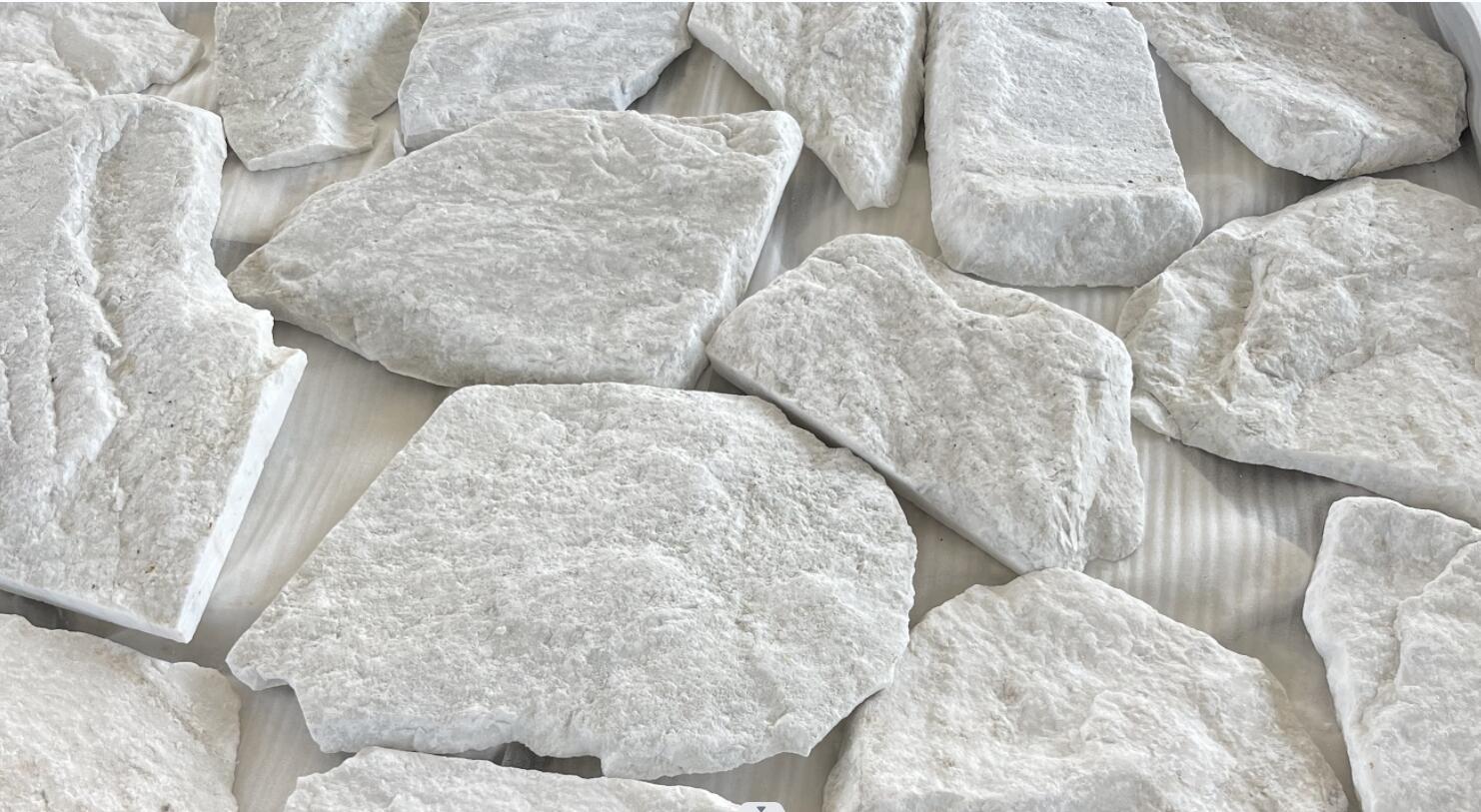
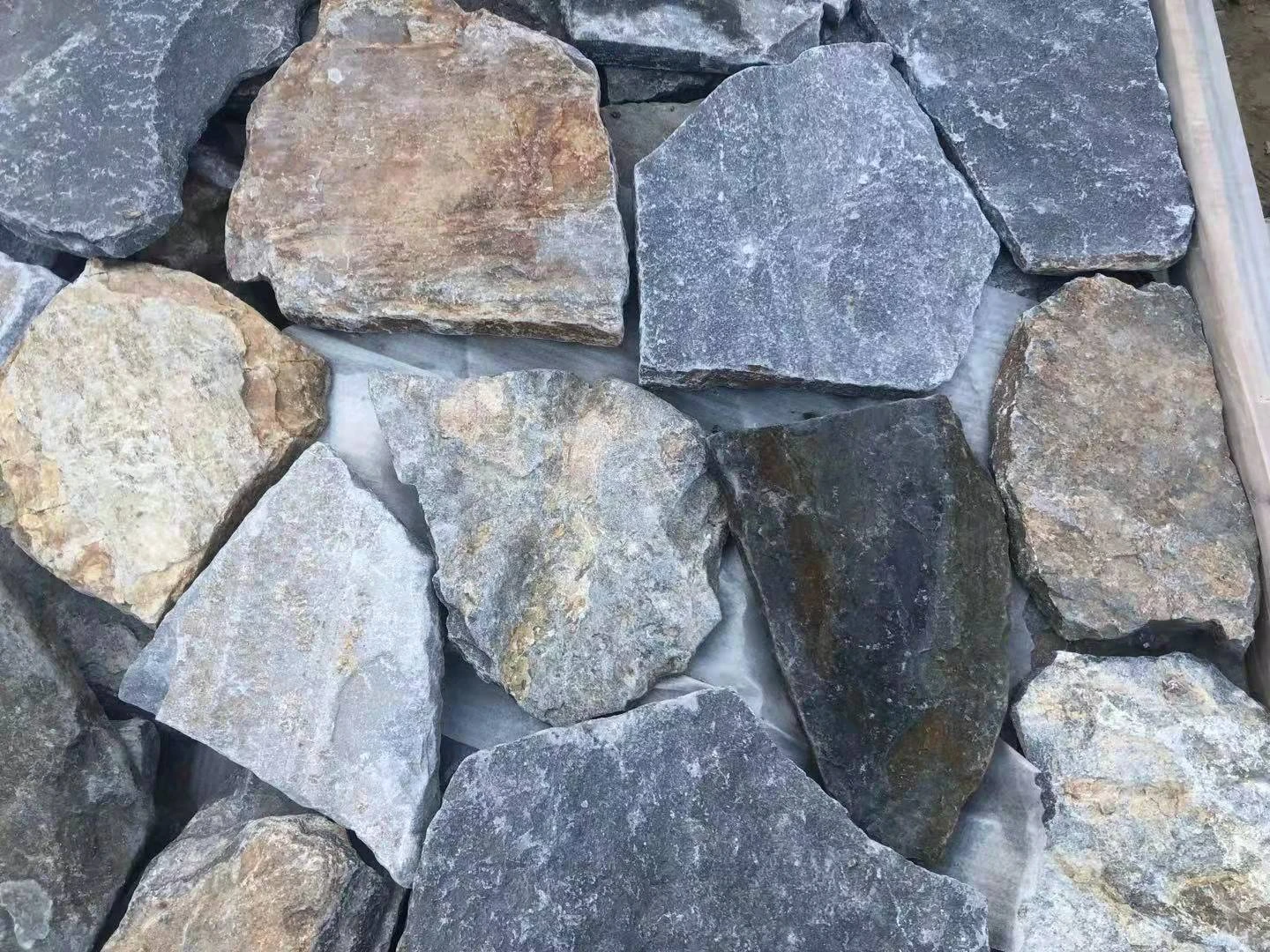
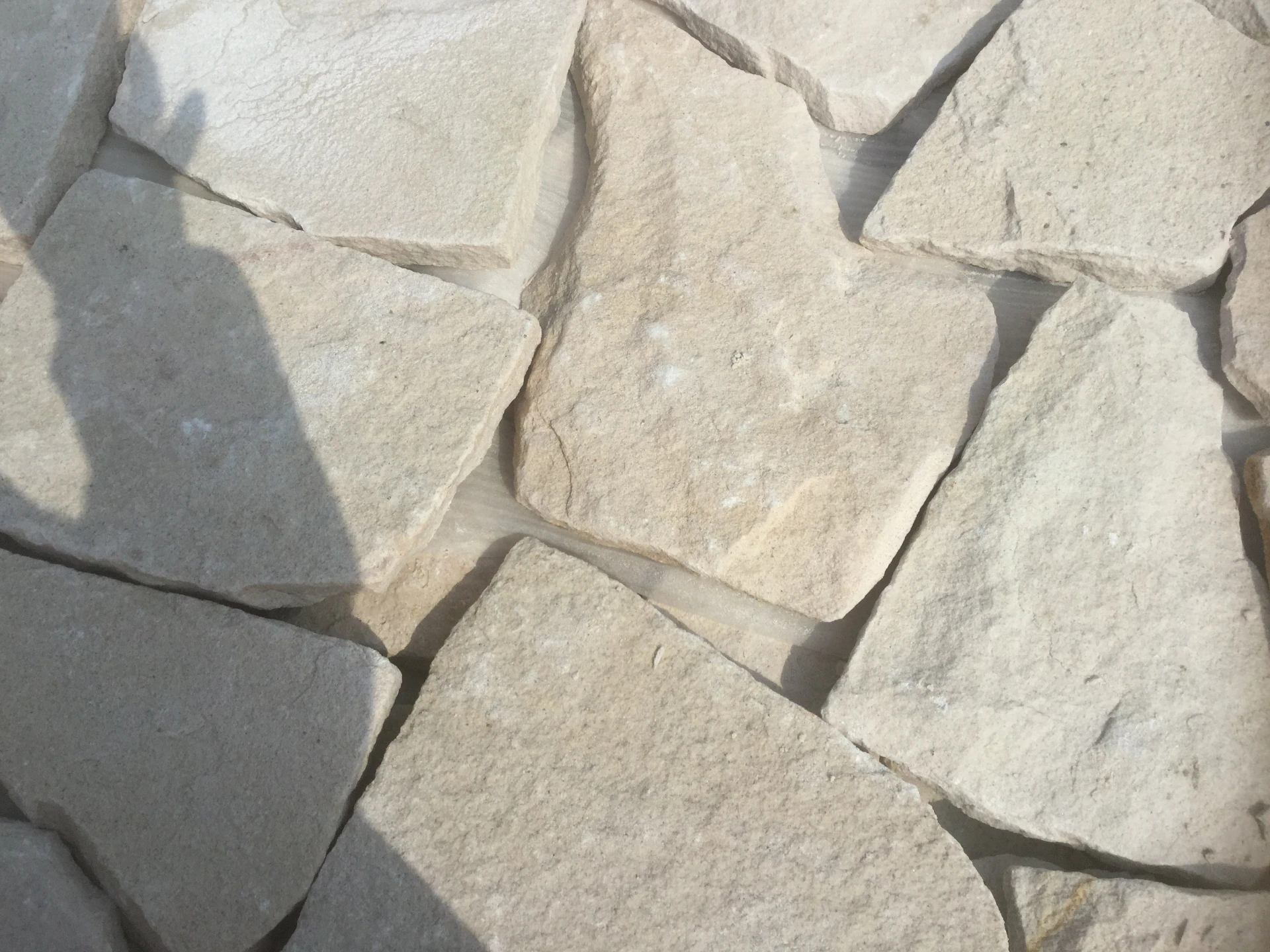
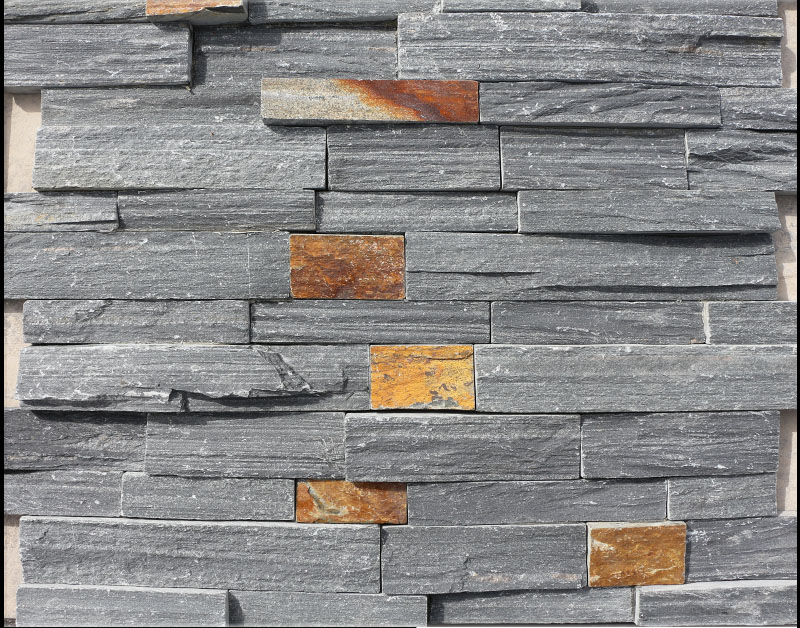
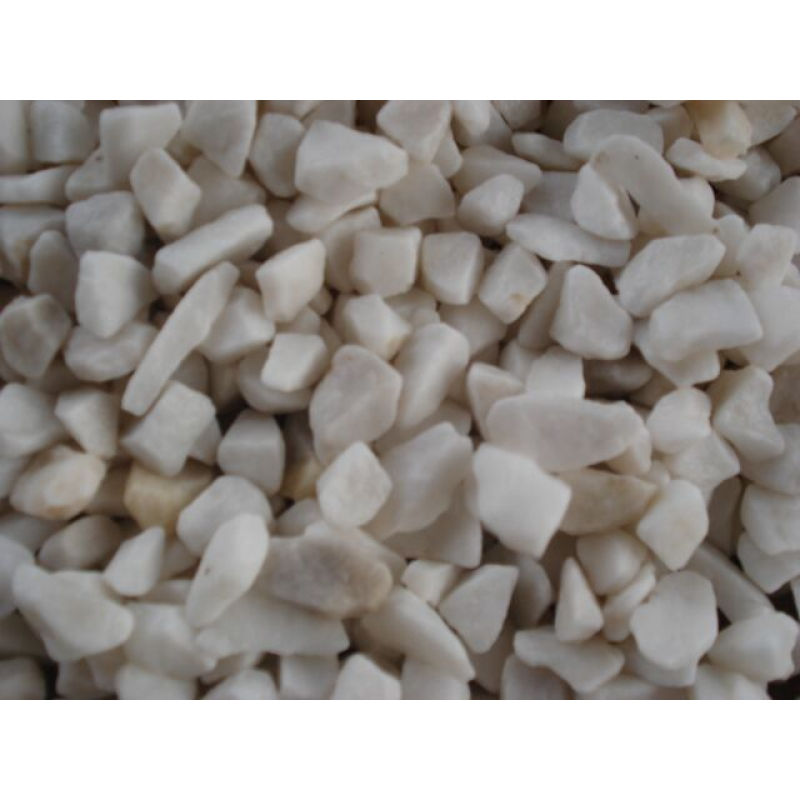
Ubwoko butandukanye bwamabuye azakorera mubyumba byinshi, waba ufite inzu igezweho cyangwa inzu igezweho. Amabati asanzwe yamabati mugikoni mubyukuri nimwe mubigaragara cyane. Mugihe bakora amahitamo meza yubwiherero na koridoro nayo. Kandi, ntabwo bigaragara gusa bituma amabuye karemano ahitamo neza.
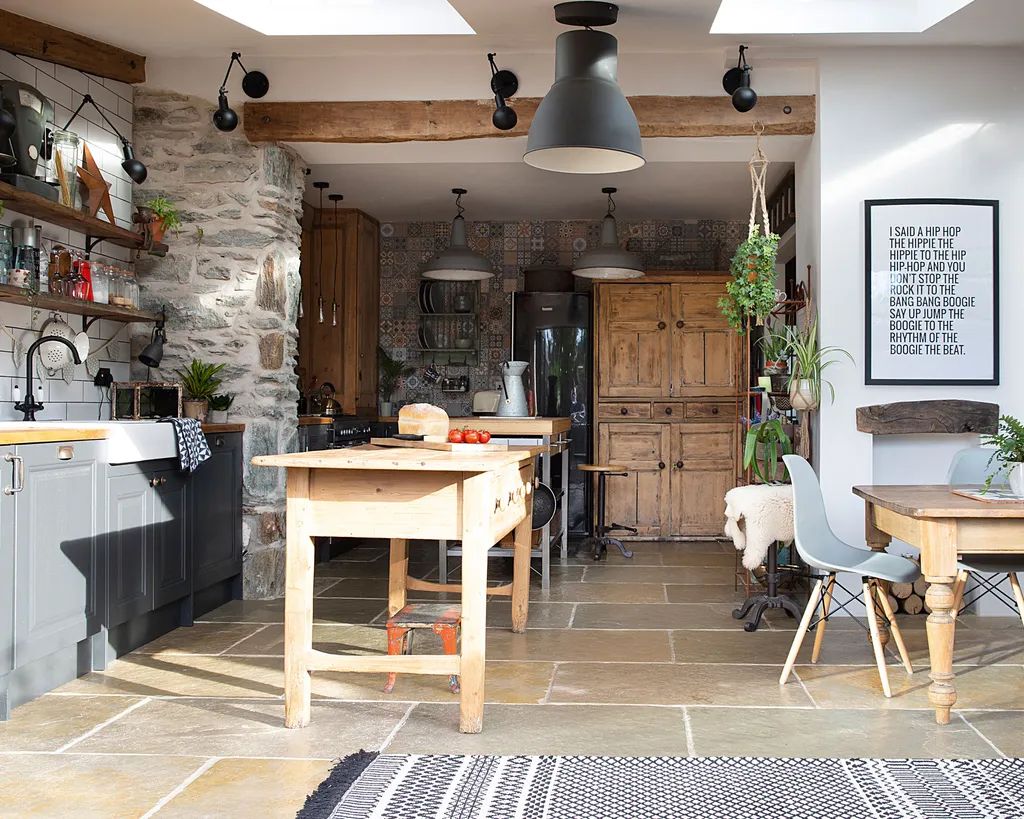
From the palest marble and limestone to the darkest slate and granite, the design possibilities of stone flooring are vast and many are very durable, making them one of the best types of flooring materials to choose if you want to add value and character to your property.
Impamvu ushobora kwizera Amazu nyayo Our expert reviewers spend hours testing and comparing products and services so you can choose the best for you. Find out more about how we test.
Igorofa yamabuye asanzwe akoreshwa mugikoni azatanga imiterere nuburyo bukora. Kuramba, kuramba, granite ni amahitamo azwi cyane akoreshwa kuri konttops nayo mugihe hekeste izatanga umususuruko ushyushye kandi ntizigera ishira byoroshye. Byiza niba umwanya wawe wigikoni ubonye ibirenge byinshi.

Prices vary enormously and will depend on the grade and quality of the stone. But, this is usually one of the downsides to natural stone flooring as prices compared to other types of floor tiles are elevated. Most stone is newly quarried but reclaimed slabs are available, which, although considered more environmentally friendly, are usually more expensive. Expect to pay upwards of £30 per m² from a high-street or national retailer and up to and over £500 per m² for high-grade or rarer stones.
Muri Amerika urashobora kwitega kwishyura ikintu cyose kuva $ 8 kugeza $ 18 mugushiraho gusa. Hamwe nibindi bishushanyo bidasanzwe bigura byinshi.
Stone floors are widely considered to add value to a property, but choose wisely as once laid you won’t want to change them for years. The most durable option is granite while many would say that marble is the most popular (albeit expensive) option.

Kuboneka muburyo butandukanye bwamabara, akenshi hamwe namabuye y'agaciro cyangwa granite yoroheje ya granite ni ihitamo ryoroshye rishobora guhuzwa nuburyo bwinshi bwo munzu. Kandi nkuko biramba cyane bizakorera ahantu nyabagendwa nka koridoro nayo. Iza muburyo butandukanye, ariko nuburyo busize bwerekana neza amabara nibishusho. Urutonde rwamabara kuva mubururu nubururu bwijimye kugeza kumururu nicyatsi cya elayo, kandi akenshi harimo ibimenyetso byumutuku.
Granite floor tiles typically cost from £30 per m²/ $4/sq. ft. ($4 /case)for basic and uniform, black small format tiles. Expect to pay, on average, between £50-£70 per m²/ $14 for larger format tiles, that have a more interesting and colorful finish. The limitless variations of granite flooring colors and textures means that it is hard to put a price on some of the rare examples available. It is very possible to spend in excess of £150 per m²/$200 /sq.ft to find the perfect patterning for your floor.

Byoroshye kwigabanyamo ubunini butandukanye kandi buraboneka hamwe no kurangiza neza, plate ikora neza ahantu hatose nkubwiherero nigikoni (bitewe ninde uteka!).
Slate sits at the cheaper end of the spectrum, costing as little as £10 per m²/$3.49/sq. ft. ($34.89 /case) from a high street or online supplier, up to £50 per m²/$11.00/sq. ft. for interesting colors and textures from specialist suppliers.

Gutangira ubuzima bwarwo nk'urutare, mubihe bimwe na bimwe ibice byacyo birahinduka kugirango bikore imitsi isanzwe ya marble. Muburyo bwayo bwera, irashobora kuboneka muburyo butandukanye bwibicucu, kuva kumyenda itandukanye kugeza icyatsi n'umukara.
Marble floors come in at a similar price to granite, with an equal number of variations in color and texture on the market. It's as great in a kitchen as it is in a bathroom. Expect to pay from £50 per m²/$10.99/sq. ft for the most basic tile, to as much as £150 or £200 per m/$77.42/sq. ft. ($232.25 /case)² for decorative tiles or tiles with specialist color-ways and finishes.

Occurring in many tones, from nearly white to the more common warm honey, as well as rarer greys and dark browns Limestone is often a rustic. Textures range from even-grained stones through to smoother types with fossils and coarser, open-textured varieties. Some can be polished to resemble marble. It can scratch easily as it's quite soft so be careful in kitchens. However, as it's resistant to mold and bacteria, it works really well as a bathroom flooring option.
There is a lot of variation in the price of limestone tiles. The cheapest you will come across are around £30 per m² for a basic option, the average price is between £50 – £80 per m²/ $2-$11 per sq. ft, but much like granite and marble, you can end up spending up to £200 per m²/($200.00 /case)².

Travertine ifite ubuso bunini hamwe nu mwobo muto uyiha sponge isa; urwego rwo hejuru, premium travertine ifite ibyobo bike bifite ibara ryinshi. Irashobora guturuka yiteguye-yuzuye kubatanga isoko; bitabaye ibyo bizakenera kuzuzwa muburyo. Iyo ushyizwemo neza, travertine nimwe mumabuye aramba yubwiherero no kwiyuhagira.
The cheapest travertine options are very affordable, starting from around £15 to £30 per m²/$468/case and giving a similar effect to limestone. The most you will look at spending on travertine tiles is around £70 per m²/ $50.30/sq. ft, $133.02 /case.
Kurangiza wahisemo bizagira ingaruka kumiterere rusange ya tile yawe, nkigisubizo, icyumba cyawe. Iyi nkoranyamagambo irakubwira ibiri muri etage tile irangiza.
Ibintu ugomba kwitondera mugihe utekereza amabuye asanzwe hasi murugo rwawe ni ikiguzi no kubungabunga. Ubwoko bumwebumwe bwamabuye bukenera gufunga buri gihe kuko buroroshye kandi bukoresha ibyago byo gucika no guturika. Ugomba kandi kwitondera kuramba kwabo nkubwoko bumwebumwe bwibuye hasi hasi byoroshye kurenza ubundi. Byongeye kandi, birashobora kandi kugorana cyane kandi bihenze kuyikuramo.
Amabati yamabuye arashobora gukonja kandi akomeye munsi yamaguru, kandi ibi bigomba kwitabwaho mugihe uhitamo aho ubishyira. Mucyumba cyerekera mu majyepfo, ibuye rizakira ubushyuhe bw’ibidukikije kandi bishyushye hamwe nizuba, ariko niba ufite icyumba cyerekera mu majyaruguru gifite ubushobozi bwo gukonja, hasi yamabuye ntashobora guhitamo neza. Ibi byavuzwe, urashobora koroshya hasi ibuye ukoresheje itapi.
China and glass will almost certainly break if dropped on a solid stone floor. Some polished surfaces can be slippery in bathrooms, but there are textured tiles with non-slip finishes. The best way to find out if a floor covering is suitable for your space is to ask your supplier; if your selected tile isn’t appropriate, they will be able to suggest a similar option that is.
Solid stone floor tiles are the perfect partner for underfloor heating because of the ease at which it absorbs and emits heat. This can be especially useful in a bathroom or kitchen. Not only will it feel pleasant under bare feet, but it is also an effective way of reducing the risk of damp because of the constant ambient temperature in the room.
It is possible to tile a floor yourself if you're a keen DIYer with the correct tools, time, patience and you don’t mind making one or two mistakes. For the sake of a weekend’s work, you could use the money yo kwishyiriraho ahandi. Niba uhisemo kubishyira wenyine, banza ukore umukoro wawe cyangwa byibuze ugire umwuga wo gusuzuma akazi kuri wewe.
This said, many suppliers recommend professional fitting for natural stone, so if you're not confident in your abilities it may be worth getting the help of a professional if you want the perfect finish – especially if you've spent a lot of money on your natural stone floor tiles.
Other considerations include whether your joists will take the weight of large tiles or thick flagstones – timber floors may need strengthening.
Natural floor tiles will need to be sealed to prevent damage, staining, and to avoid repairing stone floors yourself. Your supplier or installer will be able to recommend the most appropriate products to use and should provide you with advice on looking after your chosen material. Once you have the correct product, cleaning stone floor tiles is a simple job.
Using cleaning products that aren’t recommended can leave behind a film, which can attract dirt and may need chemical removal at a later date. Regular sweeping will keep loose dirt away and, if needed, stone can be professionally cleaned and restored.
 Umunyafurika
  Ikinyalubaniya
  Amharic
  Icyarabu
  Ikinyarumeniya
  Azaribayijan
  Basque
  Biyelorusiya
  Ikibengali
  Bosiniya
  Buligariya
  Igikatalani
  Cebuano
  Ubushinwa
  Ubushinwa (Tayiwani)
  Corsican
  Igikorowasiya
  Ceki
Ceki  Danemark
  Ikidage
  Icyongereza
  Esperanto
  Esitoniya
  Igifinilande
  Igifaransa
  Igifaransa
  Abagalatiya
  Jeworujiya
  Ikidage
  Ikigereki
  Gujarati
  Igikerewole
  hausa
hausa  hawaiian
  Igiheburayo
  Oya
Oya  Miao
Miao  Hongiriya
  Isilande
  igbo
igbo  Indoneziya
  irish
irish  Umutaliyani
  Ikiyapani
  Javanese
  Kannada
  kazakh
  Khmer
Khmer  Rwanda
  Igikoreya
  Kurdish
  Kirigizisitani
  Igituntu
  Ikilatini
  Ikilatini
  Lituwaniya
  Luxembourgish
  Abanyamakedoniya
  Malgashi
  Malayika
  Malayalam
  Maltese
  Maori
Maori  Marathi
  Mongoliya
  Miyanimari
  Nepali
  Noruveje
  Noruveje
  Occitan
  Pashto
  Persian
  Igipolonye
  Igiporutugali
  Punjabi
  Ikinyarumaniya
  Ikirusiya
  Samoan
  Abanya-Gaelic
  Igiseribiya
  Icyongereza
  Shona
Shona  Sindhi
  Sinhala
  Igisilovakiya
  Igisiloveniya
  Somaliya
  Icyesipanyoli
  Sundanese
  Igiswahiri
  Igisuwede
  Tagalog
  Tajik
Tajik  Tamil
Tamil  Tatar
Tatar  Telugu
  Tayilande
  Turukiya
  Abanyaturukiya
  Ukraine
  Urdu
Urdu  Uighur
  Uzbek
Uzbek  Abanya Vietnam
  Welsh
Welsh