

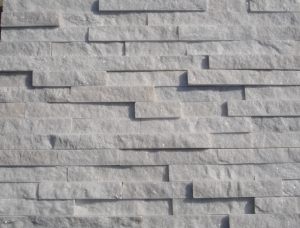
Masonry is one of the oldest trades in recorded history. Daşlar have been used in construction for over 6,000 years. Of course, masonry techniques have evolved over the centuries, but looking back at the structures of ancient civilizations can provide new perspectives on modern building materials. Here’s a look at three important examples of historical masonry.
The Egyptian pyramids are perhaps the most iconic and impressive examples of historical masonry in the world. Construction began on them more than 2,500 years ago. The Egyptians used copper tools to cut and stack large pieces of limestone. They also used granite to create stable roof structures and line the walls of burial chambers inside the pyramids. These materials were readily available from quarries in the hills along the Nile River.
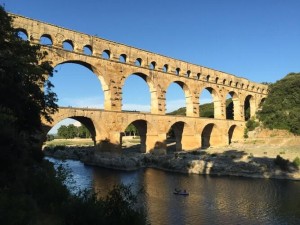
The ancient Romans revolutionized masonry with the invention of concrete, which they developed by mixing volcanic ash, pieces of stone, water, and lime. Concrete allowed the Romans to build sturdy walls much more quickly and cheaply than they could by using stone blocks. Concrete is highly malleable and has impressive tensile strength. It was instrumental in developing the iconic Roman arch, a design feature that was used to construct large bridges, aqueducts, and the Colosseum.
Stone and clay remained the most commonly used masonry materials up to and through the Middle Ages. During this period, durable castle walls, cathedrals, and bridges were among Europe’s most impressive construction projects. Medieval artisans expanded on the Roman arch and developed the pointed arch, which allowed them to build massive vaulted structures supported by flying buttresses. These advances in masonry techniques and arch design quickly gave way to Gothic architecture, a style known for its grand, vaulted ceilings and supportive trusses.
 Afrikaly
  Alban
Alban  Amhar
Amhar  Arapça
  Ermeni
  Azerbaýjan
  Bask
Bask  Belarus
  Bengali
  Bosniýa
  Bolgar
  Katalan
  Sebuano
  Hytaý
Hytaý  Hytaý (Taýwan)
  Korsikan
  Horwatiýa
  Çeh
Çeh  Daniýaly
  Gollandiýaly
  Iňlis
Iňlis  Esperanto
  Eston
Eston  Fin
Fin  Fransuz
  Frizian
  Galisiýa
  Gürji
Gürji  Nemes
Nemes  Grek
Grek  Gujarati
  Gaiti kreoly
  hausa
hausa  hawaiian
  Hebrewewreýçe
  .Ok
.Ok  Miao
Miao  Wenger
  Islandiýa
  igbo
igbo  Indoneziýaly
  irish
irish  Italýan
  Japaneseaponlar
  Javaneseawan
  Kannada
  Gazak
Gazak  Khmer
Khmer  Ruanda
  Koreýçe
  Kürt
Kürt  Gyrgyzystan
  Inçekesel
  Latyn
Latyn  Latwiýa
  Litwa
Litwa  Lýuksemburg
  Makedoniýa
  Malgaşi
  Malaý
Malaý  Malaýalam
  Malta
Malta  Maori
Maori  Marathi
  Mongol
  Mýanma
  Nepali
  Norweg
  Norweg
  Oksitan
  Puştun
  Pars
Pars  Polýak
  Portugaliýa
  Penjabi
  Rumyn
Rumyn  Rus
Rus  Samoan
  Şotlandiýaly Gael
  Serb
Serb  Iňlis
Iňlis  Şona
Şona  Sindhi
  Sinhala
  Slowakiýa
  Sloweniýa
  Somali
  Ispan
Ispan  Sundanese
  Suwaýili
  Şwesiýa
  Tagalog
  Täjik
Täjik  Tamil
Tamil  Tatar
Tatar  Telugu
  Taý
Taý  Türk
Türk  Türkmenler
  Ukrain
  Urdu
Urdu  Uýgur
Uýgur  Özbek
Özbek  Wýetnamly
  Uels
Uels 




