

Kevirê ledge bi navê kevirê stûyê jî populer e. Ew ji qatên zirav ên kevirên xwezayî pêk tê, ku li ser avahiyên dîwaran têne sepandin. Panel û quncikên hevgirtî bi hevûdu re rêgezek şeklê z xweş diafirînin.
Xuyabûnî: Kevirê Ledger ji panel û goşeyan pêk tê. Panelên Ledger ji bo strukturên vertîkal ên guncan in. Digel ku quncik têne bikar anîn da ku li aliyan verast bikin. Ew mîna stûnek ku yek li dû hev tê danîn da ku avahiyek çêbike.
Where it can be used: Natural ledger stone is suitable for both indoor as well as outdoor areas. Be it a fireplace, backsplash, façade, retaining wall, or indoor cladding, stacked stone is one of the best choices.
Sealers on Stacked Stone: Natural stones are attractive and long-lasting. But, one can enhance the beauty of wall stone with the application of sealers on the stone. It allows the stone to remain as it is for a long. Be cautious while using the stone sealers. Choose a sealer with a low pH balance.
Stone Backing: Natural stacked stone comes in two different backings. One is the cement backing which is easy to apply to the wall with the help of cement. Another is glue backing which adjusts the cladding with chemical/ glue. Both the stone backings are easy to handle and simple to install.
Grouts of the ledgestone: Whenever you install a ledge wall, make sure to adjust the thin strips tightly with each other. There should be no room for the grouts. If grouts are left somewhere, its shows uneven texture.
Ji bo Dîwarê Derve Pergalên Kevirên Xwezayî yên Xweşkirî
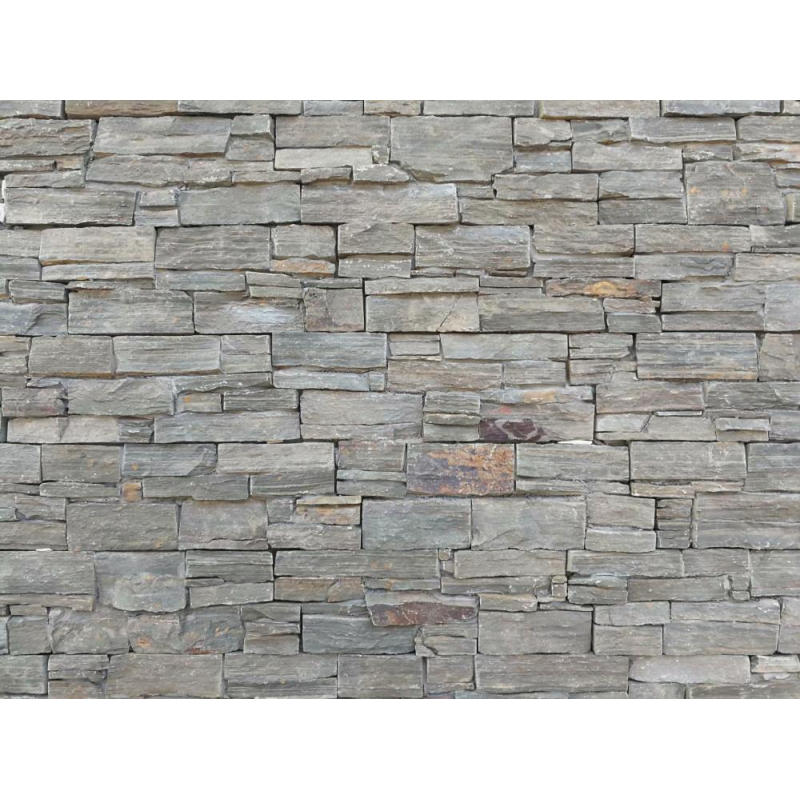
Weather - Resistant: Ledgestone is perfect for covering exteriors as they can be resistant the normal wear and tear. So, bring a beautiful touch to your space with the installation of ledgestone all around the exteriors.
 efrîkanî
  Albanî
  Amharîkî
  Erebî
Erebî  Ermenî
  Azerî
Azerî  Baskî
Baskî  Belarûsî
  Bengalî
  Bosnayî
  Bûlgarî
  Katalanî
  Cebuano
  çîn
çîn  Çîn (Taywan)
  Korsîkayî
  Xirwatî
  Çekî
Çekî  Danîmarkî
  Holandî
  Îngilîzî
  Esperanto
  Estonî
  Fînlandî
  Fransî
  frîzî
frîzî  Galîsyayî
  Gurcî
Gurcî  Almanî
  Yewnanî
  Gujaratî
  Kreoliya Haîtiyî
  Hausa
Hausa  Hawaiyî
  Îbranî
  Nexêr
Nexêr  Miao
Miao  Macarî
  Îzlandî
  igbo
igbo  Îndonezî
  Irlandî
  Îtalî
Îtalî  Japonî
  Javanesî
  Kanadayî
  Qazakî
  Khmer
Khmer  Rwandan
  Koreyî
  Kurdî
Kurdî  Qirgizî
  TB
TB  Latînî
  Letonî
  Lîtvanyayî
  Luksembûrgî
  Makedonî
  Malgashi
  Malayî
  Malayalamî
  Maltezî
  Maorîyî
  Maratî
  Moxolî
  Mîyanmar
  Nepalî
  Norwêcî
  Norwêcî
  Occitan
  Peştûyî
  Farsî
Farsî  Polandî
  Portekizî
  Pencabî
  Romanyayî
  Rûsî
Rûsî  Samoan
  Scottish Gaelic
  Sirbî
Sirbî  Îngilîzî
  Shona
Shona  Sindî
Sindî  Sinhala
  Slovakî
  Slovenî
  Somalîkî
  Îspanyolî
  Sundanese
  Swahîlîyî
  Swêdî
Swêdî  Tagalogî
  Tajik
Tajik  Tamîlî
  Tatar
Tatar  Teluguyî
  Thayîkî
  Tirkî
Tirkî  Tirkmenî
  Ûkraynî
  Ûrdûyî
  Uyghur
  Ozbekî
  Vîetnamî
  Galerkî




