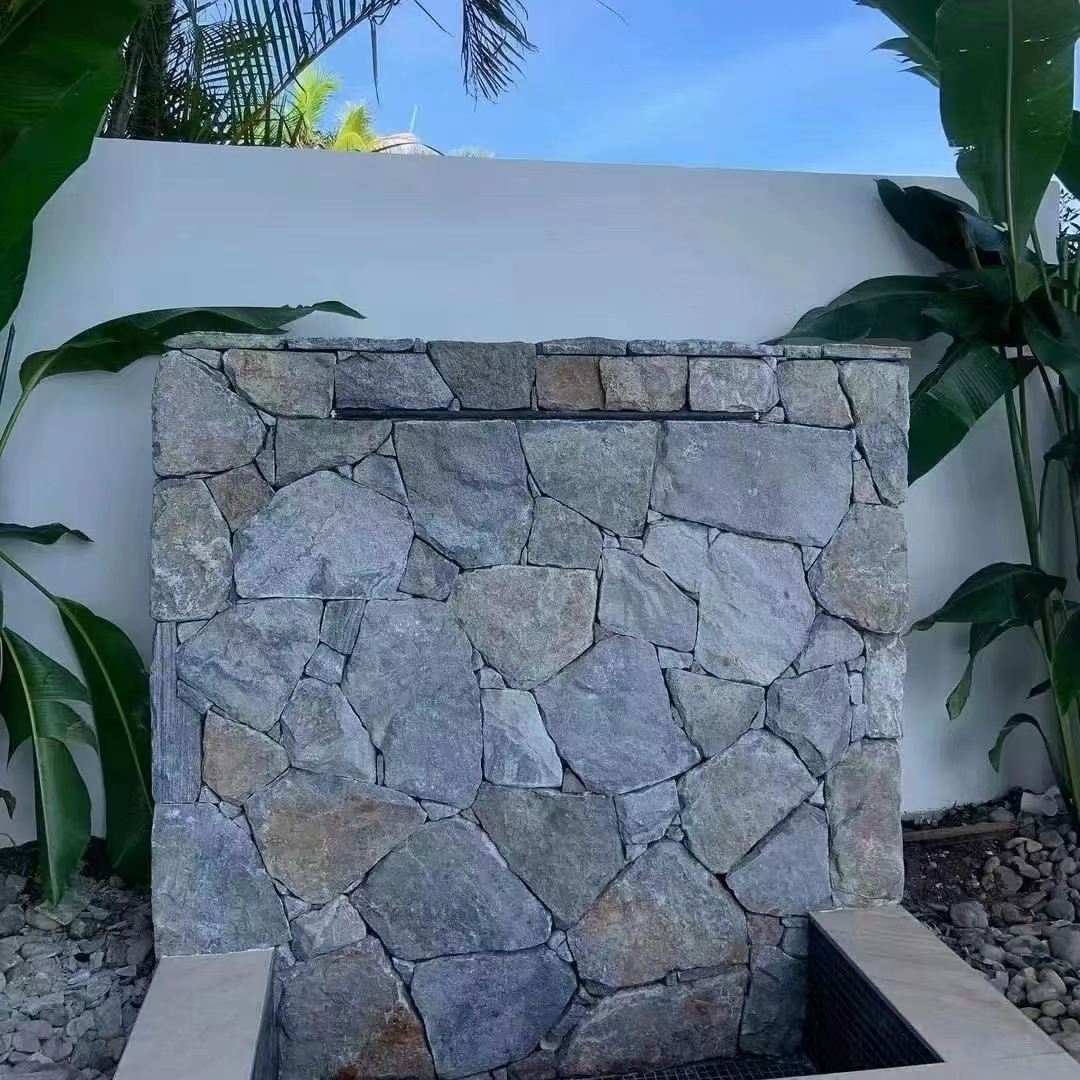
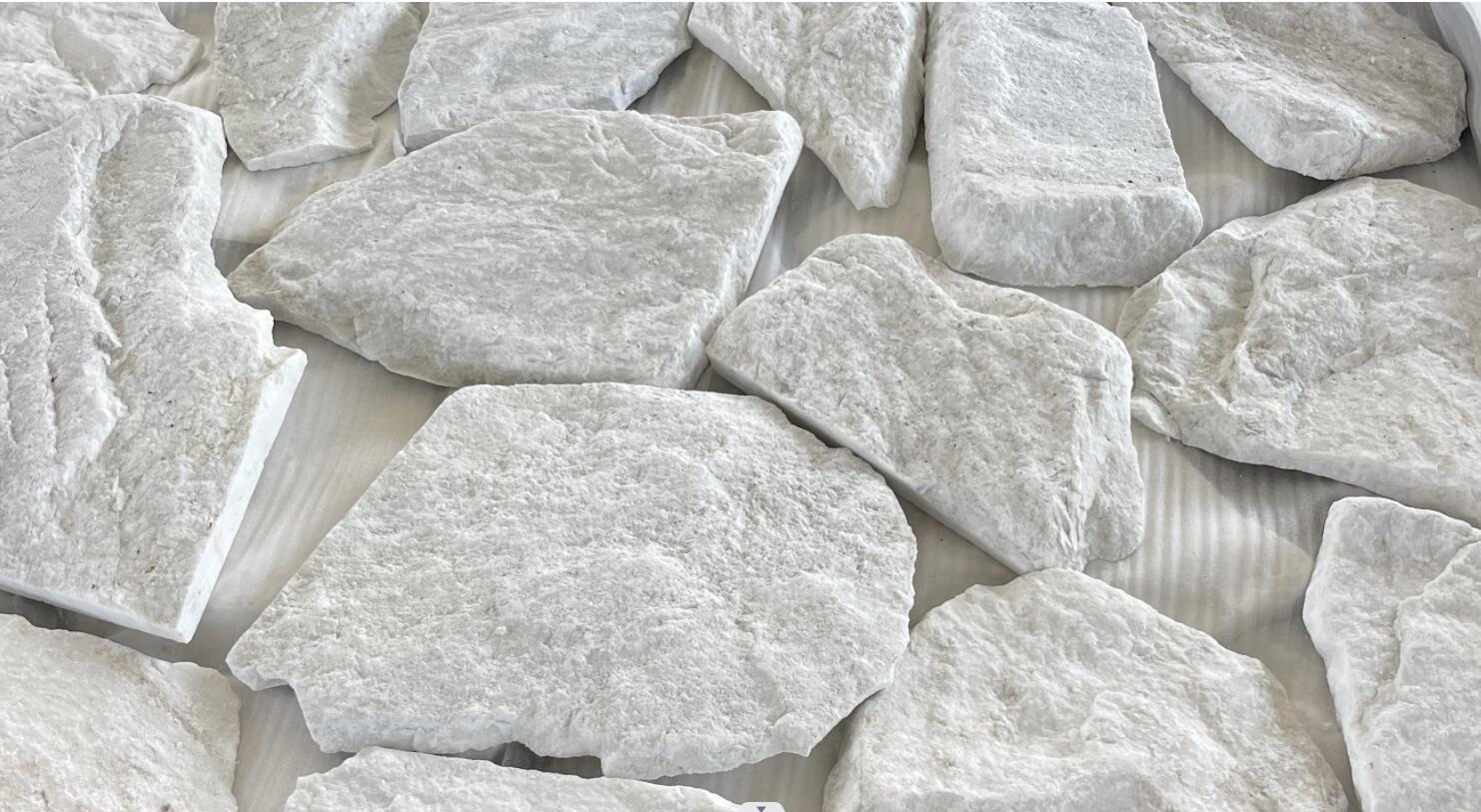
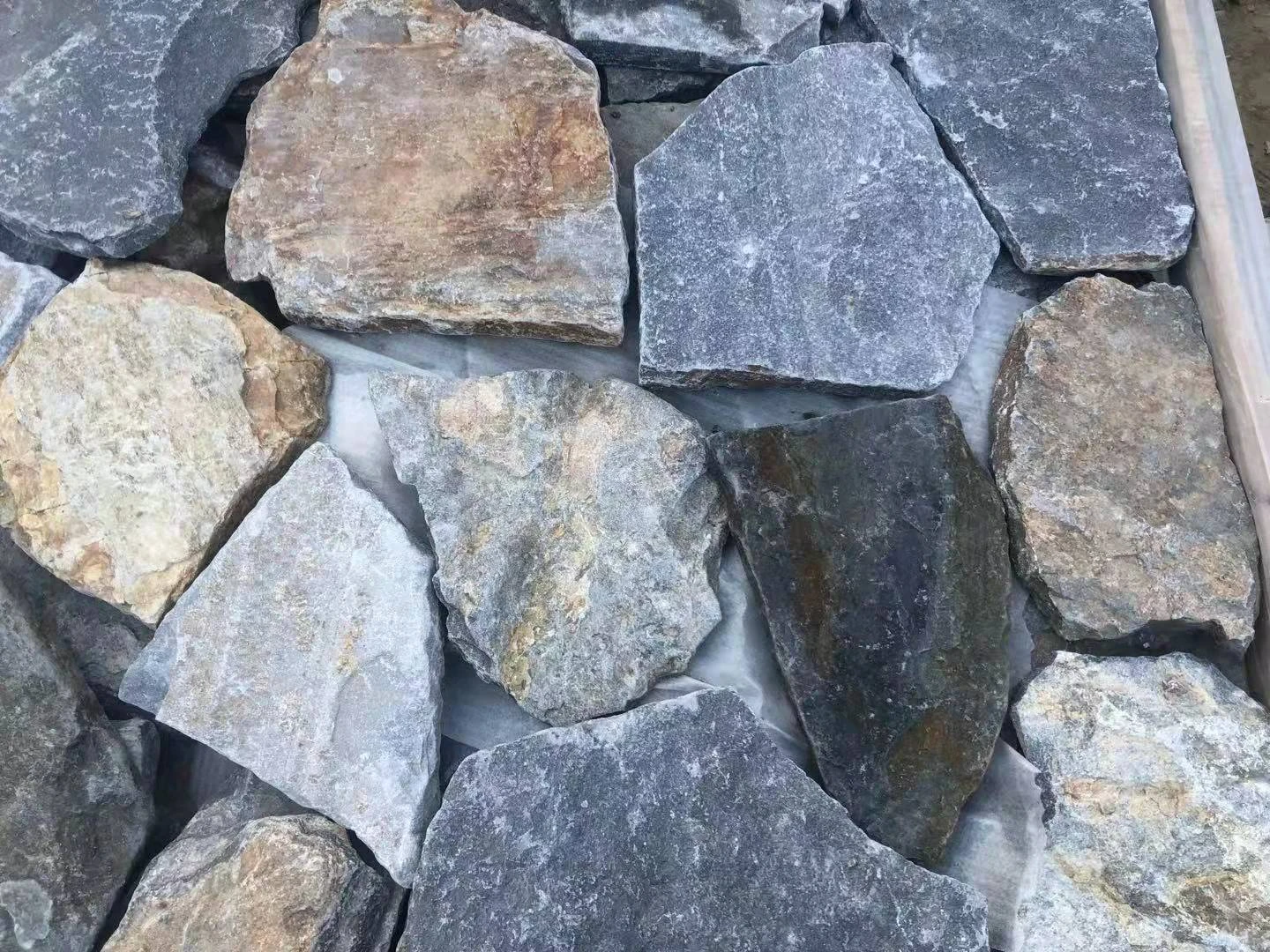
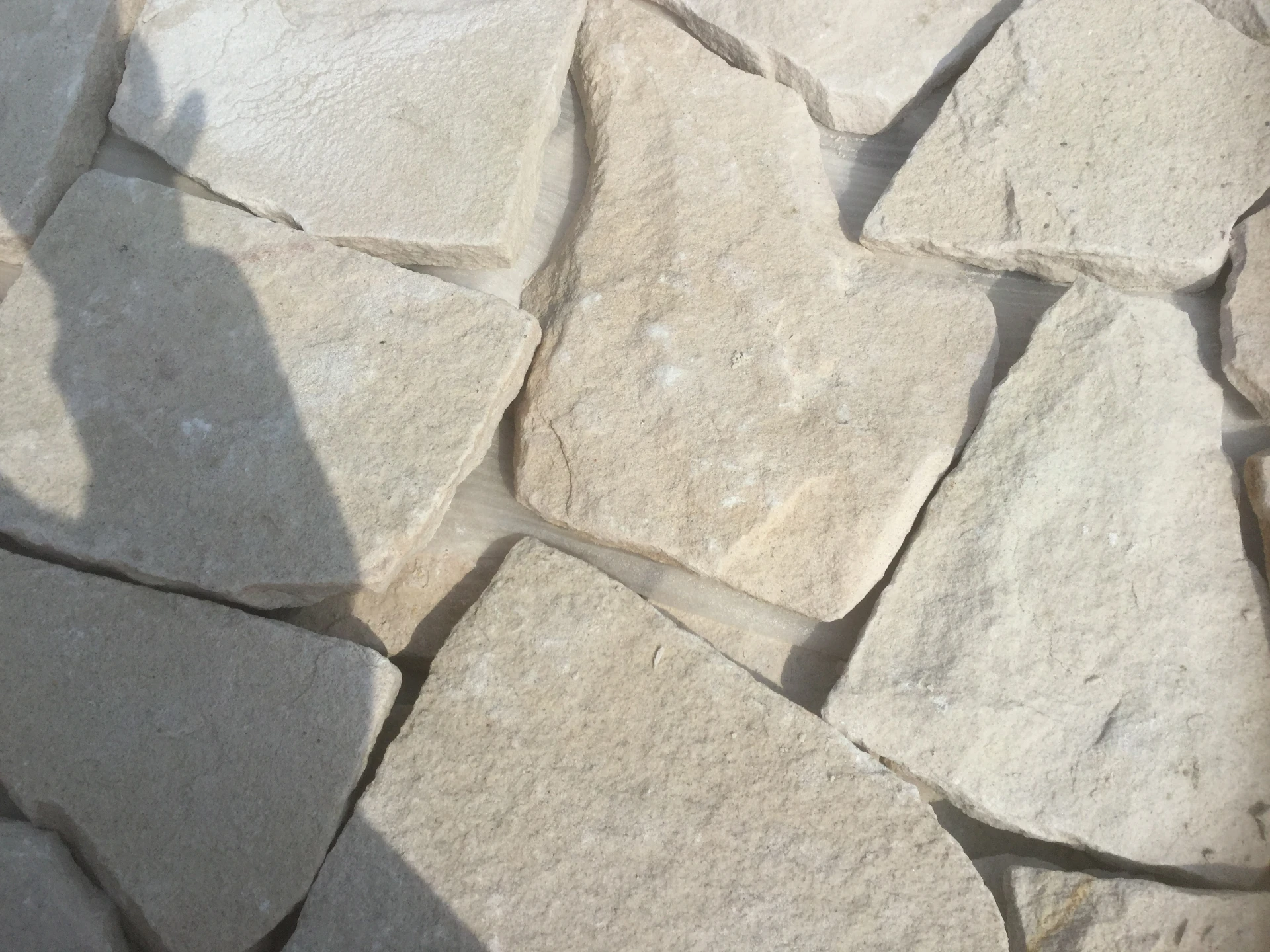
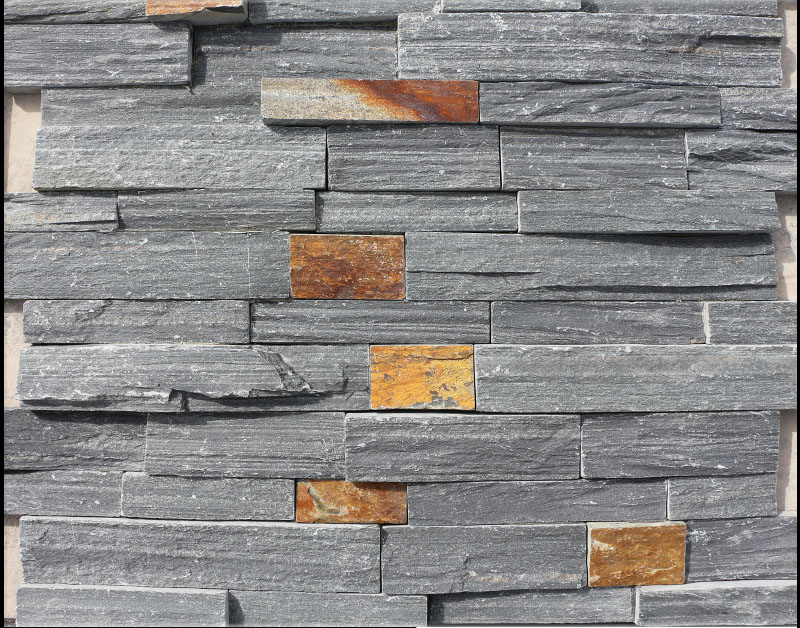
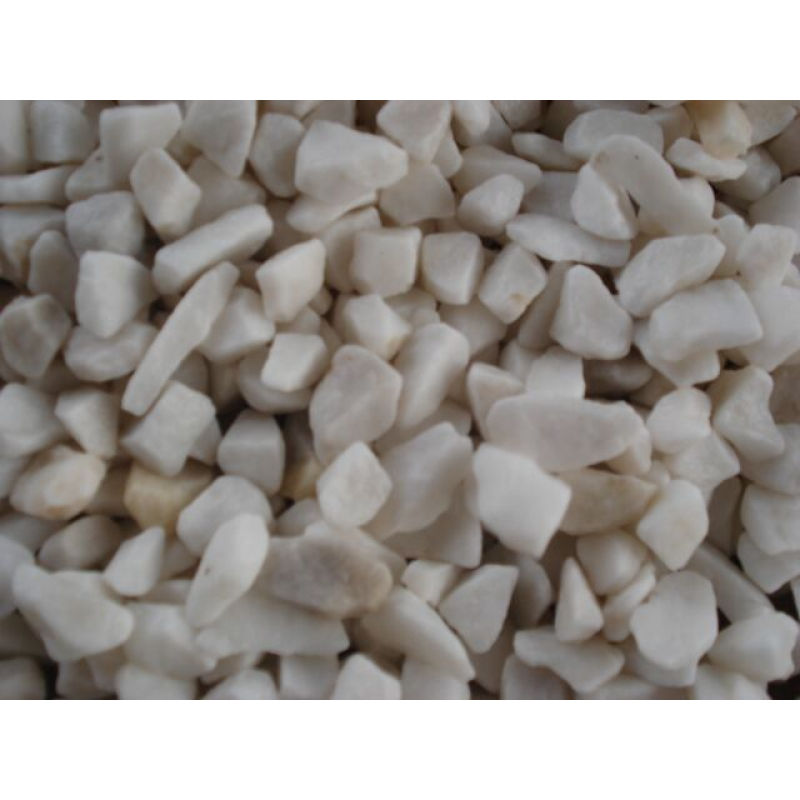
หินหิ้งยังเป็นที่นิยมด้วยชื่อหินซ้อน ประกอบด้วยแผ่นหินธรรมชาติเป็นชั้นบางๆ มาใช้กับโครงสร้างผนัง แผงและมุมที่เชื่อมต่อกันจะปรับซึ่งกันและกันเพื่อสร้างรูปแบบรูปทรงตัว z ที่สวยงาม
รูปร่าง: บัญชีแยกประเภทหิน ประกอบด้วยแผงและมุม แผงบัญชีแยกประเภทเหมาะสำหรับโครงสร้างแนวตั้งแบบเรียบ ในขณะที่ใช้มุมปรับด้านข้าง ดูเหมือนกองซ้อนกันเพื่อสร้างโครงสร้าง
Where it can be used: Natural ledger stone is suitable for both indoor as well as outdoor areas. Be it a fireplace, backsplash, façade, retaining wall, or indoor cladding, stacked stone is one of the best choices.
Sealers on Stacked Stone: Natural stones are attractive and long-lasting. But, one can enhance the beauty of wall stone with the application of sealers on the stone. It allows the stone to remain as it is for a long. Be cautious while using the stone sealers. Choose a sealer with a low pH balance.
Stone Backing: Natural stacked stone comes in two different backings. One is the cement backing which is easy to apply to the wall with the help of cement. Another is glue backing which adjusts the cladding with chemical/ glue. Both the stone backings are easy to handle and simple to install.
Grouts of the ledgestone: Whenever you install a ledge wall, make sure to adjust the thin strips tightly with each other. There should be no room for the grouts. If grouts are left somewhere, its shows uneven texture.
ระบบหินซ้อนธรรมชาติที่สวยงามสำหรับผนังด้านนอก
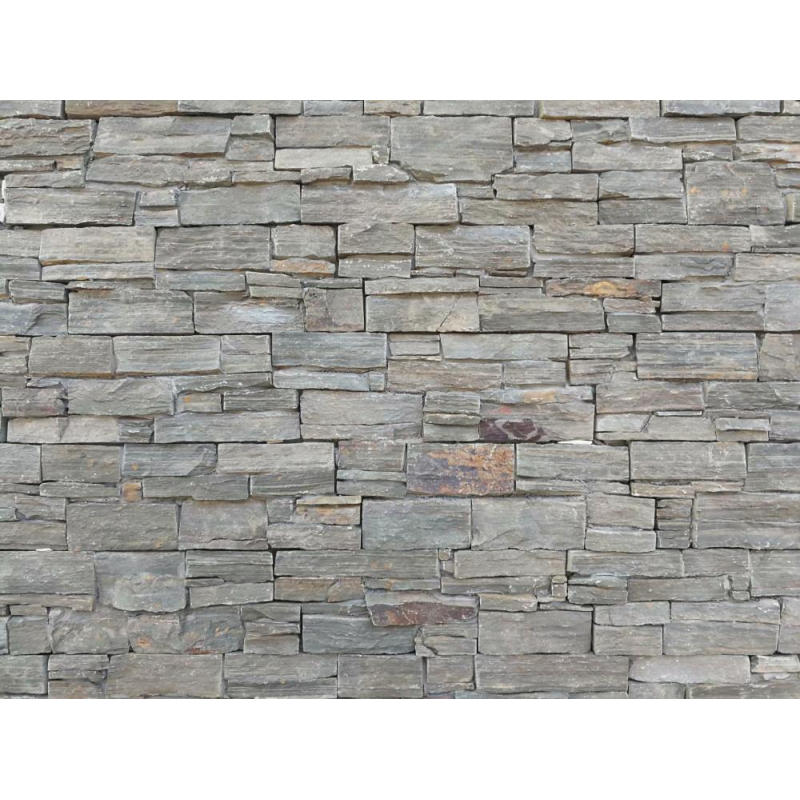
Weather - Resistant: Ledgestone is perfect for covering exteriors as they can be resistant the normal wear and tear. So, bring a beautiful touch to your space with the installation of ledgestone all around the exteriors.
 แอฟริกัน
 แอลเบเนีย
 อัมฮาริก
 ภาษาอาหรับ
 อาร์เมเนีย
 อาเซอร์ไบจัน
 บาสก์
 เบลารุส
 เบงกาลี
 บอสเนีย
 บัลแกเรีย
 คาตาลัน
 เซบู
 จีน
 จีน (ไต้หวัน)
 คอร์ซิกา
 โครเอเชีย
 เช็ก
 ภาษาเดนมาร์ก
 ภาษาดัตช์
 ภาษาอังกฤษ
 เอสเปรันโต
 เอสโตเนีย
 ภาษาฟินแลนด์
 ภาษาฝรั่งเศส
 ฟริเซียน
 กาลิเซีย
 จอร์เจีย
 เยอรมัน
 กรีก
 คุชราต
 ชาวเฮติครีโอล
 เฮาซา
 ฮาวาย
 ภาษาฮีบรู
 ไม่
 แม้ว
 ภาษาฮังการี
 ไอซ์แลนด์
 อิกโบ
 ชาวอินโดนีเซีย
 ไอริช
 ภาษาอิตาลี
 ญี่ปุ่น
 ชวา
 กันนาดา
 คาซัค
 เขมร
 รวันดา
 เกาหลี
 เคิร์ด
 คีร์กีซ
 วัณโรค
 ละติน
 ลัตเวีย
 ลิทัวเนีย
 ภาษาลักเซมเบิร์ก
 มาซิโดเนีย
 มัลกาชิ
 มาเลย์
 มาลายาลัม
 ภาษามอลตา
 ชาวเมารี
 ภาษามราฐี
 มองโกเลีย
 พม่า
 เนปาล
 ภาษานอร์เวย์
 ภาษานอร์เวย์
 อ็อกซิตัน
 ปาสโต้
 เปอร์เซีย
 ขัด
 โปรตุเกส
 ปัญจาบ
 โรมาเนีย
 ภาษารัสเซีย
 ซามัว
 เกลิคสก๊อตแลนด์
 เซอร์เบีย
 ภาษาอังกฤษ
 โชนา
 สินธี
 สิงหล
 สโลวัก
 ภาษาสโลเวเนีย
 โซมาเลีย
 สเปน
 ซุนดา
 สวาฮีลี
 ภาษาสวีเดน
 ตากาล็อก
 ทาจิก
 ทมิฬ
 ตาตาร์
 เตลูกู
 แบบไทย
 ภาษาตุรกี
 เติร์กเมนิสถาน
 ภาษายูเครน
 ภาษาอูรดู
 อุยกูร์
 อุซเบก
 ภาษาเวียดนาม
 เวลส์