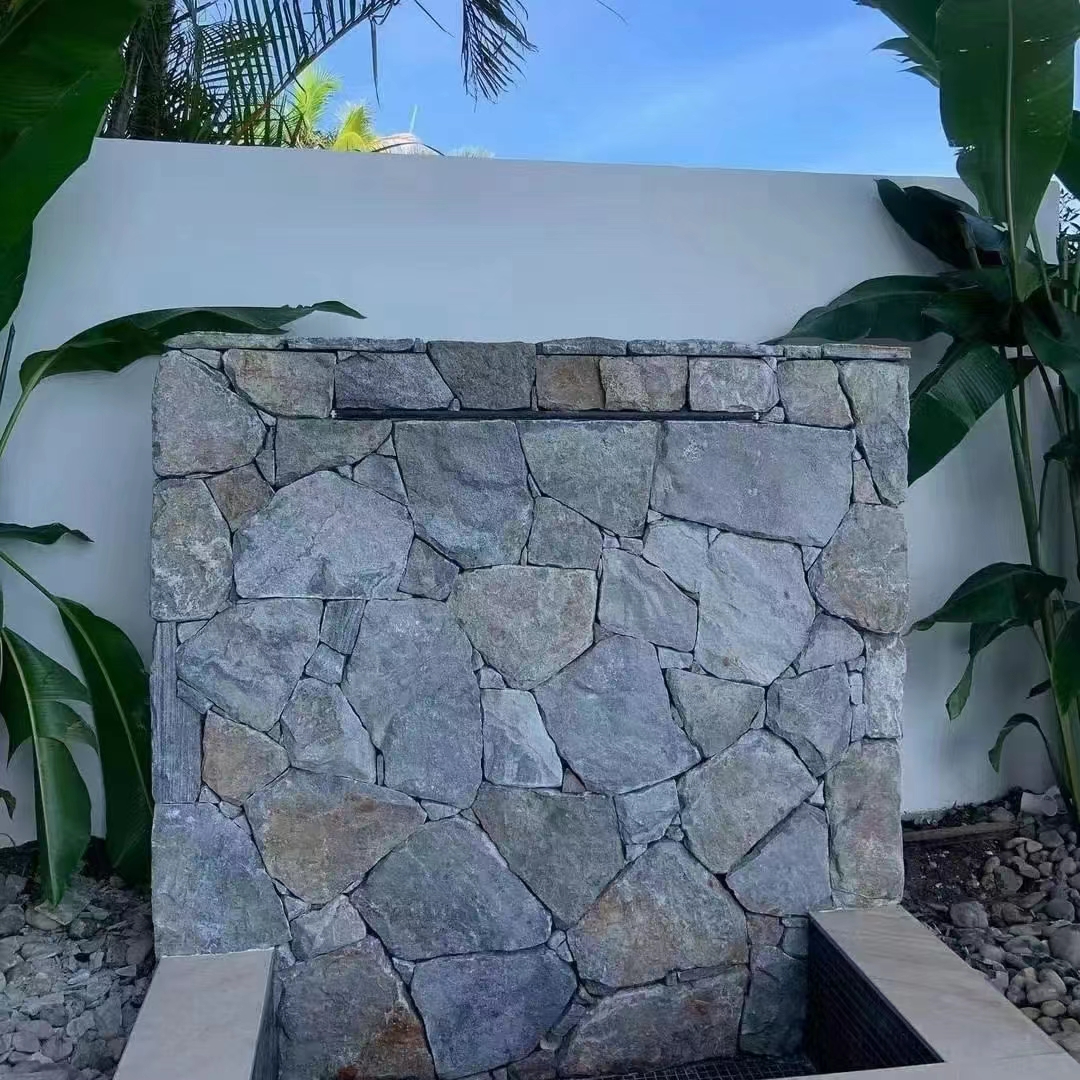
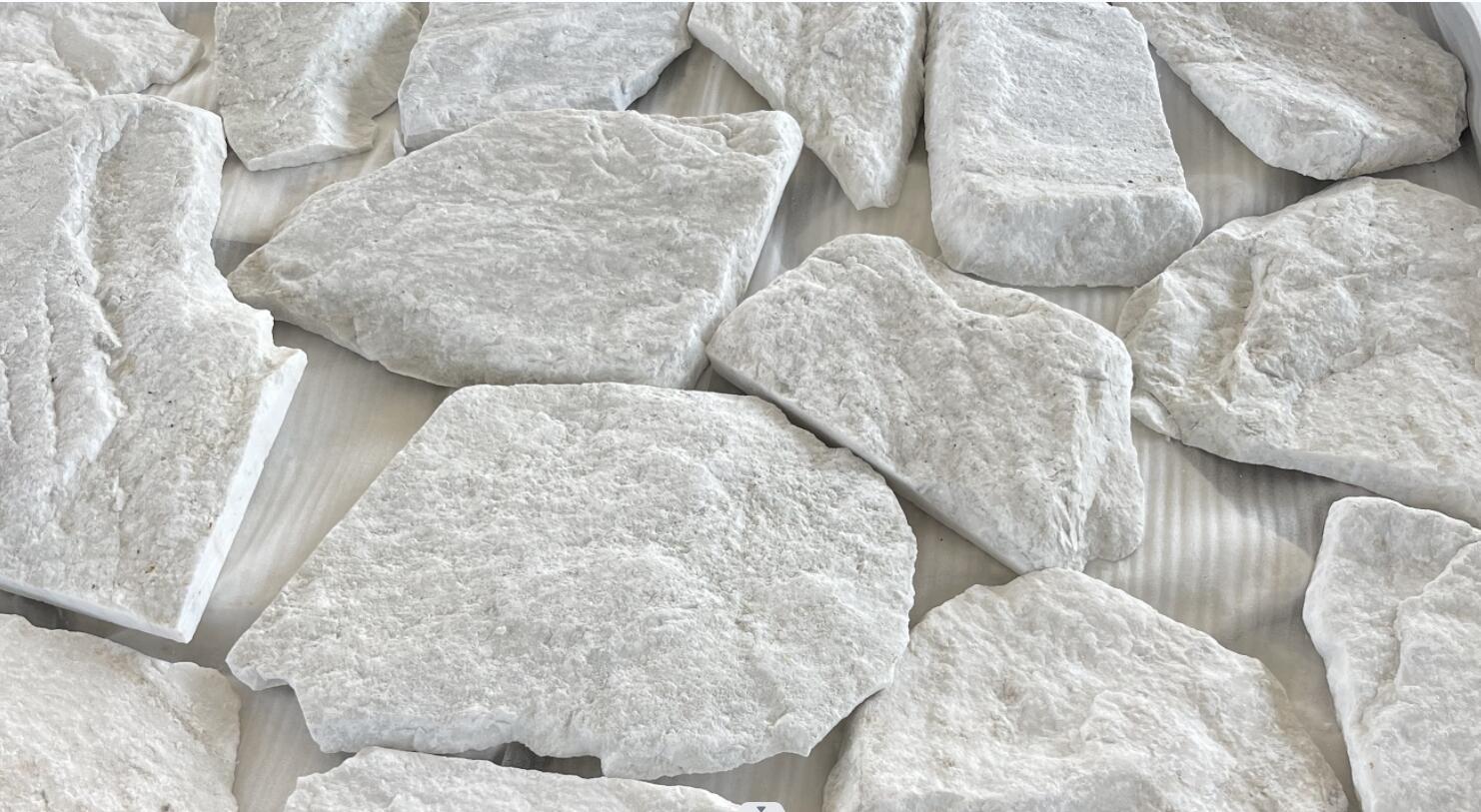
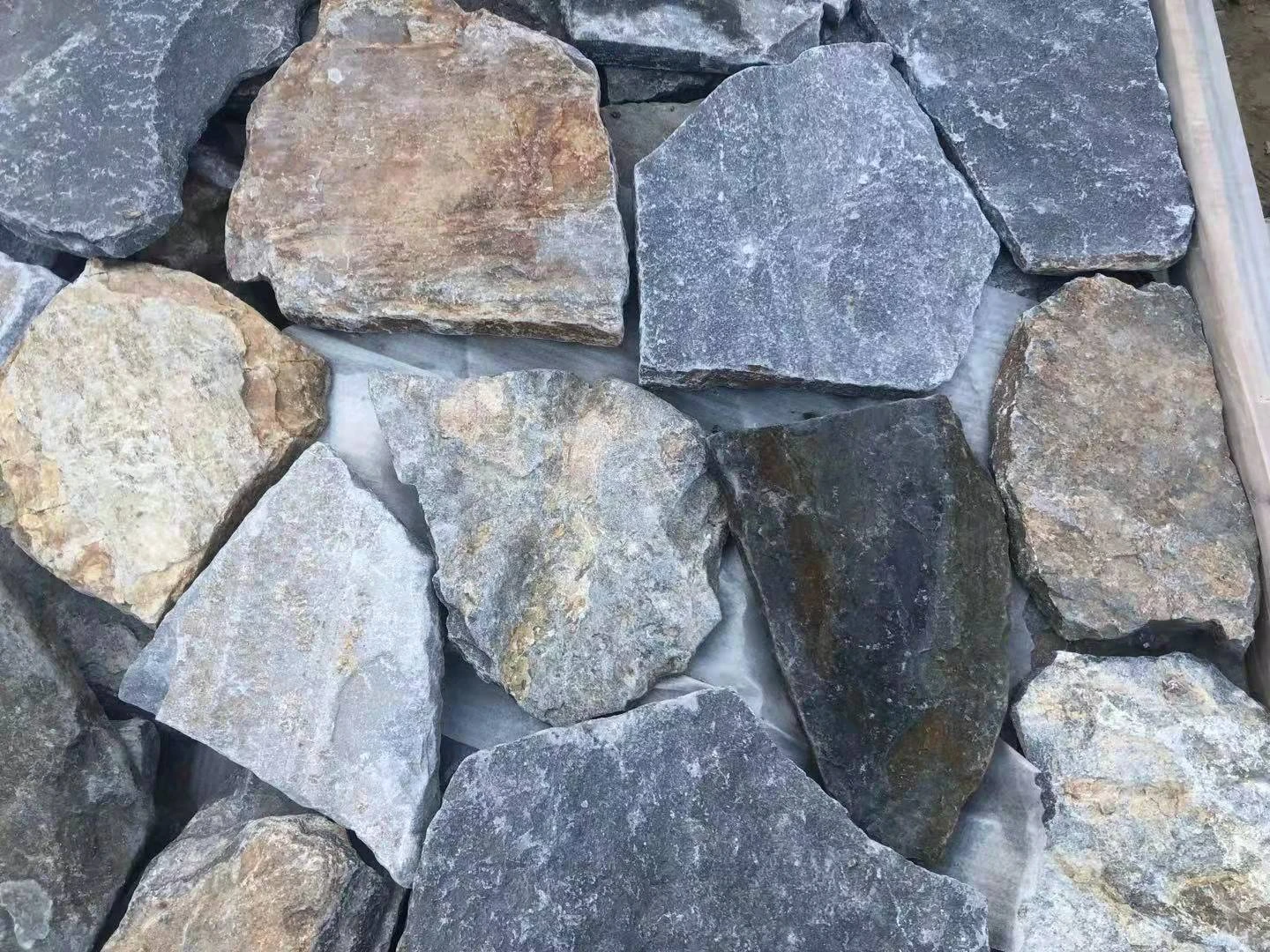
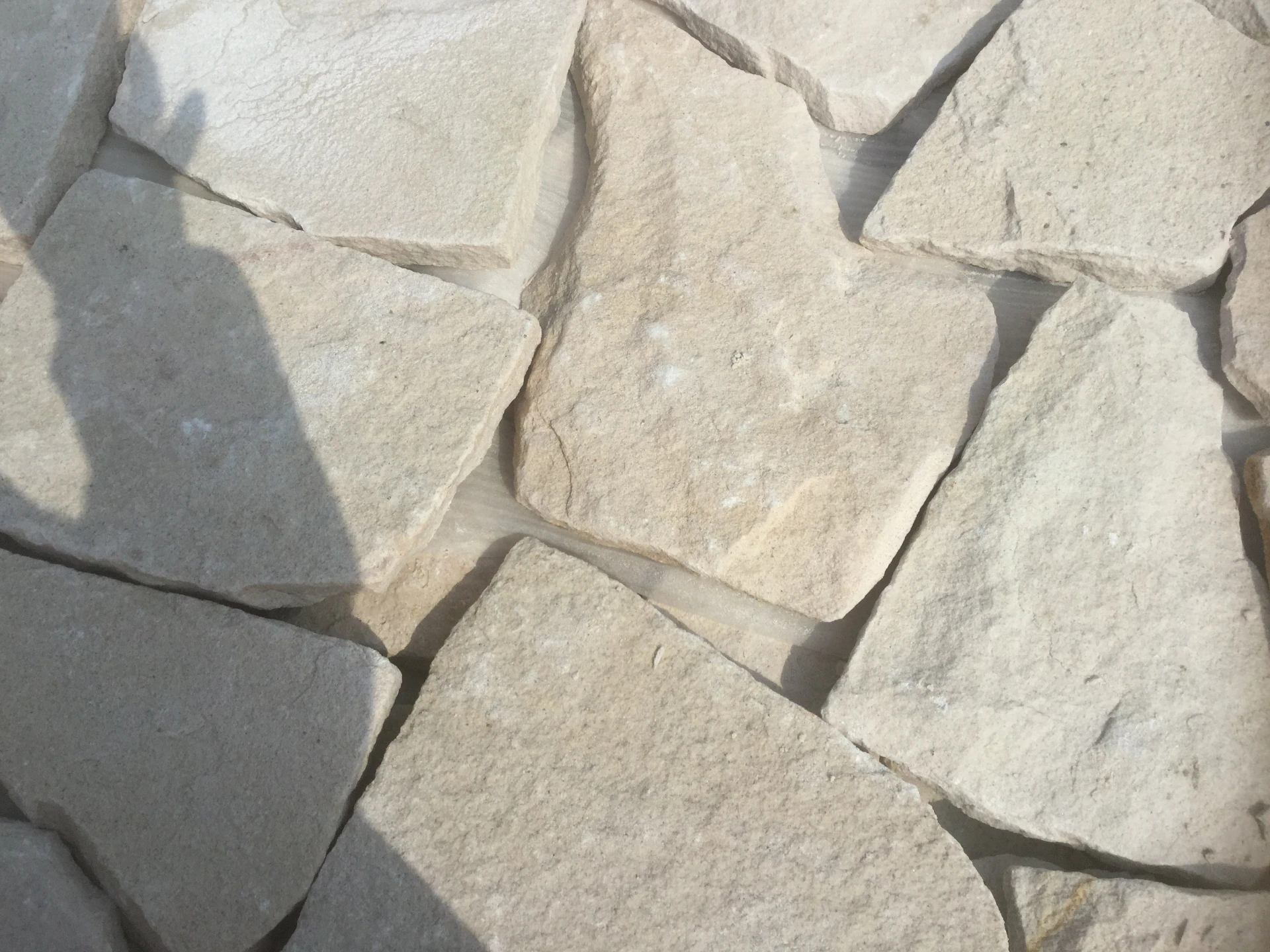
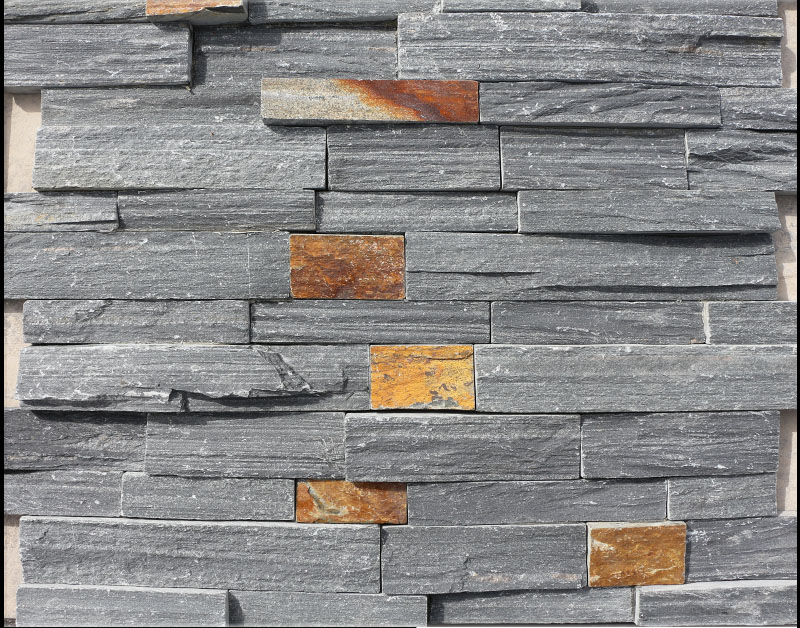
Batu lis ogé populér kalayan ngaran batu tumpuk. Ieu diwangun ku lapisan ipis strips batu alam, dilarapkeun kana struktur témbok. Panel interlocking sareng sudut saling nyaluyukeun nyiptakeun pola bentuk z anu saé.
Penampilan: Batu ledger diwangun ku panels na juru. Panel Ledger cocog pikeun struktur nangtung datar. Sedengkeun juru dipaké pikeun nyaluyukeun dina sisi. Sigana tumpukan anu disimpen hiji-hiji pikeun nyiptakeun struktur.
Where it can be used: Natural ledger stone is suitable for both indoor as well as outdoor areas. Be it a fireplace, backsplash, façade, retaining wall, or indoor cladding, stacked stone is one of the best choices.
Sealers on Stacked Stone: Natural stones are attractive and long-lasting. But, one can enhance the beauty of wall stone with the application of sealers on the stone. It allows the stone to remain as it is for a long. Be cautious while using the stone sealers. Choose a sealer with a low pH balance.
Stone Backing: Natural stacked stone comes in two different backings. One is the cement backing which is easy to apply to the wall with the help of cement. Another is glue backing which adjusts the cladding with chemical/ glue. Both the stone backings are easy to handle and simple to install.
Grouts of the ledgestone: Whenever you install a ledge wall, make sure to adjust the thin strips tightly with each other. There should be no room for the grouts. If grouts are left somewhere, its shows uneven texture.
Éndah Sistem Batu Tumpuk Alami pikeun Tembok Luar
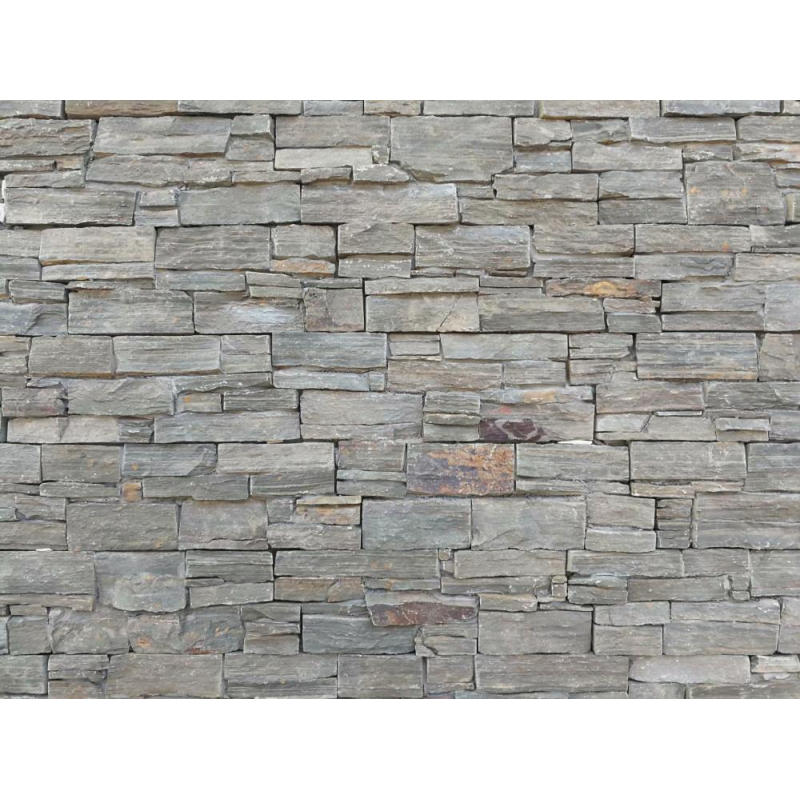
Weather - Resistant: Ledgestone is perfect for covering exteriors as they can be resistant the normal wear and tear. So, bring a beautiful touch to your space with the installation of ledgestone all around the exteriors.
 Afrika
  basa Albania
  Amharik
  Arab
Arab  Arménia
  Basa Azerbaijan
  Basque
  Bélarus
  Benggala
  Bosnia
  basa Bulgaria
  Katalan
  Cebuano
  Cina
Cina  Cina (Taiwan)
  Korsika
  Kroasia
  Ceko
Ceko  Denmark
  Walanda
  Inggris
  Ésperanto
  Éstonia
  Finlandia
  Perancis
  Frisian
  Galician
  Georgian
  Jerman
  Yunani
  Gujarati
  Kréol Haiti
  hausa
hausa  Hawai
Hawai  Ibrani
  Heueuh
  Miao
Miao  Hungaria
  Islandia
  igbo
igbo  basa Indonésia
  Basa Irlandia
  Italia
  Basa Jepang
  basa Jawa
  Kannada
  kazakh
  Khmer
Khmer  Rwandan
  Koréa
Koréa  Kurdi
Kurdi  Kirgiz
  TB
TB  Latin
Latin  Lativia
  Lituania
  Luksemburg
  Makedonia
  Malgashi
  Malayu
  Malayalam
  Malta
Malta  Maori
Maori  Marathi
  Mongol
  Myanmar
  Nepali
  Norwegia
  Norwegia
  Occitan
  Pashto
  Pérsia
  Polandia
  Portugis
  Punjabi
  Romania
  Rusia
Rusia  Samoan
  Gaelik Skotlandia
  Sérbia
  Inggris
  Shona
Shona  Sindhi
  Sinhala
  Slowakia
  Slovenia
  Somali
  Spanyol
  Sundanese
  basa Swahili
  Swédia
  Tagalog
  Tajik
Tajik  Tamil
Tamil  Tatar Sunda
  Telugu
  Thai
Thai  Turki
Turki  Turkmén
  Ukrania
  Basa Urdu
  Uighur
  Uzbek
Uzbek  Vietnam
  Welsh
Welsh