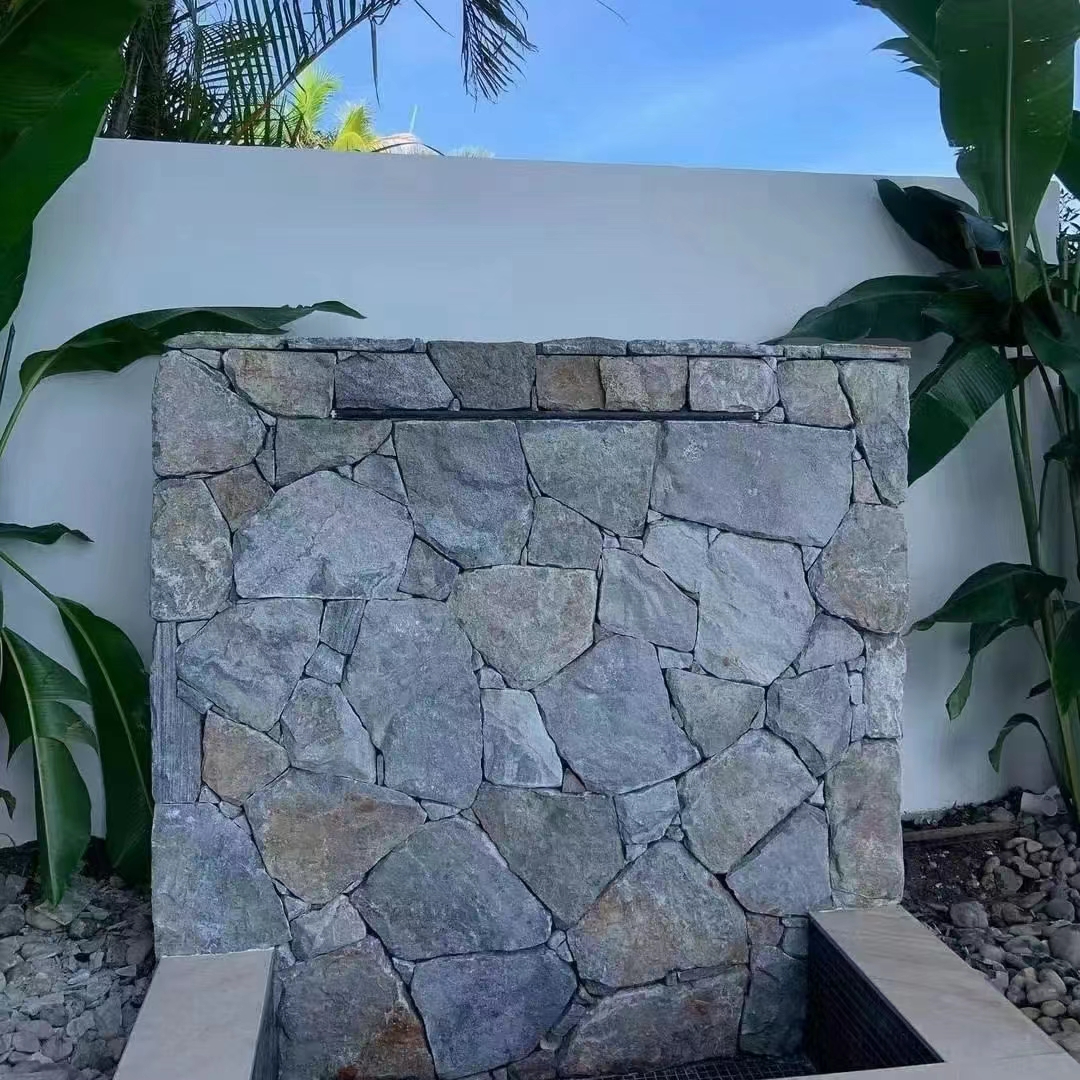
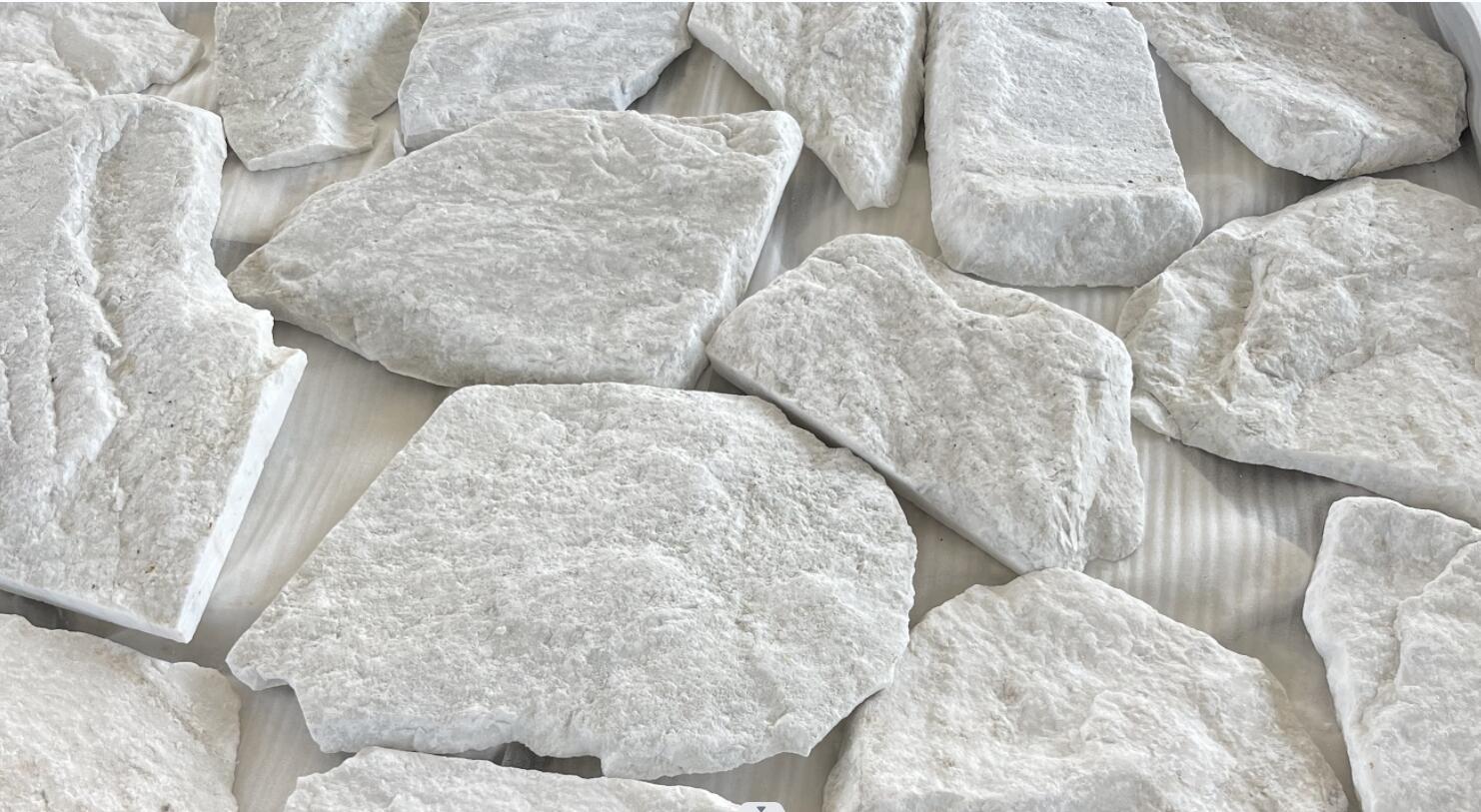
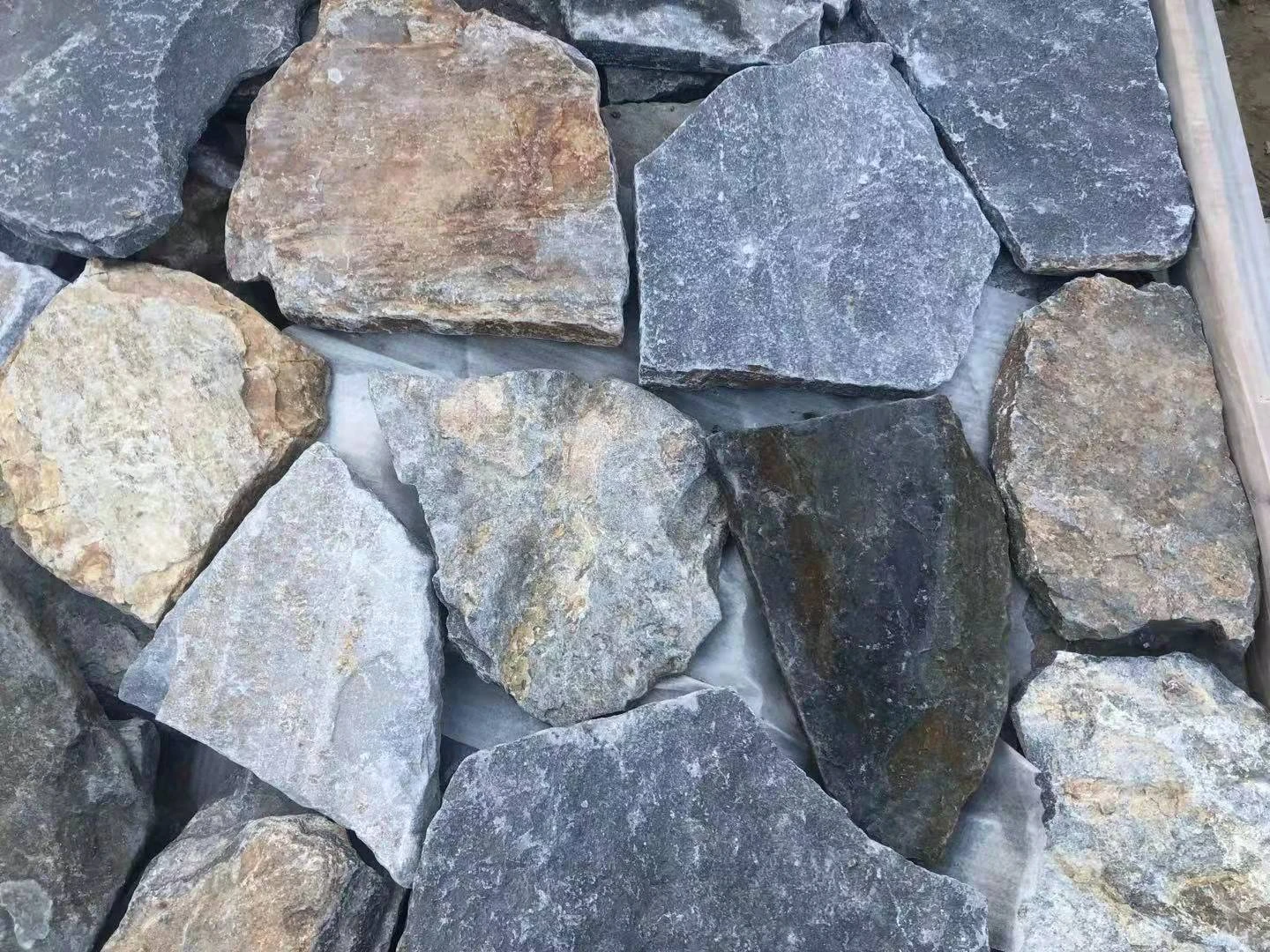
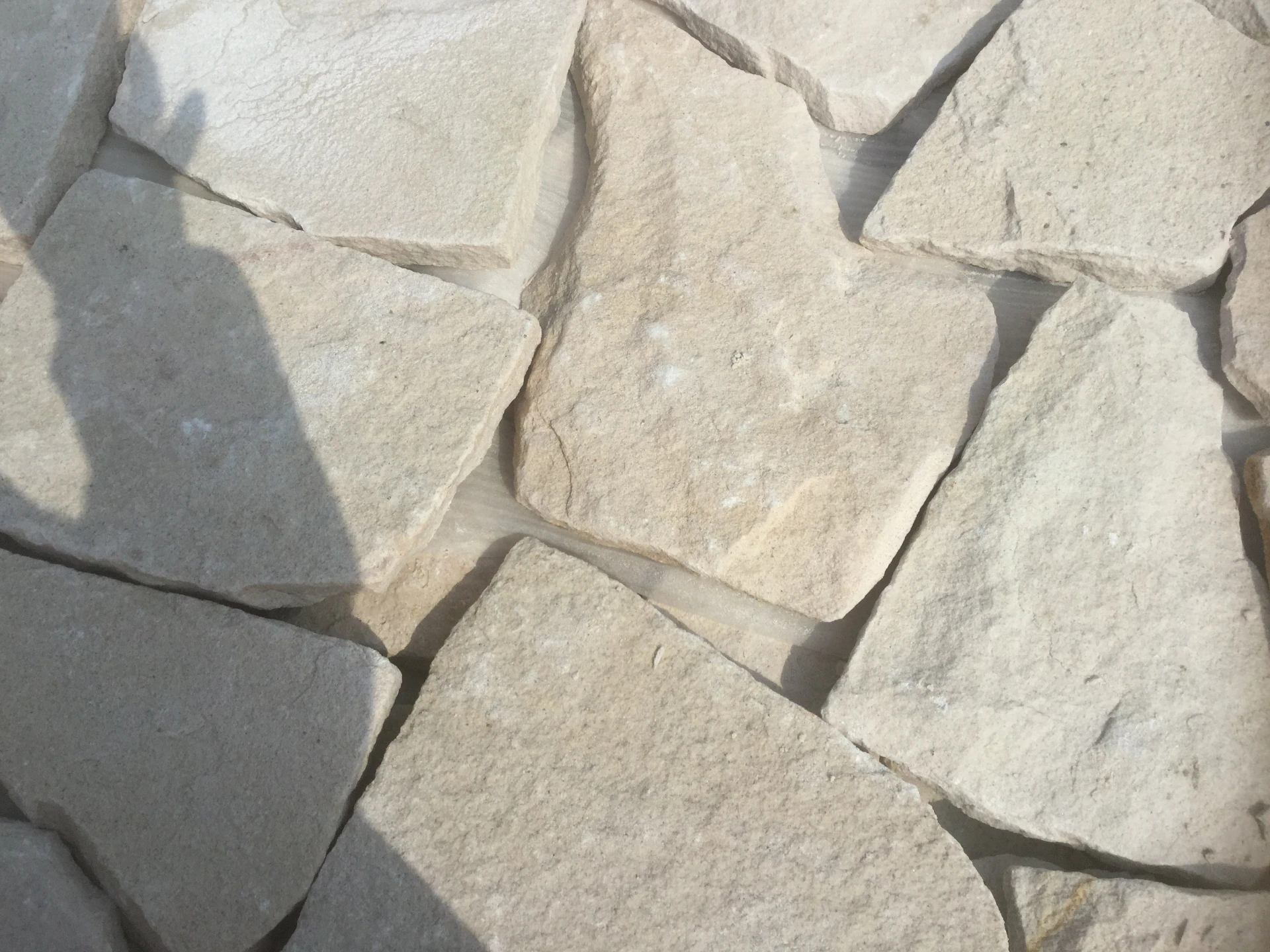
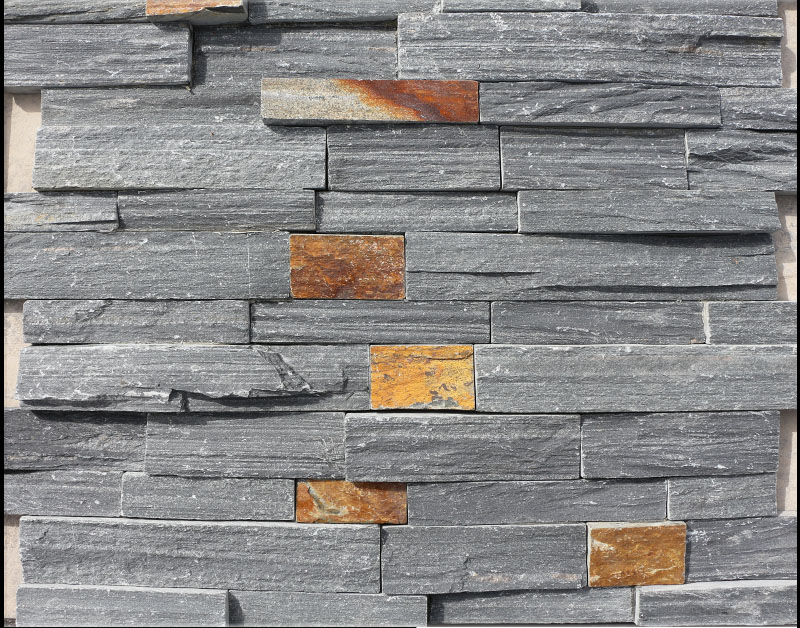
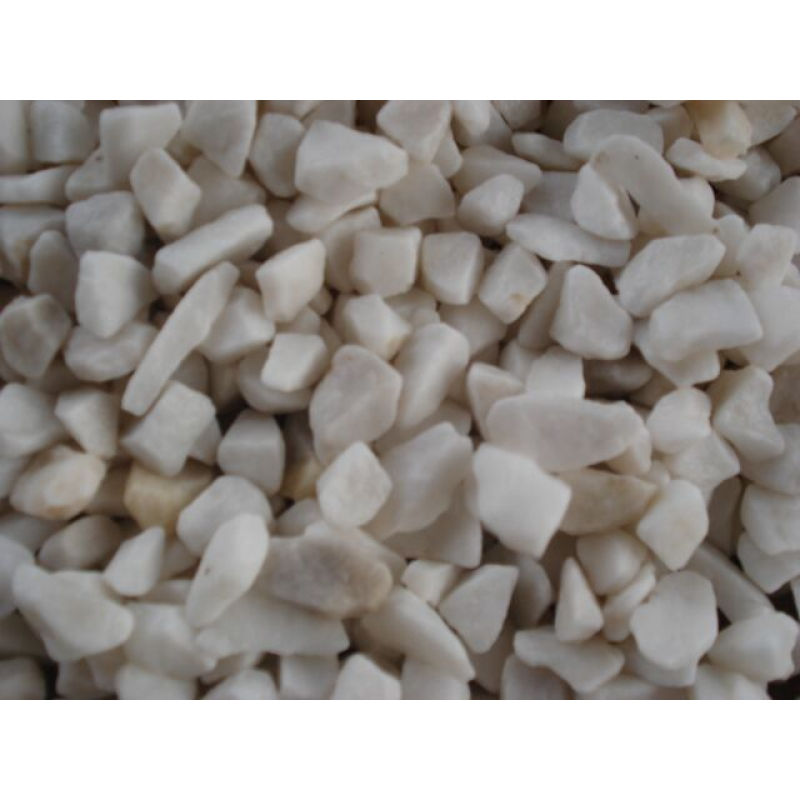
He rite tonu ki te hukarere, karekau he kohatu haki e rua he rite. Hei hua pono o te taiao, ka tae mai te kowhatu kara i roto i te miriona momo rereke, te rahi, me nga tae i runga i te take i ahu mai ai. Ko tenei kanorau whakamiharo ka awhina i nga rangatira o te kaainga penei i a koe ki te hanga i nga papanga maamaa he tino ahurei.
Different flagstones don’t only look different, though. They also have varying thicknesses, textures, levels of permeability, and uses. These durable, versatile unsung heroes of landscaping can be a part of just about any hardscape you could think of.
To help you narrow down the possibilities, we’ve come up with eight flagstone ideas to incorporate in your yard.
Ko te toka parataiao he toka parataiao ka pakaru ki nga paparanga ka whakamahia hei whakapaipai whenua. He maha nga rereke momo kohatu kara, katoa me o raatau ake ahuatanga. Ko etahi momo rongonui ko te kirikiri, te quartzite, te puru, me te kowhatu.
Ko te nuinga o nga kowhatu kara ka tae mai ki tetahi o nga ahua e rua:
For either shape option, you can lay flagstones dry on a bed of sand or gravel (“dry-laid”) or use concrete (“wet-laid”). If you’re using thinner flagstones, it’s a good idea to lay them in concrete, as they sometimes crack easily when laid dry.
Whatever kind of landscaping project you’re working on, the cost of flagstone is typically $15 to $20 per square foot. That price covers all the materials needed, including the stone itself and sand, gravel, or concrete.
The price varies depending on what specific type of flagstone you use and whether it’s dry-laid or wet-laid. Dry-laid is typically cheaper because you won’t have to pay for concrete.
Now that we’ve covered the basics of flagstone, let’s get into our eight design ideas for using them in your landscape.
He tino pai nga kowhatu kara mo nga waahi waka nui penei i te patio na te mea he kakano taratara ka paheke.
Ka taea e koe te huri i to patio karaehe hei waahi noho o waho ma te taapiri i etahi taonga parati me te a pergola tetahi atu uhi ranei.
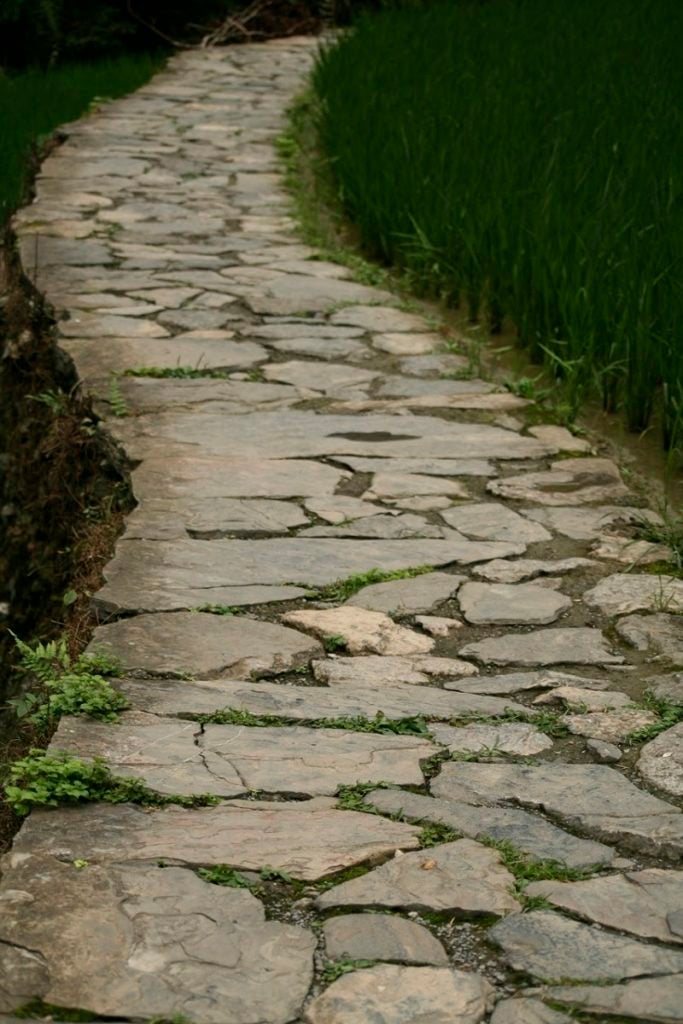
Mena kei te haere mai nga tamariki iti, nga whanaunga kaumātua, etahi atu manuhiri karekau ranei ki to whare, ka taea e koe te hanga i tetahi huarahi maeneene, ara tika o nga papaa kara.
As with flagstone patios, flagstone pathways are naturally slip-resistant because of the stone’s texture, so you won’t have to worry about your paths getting slick with rainwater.
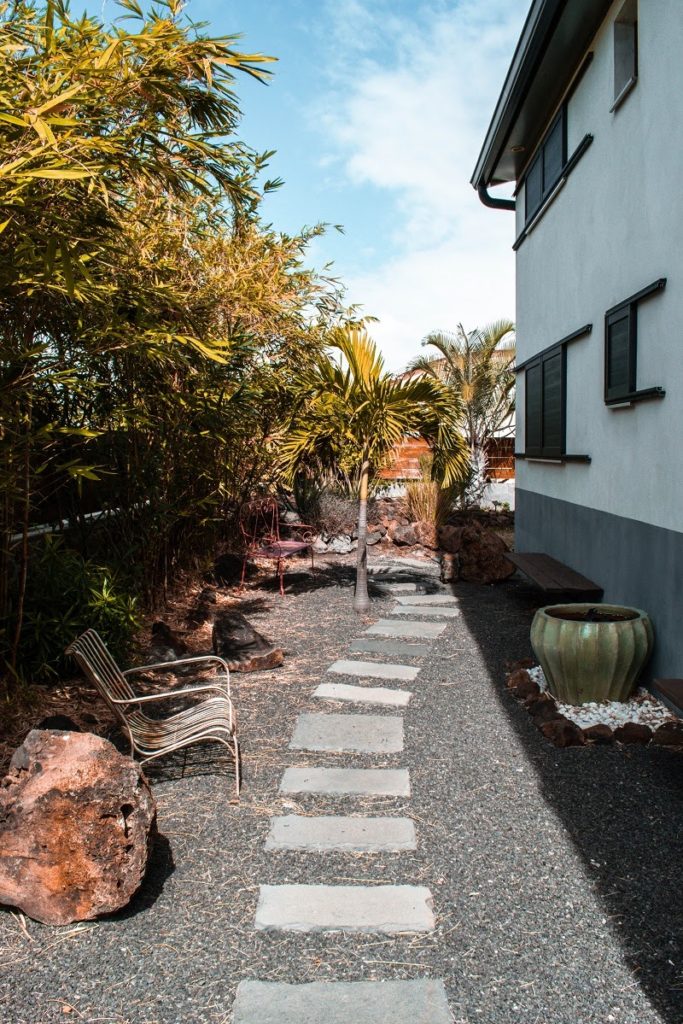
Ki te hanga i nga kowhatu hikoi, whakawāteahia ō kōhatu haki kia maha inihi te wehenga ka whakakiia ngā āputa kirikiri pea, toka awa, he tipu hipoki whenua ranei hei pehi i nga taru. Ka taea e koe te whakamahi i nga paera mo te ahua hou ake penei me tenei, he kowhatu haki koretake ranei mo te ara maara momo whare.
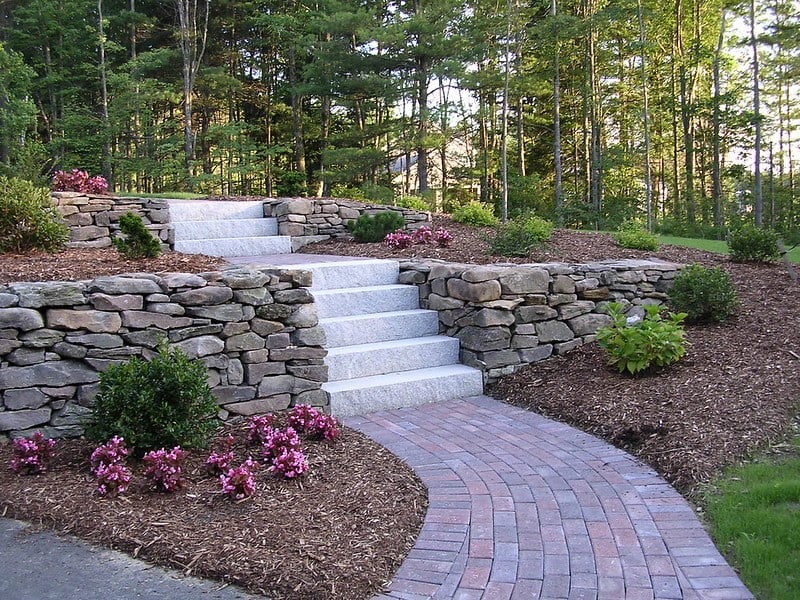
Though people might not typically use flagstones as stone for retaining walls, it is an option. You can stack flagstones to create a low wall in your landscape. Just don’t try stacking them too tall. You know what happened to Icarus when he flew too close to the sun.
Ina hanga e koe he pakitara pupuri mai i nga kowhatu kara, ka taea e koe te tapae kia maroke, ka whakamahi ranei i te kumete hei pupuri tahi. Mo te pakitara pakari ake, ka roa ake, me whakaaro koe ki te whakamahi i te kumete (ahakoa ka iti ake te utu o to kaupapa).
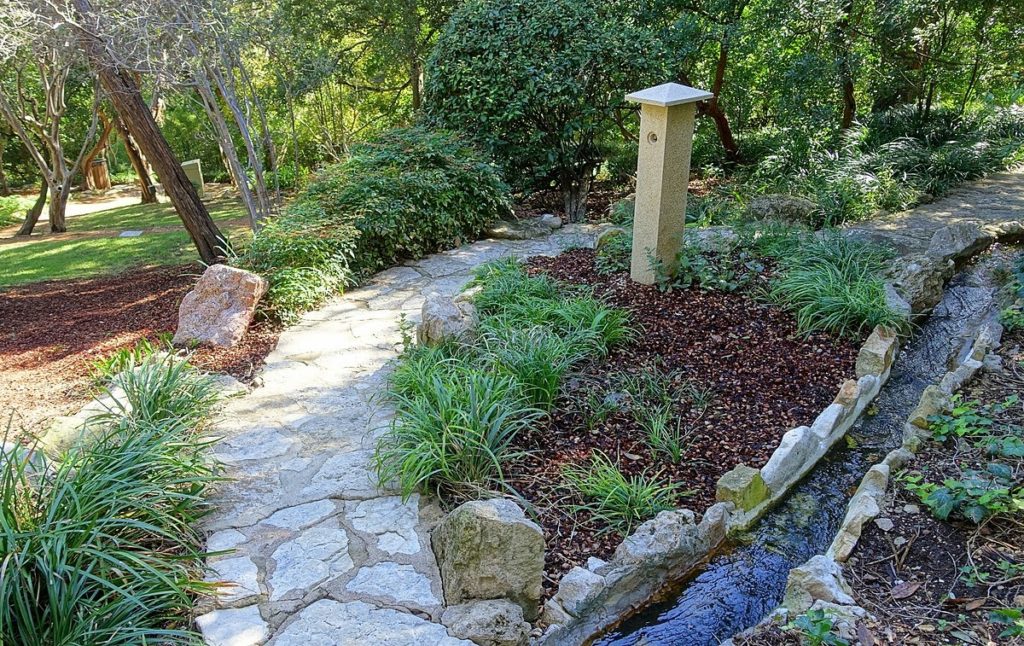
Te taha maara he taitapa noa e huri haere ana i o moenga whenua kia kore ai e puta te tarutaru kia pai ake te ahua o to iari katoa. Ano, ka taea e koe te whakatutuki i nga ahua rereke mo to kari, mo to moenga puawai ranei ma te whakamahi i nga momo karaehe rereke.

Ma nga paera ka nui ake te ahua o to whenua me te ahua o te ahua hou, engari ko nga kowhatu haki (penei i nga mea e whakaahuatia ana) he ahua mohoao ake, he ahua tino ataahua. I te mea ka tae mai nga kowhatu kara ki nga tae rereke katoa, ka kitea e koe nga mea tino pai hei whakataurite, hei rereke ranei i nga tae o o tipu.
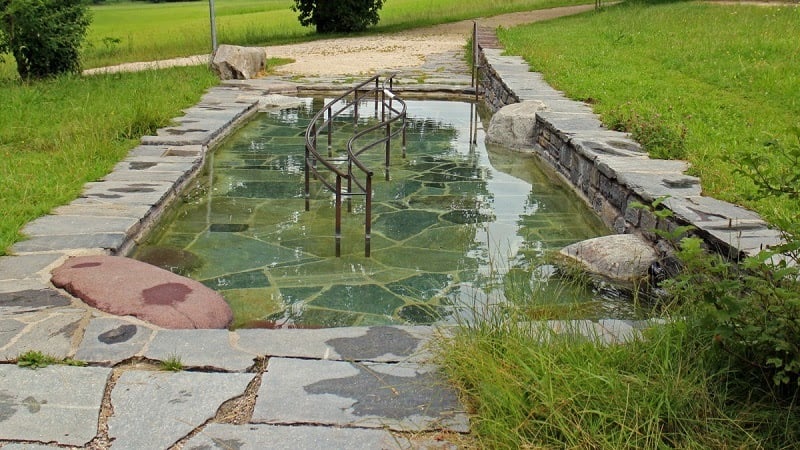
Flagstones are heavy enough to hold down liners for ponds and other similar water features, so they make great borders. Some types of flagstone are also permeable, which means they’ll absorb water instead of causing runoff if they get wet from your pond, waterfall, or fountain overflowing.
Ma nga paera karaehe, ka taea e koe te hanga i tetahi tapa tika, ma mo te ahua rerehua o naianei, ka haere ranei me nga kowhatu haki korikori mo te taitapa pono e whakakotahi ana ki te harotoroto ahua-taiao.
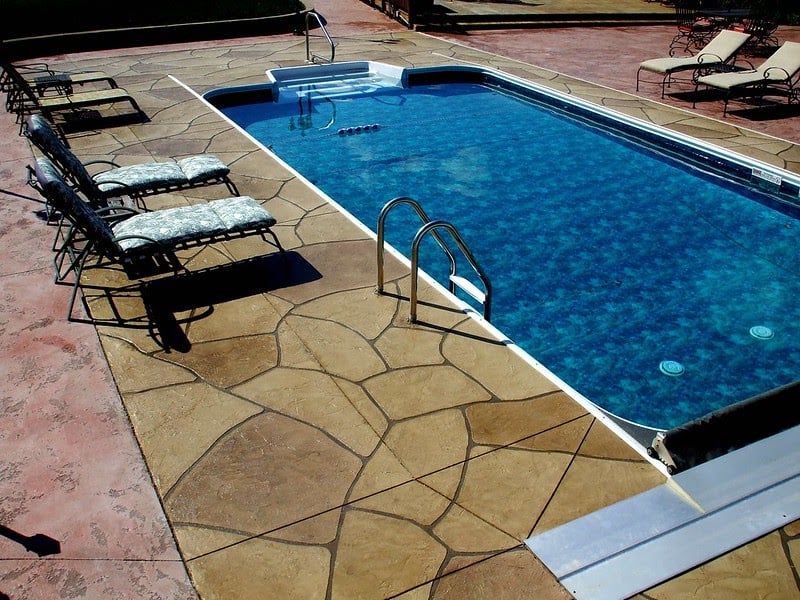
Because flagstones are slip-resistant, they’re the perfect material for puna kaukau or hot tub decks, where friends and family will regularly run around barefoot. Some types of flagstone, such as sandstone, don’t absorb heat, so they won’t burn your feet, either.
Ano hoki, he puhoi nga kowhatu haki, no reira ka taea e koe te ruirui i nga mea katoa e hiahia ana koe me te kore e awangawanga mo te rerenga wai e waipuke ana i to papa.
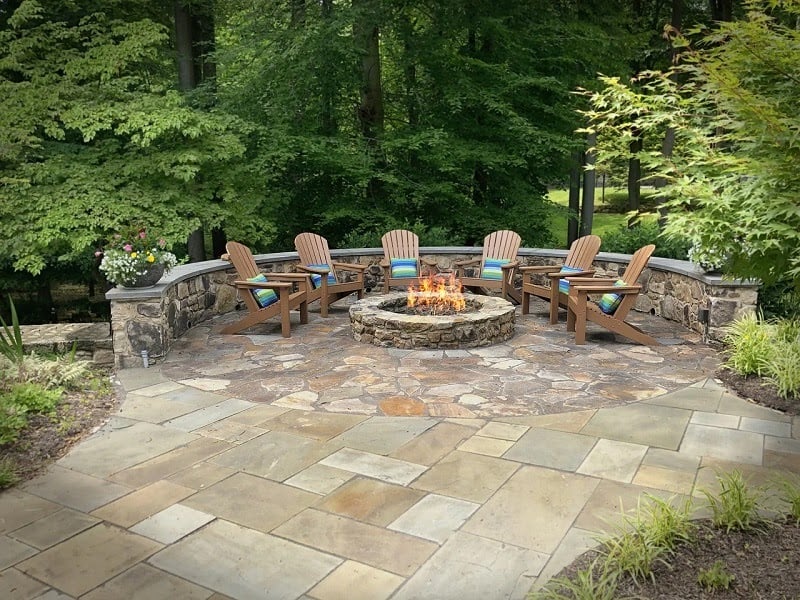
If you’re thinking of whare afpoka riri i roto i to tuari, whakaarohia te whakamahi i nga kohatu haki ki te hanga i tetahi waahi noho o waho. Ka taea e koe te whakamahi i taua momo me te tae o te karaehe mo te parani/nohoanga huri noa i te rua ahi me te rua ahi ake mo te titiro korekore, ka whakamahi ranei i nga tae rereke mo te hoahoa tino whakahihiri.
 Awherika
  Albanian
  Amharic
  Arapi
Arapi  Arameina
  Azerbaijani
  Basque
  Belarusian
  Bengali
  Bosniana
  Bulgarian
  Katarana
  Cebuano
  Haina
Haina  Haina (Taiwan)
  Korihika
  Koroatiana
  Czech
Czech  Teniana
  Tatimana
  Ingarihi
  Esperanto
  Estonian
  Finnish
  Wīwī
Wīwī  Frisian
  Kariri
  Georgian
  Tiamana
  Kariki
  Gujarati
  Haiti Creole
  hausa
hausa  hawaii
  Hiperu
  Kao
Kao  Miao
Miao  Hungarian
  Tiorangi
  igbo
igbo  Initonia
  Irish
Irish  Itariana
  Hapanihi
  Hawaana
  Kannada
  Kazakh
  Khmer
Khmer  Rwandan
  Koreana
  Kurdish
  Kyrgyz
  TB
TB  Latina
  Latvian
  Lithuania
  Luxembourgish
  Makeronia
  Malgashi
  Malay
Malay  Malayalam
  Marite
  Maori
Maori  Mareti
  Mongolian
  Myanmar
  Nepali
  Norewai
  Norewai
  Occitan
  Pashto
  Pahia
Pahia  Porohia
  Potiti
  Punjabi
  Romanian
  Ruhia
Ruhia  Hamoa
Hamoa  Scottish Gaelic
  Serbian
  Ingarihi
  Shona
Shona  Sindhi
  Sinhala
  Slovak
  Slovenian
  Somali
  Paniora
  Hatana
  Swahili
  Huitene
  Tagalog
  Tajik
Tajik  Tamil
Tamil  Tatara
  Telugu
  Thai
Thai  Turiki
  Turkmen
  Iukereiniana
  Urdu
Urdu  Uighur
  Uzbek
Uzbek  Vietnamese
  Welsh
Welsh