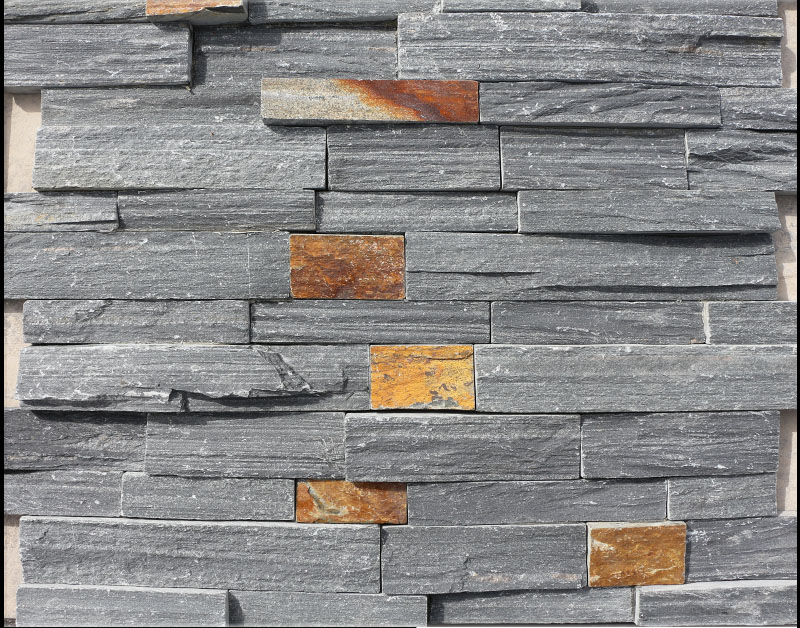
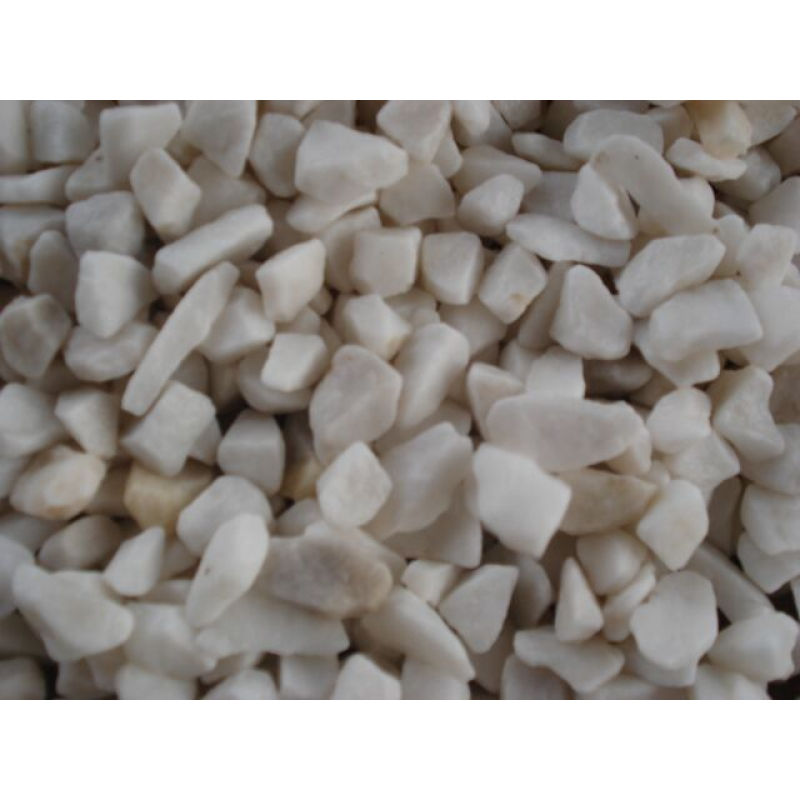
Voajanahary, mateza be, ary nampiasain'ny sivilizasiona fahiny tamin'ny fanorenana sy ny fanorenana ho an'ny fientanam-po lehibe; Ny vatosokay sy ny marbra dia tsy isalasalana fa miasa, mahafinaritra amin'ny endriny, ary mbola be mpampiasa ankehitriny. Na izany aza, na dia manana toetra mifanindry kely aza izy ireo, dia tsy mitovy ary samy hafa ny fampiharana azy.
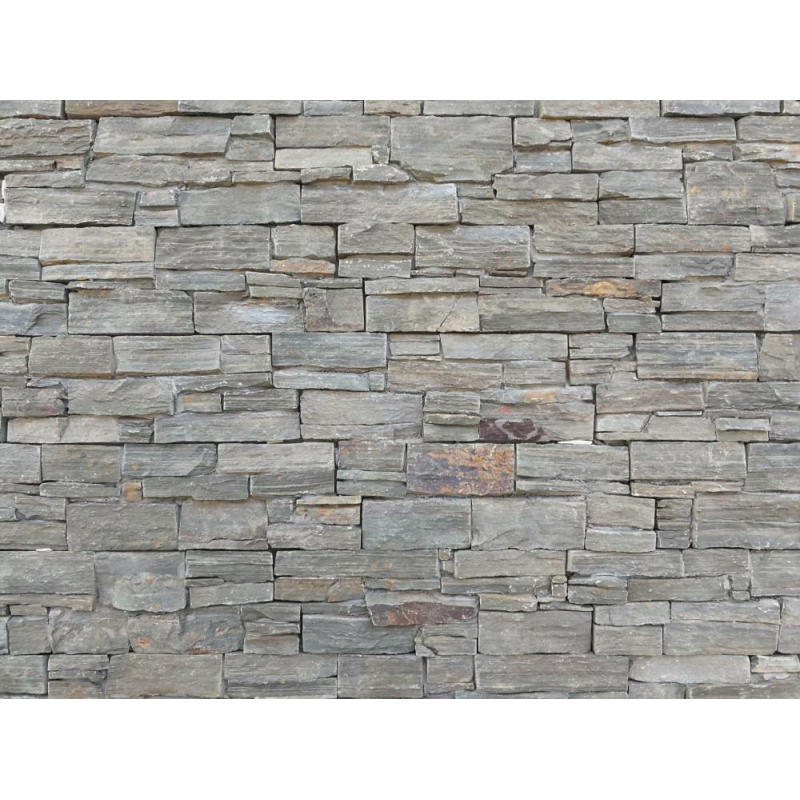
Ireo tompon-trano ao Columbus sy Cincinnati dia mampiasa ireo fiaretana ireo vato voajanahary manerana ny tranony. Ny tsirairay dia samy maneho toetra miavaka, manolotra aesthetika miavaka amin'ny habaka anatiny sy ivelany. Andeha hojerentsika ny fitoviana sy ny fahasamihafana amin'ny vatosokay sy marbra, mba hahafantaranao ny toerana sy ny fomba tsara indrindra hampiasana ireo vato ireo ao amin'ny tranonao tsara tarehy.
Stone Center - vatosokay
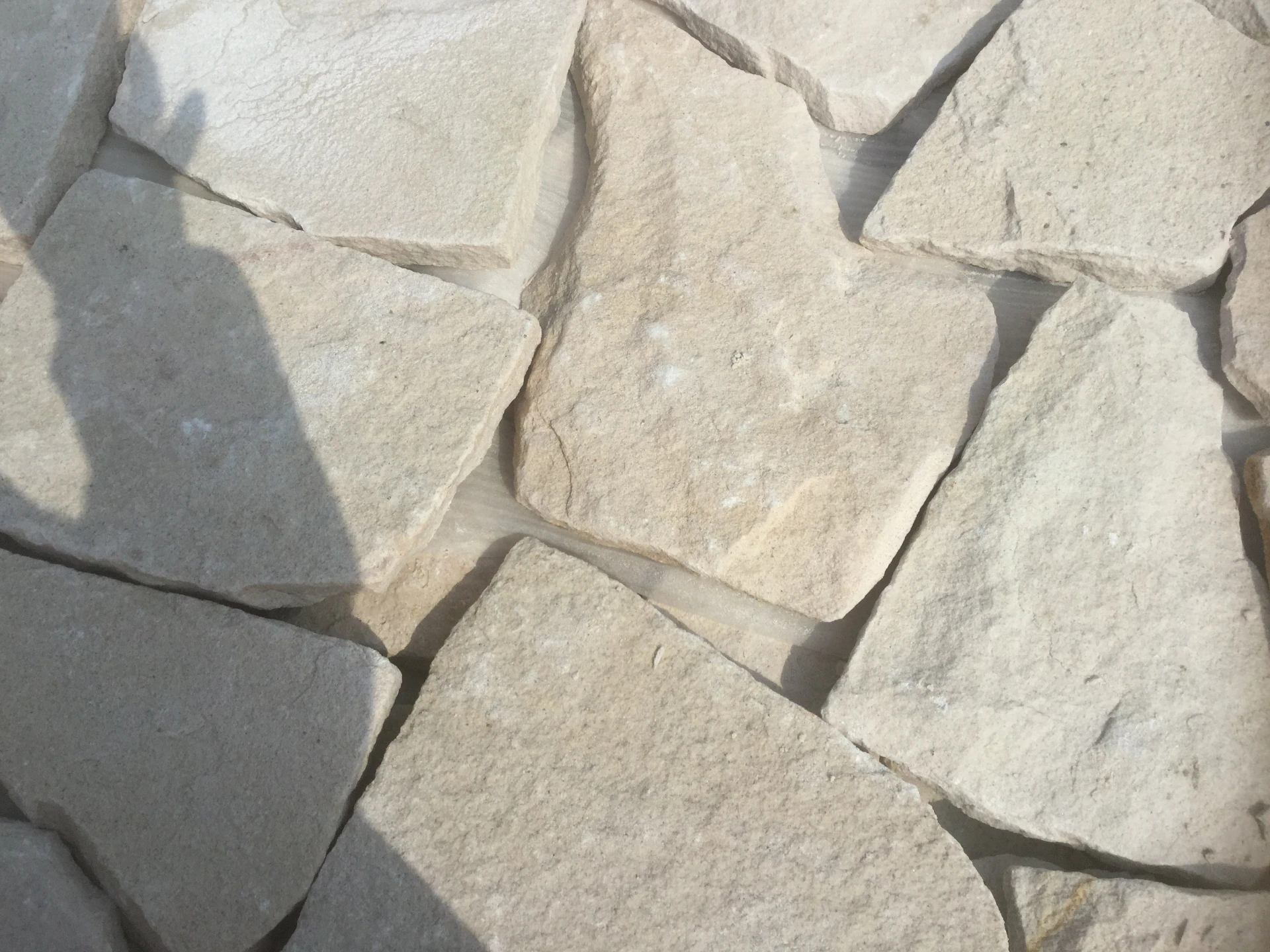
vatosokay dia vato sedimenta ahitana karibonetra kalsioma ny ankamaroany, niforona an-tapitrisany taona lasa izay noho ny fihangonan'ny akorandriaka sy taolam-biby an-dranomasina eny amin'ny fanambanin'ny ranomasina. Ny zavamananaina monina any an-dranomasina toy ny clams, hozatra, ary choral dia mampiasa karibonetra kalsioma hita ao anaty rano mba hamoronana ny exoskeleton sy taolany.
Rehefa maty ireo zavamananaina ireo, dia potipohin’ny onja ny akorany sy ny taolany ka mipetrapetraka eny amin’ny fanambanin’ny ranomasina, izay mahatonga azy ireo ho ao anaty antsanga ny tsindrin’ny rano, ka miteraka vatosokay. Ahitana vatosokay eny amin’ireo hantsana sy hantsana izay efa nihena ny rano be.
The area around the Great Lakes, such as Michigan, Indiana, and Illinois, has considerable deposits. Limestone is also quarried from the Mediterranean Basin in France, Spain, Italy, Israel, and Egypt. It’s recognized by the presence of fossils and makes up about 10% of the total volume of all sedimentary rocks.
Rehefa tratran'ny hafanana ambony ny vatosokay, dia mifamatotra ny kristaly ary mivadika ho marbra. Mandritra ny metamorphose, ny tanimanga, ny fasika, ary ny loto hafa indraindray dia miteraka lalan-dra sy mihodinkodina ao anatin'ilay vato, ka manome azy vina miavaka sy tadiavina, mitovy amin'ny rendrarendra sy harena.
Italia, Chine, India, ary Espaina no firenena efatra voalohany manondrana marbra, na dia any Torkia, Gresy ary Etazonia aza izy io. Amin'ny ankapobeny, ny marbra dia ahitana iray na maromaro amin'ireto mineraly manaraka ireto: calcite, dolomita, na serpentina. Rehefa voaravaka vato lehibe izy io, dia tapahina ho takela-bato, ary avy eo voaporitra ary zaraina amin'ireo mpamatsy vato.
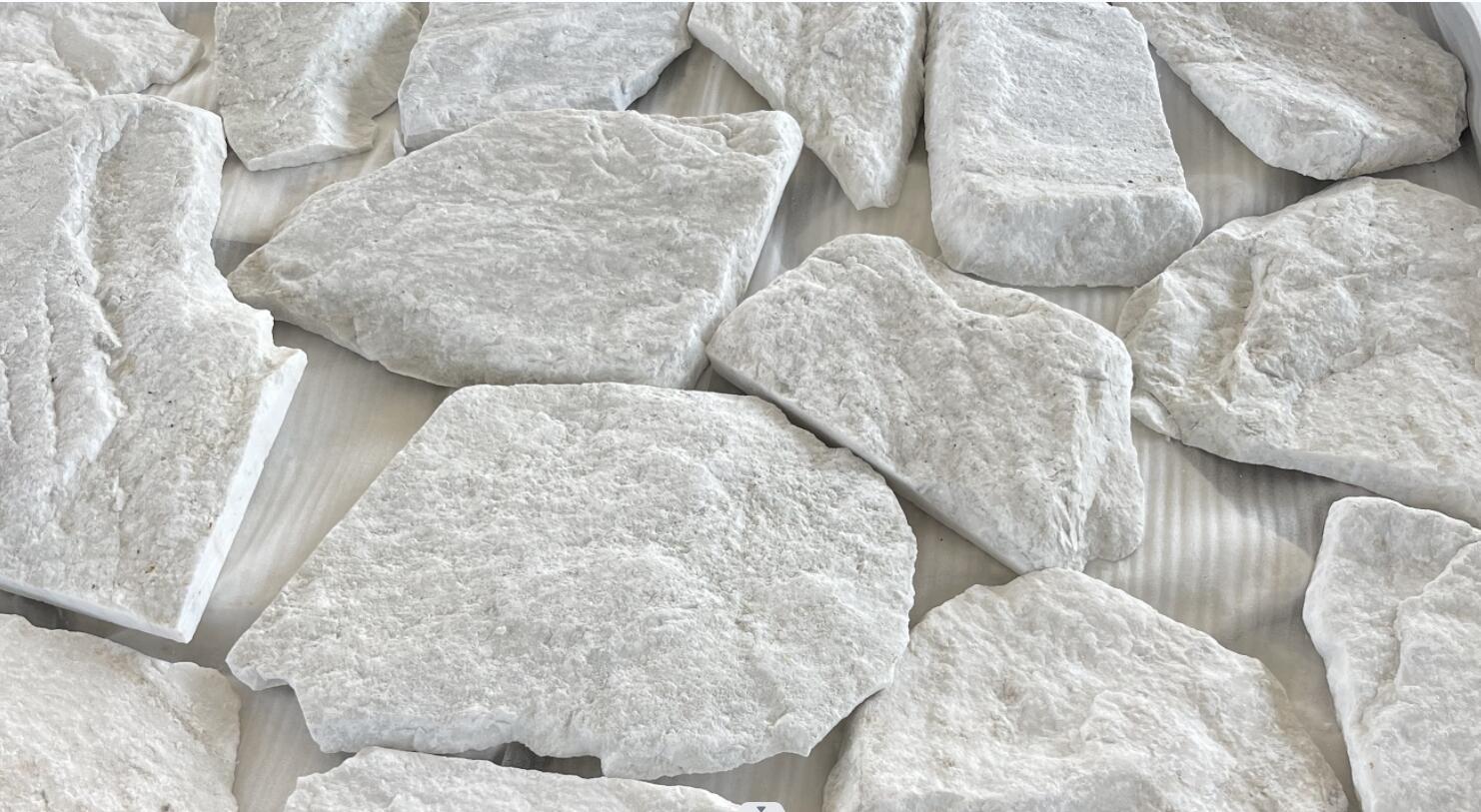
Misy loko isan-karazany ny marbra noho ny mineraly misy mandritra ny fananganana. Ampiasaina betsaka izy io ho fitaovana fanorenana amin'ny tsangambato, sary sokitra, ary mazava ho azy, countertops an-dakozia sy zava-poana. Ny marbra calcite madio indrindra dia fotsy, fa ny karazana limonite dia mavo sy ny sisa.
Ny marbra dia heverina ho fitaovana malaza amin'ny maritrano sy ny famolavolana anatiny. Izy io dia ampiasaina indrindra amin'ny sarivongana, takelaka, zava-baovao, tsanganana, gorodona, loharano, ary manodidina ny fatana. Avy amin'ny sivilizasiona taloha ka hatramin'ny countertops an-trano maoderina sy zava-poana, marbra dia tena tsara tarehy, manampy haitraitra amin'ny toerana rehetra misy azy.
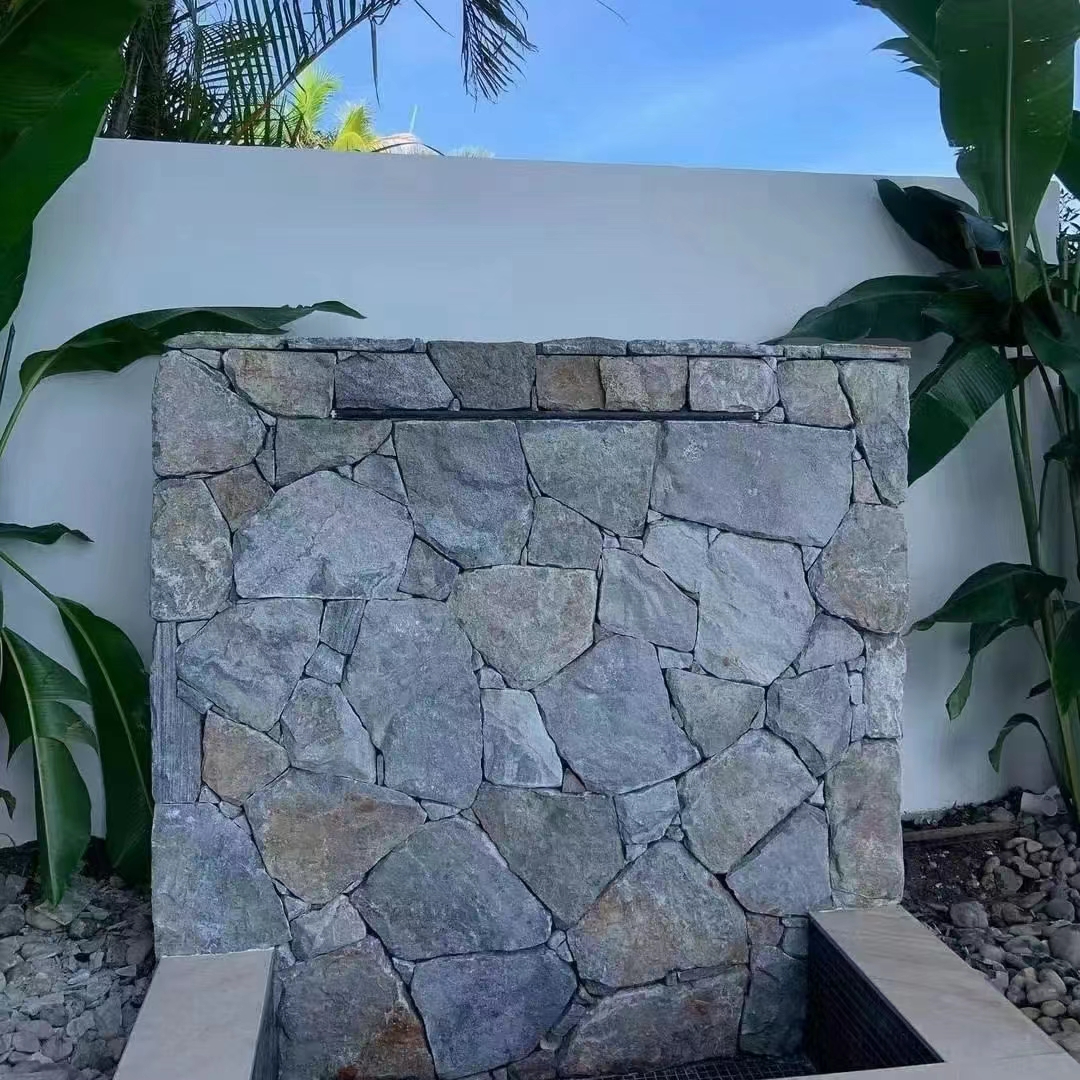
Avy amin'ny Taj Mahal ka hatrany amin'ny Piramidan'i Giza, ny fampiasana vatosokay amin'ny haitao dia mirehareha amin'ny zava-bita mahavariana. Amin'izao fotoana izao, ny vatosokay dia ampiasaina betsaka amin'ny fanorenana ara-barotra sy trano fonenana. Ao an-trano dia hahita vatosokay ianao fatana manodidina, facades ivelany, gorodona, pavers, sy ny maro hafa. Izy io koa dia vato fandrahoan-tany malaza noho ny fahatapahan-jiro sy ny porosity.
Ny marbra sy ny vatosokay dia fitaovana vato voajanahary, vita amin'ny karibonetra calcium, ary ampiasaina betsaka amin'ny fanorenana sy haingon-trano. Na dia mizara singa fototra aza izy ireo, dia misy ny fanavahana miavaka, izay misy fiantraikany amin'ny fiangaliana hita maso sy ny toetrany maharitra. Andeha hojerentsika ny nuance amin'ny vato tsirairay mba hamaritana hoe iza no mifanaraka amin'ny tetikasanao.
|
Antony |
vatosokay |
Marbra |
|---|---|---|
|
Faharetana |
Malemilemy kokoa sy porous kokoa, nomena isa 3 amin'ny maridrefy Mohs |
Mafy noho ny vatosokay, nomena isa eo anelanelan'ny 3 sy 4 amin'ny maridrefy Mohs |
|
Fisehoana hita maso |
Loko voajanahary toy ny volondavenona, tan, volontany; Mety misy tsikombakomba fôsily ary mety manomboka amin'ny fotsy ka hatramin'ny mavo na mena |
Loko marevaka misy loto vitsivitsy; afaka mivadika manga, volondavenona, mavokely, mavo, na mainty noho ny loto; isan-karazany kokoa ny loko |
|
MIRARY |
Mora kokoa, manomboka amin'ny $ 45- $ 90 isaky ny metatra toradroa |
Lafo kokoa, manomboka amin'ny $ 40- $ 200 isaky ny metatra toradroa; Ny vidiny dia miovaova arakaraka ny lamina, ny veining ary ny antony hafa |
|
Fepetra famehezana |
Mitaky famehezana mba hampitombo ny faharetana sy ny fanamorana ny fikojakojana |
Mitaky famehezana koa; matetika ny resealing dia miankina amin'ny fifamoivoizana sy ny fitafy |
|
Fahaizana fampiharana |
Ara-toekarena ho an'ny fampiasana toy ny pavers vatosokay; mora iharan'ny asidra |
Superior ho an'ny fampiharana sasany toy ny countertops; mora voan’ny asidra ihany koa |
|
fikarakarana |
Mora voan'ny asidra, mila fanavaozana matihanina amin'ny marika etch |
Torak'izany koa ny asidra; mitaky fikarakarana matihanina amin'ny marika etch sy re-honing |
Noho izany, matanjaka kokoa noho ny vatosokay ve ny marbra? Make no mistake, both marble and limestone are durable. However, since limestone is young marble, it’s a bit softer and more porous because there are small openings between fossil fragments. The metamorphosis process makes marble harder than limestone; however, this doesn't suggest easier damage to the former.
These two stones have a close rating on the Mohs scale of mineral hardness, where the higher the number, the harder the stone. Limestone is usually a 3, while marble falls between a 3 and 4. Before comparing durability, it’s worthwhile to consider the application of the natural stone. For instance, pavers vatosokay dia azo inoana fa safidy ara-toekarena kokoa noho ny marbra, fa ny countertop marbra dia mety ho safidy tsara indrindra amin'ny famolavolana anatiny noho ny vatosokay.
It’s important to note with interior applications that marble and limestone are highly vulnerable to acid. Spilled lemonade or vinegar can leave permanent etch marks on both, which require professional resurfacing and re-honing.
Stone Center - Afon-dasy
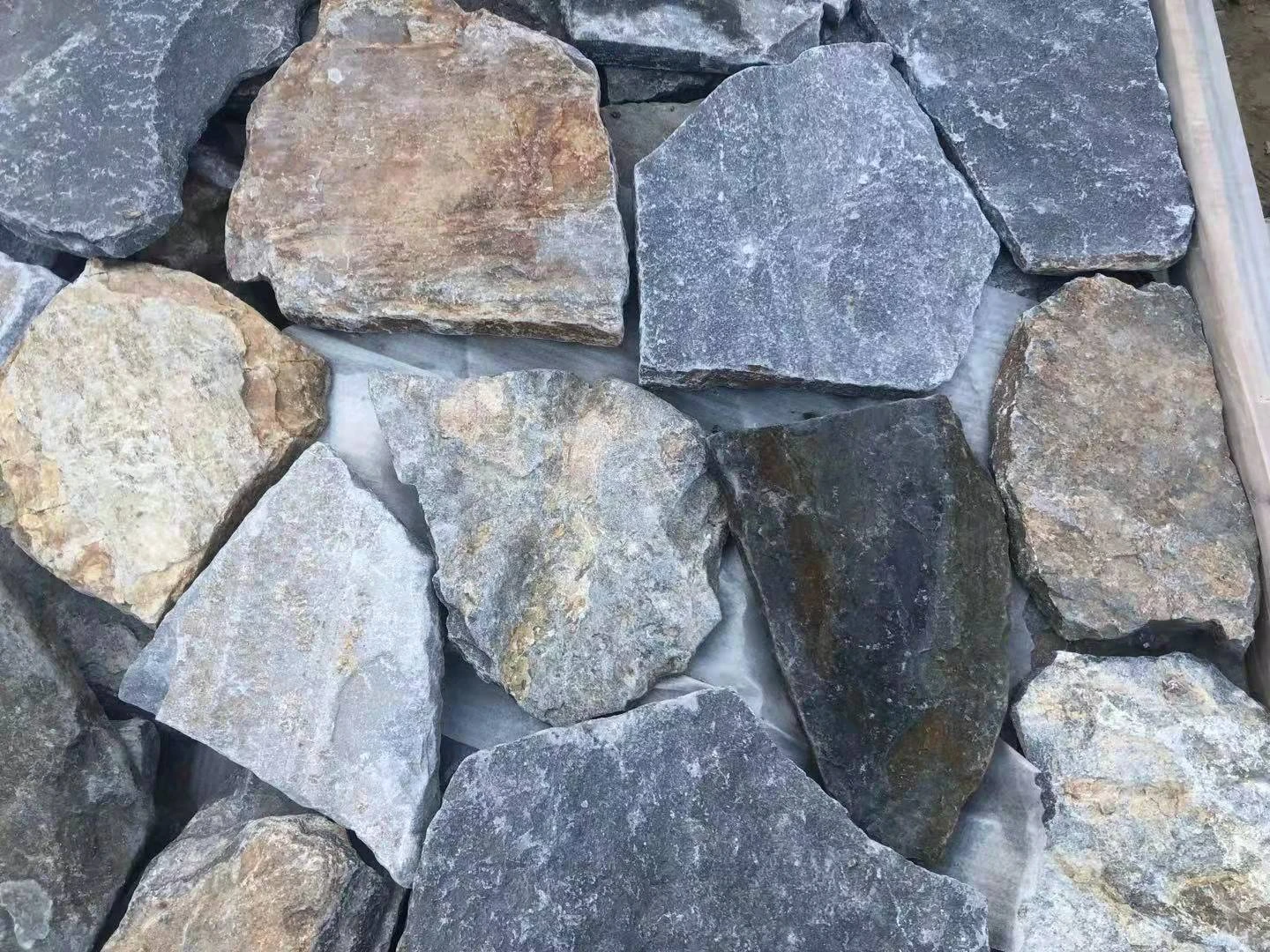
There’s a visual difference between limestone and marble; however, this depends on the variety of stones, as some may have a similar look. Limestone comes in natural colors like gray, tan, or brown, and frequently harbors impressions left by fossils and fuels. Varieties rich in organic matter may almost be black, while traces of iron or manganese can give it an off-white to yellow or red color.
Marble is usually light-colored when it’s formed with very few impurities. If there are clay minerals, iron oxides, or bituminous material, it may turn out bluish, gray, pink, yellow, or black. For example, Thassos marble is the whitest and purest in the world, while Bahai Blue is an exotic and expensive type. Overall, marble does offer a greater variety ranging from white to pink, brown, and even black.
Tsy isalasalana fa ny vatosokay no mora vidy kokoa amin'izy roa. Ny marbra dia iray amin'ireo vato haingon-trano sy ara-javakanto lafo vidy indrindra eny an-tsena, mitentina $40-$200 isaky ny metatra toradroa, fa eo anelanelan'ny $45-$90 kosa ny vatosokay. Mazava ho azy fa miankina amin'ny karazana marbra sy ny fampiharana ny vato izany.
Ny marbra dia miovaova be kokoa amin'ny vidiny arakaraka ny lamina sy ny veining, ny toerana misy ny kariera, ny fangatahana, ny fisiany, ny safidy slab ary ny hateviny. Azo inoana fa mora azo ny vatosokay. Tsy maintsy hafarana, ohatra, ny marbra sasany, fa i Etazonia kosa dia efa manana toeram-pitrandrahana lehibe any Indiana.
One of limestone and marbles similarities is that both these natural stones need sealing. This increases their durability and makes them easier to maintain. Sealing also maintains its natural appearance and prevents stains. Most homeowners think staining comes from spills, however, water and dirt can “crystallize” within a stone's pores and create unsightly marks, as well as bacteria breeding grounds.
Sealing frequency depends on the amount of traffic the stone experiences. Some installers suggest re-sealing every 18 months, while others do so every four to five years. If limestone or marble begins to appear dull or “matte” after a regular clear, then it likely needs to be resealed. Re-sealing, etch removal, and refinishing are integral parts of the fanarenana vato.
Even though limestone and marble are different, either can be a wonderful upgrade to your space. However, if you’re looking for natural stone for an outside project, we'd recommend limestone because it’s cost-effective and slightly more suitable for exterior applications.
Ao amin'ny dfl-stones, dia manolotra safidy lehibe amin'ny pavers Indiana limestone, coping, sills, ary ny manodidina am-patana notapahana araka ny famaritanao. Amin'ny maha mpamatsy vato voajanahary hajaina, dia mamatsy vatosokay izahay ho an'ny tetikasa fonenana sy ara-barotra maro manerana ny Midwest. Raha mila torohevitra momba ny zavatra rehetra mifandraika amin'ny vato voajanahary ianao, dia faly izahay hanampy. Antsoy izahay amin'ny 0086-13931853240 na mahazo a teny maimaim-poana!
 AFRIKANINA
  albaney
  Amharic
  Arabo
Arabo  Armeniana
  Azerbaijani
  Baska
Baska  Belarusian
  Bengali
  Bosniaka
  biolgara
  Katalana
  Cebuano
  CHINE
CHINE  Shina (Taiwan)
  Korsika
  Kroaty
  TSEKY
TSEKY  Danoà
Danoà  Anarana iombonana
  anglisy
  esperanto
  Estoniana
  Anarana
  FRANTSAY
  Frisian
  galisiana
  Zeorziana
  Anarana
  GRIKA
GRIKA  Gujarati
  Kreole Haitiana
  hausa
hausa  Hawaii
  Hebreo
  tsia
tsia  Miao
Miao  hongariana
  Anarana
  igbo
igbo  indonezianina
  TENY IRLANDEY
  ITALIANINA
  Anarana
  Javaney
  Kannada
  kazakh
  Khmer
Khmer  Rwanda
  Koreana
  Kiorda
  Kyrgyz
  TB
TB  Latina
  Zavatra tsy
  litoanianina
  Luxembourgish
  Masedoniana
  Malagasy
  Malay
Malay  Malayalam
  Maltais
  Maori
Maori  Marathi
  Mongoliana
  Madagascar
  Nepali
  norvejiana
  norvejiana
  Occitan
  Pashto
  PERSANINA
  poloney
  portogey
  Punjabi
  Malagasy Romanian
  ROSIANINA
  samoanina
  Gaelika Scottish
  serbianina
  anglisy
  Shona
Shona  Sindhi
  Sinhala
  silaovaka
  Slovenianina
  Somali
  Fikarohana
  Sundanese
  swahili
  Anarana
  Tagalog
  Tajik
Tajik  Tamil
Tamil  Tatar
Tatar  Telugu
  Thai
Thai  Tiorka
  Turkmen
  OKRAINIANA
  Urdu
Urdu  Uighur
  Uzbek
Uzbek  vietnamiana
  valesa