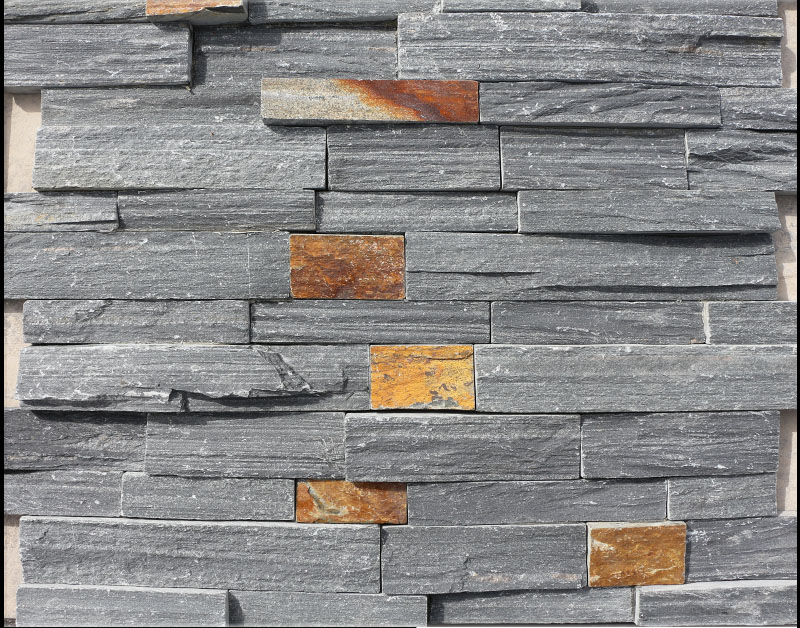
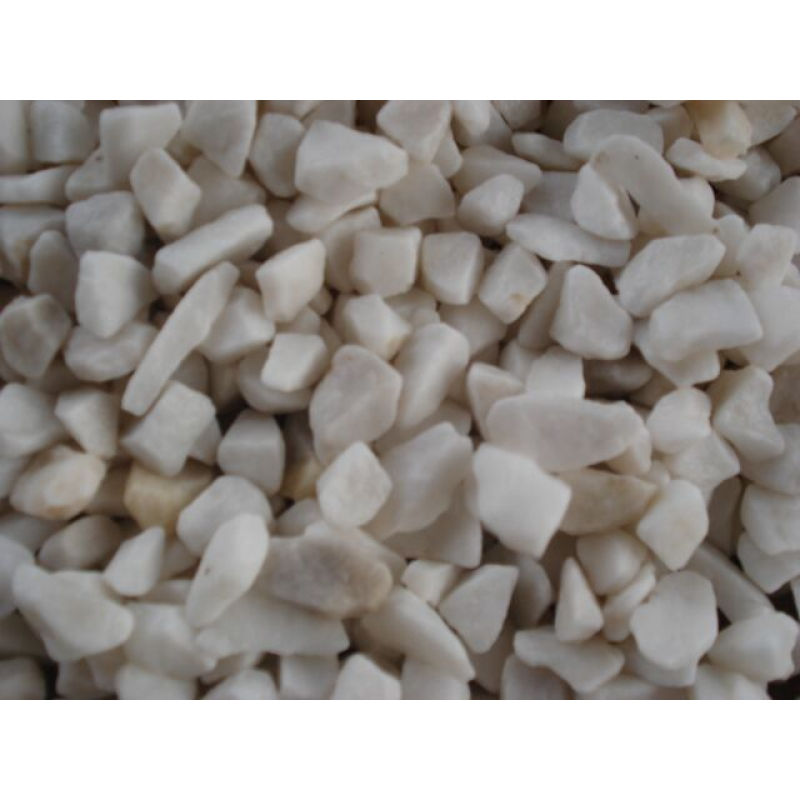
He taiao, he tino roa, he mea whakamahia e nga iwi onamata ki te hanga whare me te hanga ki te tino pai; Ko te kowhatu pākeho me te mapere he tino mahi, he ataahua te ahua, a kei te whakamahia nuitia i enei ra. Heoi, ahakoa te mau i nga kounga e īnaki paku ana, kaore e rite ana, he rereke nga tono.
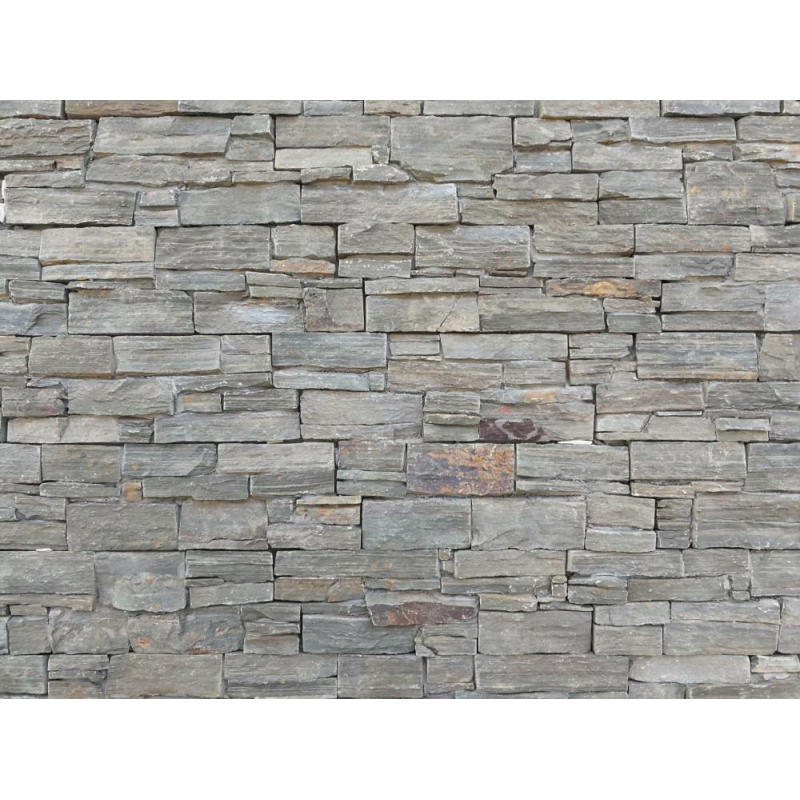
Ko nga rangatira o Columbus me Cincinnati e whakamahi ana i enei waahi kohatu maori puta noa i o ratou kainga. Ka whakaatuhia e ia ahuatanga ahurei, e whakaatu ana i te ahua rerehua ki nga waahi o roto me waho. Me haere tatou i roto i nga ahuatanga me nga rereketanga o te papake me te mapere, kia mohio koe ki hea me pehea te whakamahi pai i enei kohatu ki to kainga ataahua.
Pokapū Kohatu - Papake
pākeho he toka parataiao i titoa te nuinga o te konupūmā warowaihā, i hangaia e hia miriona tau ki muri i te whakaemi o nga anga me nga anga o nga kararehe o te moana ki te papa o te moana. Ko nga rauropi noho moana penei i te pipi, nga uaua, me te choral e whakamahi ana i te konupūmā warowaiwa e kitea ana i roto i te wai moana ki te hanga i o ratou kirikiri me o ratou kōiwi.
Ka mate enei rauropi, ka pakaruhia o ratou anga me o ratou koiwi e nga ngaru, ka tau ki te papa o te moana, i reira ka toia e te pehanga o te wai ki roto i te parataiao, na reira ka puta he kowhatu. Ka kitea te pākeho i roto i nga awaawa me nga pari kua heke te wai nui.
The area around the Great Lakes, such as Michigan, Indiana, and Illinois, has considerable deposits. Limestone is also quarried from the Mediterranean Basin in France, Spain, Italy, Israel, and Egypt. It’s recognized by the presence of fossils and makes up about 10% of the total volume of all sedimentary rocks.
I te wa e pa ana te kowhatu pākeho ki te wera nui, ka tuitui ana tioata ka huri hei mapere. I te wa o te metamorphosis, ko te paru, ko te onepu, me etahi atu poke ka whakaputa i etahi uaua motuhake me te awhiowhio i roto i te kohatu, ka puta he uaua motuhake me te rapu-i muri, he rite ki te taonga papai me te taonga.
Ko Itari, Haina, Inia, me Paniora nga whenua e wha o runga rawa ki te kawe mapere, ahakoa kei te keri ano i Turkey, Kariki, me te United States. Ko te tikanga, ko te mapere tetahi o nga kohuke e whai ake nei: calcite, dolomite, nakahi ranei. Ka kerihia ki roto i nga poraka nui, ka tapahia ki nga papa, ka whakakoihia, ka tohatohahia ki nga kaihoko kohatu.
E waatea ana te mapere i roto i nga momo tae na te mea ko nga kohuke kei te wa e hangaia ana. Ka whakamahia nuitia hei taonga hanga whare i roto i nga tohu whakamaumahara, whakairo, me te tikanga, ki nga papa o te kihini me nga horihori. Ko te mapere calcite parakore he ma, ko nga momo limonite he kowhai me etahi atu.
Ko te mapere e kiia ana he taonga rongonui mo te hoahoanga me te hoahoa o roto. Ka whakamahia te nuinga mo nga poupou, nga papa, nga mea hou, nga pou, nga papa, nga puna, me nga waahi ahi. Mai i nga iwi o nehe tae noa ki nga papa o te kaainga hou me nga horihori, he tino ataahua te mapere, he mea whakapaipai ki nga waahi katoa.
Mai i te Taj Mahal ki te Pyramid o Giza, ko te whakamahinga o te kirikiri i roto i te hoahoanga e whakanui ana i etahi mahi whakamiharo. I enei ra, e whakamahia nuitia ana te kowhatu kowhatu i roto i nga mahi hokohoko me nga whare noho. I roto i nga kainga, ka kitea e koe he toka ahi ahi e karapoti ana, nga whaa o waho, nga papa, nga paera, me etahi atu. He kohatu whakapaipai whenua rongonui hoki na te kaha o te uruhanga me te porosity.
Ko te mapere me te kowhatu kowhatu he taonga kohatu maori, he mea hanga mai i te konupūmā warokawa, he mea whakamahia nui ki te hanga me nga kaupapa whakapaipai. Ahakoa e tiritiri ana ratou i te titonga taketake, kei te noho tonu nga wehewehenga rongonui, e awe ana i o raatau whakakitenga me o raatau kounga. Kia rukuhia nga ahuatanga o ia kohatu kia mohio ai ko tehea te mea e pai ana ki to kaupapa.
|
Tauwehe |
pākeho |
Mapere |
|---|---|---|
|
Te mauroa |
He ngawari ake, he maiangi ake, kua whakatauhia te 3 ki te tauine Mohs |
He pakeke ake i te pākeho, kua whakatauhia i waenga i te 3 me te 4 ki te tauine Mohs |
|
Te Ahua Ataata |
Ko nga tae taiao penei i te hina, te tan, te parauri; he ahua matawaenga pea ka puta mai i te ma-ma ki te kowhai, whero ranei |
He tae marama me te iti o nga poke; ka huri ki te kikorangi, ki te hina, ki te mawhero, ki te kowhai, ki te pango ranei i runga i nga poke; nui ake te momo tae |
|
Utu |
He utu nui ake, mai i te $45-$90 mo ia waewae tapawha |
He nui ake te utu, mai i te $40-$200 mo ia waewae tapawha; he rereke te utu i runga i te tauira, te uaua, me etahi atu mea |
|
Nga whakaritenga hiri |
Me hiri kia nui ake te mauroa me te ngawari o te tiaki |
Me hiri ano hoki; Ko te auau o te hiri ka whakawhirinaki ki te waka me te kakahu |
|
Taupānga Tikanga |
He ohaoha mo nga whakamahinga penei i nga papa papake; he whakaraerae ki te waikawa |
He pai ake mo etahi tono penei i nga kaatete; he whakaraerae ki te waikawa |
|
Te tiaki |
He whakaraerae ki te waikawa, me whakaraerae ngaio mo nga tohu etch |
Ka pa ano ki te waikawa; me tiaki ngaio mo nga tohu etch me te whakahou ano |
Na, he kaha ake te mapere i te kowhatu kowhatu? Make no mistake, both marble and limestone are durable. However, since limestone is young marble, it’s a bit softer and more porous because there are small openings between fossil fragments. The metamorphosis process makes marble harder than limestone; however, this doesn't suggest easier damage to the former.
These two stones have a close rating on the Mohs scale of mineral hardness, where the higher the number, the harder the stone. Limestone is usually a 3, while marble falls between a 3 and 4. Before comparing durability, it’s worthwhile to consider the application of the natural stone. For instance, kowhatu pākeho He pai ake pea te ohanga i te mapere, engari he pai ake pea te hoahoa o roto i te papake.
It’s important to note with interior applications that marble and limestone are highly vulnerable to acid. Spilled lemonade or vinegar can leave permanent etch marks on both, which require professional resurfacing and re-honing.
Pokapū Kohatu - Fireplace
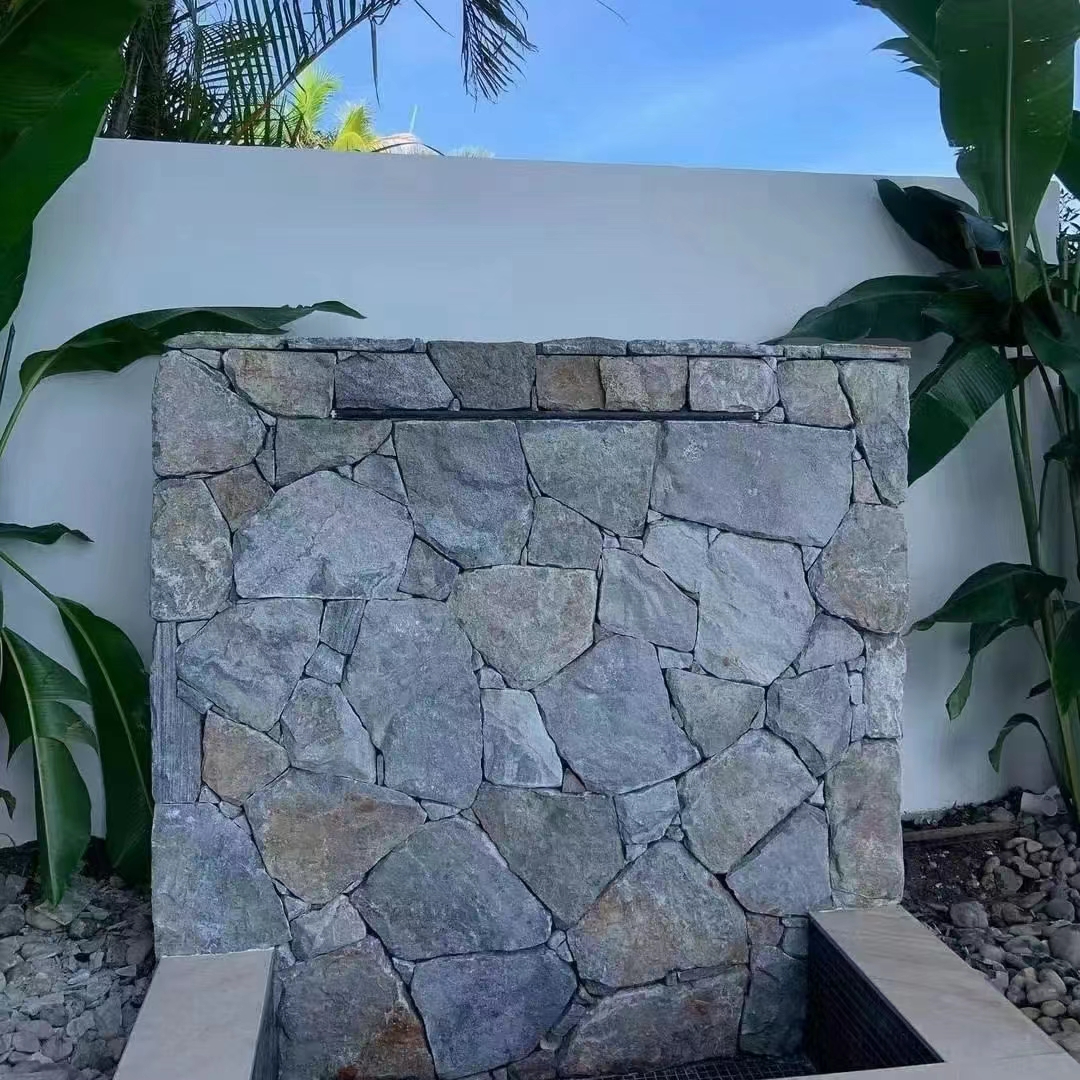
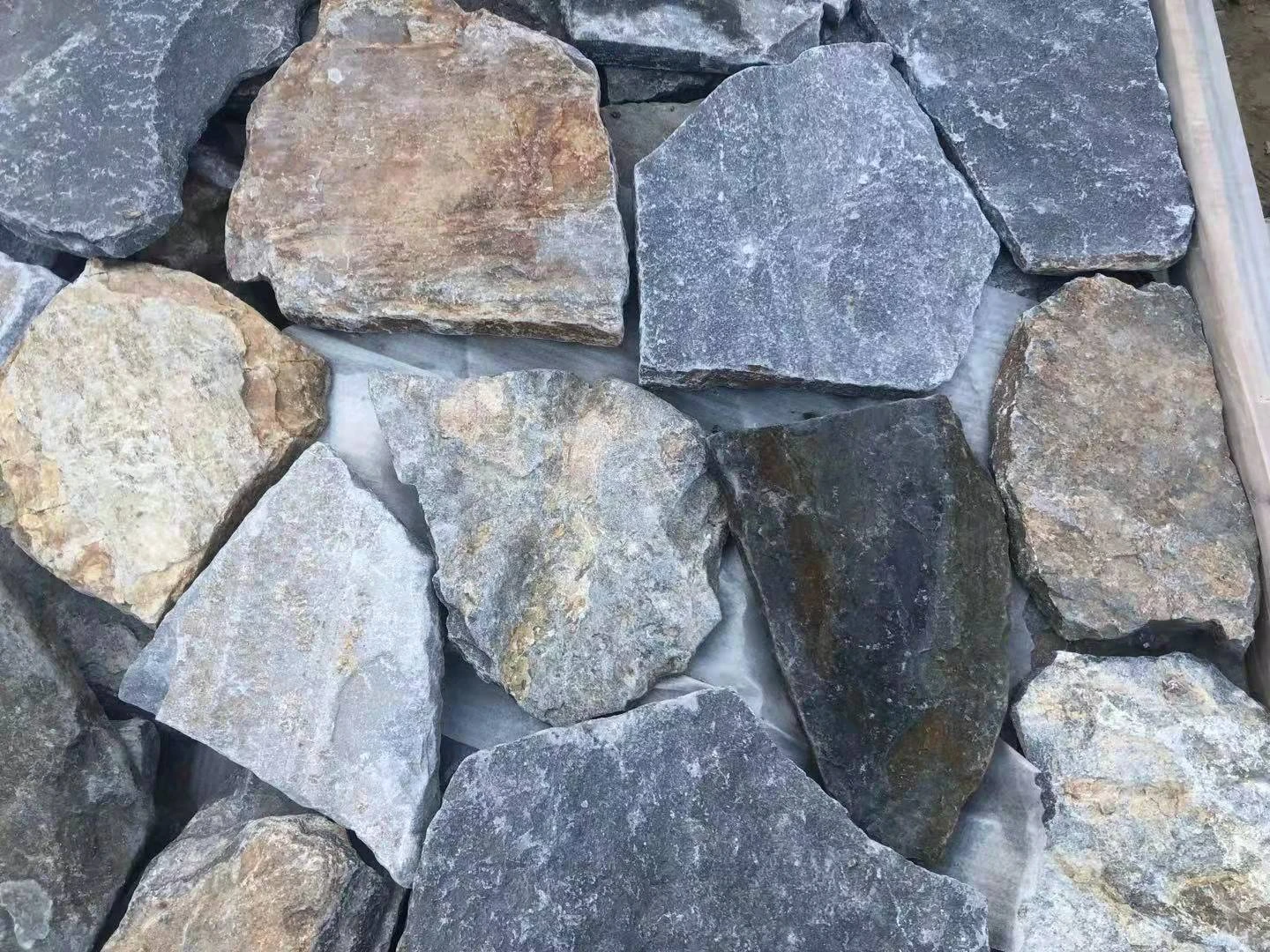
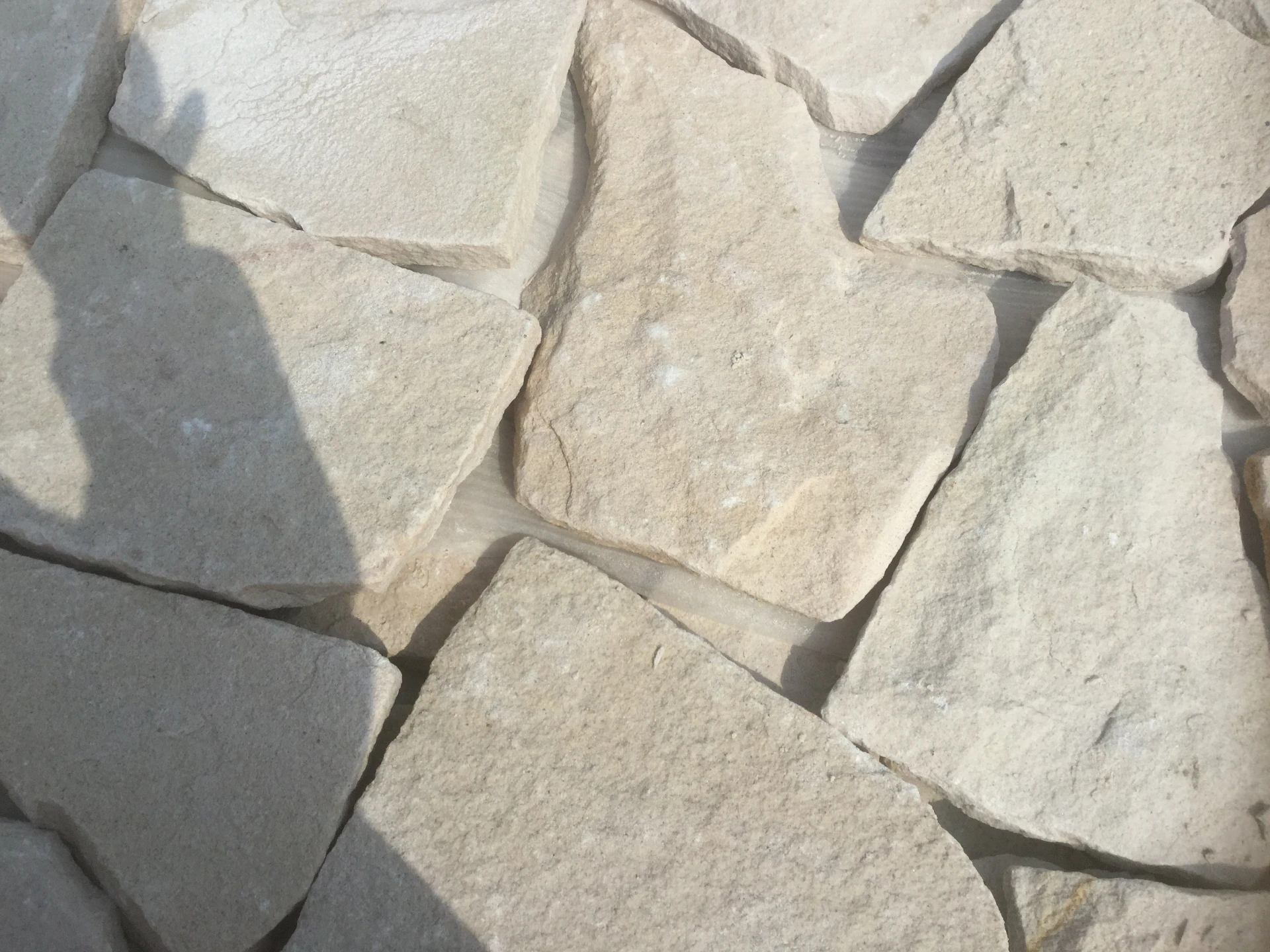
There’s a visual difference between limestone and marble; however, this depends on the variety of stones, as some may have a similar look. Limestone comes in natural colors like gray, tan, or brown, and frequently harbors impressions left by fossils and fuels. Varieties rich in organic matter may almost be black, while traces of iron or manganese can give it an off-white to yellow or red color.
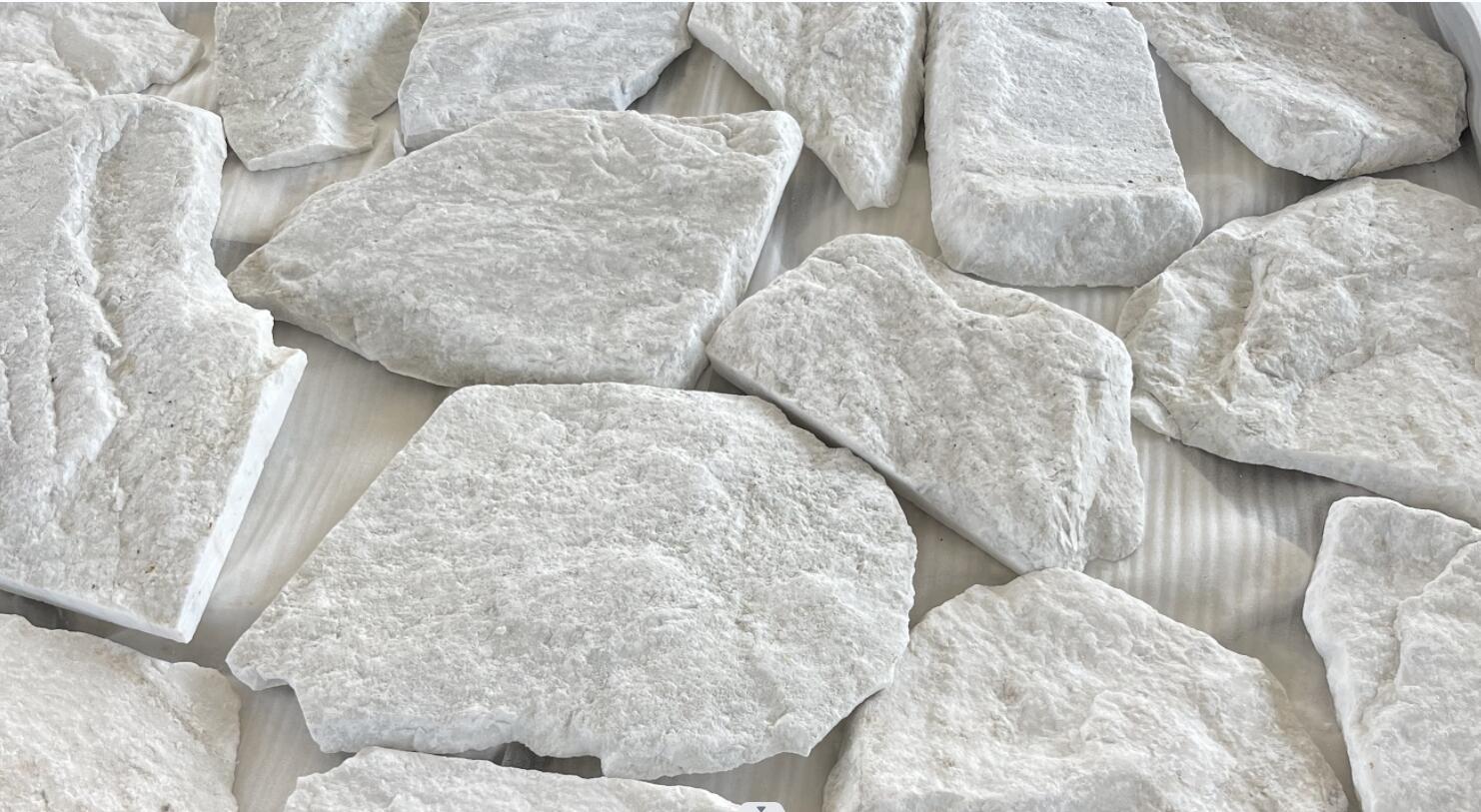
Marble is usually light-colored when it’s formed with very few impurities. If there are clay minerals, iron oxides, or bituminous material, it may turn out bluish, gray, pink, yellow, or black. For example, Thassos marble is the whitest and purest in the world, while Bahai Blue is an exotic and expensive type. Overall, marble does offer a greater variety ranging from white to pink, brown, and even black.
Kare e kore he pai ake te utu o nga mea e rua. Ko te mapere tetahi o nga kohatu whakapaipai tino utu nui i runga i te maakete, ko te utu mai i te $40-$200 mo ia waewae tapawha, ko te utu mo te kowhatu kowhatu kei waenga i te $45-$90. Ko te tikanga, ka whakawhirinaki tenei ki te momo mapere me te whakamahinga o te kohatu.
He rereke te utu o te mapere i runga i te tauira me te uaua, te waahi o te keri, te tono, te waatea, te whiriwhiri papa me te matotoru. Ko te toka pākeho kei te waatea ake. Hei tauira, me kawe mai etahi mapere, engari kei te United States nga keri whenua nunui kei Indiana.
One of limestone and marbles similarities is that both these natural stones need sealing. This increases their durability and makes them easier to maintain. Sealing also maintains its natural appearance and prevents stains. Most homeowners think staining comes from spills, however, water and dirt can “crystallize” within a stone's pores and create unsightly marks, as well as bacteria breeding grounds.
Sealing frequency depends on the amount of traffic the stone experiences. Some installers suggest re-sealing every 18 months, while others do so every four to five years. If limestone or marble begins to appear dull or “matte” after a regular clear, then it likely needs to be resealed. Re-sealing, etch removal, and refinishing are integral parts of the whakaora kohatu.
Even though limestone and marble are different, either can be a wonderful upgrade to your space. However, if you’re looking for natural stone for an outside project, we'd recommend limestone because it’s cost-effective and slightly more suitable for exterior applications.
I nga dfl-kohatu, ka tukuna e matou he kowhiringa nui o nga paera kowhatu o Indiana, te kapi, nga hiwi, me nga waahi ahi kua tapahia ki o whakaritenga. I te mea he kaiwhakarato kohatu taiao rongonui, ka tukuna e matou he kowhatu kowhatu mo te maha o nga kaupapa noho me nga kaupapa arumoni puta noa i te Hauauru. Mena kei te hiahia tohutohu koe mo tetahi mea e pa ana ki nga kohatu taiao, kei te koa matou ki te awhina. Waea mai ki a matou 0086-13931853240 whiwhi ranei a utu kore utu!
 Awherika
  Albanian
  Amharic
  Arapi
Arapi  Arameina
  Azerbaijani
  Basque
  Belarusian
  Bengali
  Bosniana
  Bulgarian
  Katarana
  Cebuano
  Haina
Haina  Haina (Taiwan)
  Korihika
  Koroatiana
  Czech
Czech  Teniana
  Tatimana
  Ingarihi
  Esperanto
  Estonian
  Finnish
  Wīwī
Wīwī  Frisian
  Kariri
  Georgian
  Tiamana
  Kariki
  Gujarati
  Haiti Creole
  hausa
hausa  hawaii
  Hiperu
  Kao
Kao  Miao
Miao  Hungarian
  Tiorangi
  igbo
igbo  Initonia
  Irish
Irish  Itariana
  Hapanihi
  Hawaana
  Kannada
  Kazakh
  Khmer
Khmer  Rwandan
  Koreana
  Kurdish
  Kyrgyz
  TB
TB  Latina
  Latvian
  Lithuania
  Luxembourgish
  Makeronia
  Malgashi
  Malay
Malay  Malayalam
  Marite
  Maori
Maori  Mareti
  Mongolian
  Myanmar
  Nepali
  Norewai
  Norewai
  Occitan
  Pashto
  Pahia
Pahia  Porohia
  Potiti
  Punjabi
  Romanian
  Ruhia
Ruhia  Hamoa
Hamoa  Scottish Gaelic
  Serbian
  Ingarihi
  Shona
Shona  Sindhi
  Sinhala
  Slovak
  Slovenian
  Somali
  Paniora
  Hatana
  Swahili
  Huitene
  Tagalog
  Tajik
Tajik  Tamil
Tamil  Tatara
  Telugu
  Thai
Thai  Turiki
  Turkmen
  Iukereiniana
  Urdu
Urdu  Uighur
  Uzbek
Uzbek  Vietnamese
  Welsh
Welsh