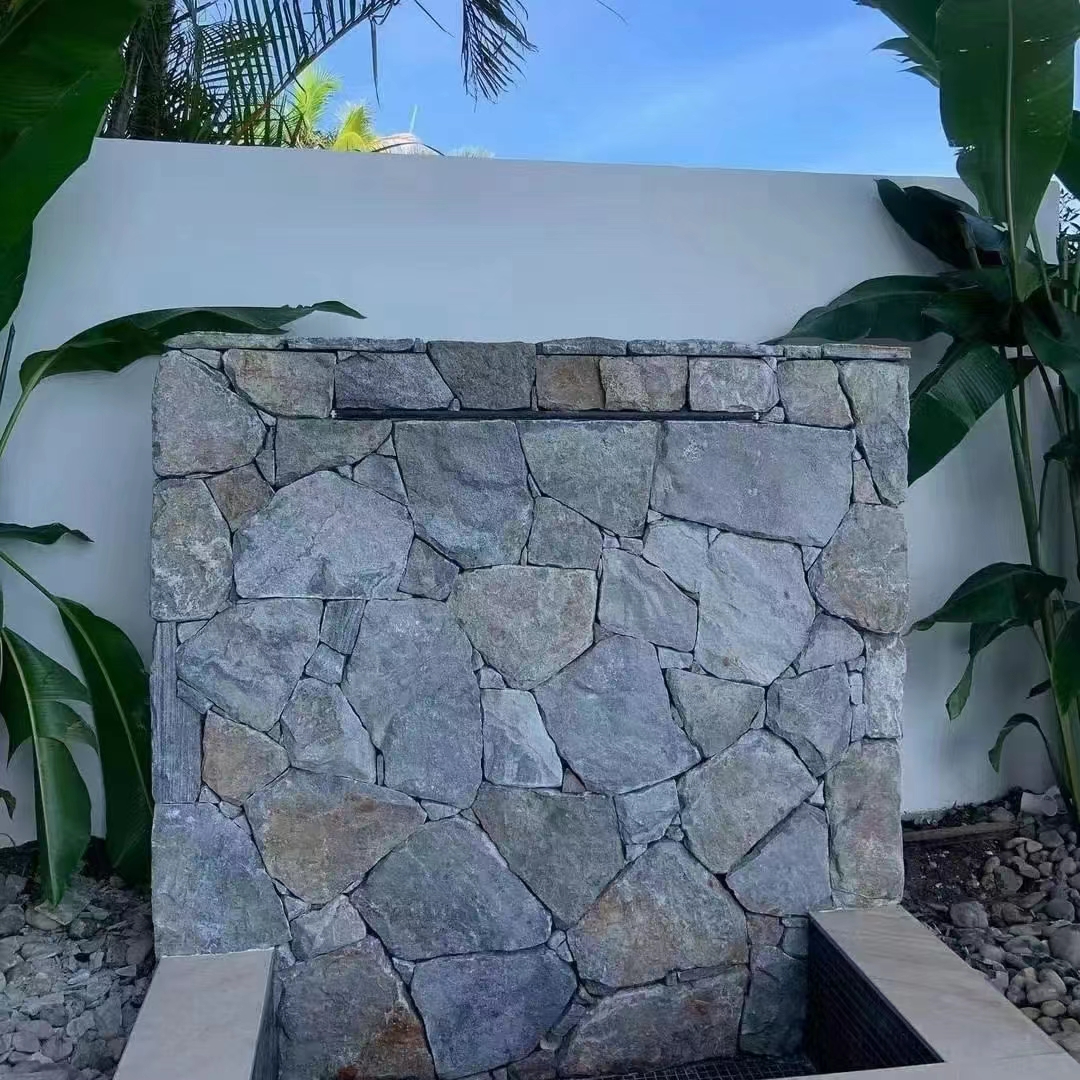
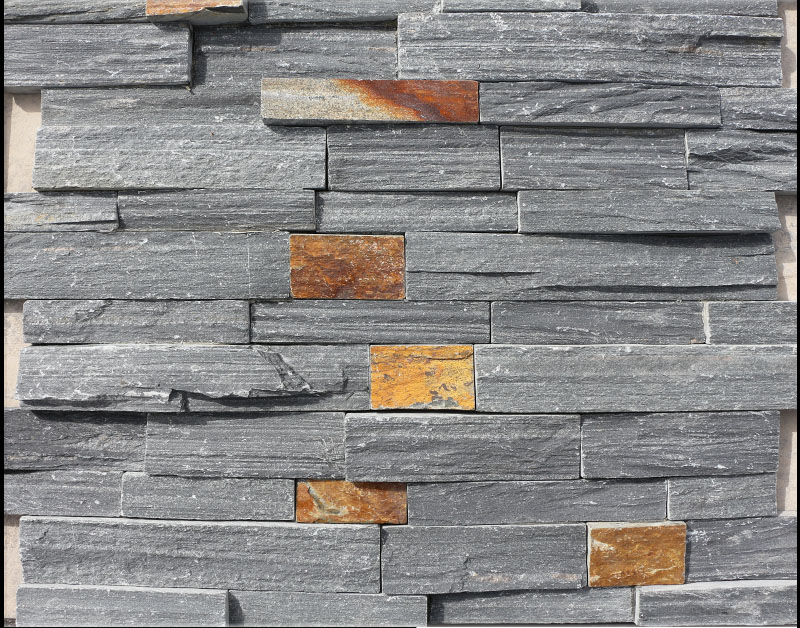
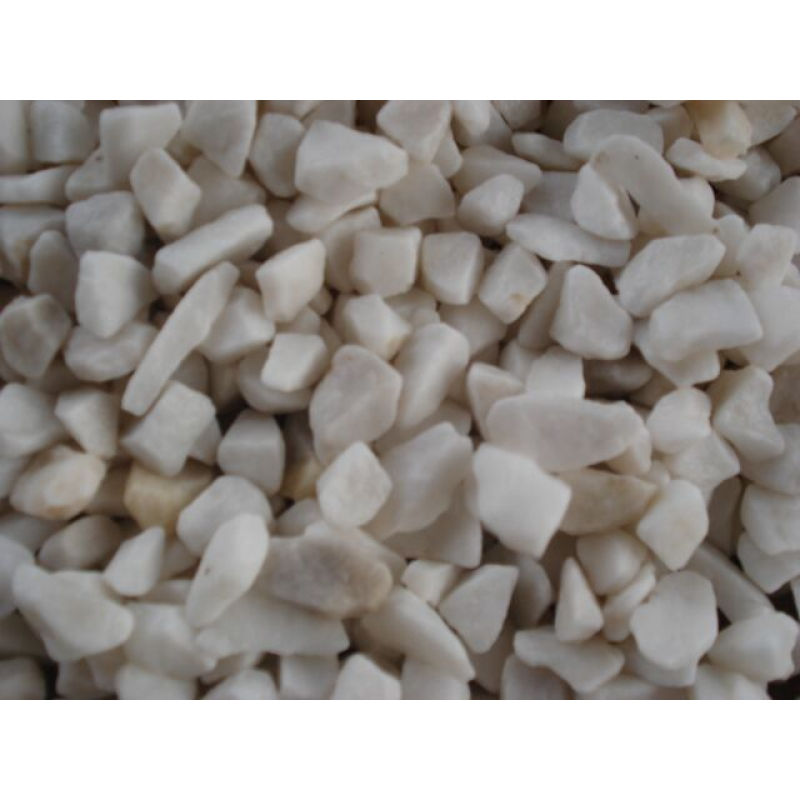
Tlhaho, e tšoarella haholo, 'me e sebelisoa ke lichaba tsa khale ho aha le ho aha ka mokhoa o makatsang; ha ho pelaelo hore lejoe la mokoetla le 'mabole lia sebetsa, li khahleha, 'me li ntse li sebelisoa haholo le kajeno. Leha ho le joalo, leha li na le litšoaneleho tse fapanyetsanang, ha li lekane ebile li na le ts'ebeliso e fapaneng.
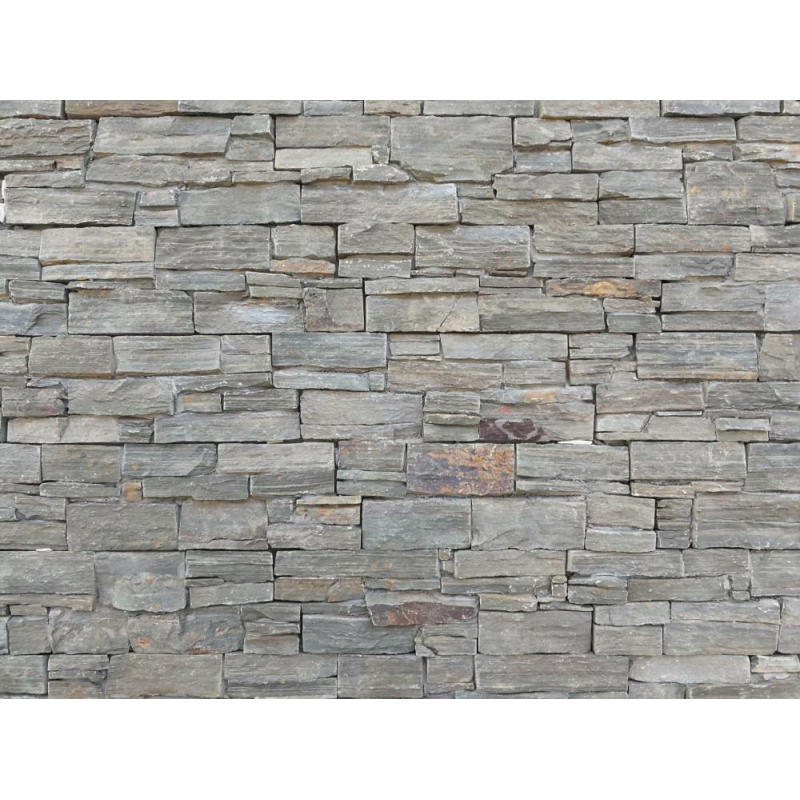
Beng ba matlo ba Columbus le Cincinnati ba sebelisa tsena tse mamellang majoe a tlhaho ho pholletsa le malapa a bona. E 'ngoe le e' ngoe e na le litšobotsi tse ikhethang, e fanang ka botle bo ikhethang ho libaka tsa kahare le kantle. Ha re hlahlobeng ho tšoana le ho se tšoane ha lejoe la mokoetla le 'mabole, e le hore u tsebe hore na u ka sebelisa majoe ana joang lapeng la hao le letle.
Setsi sa Lejoe - Limestone
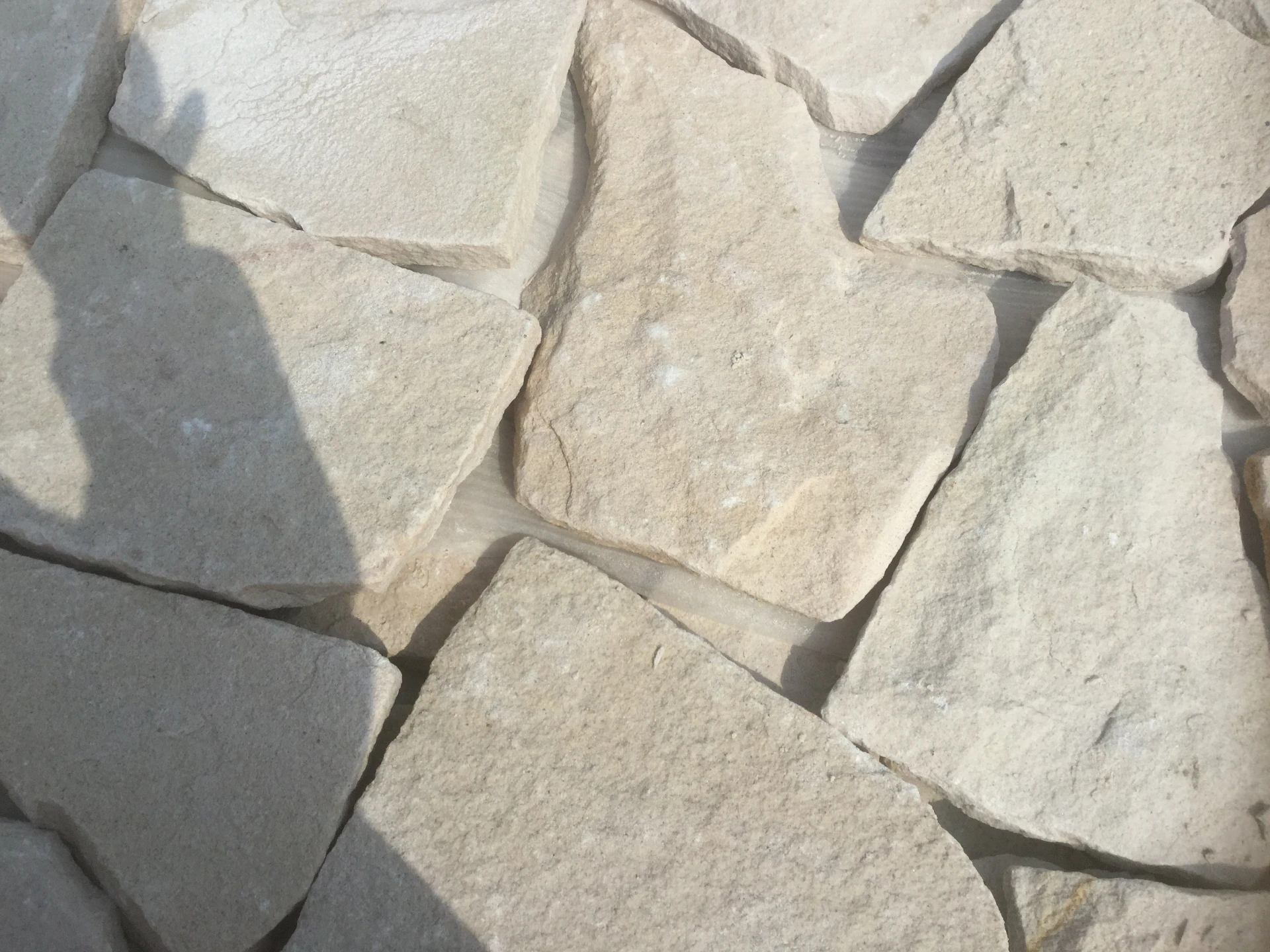
Lejoe la mokoetla ke lefika la sedimentary le entsoeng haholo ka calcium carbonate, le entsoeng lilemong tse limilione tse fetileng ka ho bokellana ha likhetla le masapo a liphoofolo tsa leoatleng holim'a leoatle. Liphoofolo tse phelang leoatleng tse kang clams, mesifa le choral li sebelisa calcium carbonate e fumanoang metsing a leoatle ho etsa li-exoskeleton le masapo a tsona.
Ha likokoana-hloko tsena li e-shoa, likhetla le masapo a tsona a rojoa ke maqhubu ’me a lula fatše holim’a leoatle, moo khatello ea metsi e li kopanyang hore e be seretse, kahoo ho etsa lejoe la mokoetla. Limestone li fumaneha likhohlong le mafikeng moo metsi a mangata a seng a theohile.
The area around the Great Lakes, such as Michigan, Indiana, and Illinois, has considerable deposits. Limestone is also quarried from the Mediterranean Basin in France, Spain, Italy, Israel, and Egypt. It’s recognized by the presence of fossils and makes up about 10% of the total volume of all sedimentary rocks.
Ha lejoe la mokoetla le pepesehile mochesong o phahameng, likristale tsa lona lia kopana ebe li fetoha 'mabole. Nakong ea metamorphosis, letsopa, lehlabathe, le litšila tse ling ka linako tse ling li hlahisa methapo e ikhethang le li-swirls ka har'a lejoe, ho le fa methapo e ikhethileng le e batloang, e ts'oanang le mabothobotho le leruo.
Italy, China, India le Spain ke linaha tse 'nè tse ka holimo-limo tse romelang 'mabole kantle ho naha, le hoja e boetse e epa Turkey, Greece le United States. Ka kakaretso, 'mabole o entsoe ka e le' ngoe kapa tse ling tsa liminerale tse latelang: calcite, dolomite, kapa serpentine. Hang ha e chekoa ka litene tse khōlō, e sehoa hore e be matlapa, ebe joale aa belisoa ebe a abeloa barekisi ba majoe.
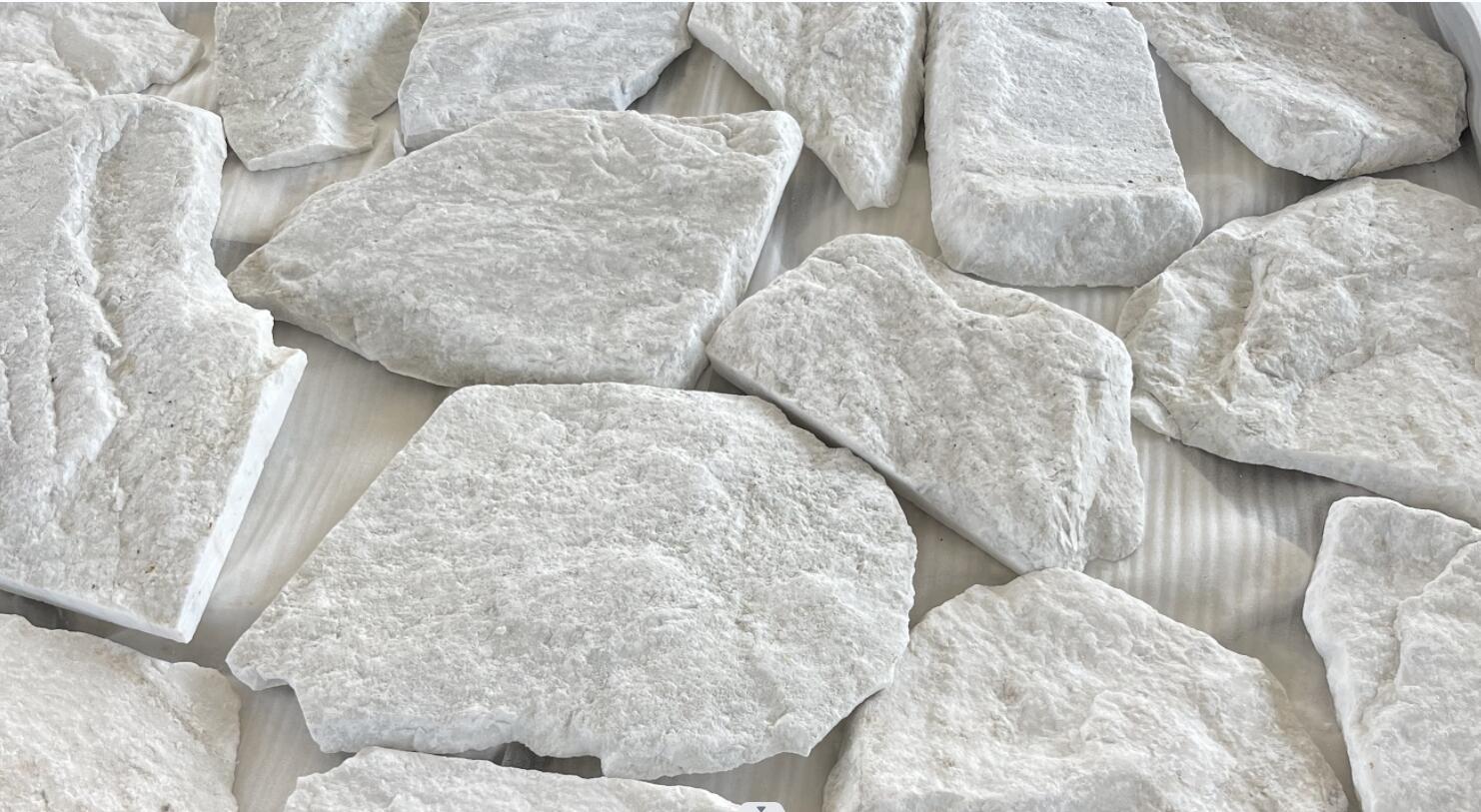
Marble e fumaneha ka mebala e fapaneng ka lebaka la liminerale tse teng nakong ea sebopeho. E sebelisoa haholo e le thepa ea kaho ea liemahale, litšoantšo tse betliloeng, 'me ho hlakile, li-countertops tsa kichineng le tsa lefeela. 'Mabole oa calcite o hloekileng ka ho fetisisa o tšoeu, ha mefuta e nang le limonite e le mosehla joalo-joalo.
Marble e nkuoa e le thepa ea maemo a holimo meahong le moralong oa kahare. E sebelisoa haholo-holo bakeng sa seemahale, litafole, lintho tse ncha, litšiea, fatše, liliba le libaka tsa mollo. Ho tloha litsong tsa khale ho ea ho li-countertops tsa lehae tsa sejoale-joale le tsa lefeela, 'mabole o motle ka mokhoa o tsoileng matsoho, o eketsa mabothobotho sebakeng leha e le sefe seo e leng karolo ea sona.
Ho tloha Taj Mahal ho ea Pyramid of Giza, tšebeliso ea lejoe la mokoetla ho tsa kaho e ithorisa ka lintho tse ling tse tsotehang. Kajeno, lejoe la mokoetla le sebelisoa haholo kahong ea khoebo le ea bolulo. Ka malapeng, u tla fumana lejoe la mokoetla libaka tsa leifo tse pota-potileng, lifasefate tse ka ntle, fatše, li-pavers, le tse ling. Hape ke lejoe le tummeng la ho khabisa naha ka lebaka la ho kenella ha lona le porosity.
Ka bobeli 'mabole le lejoe la mokoetla ke thepa ea bohlokoa ea lejoe la tlhaho, e entsoeng ka calcium carbonate,' me e sebelisoa haholo mererong ea kaho le mokhabiso. Le hoja li arolelana sebopeho sa motheo, liphapang tse hlokomelehang li teng, tse susumetsang ponahalo ea tsona le litšoaneleho tse tšoarellang. Ha re ke re hlahlobeng menahano ea lejoe ka leng ho fumana hore na ke efe e loketseng morero oa hau hantle.
|
Ntlha |
Lejoe la mokoetla |
Mabole |
|---|---|---|
|
Ho tšoarella |
E bobebe ebile e na le masoba, e fuoe lintlha tse 3 sekaleng sa Mohs |
E thata ho feta limestone, e behiloeng lipakeng tsa 3 le 4 sekaleng sa Mohs |
|
Ponahalo e Bonahalang |
Mebala ea tlhaho joalo ka bohlooho, bosootho, bosootho; e ka ba le maikutlo a mesaletsa ea lintho tsa khale 'me e ka tloha ho bosoeu ho ea ho mosehla kapa bofubelu |
Mmala o khanyang o nang le litšila tse fokolang; e ka fetoha boputsoa, ea bohlooho, e pinki, e mosehla kapa e ntšo ho latela litšila; mefuta e mengata ea mebala |
|
Litšenyehelo |
E theko e tlase haholo, ho tloha ho $45-$90 ka leoto le leng le le leng |
Ho theko e boima haholo, ho tloha ho $40-$200 ka leoto le leng le le leng; theko e fapana ho latela paterone, veining, le lintlha tse ling |
|
Litlhoko tsa ho Tiisa |
E hloka ho tiisa ho eketsa nako e telele le boiketlo ba tlhokomelo |
E boetse e hloka ho tiisoa; makhetlo a ho koala a itšetlehile ka sephethephethe le ho apara |
|
Ho Tšoaneleha Kopo |
Moruo bakeng sa litšebeliso tse kang li-pavers tsa limestone; hlaselehang habonolo ho acid |
E phahameng bakeng sa lisebelisoa tse itseng tse kang li-countertops; e boetse e kotsing ea asiti |
|
Tlhokomelo |
E kotsing ea asiti, e hloka ho hlakisoa hape bakeng sa matšoao |
Ka ho tšoanang angoa ke acid; e hloka tlhokomelo ea seporofeshenale bakeng sa li-etch marks le ho nchafatsoa bocha |
Kahoo, na 'mabole o matla ho feta mokoetla? Make no mistake, both marble and limestone are durable. However, since limestone is young marble, it’s a bit softer and more porous because there are small openings between fossil fragments. The metamorphosis process makes marble harder than limestone; however, this doesn't suggest easier damage to the former.
These two stones have a close rating on the Mohs scale of mineral hardness, where the higher the number, the harder the stone. Limestone is usually a 3, while marble falls between a 3 and 4. Before comparing durability, it’s worthwhile to consider the application of the natural stone. For instance, likotlolo tsa lejoe la mokoetla e kanna ea ba khetho e ntle ho feta ea 'mabole, empa lithapo tsa 'mabole e kanna ea ba khetho e ntle ka ho fetisisa ea moralo oa kahare ho feta lejoe la mokoetla.
It’s important to note with interior applications that marble and limestone are highly vulnerable to acid. Spilled lemonade or vinegar can leave permanent etch marks on both, which require professional resurfacing and re-honing.
Setsi sa Lejoe - Sebaka sa Mollo
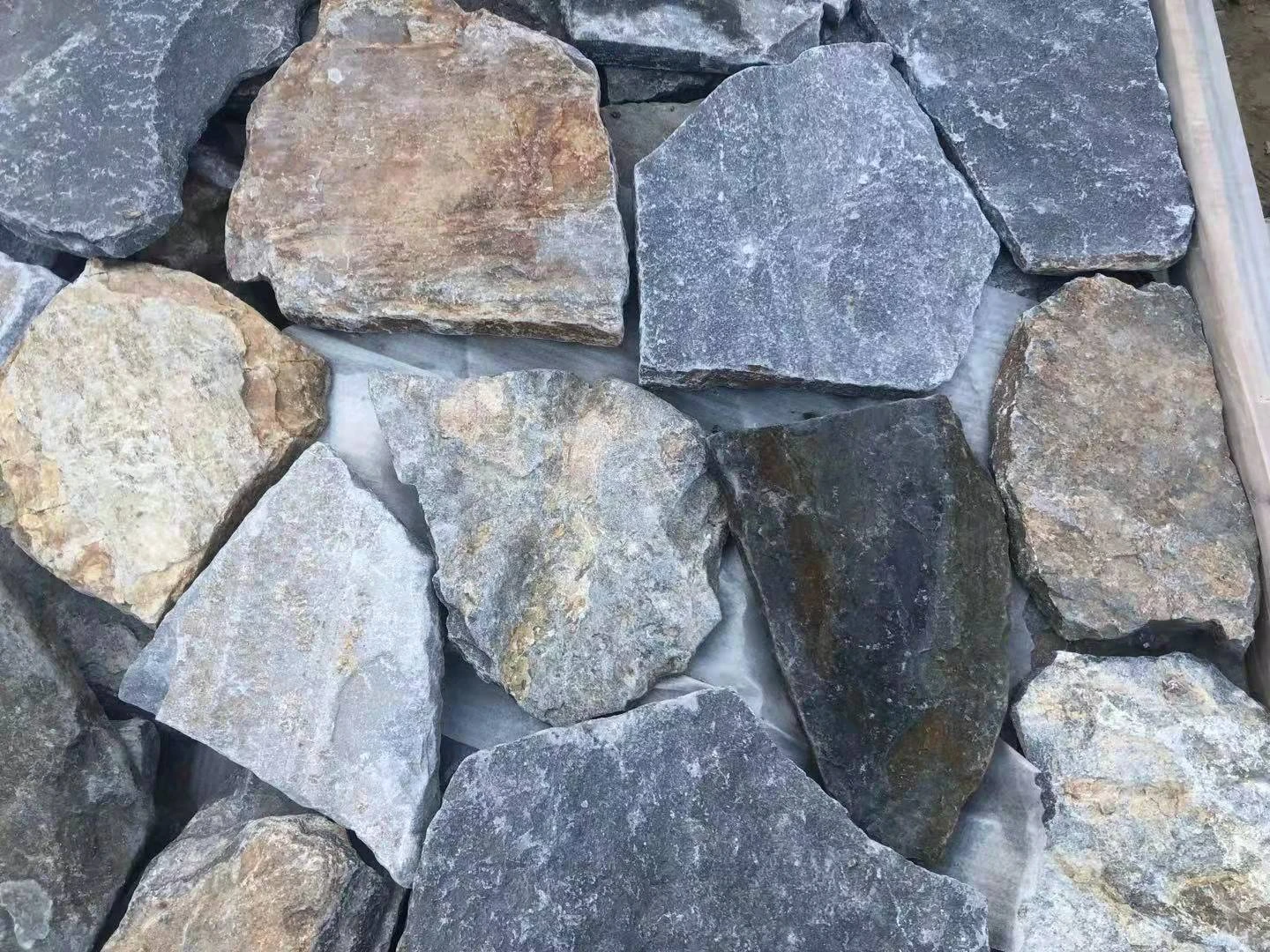
There’s a visual difference between limestone and marble; however, this depends on the variety of stones, as some may have a similar look. Limestone comes in natural colors like gray, tan, or brown, and frequently harbors impressions left by fossils and fuels. Varieties rich in organic matter may almost be black, while traces of iron or manganese can give it an off-white to yellow or red color.
Marble is usually light-colored when it’s formed with very few impurities. If there are clay minerals, iron oxides, or bituminous material, it may turn out bluish, gray, pink, yellow, or black. For example, Thassos marble is the whitest and purest in the world, while Bahai Blue is an exotic and expensive type. Overall, marble does offer a greater variety ranging from white to pink, brown, and even black.
Ha ho pelaelo hore Limestone ke eona e theko e tlaase ho tse peli. Marble ke e 'ngoe ea majoe a theko e boima ka ho fetisisa a khabisitsoeng le a meralo' marakeng, a bitsa kae kapa kae ho tloha ho $40- $200 ka leoto le leng le le leng, athe lejoe la mokoetla le bitsa pakeng tsa $45- $90. Ha e le hantle, sena se itšetlehile ka mofuta oa marble le tšebeliso ea lejoe.
'Mabole o fapana haholo ka litšenyehelo ho latela mohlala le mothapo, sebaka sa kori, tlhokahalo, boteng, khetho ea letlapa le botenya. Limestone e kanna ea fumaneha habonolo. Mohlala, 'mabole o itseng o tlameha ho rekoa kantle ho naha, athe United States e se e na le likoari tse kholo Indiana.
One of limestone and marbles similarities is that both these natural stones need sealing. This increases their durability and makes them easier to maintain. Sealing also maintains its natural appearance and prevents stains. Most homeowners think staining comes from spills, however, water and dirt can “crystallize” within a stone's pores and create unsightly marks, as well as bacteria breeding grounds.
Sealing frequency depends on the amount of traffic the stone experiences. Some installers suggest re-sealing every 18 months, while others do so every four to five years. If limestone or marble begins to appear dull or “matte” after a regular clear, then it likely needs to be resealed. Re-sealing, etch removal, and refinishing are integral parts of the tsosoloso ea majoe.
Even though limestone and marble are different, either can be a wonderful upgrade to your space. However, if you’re looking for natural stone for an outside project, we'd recommend limestone because it’s cost-effective and slightly more suitable for exterior applications.
Ho dfl-stones, re fana ka khetho e kholo ea li-pavers tsa Indiana tsa limestone, li-coping, sill, le libaka tsa mollo tse khaotsoeng ho latela litlhaloso tsa hau. Joaloka morekisi ea hlomphuoang oa majoe a tlhaho, re fana ka majoe a mokoetla bakeng sa merero e mengata ea bolulo le ea khoebo ho pholletsa le Midwest. Haeba u hloka likeletso mabapi le eng kapa eng e amanang le majoe a tlhaho, re lula re thabela ho u thusa. Re letsetse ho 0086-13931853240 kapa fumana a qotsa mahala!
 Moafrika
  Sealbania
  Seamharic
  Searabia
  Searmenia
  Se-Azerbaijani
  Sebasque
  Sebelarusia
  Benghali
  Sebosnia
  Se-Bulgaria
  Secatalan
  Sebuano
  China
China  China (Taiwan)
  Corsican
  Secroatia
  Czech
Czech  Sedanishe
  Se-Dutch
  Senyesemane
  Esperanto
  Seestonia
  Sefinnishe
  Sefora
  Sefrisia
  Segalician
  Segeorgia
  Sejeremane
  Segerike
  Segujarati
  Secreole sa Haiti
  hausa
hausa  siwaiian
  Seheberu
  Che
Che  Miao
Miao  Se-Hungary
  Seiceland
  igbo
igbo  Seindonesia
  irish
irish  Setaliana
  Sejapane
  Se-Javanese
  Kannada
  kazakh
  Khmer
Khmer  Rwanda
  Sekorea
  Sekurdish
  Sekyrgyz
  Lefuba
  Selatine
  Selatvia
  Selithuania
  Se-Luxembourgish
  Semacedonia
  Malgashi
  Semalay
  Semalayalam
  Semalta
  Semaori
  Marathi
  Mongolian
  Myanmar
  tsa Nepali
  Norwegian
  Norwegian
  Occitan
  Sepashto
  Sepersia
  Sepolishe
  Sepotoketsi
  Sepunjabi
  Seromania
  Serussia
  Sesamoa
  Segaeli sa Scotland
  Seserbia
  Senyesemane
  Seshona
  Sindhi
  Sesinhala
  Seslovak
  Seslovenia
  Somalia
  Sepanish
  Sesundanese
  Seswahili
  Seswedishe
  Setagalog
  Se-Tajik
  Setamil
  Setatare
  Setelugu
  Sethai
  Se-Turkey
  Turkmen
  Seukraine
  Seurdu
  Uighur
  Seuzbek
  Sevietnam
  Welsh
Welsh