

The longevity of stone puts any human concept of old age to shame. Stone creates a sense of permanence and solidity, even when worn and weathered. It’s been used throughout history as the structure and facade of buildings- buildings that have literally stood the test of time.
While natural stone has been the material of choice for millennia, glass has dominated commercial construction—especially large scale projects like skyscrapers—in recent years. But architects are increasingly reacting to this glut of glass by returning to stone for their projects. For many developers and architects, glass had become the default, a sterile, too obvious choice which resulted in a flat, texture-less and uninspired design.
Phetoho ea ho tloha khalase ho khutlela ho lejoe le eona e bakoa ke mathata a tikoloho. Ramotse oa New York, Bill De Blasio haufinyane o ile a fallela moo thibela skyscrapers e ncha ea khalase in the city, making New York the first city to mandate energy efficiency. But it won’t be the last: According to the United Nations, 40% of the world’s energy consumption can be attributed to buildings. Pressure to construct buildings in a sustainably responsible manner is being felt by developers and architects around the world.
INDIANA LIMESTONE – FULL COLOR BLEND™ facade ka konkreite ea precast | Yankee Stadium | Setsebi sa meralo: Se na le baahi ba bangata
“It’s pretty well known in the industry that those glass facade buildings are not energy efficient,” said Hugo Vega, vice president of Architectural Sales at Polycor. “Meaning that in the summer it becomes super hot and you need to have an extensive system of air conditioning and in the winter you need a lot of heating as compared to a traditional building with more stone.”
The design community has been embracing stone for facade design instead, and just in time, as changes in building codes and regulations are set to further tighten architects’ design choices. Natural stone plays an important role in the future of sustainable architecture thanks to its life-cycle, durability, ease of care, low maintenance, and energy efficiency— the list goes on. The minimal environmental impact that innovative cladding wall systems provide is another reason the building industry is moving back to natural materials.
Majoe a tlhaho a Polycor a sebetsa bakeng sa mefuta e fapaneng ea li-facade anchoring le litsamaiso tsa tšehetso. Bona kamoo.
“Energy inefficient glass facades concerns are a good driver for the growing popularity of stone cladding,” said Vega.
Vega understands this continued demand for stone cladding better than just about anyone: he’s been the driving force behind the development of the cladding division of Polycor and he has an in-depth understanding of what architects and builders are looking for in their products.
BETHEL WHITE® le CAMBRIAN BLACK® liphanele tsa granite 3cm ho sistimi ea Eclad e kentsoeng holim'a sebopeho se teng | Mohaho oa TD | Moetsi oa meralo: WZMH
“The type of stone will dictate possible finishes, thickness, and more,” said Vega. “For example, it’s inadvisable to use polished 3cm marble and expose it to the elements for cladding. Direct communication with selected quarries will help validate the block sizes and thus the maximum finished panel sizes, what natural features can be expected in the stone, and the availability of the material according to job size and phases.” Specification challenges can present themselves throughout a project, such as alternate stones being introduced by other parties and detracting from the initial design intent. Maintaining a close contact with the quarry teams helps ensure this is preserved. As Hugo points out, “Make sure to specify the true, branded names of the materials to avoid being supplied with undesired alternates.” The old days of calling out 'Mabole oa Italy doesn’t cut it anymore.
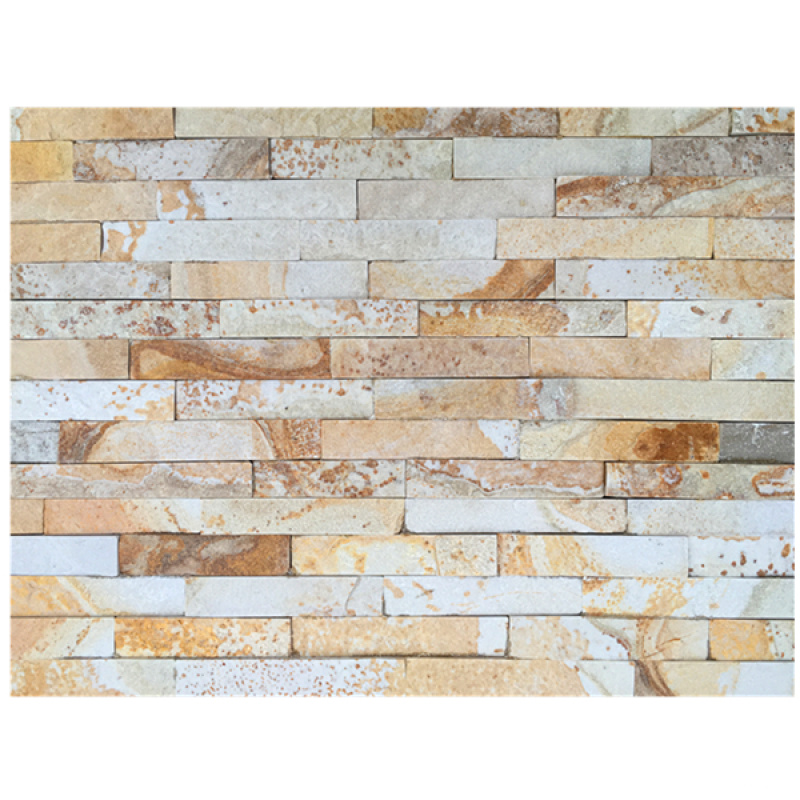
Stone cladding isn’t just the smart alternative to energy efficient glass, it’s also the simple choice, thanks to new cladding attachment systems.
“These new attachment systems allow stone to be used for lighter applications, when the structure has not been designed for a heavy full bed,” said Vega. “They also allow for a faster installation compared to traditional methods.“
Litharollo tse ncha tsa ho koala li lumella menyetla e mengata ea moralo | Setšoantšong: Litecore tse tšesaane tse sehiloeng Indiana Limestone li khomaretse tšehetso ea khekhe ea linotsi ea aluminium
Litlhahiso tsa li-cladding li ka fana ka tharollo e ntle le e theko e tlaase bakeng sa ho kenyelletsa mebala le libopeho tsa majoe a tlhaho ntle le mathata a lipalangoang tse theko e boima le ho kenya nako e telele. Ha e ntse e etsa motho sebopeho sa 'nete sa majoe a tlhaho, tse ling tsa litsamaiso tsena li lula li le bobebe hore li sebelisoe habonolo, e leng khetho e bohlale bakeng sa ho sebetsana le litlhoko tse tiileng tseo litsebi tsa meralo li tlamehang ho li fihlela mekhoeng ea sejoale-joale ea meaho.
Majoe a tlhaho a Polycor a sebetsa bakeng sa mefuta e fapaneng ea li-facade anchoring le litsamaiso tsa tšehetso. Origining at the Li-quarries tsa polycor and all through production, the stones are manufactured to each of our partner system’s specifications from ultra-thin profiles up to full thickness dimensional elements complimenting a wide range of facade structures.
Ha u khetha lejoe bakeng sa ho roala, bahahi ba meralo ba hloka ho lekanya lintlha tse ngata: ponahalo, tšebeliso e reretsoeng, boholo ba morero, matla, nako e telele le ts'ebetso. Ka ho khetha majoe a Polycor bakeng sa li-facade, litsebi tsa meralo li rua molemo ho beng ba rona ka botlalo ba ketane ea phepelo, ho tloha ho theosa le lefika ho fihlela moo ho kenngoeng teng. Bohlokoa ba ho sebetsa le k'hamphani e kang Polycor, ke hore kaha re na le li-quarries tsa rona, re ka araba ka ho toba lipotsong leha e le life kapa mathata ao setsebi sa meralo se ka bang le 'ona nakong ea ho etsa setšoantšo sa facade ho e-na le ho ba le banna ba 2-3 ba bohareng.
Polycor Bethel White® granite quarry | Bethel, VT
“We have a wide array of our own limestone, granite and marble, so architects can discuss with the source and get accurate and reliable information,” said Vega. “We fabricate ourselves and sell blocks to other fabricators, ensuring competitiveness of the offers, while preserving the design intent. We work with industry leaders like Eclad, Hofmann Stone and others to offer a complete cladding solution for the project.“
Vega e 'nile ea thahasella mahlale a macha a ho roala liaparo' me e sebelitse le litsebi tsa lipatlisiso le nts'etsopele litsing tsa rona tsa tlhahiso ho etsa lejoe la tlhaho la botenya bo fapaneng bo ka sebelisoang kahare kapa kantle ho moaho. Ka kakaretso e khomaretsoe ka seporo se ikemetseng le tsamaiso ea li-clamp.
Polycor’s stone veneer can be installed over solid facing, which eliminates the challenge of removing the original substructure in some cases. Some stone panels are cut thin, while still maintaining the authentic look and feel of a thicker stone without the heavy weight of a 3-6 inch deep stone veneer, making installation fast and simple. Polycor’s thin stones are compatible in many cladding configurations and are manufactured for systems like Litecore, tharollo e fanang ka lejoe ka karoloana ea boima le ho kenya ka makhetlo a mabeli ka lebelo.
Setšoantšo ka tumello ea: Litecore
Liphanele tsena tsa marako tse feto-fetohang, tse nang le likarolo tse ngata li sebelisa lejoe la Polycor le sehiloeng hore e be veneer e tšesaane haholo. E khomaretsoe ho khekhe ea linotši, e kentsoeng pakeng tsa maqephe a aluminium le letlooeng la fiberglass, liphanele li fana ka tsamaiso e tlaase, e matla le e bobebe.
KODIAK BROWN™ ultra thin 1cm granite with carbon fiber backing on Eclad system | Architect: Régis Côtés
Polycor 1cm carbon fiber backed slabs ke lihlahisoa tse tšesaane haholo, tse bobebe, ebile li tšoarella ka nako e telele tse itšetlehileng ka tšehetso e khomaretsoeng e sebelisoang sebakeng sa aluminium. Liphanele tsa majoe tse hlahisoang li fetisetsoa ho kopanngoa le mekhoa ea ho kopanya ea Eclad le Elemex.
GEORGIA MARBLE – WHITE CHEROKEE™and Indiana Limestone facade on precast concrete | 900 16th St. Washington, D.C. | Architect: Robert AM Stern
3cm stone mechanically anchored to thin, precast concrete panels provides additional installation advantages. Companies such as Hoffman Stone systems are compatible with Polycor’s stones.
Polycor e na le boiphihlelo ba ho theha projeke efe kapa efe ho tloha leboteng le bonolo ho ea ho libenche, merero e ikhethang ea meralo le libaka tse phahameng tsa ka hare tsa baeti. Tharollo e 'ngoe le e' ngoe e lumella baetsi ba meralo hore ba rale meaho e mecha, e tšoarellang le e khahlisang ka ntle e kenyelletsang bokaholimo ba majoe.
“These solutions can also be used interchangeably to blend with more traditional architectural elements and stone masonry construction such as full bed trim, cornices, lintels and things of that nature,” said Vega. “And again, once the material is specified, it can be used on any cladding system, traditional masonry and fabricated by pretty much all the fabricators operating on the market today. This way architects can lock in their design intent, and let engineers and builders establish means and methods to realize the design within budget.”
INDIANA LIMESTONE – STANDARD BUFF™ cladding e kopanyang tlatsetso ea sejoale-joale ka majoe a setso | Senate ea Canada, Ottawa, CA | Moetsi oa meralo: Diamond Schmitt
E tiisitsoe nakong e fetileng empa e itokiselitse bokamoso, ho roala ka majoe a tlhaho ho finyella litlhoko tsa meralo ea sejoale-joale le moralo. 'Me le hoja mekhoa e mecha ea ho koala e ntse e etsa hore majoe a tšesaane a be bonolo ho feta leha e le neng pele ho sebelisoa, ho roala ha se eona feela bokamoso ba majoe a tlhaho.
 Moafrika
  Sealbania
  Seamharic
  Searabia
  Searmenia
  Se-Azerbaijani
  Sebasque
  Sebelarusia
  Benghali
  Sebosnia
  Se-Bulgaria
  Secatalan
  Sebuano
  China
China  China (Taiwan)
  Corsican
  Secroatia
  Czech
Czech  Sedanishe
  Se-Dutch
  Senyesemane
  Esperanto
  Seestonia
  Sefinnishe
  Sefora
  Sefrisia
  Segalician
  Segeorgia
  Sejeremane
  Segerike
  Segujarati
  Secreole sa Haiti
  hausa
hausa  siwaiian
  Seheberu
  Che
Che  Miao
Miao  Se-Hungary
  Seiceland
  igbo
igbo  Seindonesia
  irish
irish  Setaliana
  Sejapane
  Se-Javanese
  Kannada
  kazakh
  Khmer
Khmer  Rwanda
  Sekorea
  Sekurdish
  Sekyrgyz
  Lefuba
  Selatine
  Selatvia
  Selithuania
  Se-Luxembourgish
  Semacedonia
  Malgashi
  Semalay
  Semalayalam
  Semalta
  Semaori
  Marathi
  Mongolian
  Myanmar
  tsa Nepali
  Norwegian
  Norwegian
  Occitan
  Sepashto
  Sepersia
  Sepolishe
  Sepotoketsi
  Sepunjabi
  Seromania
  Serussia
  Sesamoa
  Segaeli sa Scotland
  Seserbia
  Senyesemane
  Seshona
  Sindhi
  Sesinhala
  Seslovak
  Seslovenia
  Somalia
  Sepanish
  Sesundanese
  Seswahili
  Seswedishe
  Setagalog
  Se-Tajik
  Setamil
  Setatare
  Setelugu
  Sethai
  Se-Turkey
  Turkmen
  Seukraine
  Seurdu
  Uighur
  Seuzbek
  Sevietnam
  Welsh
Welsh 




