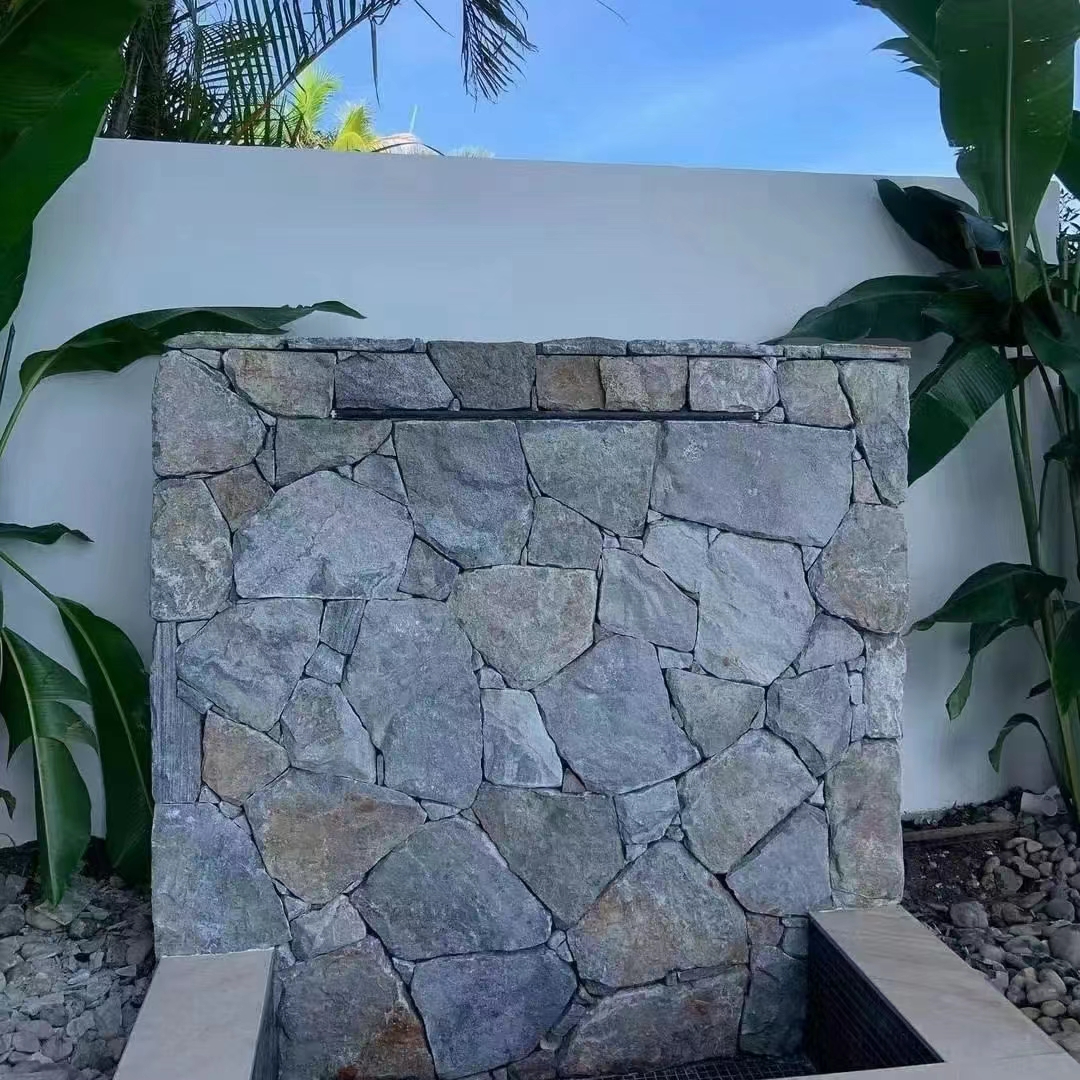
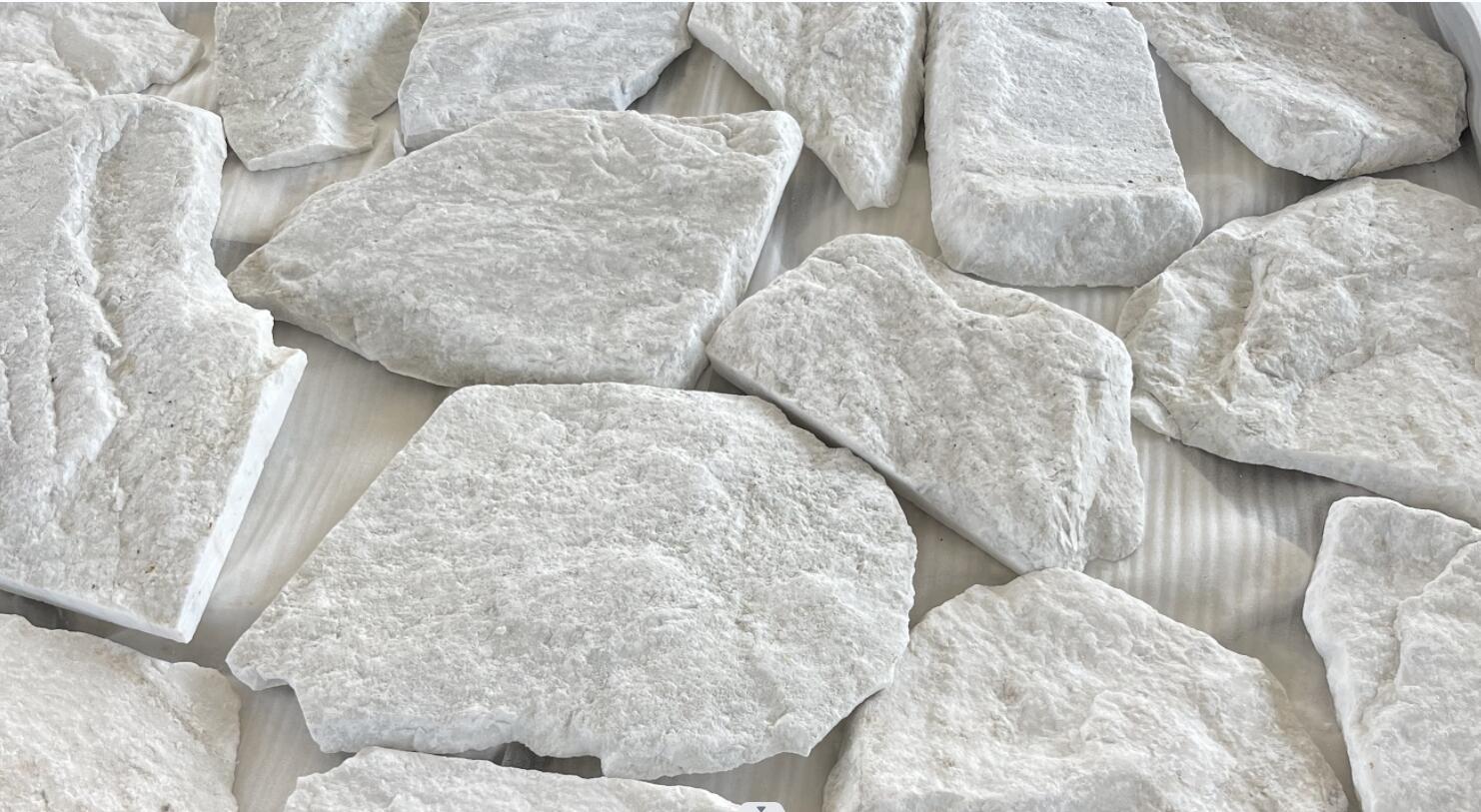
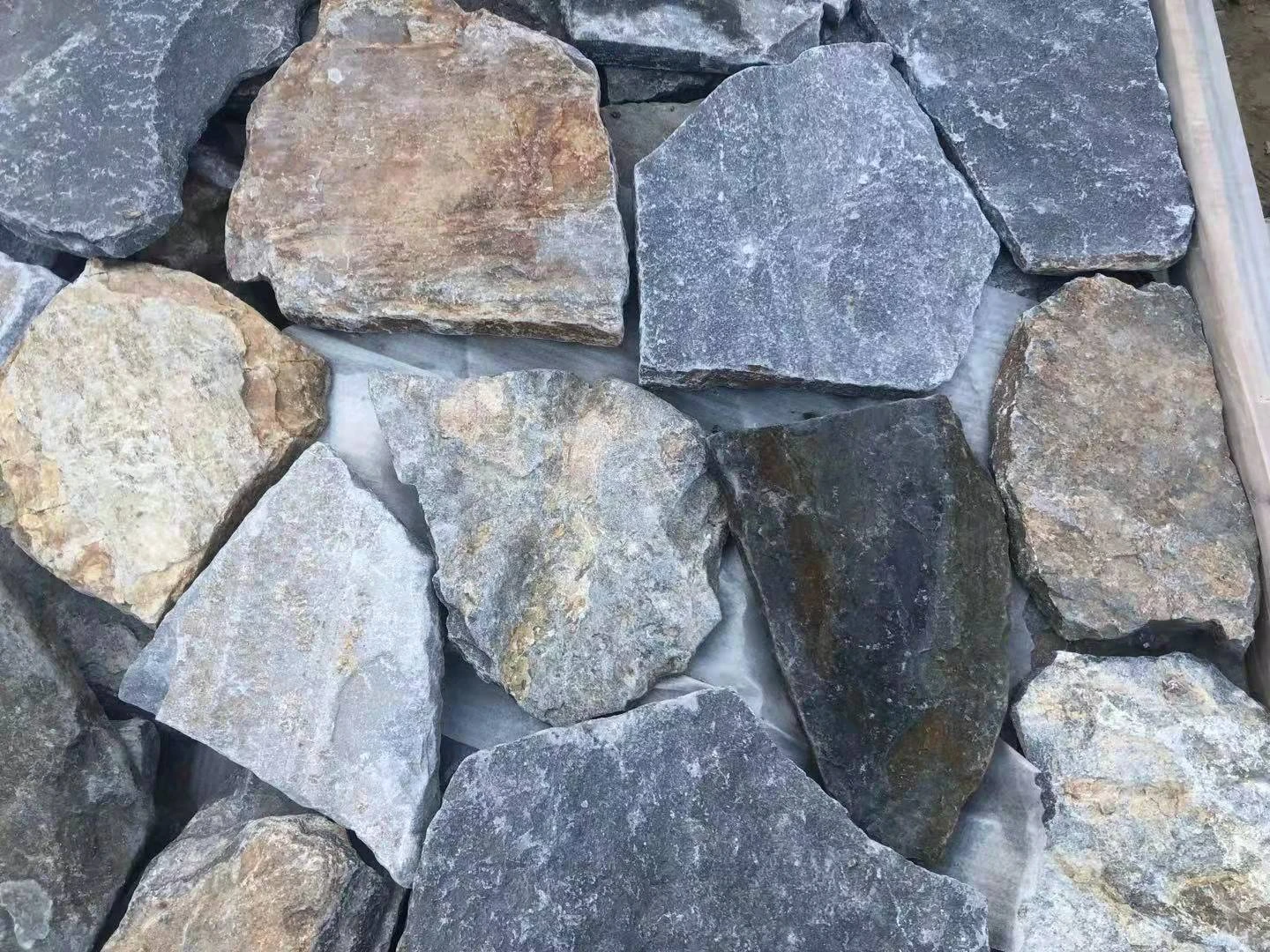
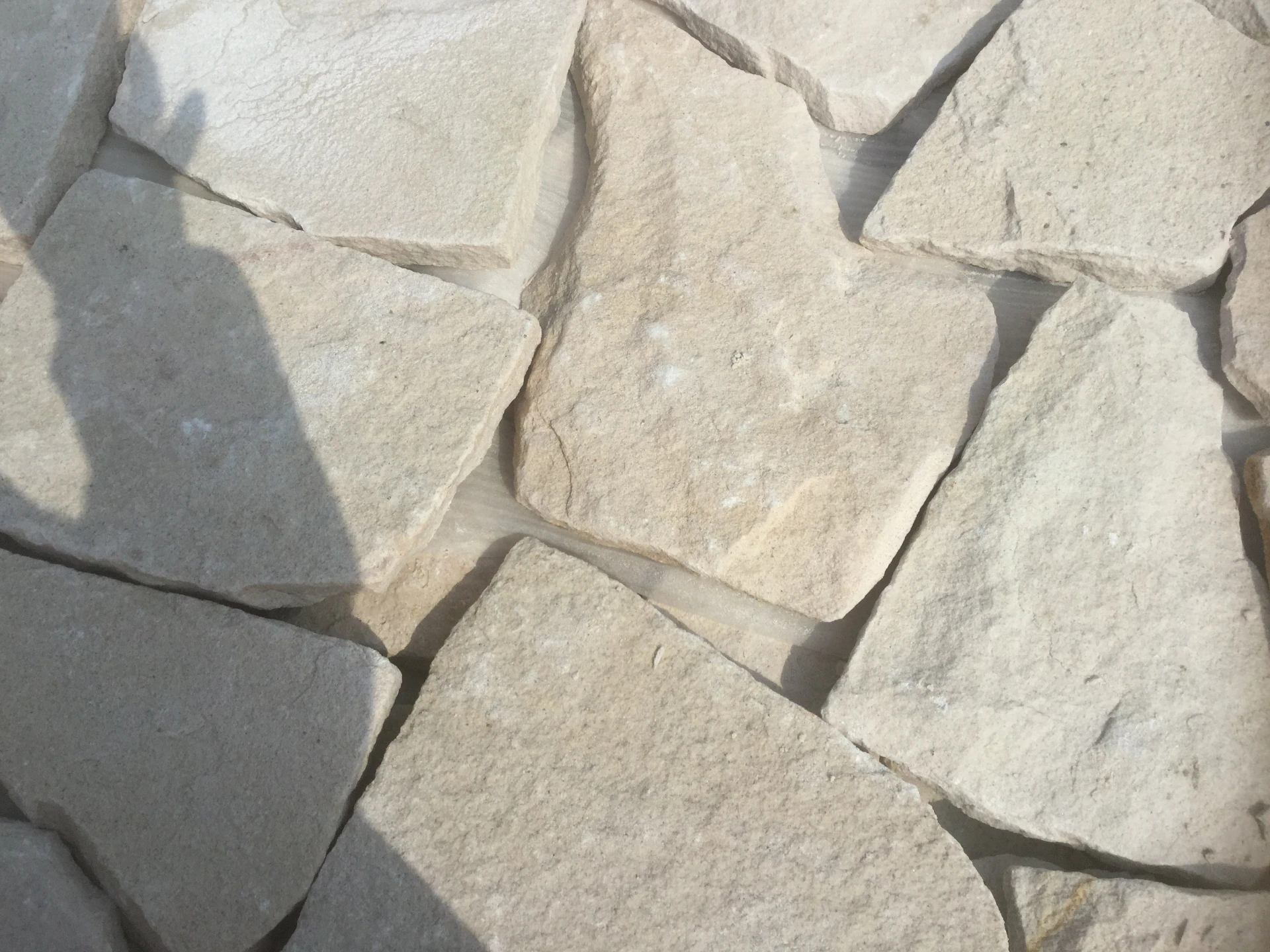
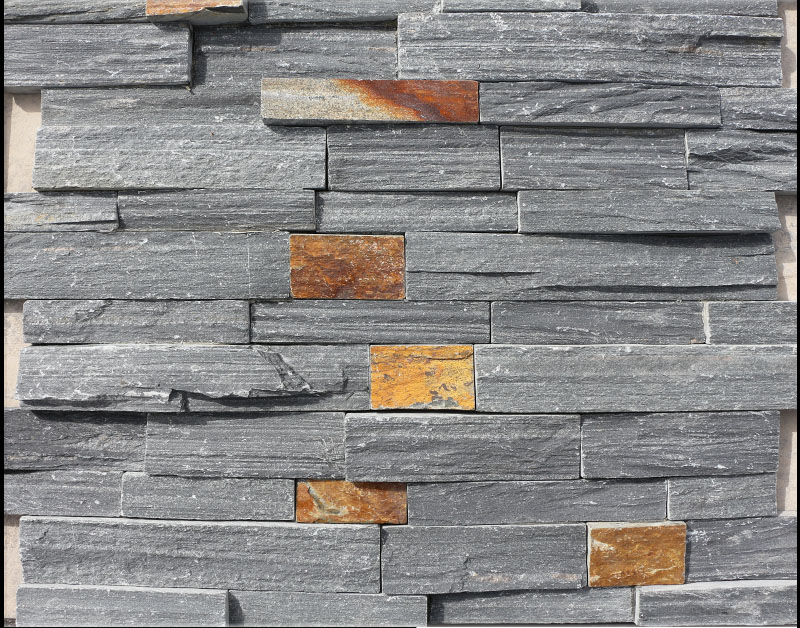
Stone cladding is durable, attractive, and low maintenance. Here’s what you need to know about this stone alternative.
Stone cladding is also known as stacked stone or stone veneer. It can be made from actual stone or artificial, so-called engineered stone. It’s available in a wide variety of finishes that look like slate, brick, and many other stones. It’s a fast and affordable way to get the look of stone on a wall without the cost or time of a masonry installation.
El revestiment de pedra té molts avantatges sobre altres materials de construcció i, en alguns casos, sobre la construcció de pedra de maçoneria.
• Lightness: Stone cladding is easier to carry and install than natural stone, and it places less pressure on the existing structure. It generally weighs considerably less than natural stone.
• Insulation: Stone cladding is weather-resistant and protective. It helps a building stay warm in winter and cool in summer. Reinforcing the cladding with a steel or aluminum framework, called a honeycomb, makes it able to resist earthquakes and high winds.
• Minimal maintenance: Like stone, stone cladding requires little upkeep to look good for many years.
• Ease of installation: Lightweight cladding is easier to install than stone. It doesn’t require the same heavy equipment that a masonry installation does. This doesn’t mean you can install it yourself, however. Hanging stone cladding requires experience and skill.
• Esthetics: Stone gives any building an elegant look. Cladding can look like quartz, granite, marble, or any natural stone. It also comes in a wide choice of colors. Because you can install it anywhere, stone cladding gives you endless ways to design with stone.
Ancoratges socavats
Aquest és el mètode habitual per a grans instal·lacions. En un sistema d'ancoratge socavat, els instal·ladors fan forats a la part posterior de la pedra, introdueixen un cargol i fixen el revestiment horitzontalment. Aquest és un bon mètode per a plafons i panells més gruixuts.
Mètode Kerf
En aquest mètode, els instal·ladors tallen solcs a la part superior i inferior de la pedra. Els llocs de pedra en un fermall a la part inferior del panell de revestiment amb un segon fermall a la part superior. Aquest és un mètode d'instal·lació ràpid i fàcil que és excel·lent per a instal·lacions més petites i panells més prims.
Tots dos mètodes d'instal·lació utilitzen un disseny d'unió oberta. Per imitar l'aspecte de la pedra real, els instal·ladors assenyalen els espais entre les juntes amb lletada de maçoneria.
• Entry areas
• Bathrooms
• Kitchens
• Sheds
• Freestanding garages
• Patios
• Mailboxes
Tot i que el revestiment de pedra és excel·lent en molts casos, no és ideal per a totes les instal·lacions. També té alguns desavantatges que la pedra no.
• It’s not as durable as a masonry installation.
• Some veneers allow moisture to seep into the joints.
• It can crack under repeated freeze-and-thaw cycles.,
• Unlike natural stone, it is not a sustainable building material.
 africana
  albanès
  amàric
  àrab
àrab  armeni
  azerbaidjana
  basc
basc  Bielorús
  bengalí
  bosnià
  búlgar
  català
  Cebuà
Cebuà  Xina
Xina  Xina (Taiwan)
  Cors
Cors  croat
croat  txec
txec  danès
danès  holandès
  Anglès
  esperanto
  estonià
  finès
finès  francès
  frisó
frisó  gallec
  georgiana
  alemany
  grec
grec  Gujarati
  crioll haitiano
  hausa
hausa  hawaià
  hebreu
  No
No  Miao
Miao  hongarès
  islandès
  igbo
igbo  indonesi
  irlandesa
  italià
  japonès
  javanès
  Kannada
  kazakh
  Khmer
Khmer  Ruandès
  coreà
coreà  kurd
kurd  kirguis
  TB
TB  llatí
llatí  letó
letó  lituà
lituà  luxemburguesa
  macedoni
  Malgashi
  Malai
Malai  malayalam
  maltès
  Maori
Maori  Marathi
  mongol
  Myanmar
  nepalí
  noruec
  noruec
  occità
  Pashto
  persa
persa  polonès
  portuguès
  panjabi
  romanès
  rus
rus  samoà
samoà  Gaèlic escocès
  serbi
serbi  Anglès
  Shona
Shona  Sindhi
  Sinhala
  eslovac
  eslovè
  Somali
  espanyol
  Sundanès
  suahili
  suec
suec  Tagalog
  Tadjik
  Tamil
Tamil  tàrtar
  Telugu
  tailandès
  turc
turc  turcomà
  Ucraïnès
  Urdú
Urdú  uigur
uigur  Uzbek
Uzbek  vietnamita
  gal·lès