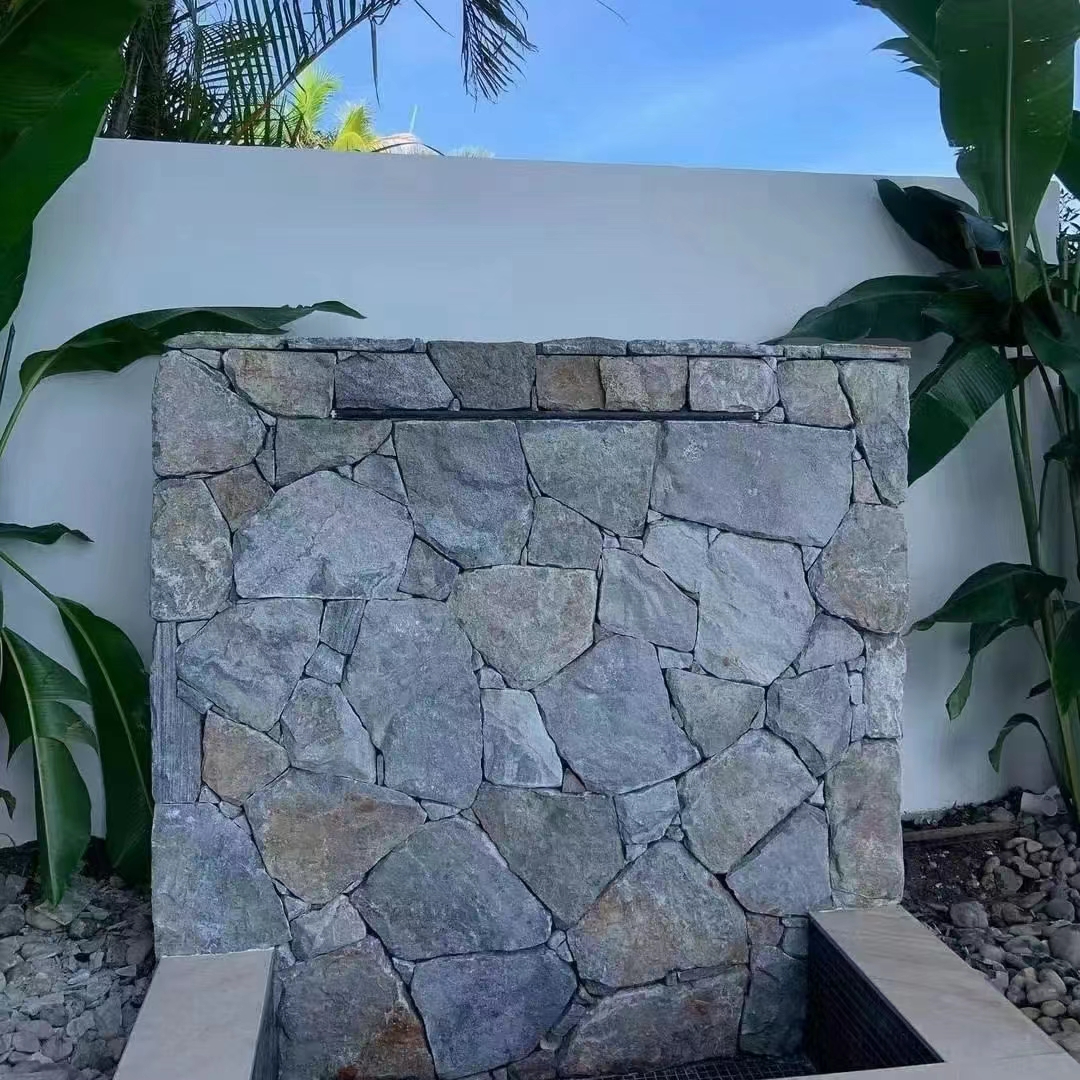
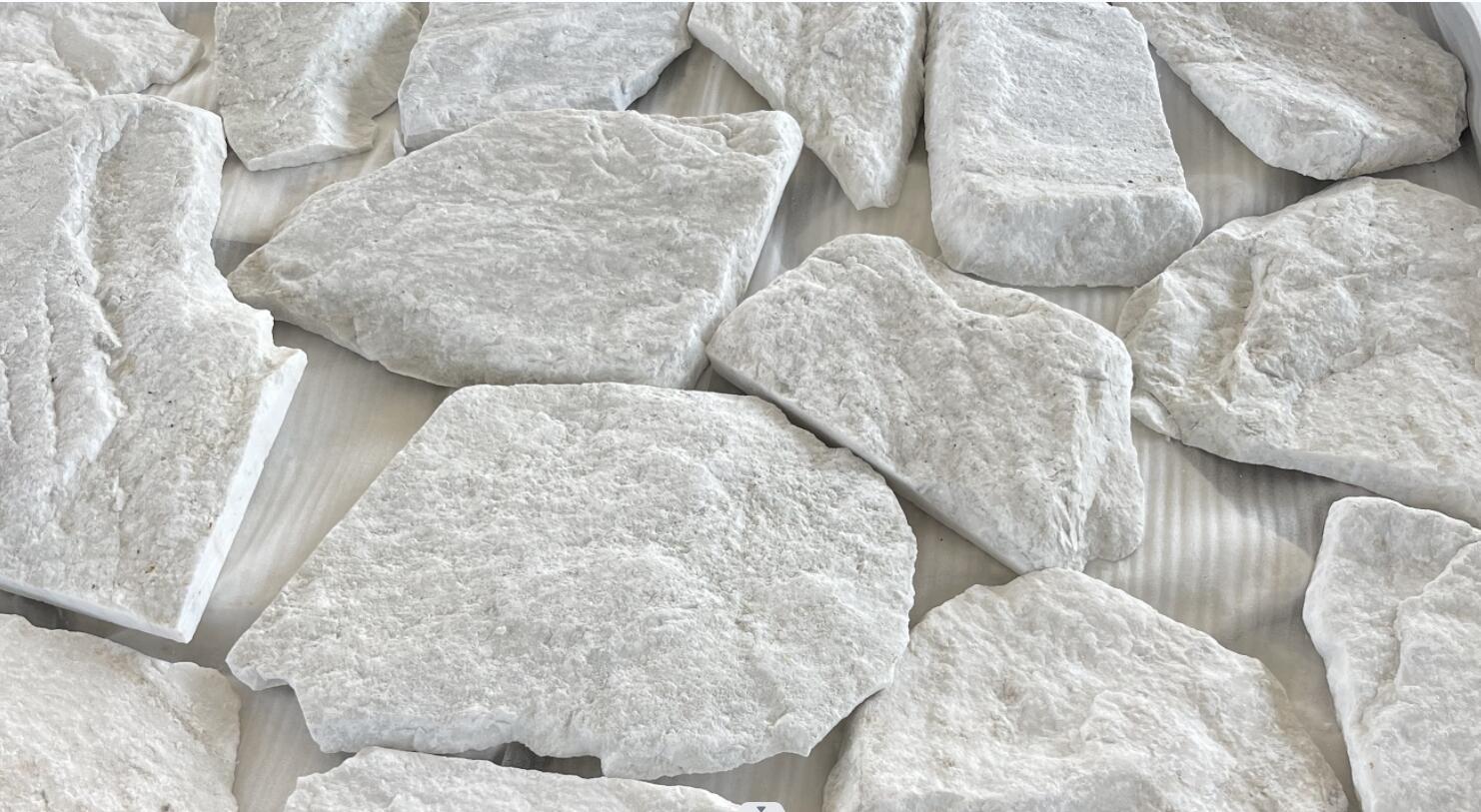
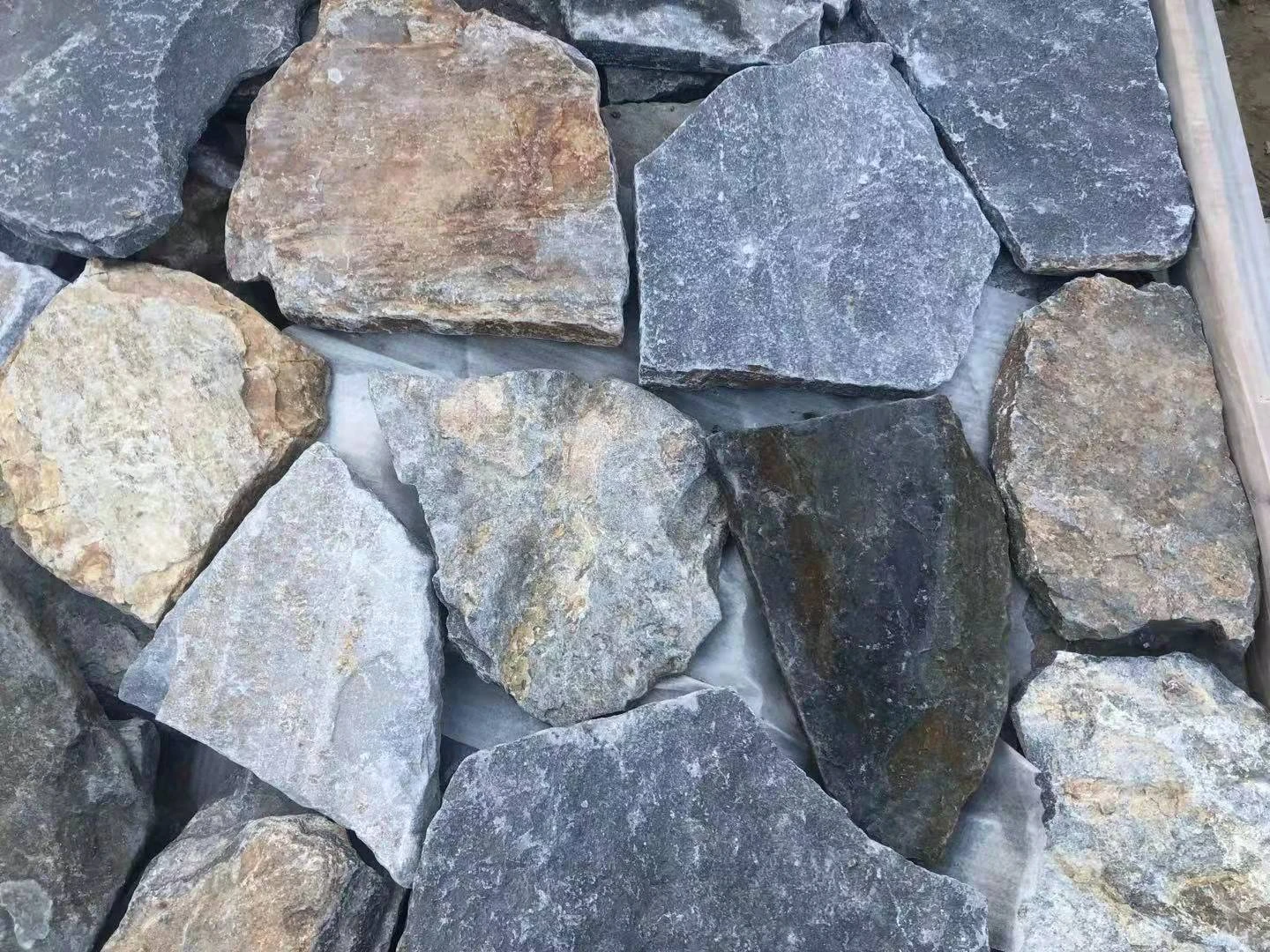
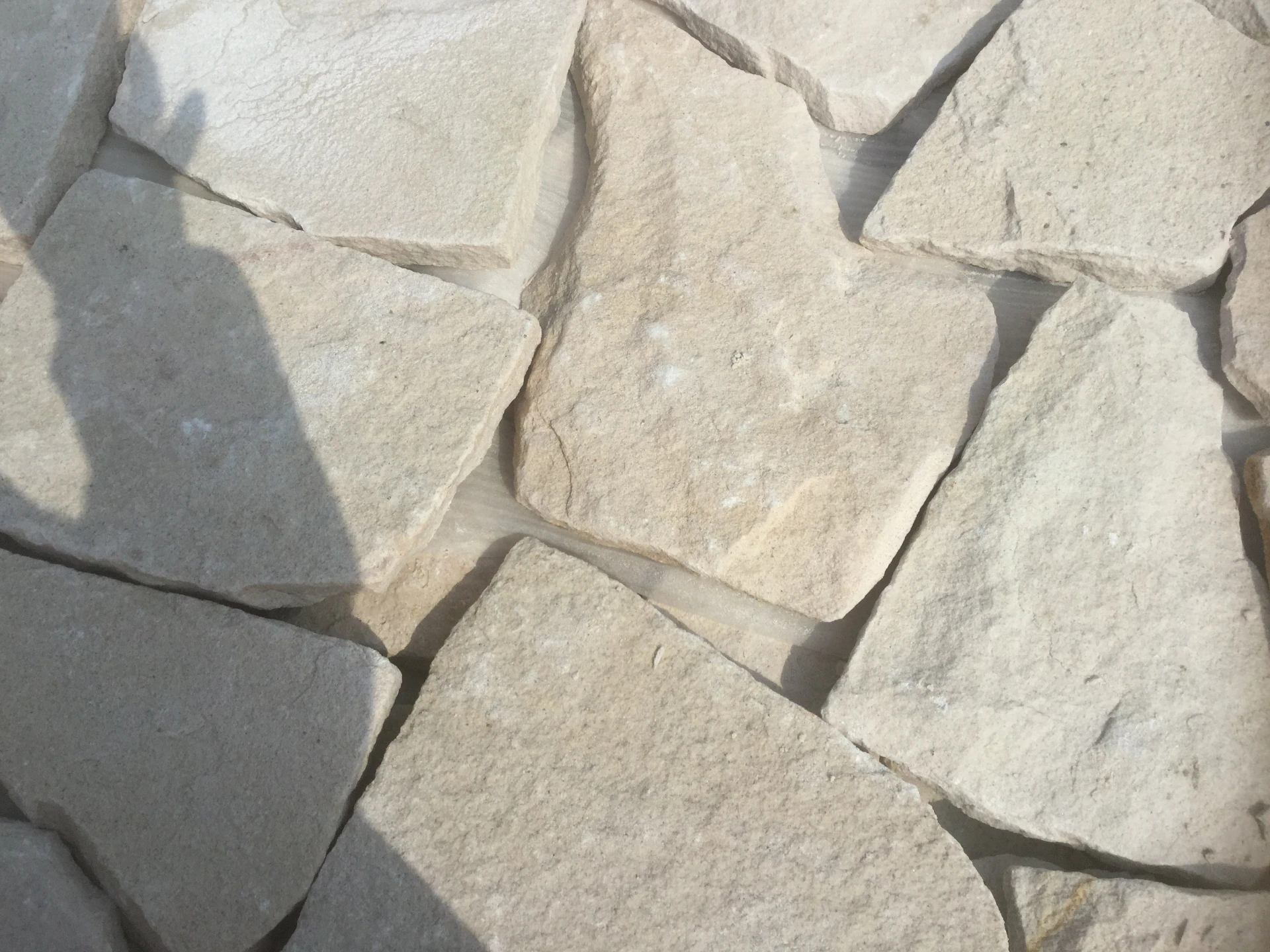
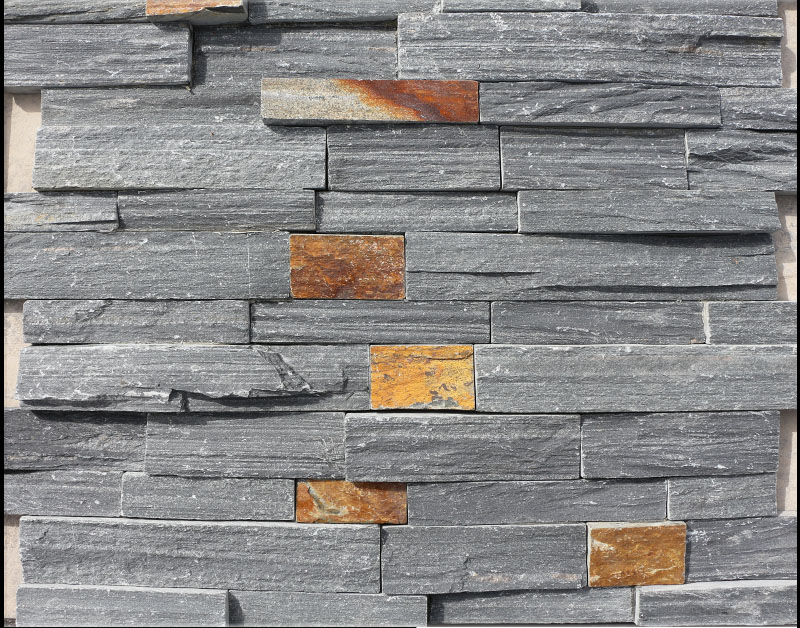
Stone cladding is durable, attractive, and low maintenance. Here’s what you need to know about this stone alternative.
Stone cladding is also known as stacked stone or stone veneer. It can be made from actual stone or artificial, so-called engineered stone. It’s available in a wide variety of finishes that look like slate, brick, and many other stones. It’s a fast and affordable way to get the look of stone on a wall without the cost or time of a masonry installation.
Mkpuchi okwute nwere ọtụtụ uru karịa ihe eji arụ ụlọ ndị ọzọ na, n'ọnọdụ ụfọdụ, n'elu nkume nkume masonry.
• Lightness: Stone cladding is easier to carry and install than natural stone, and it places less pressure on the existing structure. It generally weighs considerably less than natural stone.
• Insulation: Stone cladding is weather-resistant and protective. It helps a building stay warm in winter and cool in summer. Reinforcing the cladding with a steel or aluminum framework, called a honeycomb, makes it able to resist earthquakes and high winds.
• Minimal maintenance: Like stone, stone cladding requires little upkeep to look good for many years.
• Ease of installation: Lightweight cladding is easier to install than stone. It doesn’t require the same heavy equipment that a masonry installation does. This doesn’t mean you can install it yourself, however. Hanging stone cladding requires experience and skill.
• Esthetics: Stone gives any building an elegant look. Cladding can look like quartz, granite, marble, or any natural stone. It also comes in a wide choice of colors. Because you can install it anywhere, stone cladding gives you endless ways to design with stone.
Arịlịka ndị a kpụrụ akpụ
Nke a bụ usoro a na-emekarị maka nnukwu nrụnye. N'ime usoro arịlịka a kpụchara akpụ, ndị na-etinye ihe na-akụtu oghere n'azụ nkume ahụ, tinye ihe mkpuchi ma dozie mkpuchi ahụ n'ụzọ kwụ ọtọ. Nke a bụ ezigbo usoro maka soffits na thicker panels.
Usoro Kerf
Na usoro a, installers na-egbutu oghere n'elu na ala nke nkume ahụ. Ebe nkume ndị dị na mgbachi na ala nke mkpuchi mkpuchi na nkedo nke abụọ n'elu. Nke a bụ usoro nrụnye ngwa ngwa, dị mfe nke dị mma maka nrụnye dị nta na ogwe dị nro.
Ụzọ nrụnye abụọ ahụ na-eji nhazi nkwonkwo na-emeghe. Iji ṅomie ọdịdị nke ezigbo nkume, ndị na-etinye ihe na-arụtụ aka na oghere n'etiti nkwonkwo na masonry grout.
• Entry areas
• Bathrooms
• Kitchens
• Sheds
• Freestanding garages
• Patios
• Mailboxes
Ọ bụ ezie na mkpuchi nkume dị mma n'ọtụtụ ọnọdụ, ọ dịghị mma maka ntinye ọ bụla. Ọ nwekwara ụfọdụ ọghọm na nkume adịghị.
• It’s not as durable as a masonry installation.
• Some veneers allow moisture to seep into the joints.
• It can crack under repeated freeze-and-thaw cycles.,
• Unlike natural stone, it is not a sustainable building material.
 Afrika
  Albania
  Amharic
  Arabic
  Armenian
  Azerbaijani
  Basque
  Belarusian
  Bengali
  Asụsụ Bosnia
  Bulgarian
  Catalan
  Cebuano
  China
China  China (Taiwan)
  Corsican
  Asụsụ Croatia
  Czech
Czech  Danish
  Dutch
Dutch  Bekee
Bekee  Esperanto
  Estonia
  Asụsụ Finnish
  French
  Onye Frisian
  Onye Galisi
  Asụsụ Georgian
  German
  Grik
Grik  Gujarati
  Haitian Creole
  hausa
hausa  Hawaian
  Hibru
Hibru  Mba
Mba  Miao
Miao  Asụsụ Hungarian
  Aislandi
  igbo
igbo  Asụsụ Indonesian
  Irish
Irish  Ịtali
Ịtali  Japanese
  Asụsụ Javanị
  Kannada
  kazakh
  Khmer
Khmer  Onye Rwandan
  Korean
  Kurdish
  Kyrgyz
  TB
TB  Latịn
Latịn  Latvia
  Lithuania
  Luxembourgish
  Masedonia
  Malgashi
  Malay
Malay  Malayalam
  Malta
Malta  Maori
Maori  Marathi
  Mongolian
  Myanmar
  Nepali
  Norwegian
  Norwegian
  Occitan
  Pashto
  Asụsụ Persia
  Polish
  Portuguese
  Punjabi
  Romanian
  Russian
  Samoan
  Scottish Gaelic
  Asụsụ Serbian
  Bekee
Bekee  Shona
Shona  Sindhi
  Sinhala
  Slovak
  Slovenian
  Somali
  Spanish
  Asụsụ Sudan
  Swahili
  Swedish
  Tagalog
  Tajik
Tajik  Tamil
Tamil  Tatar
Tatar  Telugu
  Thai
Thai  Turkish
  Turkmen
  onye Ukraine
  Urdu
Urdu  Uighur
  Uzbek
Uzbek  Vietnamese
  Welsh
Welsh