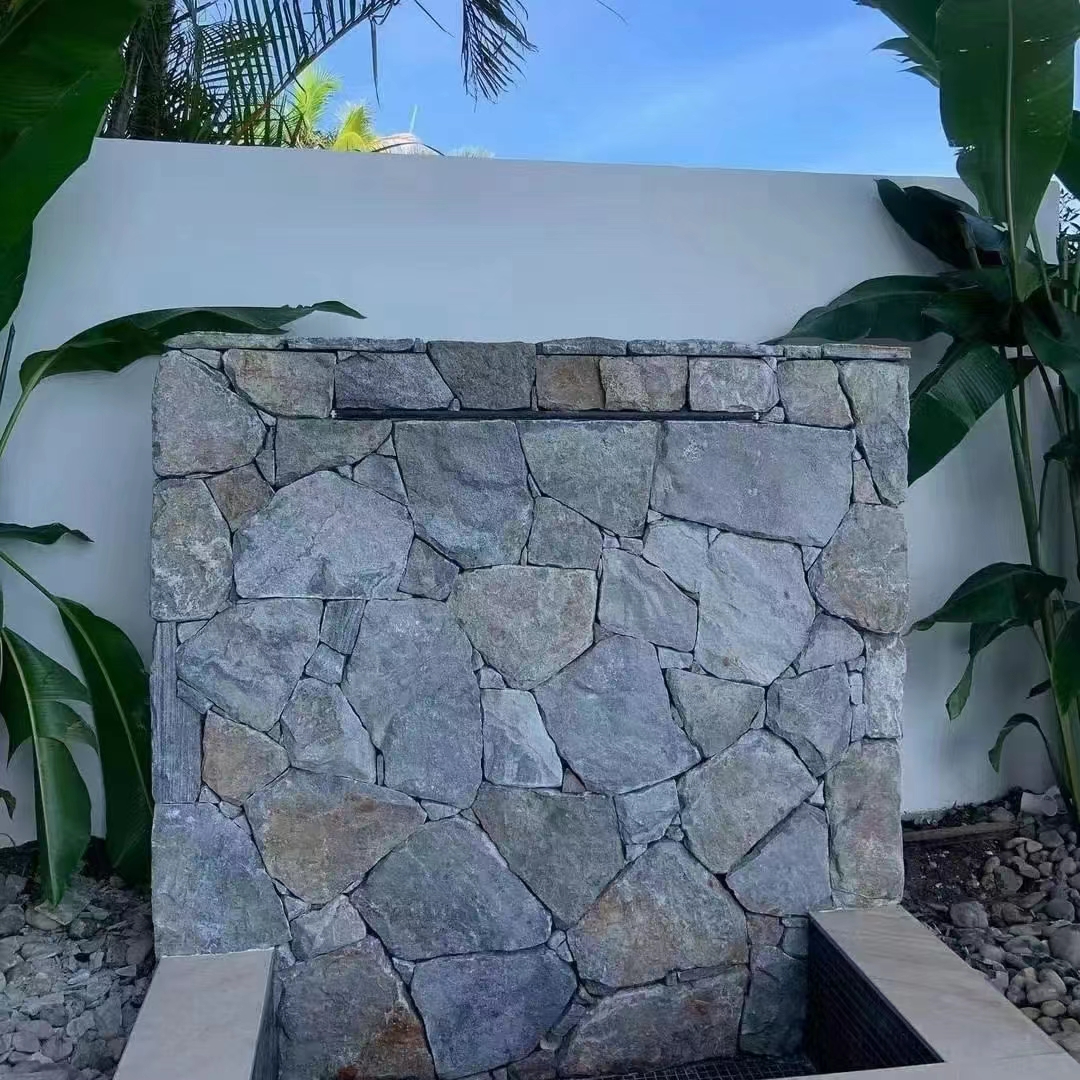
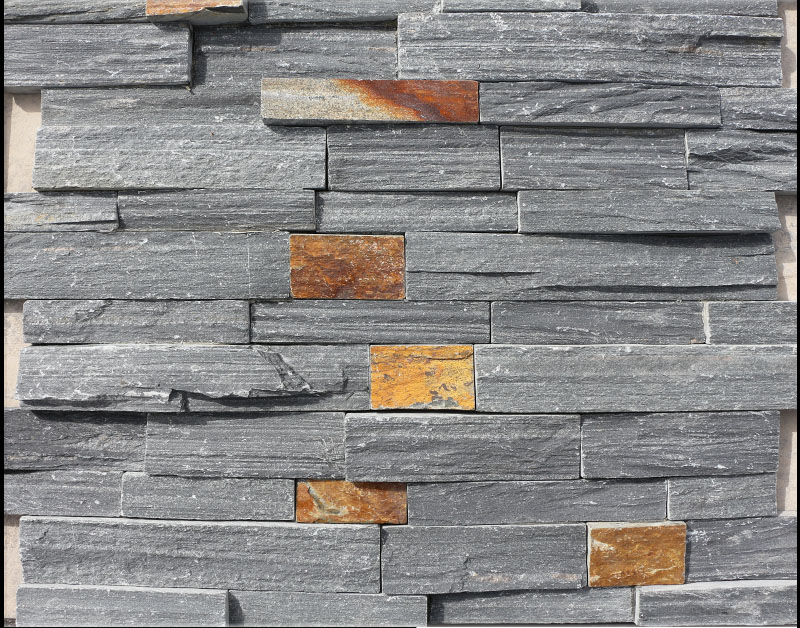
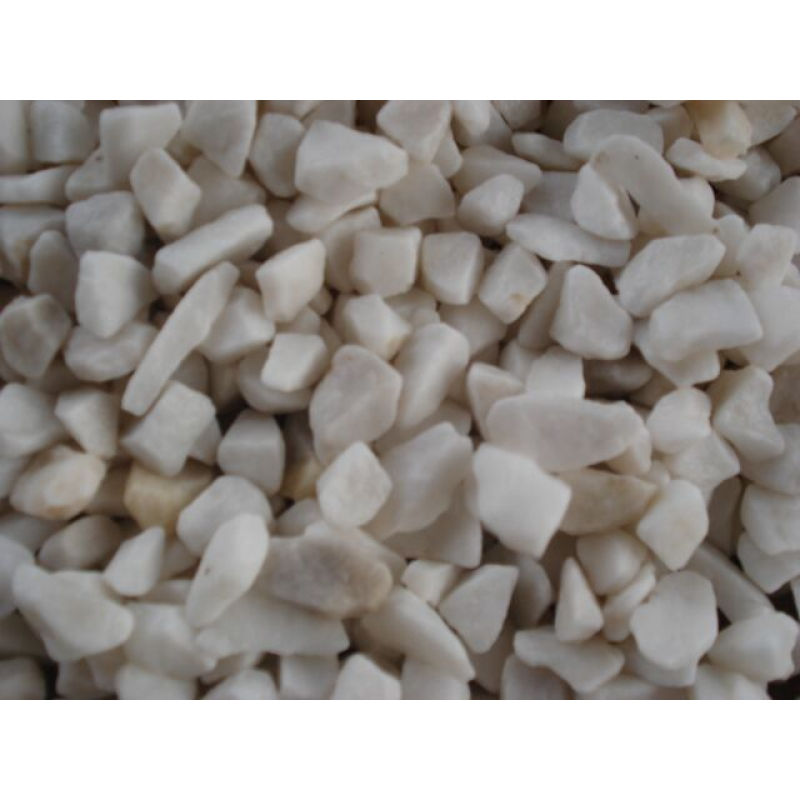
Stone cladding is durable, attractive, and low maintenance. Here’s what you need to know about this stone alternative.
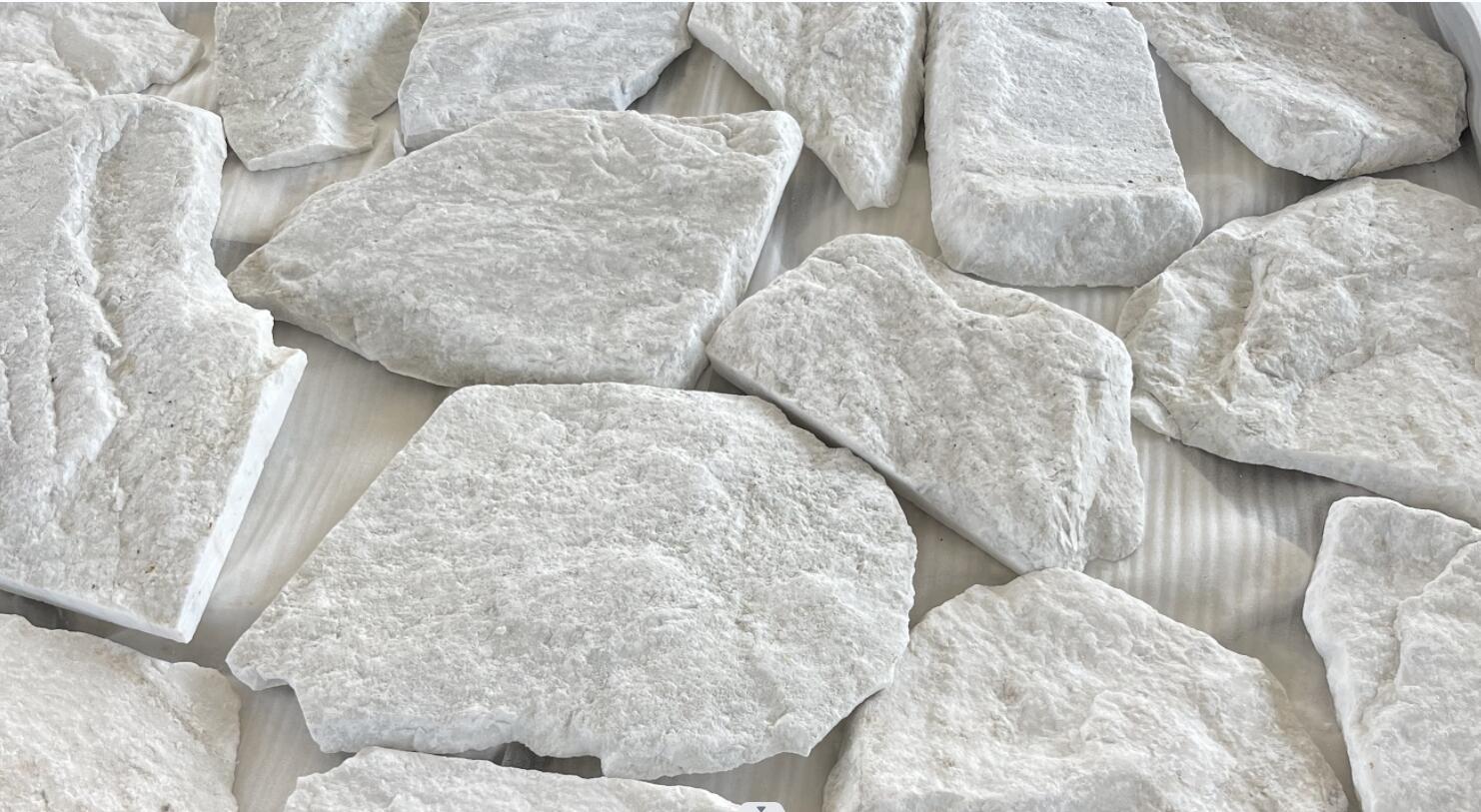
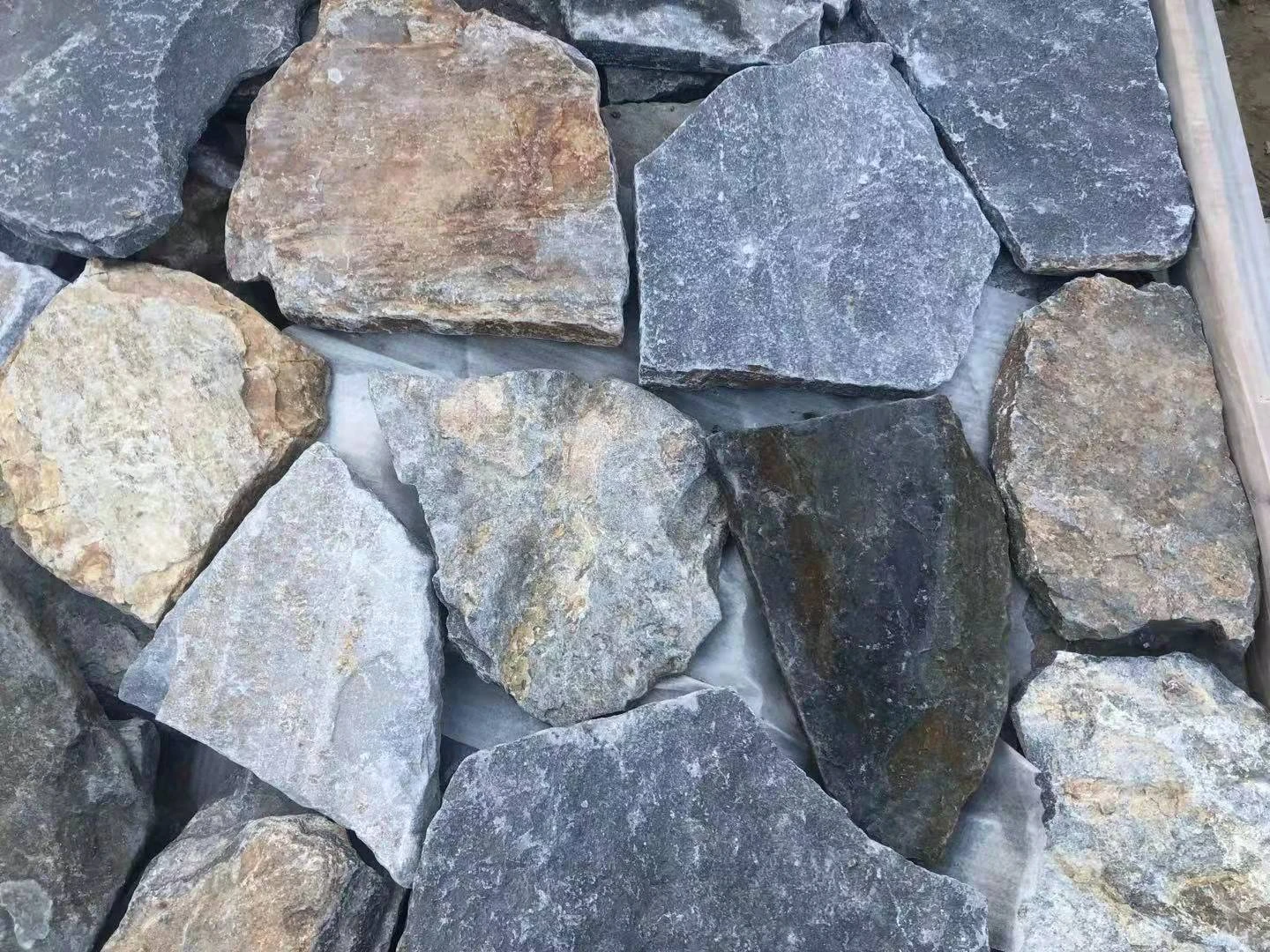
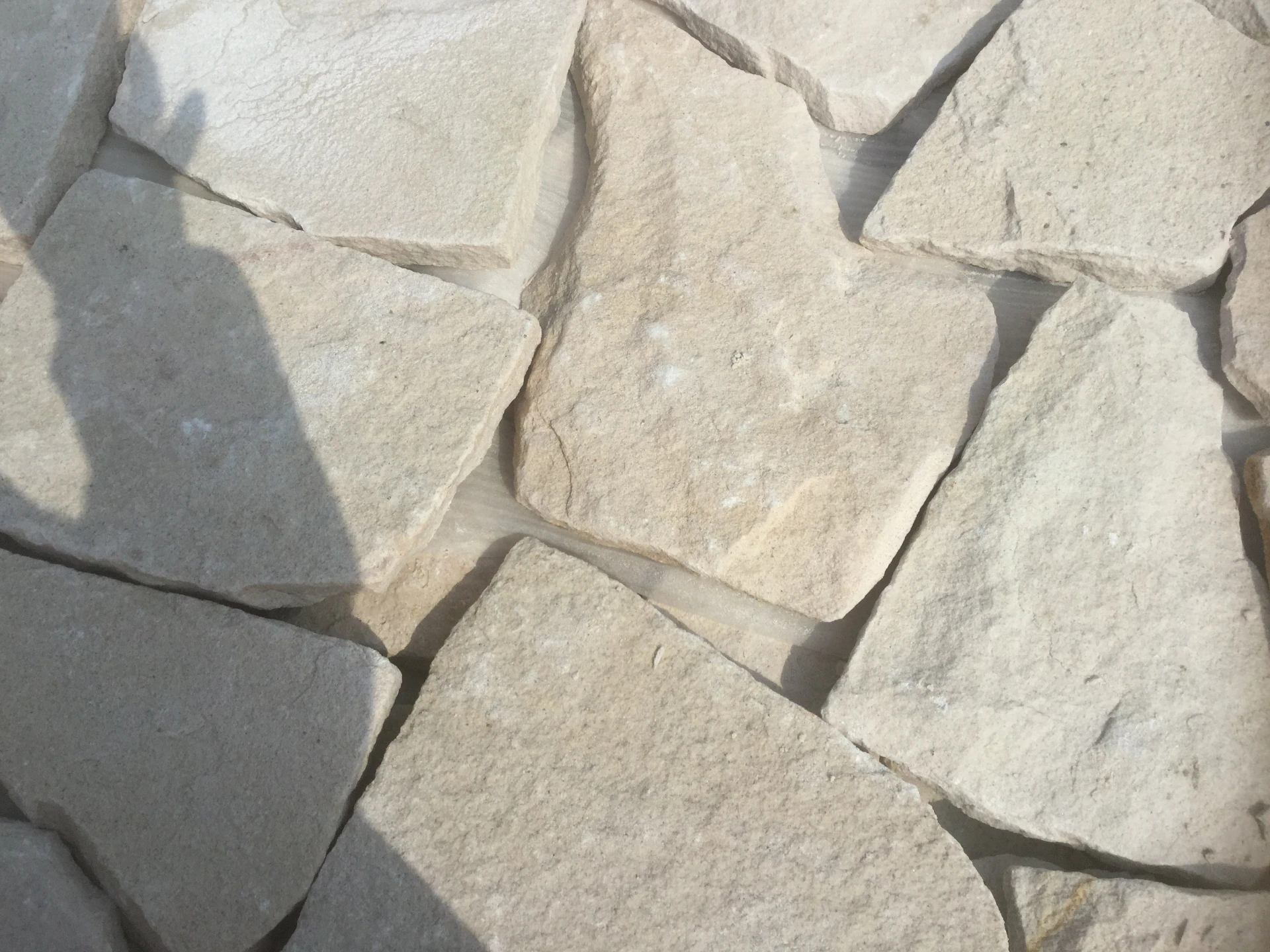
Stone cladding is also known as stacked stone or stone veneer. It can be made from actual stone or artificial, so-called engineered stone. It’s available in a wide variety of finishes that look like slate, brick, and many other stones. It’s a fast and affordable way to get the look of stone on a wall without the cost or time of a masonry installation.
Tấm ốp đá có nhiều ưu điểm so với các vật liệu xây dựng khác và trong một số trường hợp so với công trình bằng đá xây.
• Lightness: Stone cladding is easier to carry and install than natural stone, and it places less pressure on the existing structure. It generally weighs considerably less than natural stone.
• Insulation: Stone cladding is weather-resistant and protective. It helps a building stay warm in winter and cool in summer. Reinforcing the cladding with a steel or aluminum framework, called a honeycomb, makes it able to resist earthquakes and high winds.
• Minimal maintenance: Like stone, stone cladding requires little upkeep to look good for many years.
• Ease of installation: Lightweight cladding is easier to install than stone. It doesn’t require the same heavy equipment that a masonry installation does. This doesn’t mean you can install it yourself, however. Hanging stone cladding requires experience and skill.
• Esthetics: Stone gives any building an elegant look. Cladding can look like quartz, granite, marble, or any natural stone. It also comes in a wide choice of colors. Because you can install it anywhere, stone cladding gives you endless ways to design with stone.
Neo cắt ngắn
Đây là phương pháp thông thường cho các cài đặt lớn. Trong hệ thống neo undercut, người lắp đặt khoan lỗ vào mặt sau của đá, lắp bu lông và cố định tấm ốp theo chiều ngang. Đây là một phương pháp tốt cho các tấm trần và tấm dày hơn.
Phương pháp Kerf
Trong phương pháp này, người lắp đặt cắt các rãnh ở mặt trên và mặt dưới của đá. Đá đặt trên một chiếc móc ở dưới cùng của tấm ốp với chiếc móc thứ hai ở trên cùng. Đây là phương pháp lắp đặt nhanh chóng, dễ dàng, rất phù hợp cho việc lắp đặt nhỏ hơn và các tấm mỏng hơn.
Cả hai phương pháp lắp đặt đều sử dụng thiết kế khớp mở. Để bắt chước hình dáng của đá thật, người lắp đặt chỉ ra các khoảng trống giữa các mối nối bằng vữa xây.
• Entry areas
• Bathrooms
• Kitchens
• Sheds
• Freestanding garages
• Patios
• Mailboxes
Mặc dù tấm ốp đá rất tuyệt vời trong nhiều trường hợp nhưng nó không phải là lý tưởng cho mọi công trình lắp đặt. Nó cũng có một số nhược điểm mà đá không có.
• It’s not as durable as a masonry installation.
• Some veneers allow moisture to seep into the joints.
• It can crack under repeated freeze-and-thaw cycles.,
• Unlike natural stone, it is not a sustainable building material.
 Người châu Phi
  tiếng Albania
  tiếng Amharic
  tiếng Ả Rập
  tiếng Armenia
  Tiếng Azerbaijan
  Tiếng Basque
  Người Belarus
  tiếng Bengali
  tiếng Bosnia
  tiếng Bungari
  tiếng Catalan
  Cebuano
  Trung Quốc
  Trung Quốc (Đài Loan)
  Corsican
  tiếng Croatia
  tiếng Séc
  người Đan Mạch
  tiếng Hà Lan
  Tiếng Anh
  Quốc tế ngữ
  tiếng Estonia
  tiếng Phần Lan
  người Pháp
  tiếng Frisia
  tiếng Galicia
  tiếng Gruzia
  tiếng Đức
  người Hy Lạp
  Gujarati
  Tiếng Creole Haiti
  hausa
hausa  người Hawaii
  tiếng Do Thái
  Không
Không  Miêu
Miêu  người Hungary
  tiếng Iceland
  igbo
igbo  tiếng Indonesia
  người Ailen
  người Ý
  tiếng Nhật
  tiếng Java
  tiếng Kannada
  tiếng Kazakhstan
  tiếng Khmer
  người Rwanda
  Hàn Quốc
  người Kurd
  Tiếng Kyrgyzstan
  Lao
Lao  Latin
Latin  tiếng Latvia
  tiếng Litva
  Tiếng Luxembourg
  Tiếng Macedonia
  Malgashi
  Mã Lai
  Mã Lai
  cây nho
  người Maori
  Tiếng Marathi
  tiếng Mông Cổ
  Myanmar
  tiếng Nepal
  người Na Uy
  người Na Uy
  tiếng Occitan
  Tiếng Pa-tô
  tiếng Ba Tư
  Đánh bóng
  tiếng Bồ Đào Nha
  Tiếng Punjab
  người Rumani
  tiếng Nga
  Tiếng Samoa
  Tiếng Gaelic của Scotland
  tiếng Serbia
  Tiếng Anh
  Shona
Shona  tiếng Sindhi
  Sinhala
  Tiếng Slovak
  tiếng Slovenia
  tiếng Somali
  người Tây Ban Nha
  Tiếng Sundan
  tiếng Swahili
  tiếng Thụy Điển
  Tagalog
  Tiếng Tajik
  Tiếng Tamil
  Tatar
Tatar  tiếng Telugu
  tiếng Thái
  tiếng Thổ Nhĩ Kỳ
  người Thổ Nhĩ Kỳ
  tiếng Ukraina
  tiếng Urdu
  người Duy Ngô Nhĩ
  tiếng Uzbek
  Tiếng Việt
  người xứ Wales