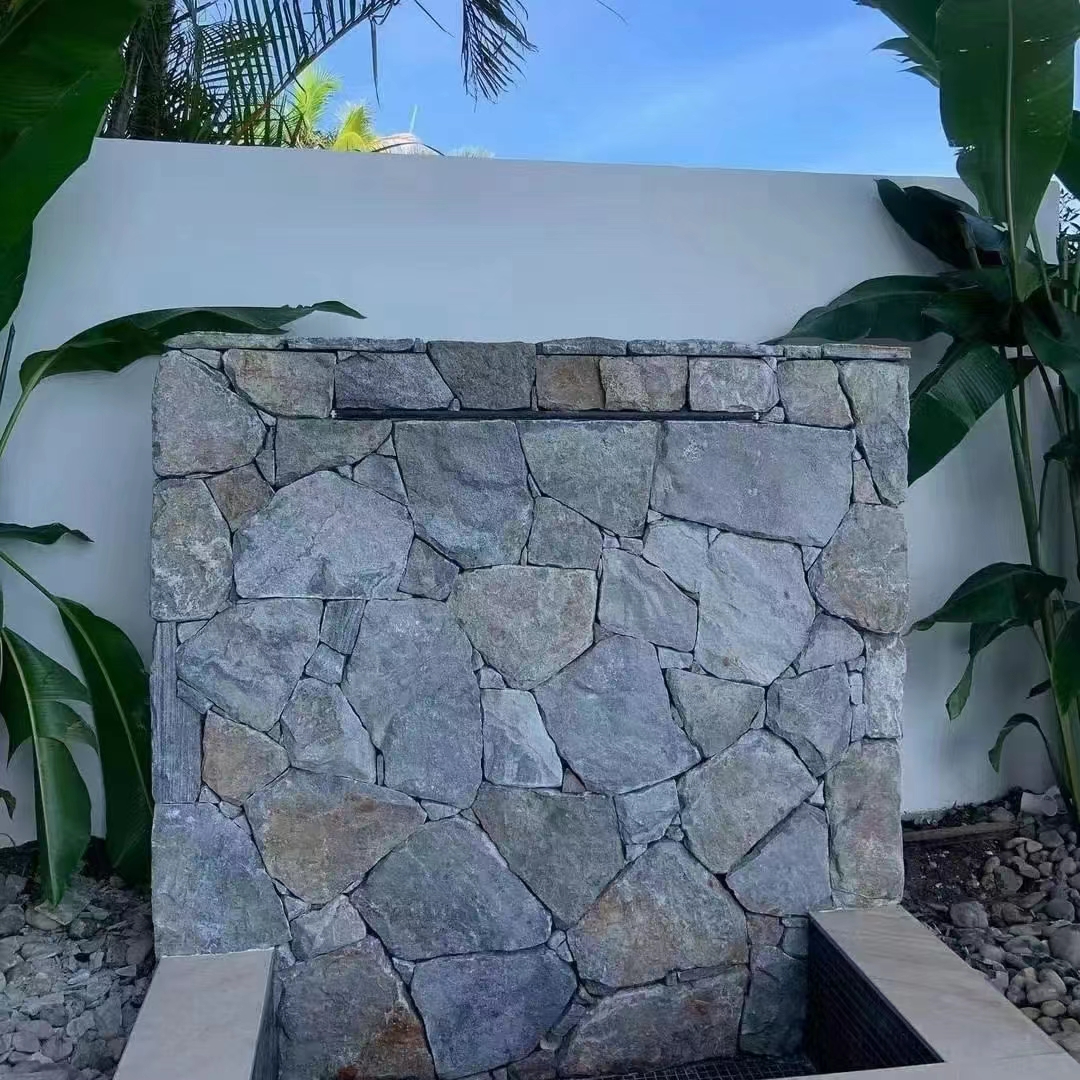
Stone cladding is durable, attractive, and low maintenance. Here’s what you need to know about this stone alternative.
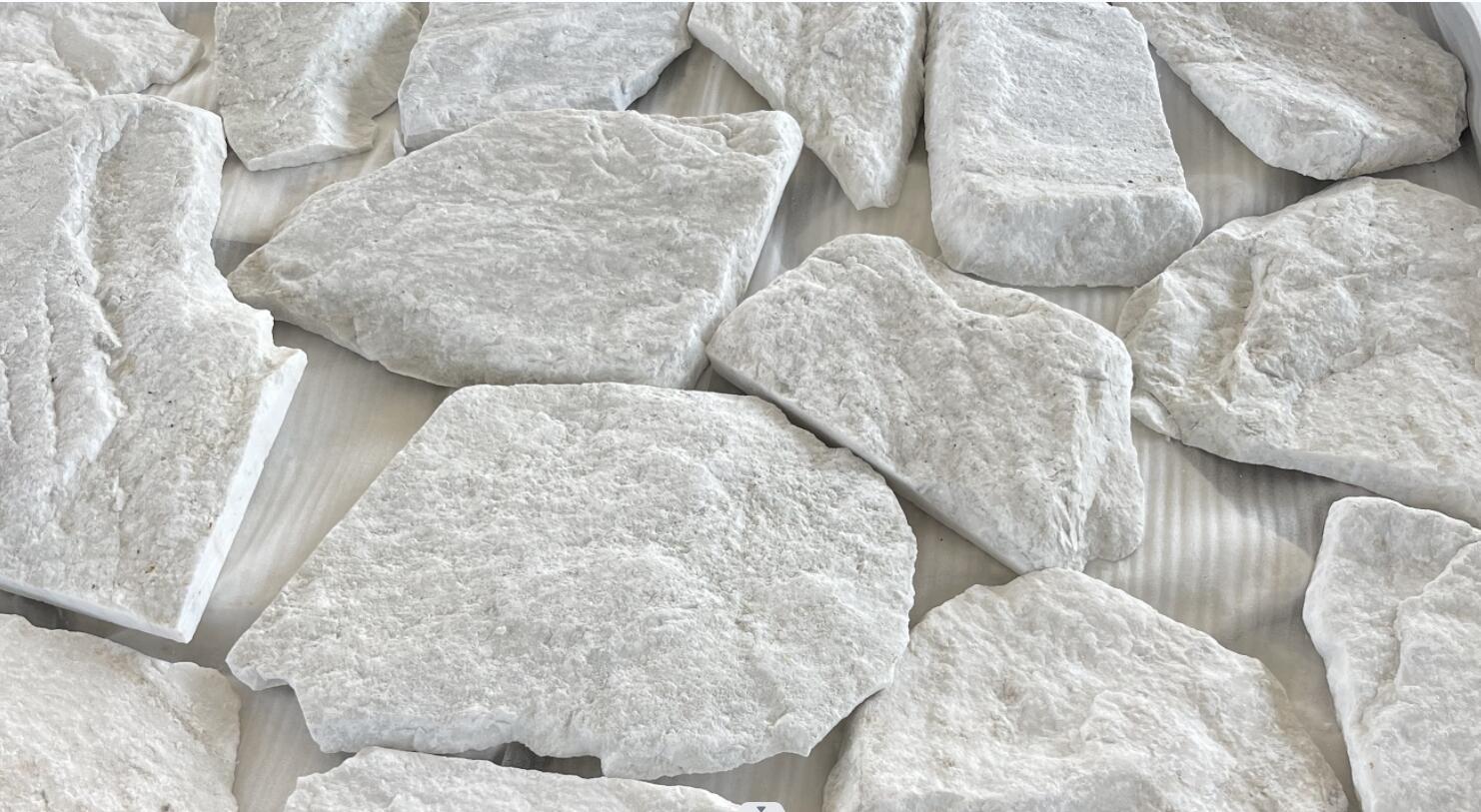
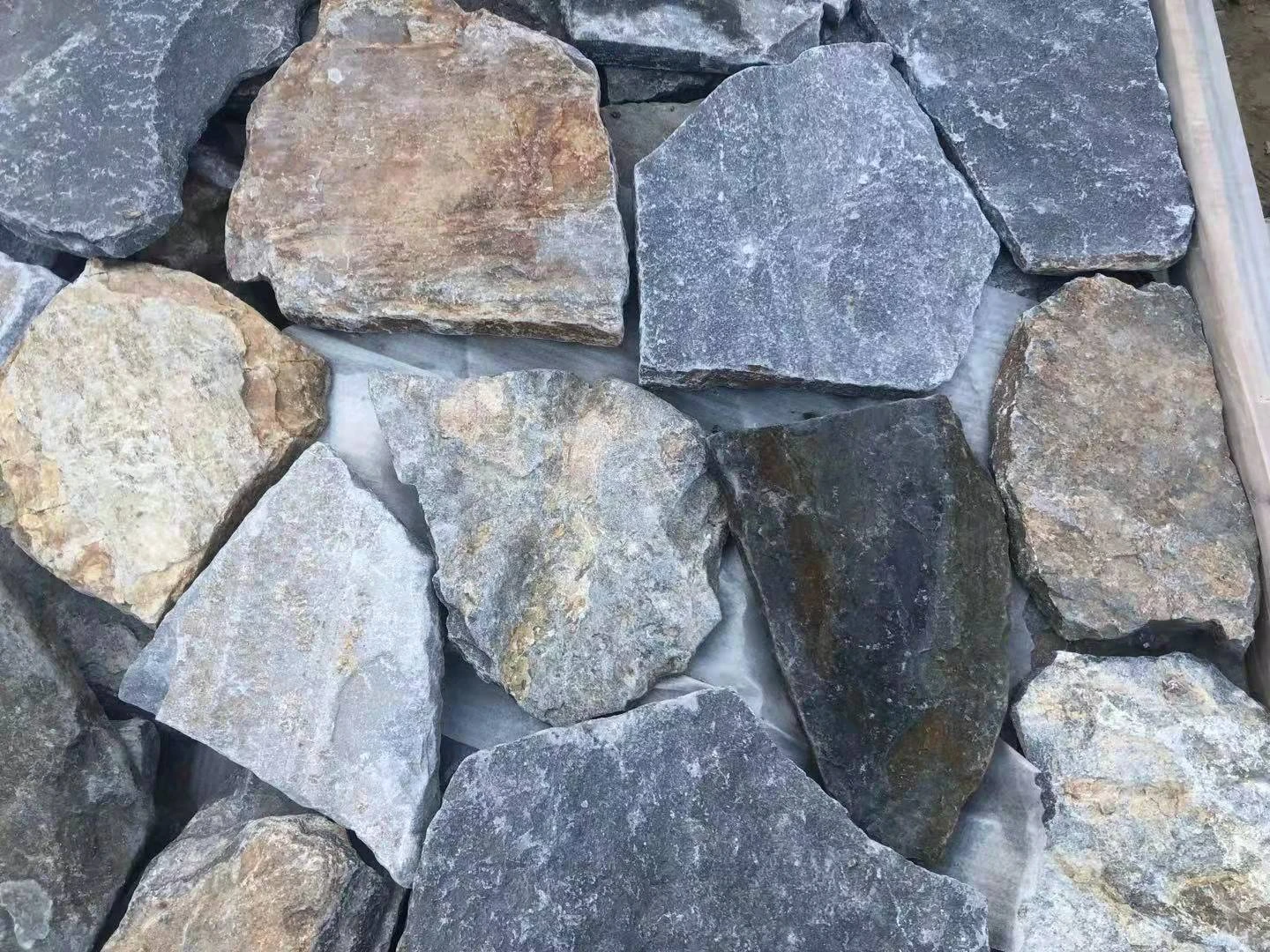
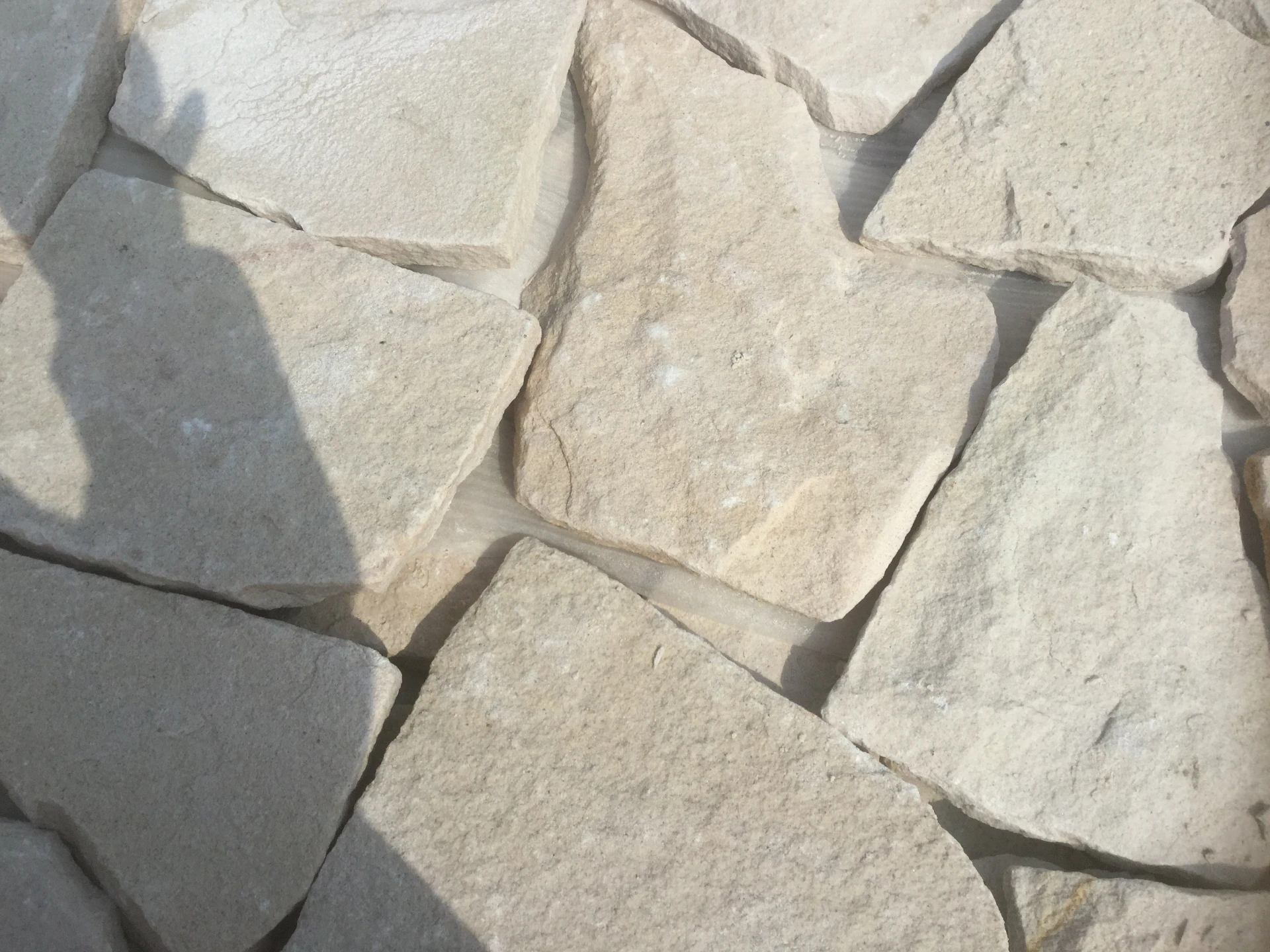
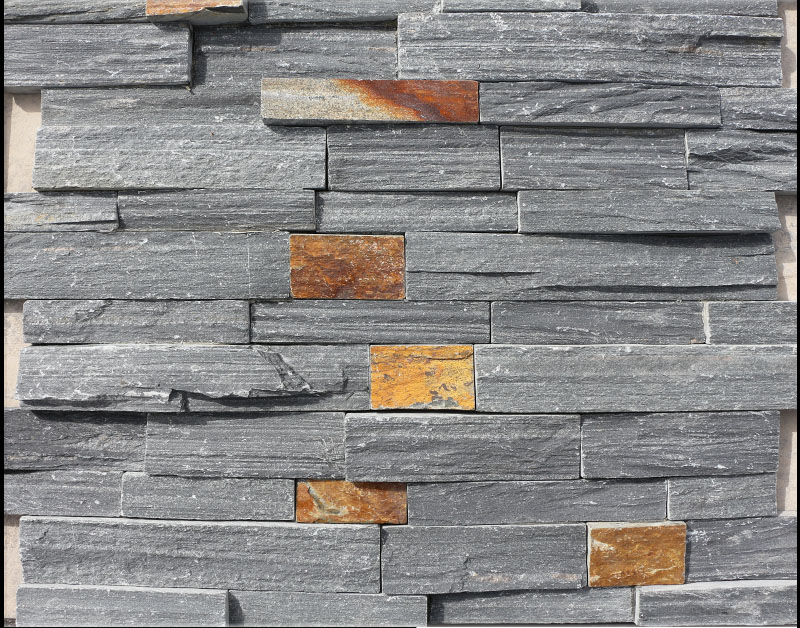
Stone cladding is also known as stacked stone or stone veneer. It can be made from actual stone or artificial, so-called engineered stone. It’s available in a wide variety of finishes that look like slate, brick, and many other stones. It’s a fast and affordable way to get the look of stone on a wall without the cost or time of a masonry installation.
Stenen bekleding heeft veel voordelen ten opzichte van andere bouwmaterialen en, in sommige gevallen, ten opzichte van metselwerksteenconstructies.
• Lightness: Stone cladding is easier to carry and install than natural stone, and it places less pressure on the existing structure. It generally weighs considerably less than natural stone.
• Insulation: Stone cladding is weather-resistant and protective. It helps a building stay warm in winter and cool in summer. Reinforcing the cladding with a steel or aluminum framework, called a honeycomb, makes it able to resist earthquakes and high winds.
• Minimal maintenance: Like stone, stone cladding requires little upkeep to look good for many years.
• Ease of installation: Lightweight cladding is easier to install than stone. It doesn’t require the same heavy equipment that a masonry installation does. This doesn’t mean you can install it yourself, however. Hanging stone cladding requires experience and skill.
• Esthetics: Stone gives any building an elegant look. Cladding can look like quartz, granite, marble, or any natural stone. It also comes in a wide choice of colors. Because you can install it anywhere, stone cladding gives you endless ways to design with stone.
Ondersneden ankers
Dit is de gebruikelijke methode voor grote installaties. Bij een ondersnijdend ankersysteem boren de installateurs gaten in de achterkant van de steen, plaatsen een bout en bevestigen de bekleding horizontaal. Dit is een goede methode voor binnenwelvingen en dikkere panelen.
Kerf method
Bij deze methode snijden installateurs groeven aan de boven- en onderkant van de steen. De steen zit op een sluiting aan de onderkant van het bekledingspaneel en aan de bovenkant een tweede sluiting. Dit is een snelle, eenvoudige installatiemethode die uitstekend geschikt is voor kleinere installaties en dunnere panelen.
Beide installatiemethoden maken gebruik van een open voegontwerp. Om het uiterlijk van echte steen na te bootsen, richten installateurs de ruimtes tussen de voegen met metselspecie.
• Entry areas
• Bathrooms
• Kitchens
• Sheds
• Freestanding garages
• Patios
• Mailboxes
Hoewel stenen bekleding in veel gevallen uitstekend is, is deze niet voor elke installatie ideaal. Het heeft ook enkele nadelen die steen niet heeft.
• It’s not as durable as a masonry installation.
• Some veneers allow moisture to seep into the joints.
• It can crack under repeated freeze-and-thaw cycles.,
• Unlike natural stone, it is not a sustainable building material.
 Afrikaanse
  Albanees
  Amhaars
  Arabisch
  Armeens
  Azerbeidzjaans
  baskisch
  Wit-Russisch
  Bengaals
  Bosnisch
  Bulgaars
  Catalaans
  Cebuano
  China
China  China (Taiwan)
  Corsicaans
  Kroatisch
  Tsjechisch
  Deens
Deens  Nederlands
  Engels
  Esperanto
  Ests
Ests  Fins
Fins  Frans
Frans  van Friesland afkomstige
  Galicisch
  Georgisch
  Duits
Duits  Grieks
  Gujarati
  Haïtiaans Creools
  huis
huis  Hawaiiaans
  Hebreeuws
  Nee
Nee  Miao
Miao  Hongaars
  IJslands
  igbo
igbo  Indonesisch
  Iers
Iers  Italiaans
  Japans
  Javaans
  Kannada
  Kazachs
  Khmer
Khmer  Rwandese
  Koreaans
  Koerdisch
  Kirgizisch
  TB
TB  Latijns
  Lets
Lets  Litouws
  Luxemburgs
  Macedonisch
  Malgashi
  Maleis
  Malayalam
  Maltees
  Maori
Maori  Marathi
  Mongools
  Myanmar
  Nepalees
  Noors
Noors  Noors
Noors  Occitaans
  Pasjto
  Perzisch
  Pools
Pools  Portugees
  Punjabi
  Roemeense
  Russisch
  Samoaans
  Schots-Gaelisch
  Servisch
  Engels
  Shona
Shona  Sindhi
  Singalees
  Slowaaks
  Sloveens
  Somalisch
  Spaans
  Soendanees
  Swahili
  Zweeds
  Tagalog
  Tadzjiekse
  Tamil
Tamil  Tataars
  Telugu
  Thais
Thais  Turks
Turks  Turkmeens
  Oekraïens
  Urdu
Urdu  Oeigoerse
  Oezbeeks
  Vietnamees
  Welsh
Welsh