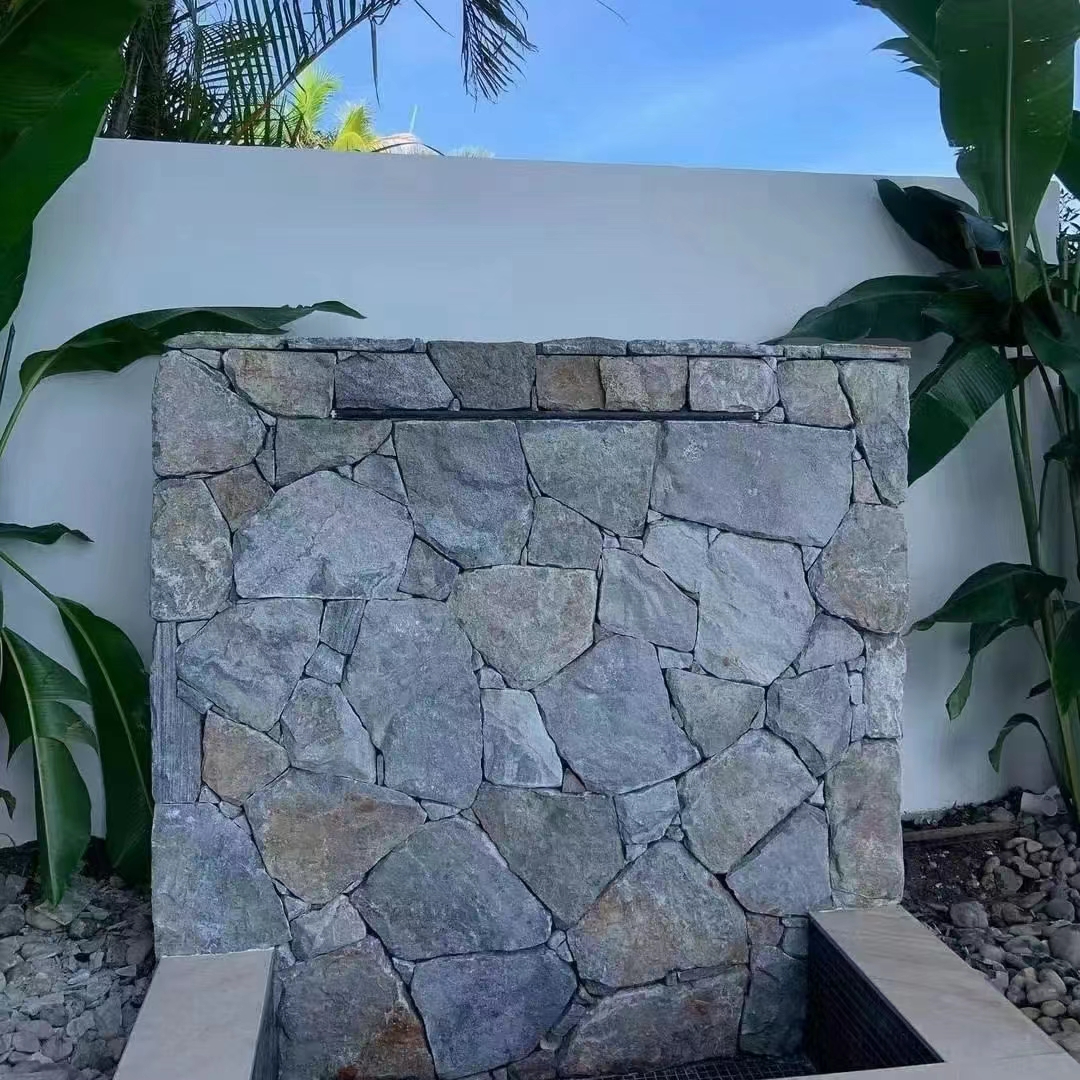
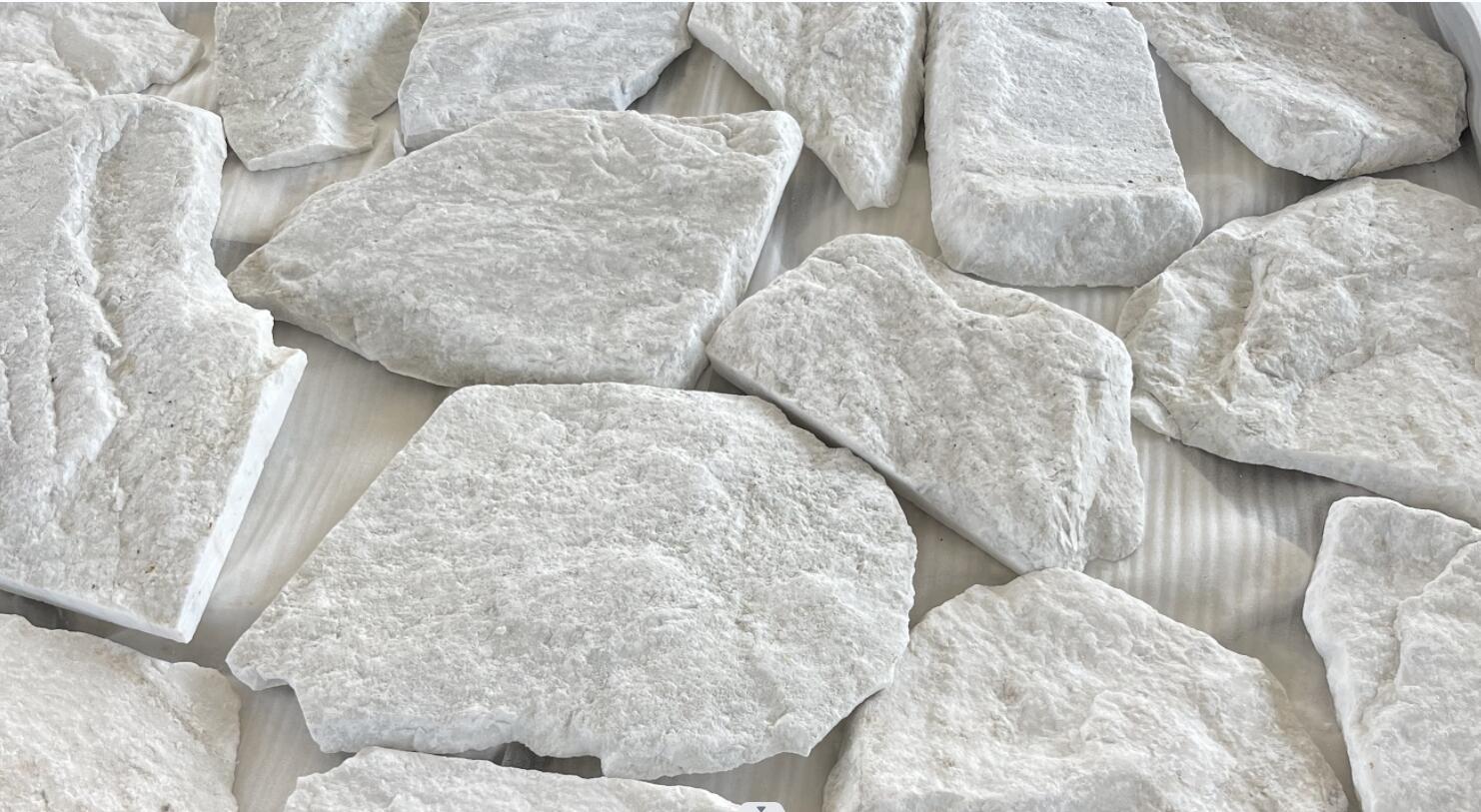
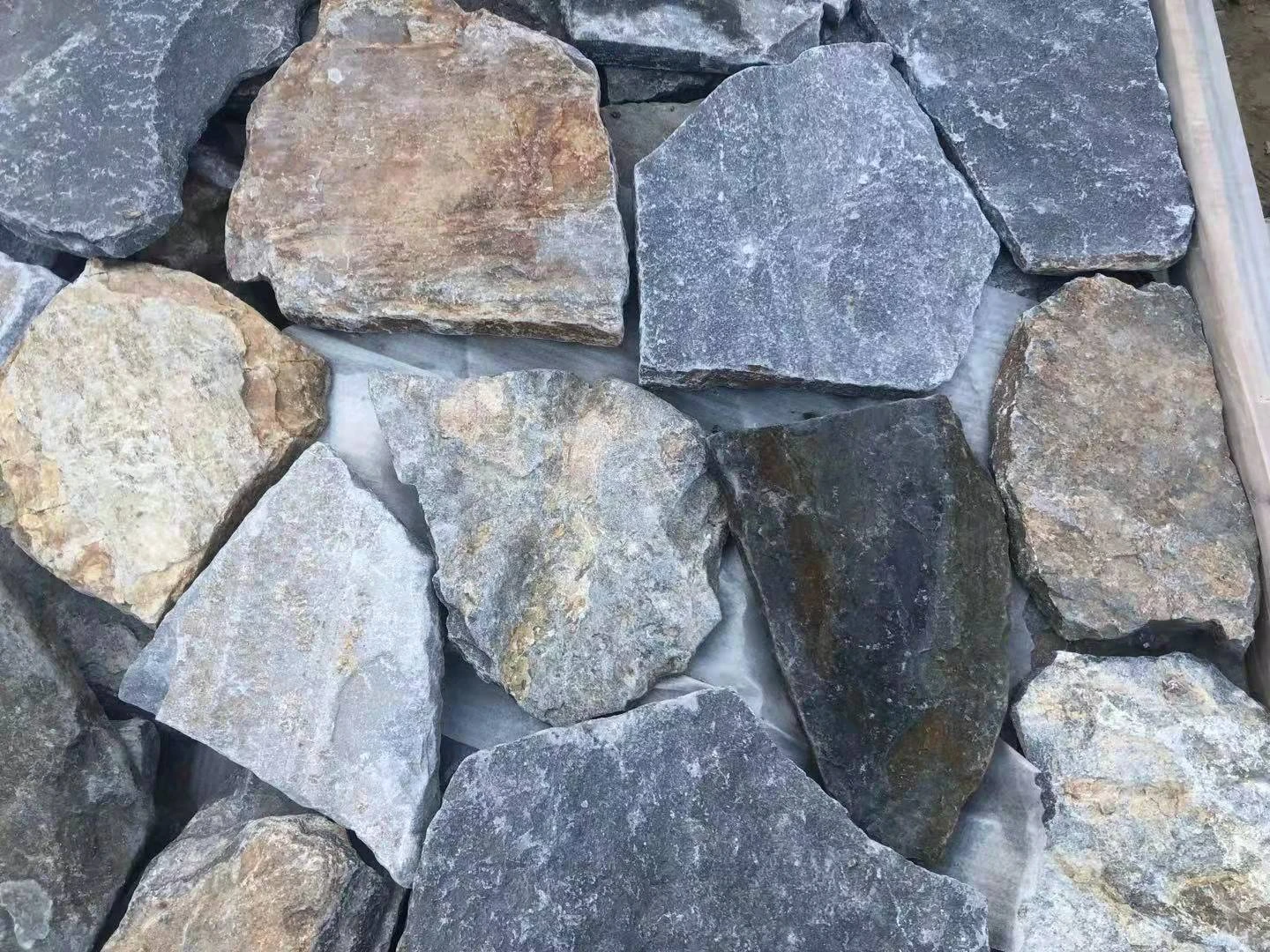
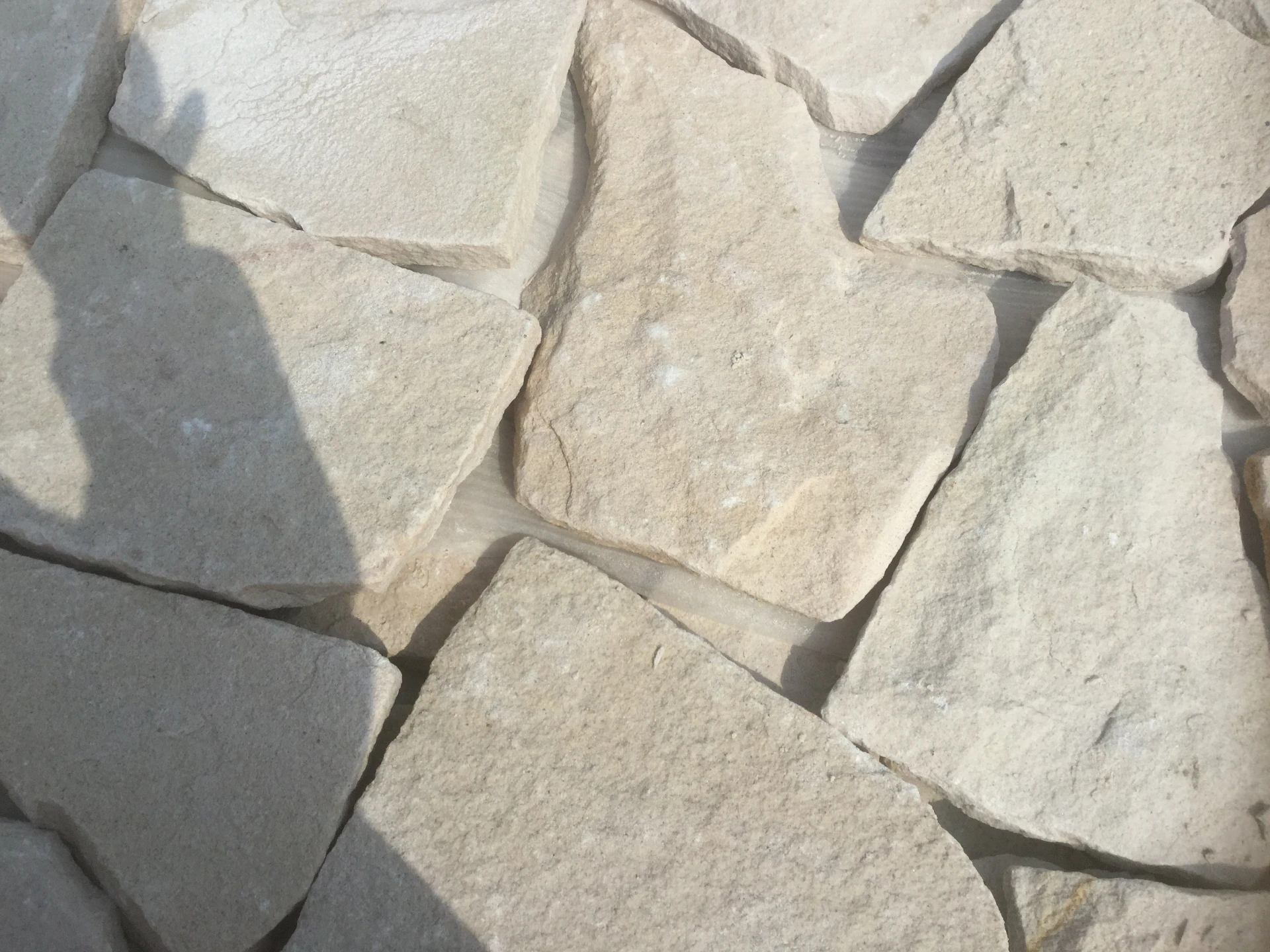
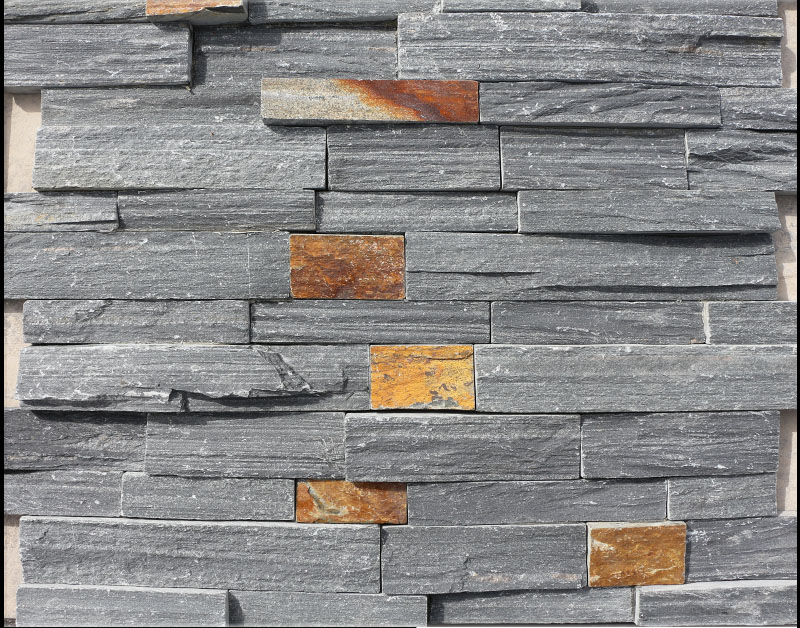
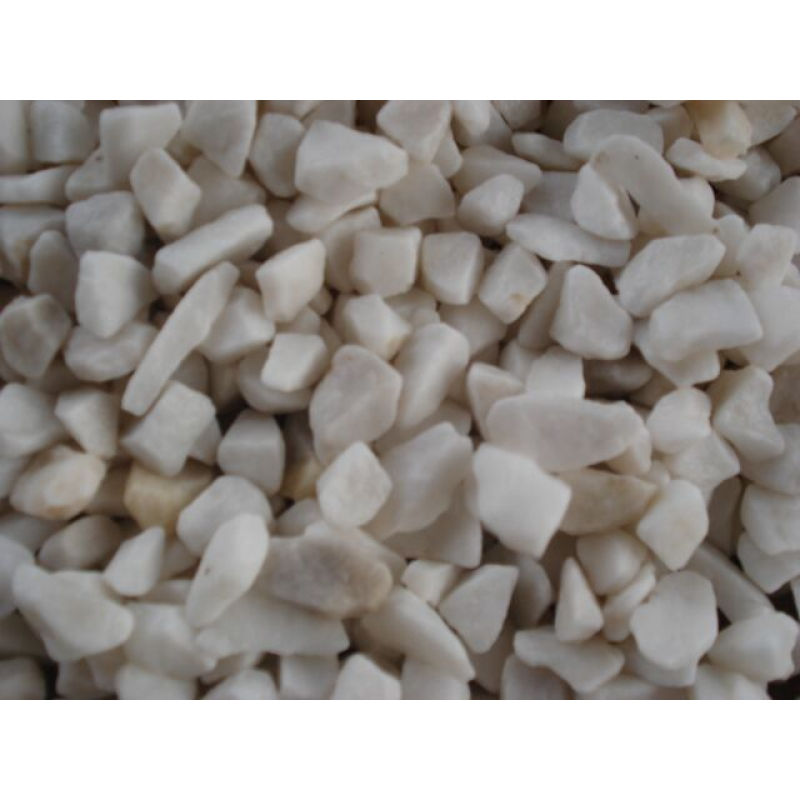
Stone cladding is durable, attractive, and low maintenance. Here’s what you need to know about this stone alternative.
Stone cladding is also known as stacked stone or stone veneer. It can be made from actual stone or artificial, so-called engineered stone. It’s available in a wide variety of finishes that look like slate, brick, and many other stones. It’s a fast and affordable way to get the look of stone on a wall without the cost or time of a masonry installation.
Le revêtement en pierre présente de nombreux avantages par rapport aux autres matériaux de construction et, dans certains cas, par rapport aux constructions en maçonnerie.
• Lightness: Stone cladding is easier to carry and install than natural stone, and it places less pressure on the existing structure. It generally weighs considerably less than natural stone.
• Insulation: Stone cladding is weather-resistant and protective. It helps a building stay warm in winter and cool in summer. Reinforcing the cladding with a steel or aluminum framework, called a honeycomb, makes it able to resist earthquakes and high winds.
• Minimal maintenance: Like stone, stone cladding requires little upkeep to look good for many years.
• Ease of installation: Lightweight cladding is easier to install than stone. It doesn’t require the same heavy equipment that a masonry installation does. This doesn’t mean you can install it yourself, however. Hanging stone cladding requires experience and skill.
• Esthetics: Stone gives any building an elegant look. Cladding can look like quartz, granite, marble, or any natural stone. It also comes in a wide choice of colors. Because you can install it anywhere, stone cladding gives you endless ways to design with stone.
Ancrages en contre-dépouille
C'est la méthode habituelle pour les grandes installations. Dans un système d'ancrage en contre-dépouille, les installateurs percent des trous à l'arrière de la pierre, insèrent un boulon et fixent le revêtement horizontalement. C'est une bonne méthode pour les soffites et les panneaux plus épais.
Méthode de saignée
Dans cette méthode, les installateurs découpent des rainures en haut et en bas de la pierre. La pierre se place sur un fermoir en bas du panneau de bardage avec un deuxième fermoir en haut. Il s’agit d’une méthode d’installation rapide et facile, excellente pour les petites installations et les panneaux plus minces.
Les deux méthodes d'installation utilisent une conception à joint ouvert. Pour imiter l'apparence de la vraie pierre, les installateurs pointent les espaces entre les joints avec du coulis de maçonnerie.
• Entry areas
• Bathrooms
• Kitchens
• Sheds
• Freestanding garages
• Patios
• Mailboxes
Même si le revêtement en pierre est excellent dans de nombreux cas, il n’est pas idéal pour toutes les installations. Elle présente également certains inconvénients que la pierre n’a pas.
• It’s not as durable as a masonry installation.
• Some veneers allow moisture to seep into the joints.
• It can crack under repeated freeze-and-thaw cycles.,
• Unlike natural stone, it is not a sustainable building material.
 africain
  albanais
  Amharique
  arabe
arabe  arménien
  azerbaïdjanais
  Basque
  biélorusse
  bengali
  bosniaque
  bulgare
  catalan
  Cebuano
  Chine
Chine  Chine (Taïwan)
  Corse
Corse  croate
  tchèque
  danois
  Néerlandais
  Anglais
  espéranto
  estonien
  finlandais
  Français
  frison
  Galicien
  géorgien
  Allemand
  grec
grec  Gujarati
  Créole haïtien
  haoussa
  hawaïen
  hébreu
  Non
Non  Miao
Miao  hongrois
  islandais
  igbo
igbo  indonésien
  irlandais
  italien
  Japonais
  Javanais
  Kannada
  kazakh
  Khmer
Khmer  Rwandais
  coréen
  kurde
kurde  Kirghize
  tuberculose
  Latin
Latin  letton
  lituanien
  luxembourgeois
  Macédonien
  Malgashi
  malais
  Malayalam
  maltais
  Maori
Maori  Marathi
  mongol
  Birmanie
  Népalais
  norvégien
  norvégien
  Occitan
  pachtou
  persan
  polonais
  Portugais
  Pendjabi
  roumain
  russe
russe  Samoan
  Gaélique écossais
  serbe
serbe  Anglais
  Shona
Shona  Sindhi
  Cinghalais
  slovaque
  slovène
  somali
  Espagnol
  Soundanais
  Swahili
  suédois
  Tagalog
  tadjik
  Tamil
Tamil  tatar
tatar  Télougou
  thaïlandais
  turc
turc  Turkmènes
  ukrainien
  Ourdou
  Ouïghour
  Ouzbek
  vietnamien
  gallois