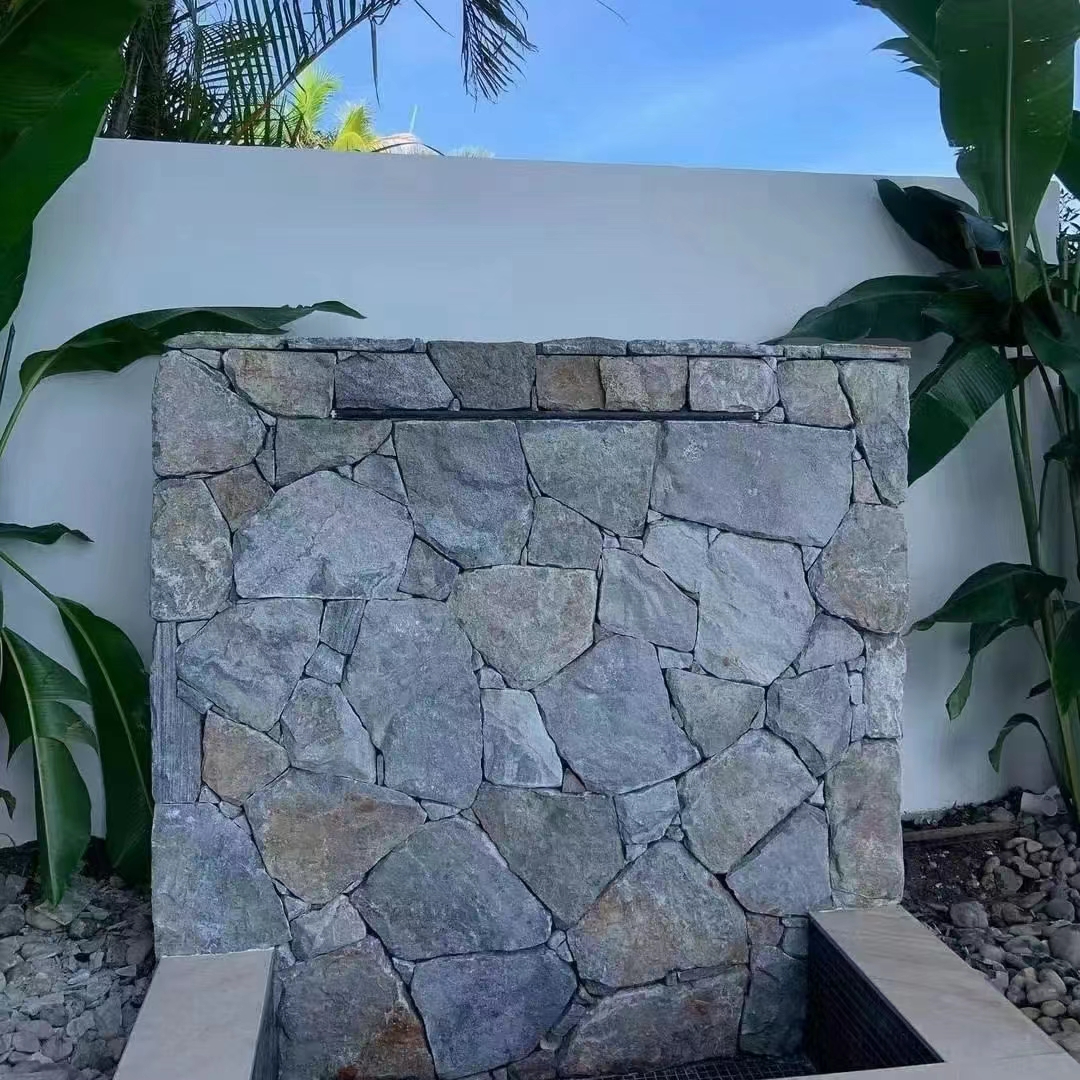
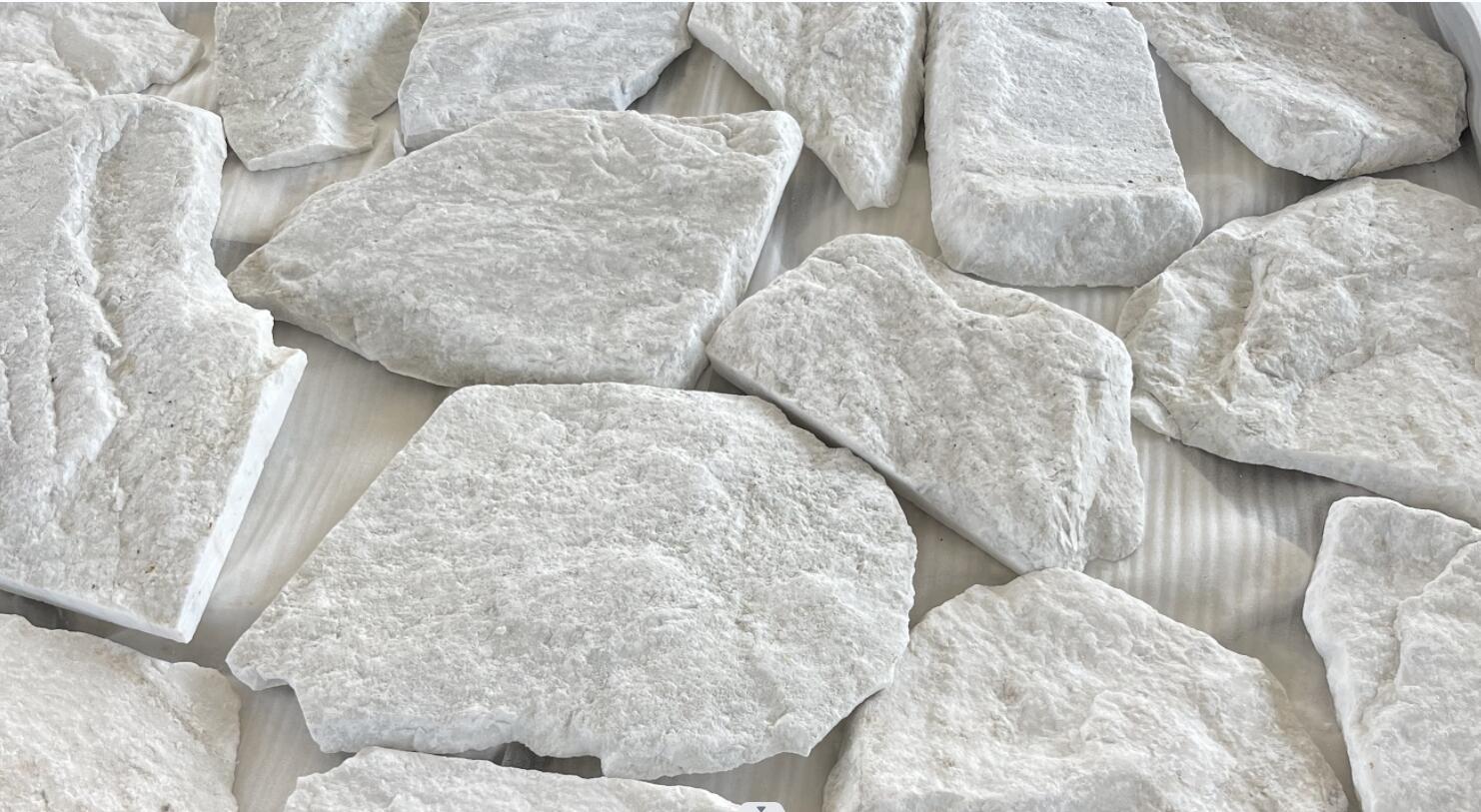
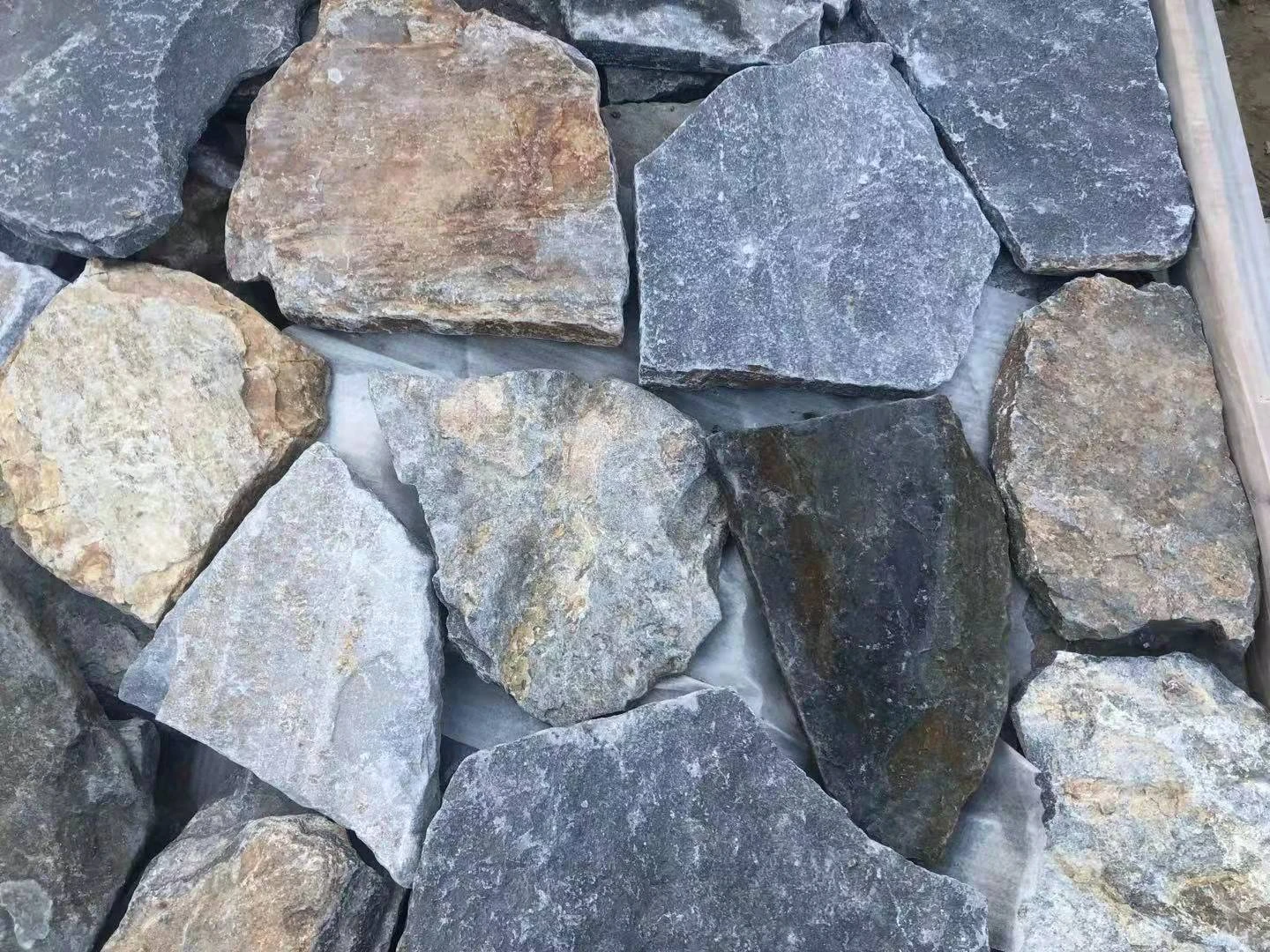
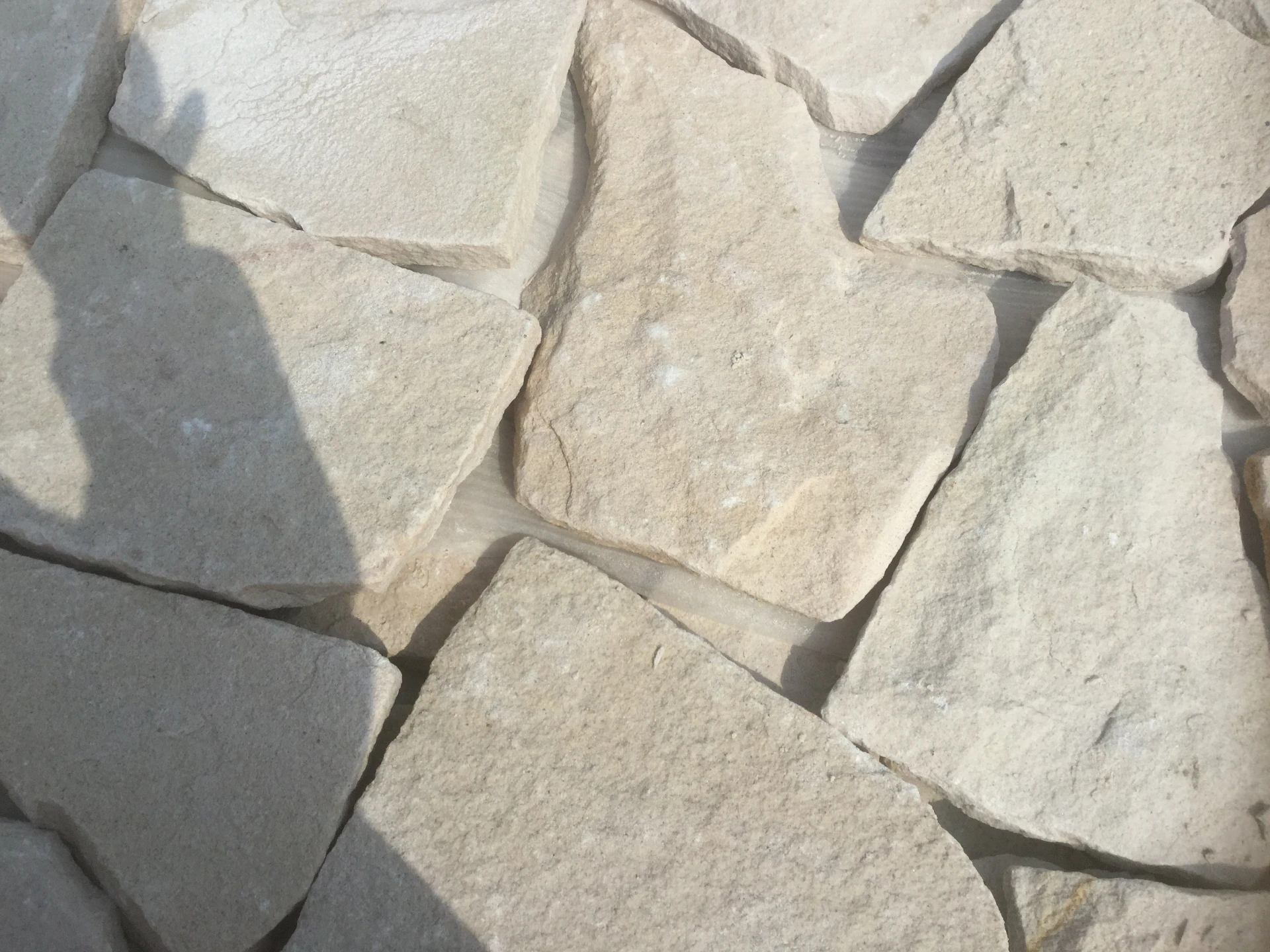
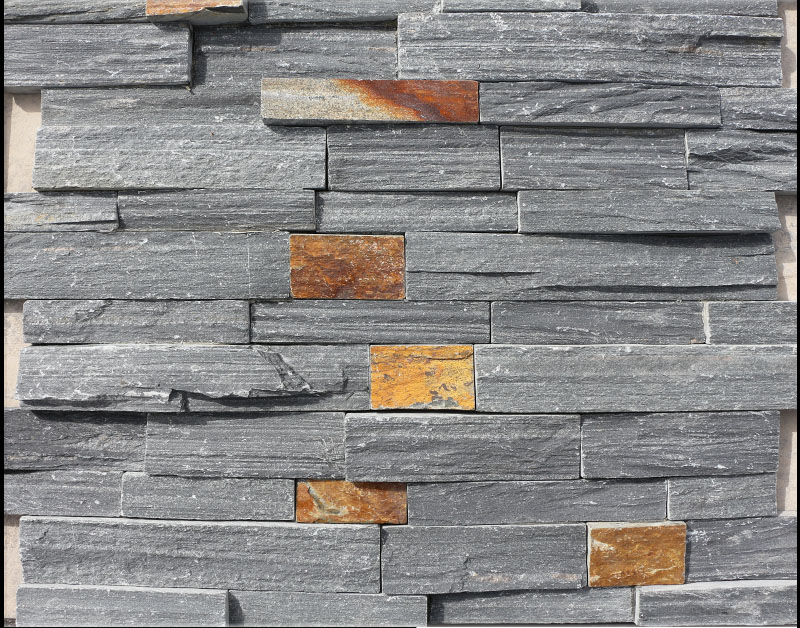
Stone cladding is durable, attractive, and low maintenance. Here’s what you need to know about this stone alternative.
Stone cladding is also known as stacked stone or stone veneer. It can be made from actual stone or artificial, so-called engineered stone. It’s available in a wide variety of finishes that look like slate, brick, and many other stones. It’s a fast and affordable way to get the look of stone on a wall without the cost or time of a masonry installation.
He maha nga painga o te whakakikorua kohatu ki etahi atu mea hanga whare, a, i etahi wa, ki te hanga kohatu masonry.
• Lightness: Stone cladding is easier to carry and install than natural stone, and it places less pressure on the existing structure. It generally weighs considerably less than natural stone.
• Insulation: Stone cladding is weather-resistant and protective. It helps a building stay warm in winter and cool in summer. Reinforcing the cladding with a steel or aluminum framework, called a honeycomb, makes it able to resist earthquakes and high winds.
• Minimal maintenance: Like stone, stone cladding requires little upkeep to look good for many years.
• Ease of installation: Lightweight cladding is easier to install than stone. It doesn’t require the same heavy equipment that a masonry installation does. This doesn’t mean you can install it yourself, however. Hanging stone cladding requires experience and skill.
• Esthetics: Stone gives any building an elegant look. Cladding can look like quartz, granite, marble, or any natural stone. It also comes in a wide choice of colors. Because you can install it anywhere, stone cladding gives you endless ways to design with stone.
Nga punga o raro
Ko te tikanga tenei mo nga whakaurunga nunui. I roto i te punaha punga i raro, ka werohia e nga kaiwhakauru he rua ki te tuara o te kohatu, ka kuhu he raka, ka whakatika whakapae i te arai. He tikanga pai tenei mo nga sofits me nga panui matotoru.
Tikanga Kerf
I roto i tenei tikanga, ka tapahia e nga kaiwhakauru nga awaawa i runga me raro o te kohatu. Ko nga waahi kowhatu i runga i te awhi kei raro o te papa awhi me te awhi tuarua kei runga. He tikanga whakauru tere, ngawari tenei he pai rawa atu mo nga whakaurunga iti me nga panui kikokore.
Ko nga tikanga whakauru e rua e whakamahi ana i te hoahoa hono-tuwhera. Hei whakataurite i te ahua o te kohatu tuuturu, ka tohuhia e nga kaiwhakatakoto nga mokowhiti i waenga i nga hononga me te masonry grout.
• Entry areas
• Bathrooms
• Kitchens
• Sheds
• Freestanding garages
• Patios
• Mailboxes
Ahakoa he pai te whakakikorua kohatu i roto i te maha o nga keehi, ehara i te mea pai mo ia whakaurunga. Kei a ia ano etahi ngoikoretanga kaore i te kowhatu.
• It’s not as durable as a masonry installation.
• Some veneers allow moisture to seep into the joints.
• It can crack under repeated freeze-and-thaw cycles.,
• Unlike natural stone, it is not a sustainable building material.
 Awherika
  Albanian
  Amharic
  Arapi
Arapi  Arameina
  Azerbaijani
  Basque
  Belarusian
  Bengali
  Bosniana
  Bulgarian
  Katarana
  Cebuano
  Haina
Haina  Haina (Taiwan)
  Korihika
  Koroatiana
  Czech
Czech  Teniana
  Tatimana
  Ingarihi
  Esperanto
  Estonian
  Finnish
  Wīwī
Wīwī  Frisian
  Kariri
  Georgian
  Tiamana
  Kariki
  Gujarati
  Haiti Creole
  hausa
hausa  hawaii
  Hiperu
  Kao
Kao  Miao
Miao  Hungarian
  Tiorangi
  igbo
igbo  Initonia
  Irish
Irish  Itariana
  Hapanihi
  Hawaana
  Kannada
  Kazakh
  Khmer
Khmer  Rwandan
  Koreana
  Kurdish
  Kyrgyz
  TB
TB  Latina
  Latvian
  Lithuania
  Luxembourgish
  Makeronia
  Malgashi
  Malay
Malay  Malayalam
  Marite
  Maori
Maori  Mareti
  Mongolian
  Myanmar
  Nepali
  Norewai
  Norewai
  Occitan
  Pashto
  Pahia
Pahia  Porohia
  Potiti
  Punjabi
  Romanian
  Ruhia
Ruhia  Hamoa
Hamoa  Scottish Gaelic
  Serbian
  Ingarihi
  Shona
Shona  Sindhi
  Sinhala
  Slovak
  Slovenian
  Somali
  Paniora
  Hatana
  Swahili
  Huitene
  Tagalog
  Tajik
Tajik  Tamil
Tamil  Tatara
  Telugu
  Thai
Thai  Turiki
  Turkmen
  Iukereiniana
  Urdu
Urdu  Uighur
  Uzbek
Uzbek  Vietnamese
  Welsh
Welsh