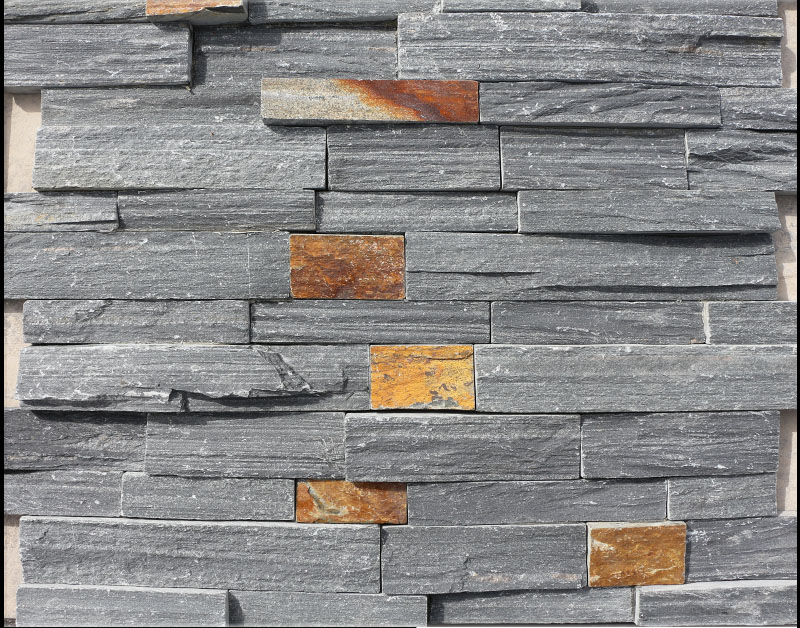
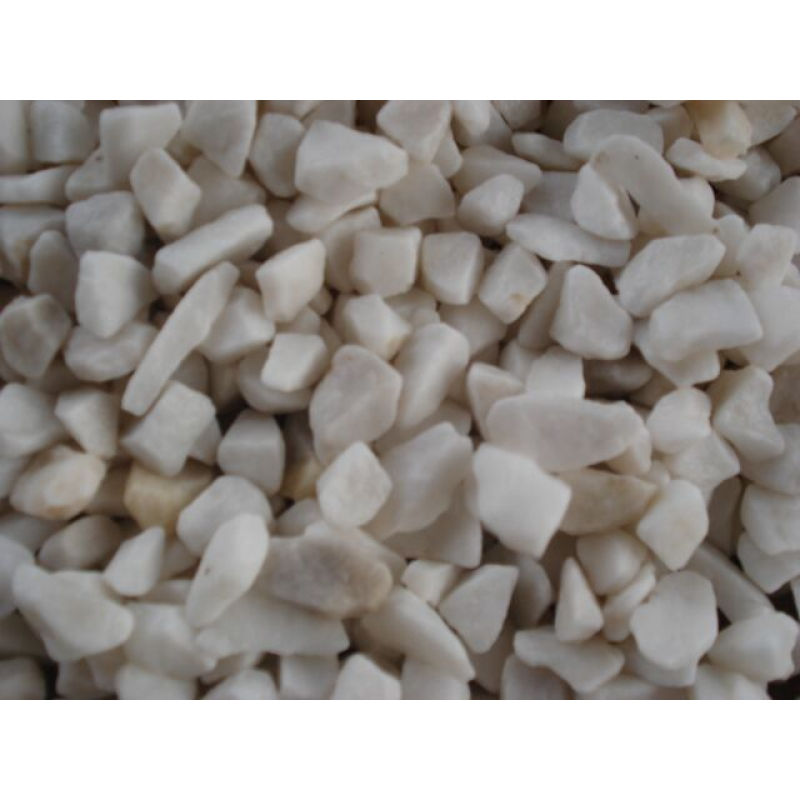
En este artículo, analizaremos algunas áreas clave para crear la pared perfecta y los elementos que se combinan para brindarle los acabados que ve hoy en algunas de las casas más impresionantes de todo el país.
We’ll take a look at what natural stone cladding is, what types are available to you, which would work best for you and ultimately a guideline on how to install your cladding.
“Cladding” is made to dress your wall with stone without the costs of building walls with blocks and labour costs associated with them. You can easily clad your wall with your preferred material and blend it in to suit your environment in a more efficient and cost-effective way.
El revestimiento de piedra es una fina capa de piedra aplicada a un edificio u otra estructura hecha de un material distinto de la piedra. El revestimiento de piedra se adhiere a un muro de hormigón, ladrillos y edificios como parte de su diseño arquitectónico original. La parte posterior de cada pieza de piedra se corta hasta obtener un acabado plano, lo que permite fijar las piedras a los sustratos adecuados.
Con ubicaciones repartidas por todo el mundo, la mayoría de los países tienen algún tipo de piedra natural que se encuentra debajo de ellos.
Natural stone “cladding” is thin slices of quarried natural stones. They are taken out of the land and accordingly sliced into blocks and boulders – from these blocks/boulders, the products you see today are manufactured and made.
Con muchos tipos diferentes de piedras naturales, desde granito hasta cuarcita, desde travertino hasta mármol, existen variedades de revestimiento que se adaptan a todos y cada uno.
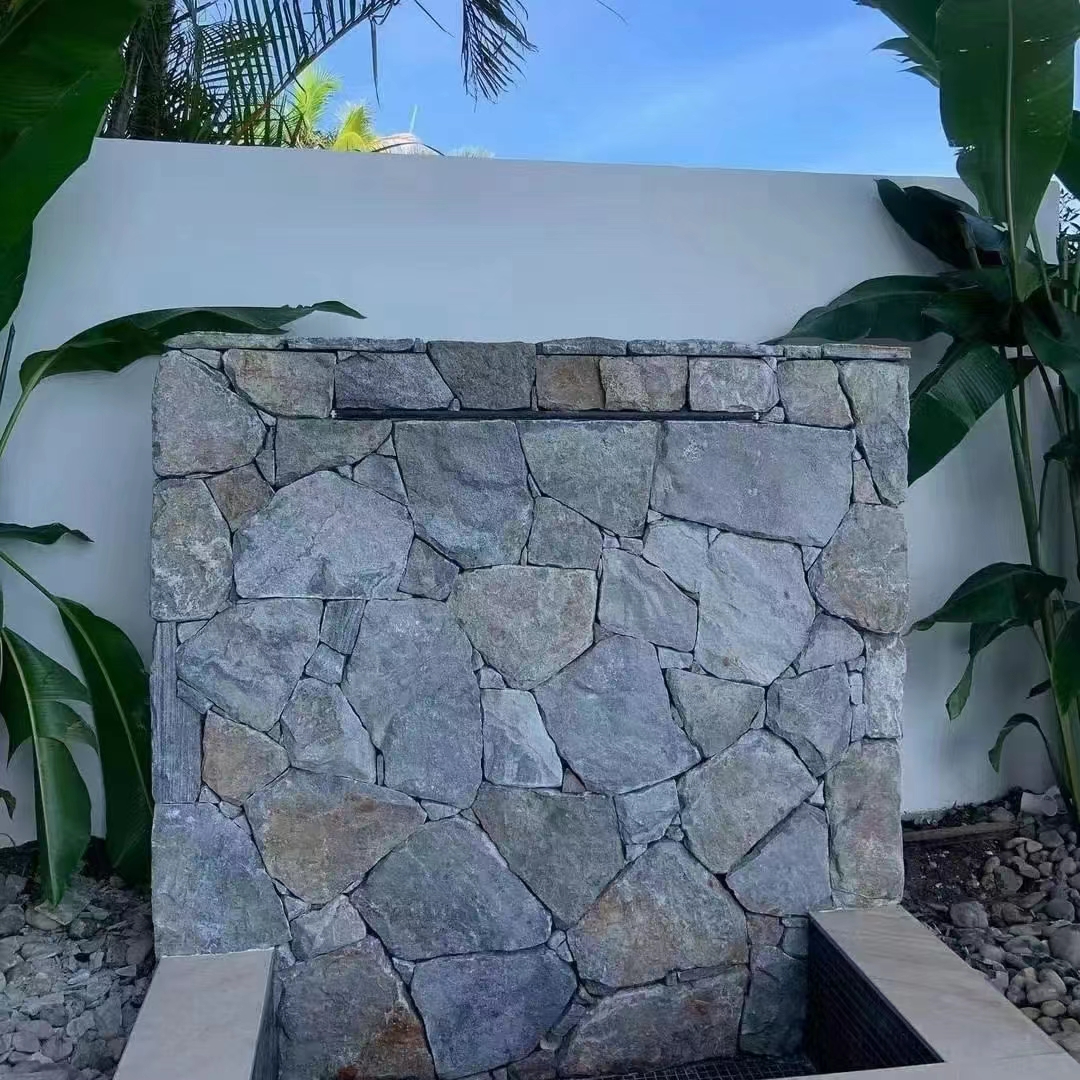
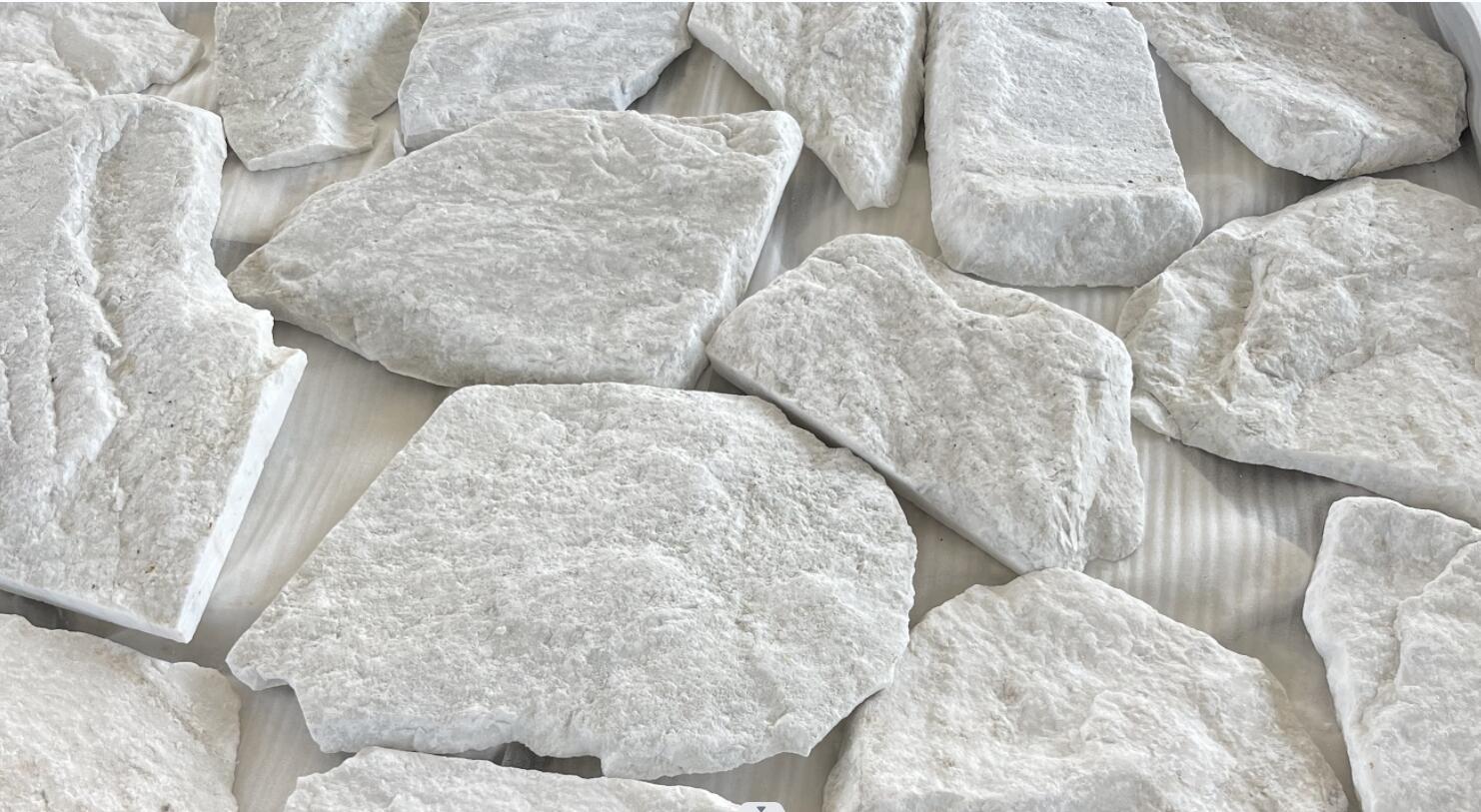
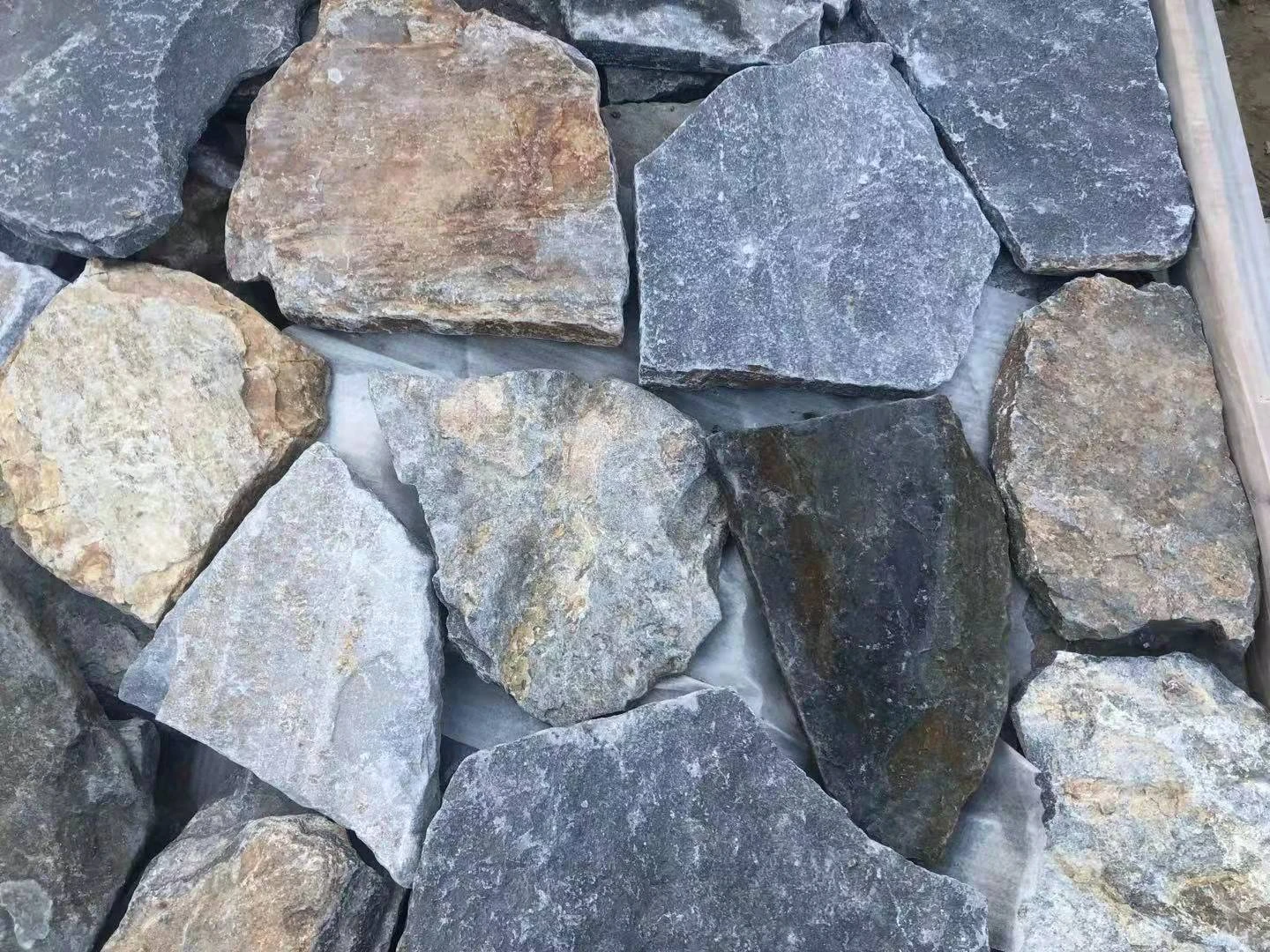
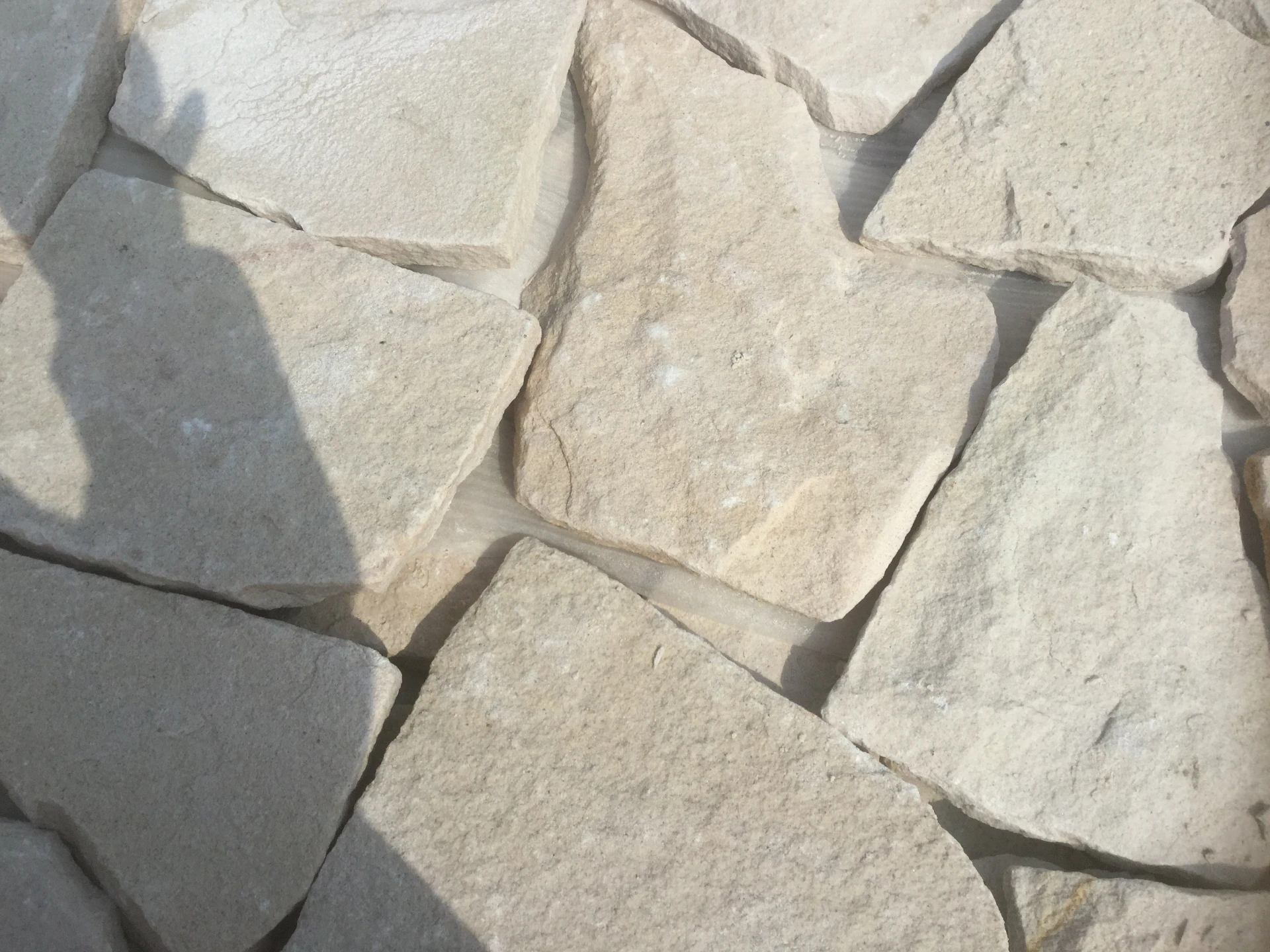
Free form – These are small, medium and large pieces of loose natural stone with sawn flat back pieces that come together to create an organic wall that appears like it has been built for centuries. The definition of “free-form” is individual pieces.
Con una parte posterior que ha sido aserrada para facilitar la instalación, nuestras piedras individuales para revestimiento de paredes se pegan a una pared existente, creando una apariencia orgánica natural y atemporal.
Instalado por un cantero experto, tan importante para la calidad de la piedra utilizada como para la forma y el acabado de la piedra es la calidad de la artesanía de su instalador.
Freeform organic stonework is an art form, and the artist is critical in completing the ‘picture’ that becomes your wall.
No es un patrón que deban seguir, hay formas específicas de colocar cada tipo de revestimiento orgánico para conseguir el aspecto adecuado. Lo que estamos tratando de lograr aquí es la apariencia de que su estructura fue construida a mano a partir de bloques reales, hace siglos.
Si colocas el revestimiento como si fuera una pintura abstracta o algún tipo de patrón, convertirás la pared en una pared de piedra con dibujos. (lo cual está bien si buscas ese look) en lugar de lograr la apariencia de un muro estructuralmente construido/apilado por un cantero bloque por bloque. De esta forma cada pieza se adapta a sus vetas, forma y color.

For example, If your stonemason were going to build a wall say 10m long and 5 meters high from blocks, the wall should be structurally stable, it needs to be stacked one on top of another so it doesn’t ever fall or collapse.
Al revestir una piedra natural de forma libre en una pared existente, aún debe verse como si hubieran sido construidas a partir de bloques reales, aún deben parecer estables. ¡Aunque en realidad es el sustrato de la parte posterior el que debe ser estable!
Si no ve la diferencia al mirar una pared de bloques y una pared revestida, entonces ha logrado la codiciada pared atemporal que hará dudar a cualquiera que especule si la pared está revestida o es de bloques.
Armstone offers corners pieces of all the stone claddings which are available in pre-cut 90-degree pieces to give you that full stone, block look. The benefit here is that you don’t have to get your stonemason to mitre the corners, its best to avoid seeing any cut joints anywhere on the wall.

To achieve the true organic look your installer shouldn’t have any sawn cuts on your stonework. They should make cuts from the back of the stone and split each individual piece of the stone to prevent having a sawn cut on the face or side of the piece.
Si tienes los bordes aserrados, puedes picar el borde de cada pieza para darle a la piedra un borde más natural. Aquí es donde realmente debería demostrarse la experiencia de su cantero.

Cuando se hace correctamente, una pared orgánica de forma libre puede crear una característica sorprendente y atemporal en su interior o exterior. Sin embargo, como ocurre con todo en la vida, si se toman atajos, prácticamente no tiene sentido pasar por el proceso. Estaría mejor con otras opciones más prácticas.
In the Free Form individual stone cladding range, you can either do “Dry Stack” aka “Dry Stone Cladding” which means that the stone cladding is Not Grouted (no any cement filled into the gaps) or Grouted.
Some stones look good in “dry stack” and some “grouted”. Realmente se trata de tus preferencias personales.
Some Natural Stone Claddings looks really organic when you lay them in “Crazy” pattern. This is where the pieces don’t have any even sizes or shapes.

If you are planning to do a dry stack you must plan ahead to have the grout joints tight or you if you’d like to grout you should use packers to get consistent grout joints for each individual piece of stone.
Si no está seguro de cuál se adaptará a su hogar o proyecto, llámenos y hable con nosotros, estamos seguros de que le adaptaremos la solución perfecta.
Besides the “Crazy” format stone cladding nowadays more architects and landscape designers are specifying the “Random Ashlar” pattern which is suited for more modern designs.
“Random Ashlar” is a random Geometric pattern – sillar al azar, las piezas consisten en cuadrados y rectángulos aleatorios.

PANELES DE PIEDRA Y PIEDRAS APILADAS.
Z-panels – “Z-panels” have a ‘Z’ shape which allows each stone panel to interlock with the next. These pre-made dry stack panels are the most cost-effective way to transform your wall to a dry stack look.
With a concrete backing Armstone’ Z shape panels which are also known as “Stone Panels” or “Ledgestones” as well as “Cultured stones” have chicken wire holding each individual piece of stone together on a concrete backing system for a functional and feasible install makes for a great product. We’ve seen many homes use this type of wall cladding and the results have been very pleasing.
Los paneles Z se consideran intermedios cuando se trata de instalación y son más fáciles de instalar en comparación con el revestimiento de forma libre. Disponibles en tamaños fáciles de trabajar, puede pegarlos rápidamente en el sustrato adecuado. Llevamos personalmente piezas de esquina y tapas a juego para proporcionar un acabado perfecto para su hogar.
With a number of options available such as Micha Quartz, Toad Limestone and Natural colours as Rustic Granite – there is something to suit any home.


Stacked Stones – Stacked stones are a more linear approach to wall cladding. With ready to use stone veneers holding together small individual bits of stone which are stacked to together with glue, it’s very simple to clad any suitable structure.
Each stone is stacked and glued onto the panel which helps gives your wall or structure a natural 3D appearance. If you’re looking for an easy way to add appeal to your internal and external walls or structures, this option is for you.
Made from premium natural stone and a combination of durability and strength the range of options in this format are endless. It’s important to choose the right one that brings out the best in your home.
Los paneles de piedra apilados están disponibles en un tamaño conveniente de 600x150 mm y son livianos. Se pueden adherir fácilmente a la pared, de forma similar a los azulejos.


¿Qué revestimiento es el adecuado para usted?
Con tantas opciones disponibles al alcance de su mano, hay factores que debe considerar y tener en cuenta antes de reservar su material.
It’s wise to consider where the wall cladding will be going?
El revestimiento adecuado debe complementar su espacio, su entorno y su presupuesto.
There are a few things to consider when it comes to the visual appeal of your wall and there is one key element that really makes or breaks this and it falls under, installation. Let’s take a look below at what the most important factors are.
Elija el instalador adecuado:
It’s important to engage the right team, one with the commitment and experience to help bring to life your dream wall.
When shortlisting the right people for the job, always be sure to ask for photos of previous similar projects completed as well as any references they may have.
Elegir el instalador adecuado puede marcar una gran diferencia y es tan importante como la calidad de la piedra.
Tu sustrato:
Asegúrese de que su base sea sólida y que su superficie esté lista para su aplicación. Para la piedra natural, puede construir el sustrato con ladrillos, hormigón o bloques y, dependiendo de la altura y el tamaño, es posible que también necesite que un ingeniero apruebe la pared.
Asegúrese de eliminar la suciedad o los residuos de la pared antes de adherir el revestimiento de piedra, esto permitirá una máxima adhesión.
Su pedido:
It’s important to consider things like wastage and breakage when ordering, depending on the type of stone cladding you may find some pieces are too small and you will need to sort through your extras to make the wall the size and shape you desire, it’s also possible that during installation or transportation that some pieces may break. We normally advise between 10%-15% wastage, depending on the product.

Los detalles:
The dollars in the details, therefore its best to have full piece corner pieces to really enhance the overall organic feeling off your wall – you’ll find this a much cleaner finish as you will not have any visual interference brought to you from mitred corners.
Una vez que su pared esté revestida, puede terminarla con un revestimiento a juego, esto crea una apariencia limpia y nítida y realmente convierte su pared en una característica distintiva.
Si solo tiene un muro de contención corto o una jardinera, también queda genial usar las piezas de las esquinas completas para el recubrimiento.
It’s key to be patient when using any free form or ashlar type natural stone product.
Try setting out the pieces on the ground and begin putting together the pieces the way you’d like to see them when they are up on your wall.
Tenga en cuenta que ajustará las piezas al tamaño y las mezclará y combinará para crear su propia variación natural, realmente es como arte y un buen artista siempre prepara sus herramientas.

¿Qué adhesivo utilizar para el revestimiento de piedra?
When adhering the stone pieces onto the substrate be sure to use a quality adhesive, Armstone recommends the products from Mapei and we’ve found the moisture sensitive glue from Mapei Granirapid Kit to be the best solution thus far.
The reasons why are quite important, Mapei Granirapid kit is a moisture sensitive adhesive which helps resists against moisture. Moisture is the number one culprit for de-bonding glue. Which to put simply means if you don’t use this type of glue there is a chance your wall will fall apart over time.
Además, Granirapid es un pegamento de fraguado rápido que le permitirá adherir las piezas de su pared rápidamente y avanzar en su aplicación mucho más rápido, ya que no necesitará perder tiempo agregando soporte a piezas de piedra que necesitan tiempo para adherirse con adhesivos regulares.
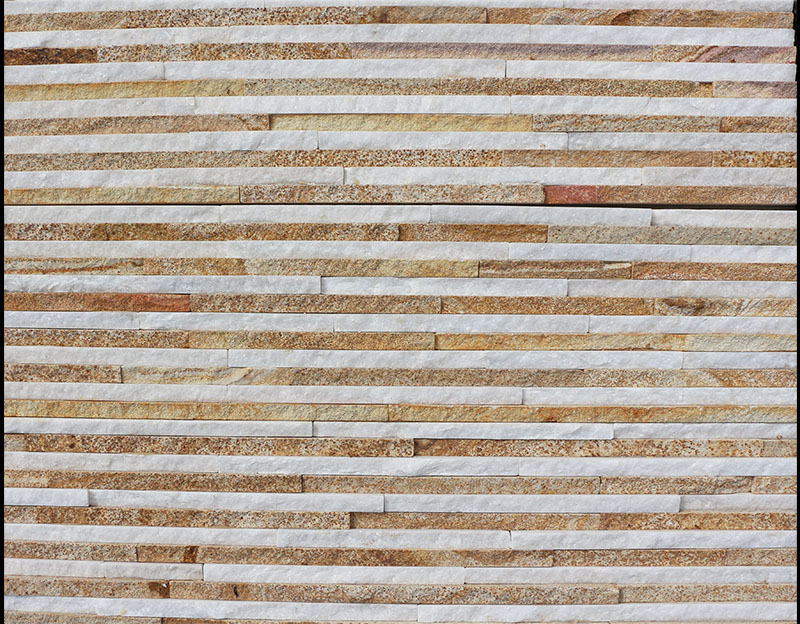
“Granirapid is a High performance, deformable, fast setting and hydration two-component cementitious adhesive for ceramic tiles and stone material.
Particularly suitable for the installation of stone material that is moderately unstable to moisture and requires a rapid drying of the adhesive. Suitable for bonding floors subject to heavy traffic.”
You're installer will need to make sure each stone piece is clean and ready to take on the glue, swiftly paste the glue onto the back of each individual piece of stone and also on the substrate. All surfaces should be clean, dry and free of existing sealers or coatings. Dust off, wipe or brush all surfaces to be sealed to remove all loose particles that could adversely affect sealer penetration and performance.
Utilice empacadores para mantener los espacios consistentes entre cada pieza de piedra. Puedes utilizar empacadores de plástico o hechos de trozos de madera.
Asegúrese de dejar el área intacta durante 24 horas más una vez que haya terminado de instalar cada pieza.
 africano
  albanés
  amárico
  Arábica
  armenio
  azerbaiyano
  vasco
vasco  bielorruso
  bengalí
  bosnio
  búlgaro
  catalán
  cebuano
  Porcelana
  China (Taiwán)
  corso
corso  croata
  checo
checo  danés
danés  Holandés
  Inglés
  esperanto
  estonio
  finlandés
  Francés
  frisio
  gallego
  georgiano
  Alemán
  Griego
  gujarati
  criollo haitiano
  hausa
hausa  hawaiano
  hebreo
  No
No  Miao
Miao  húngaro
  islandés
  igbo
igbo  indonesio
  irlandesa
  italiano
  japonés
  javanés
  canarés
  kazajo
  jemer
jemer  ruandés
  coreano
  kurdo
kurdo  Kirguistán
  tuberculosis
  latín
latín  letón
letón  lituano
  luxemburgués
  macedónio
  Malgashi
  malayo
  malayalam
  maltés
  maorí
maorí  marathi
  mongol
  Birmania
  nepalí
  noruego
  noruego
  occitano
  pastún
  persa
persa  Polaco
  portugués
  punjabi
  rumano
  ruso
ruso  samoano
  gaélico escocés
  serbio
  Inglés
  Shona
Shona  Sindhi
  cingalés
  eslovaco
  esloveno
  somalí
  Español
  sundanés
  swahili
  sueco
sueco  tagalo
  tayiko
  Tamil
Tamil  tártaro
  telugu
  tailandés
  turco
turco  turcomano
  ucranio
  urdu
urdu  uigur
uigur  uzbeko
  vietnamita
  galés
galés