

Neste artigo, daremos uma olhada em algumas áreas-chave na criação de sua parede perfeita e nos elementos que se unem para fornecer os acabamentos que você vê hoje em algumas das casas mais impressionantes do país.
We’ll take a look at what natural stone cladding is, what types are available to you, which would work best for you and ultimately a guideline on how to install your cladding.
“Cladding” is made to dress your wall with stone without the costs of building walls with blocks and labour costs associated with them. You can easily clad your wall with your preferred material and blend it in to suit your environment in a more efficient and cost-effective way.
O revestimento de pedra é uma fina camada de pedra aplicada a um edifício ou outra estrutura feita de um material diferente da pedra. O revestimento de pedra adere a paredes de concreto, alvenaria e edifícios como parte de seu projeto arquitetônico original. O verso de cada pedaço de pedra é serrado até obter um acabamento plano, o que permite a fixação das pedras em substratos apropriados.
Com locais espalhados por todo o mundo, a maioria dos países possui algum tipo de pedra natural encontrada abaixo deles.
Natural stone “cladding” is thin slices of quarried natural stones. They are taken out of the land and accordingly sliced into blocks and boulders – from these blocks/boulders, the products you see today are manufactured and made.
Com muitos tipos diferentes de pedras naturais, que vão do granito ao quartzito, do travertino ao mármore, existem variedades de revestimento para todos os gostos.
Free form – These are small, medium and large pieces of loose natural stone with sawn flat back pieces that come together to create an organic wall that appears like it has been built for centuries. The definition of “free-form” is individual pieces.
Com uma parte traseira serrada para facilitar a instalação, as nossas pedras individuais de revestimento de parede são coladas numa parede existente, criando um aspecto orgânico natural e intemporal.
Instalado por um pedreiro qualificado, tão importante para a qualidade da pedra utilizada, bem como para a forma e o acabamento da pedra, é a qualidade do trabalho artesanal do seu instalador.
Freeform organic stonework is an art form, and the artist is critical in completing the ‘picture’ that becomes your wall.
Não é um padrão que eles devam seguir, existem maneiras específicas de colocar cada tipo de revestimento orgânico para obter a aparência certa. O que estamos tentando alcançar aqui é a aparência de que sua estrutura foi construída à mão a partir de blocos reais, séculos atrás.
Se você colocar o revestimento como se fosse uma pintura abstrata ou algum tipo de padrão, você transformaria a parede em uma parede de pedra estampada. (o que é bom se você estiver atrás desse visual) em vez de obter a aparência de uma parede estruturalmente construída que é construída/empilhada por um pedreiro bloco por bloco. Desta forma cada peça adequa-se aos seus grãos, forma e cor.

For example, If your stonemason were going to build a wall say 10m long and 5 meters high from blocks, the wall should be structurally stable, it needs to be stacked one on top of another so it doesn’t ever fall or collapse.
Ao revestir uma pedra natural de forma livre em uma parede existente, ela ainda precisa parecer que foi construída a partir de blocos reais, mas ainda precisa parecer estável. Mesmo que na verdade seja o substrato na parte de trás que precisa ser estável!
Se você não vê a diferença ao olhar para uma parede de blocos e uma parede revestida, então você alcançou a cobiçada parede atemporal que duvidará de qualquer um que esteja especulando se a parede é revestida ou em blocos.
Armstone offers corners pieces of all the stone claddings which are available in pre-cut 90-degree pieces to give you that full stone, block look. The benefit here is that you don’t have to get your stonemason to mitre the corners, its best to avoid seeing any cut joints anywhere on the wall.

To achieve the true organic look your installer shouldn’t have any sawn cuts on your stonework. They should make cuts from the back of the stone and split each individual piece of the stone to prevent having a sawn cut on the face or side of the piece.
Se você tiver bordas serradas, poderá lascar a borda de cada peça para dar à pedra uma borda mais natural. É aqui que a experiência do seu pedreiro deve realmente aparecer.

Quando feita corretamente, uma parede orgânica de forma livre pode criar um recurso impressionante e atemporal em ambientes internos ou externos. No entanto, como acontece com qualquer coisa na vida, se os atalhos forem cortados, praticamente não há sentido em passar pelo processo. Ficaria melhor com outras opções mais práticas.
In the Free Form individual stone cladding range, you can either do “Dry Stack” aka “Dry Stone Cladding” which means that the stone cladding is Not Grouted (no any cement filled into the gaps) or Grouted.
Some stones look good in “dry stack” and some “grouted”. É realmente tudo uma questão de sua preferência pessoal.
Some Natural Stone Claddings looks really organic when you lay them in “Crazy” pattern. This is where the pieces don’t have any even sizes or shapes.

If you are planning to do a dry stack you must plan ahead to have the grout joints tight or you if you’d like to grout you should use packers to get consistent grout joints for each individual piece of stone.
Se não tem a certeza do que mais se adequa à sua casa ou projeto ligue-nos e fale connosco, temos a certeza que lhe iremos adaptar a solução perfeita.
Besides the “Crazy” format stone cladding nowadays more architects and landscape designers are specifying the “Random Ashlar” pattern which is suited for more modern designs.
“Random Ashlar” is a random Geometric pattern – Silhar aleatório, as peças consistem em quadrados e retângulos aleatórios.

PAINÉIS DE PEDRA E PEDRAS EMPILHADAS.
Z-panels – “Z-panels” have a ‘Z’ shape which allows each stone panel to interlock with the next. These pre-made dry stack panels are the most cost-effective way to transform your wall to a dry stack look.
With a concrete backing Armstone’ Z shape panels which are also known as “Stone Panels” or “Ledgestones” as well as “Cultured stones” have chicken wire holding each individual piece of stone together on a concrete backing system for a functional and feasible install makes for a great product. We’ve seen many homes use this type of wall cladding and the results have been very pleasing.
Os painéis Z são considerados intermediários quando se trata de instalação e são mais fáceis de instalar em comparação com o revestimento de forma livre. Disponível em tamanhos fáceis de trabalhar, você pode colá-los rapidamente no substrato adequado. Nós carregamos pessoalmente peças de canto e tampas correspondentes para fornecer um acabamento perfeito para sua casa.
With a number of options available such as Micha Quartz, Toad Limestone and Natural colours as Rustic Granite – there is something to suit any home.


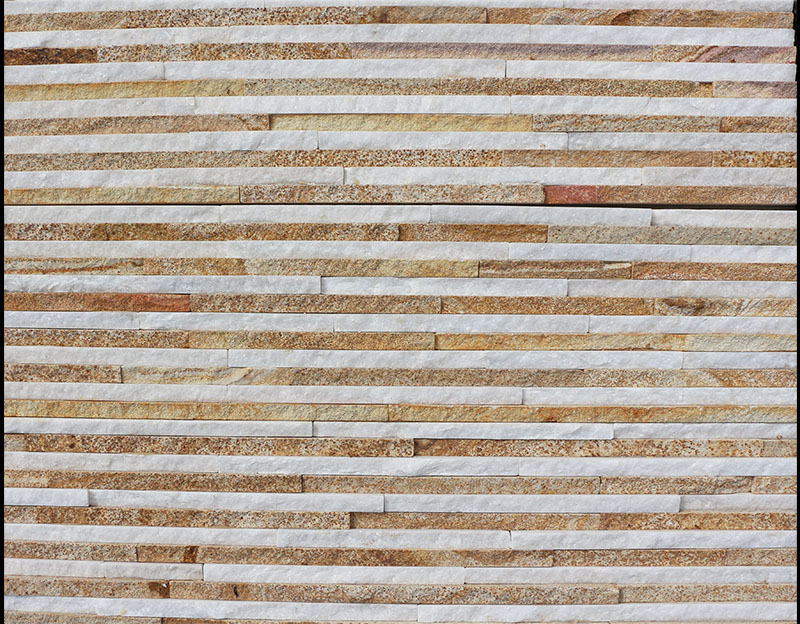
Stacked Stones – Stacked stones are a more linear approach to wall cladding. With ready to use stone veneers holding together small individual bits of stone which are stacked to together with glue, it’s very simple to clad any suitable structure.
Each stone is stacked and glued onto the panel which helps gives your wall or structure a natural 3D appearance. If you’re looking for an easy way to add appeal to your internal and external walls or structures, this option is for you.
Made from premium natural stone and a combination of durability and strength the range of options in this format are endless. It’s important to choose the right one that brings out the best in your home.
Os painéis de pedra empilhados estão disponíveis em um tamanho conveniente de 600x150mm e são leves. Eles podem ser facilmente colados na parede, semelhantes aos azulejos.


Qual revestimento é ideal para você?
Com tantas opções disponíveis na ponta dos dedos, há fatores a serem considerados e levados em consideração antes de fixar seu material.
It’s wise to consider where the wall cladding will be going?
O revestimento certo deve complementar o seu espaço, ambiente e orçamento.
There are a few things to consider when it comes to the visual appeal of your wall and there is one key element that really makes or breaks this and it falls under, installation. Let’s take a look below at what the most important factors are.
Escolha o instalador certo:
It’s important to engage the right team, one with the commitment and experience to help bring to life your dream wall.
When shortlisting the right people for the job, always be sure to ask for photos of previous similar projects completed as well as any references they may have.
Escolher o instalador certo pode fazer uma grande diferença e é tão importante quanto a qualidade da sua pedra.
Seu substrato:
Certifique-se de que sua base seja sólida e que sua superfície esteja pronta para aplicação. Para a pedra natural, você pode construir o substrato com tijolos, concreto ou blocos e, dependendo da altura e do tamanho, também pode ser necessário que a parede seja assinada por um engenheiro.
Certifique-se de que qualquer sujeira ou detritos sejam removidos da parede antes de colar o revestimento de pedra, isso permitirá a máxima adesão.
Seu pedido:
It’s important to consider things like wastage and breakage when ordering, depending on the type of stone cladding you may find some pieces are too small and you will need to sort through your extras to make the wall the size and shape you desire, it’s also possible that during installation or transportation that some pieces may break. We normally advise between 10%-15% wastage, depending on the product.

Os detalhes:
The dollars in the details, therefore its best to have full piece corner pieces to really enhance the overall organic feeling off your wall – you’ll find this a much cleaner finish as you will not have any visual interference brought to you from mitred corners.
Depois que sua parede estiver revestida, você pode finalizá-la com um revestimento correspondente, isso cria uma aparência limpa e nítida e realmente transforma sua parede em uma característica distinta.
Se acontecer de você ter apenas um muro de contenção curto ou uma caixa de plantio, também será ótimo usar as peças de canto completas para o revestimento.
It’s key to be patient when using any free form or ashlar type natural stone product.
Try setting out the pieces on the ground and begin putting together the pieces the way you’d like to see them when they are up on your wall.
Lembre-se de que você ajustará as peças ao tamanho e misturará e combinará as peças para criar sua própria variação natural. É realmente como arte e um bom artista sempre prepara suas ferramentas.

Que adesivo usar para revestimento de pedra?
When adhering the stone pieces onto the substrate be sure to use a quality adhesive, Armstone recommends the products from Mapei and we’ve found the moisture sensitive glue from Mapei Granirapid Kit to be the best solution thus far.
The reasons why are quite important, Mapei Granirapid kit is a moisture sensitive adhesive which helps resists against moisture. Moisture is the number one culprit for de-bonding glue. Which to put simply means if you don’t use this type of glue there is a chance your wall will fall apart over time.
Além disso, Granirapid é uma cola de presa rápida que lhe permitirá aderir rapidamente as peças da sua parede e avançar na aplicação com muito mais rapidez, pois não precisará perder tempo adicionando suporte a peças de pedra que precisam de tempo para aderir com adesivos normais.
“Granirapid is a High performance, deformable, fast setting and hydration two-component cementitious adhesive for ceramic tiles and stone material.
Particularly suitable for the installation of stone material that is moderately unstable to moisture and requires a rapid drying of the adhesive. Suitable for bonding floors subject to heavy traffic.”
You're installer will need to make sure each stone piece is clean and ready to take on the glue, swiftly paste the glue onto the back of each individual piece of stone and also on the substrate. All surfaces should be clean, dry and free of existing sealers or coatings. Dust off, wipe or brush all surfaces to be sealed to remove all loose particles that could adversely affect sealer penetration and performance.
Use obturadores para manter as lacunas consistentes entre cada pedaço de pedra. Você pode usar embalagens plásticas ou feitas de pedaços de madeira.
Certifique-se de deixar a área intocada por mais 24 horas depois de terminar de instalar cada peça.
 africano
  albanês
  amárico
  árabe
árabe  Armênio
  Azerbaijano
  Basco
Basco  Bielorrusso
  bengali
  Bósnio
  búlgaro
  catalão
  Cebuano
  China
China  China (Taiwan)
  Córsega
  croata
  Tcheco
  dinamarquês
  Holandês
  Inglês
  esperanto
  estoniano
  finlandês
  Francês
  Frísio
  Galego
  Georgiano
  Alemão
  grego
grego  Gujarati
  crioulo haitiano
  hauçá
hauçá  havaiano
  hebraico
  Não
Não  Miao
Miao  húngaro
  islandês
  igbo
igbo  indonésio
  irlandês
  italiano
  japonês
  Javanês
  Kannada
  cazaque
  Khmer
Khmer  Ruanda
  coreano
  curdo
curdo  Quirguistão
  tb
tb  Latim
Latim  letão
letão  lituano
  Luxemburguês
  Macedônio
  malgashi
  malaio
  Malaiala
  maltês
  maori
maori  Marathi
  mongol
  Mianmar
  nepalês
  norueguês
  norueguês
  Occitano
  pashto
  persa
persa  polonês
  Português
  punjabi
  romena
  russo
russo  samoano
  gaélico escocês
  sérvio
  Inglês
  Shona
Shona  Sindi
Sindi  Cingalês
  Eslovaco
  esloveno
  somali
  Espanhol
  Sudanês
  suaíli
  sueco
sueco  tagalo
  tadjique
  tâmil
tâmil  tártaro
  Telugu
  tailandês
  turco
turco  turcomano
  ucraniano
  urdu
urdu  Uigur
Uigur  Usbeque
  vietnamita
  galês
galês 




