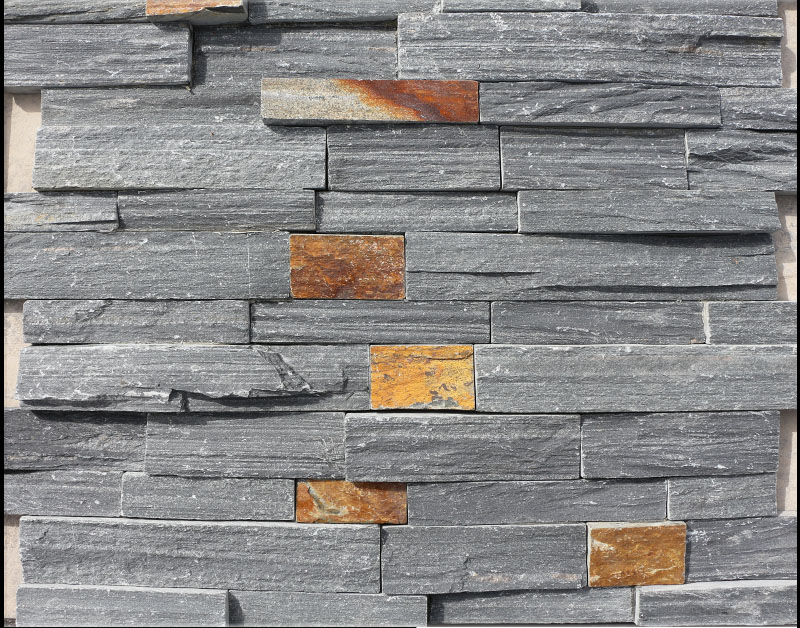
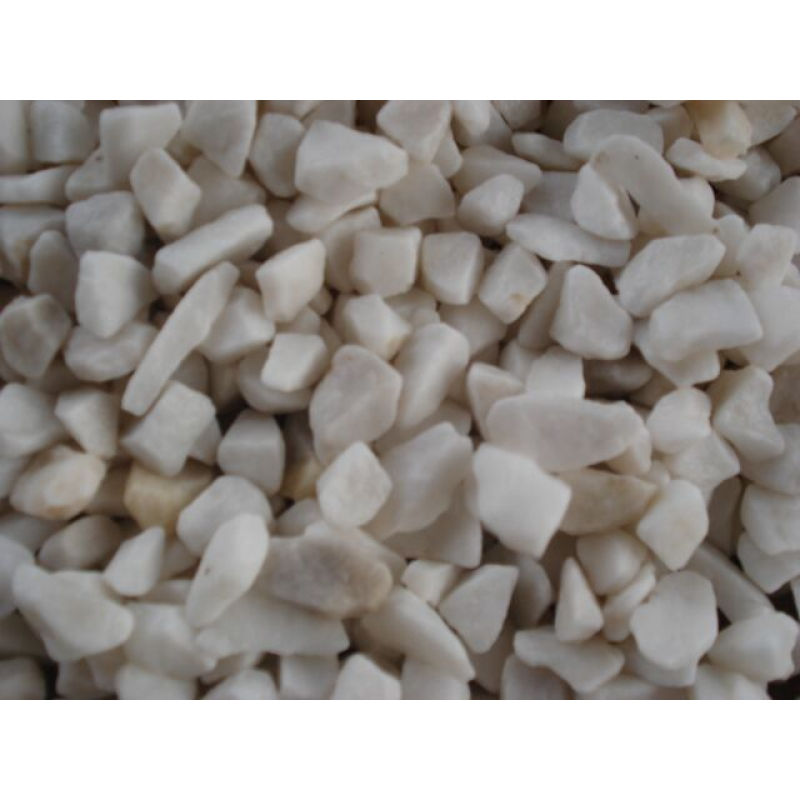
Muri iki kiganiro, tuzarebera hamwe mubice byingenzi byubaka urukuta rwawe rutunganijwe hamwe nibintu bihurira hamwe kugirango biguhe kurangiza ubona uyumunsi kuri zimwe munzu zitangaje mugihugu.
We’ll take a look at what natural stone cladding is, what types are available to you, which would work best for you and ultimately a guideline on how to install your cladding.
“Cladding” is made to dress your wall with stone without the costs of building walls with blocks and labour costs associated with them. You can easily clad your wall with your preferred material and blend it in to suit your environment in a more efficient and cost-effective way.
Kwambika amabuye ni igicucu cyamabuye gishyizwe ku nyubako cyangwa indi nyubako ikozwe mu bikoresho bitari ibuye. Kwambika amabuye ni ugukomera ku rukuta rwa beto, kubumba amatafari n'inyubako mu rwego rwo kubaka umwimerere. Inyuma ya buri gice cyamabuye ikozwe kugeza irangiye, ituma amabuye ashyirwa kumurongo ukwiye.
Hamwe nibibanza bikwirakwijwe kwisi yose, ibihugu byinshi bifite ubwoko bwamabuye karemano aboneka munsi yabyo.
Natural stone “cladding” is thin slices of quarried natural stones. They are taken out of the land and accordingly sliced into blocks and boulders – from these blocks/boulders, the products you see today are manufactured and made.
Hamwe nubwoko butandukanye bwamabuye karemano, kuva kuri granite kugeza kuri quartzite kuva travertine kugeza kuri marble hariho ubwoko bwambarwa bukwiranye numuntu wese.
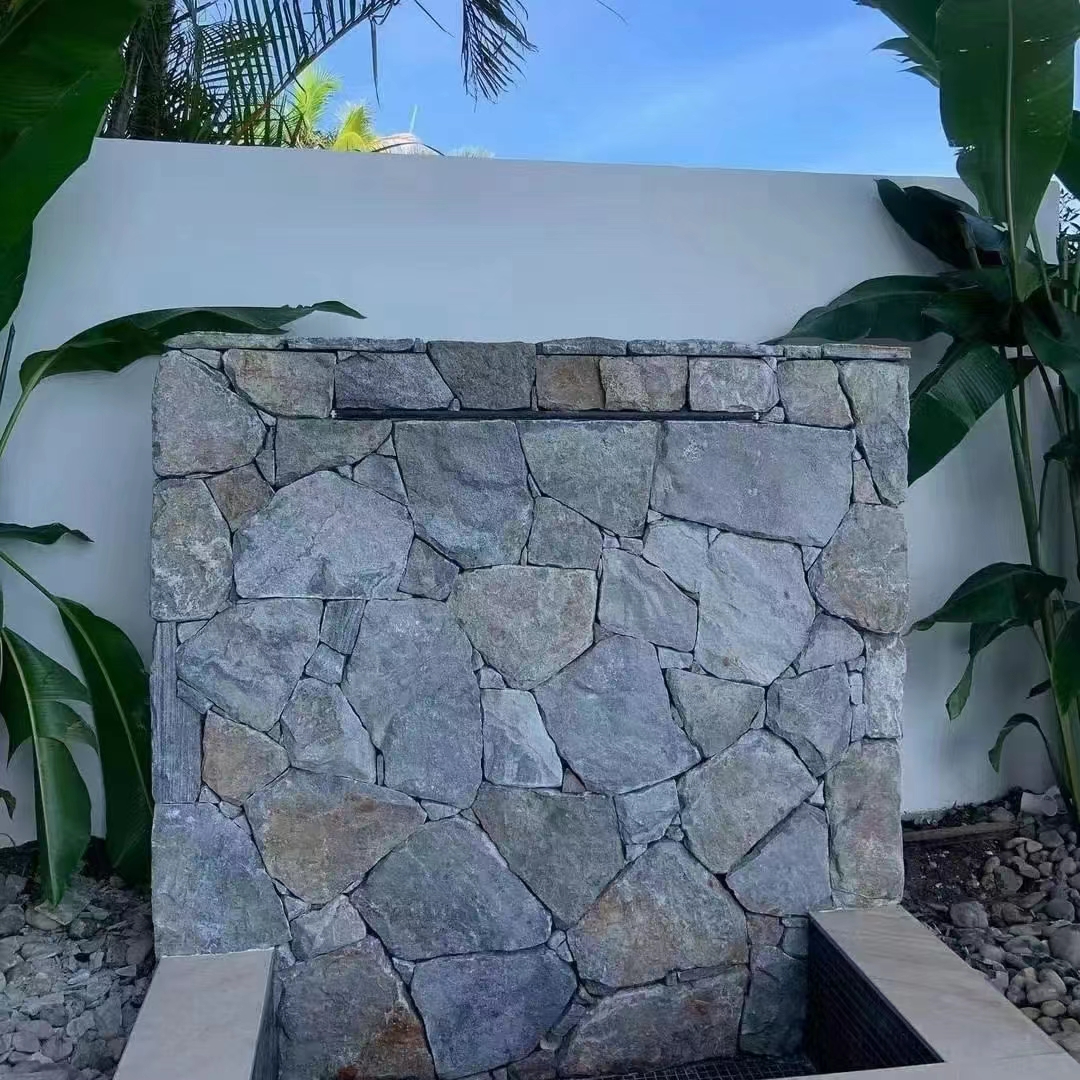
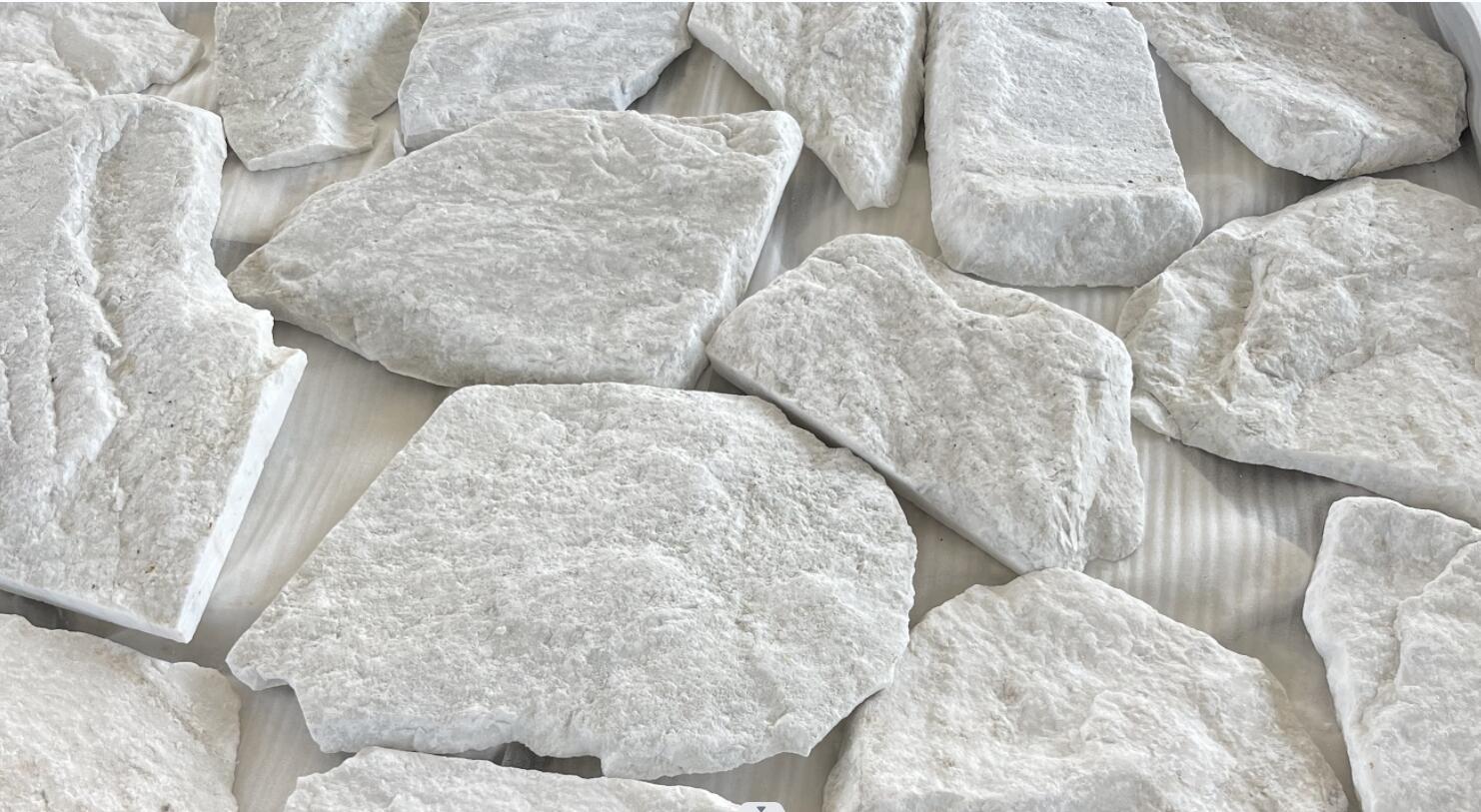
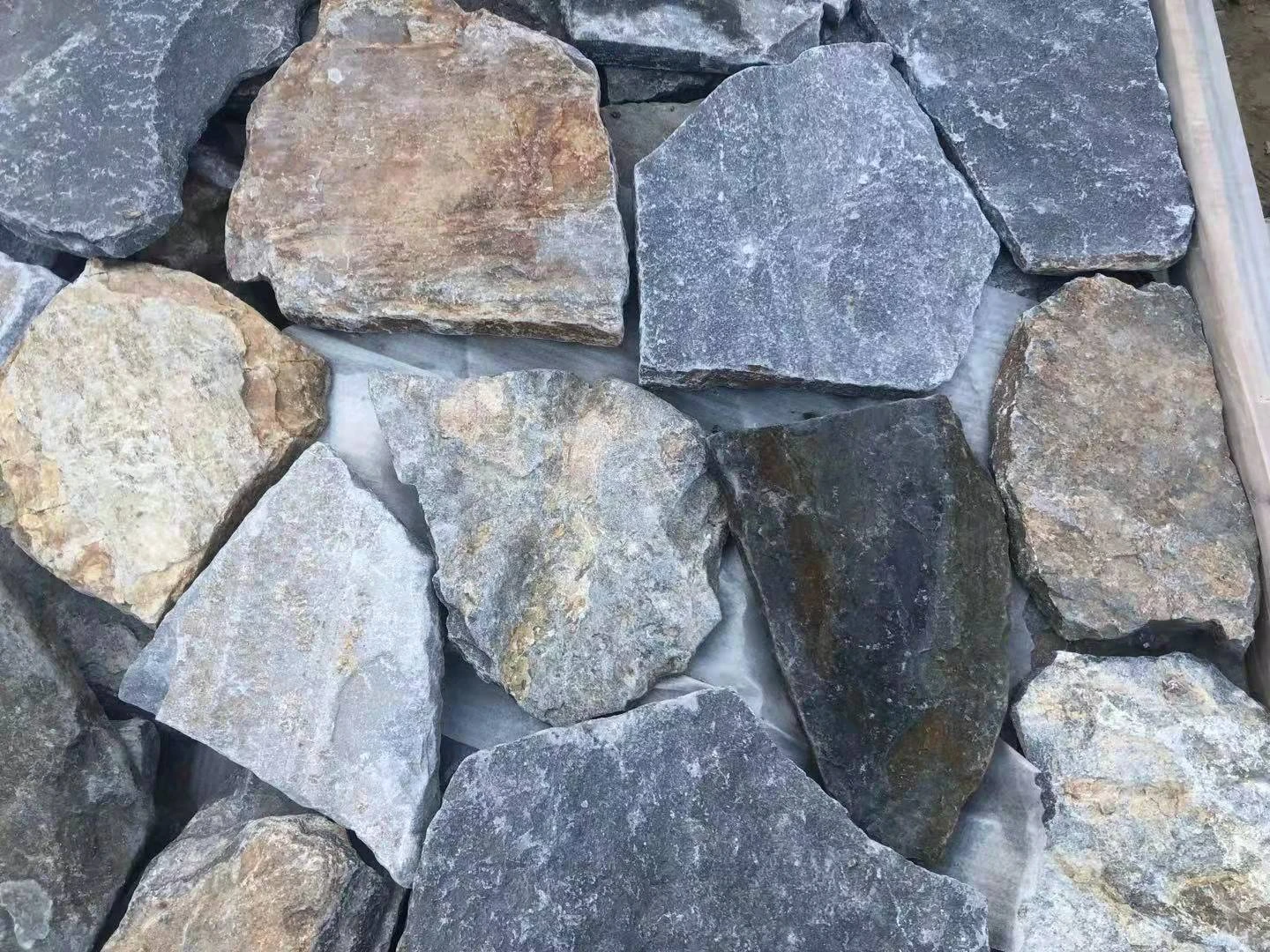
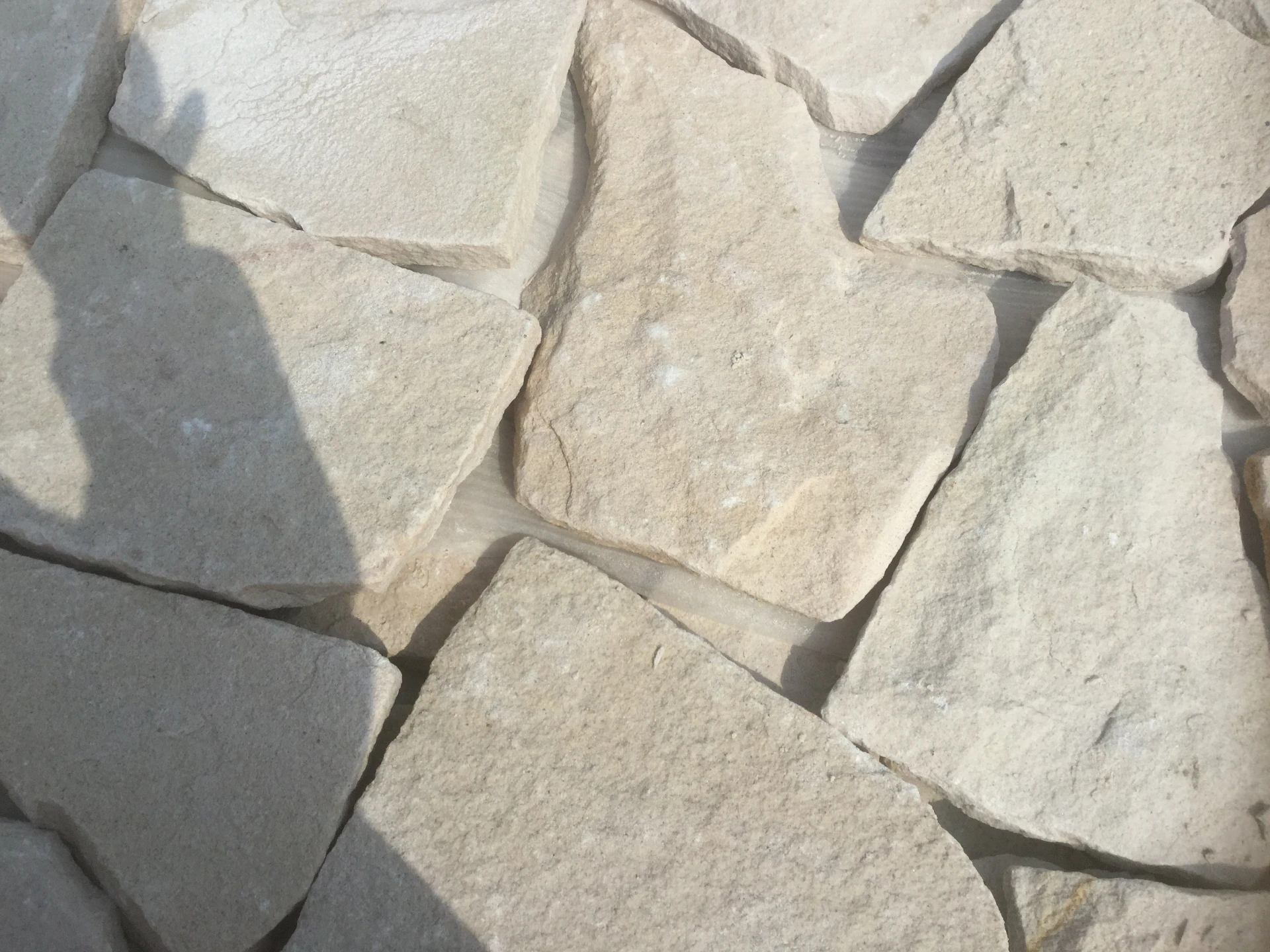
Free form – These are small, medium and large pieces of loose natural stone with sawn flat back pieces that come together to create an organic wall that appears like it has been built for centuries. The definition of “free-form” is individual pieces.
Hamwe ninyuma yabonetse neza kugirango ishyirwemo byoroshye, urukuta rwacu rwometseho amabuye yometse kurukuta ruriho, bituma habaho isura karemano kandi yigihe.
Yashizweho nubuhanga bwamabuye kabuhariwe, kimwe ningirakamaro kumiterere yamabuye yakoreshejwe kimwe nimiterere no kurangiza ibuye, nubwiza bwubukorikori buva kubashiraho.
Freeform organic stonework is an art form, and the artist is critical in completing the ‘picture’ that becomes your wall.
Ntabwo ari icyitegererezo bagomba gukurikiza, hari inzira zihariye ugomba gushyira buri bwoko bwa organic clading kugirango ubone isura nziza. Icyo tugerageza kugeraho hano ni isura ko imiterere yawe yubatswe n'intoki kuva mubyukuri, ibinyejana bishize.
Niba urambitseho ibishushanyo nkaho ari igishushanyo kidafatika cyangwa ubwoko bumwe na bumwe uhindura urukuta mubindi byinshi byurukuta rwamabuye. (nibyiza niba uri nyuma yiyo reba) aho kugirango ugere kumiterere yurukuta rwubatswe rwubatswe / rutondekanijwe na blok yamabuye kumurongo. Ubu buryo buri gice gikwiranye nintete zacyo, imiterere namabara.

For example, If your stonemason were going to build a wall say 10m long and 5 meters high from blocks, the wall should be structurally stable, it needs to be stacked one on top of another so it doesn’t ever fall or collapse.
Iyo wambaye ibuye risanzwe ryubusa kurukuta rusanzwe biracyakenera kumera nkaho byubatswe mubice bifatika, biracyakenewe kugaragara neza. Nubwo mubyukuri ari substrate inyuma ikeneye guhagarara neza!
Niba utabonye itandukaniro mugihe urebye urukuta ruzitiriwe nurukuta rwometseho, noneho wageze kurukuta rwifuzwa rudahwema gushidikanya umuntu wese ukeka niba urukuta rwuzuye cyangwa akazi kahagaritswe.
Armstone offers corners pieces of all the stone claddings which are available in pre-cut 90-degree pieces to give you that full stone, block look. The benefit here is that you don’t have to get your stonemason to mitre the corners, its best to avoid seeing any cut joints anywhere on the wall.

To achieve the true organic look your installer shouldn’t have any sawn cuts on your stonework. They should make cuts from the back of the stone and split each individual piece of the stone to prevent having a sawn cut on the face or side of the piece.
Niba ufite impande zogoshe, urashobora gukata inkombe ya buri gice kugirango utange ibuye kuruhande rusanzwe. Aha niho ubuhanga bwamabuye yawe bugomba kwerekana rwose.

Iyo bikozwe neza, urukuta rwubusa rushobora gukora ibintu bitangaje mugihe cyimbere cyangwa hanze. Nyamara nkuko bimeze mubintu byose mubuzima, niba inguni zaciwe, mubyukuri ntampamvu yo kunyura mubikorwa. Imwe yaba nziza hamwe nibindi, amahitamo afatika.
In the Free Form individual stone cladding range, you can either do “Dry Stack” aka “Dry Stone Cladding” which means that the stone cladding is Not Grouted (no any cement filled into the gaps) or Grouted.
Some stones look good in “dry stack” and some “grouted”. Mubyukuri byose mubyifuzo byawe bwite.
Some Natural Stone Claddings looks really organic when you lay them in “Crazy” pattern. This is where the pieces don’t have any even sizes or shapes.

If you are planning to do a dry stack you must plan ahead to have the grout joints tight or you if you’d like to grout you should use packers to get consistent grout joints for each individual piece of stone.
Niba utazi neza ibizahuza urugo rwawe cyangwa umushinga uduhe guhamagara no kutuvugisha, tuzi neza ko tuzaguhuza igisubizo cyiza.
Besides the “Crazy” format stone cladding nowadays more architects and landscape designers are specifying the “Random Ashlar” pattern which is suited for more modern designs.
“Random Ashlar” is a random Geometric pattern – Ashlar, ibice bigizwe na kare kare kandi urukiramende.

URUPAPURO RW'AMABUYE N'AMABUYE.
Z-panels – “Z-panels” have a ‘Z’ shape which allows each stone panel to interlock with the next. These pre-made dry stack panels are the most cost-effective way to transform your wall to a dry stack look.
With a concrete backing Armstone’ Z shape panels which are also known as “Stone Panels” or “Ledgestones” as well as “Cultured stones” have chicken wire holding each individual piece of stone together on a concrete backing system for a functional and feasible install makes for a great product. We’ve seen many homes use this type of wall cladding and the results have been very pleasing.
Z paneli irasuzumwa hagati mugihe cyo kwishyiriraho kandi byoroshye kuyishyiraho ugereranije nuburyo bwubusa. Kuboneka muburyo bworoshye bwo gukora nubunini, urashobora guhita uhambira kuri substrate yawe ikwiye. Twe ubwacu twitwaje ibice bihuye hamwe na capping kugirango dutange kurangiza neza murugo rwawe.
With a number of options available such as Micha Quartz, Toad Limestone and Natural colours as Rustic Granite – there is something to suit any home.


Stacked Stones – Stacked stones are a more linear approach to wall cladding. With ready to use stone veneers holding together small individual bits of stone which are stacked to together with glue, it’s very simple to clad any suitable structure.
Each stone is stacked and glued onto the panel which helps gives your wall or structure a natural 3D appearance. If you’re looking for an easy way to add appeal to your internal and external walls or structures, this option is for you.
Made from premium natural stone and a combination of durability and strength the range of options in this format are endless. It’s important to choose the right one that brings out the best in your home.
Ikibaho cyibuye kibitse kiraboneka mubunini bworoshye bwa 600x150mm kandi ni uburemere-bworoshye. Birashobora gufatanwa byoroshye kurukuta rwawe, bisa na tile.


Nuwuhe Cladding Ikubereye?
Hamwe namahitamo menshi aboneka kuriwe hejuru yintoki zawe, hari ibintu ugomba gutekerezaho no kuzirikana mbere yo gufunga ibikoresho byawe.
It’s wise to consider where the wall cladding will be going?
Kwambara neza bigomba kuzuza umwanya wawe, uzengurutse na bije.
There are a few things to consider when it comes to the visual appeal of your wall and there is one key element that really makes or breaks this and it falls under, installation. Let’s take a look below at what the most important factors are.
Toranya iburyo:
It’s important to engage the right team, one with the commitment and experience to help bring to life your dream wall.
When shortlisting the right people for the job, always be sure to ask for photos of previous similar projects completed as well as any references they may have.
Gutoranya iburyo bushobora gukora isi itandukanye kandi Ningirakamaro kimwe nubwiza bwibuye ryawe.
Substrate yawe:
Menya neza ko urufatiro rwawe rukomeye kandi ubuso bwawe bwiteguye gukoreshwa. Kubuye risanzwe, urashobora kubaka substrate mumatafari, beto cyangwa guhagarika akazi kandi ukurikije uburebure nubunini ushobora no gukenera urukuta rwawe rwashyizweho umukono na injeniyeri.
Menya neza ko umwanda cyangwa imyanda yose yakuwe kurukuta mbere yo kwizirika amabuye yawe, ibi bizemerera gufatana runini.
Icyemezo cyawe:
It’s important to consider things like wastage and breakage when ordering, depending on the type of stone cladding you may find some pieces are too small and you will need to sort through your extras to make the wall the size and shape you desire, it’s also possible that during installation or transportation that some pieces may break. We normally advise between 10%-15% wastage, depending on the product.

Ibisobanuro:
The dollars in the details, therefore its best to have full piece corner pieces to really enhance the overall organic feeling off your wall – you’ll find this a much cleaner finish as you will not have any visual interference brought to you from mitred corners.
Urukuta rwawe rumaze kwambikwa, urashobora kururangiza ukoresheje capping imwe ihuye, ibi birema isuku, yoroheje kandi rwose uhindura urukuta rwawe muburyo butandukanye.
Niba ubaye ufite urukuta rugufi rugumaho cyangwa agasanduku k'ibiterwa nabyo birasa neza gukoresha ibice byuzuye kugirango ufate.
It’s key to be patient when using any free form or ashlar type natural stone product.
Try setting out the pieces on the ground and begin putting together the pieces the way you’d like to see them when they are up on your wall.
Wibuke ko uzahindura ibice mubunini no kuvanga no guhuza ibice kugirango ukore ibintu byawe bwite, mubyukuri ni nkubuhanzi kandi umuhanzi mwiza ahora ategura ibikoresho bye.

Niki gifatika cyo gukoresha mukwambika amabuye?
When adhering the stone pieces onto the substrate be sure to use a quality adhesive, Armstone recommends the products from Mapei and we’ve found the moisture sensitive glue from Mapei Granirapid Kit to be the best solution thus far.
The reasons why are quite important, Mapei Granirapid kit is a moisture sensitive adhesive which helps resists against moisture. Moisture is the number one culprit for de-bonding glue. Which to put simply means if you don’t use this type of glue there is a chance your wall will fall apart over time.
Byongeye kandi, Granpid ni kashe yihuta yo gushiraho izagufasha gukurikiza ibice byurukuta rwawe byihuse kandi unyuze mubisabwa byihuse kuko udakeneye kumara umwanya wongeyeho inkunga kubice byamabuye bikenera igihe cyo gukomera hamwe nibisanzwe.
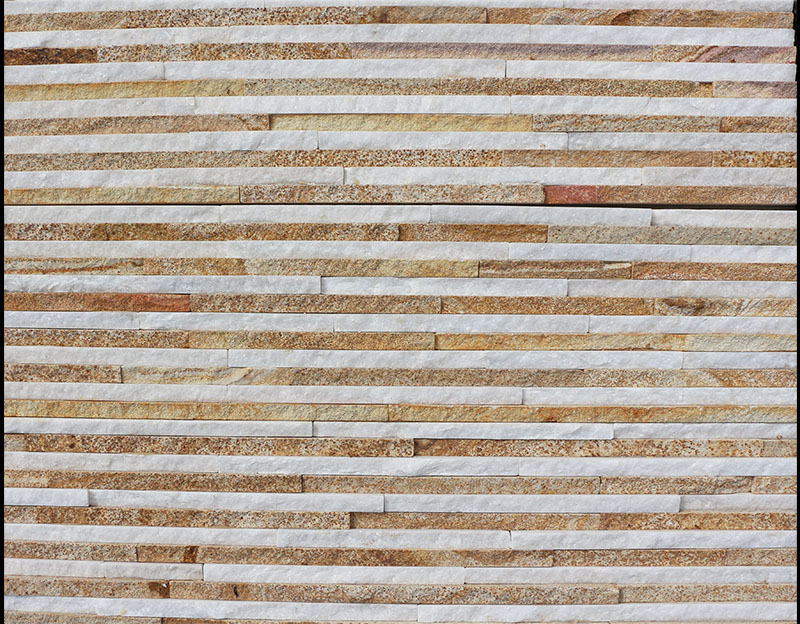
“Granirapid is a High performance, deformable, fast setting and hydration two-component cementitious adhesive for ceramic tiles and stone material.
Particularly suitable for the installation of stone material that is moderately unstable to moisture and requires a rapid drying of the adhesive. Suitable for bonding floors subject to heavy traffic.”
You're installer will need to make sure each stone piece is clean and ready to take on the glue, swiftly paste the glue onto the back of each individual piece of stone and also on the substrate. All surfaces should be clean, dry and free of existing sealers or coatings. Dust off, wipe or brush all surfaces to be sealed to remove all loose particles that could adversely affect sealer penetration and performance.
Koresha abapakira kugirango ugumane icyuho hagati ya buri gice cyamabuye. Urashobora gukoresha ibikoresho bipakira cyangwa bipakira bikozwe mubiti.
Witondere kuva mukarere udakoraho andi masaha 24 umaze kurangiza gushiraho buri gice.
 Umunyafurika
  Ikinyalubaniya
  Amharic
  Icyarabu
  Ikinyarumeniya
  Azaribayijan
  Basque
  Biyelorusiya
  Ikibengali
  Bosiniya
  Buligariya
  Igikatalani
  Cebuano
  Ubushinwa
  Ubushinwa (Tayiwani)
  Corsican
  Igikorowasiya
  Ceki
Ceki  Danemark
  Ikidage
  Icyongereza
  Esperanto
  Esitoniya
  Igifinilande
  Igifaransa
  Igifaransa
  Abagalatiya
  Jeworujiya
  Ikidage
  Ikigereki
  Gujarati
  Igikerewole
  hausa
hausa  hawaiian
  Igiheburayo
  Oya
Oya  Miao
Miao  Hongiriya
  Isilande
  igbo
igbo  Indoneziya
  irish
irish  Umutaliyani
  Ikiyapani
  Javanese
  Kannada
  kazakh
  Khmer
Khmer  Rwanda
  Igikoreya
  Kurdish
  Kirigizisitani
  Igituntu
  Ikilatini
  Ikilatini
  Lituwaniya
  Luxembourgish
  Abanyamakedoniya
  Malgashi
  Malayika
  Malayalam
  Maltese
  Maori
Maori  Marathi
  Mongoliya
  Miyanimari
  Nepali
  Noruveje
  Noruveje
  Occitan
  Pashto
  Persian
  Igipolonye
  Igiporutugali
  Punjabi
  Ikinyarumaniya
  Ikirusiya
  Samoan
  Abanya-Gaelic
  Igiseribiya
  Icyongereza
  Shona
Shona  Sindhi
  Sinhala
  Igisilovakiya
  Igisiloveniya
  Somaliya
  Icyesipanyoli
  Sundanese
  Igiswahiri
  Igisuwede
  Tagalog
  Tajik
Tajik  Tamil
Tamil  Tatar
Tatar  Telugu
  Tayilande
  Turukiya
  Abanyaturukiya
  Ukraine
  Urdu
Urdu  Uighur
  Uzbek
Uzbek  Abanya Vietnam
  Welsh
Welsh