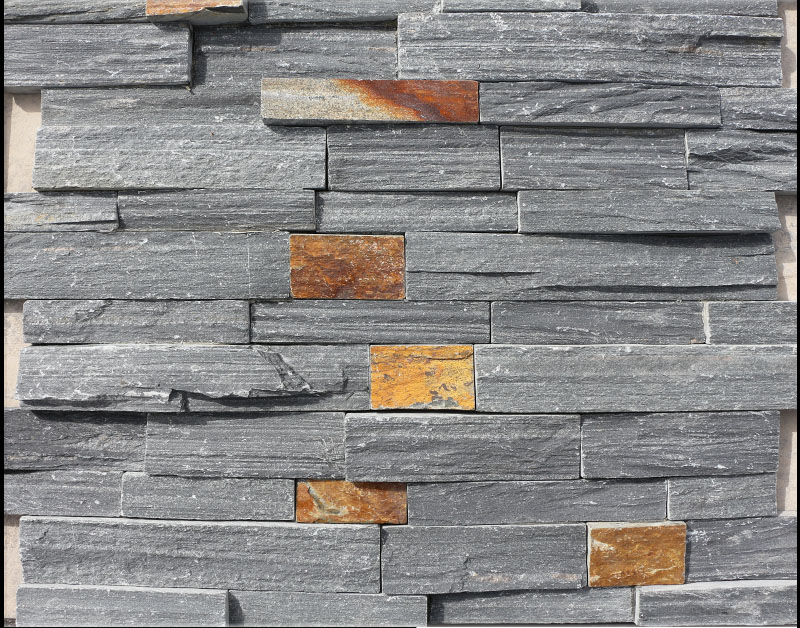
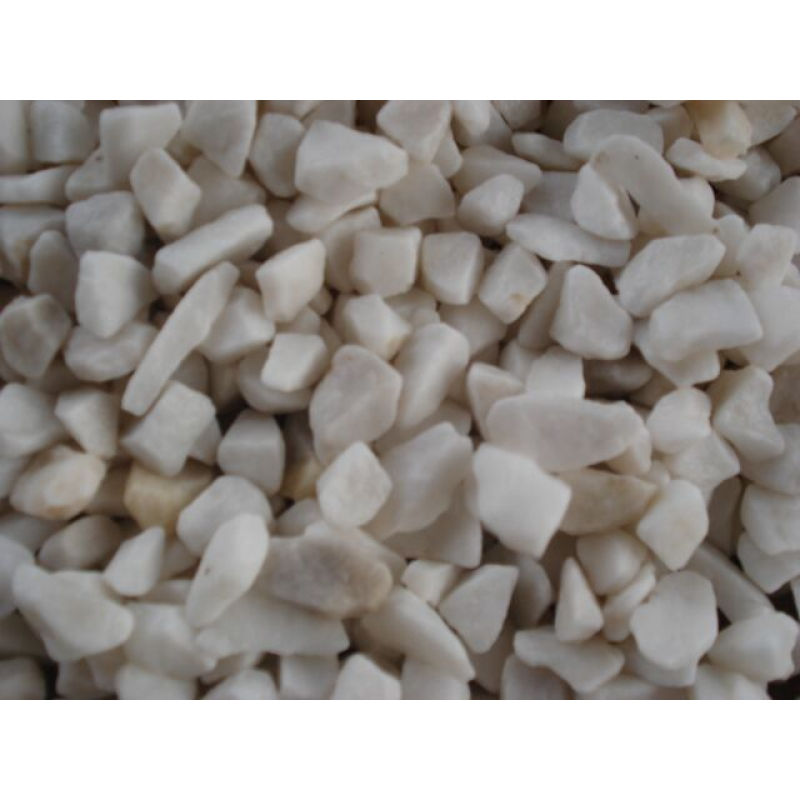
E like me nā hau hau, ʻaʻohe ʻelua pōhaku hae i like. Ma ke ʻano he huahana maoli o ke ʻano, hele mai ka pōhaku hae i loko o hoʻokahi miliona mau ʻano like ʻole, ka nui, a me nā waihoʻoluʻu e pili ana i kahi e hele mai ai. Kōkua kēia ʻokoʻa kupaianaha i nā mea hale e like me ʻoe e hana i nā hardscapes ʻokoʻa maoli.
Different flagstones don’t only look different, though. They also have varying thicknesses, textures, levels of permeability, and uses. These durable, versatile unsung heroes of landscaping can be a part of just about any hardscape you could think of.
To help you narrow down the possibilities, we’ve come up with eight flagstone ideas to incorporate in your yard.
ʻO ka pōhaku hae maoli ka pōhaku sedimentary i wāwahi ʻia a hoʻohana ʻia no ka hoʻoponopono ʻāina. Nui nā ʻano like ʻole ʻano pōhaku hae, nā mea a pau me kā lākou mau hiʻohiʻona pono'ī. ʻO kekahi mau ʻano kaulana e like me ke one, quartzite, bluestone, a me ka limestone.
Loaʻa ka hapa nui o nā pōhaku hae ma kekahi o nā ʻano ʻelua:
For either shape option, you can lay flagstones dry on a bed of sand or gravel (“dry-laid”) or use concrete (“wet-laid”). If you’re using thinner flagstones, it’s a good idea to lay them in concrete, as they sometimes crack easily when laid dry.
Whatever kind of landscaping project you’re working on, the cost of flagstone is typically $15 to $20 per square foot. That price covers all the materials needed, including the stone itself and sand, gravel, or concrete.
The price varies depending on what specific type of flagstone you use and whether it’s dry-laid or wet-laid. Dry-laid is typically cheaper because you won’t have to pay for concrete.
Now that we’ve covered the basics of flagstone, let’s get into our eight design ideas for using them in your landscape.
He kūpono nā pōhaku hae no nā wahi kaʻa kaʻa nui e like me nā patio no ka mea, ʻo ko lākou ʻano ʻanoʻala e paheʻe lākou.
Hiki iā ʻoe ke hoʻololi maʻalahi i kou pā pōhaku hae i wahi noho waho ma ka hoʻohui ʻana i kekahi mau lako patio a me kahi pergola a i ʻole uhi ʻē aʻe.
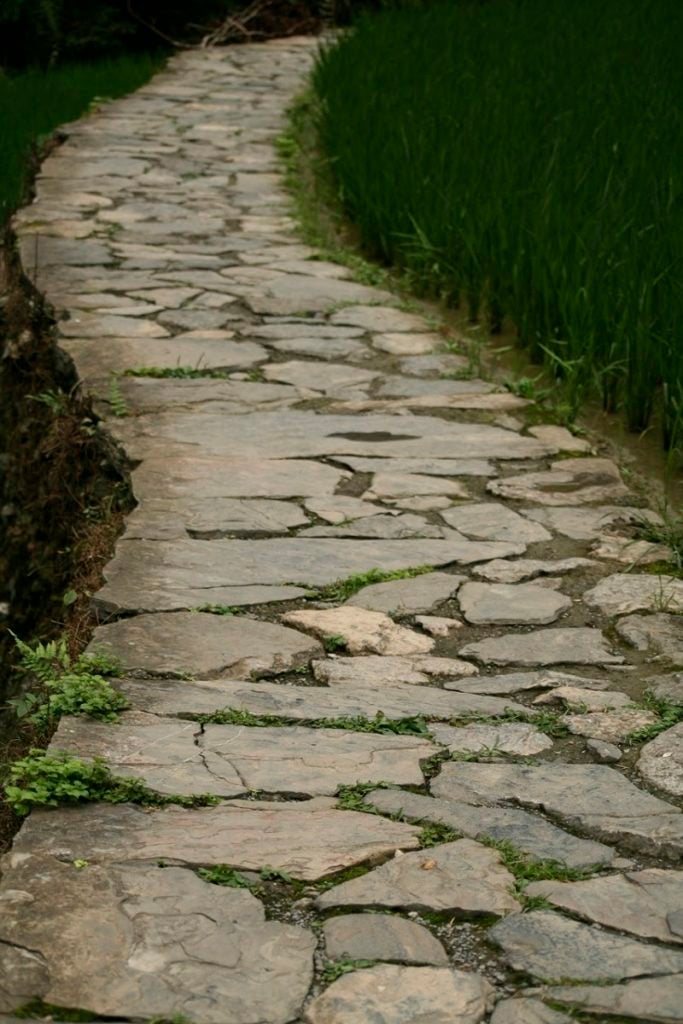
Inā hele pinepine nā keiki liʻiliʻi, ʻohana ʻelemakule, a i ʻole nā malihini hele wāwae ʻē aʻe i kou hale, hiki iā ʻoe ke hana i kahi ala hele pololei a pololei o nā paʻi pōhaku hae.
As with flagstone patios, flagstone pathways are naturally slip-resistant because of the stone’s texture, so you won’t have to worry about your paths getting slick with rainwater.
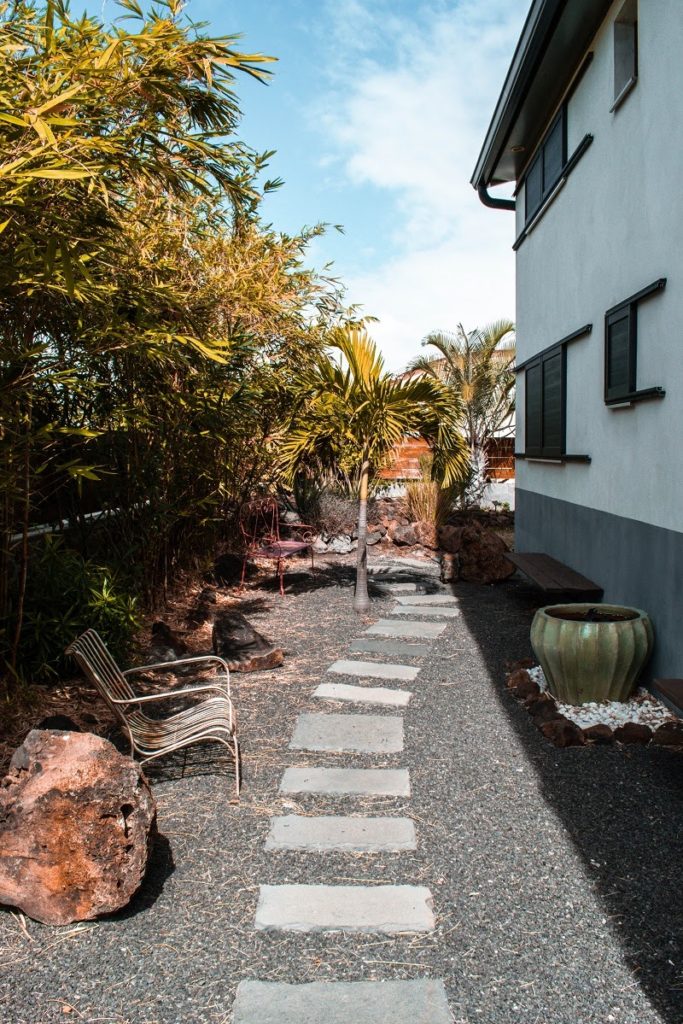
No ka hana ʻana i nā pōhaku ʻanuʻu, e hoʻokaʻawale i kāu mau pōhaku hae i mau ʻīniha ke kaʻawale a hoʻopiha i nā āpau me ʻiliʻili pea, pōhaku kahawai, a i ʻole nā mea kanu uhi honua e hoʻopau i ka mauʻu. Hiki iā ʻoe ke hoʻohana i nā pavers no kahi hiʻohiʻona hou e like me kēia a i ʻole nā pōhaku hae maʻamau no ke ala kīhāpai ʻano hale.
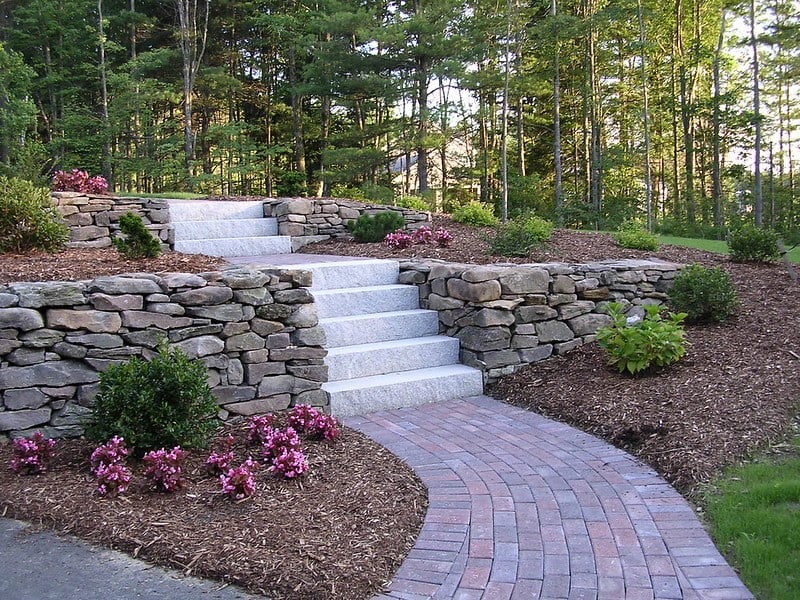
Though people might not typically use flagstones as stone for retaining walls, it is an option. You can stack flagstones to create a low wall in your landscape. Just don’t try stacking them too tall. You know what happened to Icarus when he flew too close to the sun.
Ke hana ʻoe i pā paʻa mai loko mai o nā pōhaku hae, hiki iā ʻoe ke hoʻopaʻa maloʻo a hoʻohana paha i ka pahū e hoʻopaʻa pū ai. No ka paʻa paʻa, ʻoi aku ka lōʻihi o ka pā, pono ʻoe e noʻonoʻo i ka hoʻohana ʻana i ka mortar (ʻoiai ʻoi aku ka nui o ke kumukūʻai o kāu papahana).
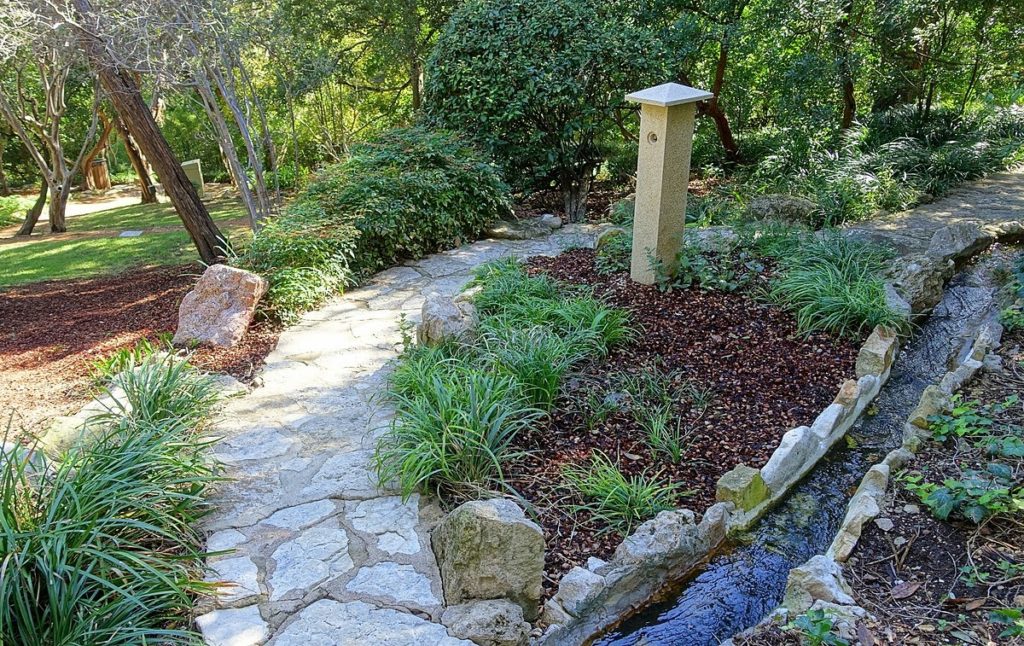
Kaʻili kīhāpai He palena wale nō ia e hoʻopuni ana i kou mau moena ʻāina e mālama i ka mauʻu i waho a e hoʻopololei i kou pā hale holoʻokoʻa. Eia hou, hiki iā ʻoe ke hoʻokō i nā hiʻohiʻona like ʻole no kāu māla a i ʻole moena pua me ka hoʻohana ʻana i nā ʻano pōhaku hae.

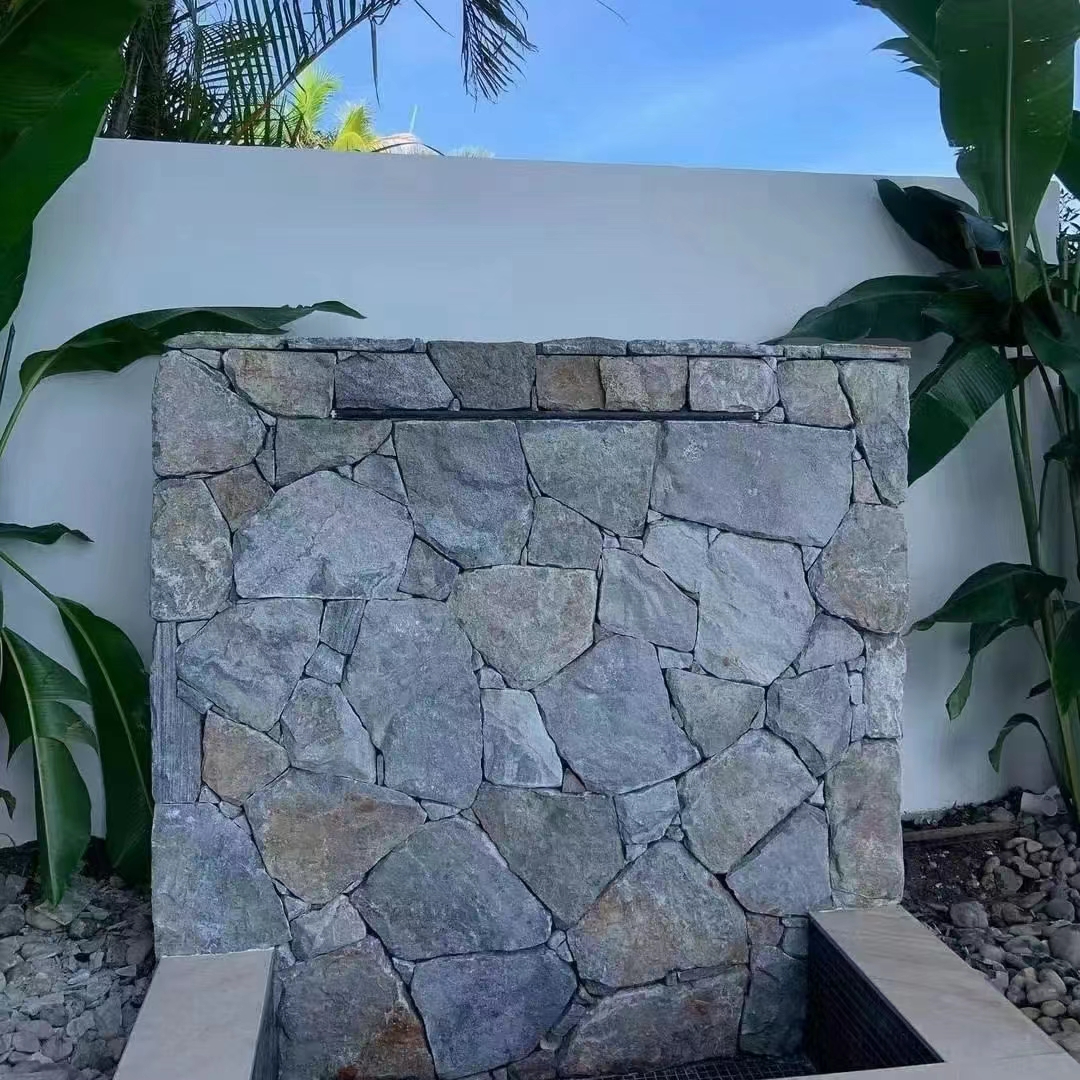
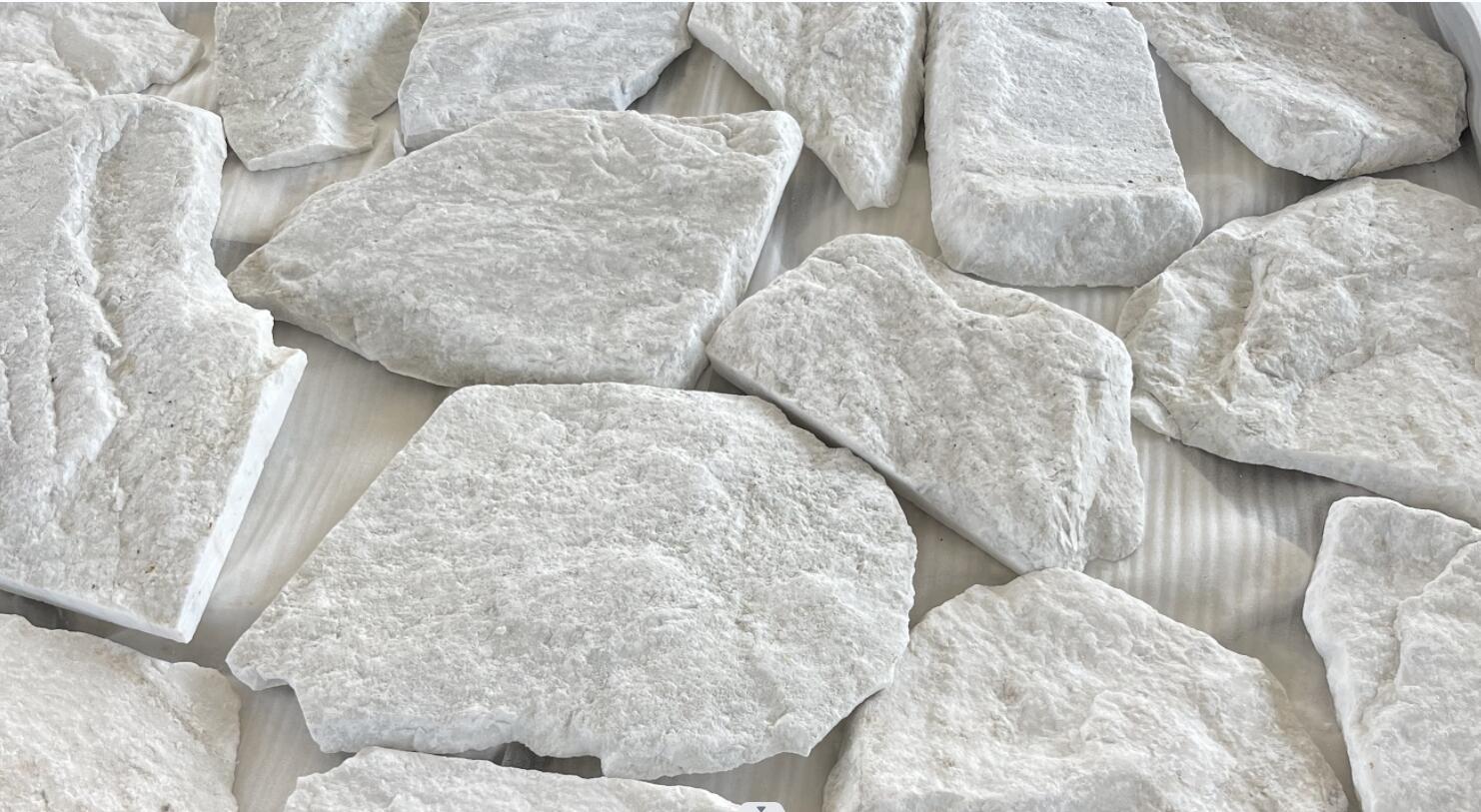
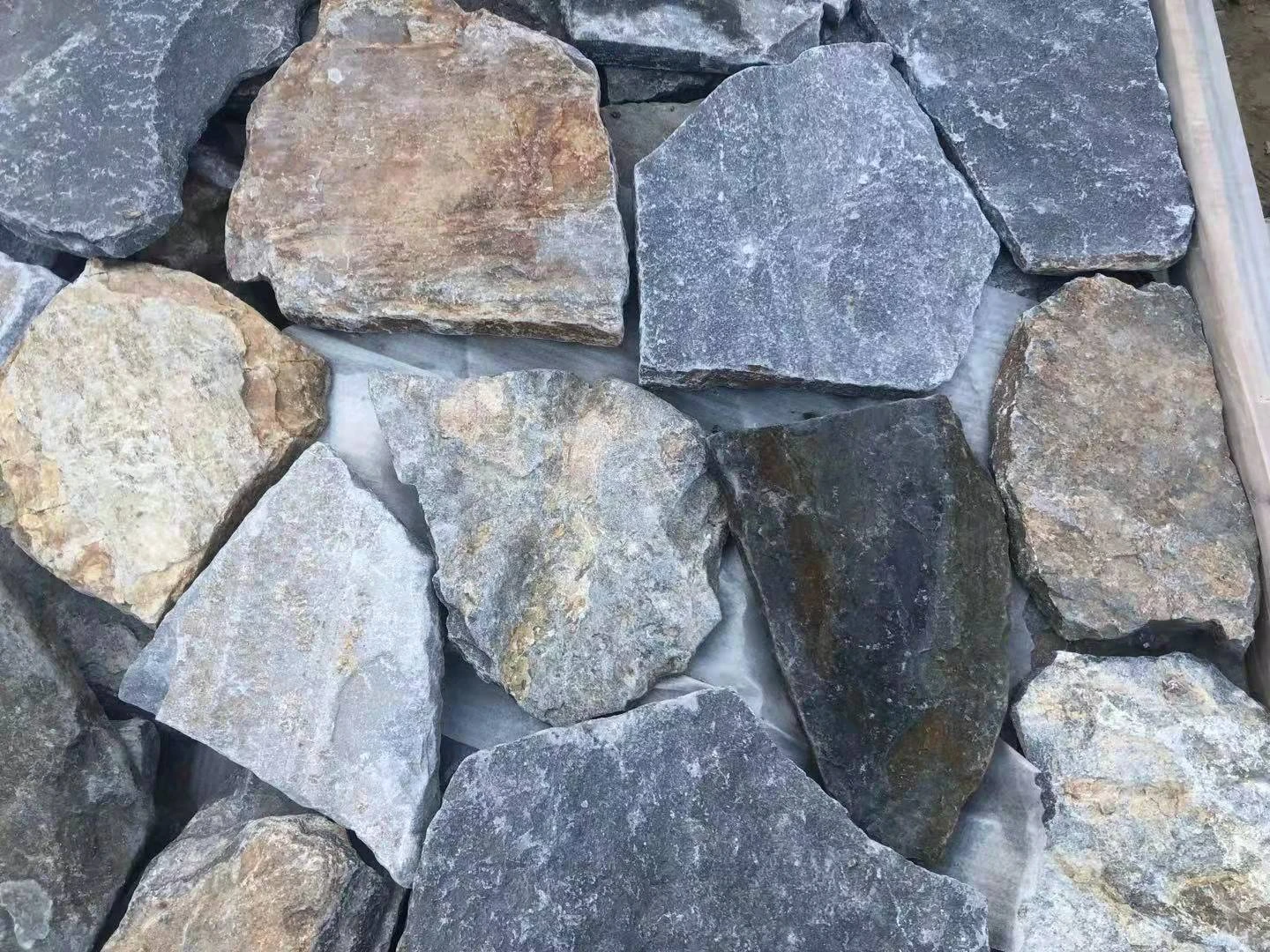
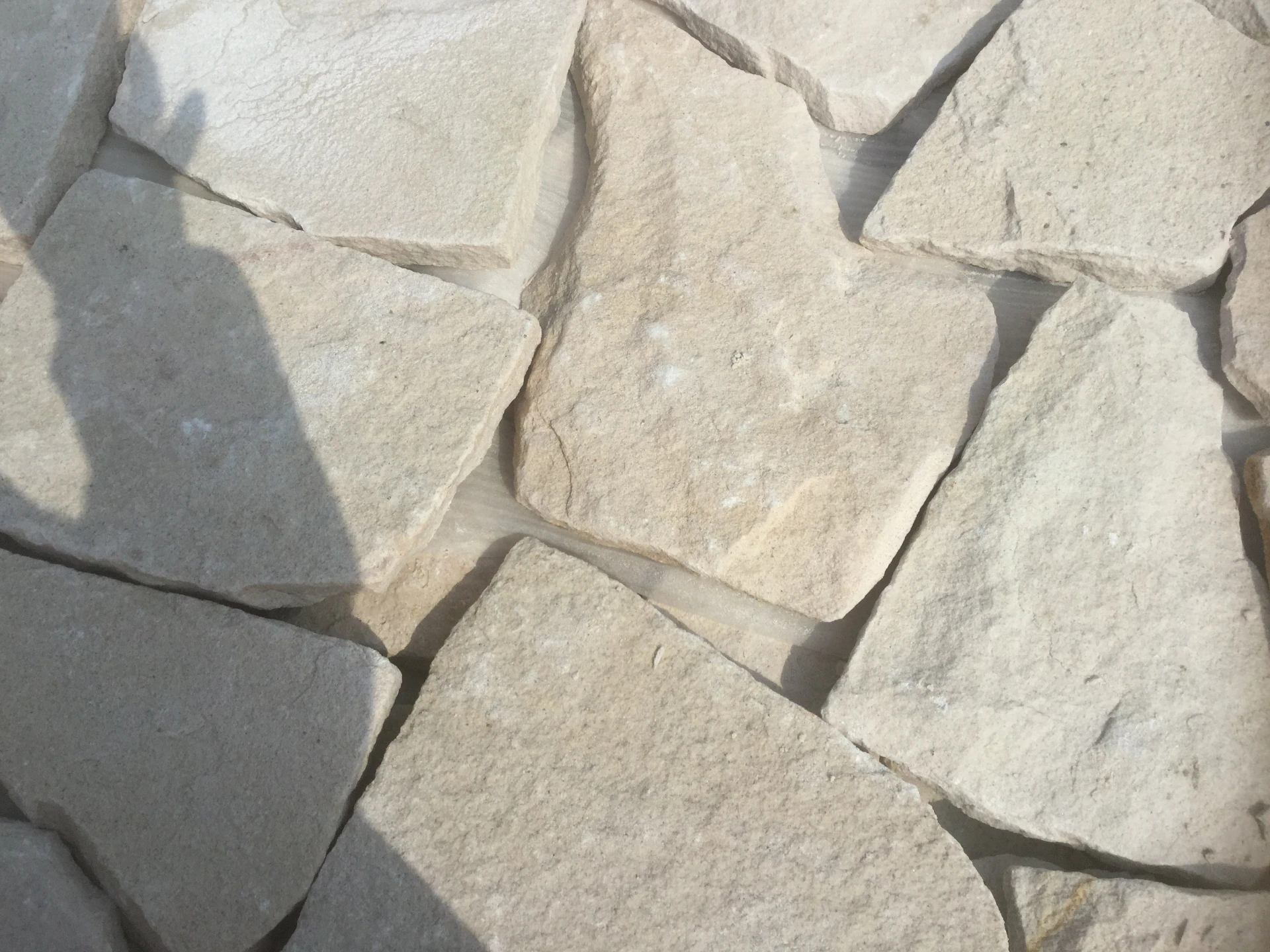
E hoʻolilo nā pavers i kou ʻāina i ke ʻano geometric a me ka hou, aʻo nā pōhaku hae like ʻole (e like me nā kiʻi i kiʻi ʻia) hāʻawi i kahi ʻano kūlohelohe maoli. No ka mea hiki mai nā pōhaku hae i nā kala like ʻole, hiki iā ʻoe ke loaʻa nā mea kūpono e hoʻohālikelike a hoʻohālikelike paha i nā kala o kāu mea kanu.
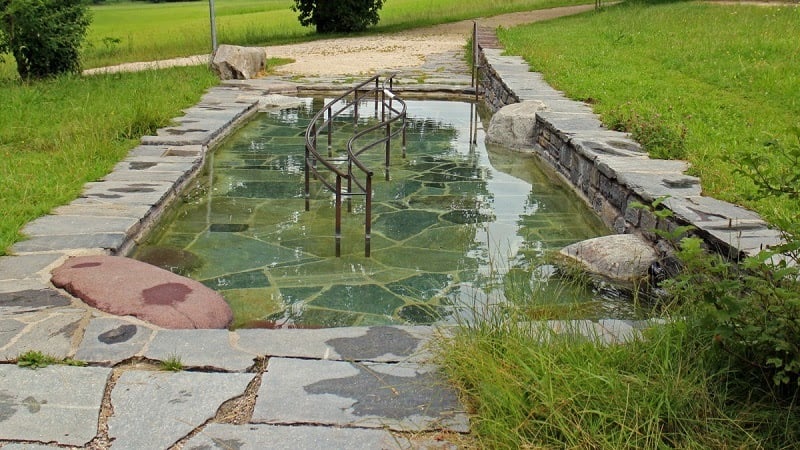
Flagstones are heavy enough to hold down liners for ponds and other similar water features, so they make great borders. Some types of flagstone are also permeable, which means they’ll absorb water instead of causing runoff if they get wet from your pond, waterfall, or fountain overflowing.
Me nā paʻa pōhaku hae, hiki iā ʻoe ke hana i kahi ʻaoʻao pololei a maʻemaʻe no ka nani o kēia wā, a i ʻole e hele pū me nā pōhaku hae maʻamau no kahi palena hilinaʻi e hui pū me kahi loko iʻa kūlohelohe.
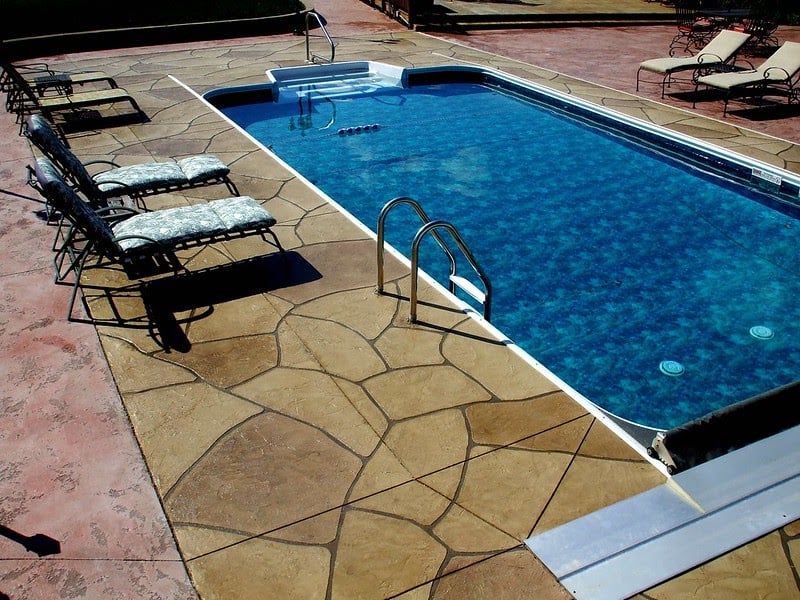
Because flagstones are slip-resistant, they’re the perfect material for pūnāwai ʻauʻau or hot tub decks, where friends and family will regularly run around barefoot. Some types of flagstone, such as sandstone, don’t absorb heat, so they won’t burn your feet, either.
A eia hou, paʻa nā pōhaku hae, no laila hiki iā ʻoe ke pīpī iā lākou a pau āu e makemake ai me ka hopohopo ʻole e pili ana i ka kahe wai e kahe ana i kou mauu.
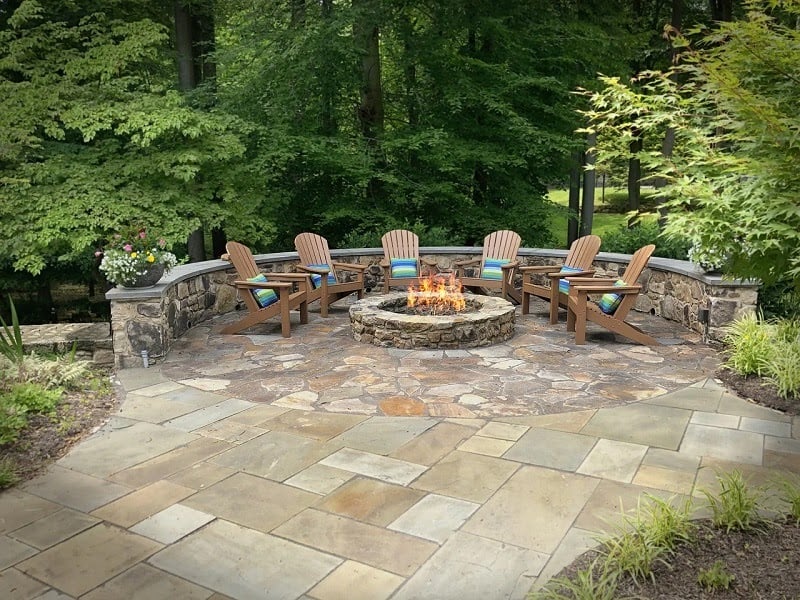
If you’re thinking of hale aflua ire i loko o kou kua, e noʻonoʻo e hoʻohana i nā pōhaku hae e hana i kahi noho waho waho. Hiki iā ʻoe ke hoʻohana i ke ʻano like a me ka waihoʻoluʻu o ka pōhaku hae no ka patio/wahi noho a puni ka lua ahi a me ka lua ahi ponoʻī no ka nānā ʻole ʻana a i ʻole e hoʻohana i nā waihoʻoluʻu like ʻole no kahi hoʻolālā ʻoi aku ka maikaʻi.
 ʻApelika
  Alapania
  Amahapika
  Apapika
  Ameniana
  Azerbaijani
  Pōkē
Pōkē  ʻŌlelo Belarusa
  Penekali
  Ponia
Ponia  Pukalia
  ʻŌlelo Katalonia
  Cebuano
  Kina
Kina  Kina (Taiwan)
  ʻŌlelo Kokia
  Koalia
  Keka
Keka  Kenemaka
  Hōlani
  Pelekania
  ʻŌlelo Esperanto
  Ekekonia
  Pinilana
  Palani
  Frisian
  Kalikia
  Keokia
  Alemania
  Helene
  Kuhalaki
  ʻŌlelo Haiki
  Hauka
Hauka  ʻŌlelo Hawaiʻi
  Hepela
  ʻAʻole
  Miao
Miao  Hunakalia
  ʻĀinahau
  igbo
igbo  ʻInikonia
  Ipelana
  Ikalia
  Kepanī
  Kawanī
  Kanākā
  ʻŌlelo Kazaka
  Khmer
Khmer  Rwandan
  Kolea
Kolea  ʻŌlelo Kurdish
  ʻŌlelo Kyrgyz
  TB
TB  ʻŌlelo Lākni
  Lakiwiana
  ʻŌlelo Lituania
  ʻŌlelo Lukemapuka
  Makekoni
  Malgashi
  Mālei
Mālei  Mālealama
  Malkī
Malkī  ʻŌlelo Māori
  Malapi
  ʻŌlelo Monokolia
  Maianamara
  Nepali
  Nolewai
  Nolewai
  ʻOkitana
  ʻŌlelo Pashto
  Pelekia
  Pōlani
  Pukikī
  ʻŌlelo Punajabi
  Lomānia
  Lukia
Lukia  Sāmoa
Sāmoa  Gaelika Sekotia
  ʻŌlelo Serbia
  Pelekania
  Shona
Shona  Kiniki
  Sinhala
  Kolowakia
  Kolewenia
  ʻŌlelo Somalia
  Kepania
  Sundana
  Kawahili
  Kuekene
  Kakalo
  Tajika
  Kamili
  Tatar
Tatar  Keluku
  Kailani
  Tureke
  ʻŌlelo Kuleke
  Ukrainian
  Urdu
Urdu  Uighur
  ʻUzbek
  Vietnamese
  Welsh
Welsh