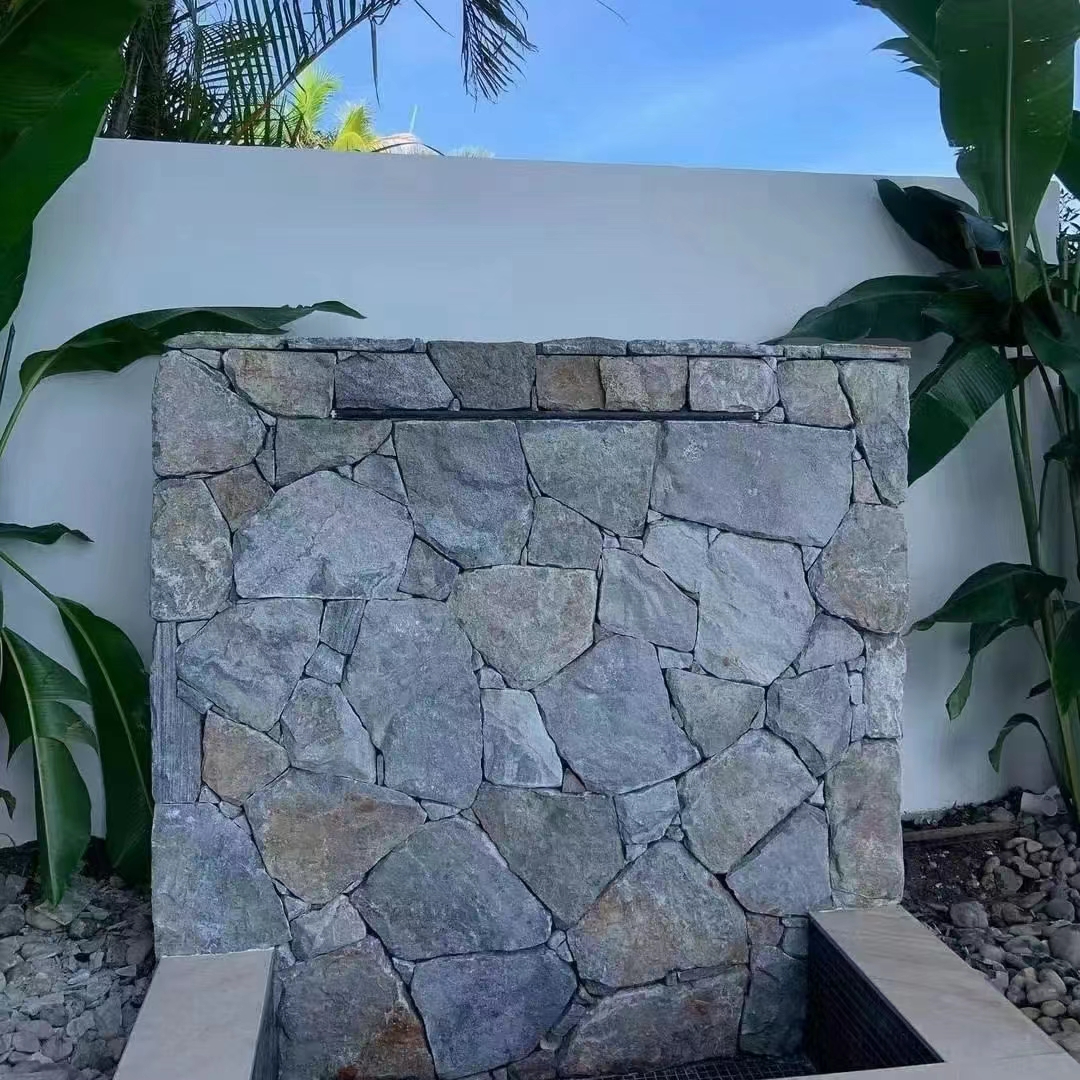
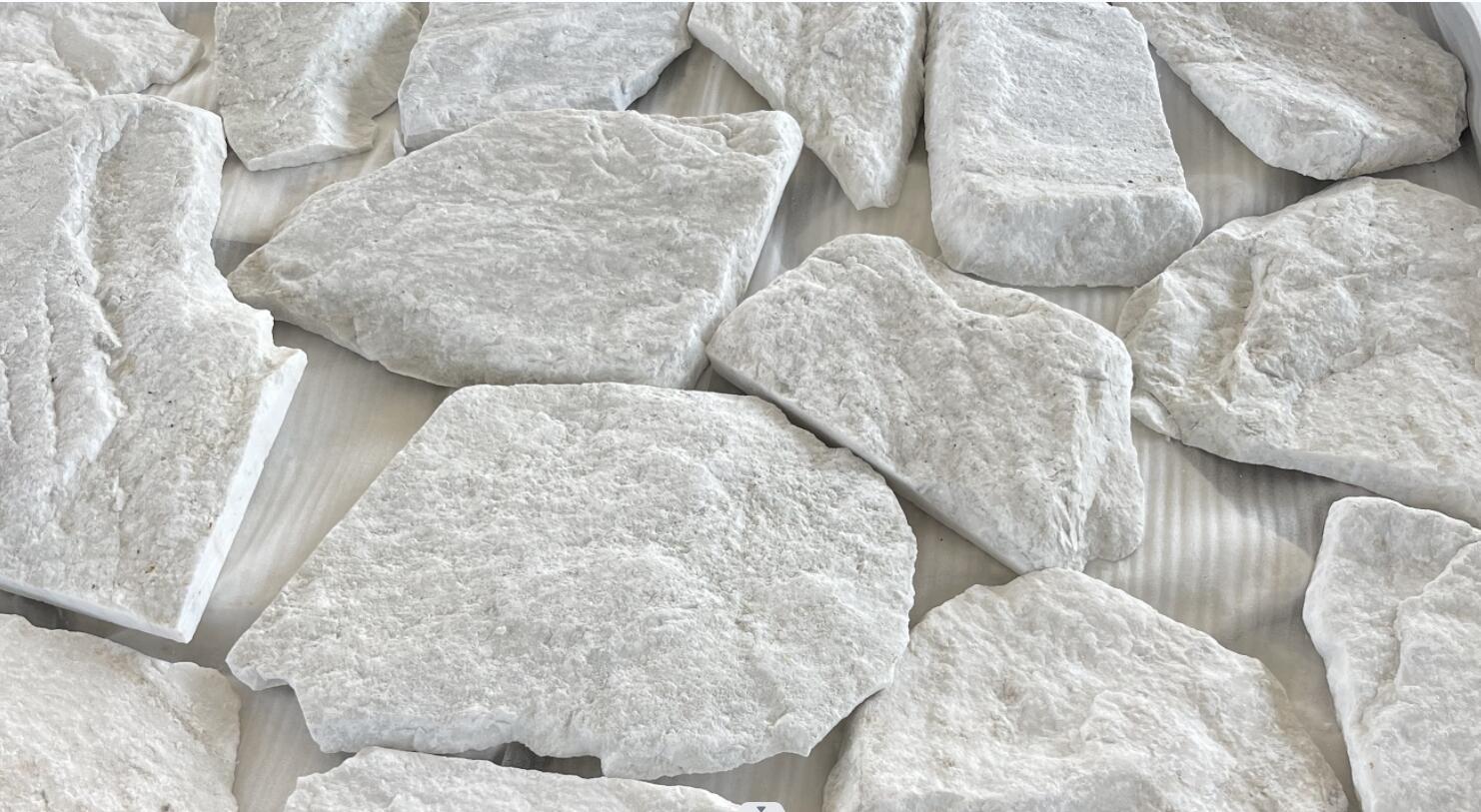
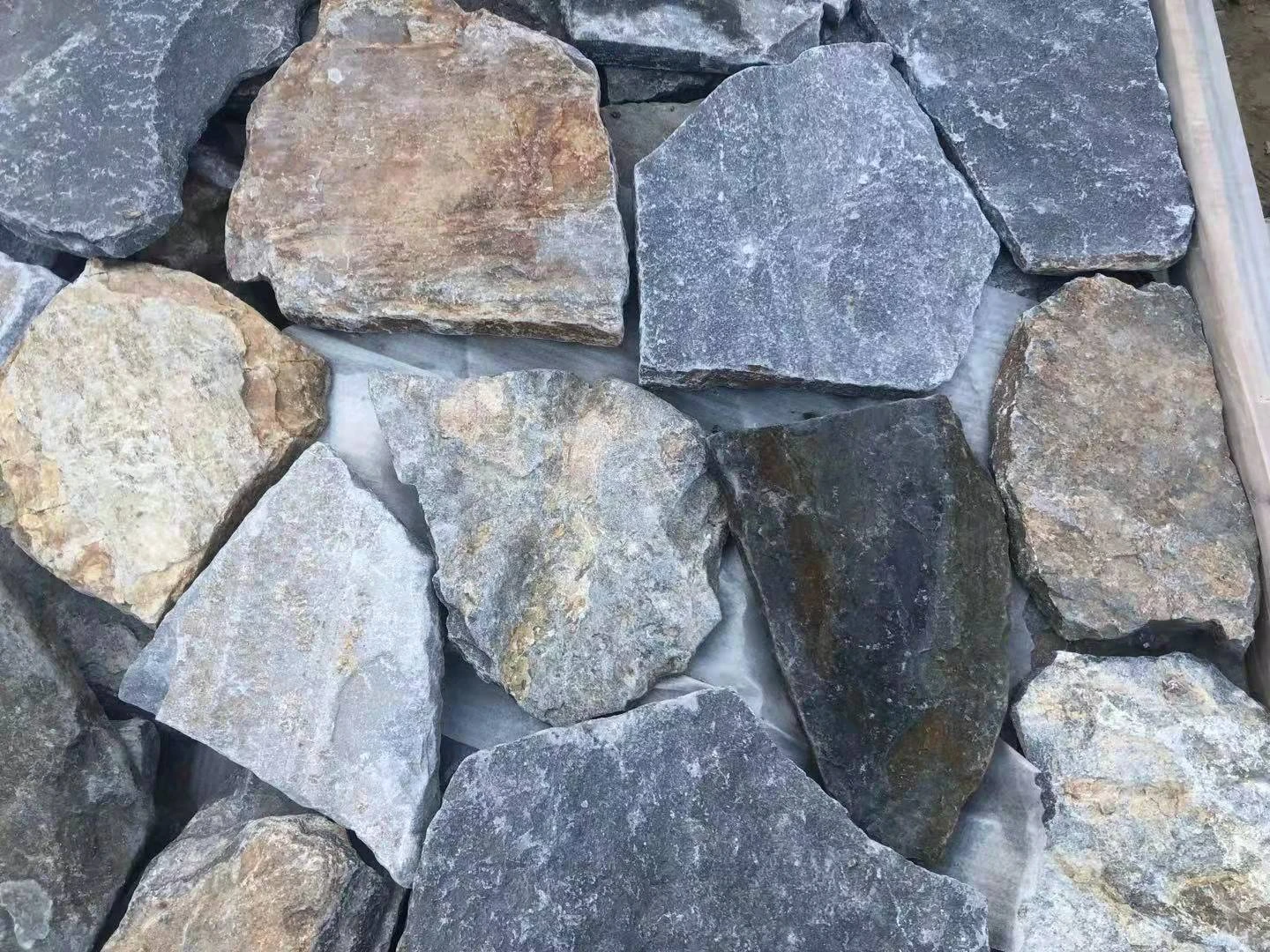
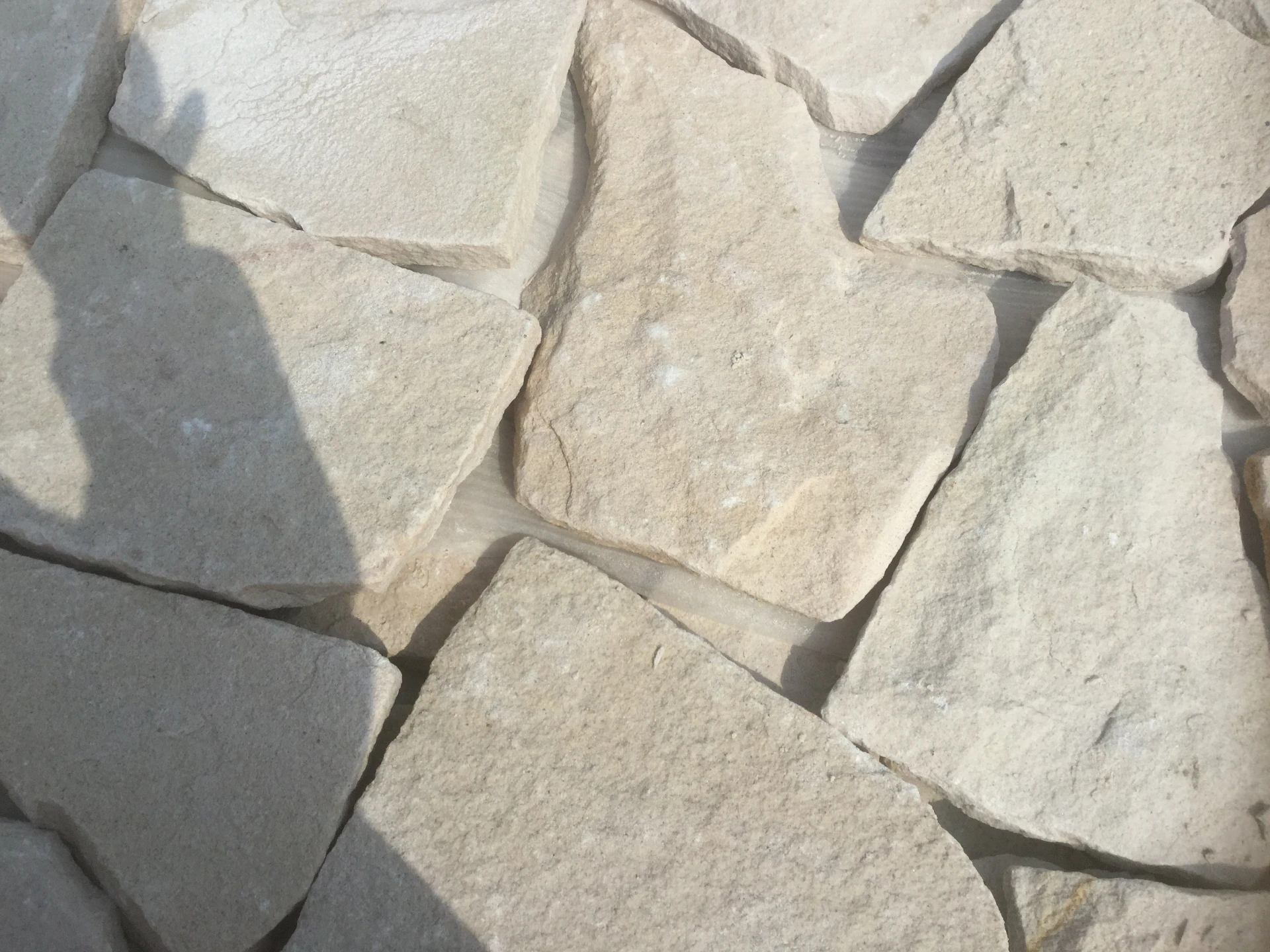
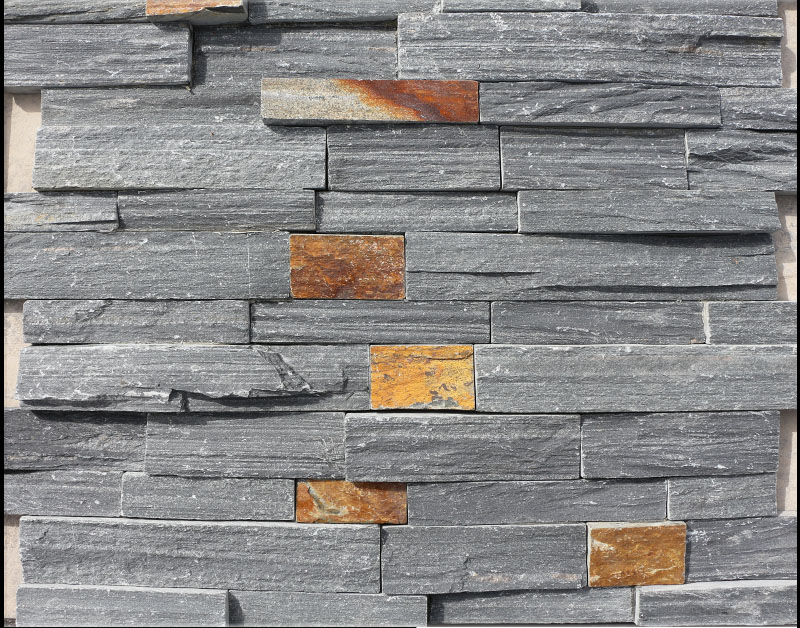
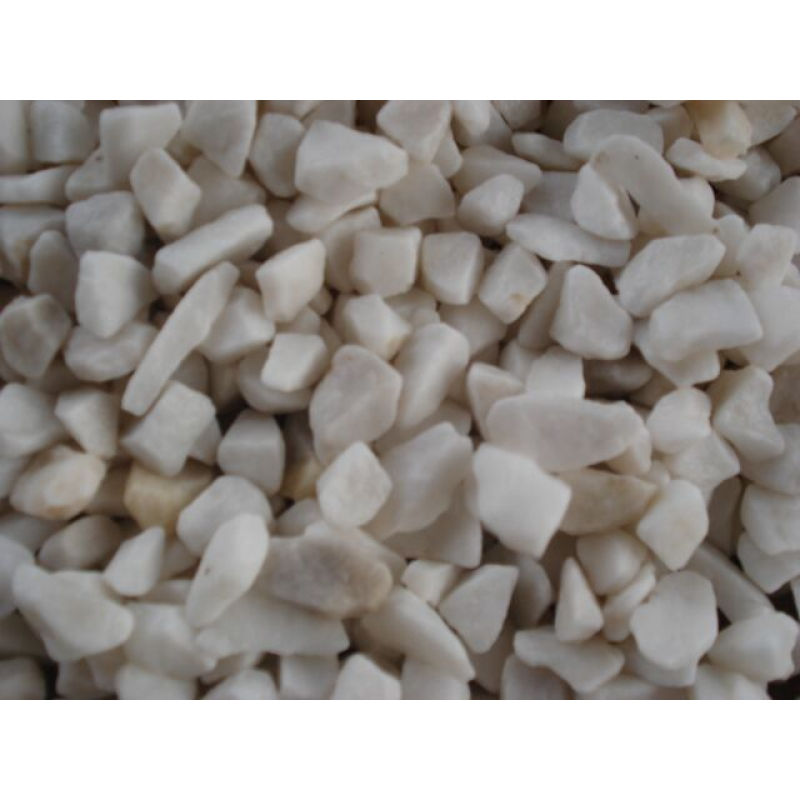
E pei lava o kiona, e leai ni maa fu'a se lua e tutusa. I le avea ai o se oloa moni o le natura, o le maʻa fuʻa e sau i le miliona o foliga eseese, lapoa, ma lanu e faʻatatau i le mea e sau ai. O lenei eseesega uiga ese e fesoasoani i tagata e ona fale e pei o oe e fatuina ni hardscapes e matua tulaga ese lava.
Different flagstones don’t only look different, though. They also have varying thicknesses, textures, levels of permeability, and uses. These durable, versatile unsung heroes of landscaping can be a part of just about any hardscape you could think of.
To help you narrow down the possibilities, we’ve come up with eight flagstone ideas to incorporate in your yard.
O ma'a fa'alenatura o le ma'a li'a ua malepe ma fa'aoga mo fa'afanua. E tele mea eseese ituaiga o ma'a fu'a, e tofu uma ma o latou lava foliga. O nisi o ituaiga lauiloa e aofia ai maa oneone, quartzite, maʻa lanumoana, ma maʻa limestone.
O le tele o ma'a fu'a e sau i se tasi o foliga e lua:
For either shape option, you can lay flagstones dry on a bed of sand or gravel (“dry-laid”) or use concrete (“wet-laid”). If you’re using thinner flagstones, it’s a good idea to lay them in concrete, as they sometimes crack easily when laid dry.
Whatever kind of landscaping project you’re working on, the cost of flagstone is typically $15 to $20 per square foot. That price covers all the materials needed, including the stone itself and sand, gravel, or concrete.
The price varies depending on what specific type of flagstone you use and whether it’s dry-laid or wet-laid. Dry-laid is typically cheaper because you won’t have to pay for concrete.
Now that we’ve covered the basics of flagstone, let’s get into our eight design ideas for using them in your landscape.
O ma'a fu'a e lelei atoatoa mo nofoaga e feoa'i ai tagata e pei o patio ona o le talatala e mafai ai ona fa'ase'e.
E faigofie ona e liliu lau fa'ato'aga ma'a i se avanoa e nofo ai i fafo e ala i le fa'aopoopoina o ni meafale fa'ato'aga ma se pergola po o se isi ufiufi.
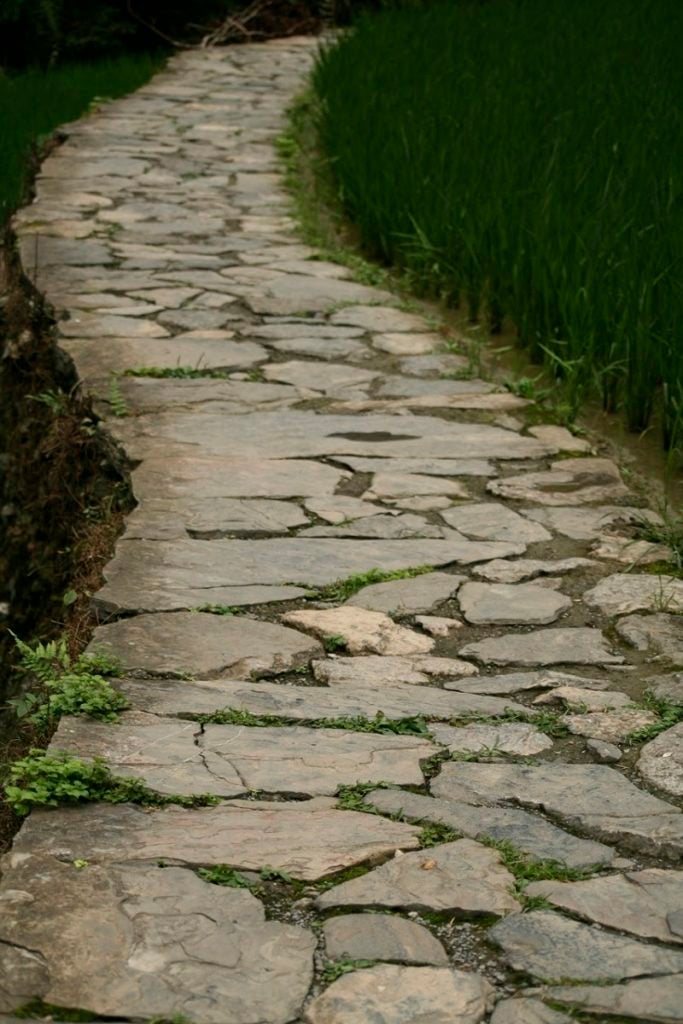
Afai o tamaiti laiti, tagata matutua o aiga, po'o isi malo fa'alavelave e masani ona fa'afeiloa'i i lou fale, e mafai ona e faia se ala savali lamolemole ma sa'o o pa ma'a fu'a.
As with flagstone patios, flagstone pathways are naturally slip-resistant because of the stone’s texture, so you won’t have to worry about your paths getting slick with rainwater.
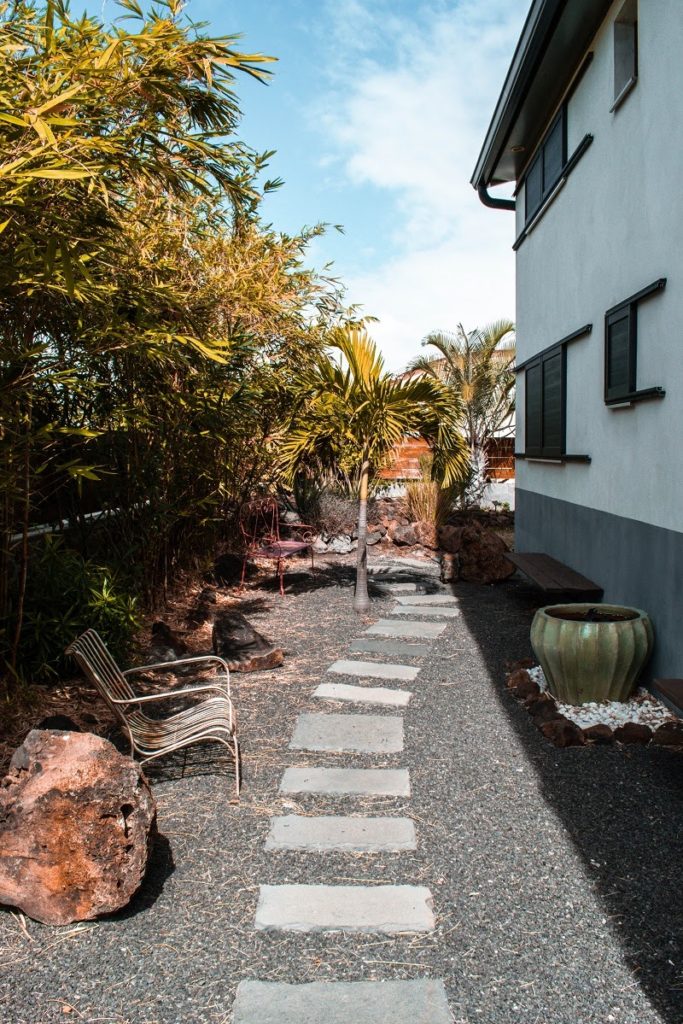
Ina ia fai ni ma'a, fa'alava au ma'a fu'a i ni inisi le va ma fa'atumu avanoa i iliili pea, papa vaitafe, po'o la'au e ufiufi i le eleele e tape ai vao. E mafai ona e fa'aogaina paver mo se foliga fa'aonaponei pei o lea po'o ma'a fu'a fa'aletonu mo se auala fa'ato'aga fale.
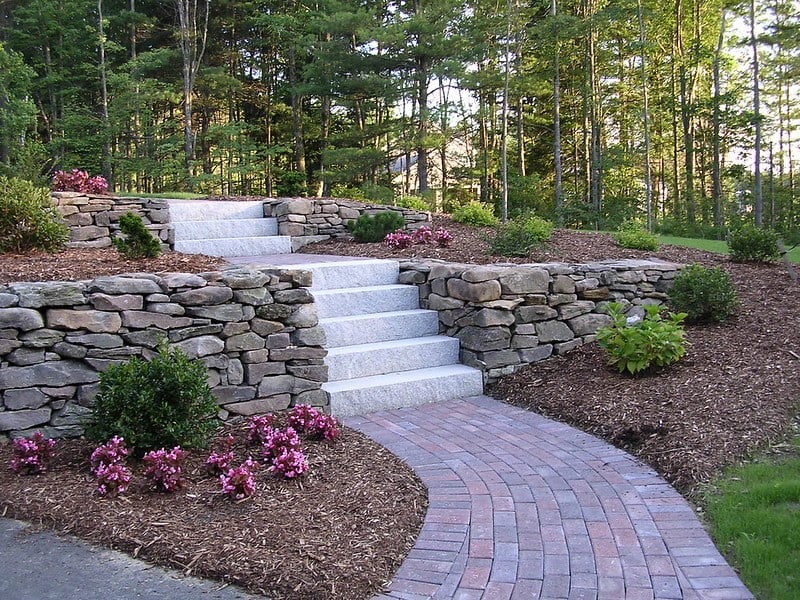
Though people might not typically use flagstones as stone for retaining walls, it is an option. You can stack flagstones to create a low wall in your landscape. Just don’t try stacking them too tall. You know what happened to Icarus when he flew too close to the sun.
A e faia se puipui puipui mai ma'a fu'a, e mafai ona e fa'aputu fa'amago pe fa'aaoga le sima e fa'atasi ai. Mo se puipui malosi, sili atu le umi, e tatau ona e mafaufau e faʻaaoga le sima (e ui lava e ono taugata ai lau poloketi).
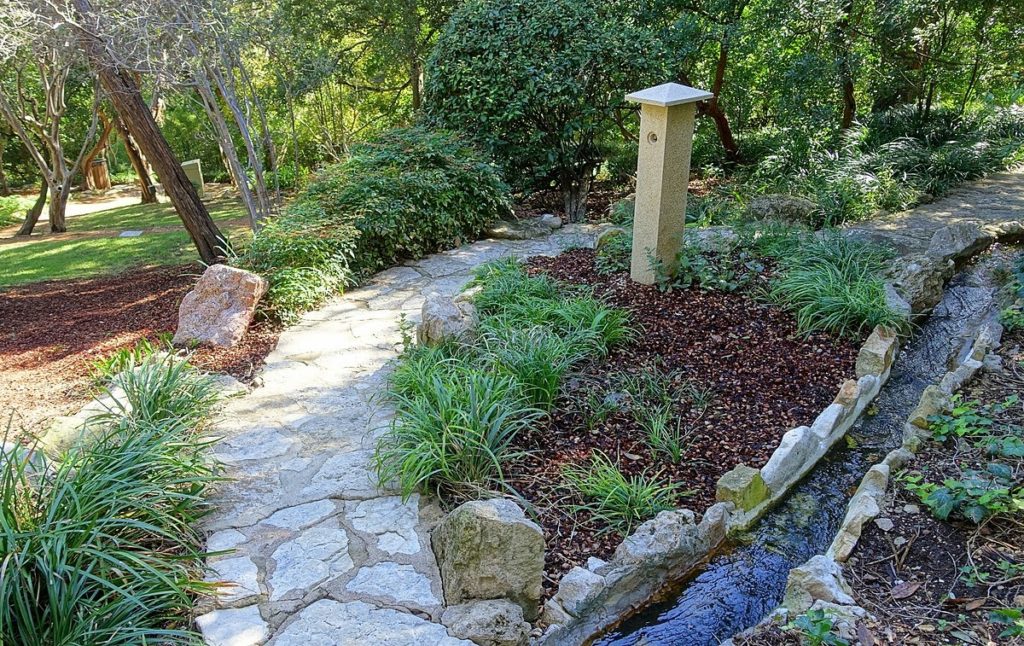
Fa'ato'aga fa'ato'aga ua na'o se tuaoi e fa'ata'amilo ai ou moega fa'afanua e fa'asao ai le mutia ma fa'alelei atili ai lou fanua atoa. Toe, e mafai ona e ausia foliga eseese mo lau togalaau poʻo le moega fugalaau e faʻaaoga ai ituaiga maʻa fuʻa eseese.

Pavers o le a sili atu ona foliga faʻaonaponei ma faʻaonaponei lau laufanua, ae o maʻa fuʻa le masani (pei o ata o loʻo faʻaalia) e ofoina atu ai se mea e sili atu ona matagofie, sili atu le natura. Talu ai e o'o mai ma'a fu'a i lanu 'ese'ese uma, e mafai ona e su'eina ma'a lelei e fa'atusa pe fa'atusatusa lanu o au la'au.
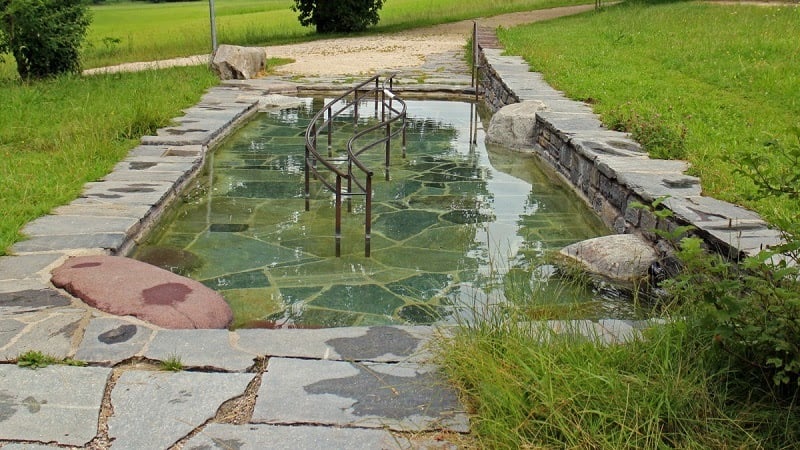
Flagstones are heavy enough to hold down liners for ponds and other similar water features, so they make great borders. Some types of flagstone are also permeable, which means they’ll absorb water instead of causing runoff if they get wet from your pond, waterfall, or fountain overflowing.
Fa'atasi ai ma ma'a fu'a, e mafai ona e faia se pito sa'o, mama mo se fa'aonaponei fa'alelei, pe alu fa'atasi ma fu'a fa'aletonu mo se tuaoi fa'atuatuaina e fa'afefiloi ma se vaituloto masani.
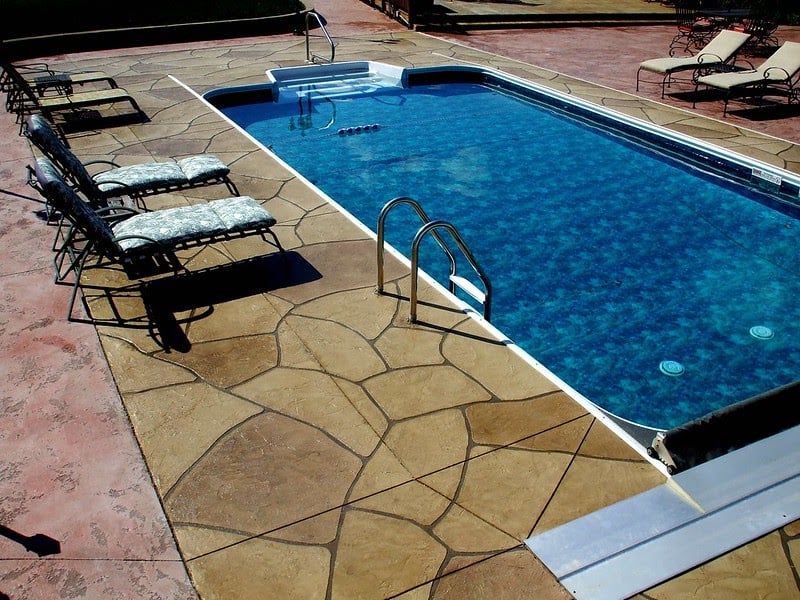
Because flagstones are slip-resistant, they’re the perfect material for vaita'ele or hot tub decks, where friends and family will regularly run around barefoot. Some types of flagstone, such as sandstone, don’t absorb heat, so they won’t burn your feet, either.
Ma le isi, o maʻa fuʻa e mafai ona faʻafefe, o lea e mafai ai ona e sausauina mea uma e te manaʻo ai e aunoa ma le popole i le tafe o le vai e lolovaia ai lau mutia.
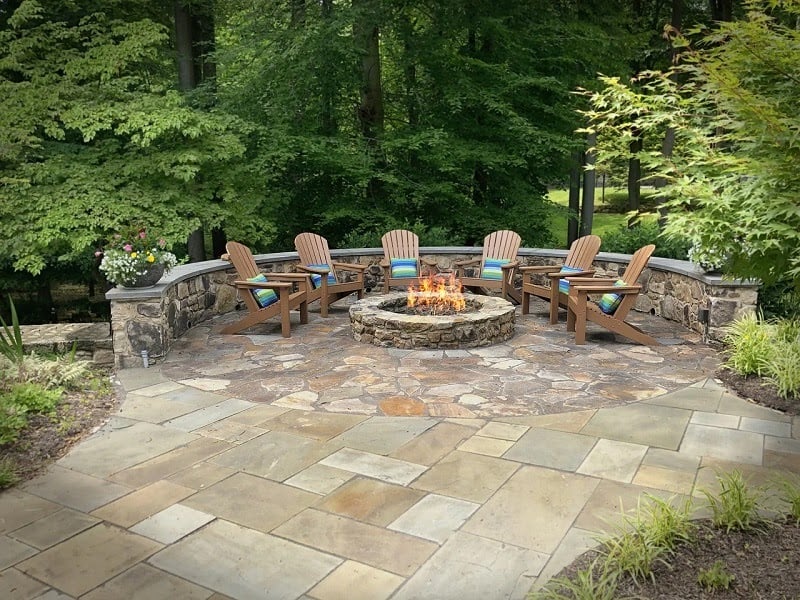
If you’re thinking of fale aflua ita i lou tuafale, mafaufau e fa'aaoga ma'a fu'a e fai ai se avanoa e nofo ai i fafo. E mafai ona e fa'aoga tutusa le ituaiga ma le lanu o le ma'a fu'a mo le fa'ato'aga/nofoaga fa'ata'amilo i le lua afi ma le lua afi lava ia mo se va'aiga lemu po'o le fa'aogaina o lanu eseese mo se mamanu e sili atu ona mata'ina.
 Aferika
  Alapania
  Amharic
  Alapi
Alapi  Armenian
  Azerbaijani
  Basque
  Pelalusiana
  Bengali
  Bosnian
  Bulgarian
  Katalana
  Sepuano
  Saina
Saina  Saina (Taiwan)
  Kosikana
  Croatian
  Czech
Czech  Danish
  Siamani
  Igilisi
  Eseperano
  Estonian
  Finnish
  Falani
  Frisian
  Galician
  Georgian
  Siamani
  Greek
Greek  Gujarati
  Haiti Kereole
  Hausa
Hausa  Havaii
  Eperu
Eperu  Leai
Leai  Miao
Miao  Hungarian
  Icelandic
  igbo
igbo  Indonesian
  Aialani
  Italia
  Iapani
  Javanese
  Kannada
  Kasaka
  Khmer
Khmer  Rwanda
  Kolea
Kolea  Kutisa
  Kirikisi
  TB
TB  Latina
  Latvian
  Lituaniana
  Lusemipoukisi
  Macedonian
  Malgashi
  Malay
Malay  Malayalam
  Maltese
  Maoli
Maoli  Marathi
  Mokoliana
  Myanmar
  Nepali
  Norwegian
  Norwegian
  Occitan
  Pasato
  Persian
  Polish
  Portuguese
  Punitapi
  Lomani
  Lusia
Lusia  Samoa
Samoa  Sikotilani Gaelic
  Serbian
  Igilisi
  Shona
Shona  Sindhi
  Sinhala
  Slovak
  Slovenian
  Somali
  Sipaniolo
  Sundanese
  Swahili
  Swedish
  Tagalog
  Tajik
Tajik  Tamil
Tamil  Tatar
Tatar  Telugu
  Fa'a Thai
  Turkish
  tamaloloa Take
  Ukaraina
  Urdu
Urdu  Uighur
  Uzbek
Uzbek  Vietnamese
  Uelese