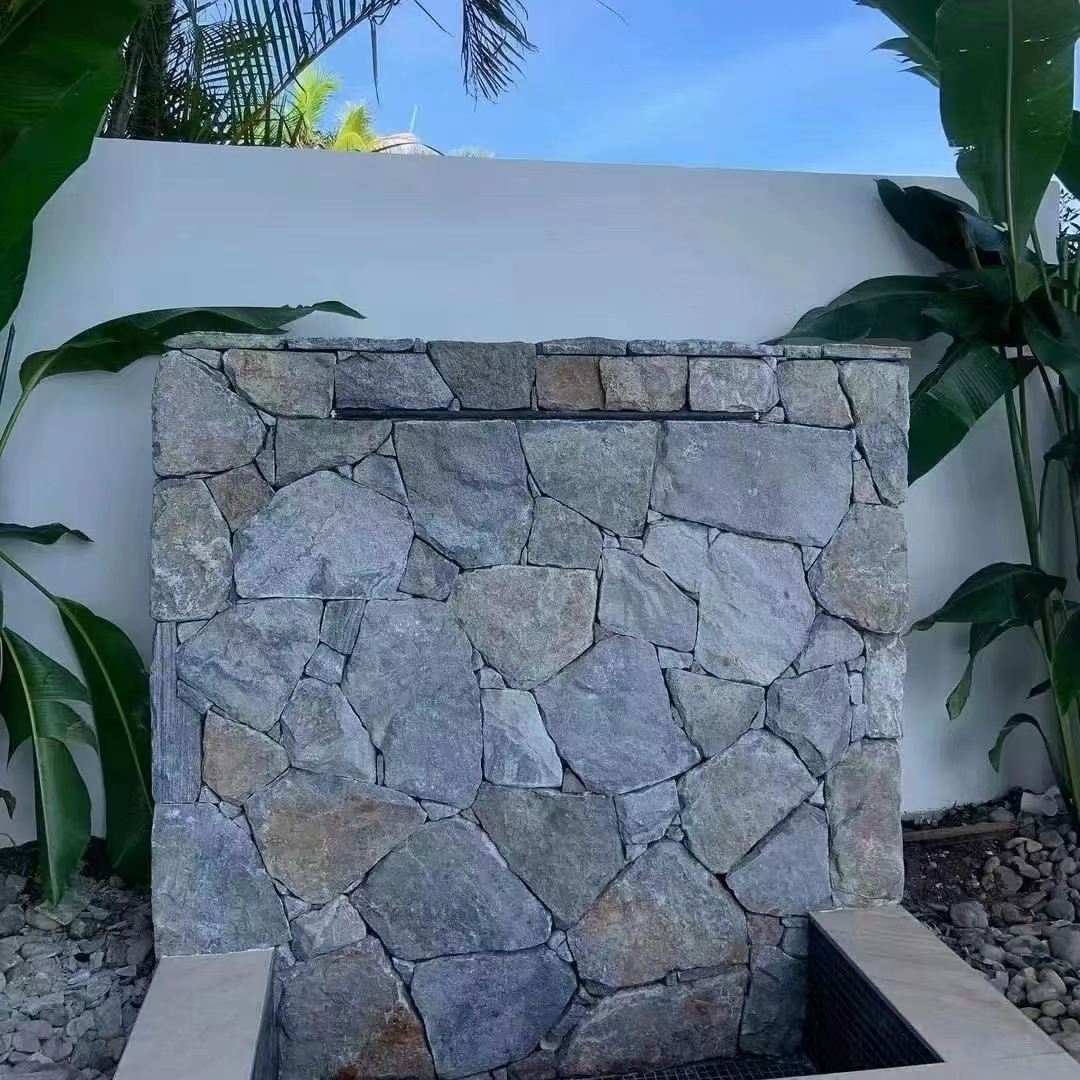
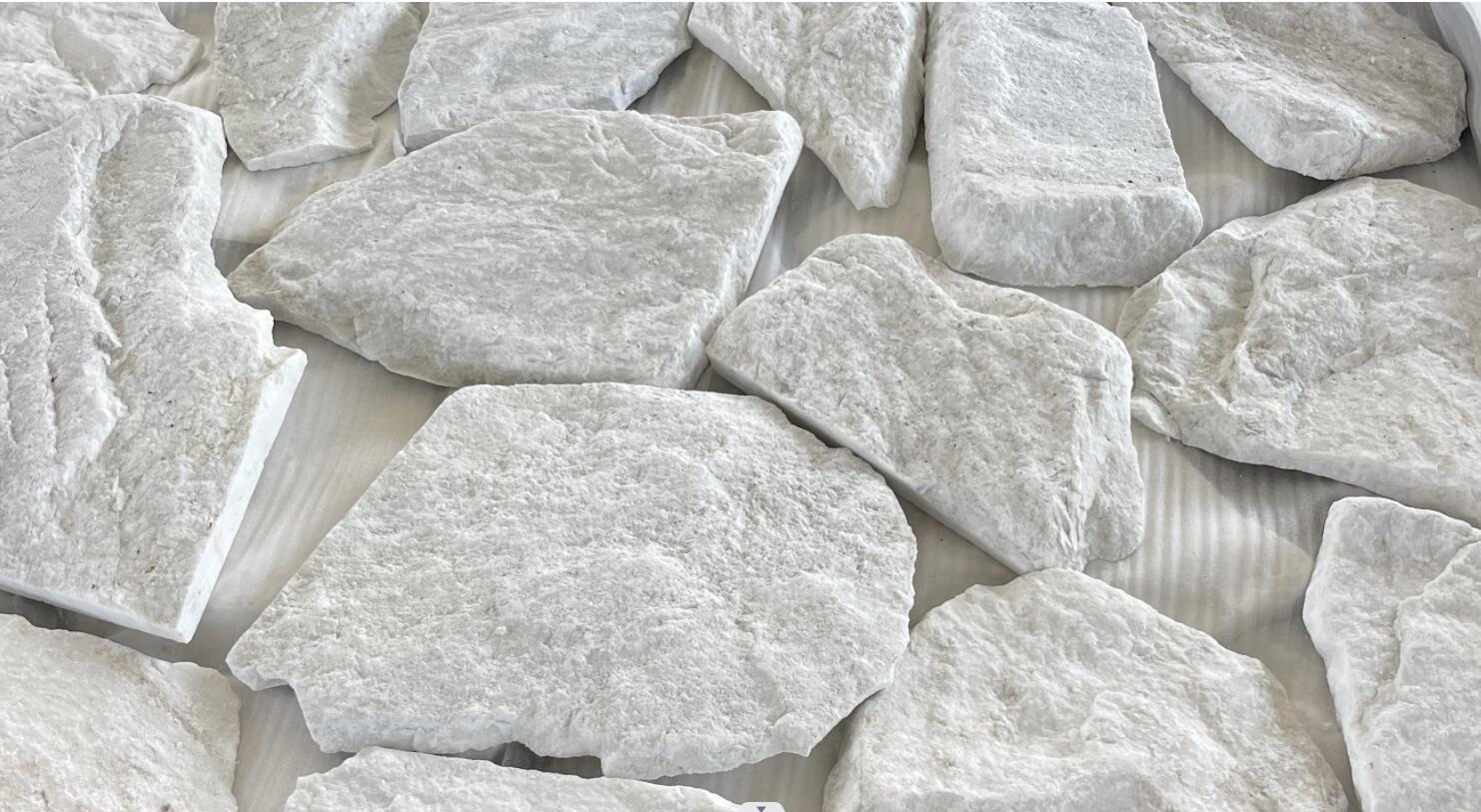
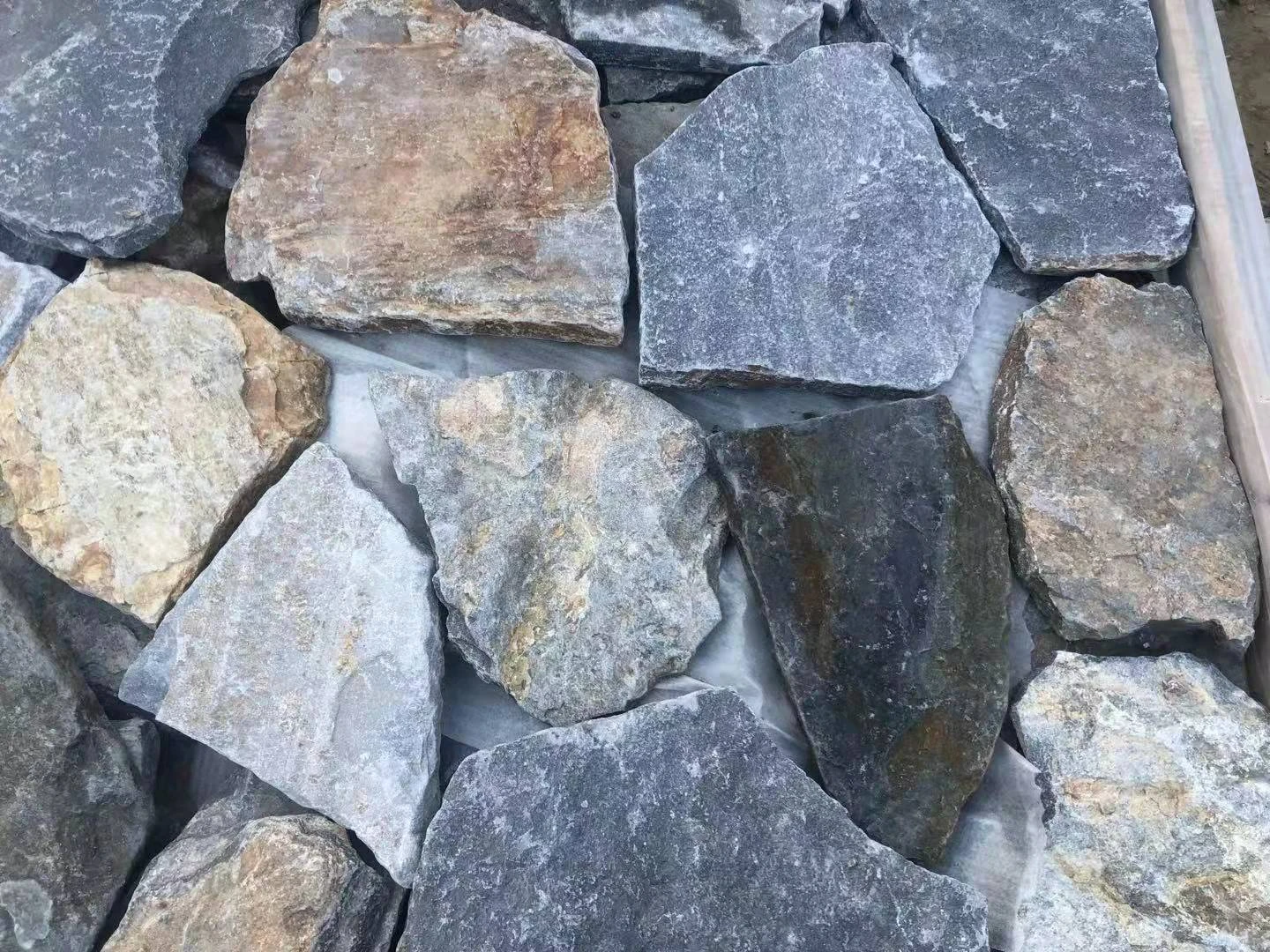
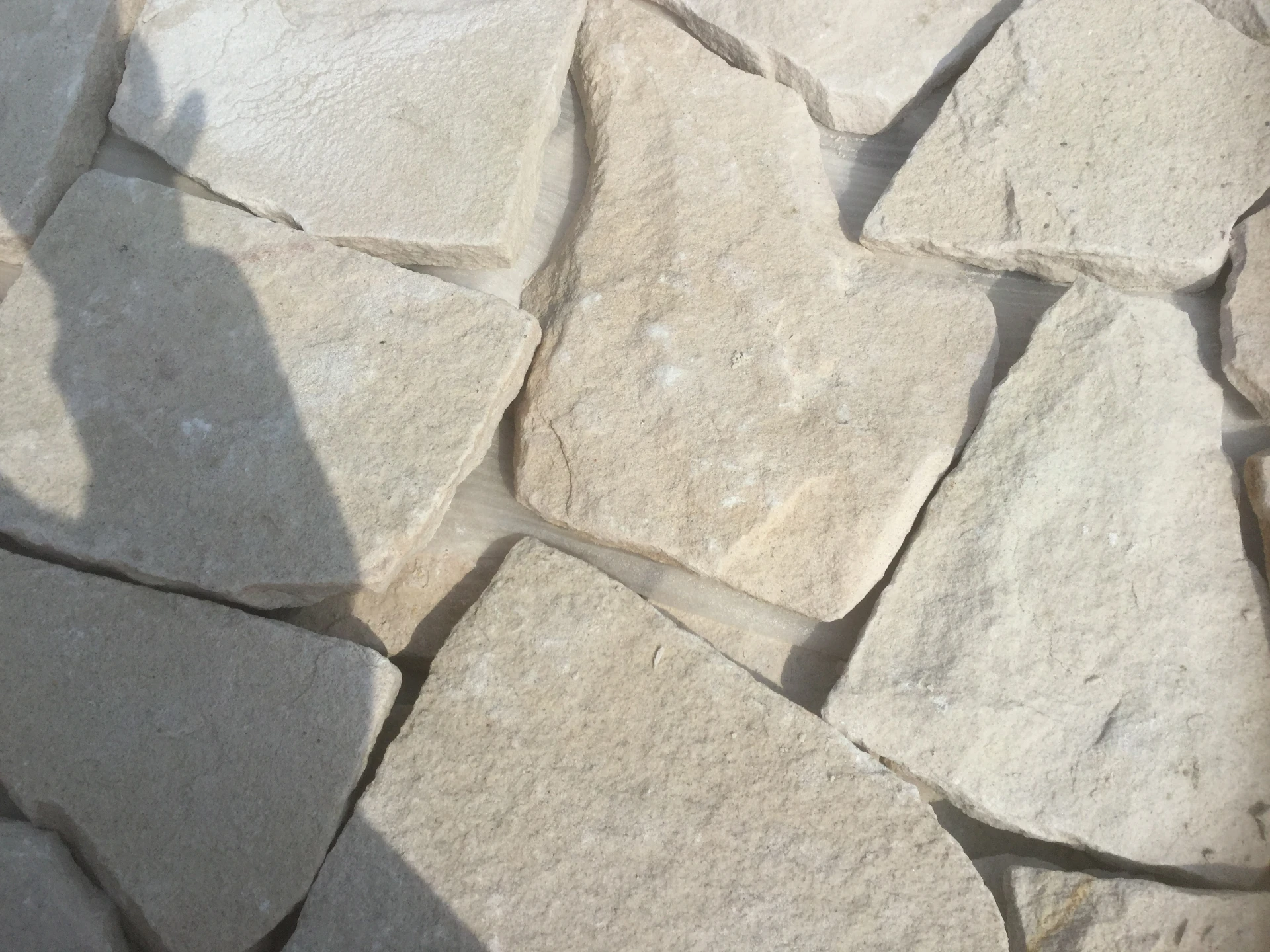
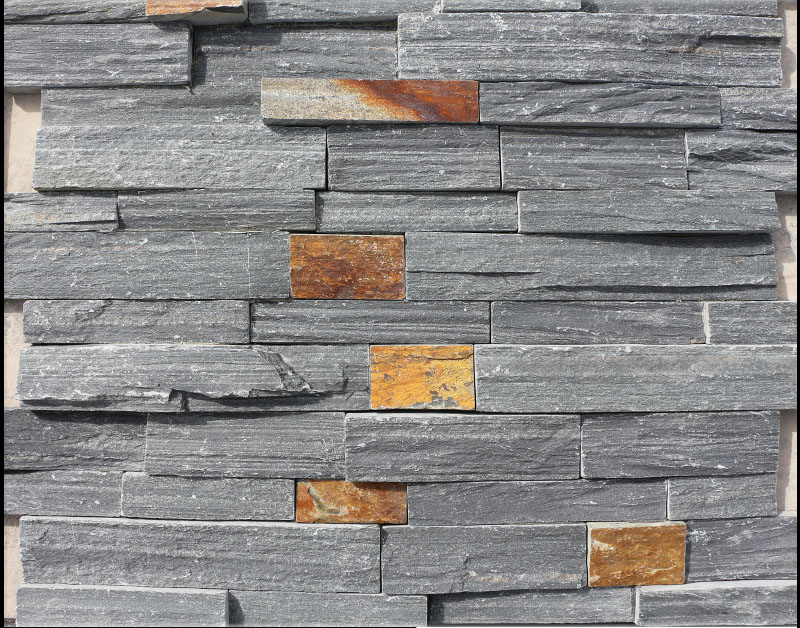
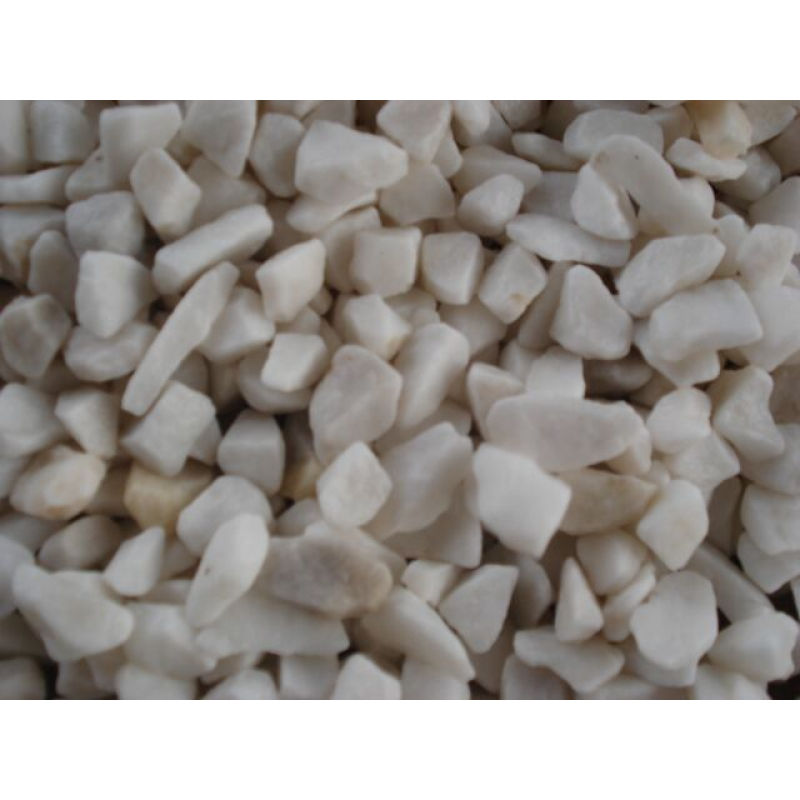
Dị ka snowflakes, ọ dịghị ọkọlọtọ abụọ bụ otu. Dị ka ezigbo ngwaahịa sitere n'okike, flagstone na-abịa n'ụdị, nha na agba dị iche iche na-adabere na ebe o si bịa. Ọdịiche dị ịtụnanya a na-enyere ndị nwe ụlọ aka ka ị mepụta hardscapes nke pụrụ iche n'ezie.
Different flagstones don’t only look different, though. They also have varying thicknesses, textures, levels of permeability, and uses. These durable, versatile unsung heroes of landscaping can be a part of just about any hardscape you could think of.
To help you narrow down the possibilities, we’ve come up with eight flagstone ideas to incorporate in your yard.
Nkume ọkọlọtọ eke bụ sedimentary nkume gbajiri agbaji wee mee nhazi ala. E nwere ọtụtụ dị iche iche ụdị flagstone, ha niile nwere njirimara nke ha. Ụfọdụ ụdị ewu ewu gụnyere sandstone, quartzite, bluestone, na limestone.
Ọtụtụ flagstone na-abịa n'otu n'ime ụdị abụọ:
For either shape option, you can lay flagstones dry on a bed of sand or gravel (“dry-laid”) or use concrete (“wet-laid”). If you’re using thinner flagstones, it’s a good idea to lay them in concrete, as they sometimes crack easily when laid dry.
Whatever kind of landscaping project you’re working on, the cost of flagstone is typically $15 to $20 per square foot. That price covers all the materials needed, including the stone itself and sand, gravel, or concrete.
The price varies depending on what specific type of flagstone you use and whether it’s dry-laid or wet-laid. Dry-laid is typically cheaper because you won’t have to pay for concrete.
Now that we’ve covered the basics of flagstone, let’s get into our eight design ideas for using them in your landscape.
Nkume ọkọlọtọ zuru oke maka mpaghara okporo ụzọ dị elu dị ka patios n'ihi na udidi ha siri ike na-eme ka ha ghara ịdaba.
Ị nwere ike ịtụgharị patio ọkọlọtọ gị n'ụzọ dị mfe ka ọ bụrụ ebe obibi dị n'èzí site na ịgbakwunye ụfọdụ arịa ụlọ na a pergola ma ọ bụ mkpuchi ọzọ.
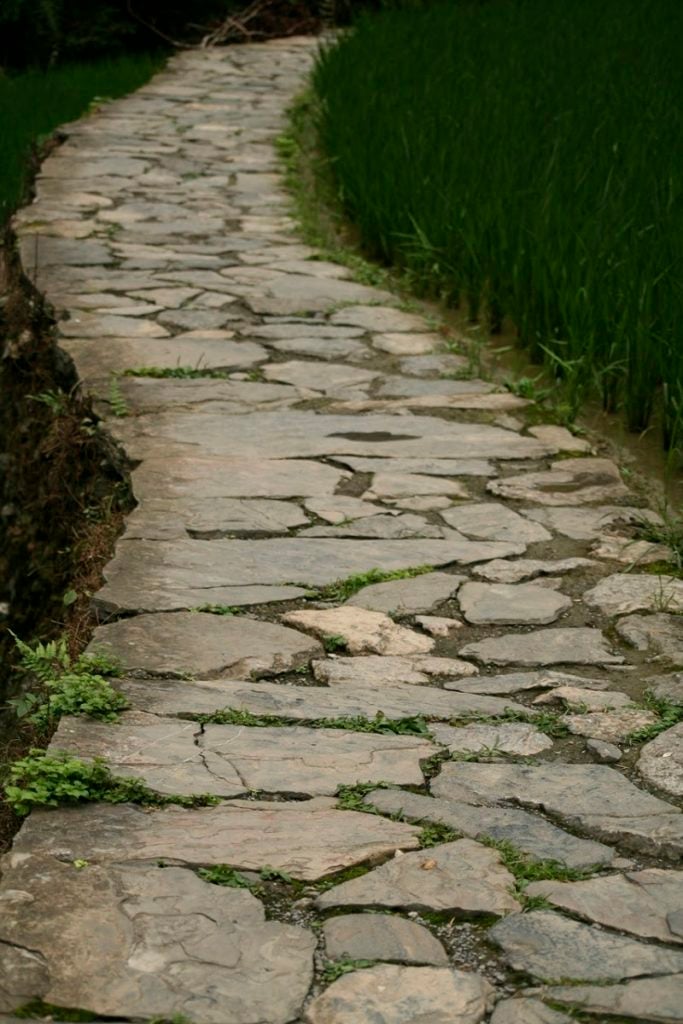
Ọ bụrụ na ụmụntakịrị, ndị ikwu meworo agadi, ma ọ bụ ndị ọbịa ndị ọzọ na-enwekarị ịdaba na-agakarị ụlọ gị, ị nwere ike ịmepụta ụzọ dị larịị, kwụ ọtọ nke nkume paver.
As with flagstone patios, flagstone pathways are naturally slip-resistant because of the stone’s texture, so you won’t have to worry about your paths getting slick with rainwater.
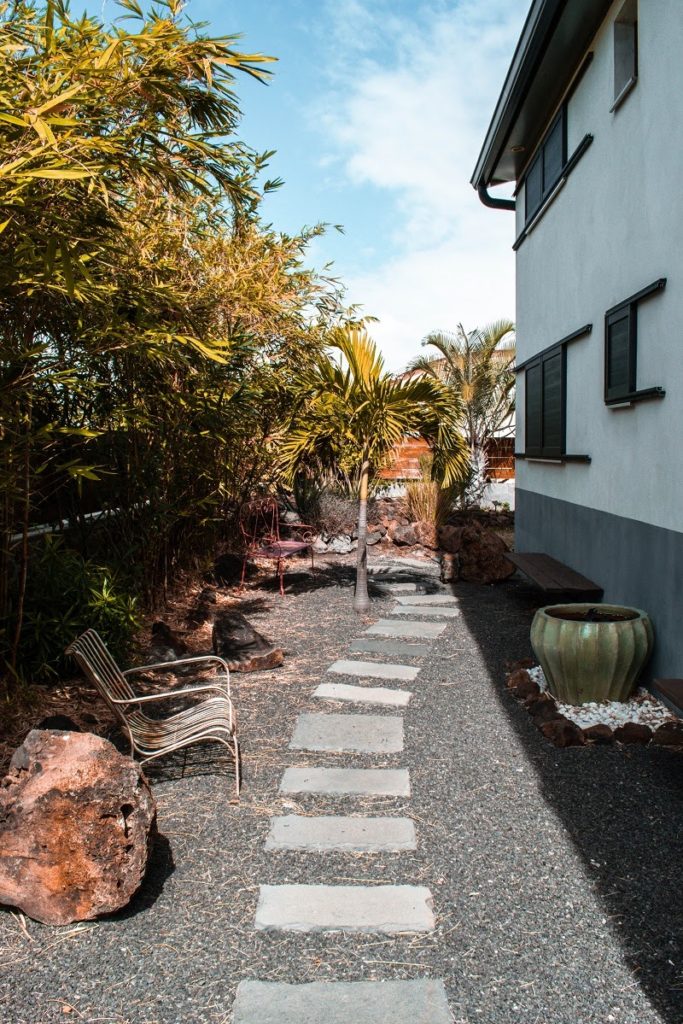
Iji mee okwute steepụ, debe nkume ọkọlọtọ gị ọtụtụ inch iche iche wee mejupụta oghere ndị ahụ agwa okwute, nkume nkume, ma ọ bụ osisi mkpuchi ala iji gbochie ahihia. Ị nwere ike iji pavers maka ọdịdị ọgbara ọhụrụ dị ka nke a ma ọ bụ ọkọlọtọ ọkọlọtọ na-adịghị agafe agafe maka ụzọ ubi nke ụlọ.
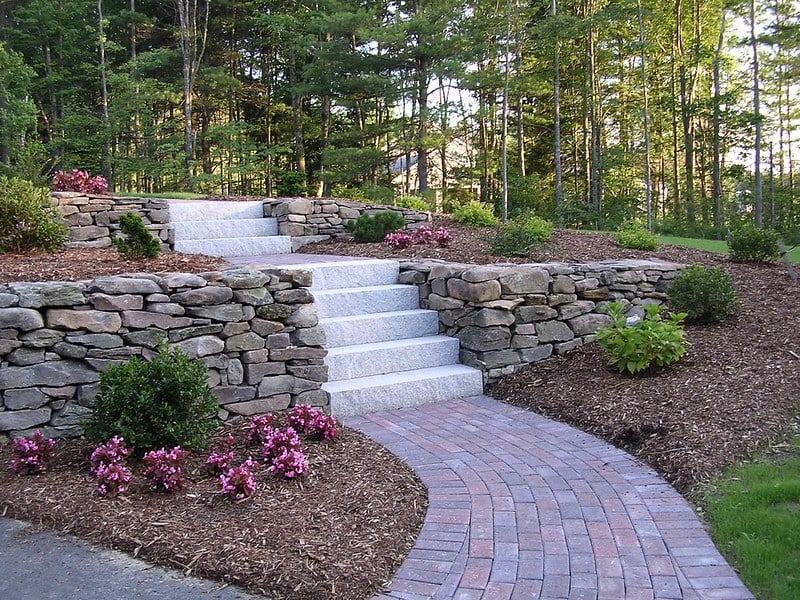
Though people might not typically use flagstones as stone for retaining walls, it is an option. You can stack flagstones to create a low wall in your landscape. Just don’t try stacking them too tall. You know what happened to Icarus when he flew too close to the sun.
Mgbe ị na-eji nkume ọkọlọtọ mee mgbidi ndochi anya, ị nwere ike ikpokọta ha akọrọ ma ọ bụ jiri ngwa agha jide ha ọnụ. Maka mgbidi siri ike, nke na-adịte aka karịa, ị kwesịrị ị na-atụle iji ngwa agha (n'agbanyeghị na ọ nwere ike ime ka ọrụ gị dịkwuo ọnụ).
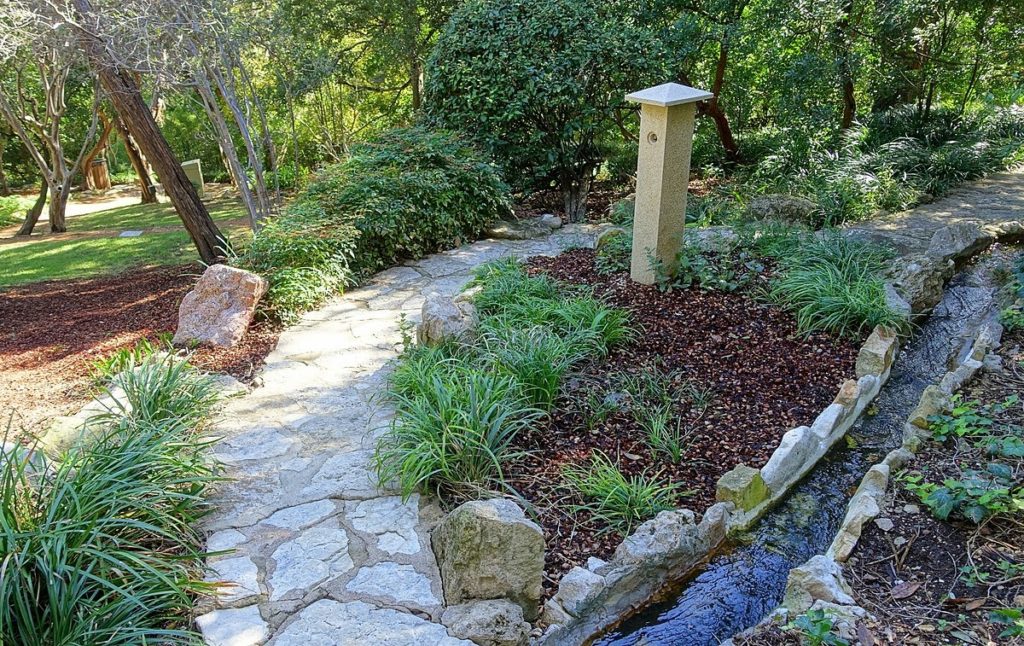
Ogige ihu bụ naanị oke ala nke na-aga gburugburu akwa akwa gị ka ahịhịa ghara ịpụta ma mee ka mbara ala gị niile yie nke ọma. Ọzọ, ị nwere ike nweta ọdịdị dị iche iche maka ubi gị ma ọ bụ akwa ifuru site na iji ụdị ọkọlọtọ dị iche iche.

Ndị na-ese ihe ga-eme ka ọdịdị ala gị dị ka geometric na nke ọgbara ọhụrụ, ebe ọkọlọtọ ọkọlọtọ (dị ka nke a na-ese onyinyo) na-enye anụ ọhịa na-egbuke egbuke. Ebe ọ bụ na nkume ọkọlọtọ na-abịa na agba dị iche iche, ị nwere ike ịchọta ndị zuru oke iji kwekọọ ma ọ bụ iche na agba nke osisi gị.
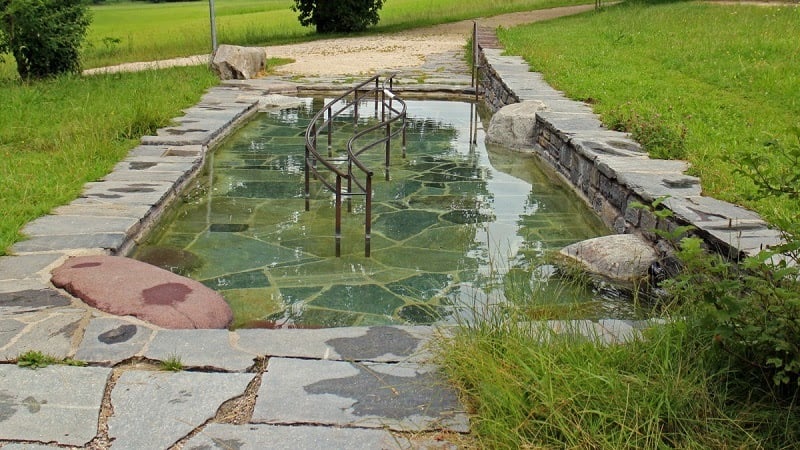
Flagstones are heavy enough to hold down liners for ponds and other similar water features, so they make great borders. Some types of flagstone are also permeable, which means they’ll absorb water instead of causing runoff if they get wet from your pond, waterfall, or fountain overflowing.
Site na pavers flagstone, ị nwere ike ịmepụta ihu kwụ ọtọ, dị ọcha maka ịma mma nke oge a, ma ọ bụ jiri ọkọlọtọ na-adịghị mma maka ókèala a pụrụ ịdabere na ya nke jikọtara ya na ọdọ mmiri ụdị okike.
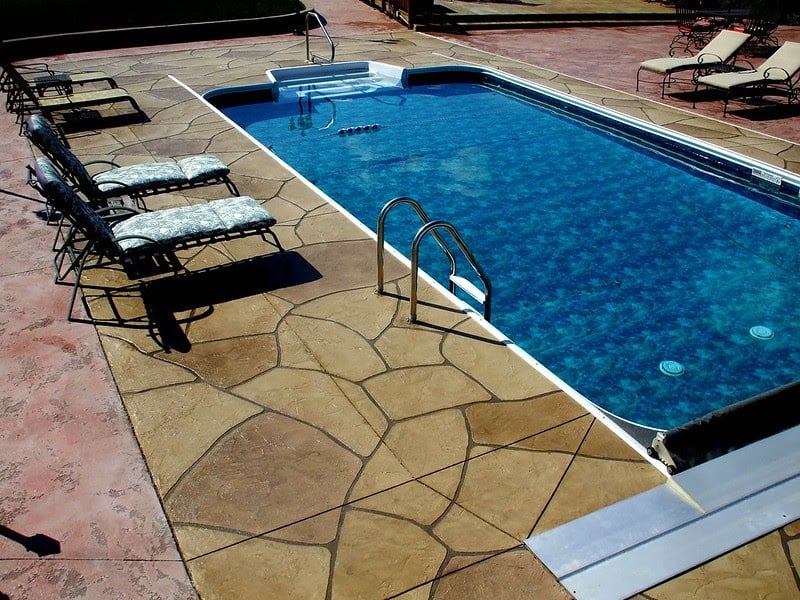
Because flagstones are slip-resistant, they’re the perfect material for ebe igwu mmiri or hot tub decks, where friends and family will regularly run around barefoot. Some types of flagstone, such as sandstone, don’t absorb heat, so they won’t burn your feet, either.
Na ọzọ, flagstones bụ permeable, n'ihi ya, ị nwere ike fesa ha niile ị chọrọ na-enweghị nchegbu banyere mmiri na-asọpụta na-eju mmiri gị ahịhịa.
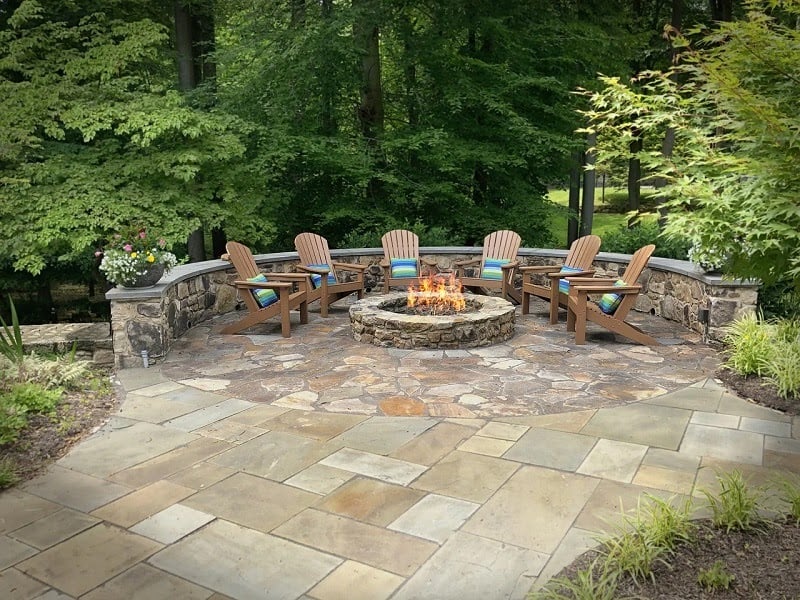
If you’re thinking of ụlọ afire olulu N'azụ ụlọ gị, tụlee iji flagstones mepụta ebe obibi mara mma n'èzí. Ị nwere ike iji otu ụdị na agba nke flagstone maka patio / ebe oche dị n'akụkụ ọkụ ọkụ na ọkụ n'onwe ya maka ọdịdị na-adịghị mma ma ọ bụ jiri agba dị iche iche mee ihe maka ihe na-adọrọ adọrọ, nke na-adịghị mma.
 Afrika
 Albania
 Amharic
 Arabic
 Armenian
 Azerbaijani
 Basque
 Belarusian
 Bengali
 Asụsụ Bosnia
 Bulgarian
 Catalan
 Cebuano
 China
 China (Taiwan)
 Corsican
 Asụsụ Croatia
 Czech
 Danish
 Dutch
 Bekee
 Esperanto
 Estonia
 Asụsụ Finnish
 French
 Onye Frisian
 Onye Galisi
 Asụsụ Georgian
 German
 Grik
 Gujarati
 Haitian Creole
 hausa
 Hawaian
 Hibru
 Mba
 Miao
 Asụsụ Hungarian
 Aislandi
 igbo
 Asụsụ Indonesian
 Irish
 Ịtali
 Japanese
 Asụsụ Javanị
 Kannada
 kazakh
 Khmer
 Onye Rwandan
 Korean
 Kurdish
 Kyrgyz
 TB
 Latịn
 Latvia
 Lithuania
 Luxembourgish
 Masedonia
 Malgashi
 Malay
 Malayalam
 Malta
 Maori
 Marathi
 Mongolian
 Myanmar
 Nepali
 Norwegian
 Norwegian
 Occitan
 Pashto
 Asụsụ Persia
 Polish
 Portuguese
 Punjabi
 Romanian
 Russian
 Samoan
 Scottish Gaelic
 Asụsụ Serbian
 Bekee
 Shona
 Sindhi
 Sinhala
 Slovak
 Slovenian
 Somali
 Spanish
 Asụsụ Sudan
 Swahili
 Swedish
 Tagalog
 Tajik
 Tamil
 Tatar
 Telugu
 Thai
 Turkish
 Turkmen
 onye Ukraine
 Urdu
 Uighur
 Uzbek
 Vietnamese
 Welsh