

Tāpat kā sniegpārslas, nav divu vienādu plāksnīšu. Kā īsts dabas produkts, akmens ir miljons dažādu formu, izmēru un krāsu atkarībā no tā, no kurienes tas nāk. Šī neticamā daudzveidība palīdz tādiem māju īpašniekiem kā jūs izveidot patiesi unikālas ainavas.
Different flagstones don’t only look different, though. They also have varying thicknesses, textures, levels of permeability, and uses. These durable, versatile unsung heroes of landscaping can be a part of just about any hardscape you could think of.
To help you narrow down the possibilities, we’ve come up with eight flagstone ideas to incorporate in your yard.
Dabiskais pamatakmens ir nogulumieži, kas sadalīti slāņos un izmantoti ainavu veidošanai. Ir daudz dažādu plātņu veidi, visi ar savām iezīmēm. Dažas populāras šķirnes ir smilšakmens, kvarcīts, zilais akmens un kaļķakmens.
Lielākajai daļai plāksnīšu ir viena no divām formām:
For either shape option, you can lay flagstones dry on a bed of sand or gravel (“dry-laid”) or use concrete (“wet-laid”). If you’re using thinner flagstones, it’s a good idea to lay them in concrete, as they sometimes crack easily when laid dry.
Whatever kind of landscaping project you’re working on, the cost of flagstone is typically $15 to $20 per square foot. That price covers all the materials needed, including the stone itself and sand, gravel, or concrete.
The price varies depending on what specific type of flagstone you use and whether it’s dry-laid or wet-laid. Dry-laid is typically cheaper because you won’t have to pay for concrete.
Now that we’ve covered the basics of flagstone, let’s get into our eight design ideas for using them in your landscape.
Akmeņi ir lieliski piemēroti vietām ar intensīvu satiksmi, piemēram, iekšpagalmiem, jo to raupjā tekstūra padara tos neslīdošus.
Jūs varat viegli pārvērst savu kaļķakmens terasi par āra dzīvojamo telpu, pievienojot dažas terases mēbeles un a lapene vai cits segums.
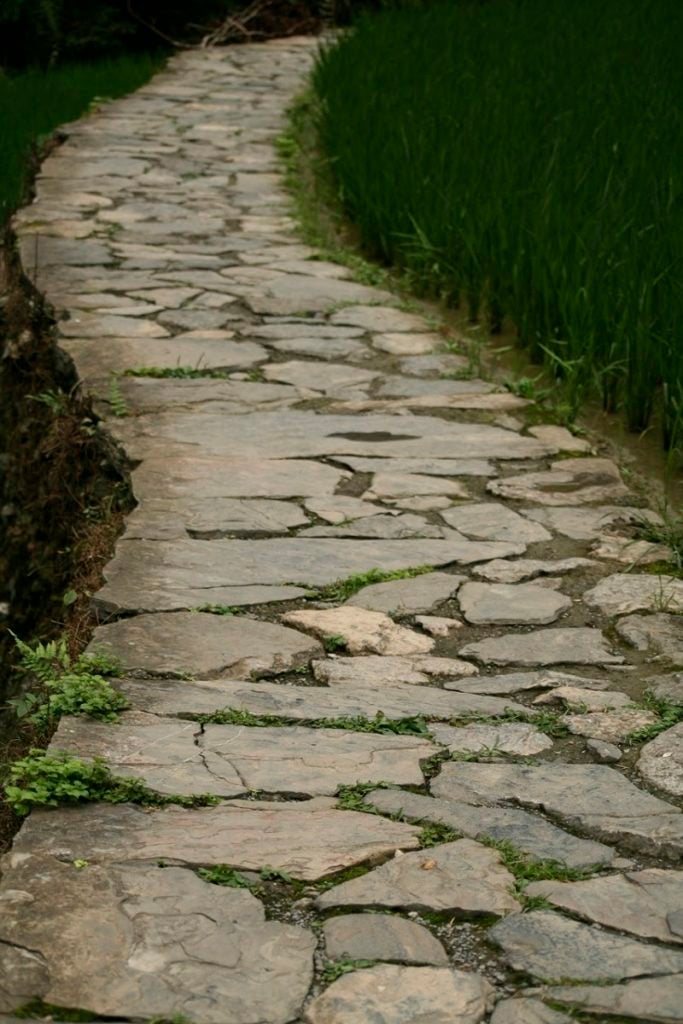
Ja jūsu mājā regulāri ierodas mazi bērni, vecāka gadagājuma radinieki vai citi viesi, kuriem ir tendence paklupt, tā vietā varat izveidot gludu, taisnu ietvi no akmens bruģakmeņiem.
As with flagstone patios, flagstone pathways are naturally slip-resistant because of the stone’s texture, so you won’t have to worry about your paths getting slick with rainwater.
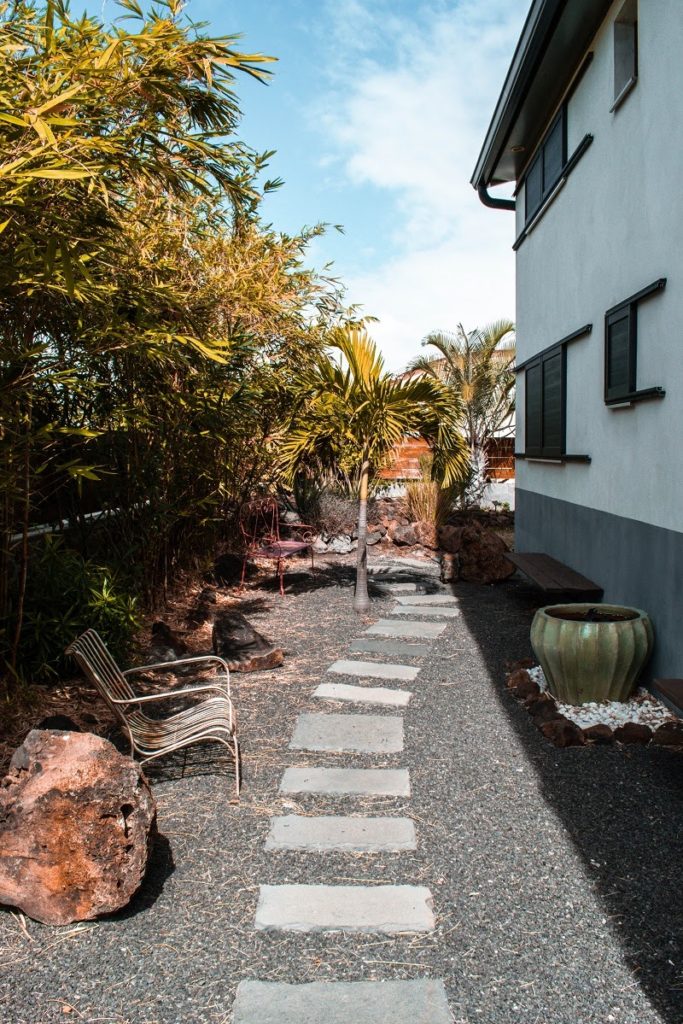
Lai izveidotu atspēriena punktus, novietojiet tos vairāku collu attālumā viens no otra un aizpildiet spraugas ar zirņu grants, upes klints, vai zemsedzes augus, lai apspiestu nezāles. Varat izmantot bruģakmeņus, lai iegūtu modernāku izskatu, piemēram, šo, vai neregulārus plāksnīšus kotedžas stila dārza celiņam.
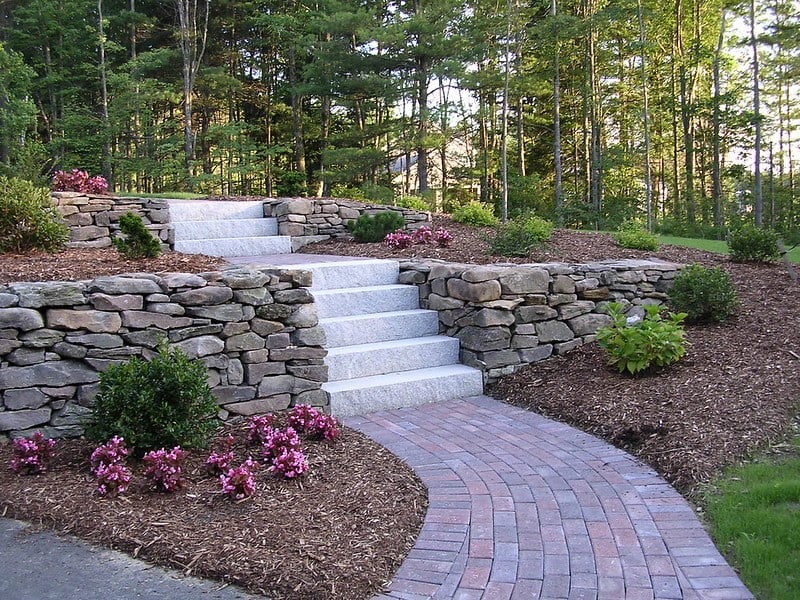
Though people might not typically use flagstones as stone for retaining walls, it is an option. You can stack flagstones to create a low wall in your landscape. Just don’t try stacking them too tall. You know what happened to Icarus when he flew too close to the sun.
Izgatavojot atbalsta sienu no plāksnēm, varat tos sakraut sausus vai izmantot javu, lai tos turētu kopā. Lai iegūtu izturīgāku un noturīgāku sienu, noteikti jāapsver javas izmantošana (lai gan tas var nedaudz sadārdzināt jūsu projektu).
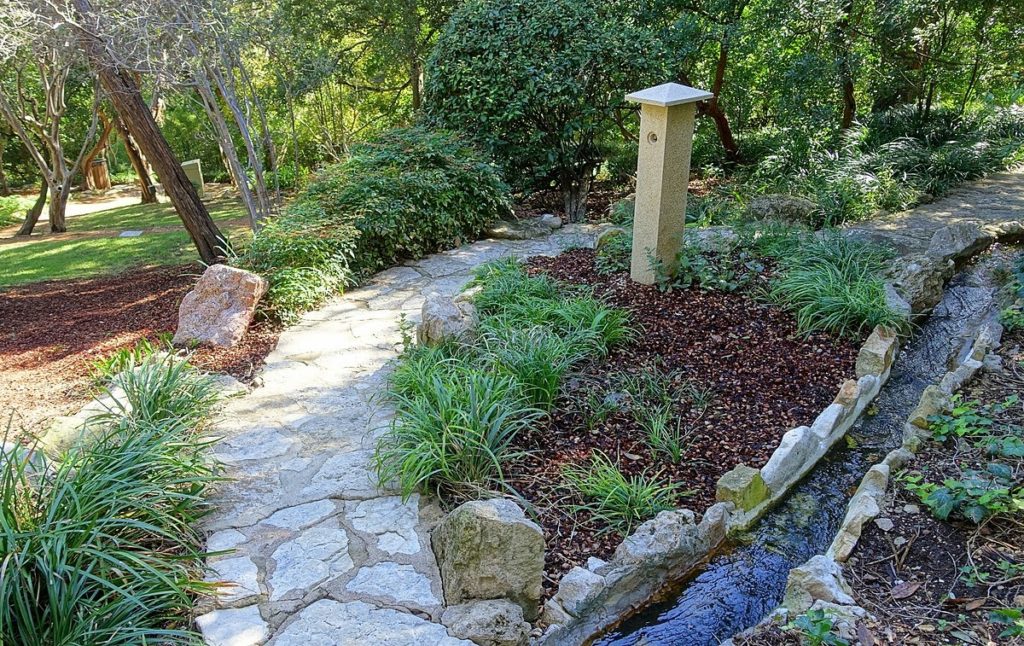
Dārza apmales ir vienkārši apmale, kas iet ap jūsu ainavu dobēm, lai neļautu zālei iekļūt un viss pagalms izskatītos daudz noslīpētāks. Atkal, jūs varat izveidot atšķirīgu izskatu savam dārzam vai puķu dobei, izmantojot dažāda veida plāksnes.

Bruģakmeņi padarīs jūsu ainavu ģeometriskāku un modernāku, savukārt neregulārie plāksnītes (piemēram, attēlā redzamie) piedāvā mežonīgāku, dabiskāku estētiku. Tā kā plāksnes ir dažādās krāsās, jūs varat atrast ideālos, kas atbilst jūsu augu krāsām vai kontrastē ar tām.
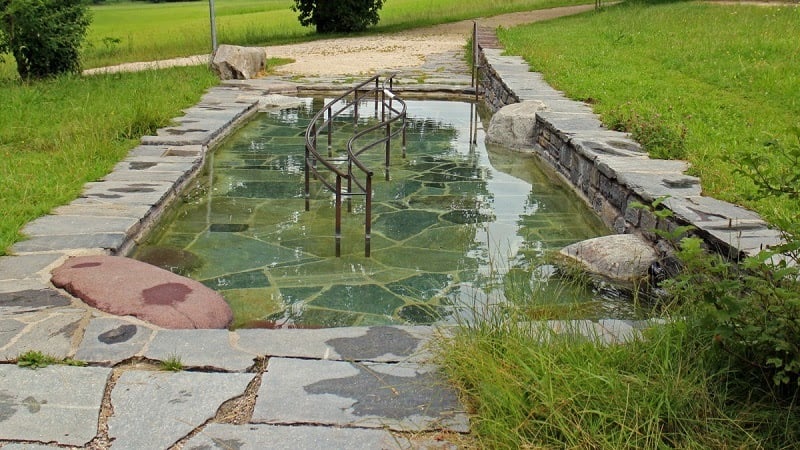
Flagstones are heavy enough to hold down liners for ponds and other similar water features, so they make great borders. Some types of flagstone are also permeable, which means they’ll absorb water instead of causing runoff if they get wet from your pond, waterfall, or fountain overflowing.
Izmantojot plāksnīšu bruģakmeņus, varat izveidot taisnu, tīru malu mūsdienīgai estētikai, vai izmantot neregulārus plāksnīšus, lai iegūtu uzticamu apmali, kas saplūst ar dabiska stila dīķi.
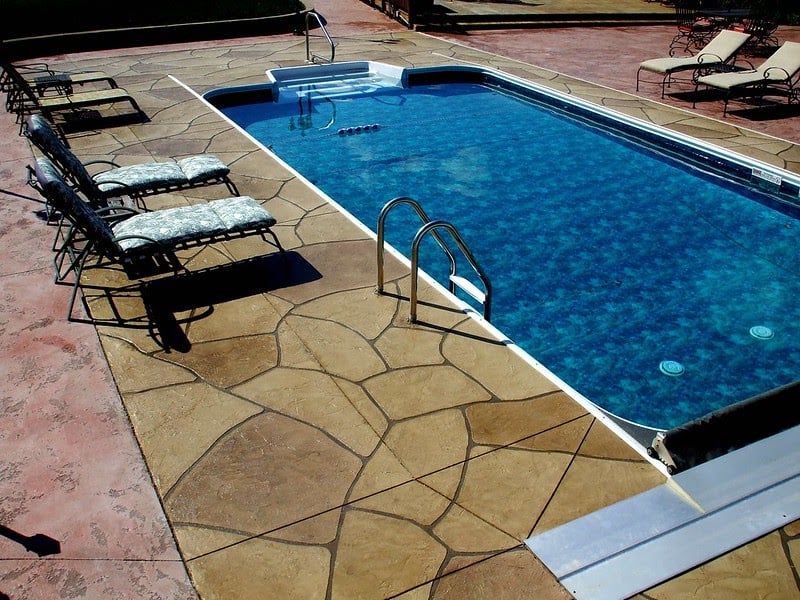
Because flagstones are slip-resistant, they’re the perfect material for peldbaseins or hot tub decks, where friends and family will regularly run around barefoot. Some types of flagstone, such as sandstone, don’t absorb heat, so they won’t burn your feet, either.
Un atkal, plāksnītes ir caurlaidīgas, tāpēc varat tos apšļakstīt visu, ko vēlaties, neuztraucoties par ūdens noteci, kas appludinās jūsu zālienu.
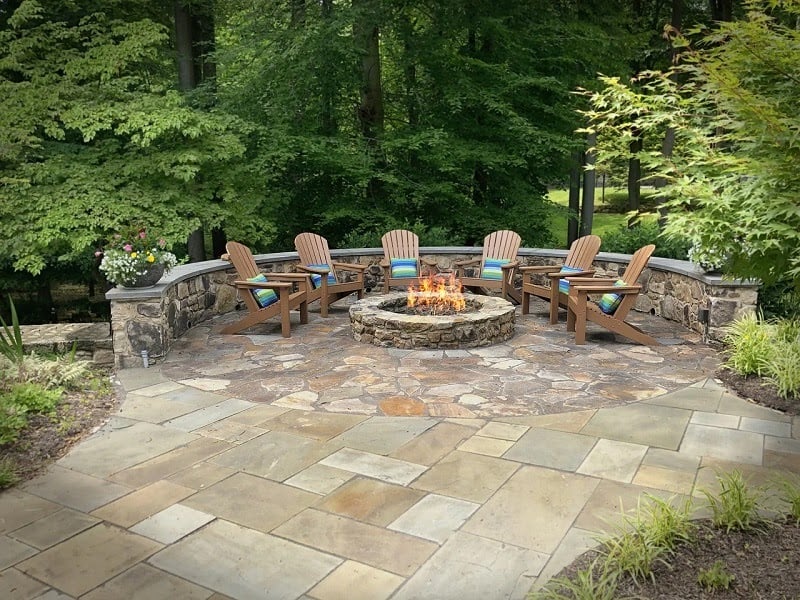
If you’re thinking of ēka afdusmu bedre savā pagalmā apsveriet iespēju izmantot plāksnītes, lai izveidotu zemniecisku āra dzīves telpu. Jūs varat izmantot tāda paša veida un krāsas plāksnītes terasei/atpūtas zonai ap ugunskuru un pašai ugunskura vietai, lai iegūtu nevainojamu izskatu, vai izmantot kontrastējošas krāsas, lai iegūtu uzkrītošāku un izteiksmīgāku dizainu.
 Āfrikas
  albānis
  amharu
  arābu
arābu  armēņu
  Azerbaidžāņu
  basku
basku  baltkrievu
  bengāļu
  bosniešu
  bulgāru valoda
  katalāņu
  Cebuano
  Ķīna
Ķīna  Ķīna (Taivāna)
  Korsikānis
  horvātu
  čehu
čehu  dāņu
dāņu  holandiešu valoda
  Angļu
Angļu  Esperanto
  igauņu
  somu
somu  franču valoda
  frīzu valoda
  Galisiešu
  gruzīnu
  vācu
vācu  grieķu valoda
  gudžaratu
  Haiti kreols
  hausa
hausa  havajietis
  ebreju valoda
  Nē
Nē  Miao
Miao  ungāru
  islandiešu
  igbo
igbo  Indonēziešu
  īru
īru  itāļu valoda
  japāņi
  javiešu
  kannada
  kazahu
  khmeru
  Ruandā
  korejiešu
  kurdu
kurdu  Kirgizstānas
  TB
TB  latīņu valoda
  latviski
  lietuviešu
  luksemburgiešu
  maķedonietis
  Malgaši
  malajiešu
  malajalu
  maltiešu
  maori
maori  maratu
  mongoļu valoda
  Mjanma
  Nepāliešu
  norvēģu
  norvēģu
  oksitāņu
  puštu
puštu  persiešu
  poļu
poļu  portugāļu
  pandžabu
  rumāņu valoda
  krievu valoda
  Samoa
Samoa  skotu gēlu valoda
  serbu
serbu  Angļu
Angļu  Šona
Šona  Sindhi
  singalu valoda
  slovāku
  slovēņu
  somāliešu
  spāņu valoda
  sundāņu
  svahili
  zviedru
  tagalogs
  tadžiks
  tamilu
  tatārs
  telugu
  taju
taju  Turku
Turku  Turkmēņu
  ukraiņu
  urdu
urdu  Uiguru
  uzbeku
  vjetnamietis
  velsiešu




