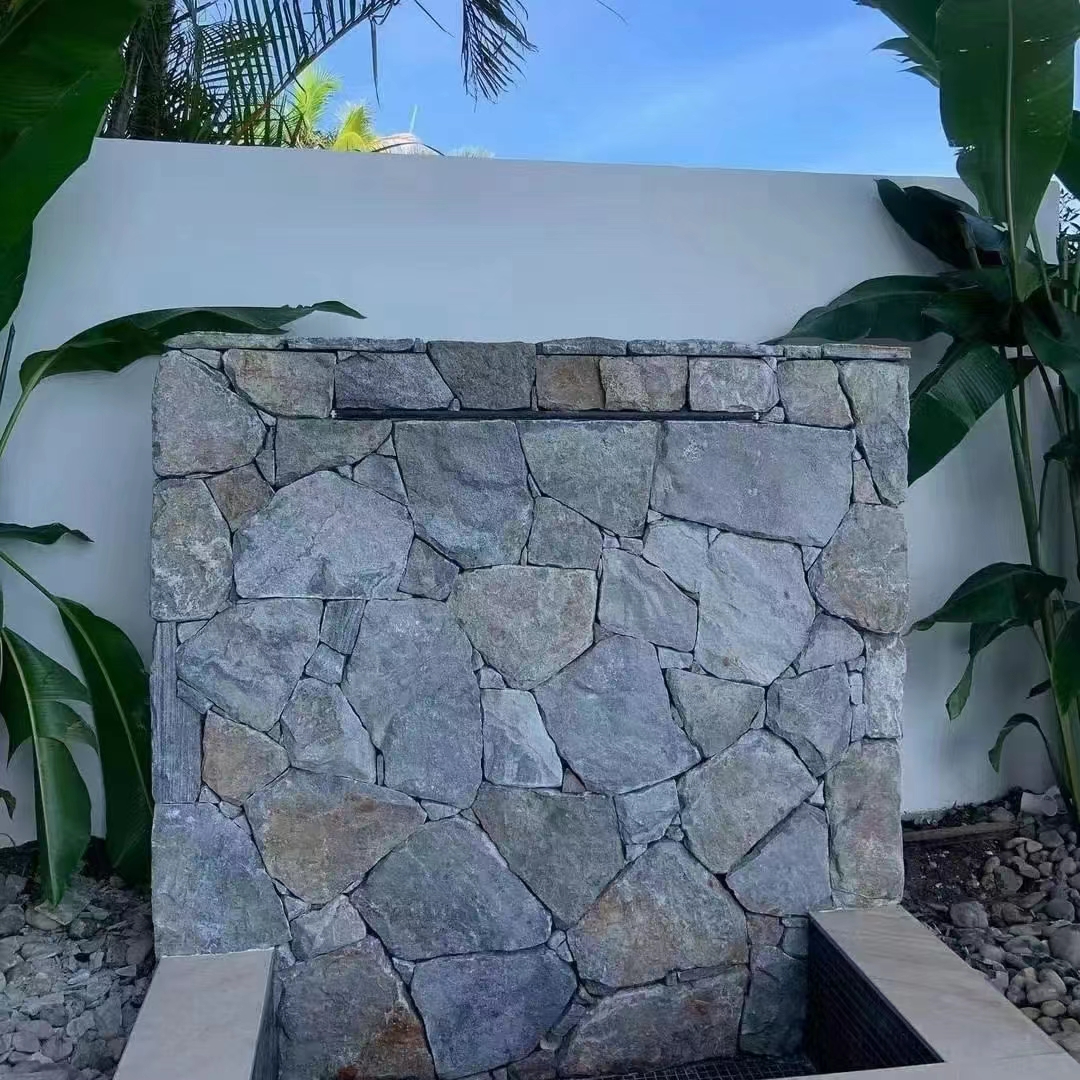
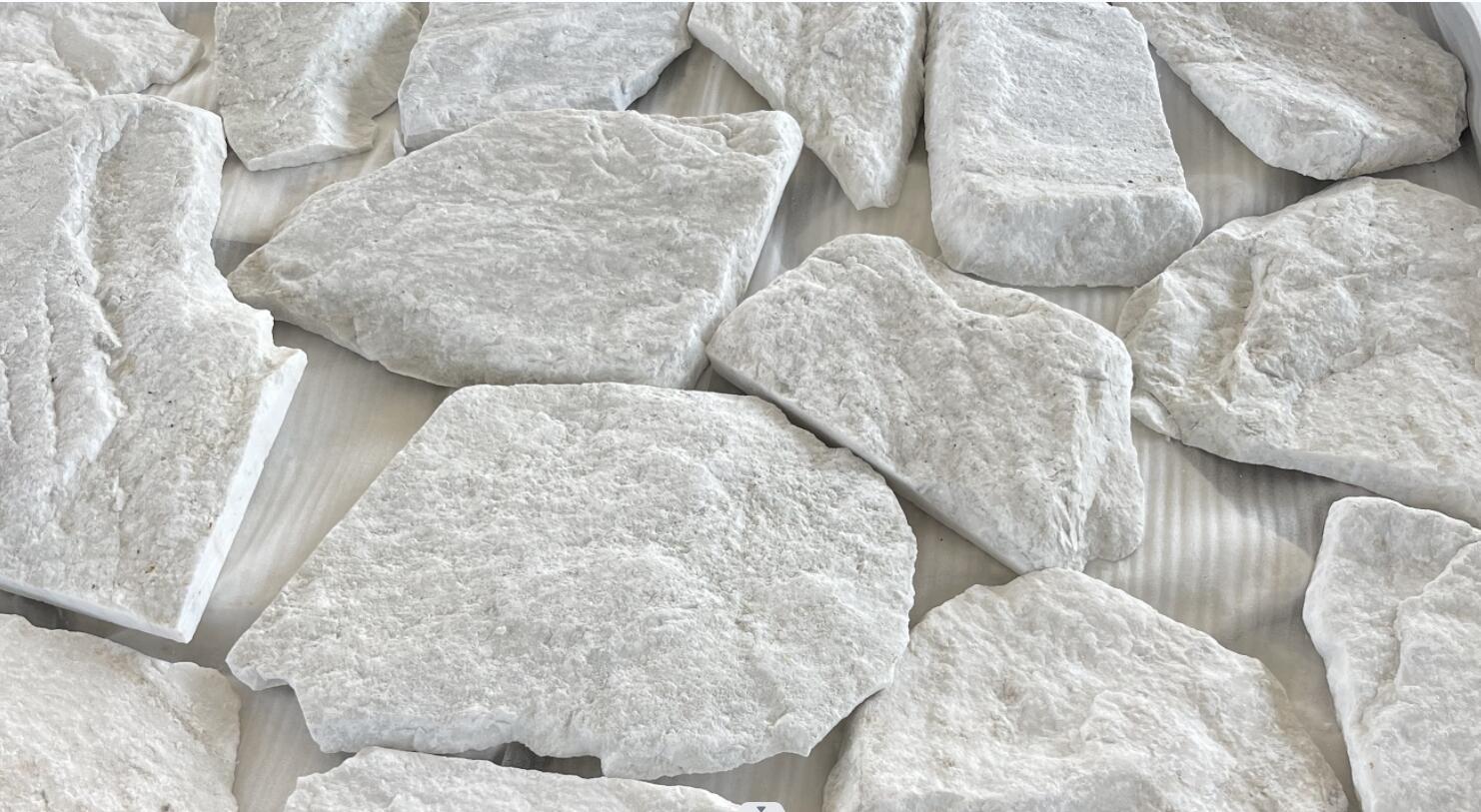
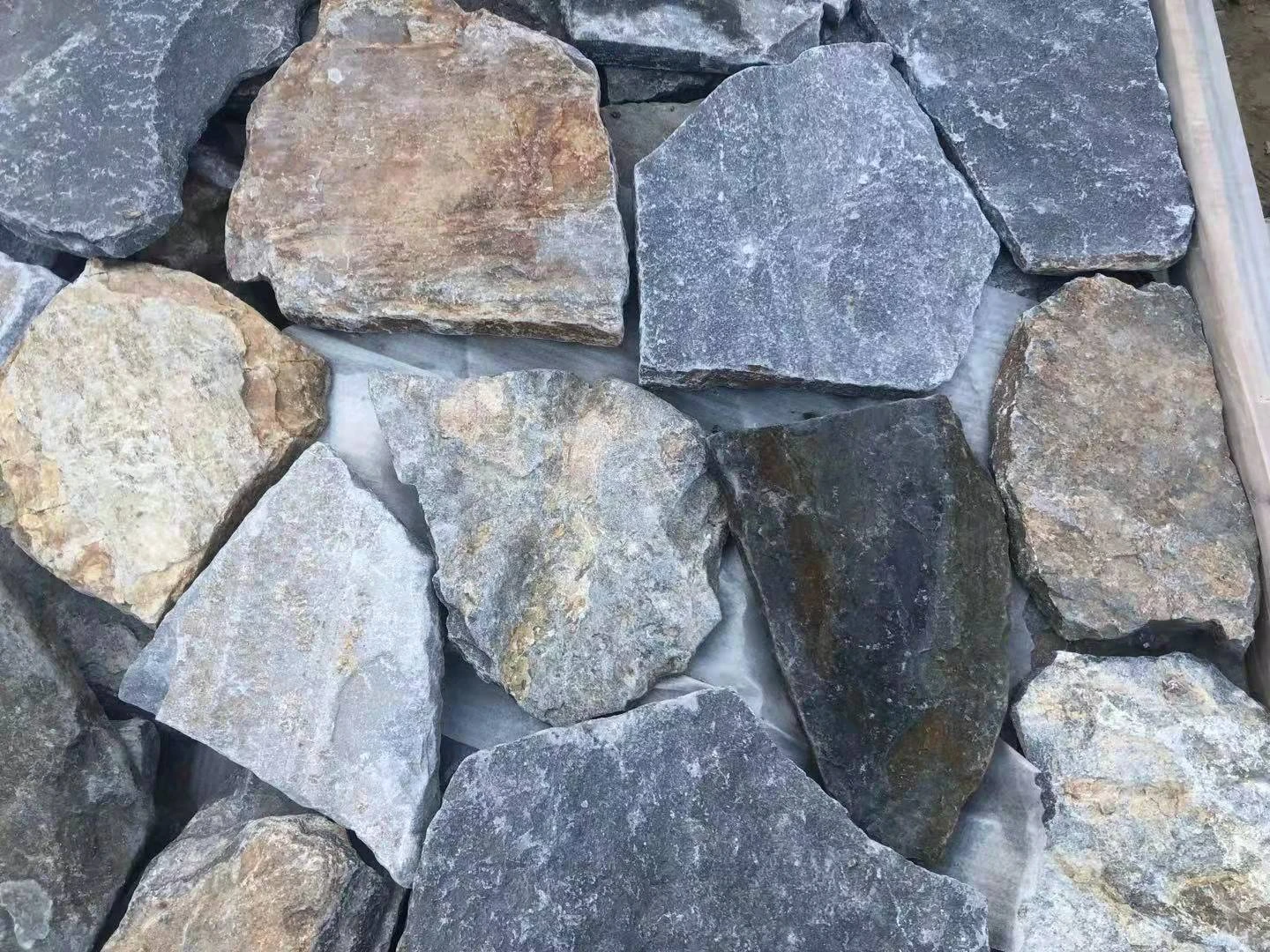
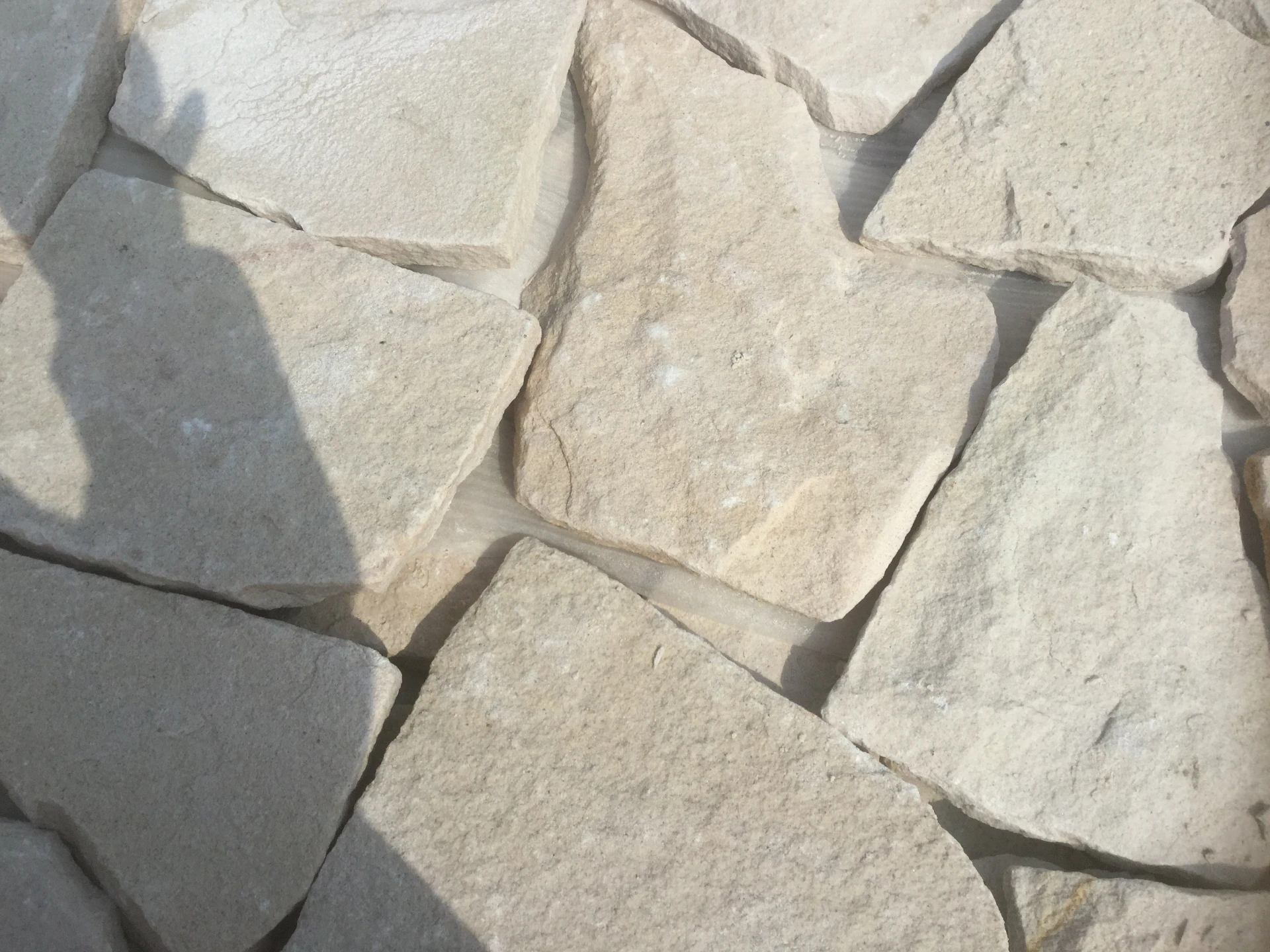
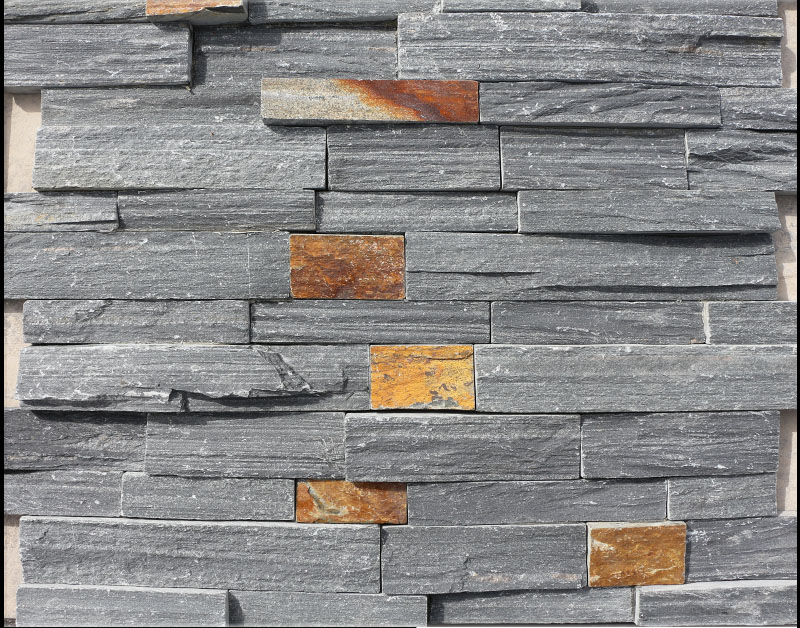
Nka shelegi ya shelegi, ntamabuye abiri yibendera amwe. Nkibicuruzwa nyabyo bya kamere, ibuye ryibendera riza miriyoni zitandukanye, ubunini, namabara ukurikije aho biva. Ubu butandukanye budasanzwe bufasha ba nyiri urugo nkawe gukora hardscape zidasanzwe rwose.
Different flagstones don’t only look different, though. They also have varying thicknesses, textures, levels of permeability, and uses. These durable, versatile unsung heroes of landscaping can be a part of just about any hardscape you could think of.
To help you narrow down the possibilities, we’ve come up with eight flagstone ideas to incorporate in your yard.
Ibuye risanzwe ryibuye ni urutare rwimitsi rwacitsemo ibice kandi rukoreshwa mubusitani. Hariho byinshi bitandukanye ubwoko bwibendera, byose hamwe nibiranga. Ubwoko bumwebumwe buzwi cyane harimo ibuye ryumucanga, quartzite, bluestone, na hekeste.
Amabuye menshi yibendera aje muburyo bumwe:
For either shape option, you can lay flagstones dry on a bed of sand or gravel (“dry-laid”) or use concrete (“wet-laid”). If you’re using thinner flagstones, it’s a good idea to lay them in concrete, as they sometimes crack easily when laid dry.
Whatever kind of landscaping project you’re working on, the cost of flagstone is typically $15 to $20 per square foot. That price covers all the materials needed, including the stone itself and sand, gravel, or concrete.
The price varies depending on what specific type of flagstone you use and whether it’s dry-laid or wet-laid. Dry-laid is typically cheaper because you won’t have to pay for concrete.
Now that we’ve covered the basics of flagstone, let’s get into our eight design ideas for using them in your landscape.
Ibendera ryibendera ryuzuye ahantu nyabagendwa cyane nka patiyo kuko imiterere yazo ituma idashobora kunyerera.
Urashobora guhindura byoroshye patio yawe yibendera ahantu hatuwe wongeyeho ibikoresho bya patio na a pergola cyangwa ikindi gipfukisho.
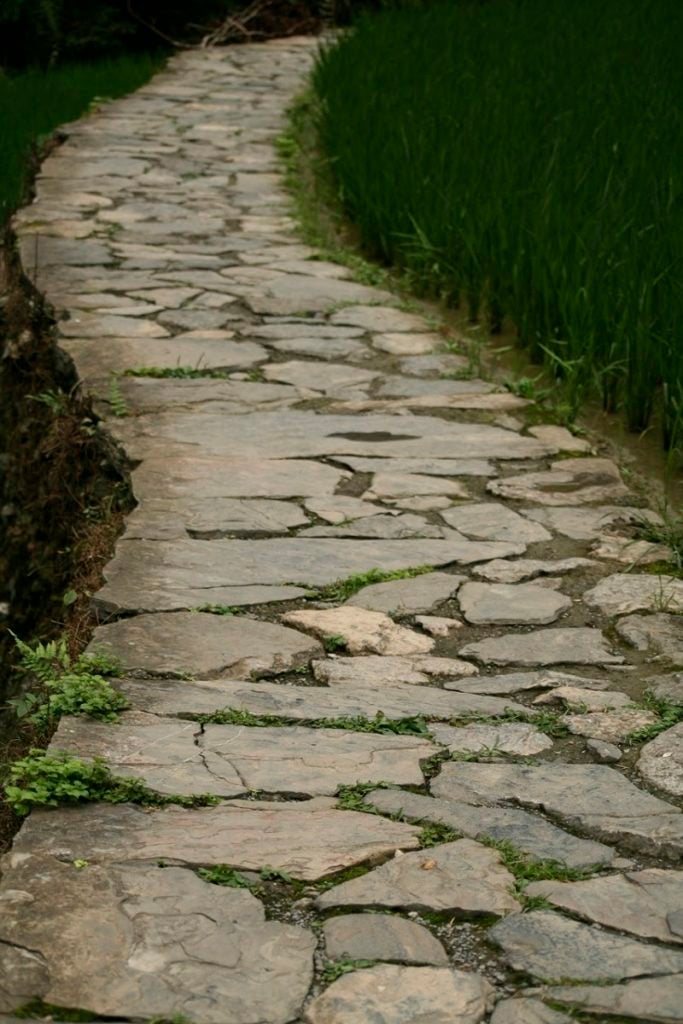
Niba abana bato, abavandimwe bageze mu za bukuru, cyangwa abandi bashyitsi bakunda gutembera kenshi murugo rwawe, urashobora gukora inzira nyabagendwa, igororotse yumuhanda wibuye ryibendera.
As with flagstone patios, flagstone pathways are naturally slip-resistant because of the stone’s texture, so you won’t have to worry about your paths getting slick with rainwater.
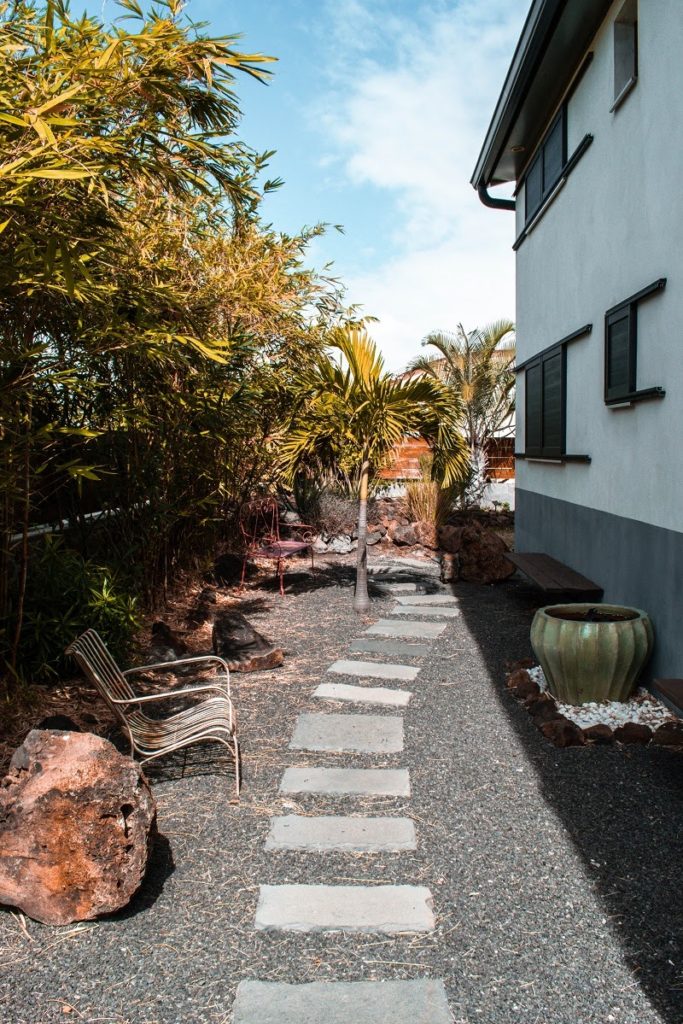
Gukora amabuye yo gukandagira, shyira amabendera yawe kuri santimetero zitandukanye hanyuma wuzuze icyuho amabuye y'agaciro, uruzi, cyangwa ibitaka bitwikiriye ubutaka kugirango bahagarike urumamfu. Urashobora gukoresha paweri kugirango igezweho igezweho nkiyi imwe cyangwa amabuye adasanzwe adasanzwe kumurongo wuburyo bwubusitani.
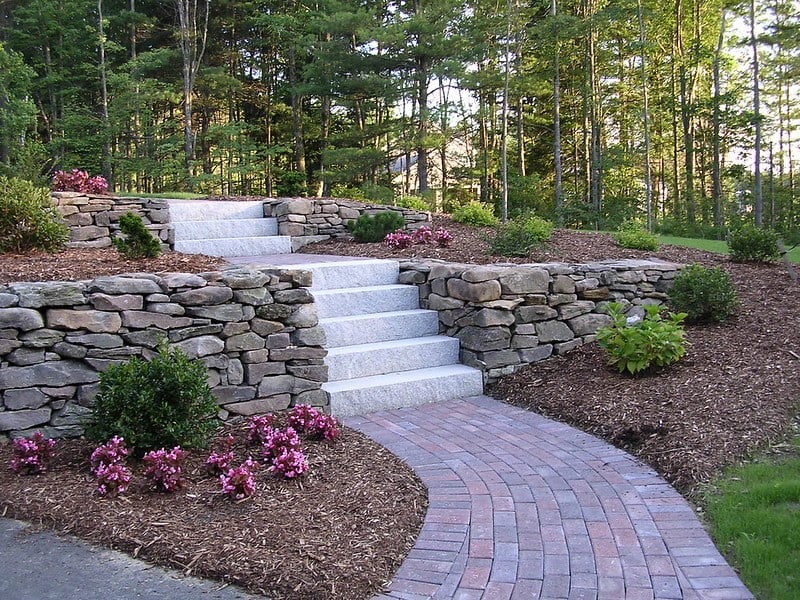
Though people might not typically use flagstones as stone for retaining walls, it is an option. You can stack flagstones to create a low wall in your landscape. Just don’t try stacking them too tall. You know what happened to Icarus when he flew too close to the sun.
Iyo ukoze urukuta rugumanye mumabuye y'ibendera, urashobora kubitondekanya byumye cyangwa gukoresha minisiteri kugirango ubifate hamwe. Kuri sturdier, urukuta rurerure, ugomba rwose gutekereza gukoresha minisiteri (nubwo ishobora gutuma umushinga wawe uhenze gato).
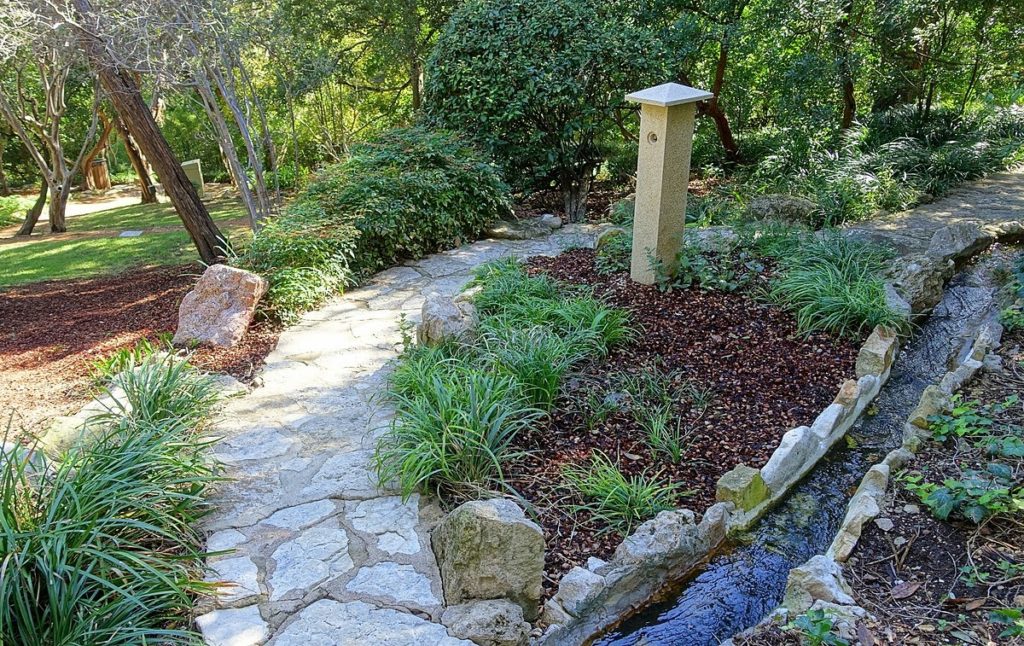
Gutunganya ubusitani ni umupaka uzenguruka ibitanda byawe kugirango urinde ibyatsi kandi utume ikibuga cyawe cyose gisa neza. Na none, urashobora kugera kubintu bitandukanye kubusitani bwawe cyangwa uburiri bwindabyo ukoresheje ubwoko butandukanye bwibuye.

Pavers izatuma imiterere yawe isa na geometrike kandi igezweho, mugihe amabuye adasanzwe adasanzwe (nkayashushanyije) atanga ishyamba, ryiza ryiza. Kubera ko amabendera azana amabara atandukanye, urashobora kubona ayandi ahuza cyangwa agereranya amabara yibimera byawe.
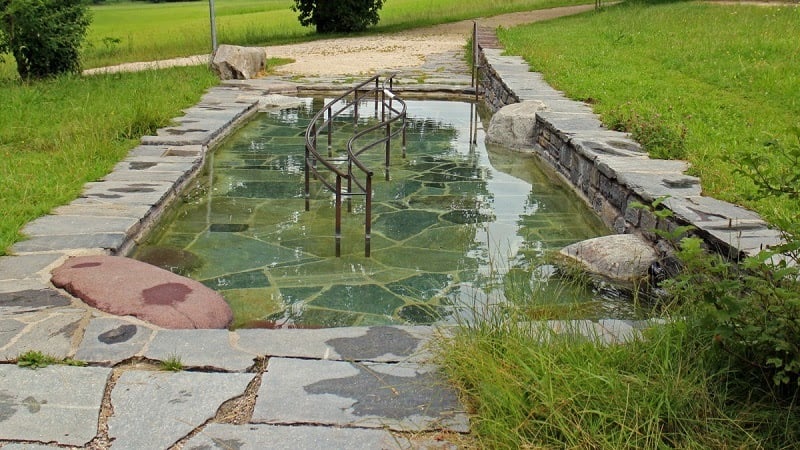
Flagstones are heavy enough to hold down liners for ponds and other similar water features, so they make great borders. Some types of flagstone are also permeable, which means they’ll absorb water instead of causing runoff if they get wet from your pond, waterfall, or fountain overflowing.
Ukoresheje ibendera ryibendera, urashobora gukora impande zigororotse, zisukuye kubwiza bwiki gihe, cyangwa ukajyana namabuye adasanzwe kumupaka wizewe uhuza nicyuzi gisanzwe.
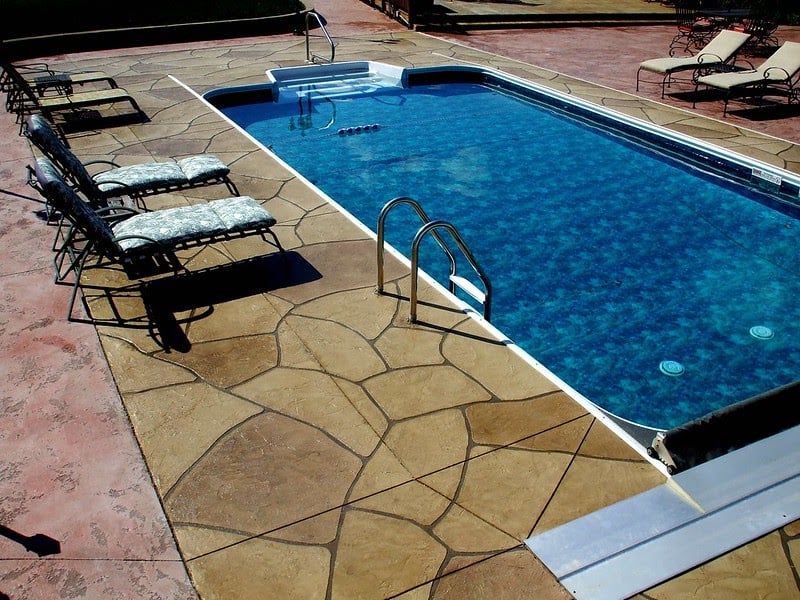
Because flagstones are slip-resistant, they’re the perfect material for pisine or hot tub decks, where friends and family will regularly run around barefoot. Some types of flagstone, such as sandstone, don’t absorb heat, so they won’t burn your feet, either.
Kandi na none, amabendera aremewe, urashobora rero kuyasasa ibyo ushaka byose utitaye kumazi atemba yangiza ibyatsi byawe.
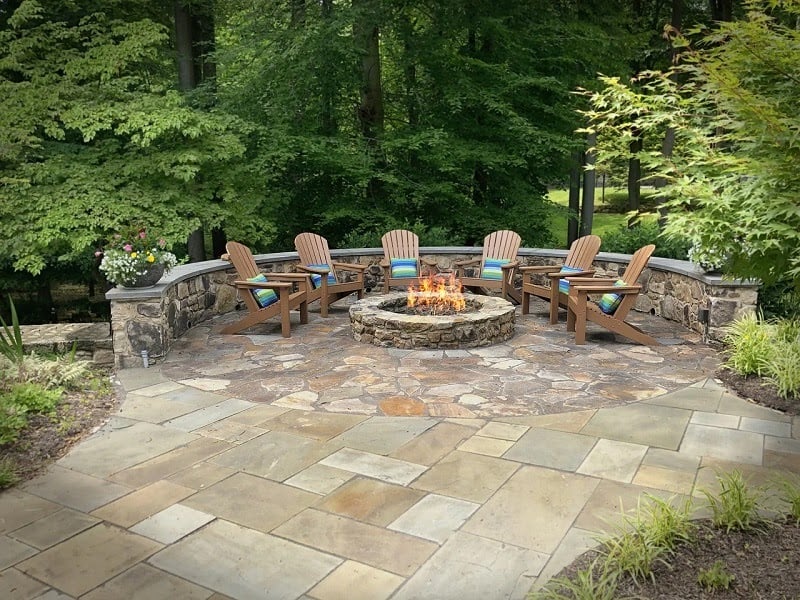
If you’re thinking of inyubako afire mu gikari cyawe, tekereza gukoresha amabuye kugirango ukore ahantu hatuje hanze. Urashobora gukoresha ubwoko bumwe nibara ryibuye ryibendera kuri patio / kwicara hafi yumwobo wumuriro hamwe numwobo wumuriro ubwawo kugirango ugaragare neza cyangwa ukoreshe amabara atandukanye kugirango ushushanye neza.
 Umunyafurika
  Ikinyalubaniya
  Amharic
  Icyarabu
  Ikinyarumeniya
  Azaribayijan
  Basque
  Biyelorusiya
  Ikibengali
  Bosiniya
  Buligariya
  Igikatalani
  Cebuano
  Ubushinwa
  Ubushinwa (Tayiwani)
  Corsican
  Igikorowasiya
  Ceki
Ceki  Danemark
  Ikidage
  Icyongereza
  Esperanto
  Esitoniya
  Igifinilande
  Igifaransa
  Igifaransa
  Abagalatiya
  Jeworujiya
  Ikidage
  Ikigereki
  Gujarati
  Igikerewole
  hausa
hausa  hawaiian
  Igiheburayo
  Oya
Oya  Miao
Miao  Hongiriya
  Isilande
  igbo
igbo  Indoneziya
  irish
irish  Umutaliyani
  Ikiyapani
  Javanese
  Kannada
  kazakh
  Khmer
Khmer  Rwanda
  Igikoreya
  Kurdish
  Kirigizisitani
  Igituntu
  Ikilatini
  Ikilatini
  Lituwaniya
  Luxembourgish
  Abanyamakedoniya
  Malgashi
  Malayika
  Malayalam
  Maltese
  Maori
Maori  Marathi
  Mongoliya
  Miyanimari
  Nepali
  Noruveje
  Noruveje
  Occitan
  Pashto
  Persian
  Igipolonye
  Igiporutugali
  Punjabi
  Ikinyarumaniya
  Ikirusiya
  Samoan
  Abanya-Gaelic
  Igiseribiya
  Icyongereza
  Shona
Shona  Sindhi
  Sinhala
  Igisilovakiya
  Igisiloveniya
  Somaliya
  Icyesipanyoli
  Sundanese
  Igiswahiri
  Igisuwede
  Tagalog
  Tajik
Tajik  Tamil
Tamil  Tatar
Tatar  Telugu
  Tayilande
  Turukiya
  Abanyaturukiya
  Ukraine
  Urdu
Urdu  Uighur
  Uzbek
Uzbek  Abanya Vietnam
  Welsh
Welsh