

Feela joaloka li-snowflakes, ha ho na li-flagstones tse peli tse tšoanang. E le sehlahisoa sa 'nete sa tlhaho, lejoe la majoe le tla ka libōpeho tse fapaneng, boholo, le mebala e fapaneng ho itšetlehile ka hore na le tsoa hokae. Phapang ena e makatsang e thusa beng ba matlo joalo ka uena ho theha li-hardscapes tse ikhethang e le kannete.
Different flagstones don’t only look different, though. They also have varying thicknesses, textures, levels of permeability, and uses. These durable, versatile unsung heroes of landscaping can be a part of just about any hardscape you could think of.
To help you narrow down the possibilities, we’ve come up with eight flagstone ideas to incorporate in your yard.
Lejoe la tlhaho la lejoe la tlhaho ke lejoe la sedimentary le arotsoeng ka mekhahlelo 'me le sebelisetsoa ho khabisa naha. Ho na le tse ngata tse fapaneng mefuta ea limela, kaofela li na le litšobotsi tsa tsona. Mefuta e meng e tsebahalang e kenyelletsa sandstone, quartzite, bluestone le limestone.
Majoe a mangata a lifolakha a tla ka e 'ngoe ea libopeho tse peli:
For either shape option, you can lay flagstones dry on a bed of sand or gravel (“dry-laid”) or use concrete (“wet-laid”). If you’re using thinner flagstones, it’s a good idea to lay them in concrete, as they sometimes crack easily when laid dry.
Whatever kind of landscaping project you’re working on, the cost of flagstone is typically $15 to $20 per square foot. That price covers all the materials needed, including the stone itself and sand, gravel, or concrete.
The price varies depending on what specific type of flagstone you use and whether it’s dry-laid or wet-laid. Dry-laid is typically cheaper because you won’t have to pay for concrete.
Now that we’ve covered the basics of flagstone, let’s get into our eight design ideas for using them in your landscape.
Majoe a lifolakha a nepahetse bakeng sa libaka tse nang le sephethephethe se phahameng joalo ka li-patios hobane sebopeho sa tsona se thata se etsa hore li se ke tsa thella.
U ka fetola patio ea hau ea marang-rang hore e be sebaka sa bolulo sa kantle ka ho eketsa thepa ea ka tlung le a pergola kapa sekoahelo se seng.
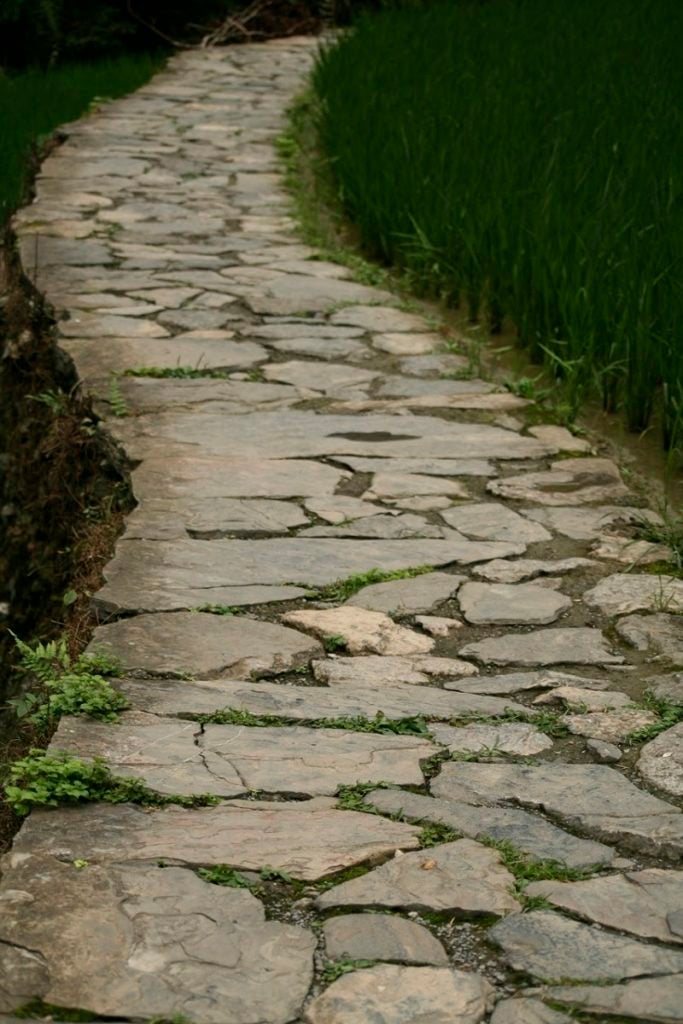
Haeba bana ba banyenyane, beng ka uena ba tsofetseng, kapa baeti ba bang ba tloaetseng ho khoptjoa khafetsa ntlong ea hau, u ka etsa tsela e boreleli, e otlolohileng ea lipampiri tsa majoe a marang-rang.
As with flagstone patios, flagstone pathways are naturally slip-resistant because of the stone’s texture, so you won’t have to worry about your paths getting slick with rainwater.
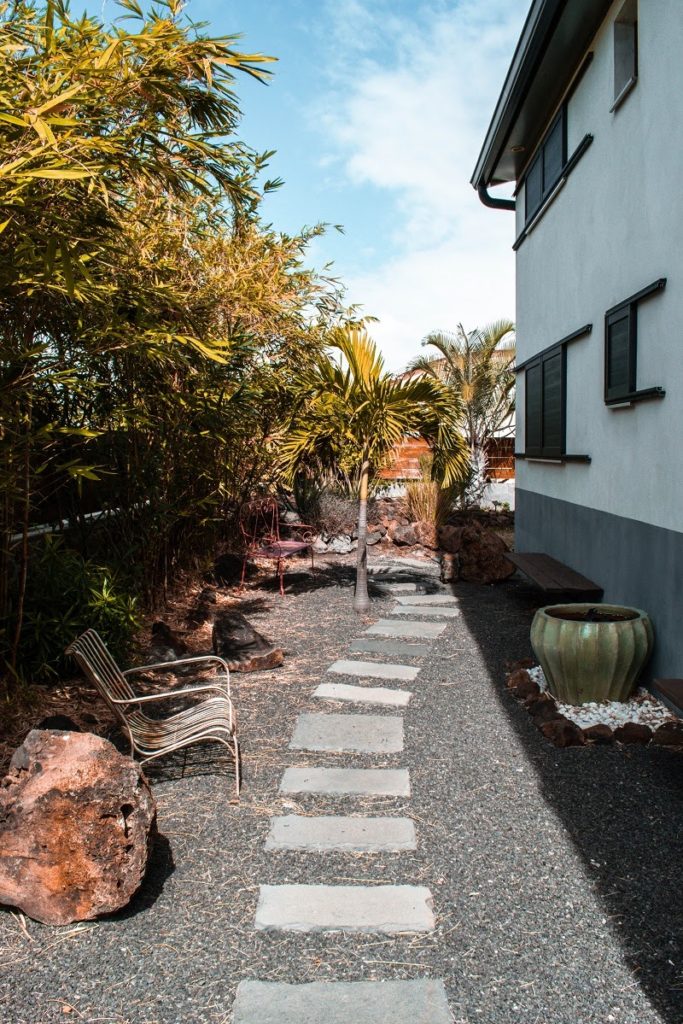
Ho etsa majoe a hatang, arola li-flagstones tsa hau ka lisenthimithara tse 'maloa 'me u tlatse likheo ka lehlohlojane la pea, lefika la noka, kapa limela tse koahelang fatše ho thibela lehola. U ka sebelisa li-pavers bakeng sa chebahalo ea sejoale-joale joalo ka ena kapa li-flagstones tse sa tloaelehang bakeng sa tsela ea jarete ea mofuta oa ntloana.
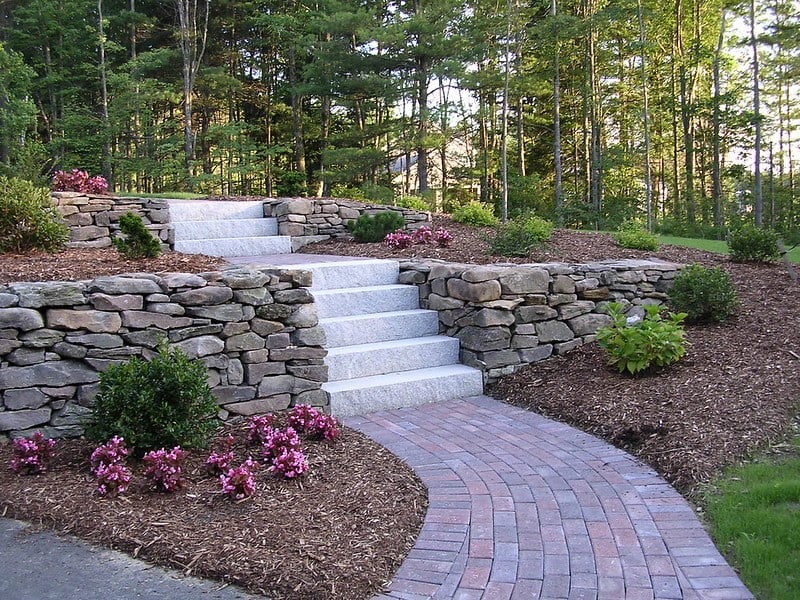
Though people might not typically use flagstones as stone for retaining walls, it is an option. You can stack flagstones to create a low wall in your landscape. Just don’t try stacking them too tall. You know what happened to Icarus when he flew too close to the sun.
Ha u etsa lerako le bolokang ka majoe a marang-rang, u ka khona ho li bokella li omme kapa ua sebelisa seretse ho li kopanya. Bakeng sa lerako le tiileng, le tšoarellang nako e telele, u lokela ho nahana ka ho sebelisa seretse (le hoja se ka etsa hore morero oa hau o theko e boima haholoanyane).
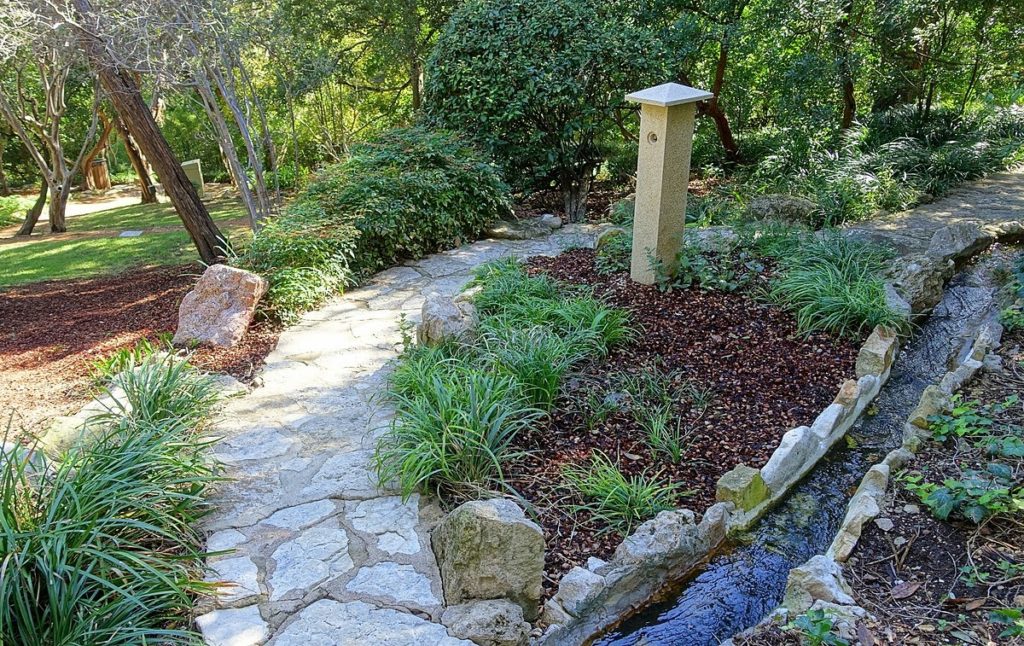
Serapa edging ke moeli o pota-potileng libethe tsa sebaka sa hau ho boloka joang bo le ntle le ho etsa hore jarete eohle ea hau e shebahale e bentšitsoe haholoanyane. Hape, u ka finyella ponahalo e fapaneng bakeng sa serapa sa hau kapa bethe ea lipalesa u sebelisa mefuta e sa tšoaneng ea li-flagstones.

Li-Pavers li tla etsa hore sebaka sa hau sa naha se shebahale hantle sa geometri le sa sejoale-joale, ha majoe a marang-rang a sa tloaelehang (joaloka a bontšitsoeng setšoantšong) a fana ka botle bo botle ba tlhaho. Kaha li-flagstones li na le mebala e fapaneng, u ka fumana tse phethahetseng ho bapisa kapa ho bapisa mebala ea limela tsa hau.
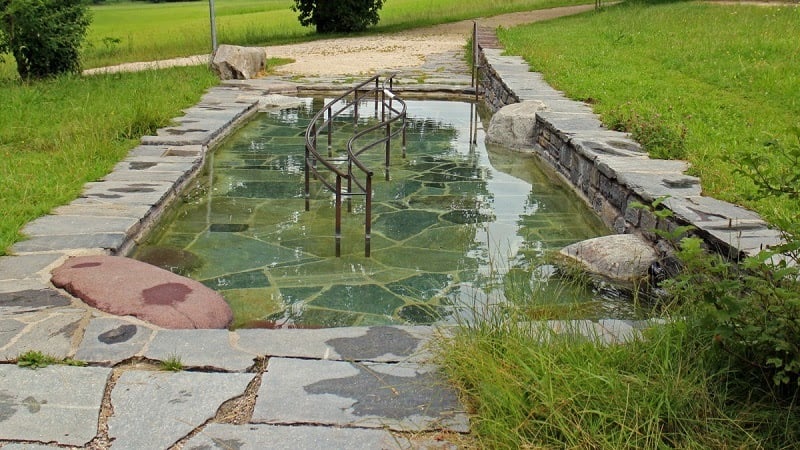
Flagstones are heavy enough to hold down liners for ponds and other similar water features, so they make great borders. Some types of flagstone are also permeable, which means they’ll absorb water instead of causing runoff if they get wet from your pond, waterfall, or fountain overflowing.
Ka li-pavers tsa li-flagstone, u ka etsa moeli o otlolohileng, o hloekileng bakeng sa botle ba mehleng ea kajeno, kapa u tsamaee ka majoe a sa tloaelehang bakeng sa moeli o ka tšeptjoang o kopanang le letangoana la mokhoa oa tlhaho.
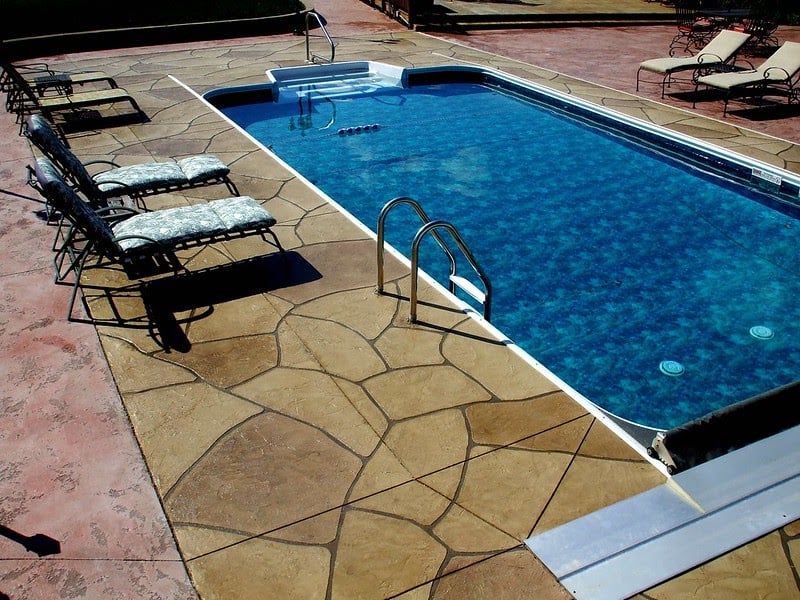
Because flagstones are slip-resistant, they’re the perfect material for letangoana la ho sesa or hot tub decks, where friends and family will regularly run around barefoot. Some types of flagstone, such as sandstone, don’t absorb heat, so they won’t burn your feet, either.
Hape, li-flagstones lia khoneha, kahoo u ka li fafatsa tsohle tseo u li batlang ntle le ho tšoenyeha ka metsi a phallang ka likhohola mohloeng oa hau.
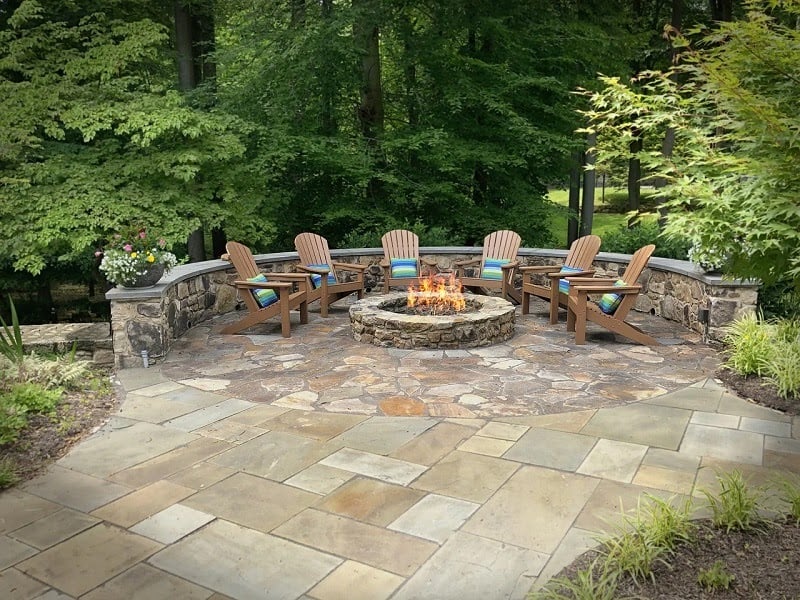
If you’re thinking of ho haha afire pit ka mor'a ntlo ea hau, nahana ka ho sebelisa li-flagstones ho theha sebaka sa bolulo sa ka ntle sa rustic. U ka sebelisa mofuta o tšoanang le 'mala oa lejoe la folakha bakeng sa patio / sebaka sa litulo se potolohileng sekoti sa mollo le sekoti sa mollo ka boeona bakeng sa ponahalo e se nang moeli kapa ho sebelisa mebala e fapaneng bakeng sa moralo o tsotehang haholoanyane.
 Moafrika
  Sealbania
  Seamharic
  Searabia
  Searmenia
  Se-Azerbaijani
  Sebasque
  Sebelarusia
  Benghali
  Sebosnia
  Se-Bulgaria
  Secatalan
  Sebuano
  China
China  China (Taiwan)
  Corsican
  Secroatia
  Czech
Czech  Sedanishe
  Se-Dutch
  Senyesemane
  Esperanto
  Seestonia
  Sefinnishe
  Sefora
  Sefrisia
  Segalician
  Segeorgia
  Sejeremane
  Segerike
  Segujarati
  Secreole sa Haiti
  hausa
hausa  siwaiian
  Seheberu
  Che
Che  Miao
Miao  Se-Hungary
  Seiceland
  igbo
igbo  Seindonesia
  irish
irish  Setaliana
  Sejapane
  Se-Javanese
  Kannada
  kazakh
  Khmer
Khmer  Rwanda
  Sekorea
  Sekurdish
  Sekyrgyz
  Lefuba
  Selatine
  Selatvia
  Selithuania
  Se-Luxembourgish
  Semacedonia
  Malgashi
  Semalay
  Semalayalam
  Semalta
  Semaori
  Marathi
  Mongolian
  Myanmar
  tsa Nepali
  Norwegian
  Norwegian
  Occitan
  Sepashto
  Sepersia
  Sepolishe
  Sepotoketsi
  Sepunjabi
  Seromania
  Serussia
  Sesamoa
  Segaeli sa Scotland
  Seserbia
  Senyesemane
  Seshona
  Sindhi
  Sesinhala
  Seslovak
  Seslovenia
  Somalia
  Sepanish
  Sesundanese
  Seswahili
  Seswedishe
  Setagalog
  Se-Tajik
  Setamil
  Setatare
  Setelugu
  Sethai
  Se-Turkey
  Turkmen
  Seukraine
  Seurdu
  Uighur
  Seuzbek
  Sevietnam
  Welsh
Welsh 




