

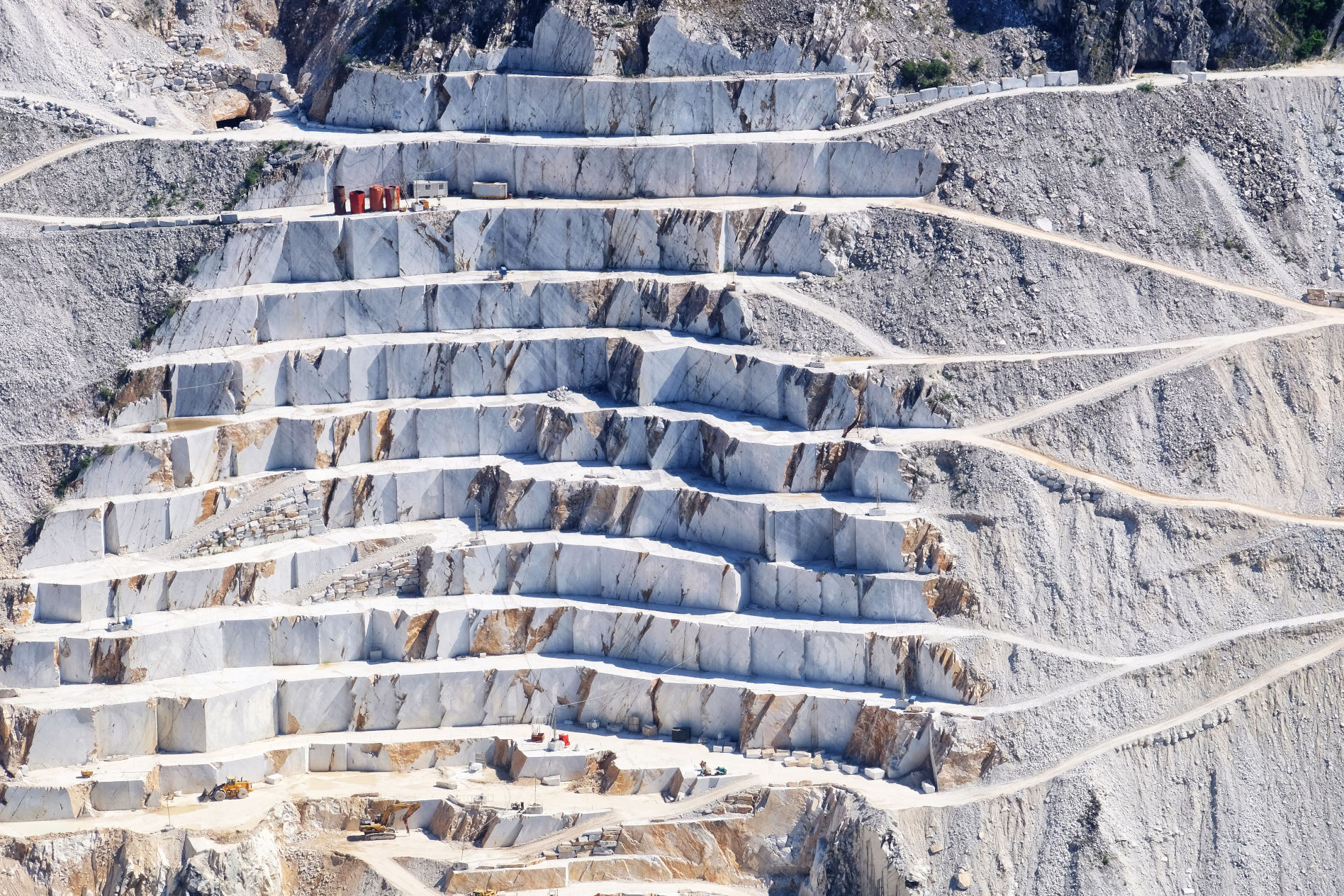
Kung mohunong ka sa paghunahuna bahin niini, ang natural nga bato nahimong sukaranan sa atong modernong sibilisasyon sa usa ka dako nga paagi. Gikan sa mga bilding nga among gipuy-an, gitrabahoan ug gipamalit hangtod sa yuta nga among gibaktas ug gisakyan, ang pagpuyo nga wala kini hinungdanon nga natural nga kahinguhaan lisud mahanduraw.
Ang panaw nga ang lain-laing mga porma sa natural nga bato take from the depths of the earth and into the construction of homes, commercial buildings and roads is a fascinating one. Let us dive in and explore the origins of natural stone and how it’s made.
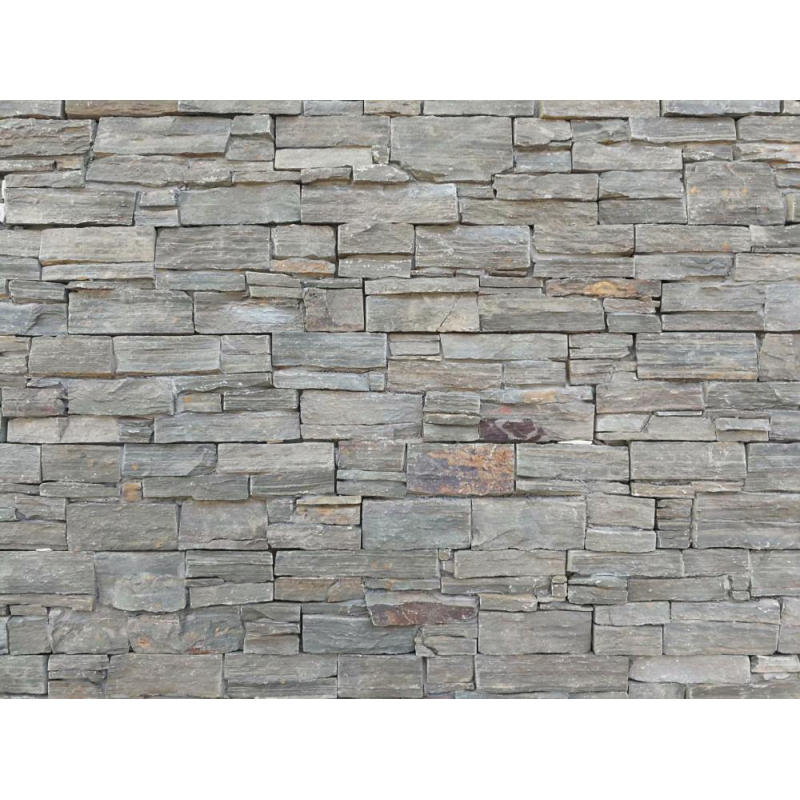
Ang natural nga bato mahimong ma-categorize sa tulo ka paagi: Igneous, Sedimentary ug Metamorphic.
Igneous rocks are the result of magma or lava solidifying and cooling, either beneath the earth’s surface or ejected from volcanoes and left to cool above-ground. Granite is the most common form of igneous stone but other kinds include basalt, dunite, rhyolite and gabbro.
Sedimentary rocks form through a combination of fragments from other rocks, along with the remains of plants, animals and other organic materials. These materials accumulate in deserts, oceans and lakes before they are compressed into their final form by the weight of the earth above them. Limestone is the most common sedimentary rock with siltstone, dolomite and shale comprising other variations.
Metamorphic rocks previously existed as igneous or sedimentary stones and were then transformed due to heat and pressure applied through exposure to magma, the weight of earth above them when buried deep underground, or a combination of both. Marble is the most famous stone of the metamorphic variety and quartzite, soapstone, gneiss and jade, among others, round out this fascinating category.
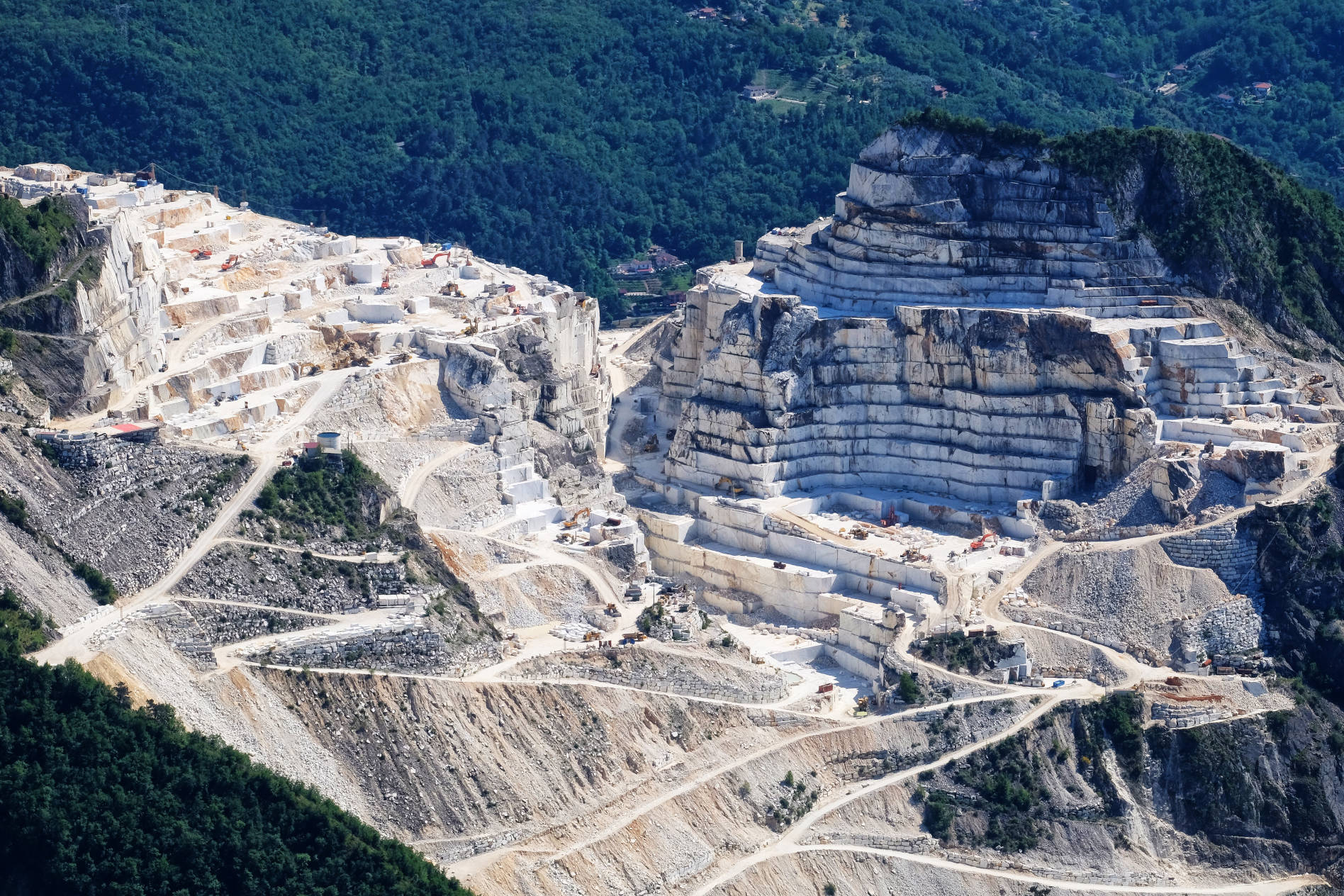
Marble Quarry sa Tuscany
Human maatiman sa kinaiyahan ang unang lakang sa aktuwal nga pagporma sa bato, ang sunod nga lakang sa pagtangtang ug pag-re-purpose sa bato para gamiton gihimo sa mga kamot sa tawo sa mga quarry sa bato sa tibuok kalibotan.
Ang proseso sa pagkubkob sa bato kaylap ug nanginahanglan ug kusgan nga makinarya kauban ang hanas nga mga trabahante sa quarry. Sa wala pa gani mahikap ang bato, adunay taas nga lista sa mga aksyon nga kinahanglan mahitabo.
Una, ang usa ka grupo sa mga geologist kinahanglang mangitag mga outcrop nga bato sa usa ka quarry nga mahimong masusi. Sunod, ang usa ka sample sa bato gikuha pinaagi sa pag-drill sa bato gamit ang mga drill bits nga adunay tip sa diamante. Ang sampol dayon analisa aron mahibal-an kung kini adunay gitinguha nga mga kinaiya nga magamit ingon usa ka materyal sa pagtukod.
Sa pag-ingon nga ang bato mohaum sa bayronon alang sa mga katuyoan sa pagtukod, ang taas ug sagad nga malangan nga proseso sa pag-angkon sa tukma nga mga lisensya ug permit gikan sa lokal nga gobyerno nagsugod. Depende sa nasud ug estado, mahimo kini nga mga tuig aron makompleto.
Sa diha nga ang katapusan nga pag-uyon gihatag, ang trabaho magsugod sa paghawan sa bisan unsa nga debris, hugaw ug uban pang mga babag nga makababag sa proseso sa quarrying. Nakadugang niini nga kalisud mao ang kamatuoran nga daghang mga quarry ang nahimutang sa hilit ug dili maabot nga mga lugar, nga nagkinahanglan sa tibuok nga mga dalan ug mga tunnel nga tukoron sa dili pa magsugod ang tinuod nga trabaho.
Ang kombinasyon sa diamond-wire saws, high-powered torch ug timed explosive detonations gigamit sa pagbulag sa mga bato gikan sa nawong sa quarry. Ang moresulta nga dagkong mga bloke, nga sagad motimbang ug kapin sa kwarenta ka tonelada, ihatod sa pasilidad para sa dugang pagputol ug pagproseso.
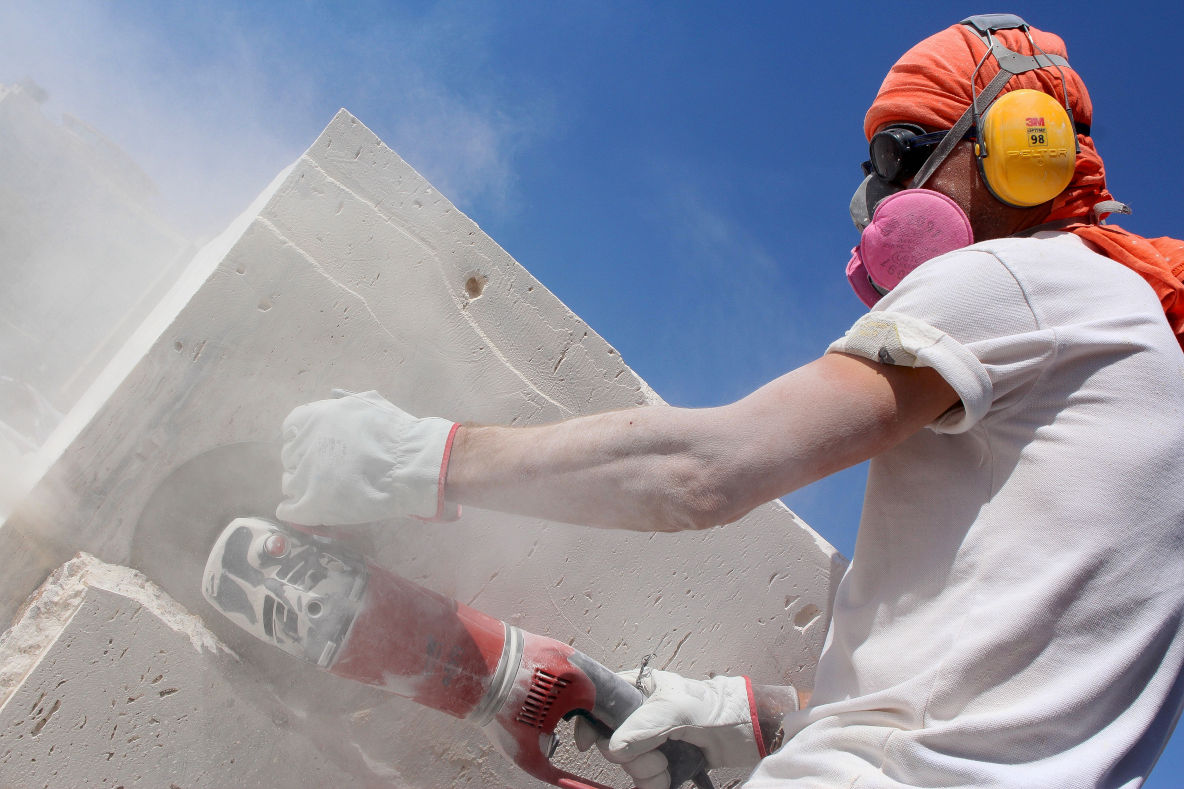
Trabaho sa Quarry nga Nagputol sa Bato
Sa pasilidad sa pagproseso, ang mga bloke sa bato dayon putlon ngadto sa mga slab pinaagi sa high-speed gang saws nga nagpagawas usab og tubig samtang nagputol aron makunhuran ang pagbuga sa abog. Bisan pa sa kakusog sa ilang pag-operate, ang gang gabas kasagarang moabot ug mga duha ka adlaw aron mahuman ang pagputol sa 20-toneladang bloke sa bato.
Sunod, ang mga slab gipadala pinaagi sa usa ka polishing machine aron mahatagan ang gusto nga pagkahuman. Ang gipasinaw mao ang labing kasagaran nga pagkahuman nga adunay gihashasan, panit ug gisipilyo nga ubang mga kapilian nga naghatag lainlain nga lebel sa texture sa ibabaw sa bato.
Now that the slabs are cut to the correct size and have the desired finish, the final stage in a natural stone’s journey into your home takes place at the fabricator’s facility. Here, the stone slabs are further cut to specification for each individual project which includes shaping of the edges into the detail required for installation.
Now that you know the incredible journey that natural stone takes from deep inside the earth and into your kitchen, I’m sure you’ll agree that it is certainly worth the wait. Thanks to advancements in the industry over the years and the demand that exists for natural stone of all kinds, you don’t actually have to sit around while your marble, quartzite or granite is quarried and processed.
 Aprikano
  Albaniano
  Amharic
  Arabiko
  Armenian
  Azerbaijani
  Basque
  Belarusian
  Bengali
  Bosnian
  Bulgarian
  Catalan
  Cebuano
  China
China  China (Taiwan)
  Corsican
  Croatiano
  Czech
Czech  Danish
  Dutch
Dutch  English
  Esperanto
  Estonian
  Finnish
  Pransiya
  Frisian
  Galician
  Georgian
  Aleman
  Griyego
  Gujarati
  Haitian Creole
  hausa
hausa  hawaiian
  Hebreohanon
  dili
dili  Miao
Miao  Hungarian
  Icelandic
  igbo
igbo  Indonesian
  irish
irish  Italyano
  Hapon
Hapon  Javanese
  Kannada
  kazakh
  Khmer
Khmer  Rwandan
  Koreano
  Kurdish
  Kyrgyz
  TB
TB  Latin
Latin  Latviano
  Lithuanian
  Luxembourgish
  Macedonian
  Malgashi
  Malay
Malay  Malayalam
  Maltese
  Maori
Maori  Marathi
  Mongolian
  Myanmar
  Nepali
  Norwegian
  Norwegian
  Occitan
  Pashto
  Persianhon
  kahamis
  Portuges
  Punjabi
  Romaniano
  Ruso
Ruso  Samoano
  Scottish Gaelic
  Serbiano
  English
  Shona
Shona  Sindhi
  Sinhala
  Slovak
  Slovenian
  Somali
  Kinatsila
  Sundanese
  Swahili
  Swedish
  Tagalog
  Tajik
Tajik  Tamil
Tamil  Tatar
Tatar  Telugu
  Thai
Thai  Turko
Turko  Turkmen
  Ukrainiano
  Urdu
Urdu  Uighur
  Uzbek
Uzbek  Vietnamese
  Welsh
Welsh 




