

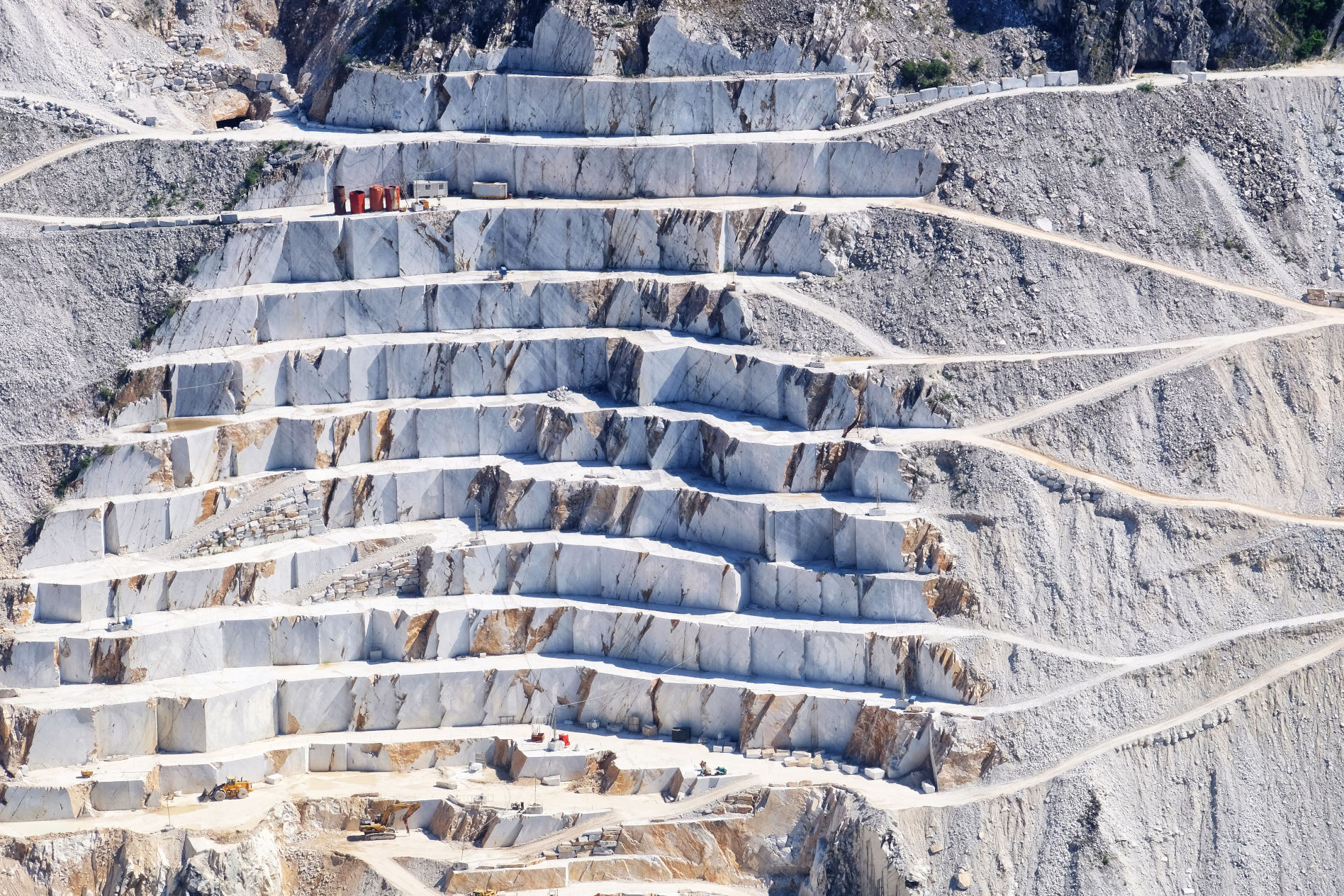
Pan fyddwch chi'n stopio i feddwl amdano, mae carreg naturiol yn sail i'n gwareiddiad modern mewn ffordd fawr. O’r adeiladau rydyn ni’n byw, yn gweithio ac yn siopa ynddynt i’r ddaear rydyn ni’n cerdded ac yn gyrru arno, mae’n anodd dychmygu byw heb yr adnodd naturiol hanfodol hwn.
Y daith y mae'r gwahanol ffurfiau arni carreg naturiol take from the depths of the earth and into the construction of homes, commercial buildings and roads is a fascinating one. Let us dive in and explore the origins of natural stone and how it’s made.
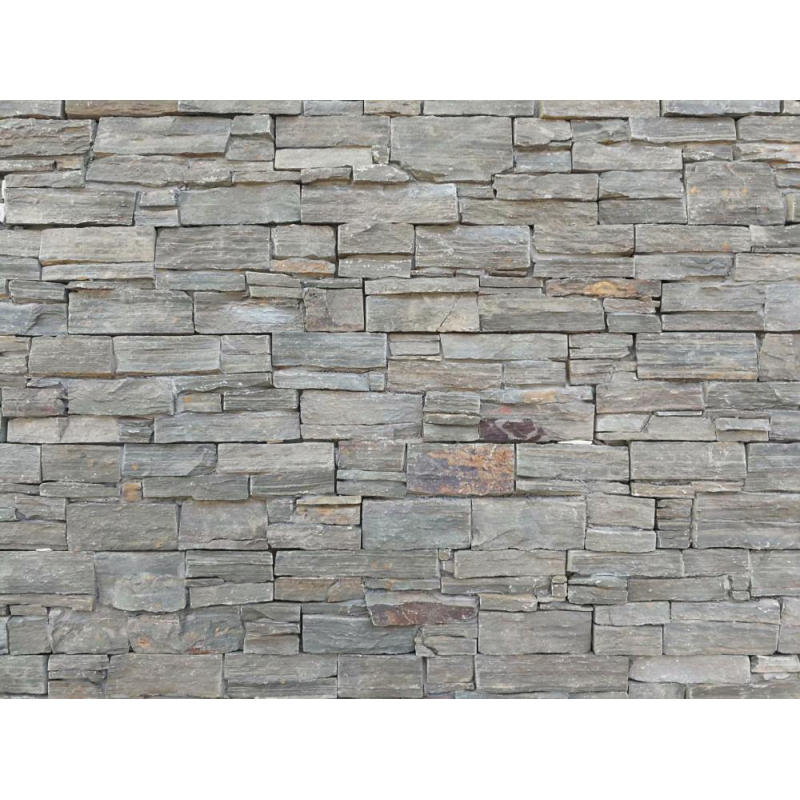
Gellir categoreiddio carreg naturiol mewn tair ffordd: igneaidd, gwaddodol a metamorffig.
Igneous rocks are the result of magma or lava solidifying and cooling, either beneath the earth’s surface or ejected from volcanoes and left to cool above-ground. Granite is the most common form of igneous stone but other kinds include basalt, dunite, rhyolite and gabbro.
Sedimentary rocks form through a combination of fragments from other rocks, along with the remains of plants, animals and other organic materials. These materials accumulate in deserts, oceans and lakes before they are compressed into their final form by the weight of the earth above them. Limestone is the most common sedimentary rock with siltstone, dolomite and shale comprising other variations.
Metamorphic rocks previously existed as igneous or sedimentary stones and were then transformed due to heat and pressure applied through exposure to magma, the weight of earth above them when buried deep underground, or a combination of both. Marble is the most famous stone of the metamorphic variety and quartzite, soapstone, gneiss and jade, among others, round out this fascinating category.
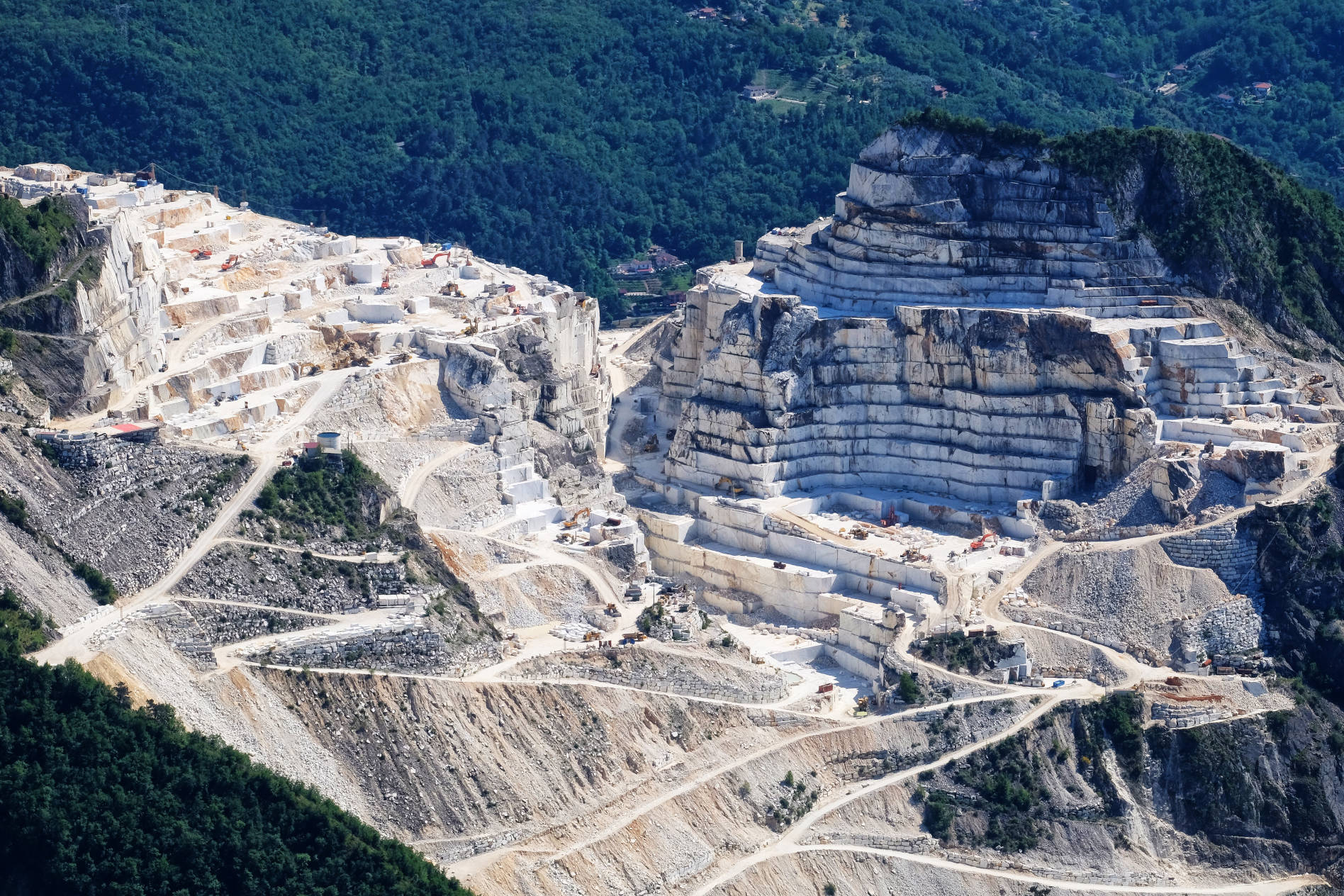
Chwarel Farmor yn Tysgani
Ar ôl i natur ofalu am y cam cyntaf wrth ffurfio'r garreg mewn gwirionedd, mae'r cam nesaf o dynnu ac ail-bwrpasu'r garreg i'w defnyddio yn cael ei wneud gan ddwylo dynol mewn chwareli cerrig ledled y byd.
Mae'r broses o gloddio cerrig yn helaeth ac mae angen peiriannau pwerus ynghyd â gweithwyr chwarel medrus. Cyn y gellir cyffwrdd â'r garreg hyd yn oed, mae yna restr hir o gamau gweithredu y mae angen eu cymryd.
Yn gyntaf, rhaid i dîm o ddaearegwyr ddod o hyd i frigiadau cerrig mewn chwarel y gellir eu harchwilio. Nesaf, cymerir sampl o'r garreg trwy ddrilio i'r graig gyda darnau dril â blaen diemwnt. Yna caiff y sampl ei ddadansoddi i ddarganfod a oes ganddo'r nodweddion dymunol i'w ddefnyddio fel deunydd adeiladu.
Gan dybio bod y garreg yn cyd-fynd â'r bil at ddibenion adeiladu, mae'r broses hirfaith a hirfaith o sicrhau'r trwyddedau a'r hawlenni priodol gan lywodraeth leol yn dechrau. Yn dibynnu ar y wlad a'r wladwriaeth, gall hyn gymryd blynyddoedd i'w gwblhau.
Unwaith y bydd y gymeradwyaeth derfynol wedi'i chyflwyno, mae gwaith yn dechrau i glirio unrhyw falurion, baw a rhwystrau eraill a fyddai fel arall yn rhwystro'r broses chwarela. Yn ychwanegu at yr anhawster hwn mae'r ffaith bod llawer o chwareli mewn mannau anghysbell ac anhygyrch, sy'n gofyn am adeiladu ffyrdd a thwneli cyfan cyn y gall y gwaith go iawn ddechrau.
Defnyddir cyfuniad o lifiau gwifren diemwnt, fflachlampau pŵer uchel a thaniadau ffrwydrol wedi'u hamseru i wahanu'r cerrig oddi wrth wyneb y chwarel. Yna mae'r blociau enfawr sy'n deillio o hyn, sy'n aml yn pwyso dros ddeugain tunnell, yn cael eu cludo i gyfleuster i'w torri a'u prosesu ymhellach.
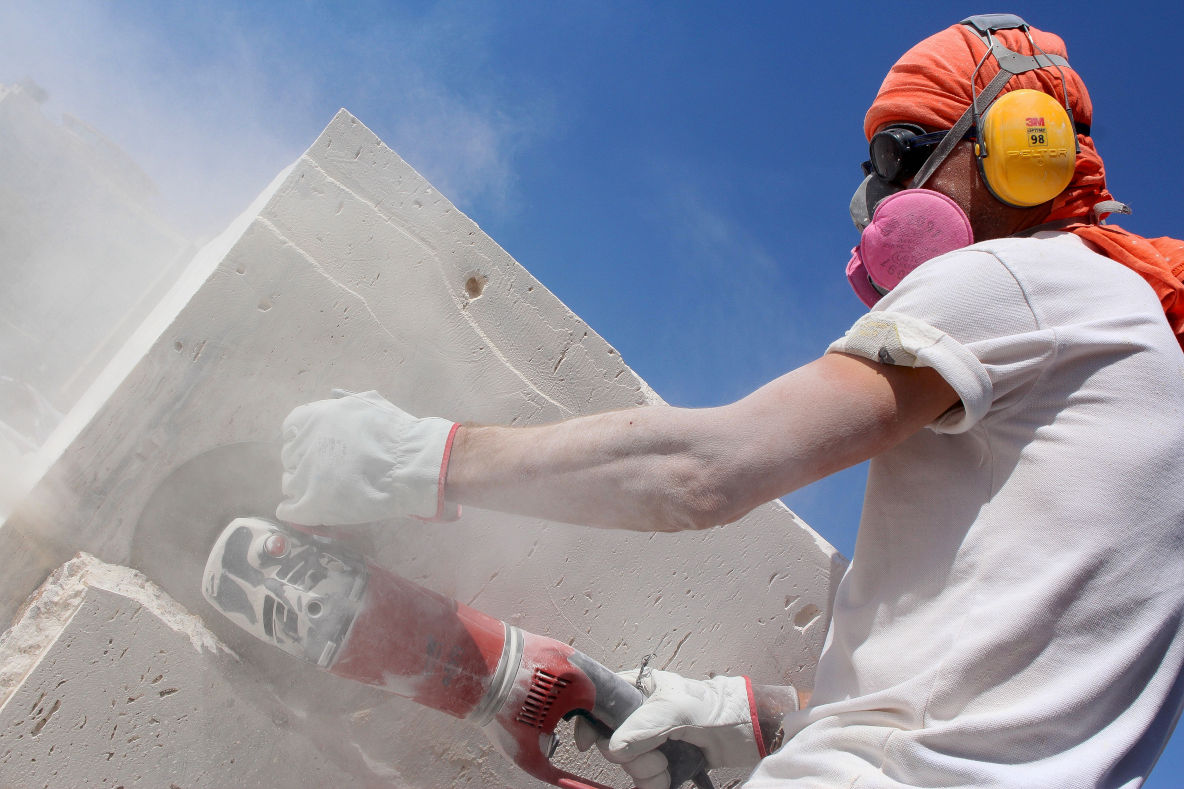
Gweithiwr Chwarel Torri Carreg
Yn y cyfleuster prosesu, mae'r blociau cerrig wedyn yn cael eu torri'n slabiau gan lifiau gang cyflym sydd hefyd yn rhyddhau dŵr wrth dorri i leihau allyriadau llwch. Er gwaethaf y cyflymder y maent yn gweithredu, mae'r llifiau gang fel arfer yn cymryd tua dau ddiwrnod i orffen torri bloc 20 tunnell o gerrig.
Nesaf, anfonir y slabiau trwy beiriant sgleinio i roi'r gorffeniad a ddymunir. Wedi'i sgleinio yw'r gorffeniad mwyaf cyffredin gyda hogi, lledr a brwsio yn opsiynau eraill sy'n darparu gwahanol raddau o wead ar wyneb y garreg.
Now that the slabs are cut to the correct size and have the desired finish, the final stage in a natural stone’s journey into your home takes place at the fabricator’s facility. Here, the stone slabs are further cut to specification for each individual project which includes shaping of the edges into the detail required for installation.
Now that you know the incredible journey that natural stone takes from deep inside the earth and into your kitchen, I’m sure you’ll agree that it is certainly worth the wait. Thanks to advancements in the industry over the years and the demand that exists for natural stone of all kinds, you don’t actually have to sit around while your marble, quartzite or granite is quarried and processed.
 Affricanaidd
  Albaneg
  Amhareg
  Arabeg
  Armenaidd
  Azerbaijani
  Basgeg
  Belarwseg
  Bengali
  Bosnieg
  Bwlgareg
  Catalaneg
  Cebuano
  Tsieina
  Tsieina (Taiwan)
  Corseg
  Croateg
  Tsiec
Tsiec  Daneg
Daneg  Iseldireg
  Saesneg
  Esperanto
  Estoneg
  Ffinneg
  Ffrangeg
  Ffriseg
  Galiseg
  Sioraidd
  Almaeneg
  Groeg
Groeg  Gwjarati
  Creol Haitaidd
  hausa
hausa  hawaiian
  Hebraeg
  Naddo
Naddo  Miao
Miao  Hwngareg
  Islandeg
  igbo
igbo  Indoneseg
  gwyddelig
  Eidaleg
  Japaneaidd
  Jafaneg
  Kannada
  kazakh
  Khmer
Khmer  Rwanda
  Corëeg
  Cwrdaidd
  Kyrgyz
  TB
TB  Lladin
  Latfieg
  Lithwaneg
  Lwcsembwrgaidd
  Macedoneg
  Malgashi
  Maleieg
  Malayalam
  Malteg
  Maori
Maori  Marathi
  Mongoleg
  Myanmar
  Nepali
  Norwyaidd
  Norwyaidd
  Ocsitaneg
  Pashto
  Perseg
  Pwyleg
  Portiwgaleg
  Pwnjabi
  Rwmania
  Rwsieg
  Samoaidd
  Gaeleg yr Alban
  Serbeg
  Saesneg
  Shona
Shona  Sindhi
  Sinhala
  Slofaceg
  Slofeneg
  Somalïaidd
  Sbaeneg
  Sundanaidd
  Swahili
  Swedeg
  Tagalog
  Tajiceg
  Tamil
Tamil  Tatar
Tatar  Telugu
  Thai
Thai  Twrceg
  Tyrcmeniaid
  Wcrain
  Wrdw
Wrdw  Uighur
  Wsbeceg
  Fietnameg
  Cymraeg




